
Jamaica’s Blue Mountain coffee is a mild, low-bitterness arabica grown in a misty high-altitude band above Kingston. For cruise passengers, the bookable plantation visits are Craighton Estate, Old Tavern Coffee Estate and Clifton Mount, each with different booking rules, driving times and port-day fit. This guide covers which port to use, time buffers, costs, tours and what actually happens at each estate.
Why Jamaica Blue Mountain Coffee Is Famous
Jamaica Blue Mountain is the Typica variety of arabica, the same coffee family that originated in south-western Ethiopia. The best lots are prized for a balanced, full-bodied cup with mild acidity, low bitterness and subtle notes of cocoa, brown spice, light florals and citrus.
It is a tiny product: roughly 0.1% of world coffee production, and more than 80% of certified Blue Mountain coffee is exported to Japan. It is also the only coffee still packed for export in 30kg and 70kg wooden barrels rather than jute bags.
Beans are graded No.1, No.2 and No.3 by size and defects, with peaberry graded separately. The Blue Mountain name is a protected certification mark policed by JACRA, formerly the Coffee Industry Board, so not every Jamaican coffee labelled Blue Mountain is the real thing. A Blue Mountain Blend need only contain a minimum of 30% Blue Mountain coffee under Jamaican regulations. If you want the genuine single-origin cup, look for 100% Jamaica Blue Mountain.
One claim repeated by a Craighton Estate guide is that Blue Mountain coffee has about two-thirds less caffeine than other coffees. It is still caffeinated coffee, but arabica naturally carries less caffeine than robusta.
Jamaica coffee plantation tours map
Each pin shows how far that place is from the nearest cruise pier. Tap a pin for directions.
- Port Royal Cruise TerminalWhere ships dock
- Reynolds PierWhere ships dock
- Ocho Rios Cruise Terminal (Turtle Bay Pier)Where ships dock
- Montego Freeport Cruise Terminal (Berths 5 and 6)Where ships dock
- Craighton EstateCoffee estate · About 17 km from the Port Royal cruise pier
- Old Tavern Coffee EstateCoffee estate · About 21 km from the Port Royal cruise pier
- Mavis Bank Coffee FactoryCoffee factory · About 20 km from the Port Royal cruise pier
- HolywellNational park area · About 20 km from the Port Royal cruise pier
- Blue and John Crow Mountains National ParkNational park · About 33 km from the Port Royal cruise pier
Where Blue Mountain Coffee Grows: Altitude, Mist, and Soil
The Blue Mountains rise to 2,256m at Blue Mountain Peak, Jamaica’s highest point. The legally defined Blue Mountain coffee area is not a parish boundary but a mapped band of 15 named places running from Skibo round to Tranquility. In everyday speech it covers parts of St Andrew, St Thomas, Portland and St Mary, with most farms sitting at roughly 3,000 to 5,500ft, about 900 to 1,700m.
Coffee grown just below that area is sold as Jamaica High Mountain Supreme, while lower-grown coffee is Jamaica Supreme or Low Mountain.
The reason the coffee is so slow-growing is the climate. Moisture-laden north-east winds rise into the mountains, forming heavy cloud and fog that reduces sunlight and slows cherry development. The soil is rich, volcanic and well drained, and many estates plant Inga shade trees to moderate temperature and protect the slopes. The whole Blue Mountain growing region is only about 6,000 hectares. At Old Tavern Coffee Estate the near-constant mist means cherries can stay on the tree for about ten months before picking.
A Quick History of Jamaican Coffee
Coffee was introduced to Jamaica in the early 18th century and the Blue Mountain name has been traded ever since. The industry was formally regulated under the Coffee Industry Regulation Act, with the Coffee Industry Board policing the name until JACRA took over.
Clifton Mount has produced coffee since the mid-18th century, and the Victorian painter Marianne North stayed nearby and painted Coffee Plantation at Clifton Mount, and the Blue Mountains Beyond. In the 1990s the Twyman family at Old Tavern fought the Coffee Industry Board for the right to process and sell their own single-estate coffee, and won. Japan’s relationship with the crop began with a large shipment from Kingston in the 1960s, and Japan remains the largest consumer.
Clifton Mount Coffee Estate: The Oldest Working Estate
Clifton Mount is often described as the oldest functioning coffee estate in Jamaica and one of the oldest coffee estates in the world. It sits on the eastern slope of Catherine’s Peak in the Newcastle area at 1,300 to 1,500m. The Sharp family has farmed it since the late 1970s, and the estate is Rainforest Alliance certified.
Its published growing data is a useful benchmark: Typica variety, Inga shade trees, about 1,800mm of rain a year, washed processing and sun drying. Flowering runs from August to September and harvest from May to July on this estate.
Clifton Mount is a private working estate, not a walk-up attraction with a ticket desk. Visitors reach it through operators or a guided hike rather than by turning up. A five-hour Clifton Mount tour from Strawberry Hill is sold at about US$160 per person, with an optional 1.5-hour Old Tavern roasting add-on for about US$40. A lower-difficulty, three-hour stroll climbs through Blue Mountain woodland to around 5,000ft. The estate house is one of the few surviving 19th-century coffee great houses, sitting in a garden on a plateau surrounded by mountain views. If you want the full Clifton Mount experience, you need to arrange it before your cruise day.
Craighton Estate Blue Mountain Coffee Tour: The Easy Choice
Craighton Estate is the easiest named estate for most cruise passengers to book and understand. It is at Irish Town, St Andrew, on the Newcastle road, with a Georgian great house about 792m above sea level on 80 hectares. The estate is owned by Ueshima Coffee Company of Japan.
The tour walks the working coffee farm and the historic great house, and usually ends with a tasting, sometimes served with rum cake on the veranda. A ten-minute walk leads to a hilltop gazebo with panoramic views over Kingston and the mountains.
Published entry is US$25 per adult and US$15 per child aged 6 to 12. Transport from Kingston is often quoted at US$100 for up to three passengers, plus US$25 for each extra passenger. Reservations are required, and the estate can be scheduled daily from Kingston. One listing gives 8am to 4pm daily, while another gives Monday to Friday 9am to 4pm, Saturday 10am to 3pm and Sunday closed. The safest move is to phone +1 876-929-8490 or +1 876-929-8491, or check the official site before you commit.
There is a gift shop selling estate coffee and toilets are listed on site. The tour is not wheelchair accessible and is not recommended for pregnant travellers, people with spinal injuries or those with poor cardiovascular health. From the Port Royal cruise terminal the drive is roughly 45 to 75 minutes; from Ocho Rios it is about two hours each way.
Old Tavern Coffee Estate: A Family-Run Visit
Old Tavern sits on the north side of the Blue Mountains near Section at about 4,000ft. The Twyman family planted it in the late 1960s, and it became the first estate licensed to process and sell its own single-estate Blue Mountain coffee.
Visits are strictly by prior arrangement, not a drop-in stop. The tour is informal and family-run, often hosted by David Twyman from the family house on the farm rather than a formal visitor centre. You see the plantation and roasting equipment and finish with a tasting. There is no charge for the guided tour, but the expectation is that you buy coffee instead.
Old Tavern produces medium, medium-dark and dark roasts, plus a peaberry. Tastings usually include two of the three roasts, which makes comparing roast level straightforward. Farm-gate coffee is about US$30 per pound. The road past Hardwar Gap is rougher, and a sturdy vehicle or arranged transfer is much easier than a low rental car. Near-constant cloud and mist at the estate means cherries stay on the trees about ten months, which is one reason the beans are dense and slow to develop. Arrive before late morning if you want clear views, because cloud often builds by midday.
Coffee Roasters of Jamaica: A Kingston Stop
Coffee Roasters of Jamaica is a roastery and retail stop, not a plantation tour, but it can fill a coffee gap on a Kingston port day. The business is the roasting arm of Country Traders and was established in the 1990s. You will find it at Unit 3, 69-75 Constant Spring Road, Kingston 10.
Opening hours are Monday to Friday 8.30am to 4.30pm and it is closed at weekends. Staff offer tastings of 100% Blue Mountain coffee on site, and you can buy beans directly from the office. It is a useful add-on if you are already in Kingston, but do not confuse it with an estate visit.
More Coffee Stops in the Blue Mountains
Another good coffee stop in the mountains is the Mavis Bank coffee factory, home of the Jablum brand, which receives visitors. Holywell, inside the Blue and John Crow Mountains National Park, runs guided coffee tours to a neighbouring coffee farm. Holywell is open daily 9am to 5pm except Christmas Day, with entry around US$10 for non-resident adults and US$5 for children. The park is a UNESCO World Heritage site and gives you forest trails, viewpoints and clean mountain air without a private estate booking.
Coffee Plantation Locations Across Jamaica
Blue Mountain coffee estates and factories cluster in the eastern parishes. The names you will hear most are Irish Town, Red Light, Newcastle, Mavis Bank, Clydesdale, Silver Hill and the slopes above Kingston. This is a compact but slow-moving region because of the mountain roads.
Manchester, in central Jamaica, is not part of the Blue Mountain coffee touring belt in any practical sense for cruise passengers. If you see the phrase Coffee Grove, treat it as a historical or residential place name rather than a bookable coffee attraction.
Coffee Grove, Manchester: Not a Coffee Tour
Coffee Grove in Manchester is a community near Porus, with a road named Natoya Goule Avenue and a property market, not a visitor attraction. Historical records show Coffee Grove as a coffee estate in Manchester and also in Clarendon, with enslaved-people registers and compensation records, but there is no tour, ticket office or opening information today.
If a search result or itinerary mentions Coffee Grove, do not expect a plantation experience. The same caution applies to several old estate names that survive only as place names.
From Cherry to Cup: What a Coffee Tour Actually Shows
On a working coffee estate you may see the whole chain. Ripe red cherries are picked by hand, with pickers returning to the same trees several times over a season because cherries ripen unevenly. The cherries are pulped to remove skin and pulp, then fermented in water to loosen the mucilage before washing. The washed parchment is dried in the sun on concrete slabs, mats or raised tables until the bean reaches about 12% moisture.
After drying, the parchment is hulled, graded by size and defects, and sorted before roasting. Roasting moves through drying, browning and development stages, with the Maillard reaction producing nutty, caramel and roasty notes. Cupping assesses dry fragrance, wet aroma after breaking the crust, then acidity, body, flavour and finish by slurping the brew. Specialty coffee is defined as scoring more than 80 points out of 100 in cupping.
Blue Mountain Coffee Tour Packages and Prices
Craighton’s own published packages run from an express 1.5-hour estate tour at US$25 per adult, through a half day, to a full day adding lunch and a garden tour at Belcour Lodge. A four-and-a-half-hour Kingston tour pairs Craighton with Devon House, with a live guide and a maximum of ten people.
A Craighton tasting and farm tour from the Port Royal cruise terminal is sold from about £178 per person for six hours, including transport, fees and a driver-guide but excluding meals and gratuities.
From Ocho Rios a private Blue Mountain coffee tour usually runs six to eight hours and is priced around US$250 to US$285 per person, including port pickup, air-conditioned transport, water and a guide. Estate admission is sometimes included, sometimes not, so read the listing. Lunch is usually excluded; budget about US$20 per person for a mountain lunch.
A Montego Bay coffee, Bob Marley and art tour is priced around US$315 per person for six to eight hours, including admission to Craighton and the Bob Marley Museum but not lunch. A Bob Marley and Blue Mountain coffee day is around US$164 from Ocho Rios and Runaway Bay, and about US$172 from Montego Bay and Falmouth, including entrance fees and lunch. Always confirm whether you are paying for a private transfer, a shared coach or a hike, because the word coffee tour is used loosely.
The Scenic Blue Mountain Drive
The road from Kingston runs through Papine and Gordon Town to Irish Town, then climbs to Newcastle at 1,219m with views over Kingston and Port Royal. Newcastle is a Jamaica Defence Force training camp today, but the old British army buildings remain and the parade ground is passed on the drive.
Beyond Newcastle lies Hardwar Gap, a recreational area in the national park reached by a winding paved road through high-country forest. Holywell is about 26km and roughly an hour’s drive from Kingston via Papine, Gordon Town and Newcastle, at about 1,200m.
The road is steep, narrow and twisting with blind bends. It needs a confident driver or a pre-hired mountain charter. The Gap Café sits about 1km outside the Holywell entrance and serves Jamaican dishes and coffee. Other hillside food stops used by coffee tours include EITS Café, Café Blue and Strawberry Hill. These are not just refuelling stops; they are part of the mountain experience, with terraces and viewpoints over the valleys.
How to Taste Blue Mountain Coffee
At an estate tasting, smell the dry grounds first, then pour hot water and smell again after breaking the crust. Slurp or aspirate the coffee so it spreads across the palate, hold it briefly, then spit if you do not want to drink every cup. Judge aroma, acidity, body, flavour and finish, and compare cups side by side rather than one after another.
Blue Mountain is deliberately mild and low in bitterness, so milk and sugar mask what you came to taste. At Old Tavern you are usually given two of the three roasts, which makes a like-for-like comparison of roast level easy. A good tasting question to ask yourself is whether you can still taste the coffee after it has cooled, because sweetness and balance often become clearer as the cup drops in temperature.
Questions to Ask Growers and Estate Guides
Use the tour to get beyond the label. Ask which parish and which named district the coffee comes from; a named estate or district is more meaningful than a parish on the pack. Ask the altitude of the plot, the variety, the shade trees used and the processing method. Clifton Mount publishes Typica, Inga shade, washed and sun dried, so you can compare other estates against that standard.
Ask whether the bag is single estate or a blend, because a Blue Mountain Blend can legally be mostly other coffee. Ask for the roast date and whether the coffee was roasted on the estate. If you are talking to a grower rather than a guide, family context helps: Clifton Mount has been farmed by the Sharp family since the late 1970s, Craighton is Japanese-owned, and Old Tavern is a family single-estate operation.
How to Buy Jamaican Coffee Without Getting Fooled
Look for JACRA certification and the words 100% Jamaica Blue Mountain on the pack, not just Blue Mountain. A named estate, works or district on the label is a better guide than a parish. Whole bean keeps better than ground, so buy small quantities and store them cool, dark, dry and airtight when you get home.
Estate prices are high: Old Tavern sells at about US$30 per pound at the farm, and Grade 1 green Blue Mountain from a named estate can trade around US$38.99 per pound before roasting. Bring cash for estate purchases, because not every mountain shop or small estate terminal accepts cards reliably. If the price is startlingly low, treat it as a gift or souvenir rather than a genuine single-estate Blue Mountain claim.
Which Cruise Port Is Best for a Blue Mountain Coffee Tour?
Kingston’s cruise terminal at Port Royal is the only port where a coffee estate fits a half day, at 45 to 75 minutes from the farms. Port Royal is a small heritage village at the harbour mouth beside the historic naval dockyard, not central Kingston. Taxis from Port Royal to downtown Kingston take about 30 to 40 minutes, and taxi supply is limited compared with Jamaica’s larger ports, so a pre-booked round trip is strongly recommended.
Ocho Rios is the busiest cruise port in Jamaica, with ships berthing at Turtle Bay Pier in the centre of town or Reynolds Pier about half a mile west. From Ocho Rios the drive to the Blue Mountain estates is about two hours each way, making a six to eight hour day.
Montego Bay is about four hours each way, which makes a coffee-estate day 13 to 14 hours and does not fit a normal port call. Falmouth coffee-estate tours run eight to ten hours with pickups from about 6.30am, so they only work if you have a very long, ship-organised day.
If your itinerary offers a choice, Port Royal or Kingston is the best bet for coffee, while Ocho Rios is workable but time-pressured. Montego Bay should only be attempted on a ship excursion that guarantees the return.
Travel Times and a Ship-Safe Buffer
Use these planning times: Port Royal to the coffee belt is roughly 45 to 75 minutes; Ocho Rios to the Blue Mountain valley is about two hours each way; Montego Bay to the Blue Mountains is about four hours each way. Craighton’s express estate tour is 1.5 hours on site, or about three hours including the round trip from Kingston. A full day from Ocho Rios is six to eight hours, and from Montego Bay or Falmouth it can be eight to fourteen hours depending on the operator.
No single source gives a universal return-to-ship buffer, so use your ship’s all-aboard time and then add at least 60 minutes beyond the normal drive time for photo stops, weather and traffic. Kingston traffic is unpredictable, and the mountain road can be slower in rain or cloud. If you are travelling independently from Port Royal, book a dedicated round trip rather than relying on taxis at the gate. If a tour operator cannot clearly state the return time, find another operator.
Ship Excursion vs Independent Coffee Plantation Tour
Independent tours often include port pickup at Ocho Rios and Port Royal, and most list a 24-hour cancellation cut-off for a full refund. The clear advantage of an independent tour is price and flexibility: you can often book a private vehicle and tailor stops. The clear disadvantage is that Craighton requires reservations and a deposit even for its own express tour, while Old Tavern and Clifton Mount cannot be visited without prior arrangement. A turn-up-and-see approach fails at all three.
Ship excursions have not published a Blue Mountain coffee estate price in the sources we found, but they remove the logistics risk, especially from Montego Bay or Falmouth. For Port Royal and Ocho Rios, a pre-booked independent tour with a JTB-approved driver is perfectly workable if the timings fit your all-aboard. In Kingston, do not drive yourself if you are unfamiliar with the city. Use JTB-approved taxis and minibuses with a blue JTB sticker and photo ID, and agree the fare before getting in.
Tour Duration and Port-Day Fit
An estate visit alone is about one hour at Craighton, or 1.5 hours on some operator versions. A half day from Kingston combining Craighton with transport works out to about three hours. A full day from Kingston can add a Belcour Lodge lunch and garden tour.
From Ocho Rios a coffee tour is usually a full six to eight hour day because of the two-hour drive each way. From Montego Bay or Falmouth it is often an eight to ten hour day, and some listings stretch to 14 hours if road conditions or sightseeing stops extend the day. There is also a two-day version that adds an overnight at Forest Park in Mavis Bank and a Blue Mountain Peak sunrise hike, but that is not a port-day option.
The port-day rule is simple: Kingston and Port Royal can do a coffee tour on a half day; Ocho Rios needs a full day and a clear return plan; Montego Bay and Falmouth only work as a long ship excursion or a private tour with a very early start and a confident operator.
Mountain Roads, Motion Sickness, and Weather Delays
Many rural Jamaican roads are badly maintained with poor signage, and a four-wheel-drive vehicle is recommended in some locations. Roads in the Blue Mountains are narrow, winding and poorly lit at night, and weather makes driving conditions worse. Some tour listings are explicit that the experience is not recommended for people with motion sickness.
The road past Hardwar Gap to Old Tavern is rougher and suits a vehicle with clearance or an arranged transfer. Reviews report the drive back feeling longer than the drive out, and traffic delays on the Kingston side. If you are prone to car sickness, take medication before the journey, sit at the front, and avoid a heavy meal before the climb.
Best Season to Visit a Coffee Plantation
Harvest timing varies by source and estate, which is worth knowing because a coffee tour is more compelling when cherries are on the trees and the wet mill is running. Clifton Mount gives May to July for its own harvest. One importer gives February to June for the Blue Mountain belt, while other sources give roughly September to February and December to April. In practice this means you should confirm with the estate you are visiting rather than relying on a single calendar.
Estates run tours year round, and the scenery, great house and tasting are still worthwhile outside harvest. The Jamaica Blue Mountain Coffee Festival is held in March, now at Hope Gardens in Kingston, with coffee trail excursions into the Blue Mountains connecting visitors to growers and communities. If your cruise calls in March, check the festival dates.
Opening Days, Reservations, and Cruise-Day Availability
Cruise-day availability is not guaranteed at any of the main estates. Craighton requires reservations and a deposit, and the conflicting hours mean you must confirm a port-day slot directly. Old Tavern is by prior arrangement only, and one listing shows Saturday 10am to 4pm, but you cannot rely on that without contacting the family. Clifton Mount is private and visited through operators or a guided hike, so there is no walk-up admission.
Coffee Roasters of Jamaica is weekdays only, so it is useless on a weekend cruise call. Holywell is open daily 9am to 5pm except Christmas Day, which makes it the most reliable public coffee-adjacent stop. If you are visiting from a cruise ship, book all coffee plans before you fly, and have a backup non-coffee option in mind for bad weather or late arrival.
What to Wear and Bring
The useful packing list from operating tours includes hiking shoes or trainers, a light jumper, an umbrella in case of rain, a hat, a camera and cash. Add insect repellent, sun hat, sunscreen and light breathable clothing because the coast is hot even when the mountains are cool. Comfortable walking shoes are required because much of the day is walking estate trails. The ground is sloping and uneven rather than paved, so sandals and heels are unsuitable.


Bring a reusable water bottle, but do not expect every estate to have a filling station. If you are prone to motion sickness, bring your usual tablets. A small daypack is useful for rain layers and any coffee you buy.
Accessibility and Mobility at Coffee Estates
The estate tours are not wheelchair accessible. Several listings also state they are not recommended for pregnant travellers, people with spinal injuries or poor cardiovascular health. The estate walk includes a climb to a hilltop gazebo, described as a 20-minute hike on some tours. One reviewer notes that the bus reaches the plantation itself at Craighton, so the grounds can be enjoyed without making the climb to the viewpoint, but you should still expect moderate physical fitness.
Old Tavern and Clifton Mount are working farms with uneven grass, gravel and slope, not smooth visitor centres. If you use a walking aid, contact the operator and ask exactly which parts are level and what assistance is available before paying.
Altitude and Weather in the Blue Mountains
Holywell sits at roughly 1,200m, where temperatures are typically around 16 to 20C. Jamaica’s Blue Mountains rise to over 2,250m, and the northern slopes get substantial rainfall all year. Most rain falls between May and October, with hurricane risk in the latter part of that period. Hurricane season normally runs from June to November.
At higher elevations cloud is more likely, and even in wet months there is a good chance of about four hours of sunshine a day in the Blue Mountains. Morning visits give clearer views; afternoon mist adds atmosphere but limits visibility. Dress in layers because it can feel cool at the top even when the port is hot.
Food, Drink, Restrooms, and Breaks
Estate tours usually finish with freshly brewed coffee, sometimes with coffee cake or rum cake. Toilets are listed at Craighton, but old mountain houses and small farms may have basic facilities, so do not expect spotless modern washrooms at every stop. Lunch is usually not included, and about US$20 per person covers a mountain lunch.
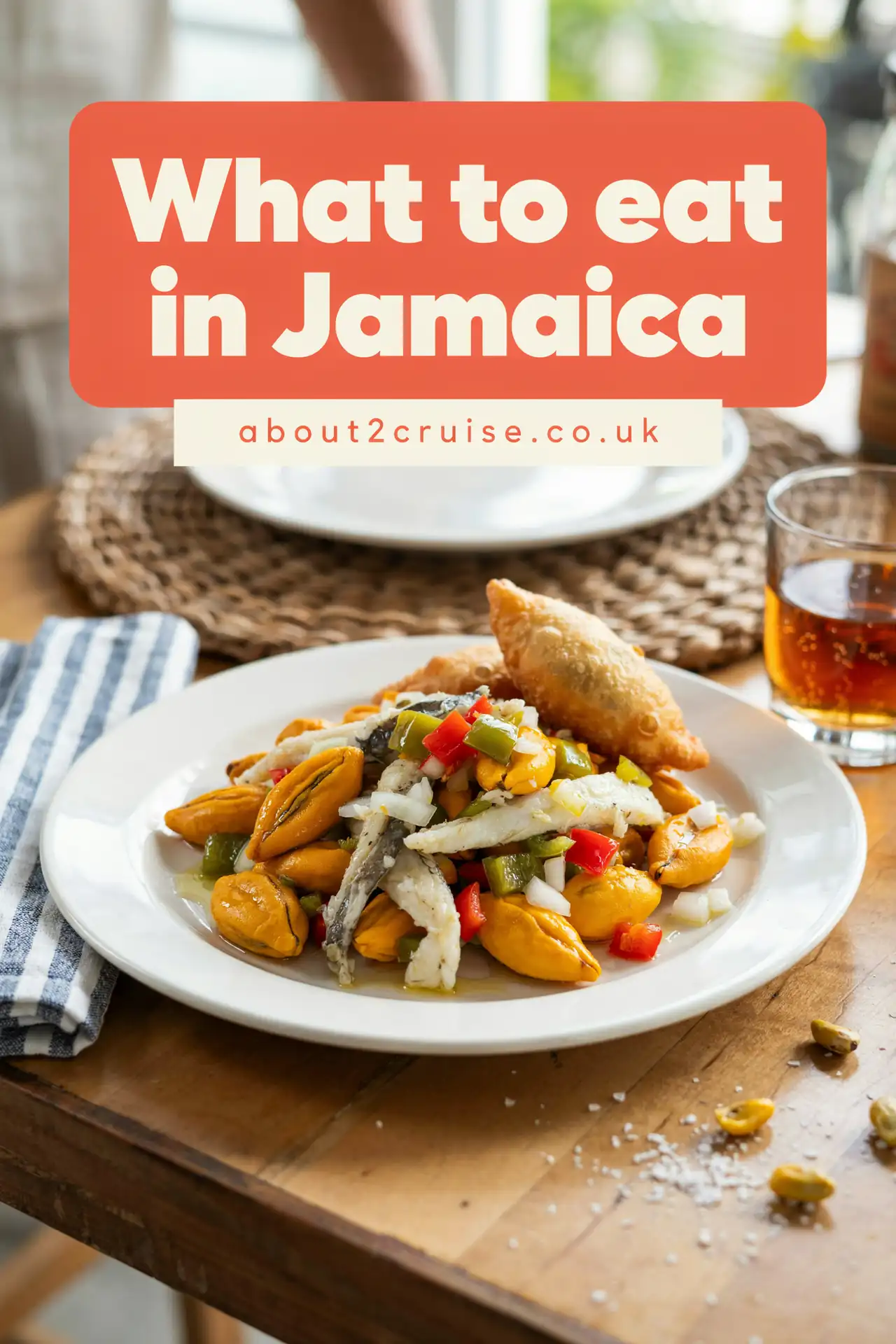
En-route food stops used by tours include Café Blue, EITS Café, Strawberry Hill and Devon House. Near the Ocho Rios pier, Island Village has bars and a small beach, and the town has a craft market a short walk away. If you want to eat local, ackee and saltfish is the national dish on breakfast menus, jerk pork or chicken is cooked over pimento wood at roadside stands, and patties from Juici or Tastee are the default quick lunch. Devon House I-Scream, including a Blue Mountain coffee flavour, is sold at Devon House in Kingston and is a popular coffee-tour add-on.
Photography Rules and Best Photo Stops
No estate publishes a strict photography policy, but you are on private working property and in people’s homes or gardens, so ask before photographing staff, family members or processing workers. Drones are unlikely to be allowed without permission, and mountain cloud can make flying pointless anyway.
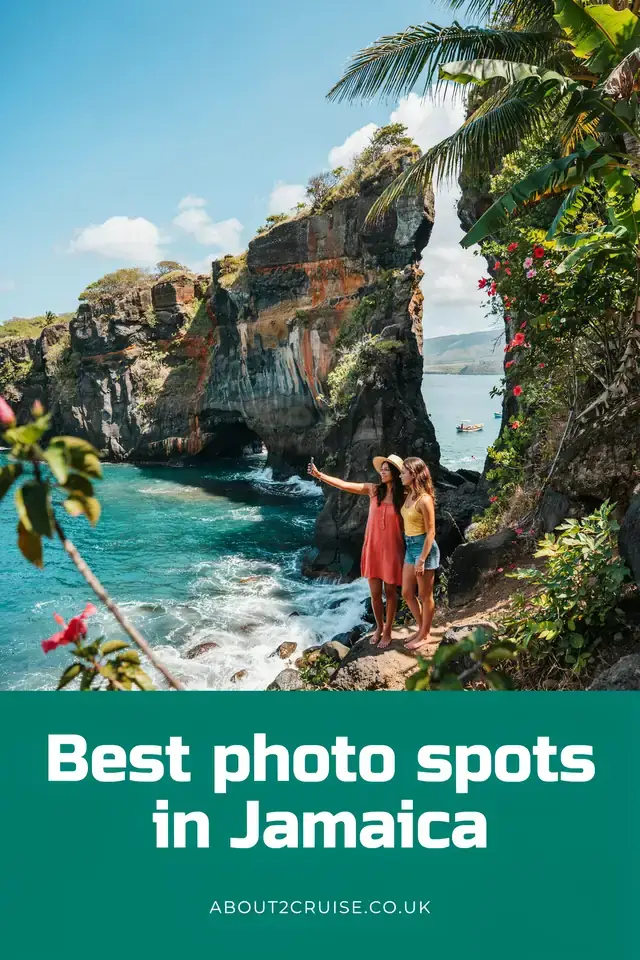
The best photo stops are the hilltop gazebo above Craighton’s coffee fields for panoramic views over Kingston and the mountains, Newcastle’s ridge for views back to Kingston and Port Royal, Hardwar Gap for high-country cloud forest along a winding paved road, and Holywell for forest trails and viewpoints at about 1,200m. Morning is the best time for clear views before cloud builds. Devon House in Kingston is a photogenic 19th-century mansion and ice-cream stop often paired with coffee tours.
Tipping, Currency, and Payments
The Jamaican dollar is the official currency, and licensed cambios and banks are available in resort areas. Most Jamaican ATMs accept international Visa, MasterCard, Cirrus and Plus cards, but avoid using ATMs after dark and do not withdraw large sums at once. US dollars are widely accepted in tourist areas such as Montego Bay, Negril and Ocho Rios, but Jamaican dollars are the norm in Kingston and everyday settings. Cards are accepted at hotels, larger restaurants and tour operators; cash is needed for small shops, market stalls, route taxis and tips. Bring cash for estate purchases because many mountain outlets are cash-first.
Tipping in Jamaica is usually 10 to 15% in restaurants where no service charge is added, about 10% for taxis, and 10 to 20% for tour guides depending on the length and quality of the tour. If someone gives you a free tasting or farm walk, the social contract is to buy coffee rather than simply leave a tip, especially at Old Tavern.
Bringing Jamaican Coffee Home: UK Import Rules
Processed and packaged plant products, including roasted coffee beans or ground coffee, can be brought into Great Britain from any country without restriction for personal use. The restrictions that apply to meat, dairy, fish and fresh fruit and vegetables do not apply to roasted coffee. You should still stay inside your personal duty-free allowances for goods bought overseas, and declare anything over the allowance.
Coffee is hygroscopic and absorbs odours, so pack beans sealed and away from strongly scented souvenirs. If you buy green or parchment coffee, it is still processed plant material, but roasted coffee is the safest and most practical purchase for a cruise suitcase.
UK ‘Coffee Plantation Near Me’ Searches: Read This First
Some people arrive on this page after searching for coffee plantation near me, coffee tours near London or coffee tours near Manchester. Those searches are a mismatch. Coffee cannot be grown outdoors in the UK: Coffea arabica is rated RHS H1A, meaning it needs a heated glasshouse or indoor conditions all year. What the UK has are roastery tours and tastings, not plantations.
In London, Climpson & Sons sells a coffee roastery tour and tasting experience at around £90, and Caravan Coffee Roasters runs roastery tours and a coffee school on Saturday mornings, booked online. If you searched near me from the UK, you want a roastery visit, not a Jamaican estate. This page will not help you tour a plantation at home, because there is not one to tour outdoors.
General Coffee Questions
Coffee is grown in a band around the equator in tropical and subtropical countries. Brazil is the largest producer, with roughly a third of world supply. Ethiopia is the origin of arabica coffee, which spread from south-western Ethiopia.
The four enemies of roasted coffee are oxygen, light, heat and moisture. Coffee is planted about 1 to 2m apart with 2 to 3m between rows, in well-drained, slightly acid soil, usually under shade trees. Shade trees cut wind, moderate temperature, reduce frost risk and protect soils on slopes.
Jamaica does have caffeine: Blue Mountain coffee is arabica, which has less caffeine than robusta but still contains caffeine. If you are looking for caffeine-free, buy decaffeinated coffee rather than expecting a low-caffeine estate cup.
FAQs
Do I need to book a Blue Mountain coffee tour in advance?
Yes. Craighton requires reservations and a deposit, Old Tavern and Clifton Mount cannot be visited without prior arrangement, and the best operators sell out on cruise days. Do not turn up expecting to walk in.
Which Jamaican cruise port is best for a coffee tour?
Kingston or Port Royal, because the coffee farms are only 45 to 75 minutes away. Ocho Rios works if you accept a two-hour drive each way. Montego Bay and Falmouth are only realistic as a long ship excursion or a very early private tour.
Can I visit a coffee plantation from Montego Bay on a normal cruise port day?
Not comfortably. The drive is about four hours each way, making a 13 to 14 hour day. Unless your ship offers a guaranteed shore excursion or you have an unusually long call, choose another port or skip it.
Is it worth buying Blue Mountain coffee at the estate?
Yes, if the pack says 100% Jamaica Blue Mountain and has JACRA certification. Estate prices are high, usually around US$30 per pound, but you are buying direct from the source and can often taste before buying.
Can children do a coffee estate tour?
Craighton lists a child price for ages 6 to 12, but the terrain is uneven and there is a climb to the gazebo. Old Tavern and Clifton Mount are family-run or operator-led and may suit confident walkers, but they are not pushchair-friendly.
What is a Blue Mountain Blend?
Under Jamaican rules, a Blue Mountain Blend need only contain a minimum of 30% Blue Mountain coffee. For single-origin quality, buy 100% Jamaica Blue Mountain.
Is Old Tavern Coffee Estate free to visit?
The guided tour is not charged, but you are expected to buy coffee instead. Budget for at least one pound of beans per couple.
How long is the drive from Ocho Rios to the Blue Mountain coffee estates?
About two hours each way, so the full outing is six to eight hours. Book a tour that picks up at the port and has a clear return time.
Do I need cash at a coffee estate?
Yes. Bring US dollars or Jamaican dollars for coffee purchases, small snacks and tips, because not every mountain outlet accepts cards reliably.
Will I get back to the ship on time from an independent coffee tour?
Only if you build in a buffer. Use your all-aboard time, add at least 60 minutes beyond the normal drive time for weather, photo stops and traffic, and book a dedicated round trip from Port Royal or Ocho Rios.