
Western France’s Atlantic Coast cruise ports are La Rochelle (docking at La Pallice), Bordeaux and its outports at Bassens and Le Verdon-sur-Mer. Nantes-Saint-Nazaire, Brest and Cherbourg also feature on some Atlantic itineraries, while Getxo (Bilbao), A Coruña and Vigo often appear on the same Bay of Biscay runs.
Western France Atlantic Coast cruise ports map
Western France Atlantic Coast has 7 cruise ports: La Rochelle and Le Verdon-sur-Mer in the north-east; Bordeaux and Bassens in the east; Getxo in the south; Vigo in the south-west; A Coruña in the west. Tap a pin to open that port’s guide.
The Main French Atlantic Cruise Ports
La Rochelle (La Pallice): The Walkable Old-Port Day
La Rochelle gives you a relaxed day in a beautiful old port without much planning. Your ship will actually dock at La Pallice, the commercial harbour about 6 km north-west of the Vieux Port. Because the quay sits inside a secure port area, you won’t be able to walk out on your own: passengers transfer by cruise shuttle, excursion coach, or a pre-arranged taxi.
Once you reach the historic centre, everything is compact and easy to cover on foot: arcaded streets, the Marché Central, and the three medieval towers guarding the harbour. It’s a good call if you want seafood, markets, the old harbour, a family trip to the aquarium, or a half-day on Île de Ré. This isn’t a tender port, but the tidal range is around 6 m, so expect long gangways.
Bordeaux (Port de la Lune): Wine, Food, and Grand Architecture
If your ship is small enough to dock in the centre, Bordeaux is the easiest city call on this coast. Ships under about 255 m can berth right on the Garonne quays, within the UNESCO-listed city centre, so you step off near Place de la Bourse and Place des Quinconces.
The centre is flat and grand: 18th-century limestone buildings, the Miroir d’Eau, Cité du Vin, wine bars, and food markets. This is the stop to prioritise if wine touring, fine dining, and sightseeing without transfers matter most to you. There’s no proper terminal building at the city quays, so be ready for check-in and baggage handling in the open if the weather turns wet.
Bassens: The Close-in Working Quay for Larger Ships
Bassens is the practical mid-distance option on the Garonne, just close enough to Bordeaux for a short transfer but able to handle some ships that can’t fit under the bridges or into the city centre. From a passenger point of view, it’s a working quay rather than a destination, so your day is really about what you do elsewhere.
It works best for reaching Bordeaux, Saint-Émilion, Cognac country, or the Médoc when your ship is too large for the city quays. Expect an organised transfer or excursion rather than an independent walk-off.
Le Verdon-sur-Mer: The Deep-Water Fallback at the Gironde Mouth
Le Verdon sits at the mouth of the Gironde and is the deep-water fallback for large ships. Don’t judge the day by the word “Bordeaux” on your ticket: from Le Verdon it’s about two hours by road to Bordeaux.
The immediate area is the Médoc’s Pointe de Grave, Soulac-sur-Mer with its 19th-century villas, Cordouan lighthouse, and Atlantic beaches. This stop suits Médoc wine estates, Soulac, coastal scenery, and travellers who prefer a less urban call. If Bordeaux itself is your goal, book a ship-organised transfer or excursion and protect your time.
Spanish Ports on the Same Atlantic Itineraries
Getxo (Bilbao): A Quick Basque City Day
Getxo is the cruise port for Bilbao, on the Biscay coast just over the French border. Ships dock at Getxo’s quay, and Bilbao is about 20 minutes away by transfer. This is the stop for the Guggenheim, Basque pintxos, the old town, and a completely different feel on the same Bay of Biscay itinerary.
A Coruña: A Walkable Galician City with Roman Roots
A Coruña is a Galician city port with a compact old town, the Roman lighthouse known as the Tower of Hercules, and a strong seafood scene. Ships usually dock close to the city, so it’s often an easy walking day. It’s best for history, seafood, and a gentler Spanish Atlantic stop.
Vigo: Seafood, Views, and the Cíes Islands
Vigo is another Galician Atlantic port, a working city with a lively old town and the Cíes Islands offshore. It’s a good choice for fresh seafood and oysters, hilltop views, and a relaxed Spanish call before or after the French coast.
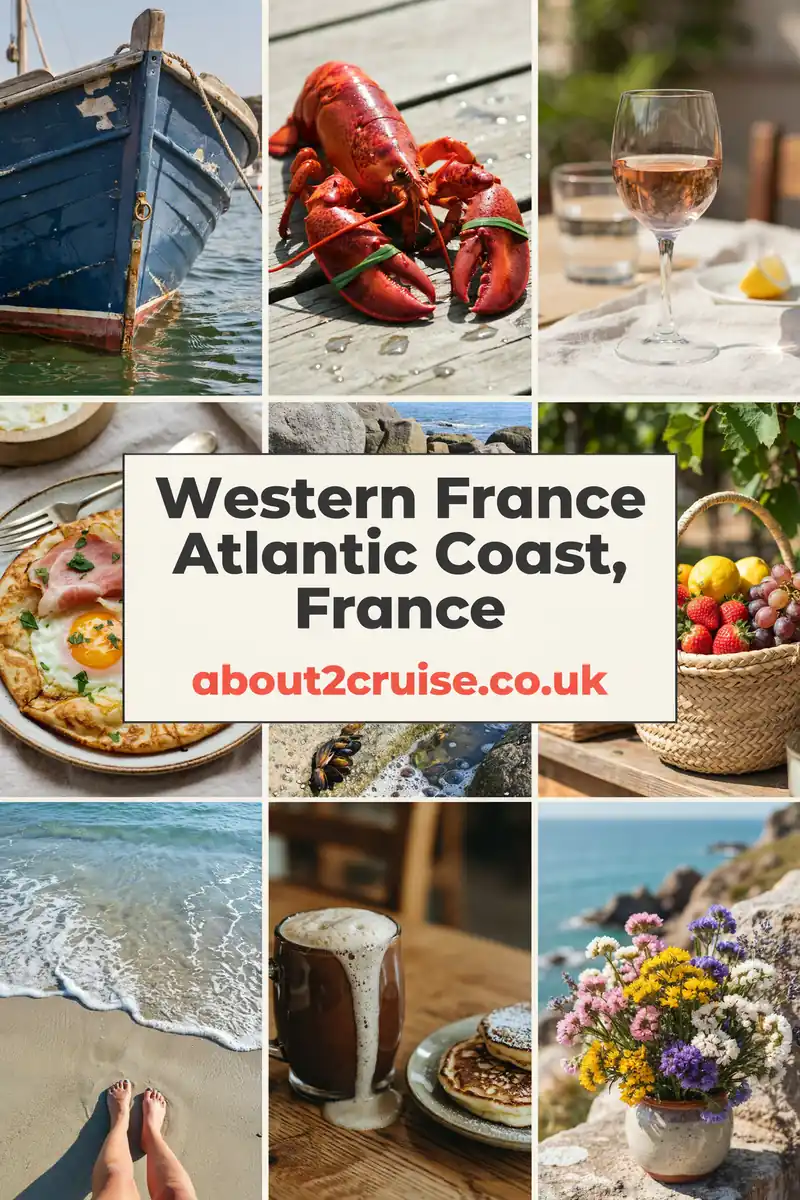
Choosing the Right Port for You
Pick La Rochelle if you want one uncomplicated day in a beautiful French port and don’t mind a shuttle. Pick Bordeaux if your ship can dock in the centre and wine, food, and city sightseeing are the whole point. Pick Bassens or Le Verdon because your ship is too big for the centre: Bassens is the closer compromise, while Le Verdon is the more scenic but remote gateway. The Spanish ports often add contrast on the same voyage, and several of them are easier to do as a walk-off day.
Ship Size and Where You’ll Actually Dock
For size, La Rochelle takes ships up to about 350 m with a maximum draught around 13 m. Bordeaux city-centre berths take ships under 255 m with an 8 m draught and roughly 53 m air draught. Le Verdon accepts ships of any practical size with up to 11 m draught.
If your cruise documents mention Bordeaux but the ship is large, it’s likely Bassens or Le Verdon. Large ships over 255 m typically use La Pallice for La Rochelle or Le Verdon for Bordeaux rather than the city-centre berths.
What Kind of Cruises Visit These Ports?
Atlantic coast calls suit small and mid-size ocean ships, expedition vessels, and the no-fly market from UK ports. La Rochelle deliberately caps cruise calls at 25 a year and has no calls between 10 July and 31 August. Bordeaux across its terminals handles around 64 calls and roughly 67,000 passengers a year.
Across wider western France, the French Atlantic Ports group reports over 450 cruise calls and more than 915,000 passengers a year across Le Havre, Rouen, Honfleur, Caen-Ouistreham, Cherbourg, Saint-Malo, Brest, Nantes-Saint-Nazaire, and Bordeaux. Don’t confuse this product with Marseille, France’s biggest Mediterranean cruise port at around 2.4 million passengers a year: these are smaller ships, shorter sea passages, and a greener, windier coast.
When to Cruise Western France
Late May to August is the calmest sea and warmest weather. September is the sweet spot for wine, smaller crowds, and usually decent seas. October to March can be rough and rainy in the Bay of Biscay, though city visits still work if you accept the transfer and weather risk.
Note that La Rochelle takes no cruise calls from 10 July to 31 August, so high summer is not a full Atlantic Coast cruise season. For oysters, September to April is best; for vineyards, late spring and September beat midsummer heat. Tides run regardless of season, so your berth and your gangway slope will always be a product of the tide tables.
Money, Cards, and Budgeting on the Atlantic Coast
The currency is the euro. Cards and contactless work for most restaurants, trams, shops, the Île de Ré toll bridge, and local buses. Keep cash for market stalls, small cafés, and some lighthouse or coastal experiences: Cordouan lighthouse entry paid on arrival is cash or cheque only. ATMs are easy to find in city centres and at Bordeaux’s cruise facilities, but there are none inside La Rochelle’s Sorata cruise terminal.
For budgeting, independent La Rochelle is relatively cheap: the tower ticket is about €9.50 and a market lunch can be modest. Bordeaux is the most expensive of the French ports, especially if you add a half-day Médoc wine tour, which can run from about €58 to €91 per person depending on group size. Le Verdon-to-Bordeaux ship transfers tend to cost more than €100 on the official excursions because of the two-hour road journey. The Spanish ports often feel cheaper for a walk-around food day.
How to Get Around on a Port Day
Ship-to-town transfer is the single most important move. At La Pallice, the quay is a secure industrial area with no pedestrian walking-out; passengers leave by ship’s shuttle, excursion coach, or pre-arranged taxi. At Bordeaux city-centre berths, you simply step off into the city. At Bassens, expect a short organised transfer. At Le Verdon, a regional train line reaches Le Verdon station and buses exist, but a ship-organised transfer or excursion is usually the only realistic way to use the limited port day.
In cities, Bordeaux has trams and La Rochelle is walkable under your own steam. Between cities, rail links exist, but cross-city same-day touring is not a good use of port time: choose one place and do it well.
Staying Safe and Out of Trouble
Street crime is mostly pickpocketing around markets, train stations, busy attractions, and ATMs. Keep passports, cards, and cash in separate places, wear bags across your body, and stay alert when someone distracts you.
On this coast, the water can be a bigger risk than crime: some Atlantic beaches, especially near the Gironde and Landes, have strong undercurrents and baïne rips, so swim only with lifeguards and respect flags. You must be able to prove your identity in France, and demonstrations or strikes can disrupt roads and public transport with little notice. Leave reserve time on a port day, particularly if the ship is berthed at Le Verdon or Bassens.
Accessibility at a Glance
Bordeaux city-centre berths are the easiest: flat quays, paved esplanades, and a modern tram network. The tidal gangway can be steep, so ask your line about the slope and accessible route. La Rochelle’s historic centre is cobbled, with narrow pavements and steps, and the shuttle coach fleet may not be wheelchair-accessible: passengers report coach steps with scooters stored in the luggage bay, so confirm with the cruise line before travel.
Le Verdon and Bassens are coach-focused, and the Cordouan lighthouse visit involves a boat landing plus 301 steps. Mobility assistance at all western France ports is arranged through the cruise line, not at the terminal gate.
What to Eat and Drink on the Atlantic Coast
Western France is an eating coast. Around La Rochelle, the signatures are mouclade, éclade, Marennes-Oléron oysters, Pineau des Charentes, and Île de Ré new potatoes. Around Bordeaux and the Gironde, look for canelé, entrecôte à la bordelaise, Arcachon oysters, lamproie à la bordelaise, and the wine bars of Chartrons, with Cognac country a short excursion from the estuary. In northern Spain, the equivalent is Basque pintxos in Bilbao and Galician seafood in A Coruña and Vigo.
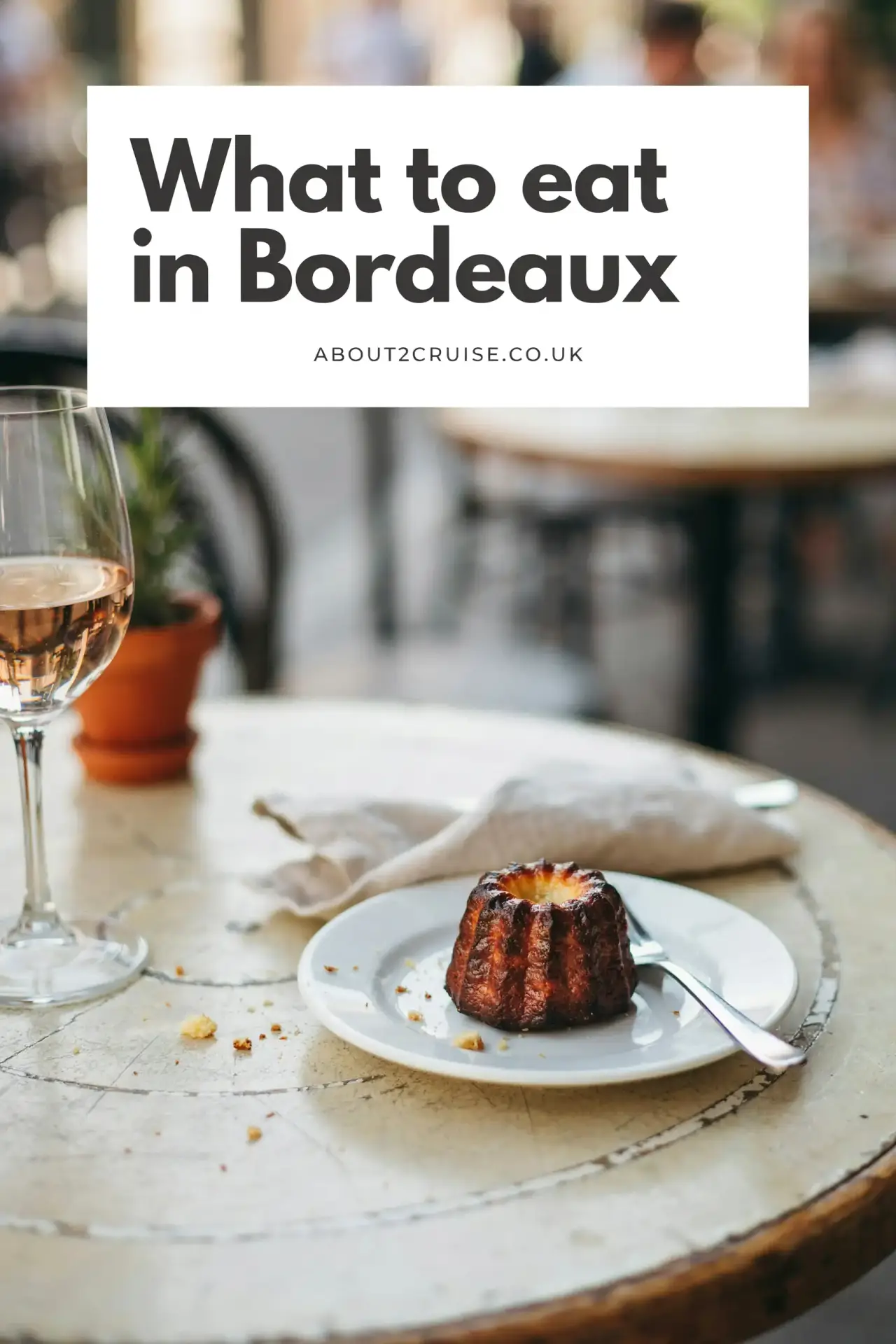
Markets are morning affairs, lunch service often winds down by about 2 pm, and dinner starts around 7 pm, the usual French rhythm.
Tides, Weather, and Sea-State Planning
The Bay of Biscay is most settled roughly late May to August, and roughest from October to March. That’s the biggest reason Atlantic itineraries bunch into spring, early summer, and September.
The Gironde is a tidal estuary, which is exactly why the biggest ships berth at Le Verdon rather than making the run to Bordeaux. La Rochelle has about a 6 m tidal range and long switchback gangways. If you’re hoping to visit Cordouan lighthouse from Le Verdon, access is tied to low water and the boats are weather-dependent, so treat it as a strong option rather than a guaranteed plan.
Other French Atlantic Ports You Might See
Beyond the Bordeaux coast and La Rochelle, several French Atlantic ports appear on cruise itineraries. Nantes-Saint-Nazaire is a Loire estuary port for small ships, best for the Machines de l’Île in Nantes or the shipyard and U-boat bunker at Saint-Nazaire. Brest is a deep-water Brittany port with no practical size restriction, used mainly as a shuttle-accessed city stop. Cherbourg is a Normandy deep-water port where passengers arrive through a listed Art Deco luggage hall. Le Havre, Saint-Malo, Honfleur, Rouen, and Caen-Ouistreham complete the wider Atlantic-facing group.
These ports don’t have their own guides on this site yet, but they explain why a “French Atlantic” itinerary can vary so much.
Frequently Asked Questions
My cruise says Bordeaux: which port could it actually be?
Check the cruise personaliser or port agent on your documents. It could be Bordeaux centre, Bassens, Le Verdon-sur-Mer, or Pauillac. The ship’s size and draught decide it; don’t assume you will step off into Bordeaux.
How far is La Rochelle’s cruise port from the city?
About 6 km. You can’t walk out of the restricted port area, so use the ship’s shuttle, an excursion coach, or a limited taxi service. A taxi from the centre back to La Pallice is roughly €20–22 if you can find one.
Is the Atlantic coast the same product as the Med?
No. Marseille is a large-ship Mediterranean hub with about 2.4 million passengers a year. Western France is typically smaller ships, shorter no-fly itineraries from the UK, and calls built around wine, seafood, old harbours, and estuary scenery.
Can I do an Atlantic Coast cruise without flying from the UK?
Yes. These ports are among the easiest in Europe for no-fly or short-sea UK departures, which is why UK-based lines and smaller expedition ships feature them.
What is the answer to “Port in western France” as a crossword clue?
The standard answer is BREST, the deep-water port in Brittany. It’s not usually the same as the Bordeaux or La Rochelle stop on a cruise itinerary.
Do shops and restaurants close for lunch or the afternoon?
Markets are usually morning-only, and many small shops and restaurants pause between lunch and dinner. Don’t count on a 3 pm market visit; plan food before about 2 pm or after 7 pm.
What should I do about return-to-ship time?
Follow the all-aboard on your line’s daily programme, and add real buffer time if you’re returning from Le Verdon, the Île de Ré, or anywhere with a bridge, ferry, or single road back. The ship won’t wait for independent stragglers.
Last Updated: 15 November 2026