
Lindblad Expeditions partners with National Geographic to offer Alaska expedition cruises aboard small ships carrying 48-100 guests. Itineraries explore Southeast Alaska’s Inside Passage, glaciers, and wildlife including whales, bears, and eagles. Trips feature naturalist guides, kayaking, zodiac excursions, and photography opportunities. Ships provide comfortable accommodations with expedition-focused amenities and educational programming.
Quick Facts
| Feature | Details |
|---|---|
| Ship Capacity | 48-100 guests |
| Crew-to-Guest Ratio | Approximately 1:2 |
| Expert Team | 6-8 naturalists, National Geographic photographers, undersea specialists |
| Typical Duration | 7-14 days |
| Activity Level | Moderate to active (kayaking, hiking, zodiac boarding) |
| Price Range | Premium to luxury ($5,000-$15,000+ per person) |
| All-Inclusive Elements | Excursions, alcohol, kayaks, wetsuits, National Geographic certification course |
Want to know more about Alaska cruise lines and how different operators compare?
What Makes Lindblad-National Geographic Different
Unlike mainstream cruise lines like Princess Cruises, Holland America, Celebrity Cruises, Royal Caribbean, Norwegian Cruise Line, Disney Cruise Line, or Carnival Cruises, Lindblad operates true expedition vessels. This puts them in a category closer to UnCruise Adventures and Alaskan Dream Cruises, but with a scientific pedigree that’s tough to match.
The National Geographic partnership isn’t just branding. You’ll find actual National Geographic photographers, certified photo instructors, and naturalists with advanced degrees leading your experiences. One ship even carries an undersea specialist with a remotely operated vehicle (ROV) that broadcasts live footage from the ocean floor to screens throughout the ship. Watching rockfish and giant Pacific octopuses on the seafloor while you’re eating breakfast is decidedly weird and wonderful.
The Ships and What to Expect Onboard
The fleet includes National Geographic Sea Bird, National Geographic Sea Lion, National Geographic Quest, National Geographic Venture, and National Geographic Orion. The smaller vessels (Sea Bird and Sea Lion at 62 guests) feel like intimate floating lodges, while Quest, Venture, and Orion accommodate around 100 passengers.
Cabins are comfortable but not opulent. You’re here for the destination, not the thread count. That said, beds are genuinely comfortable, storage is adequate, and most cabins have large windows. The newer ships have better bathroom layouts and slightly more space.
Ship Amenities Worth Noting
- Open bridge policy: Wander up to the bridge anytime and chat with the captain about navigation through narrow channels
- Bow viewing areas: The absolute best spot when approaching glaciers or looking for whales
- Mudroom: Designated area for wet gear with heated boot racks and wetsuit storage
- LEXspa: Small but capable wellness area with surprisingly good massage therapists
- Hydrophones: Listen to whale songs and underwater sounds in real time
- 24-hour beverage stations: Coffee, tea, and hot chocolate always available
For those comparing their options, our guide to small versus big ship Alaska cruises and the ship size guide can help you understand what you gain and lose at different vessel scales.
The Expedition Experience
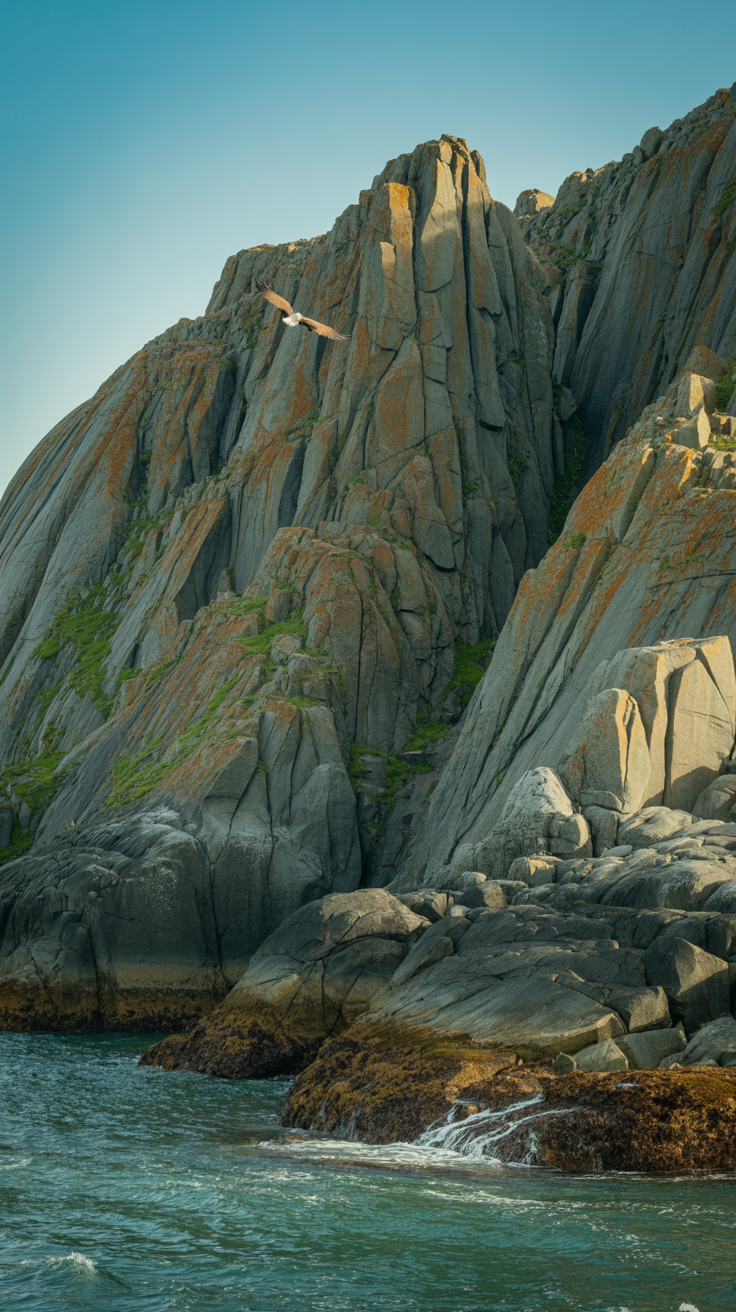
This is where Lindblad earns its reputation. Every day includes multiple opportunities to get off the ship, and the expedition team adjusts plans based on weather and wildlife sightings. You might skip a planned stop if someone spots a pod of orcas hunting.
Daily Activities
- Zodiac excursions: 2-3 times daily, exploring coastlines, glacial lagoons, and approaching wildlife
- Kayaking: Included (not an extra charge like on larger ships), typically 1-2 hour paddles with experienced guides
- Hiking: Shoreside walks ranging from easy beach strolls to moderate forest trails
- Community visits: Stops at small Alaska Native villages with cultural presentations
- Photography workshops: Daily sessions covering composition, wildlife photography, and low-light techniques
The naturalists don’t just lead activities—they’re constantly scanning for wildlife and making announcements. You’ll hear “Gray whale at 10 o’clock, about 200 yards out” over the ship’s PA system, and suddenly everyone’s on deck with binoculars and cameras.
For broader context on expedition-style travel, check out our overview of Alaska expedition cruises and Alaska small ship cruises.
The National Geographic Certification Program
Here’s something most people don’t realize: your cruise includes access to a National Geographic photography certification course. Complete assignments throughout the voyage, submit your photos for review, and you can earn an actual certificate. It’s surprisingly motivating and pushes you to engage more deeply with your surroundings rather than just snapping random shots.
Food and Dining
The dining room operates on open seating with communal tables, though smaller tables are available if you prefer. Food quality is solidly good—think upscale lodge dining rather than fancy cruise ship fare. Local Alaska seafood features heavily: halibut, salmon, Dungeness crab, and spot prawns.
Meals are served at set times, and yes, you need to show up within that window. This isn’t a ship with 24-hour room service and multiple restaurant options. But the bartenders pour generously (all included in your fare), and there’s something genuinely nice about everyone gathering together after a day of exploring.
Who This Cruise Is For (And Who It Isn’t)
Perfect if You:
- Care more about wildlife encounters than casino nights
- Appreciate expert knowledge and want to actually learn things
- Can handle getting in and out of zodiacs multiple times daily
- Value small-group experiences over big-ship entertainment
- Want all excursions included rather than nickel-and-dimed for activities
- Don’t need fancy spa facilities, multiple pools, or Broadway-style shows
Not Ideal if You:
- Have serious mobility limitations (zodiac boarding requires stepping over gunwales)
- Prefer structured entertainment and organized activities
- Want spacious cabins with balconies
- Need consistent cell service and fast Wi-Fi
- Aren’t comfortable with the ship changing plans based on conditions
- Expect white-glove luxury service
Those seeking traditional luxury should explore luxury Alaska cruises instead. Our comparison of expedition versus traditional Alaska cruises outlines these differences in detail.
Insider Tips Only Regular Expedition Cruisers Know
- Book cabins on higher decks: Category 3 and above have better windows and less engine noise
- Bring your own quality binoculars: The loaners are functional but not great
- Pack layers obsessively: Weather changes hourly; you’ll strip off and add back clothing constantly
- Request a wake-up knock: Ask your room steward for a morning knock; you don’t want to miss the announcement that a bear is on the beach
- Sit with different people at meals: You’ll meet fascinating travelers and the naturalists eat with guests
- Use the photo instructor’s office hours: They’ll review your shots and give personalized tips
- Download the Expedition app before departure: It contains species guides, daily recaps, and maps
- The bow is cold but magical: Bundle up and claim that spot during scenic approaches
- Participate in citizen science: Lindblad contributes data to Happywhale and other research projects; your photos can help
Costs and What’s Actually Included
Lindblad is expensive compared to mainstream cruises. However, when you add up what traditional cruise lines charge extra for—excursions, kayaking, alcohol, specialty dining, and tips—the gap narrows significantly.
Included in Your Fare
- All meals, snacks, and non-alcoholic beverages
- Beer, wine, and spirits throughout the day
- All zodiac excursions and landings
- Kayaking equipment and guided paddles
- Wetsuits, boots, and expedition gear
- National Geographic certification course
- Lectures, presentations, and workshops
- Gratuities to ship staff (though expedition staff tips are discretionary)
Not Included
- Airfare to/from Alaska
- Spa services and retail purchases
- Pre- or post-cruise hotel stays
- Travel insurance (highly recommended)
- Tips for expedition staff (suggested $12-15 per guest per day)
Booking Strategy and Timing
Lindblad operates roughly May through September in Alaska. Early and late season sailings offer lower prices but also cooler weather and slightly fewer wildlife guarantees. Peak season (late June through August) delivers the best weather and maximum daylight but commands premium pricing.
Cabins sell out 12-18 months in advance for popular dates. If you’re flexible, last-minute deals occasionally appear 60-90 days before departure, though you’re gambling on cabin categories and itineraries.
Solo travelers face hefty single supplements (typically 1.5x the per-person rate), though designated solo-friendly departures sometimes offer reduced supplements.
Potential Challenges to Consider
Let’s be honest about the drawbacks. The ships are small, which means they move with the waves more than mega-ships. If you’re prone to seasickness, bring medication—the inside waters are usually calm but not always. Sea conditions in places like Cross Sound can get bumpy.
Weather controls everything. Your carefully planned itinerary is really just a suggested route. Fog, wind, or rough seas can cancel zodiac outings or close certain areas. This flexibility is part of expedition cruising but frustrates travelers who expected a guaranteed schedule.
Cabins are small and storage is limited. You’re not unpacking three suitcases worth of formal wear here. The casual dress code helps (jeans and fleece are standard evening attire), but if you overpack, you’ll be living out of your suitcase.
Cell service and Wi-Fi are spotty to nonexistent. If you need to work remotely or stay constantly connected, this isn’t your cruise. The isolation is part of the appeal for many guests but genuinely difficult for others.
Wildlife Reality Check
Marketing materials show bears fishing for salmon and breaching whales, and yes, you’ll likely see both. But wildlife is wild and unpredictable. Some departures see dozens of whale encounters daily; others see a few distant spouts. Bears may cooperate and fish right in front of you, or you might spot one distant dot through binoculars on a hillside.
The naturalists are extremely skilled at finding wildlife and positioning the ship and zodiacs for optimal viewing, but they can’t guarantee specific encounters. What they can guarantee is that if wildlife appears, you’ll learn why the animal behaves that way and what role it plays in the ecosystem.
Bonus Tips
- Bring a dry bag for zodiac outings even though guides provide storage—phones and cameras need double protection
- Pack hand warmers for photography sessions; cold fingers fumble with camera controls
- Voltage converters aren’t needed (standard US outlets) but bring a power strip since cabins have limited outlets
- Motion sickness patches work better than pills for multi-day effectiveness
- Download offline maps and bird identification apps before departure
- The library onboard has excellent Alaska natural history books—borrow them for your cabin
- Rain pants are more essential than rain jackets (the lower half gets soaked in zodiacs)
- Bring lens cleaning cloths; salt spray coats camera lenses constantly
- The daily recap sessions at 6:30 PM are mandatory viewing—naturalists share the day’s highlights and preview tomorrow
- If you’re traveling as a couple, consider separate kayaks rather than a tandem; single kayaks are more maneuverable and you’ll see more
For comprehensive information about Lindblad operations and detailed ship specifications, visit the official National Geographic Lindblad Expeditions resource page.
Common Questions and FAQ
Can children come on Lindblad Alaska expeditions?
Yes, though minimum age varies by ship and itinerary (typically 7-8 years old). These aren’t kid-focused cruises, but families with nature-loving children often have fantastic experiences. Some departures are specifically designated as family expeditions with enhanced programming for younger travelers.
How rough is the water in Alaska’s Inside Passage?
Most of the Inside Passage is protected and calm. However, certain crossings like Chatham Strait or approaches to outer coast areas can experience ocean swells. The ships have stabilizers, but sensitive passengers should prepare for some motion.
What happens if weather cancels an activity I was looking forward to?
The expedition leader always has backup plans and alternative sites. If one location is weathered out, you’ll visit somewhere else that’s accessible. Part of the expedition experience is accepting this flexibility rather than fighting it.
Do I need expensive camera equipment?
No. Modern smartphones take impressive photos, especially in good light. That said, a camera with optical zoom (300mm or longer) significantly improves your wildlife photography. The photo instructors work with whatever equipment you bring.
How physically demanding are the activities?
Moderate fitness is sufficient for most activities. Zodiac boarding requires stepping up and over the side (about 18-24 inches), sometimes from a platform that’s bobbing with waves. Hikes are typically rated easy to moderate with optional extensions for stronger hikers. Kayaking requires no prior experience but you should be comfortable getting in and out of a low-sitting kayak.
Is there a formal night or dress code?
Absolutely not. This is possibly the most casual cruise you’ll ever take. The suggested packing list includes zero formal wear. Nice jeans and a clean fleece qualify as dressed up. The captain’s welcome and farewell events are equally casual.
Can I do laundry onboard?
Ships have complimentary self-service laundry facilities. This is helpful since you’ll go through base layers, socks, and outdoor clothing quickly. Laundry service is also available for a fee.
What if I’m traveling solo?
Solo travelers fit naturally into the expedition environment since activities are group-based and meals are communal. The financial hit from single supplements stings, but socially you won’t feel awkward or isolated. Many passengers travel solo on these expeditions.
Personal Experience
Last summer, my family took a Lindblad-National Geographic expedition through Alaska, and it completely shifted how I think about wildlife travel. What made it different from other trips was having actual naturalists and National Geographic photographers right there with us. When we spotted a humpback whale bubble-net feeding near Icy Strait, our naturalist explained the complex hunting technique in real time, while one of the photo pros helped my daughter adjust her camera settings to capture it. These weren’t just tour guides reading from scripts—they were scientists and explorers who’d spent years in Alaska and genuinely loved sharing their knowledge over meals and deck conversations.
The expedition visits places that bigger cruise ships simply can’t reach. We got close enough to Sawyer Glacier to hear it crack and groan, and watched massive chunks of ice calve into the water. The zodiac excursions were surprisingly easy to hop on, and they took us right up to glacial lagoons where harbor seals lounged on floating icebergs. One morning, we came across a group of sea otters near Baranof Island, and we just drifted there quietly for twenty minutes watching them crack open urchins on their bellies. If you’re planning an Alaska trip and want more than scenic views from a railing, this style of expedition really delivers on the up-close experiences and expert guidance that make the landscape and wildlife actually come alive.