
Barrow, now officially known as Utqiaġvik, is America’s northernmost community located above the Arctic Circle in Alaska. This remote Iñupiat village offers cruise visitors unique Arctic experiences including midnight sun viewing, indigenous cultural sites, polar bear spotting opportunities, and tundra landscapes. Access is challenging due to extreme weather and limited infrastructure, making visits rare and highly specialized for expedition cruises.
Quick Facts About Utqiaġvik (Barrow)
| Fact | Details |
|---|---|
| Location | 71°N latitude, 330 miles north of the Arctic Circle |
| Population | Approximately 4,400 residents |
| Climate | Arctic; summer temps 32-45°F, winter -20°F to -50°F |
| Cruise Season | Late July through early September only |
| Tender Port | Yes – ships anchor offshore, guests tendered to beach |
| Time in Port | Typically 6-10 hours |
| Primary Language | English and Iñupiaq |
| Currency | US Dollar |
Want to know more about Alaska cruise ports and what to expect at each destination?
Why Cruise Ships Rarely Visit
Let’s be honest: Utqiaġvik isn’t on your typical cruise itinerary for good reason. This is one of the most remote ports in North America, and getting there requires serious expedition-style vessels with ice-strengthened hulls. Most mainstream cruise lines skip it entirely in favor of more accessible ports.
Only specialized Alaska expedition cruises focused on remote Arctic exploration venture this far north. These voyages attract adventurous travelers willing to pay premium prices for once-in-a-lifetime experiences. You won’t find Broadway shows or casinos on these ships—instead expect naturalists, zodiacs, and serious Arctic gear.
Weather and Access Challenges
- Sea ice conditions can force itinerary changes even in summer months
- Fog frequently rolls in with zero warning, potentially stranding tender boats
- No deep-water dock exists—all passengers must tender ashore via small boats
- Wind speeds can halt operations instantly for safety reasons
- The “good weather” window lasts only about 8-10 weeks annually
What Makes This Port Special
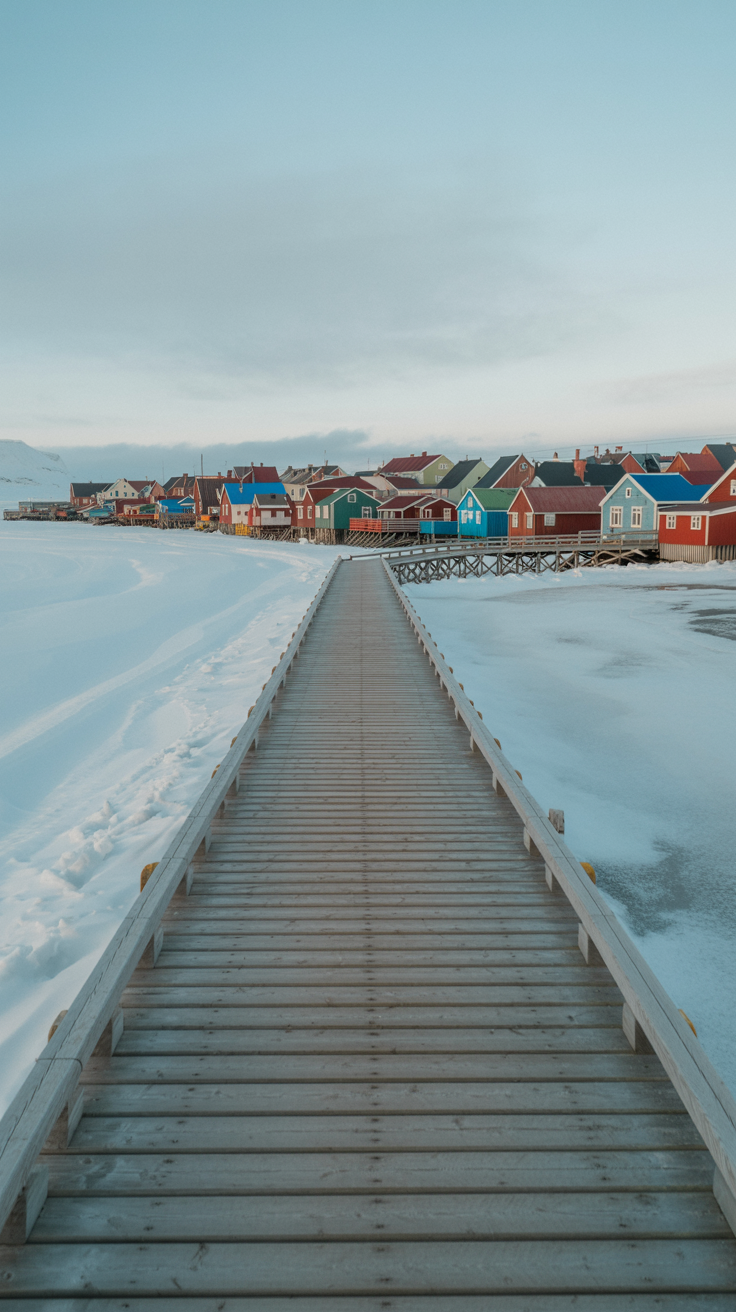
Despite the challenges, Utqiaġvik offers experiences you literally cannot get anywhere else. This is authentic Arctic Alaska with zero tourist infrastructure polish—which is precisely the appeal.
Midnight Sun Phenomenon
From mid-May through early August, the sun never sets here. Not “sets late”—actually never dips below the horizon. If your cruise visits during this window, you’ll witness 24-hour daylight that messes with your internal clock in the most magical way. Photographers lose their minds over the golden light that lasts all “night.”
Indigenous Iñupiat Culture
The Iñupiat people have lived here for over 1,500 years, and their culture remains vibrant and central to community life. Unlike many tourist-focused cultural demonstrations, what you experience here feels genuine because it is. The community shares their heritage on their terms, not according to some cruise line script.
- Whaling remains central to local subsistence and cultural identity
- Traditional skin boat (umiak) construction techniques still practiced
- Native arts including ivory carving, skin sewing, and baleen basketry
- Language preservation efforts you’ll see throughout the community
Top Things to Do in Port
Visit Point Barrow
This is the northernmost point of US territory, where two seas collide. Most shore excursions include transportation here (walking isn’t practical due to distance and weather). You’ll see the iconic “Top of the World” marker and often spot ice floes drifting offshore even in summer.
Iñupiat Heritage Center
This Smithsonian-affiliated facility offers the best introduction to local culture. Expect traditional dance demonstrations, artifact displays, and artisan workshops. The building itself is architecturally designed to withstand extreme Arctic conditions while incorporating traditional elements.
Wildlife Viewing
Polar bears roam near town with surprising regularity. The community employs polar bear patrol officers who monitor movements and keep residents (and visitors) safe. While sightings aren’t guaranteed, they happen often enough that your chances are decent. Also watch for:
- Bowhead whales migrating offshore
- Arctic fox, caribou, and snowy owls
- Thousands of migratory birds (over 185 species recorded)
- Bearded and ringed seals on ice floes
Local Art and Craft Shopping
Skip the typical tourist trap souvenirs. Utqiaġvik offers opportunities to purchase authentic Native Alaskan art directly from artists—carved ivory pieces, baleen baskets, and sealskin items. Yes, these items cost more than mass-produced nonsense, but you’re buying genuine cultural artifacts and supporting indigenous artists directly.
Practical Port Information
Getting Ashore
Your ship anchors offshore and tenders passengers to a beach landing. This isn’t a gentle marina dock situation—expect potentially wet landings depending on conditions. Crew members assist passengers from tender to beach, but you need reasonable mobility to manage this.
Some expedition cruise lines actually land passengers via zodiac boats directly onto the tundra, which feels adventurous but requires even more flexibility and balance. Pack accordingly.
Weather Preparation
Even in “summer,” Arctic weather demands respect. Layering is everything:
- Base layer: thermal underwear (synthetic or merino wool)
- Mid layer: fleece or down jacket
- Outer layer: waterproof, windproof shell
- Accessories: warm hat, gloves, neck gaiter, sunglasses
- Footwear: waterproof boots with good traction
The wind chill factor here can drop temperatures 20-30 degrees below the actual temperature. What feels like a “mild” 40°F day becomes brutally cold with Arctic winds.
Ground Transportation
Forget wandering around on your own. The town lacks tourist infrastructure like taxis or rental cars readily available to cruise passengers. Most visitors book shore excursions through their cruise line, which include transportation via bus or van to key sites.
Independent exploration is technically possible but impractical given the distances, weather exposure, and limited time in port. Plus, local guides provide context and stories that make sites meaningful rather than just photo ops.
Comparing Remote Arctic Ports
If you’re considering extreme northern Alaska destinations, Utqiaġvik differs significantly from other remote ports. For instance, Nome offers gold rush history and a more established cruise port, while Dutch Harbor in the Aleutians provides World War II history and remarkable fishing culture. Other remote Gulf of Alaska ports offer wilderness experiences without quite the same Arctic extremes.
Utqiaġvik stands apart as the most northern, most culturally distinct, and most weather-dependent of all Alaska cruise stops.
Cultural Sensitivity and Etiquette
You’re visiting a living community, not a theme park. Respect matters here more than at typical cruise ports.
Photography Guidelines
- Always ask permission before photographing people
- Some cultural activities and sites prohibit photography
- Private property is private—don’t wander into residential areas
- Whaling equipment and camps are culturally sacred; ask before approaching
Cultural Respect
- Use “Iñupiat” or “Iñupiaq” not outdated terms like “Eskimo”
- Listen more than you talk during cultural presentations
- If offered traditional foods, try them respectfully (you can politely decline)
- Purchase authentic art from legitimate local artists, not imported knockoffs
- Remember that subsistence hunting sustains this community—it’s not a political debate topic
Cost Considerations
Everything in Utqiaġvik costs more than you expect because everything must be flown or barged in. A gallon of milk can run $10-12. That context helps explain why:
- Shore excursions typically cost $150-300 per person
- Authentic Native art pieces range from $200 to several thousand dollars
- Even small snacks or drinks at the few local stores carry premium prices
Budget accordingly and understand these prices reflect the reality of Arctic logistics, not price gouging.
Bonus Tips
- Bring extra camera batteries and keep them warm inside your jacket—cold drains batteries frighteningly fast
- Cash is king here; credit cards work some places but not everywhere
- The “Arctic urgency” is real—when nature calls, facilities are limited; plan accordingly before excursions
- Mosquitoes can be absolutely ferocious during brief summer weeks; bug spray isn’t optional
- Your phone may not work reliably; embrace digital detox for a day
- The midnight sun makes sleeping difficult; bring an eye mask if you need darkness to sleep
- Don’t expect fresh produce or elaborate restaurant options—this isn’t that kind of port
- If offered muktuk or akutaq, trying traditional foods shows respect (and makes a better story than declining)
- Binoculars are essential for wildlife spotting—don’t rely solely on your camera zoom
- Motion sickness meds help for tender rides, which can be bouncy in Arctic swells
- The local radio station broadcasts polar bear warnings; your guides monitor these constantly
- Tundra is fragile and takes decades to recover from damage; stay on established paths
What You Won’t Find Here
Setting realistic expectations prevents disappointment:
- No jewelry stores, luxury boutiques, or typical cruise port shopping districts
- No restaurants catering to tourists with familiar menus
- No bars or entertainment venues for cruise visitors
- No paved trails or boardwalks for easy strolling
- No tour buses with air conditioning and comfortable seating
- No guarantees about weather, ice conditions, or even being able to land
If you need predictability and comfort, this port isn’t for you. If you want authentic Arctic adventure, it’s unmatched.
Health and Safety
Medical Facilities
The Samuel Simmonds Memorial Hospital serves the community but has limited capacity for major emergencies. Your expedition cruise ship carries medical staff and equipment for serious situations. Travel insurance with emergency evacuation coverage is strongly recommended for any Arctic cruise.
Polar Bear Safety
Polar bears are magnificent and dangerous. The community takes safety seriously:
- Never approach or attempt to photograph bears closely
- Stay with your group and follow guide instructions absolutely
- The community employs polar bear patrol officers who track bear movements
- If a bear is spotted near town, activities may be modified or relocated
Environmental Considerations
Climate change affects Utqiaġvik more dramatically than perhaps anywhere else in America. Sea ice arrives later, departs earlier, and provides less hunting platform time for subsistence activities. Permafrost thaw damages infrastructure. Coastal erosion threatens the community.
Visiting here offers sobering perspective on climate impacts that transcends political rhetoric. You’ll see and hear firsthand accounts of changes affecting real people’s lives and ancient traditions.
Common Questions and FAQ
Can I visit Utqiaġvik independently without a cruise?
Yes, Alaska Airlines serves Utqiaġvik from Anchorage and Fairbanks, but accommodation options are extremely limited and expensive. Independent visitors should arrange lodging months in advance. The community doesn’t have tourist infrastructure, so without organized tours you’ll struggle to access key sites or cultural experiences.
How rough is the tender ride to shore?
It varies dramatically based on conditions. Some days are calm and manageable; others can be bouncy enough that cruise lines cancel tenders for safety. Expedition cruise passengers should expect some discomfort and wet conditions. If you have mobility challenges, discuss tender operations with your cruise line before booking.
Will I definitely see polar bears?
No guarantees exist with wildlife. Polar bears do frequent the area, but sightings depend on ice conditions, timing, and luck. Your odds are better here than most places, but this isn’t a zoo. Sometimes passengers spot bears from the ship; other times none appear during the entire port visit.
Is it safe to drink the local water?
The community water system meets standards, but most visitors stick with bottled water or water from their ship. Given your limited time ashore, there’s no compelling reason to test your stomach’s adaptability to different water systems.
How do I know if my cruise visits Utqiaġvik?
Check your itinerary carefully. Most cruises list it as “Barrow/Utqiaġvik” since many people still know it by the former name. Only expedition-style cruises visit here—if your cruise features 2,000+ passengers and multiple pools, it’s not stopping at Utqiaġvik.
What if weather prevents landing?
This happens sometimes. Cruise lines cannot control Arctic weather, and safety takes priority. Your cruise contract includes provisions about itinerary changes due to conditions. Some lines offer partial refunds for missed ports; others don’t. Check your specific cruise line’s policies before booking.
Are there any restaurants or cafes for cruise visitors?
Not really. A couple small cafes exist for locals, but they’re not equipped to handle sudden influxes of cruise passengers. Most shore excursions don’t include time for meals anyway. Eat on your ship before heading ashore.
How much time do I need here?
Most cruises allocate 6-10 hours, which is adequate for key experiences—cultural center, Point Barrow, wildlife viewing, and brief shopping. The community is small enough that a full day covers the main attractions, especially given weather exposure limits how long you’ll want to remain outside.
Can I use my cell phone?
Coverage exists but can be spotty. Major US carriers have some service, but don’t expect fast data speeds or consistent connectivity. International visitors should check roaming charges—Arctic Alaska might incur premium rates with some carriers.
Is Utqiaġvik suitable for families with children?
Older children and teens who appreciate unique cultural and wildlife experiences will find it fascinating. Very young children may struggle with the weather, limited bathroom facilities, and lack of typical entertainment. Expedition cruises tend to attract fewer families than mainstream cruises anyway, so expect a more adult-oriented experience.
Personal Experience
When I stepped off the cruise ship in Barrow (now officially called Utqiaġvik), the Arctic wind hit me like nothing I’d experienced before—even in July! I’d packed layers like the guide suggested, but I quickly learned that “Arctic climate” means business. Within minutes of arriving, I was pulling on every piece of clothing I’d brought. The sun hung low in the sky at midnight, creating this surreal golden light that made me forget what time even meant. Our local guide, a friendly Iñupiaq woman named Sarah, led us to the top of the world marker at Point Barrow, where the Beaufort and Chukchi Seas meet. Standing there, watching chunks of sea ice drift by while she shared stories about her community’s whaling traditions, made me realize how far removed this place is from typical cruise stops.
The cultural center visit turned out to be the highlight of my day. I watched blanket toss demonstrations—an ancient hunting practice that’s now part of local celebrations—and tried my hand at traditional crafts. Sarah took us to a small shop where I bought genuine Native Alaskan art directly from local artists, which felt more meaningful than any souvenir I’ve ever picked up. We also got to taste muktuk (whale blubber) and akutaq (Eskimo ice cream), which definitely pushed me out of my comfort zone but in the best way. The whole experience felt authentic and respectful, not like a tourist show. Just remember to bring serious cold-weather gear, keep your camera batteries warm, and come with an open mind—Barrow isn’t your typical cruise port, and that’s exactly what makes it extraordinary.