
Seattle serves as a major departure point for Alaska cruises, with most ships leaving from the Bell Street Pier Cruise Terminal at Pier 66 or Smith Cove Terminal. The cruise season typically runs May through September. Popular itineraries include Inside Passage routes visiting ports like Juneau, Ketchikan, and Skagway, with opportunities to see glaciers, wildlife, and scenic fjords.
Quick Facts: Seattle Alaska Cruise Port
| Detail | Information |
|---|---|
| Main Terminals | Bell Street Pier (Pier 66), Smith Cove Terminal (Pier 91) |
| Cruise Season | May through September |
| Distance from Airport | 14-20 miles depending on terminal |
| Typical Cruise Length | 7 days (roundtrip) or 7-14 days (one-way) |
| Pre-Cruise Hotel Stay | Recommended, especially for morning departures |
Want to know more about all Alaska departure port options? Seattle isn’t your only choice for accessing the Last Frontier.
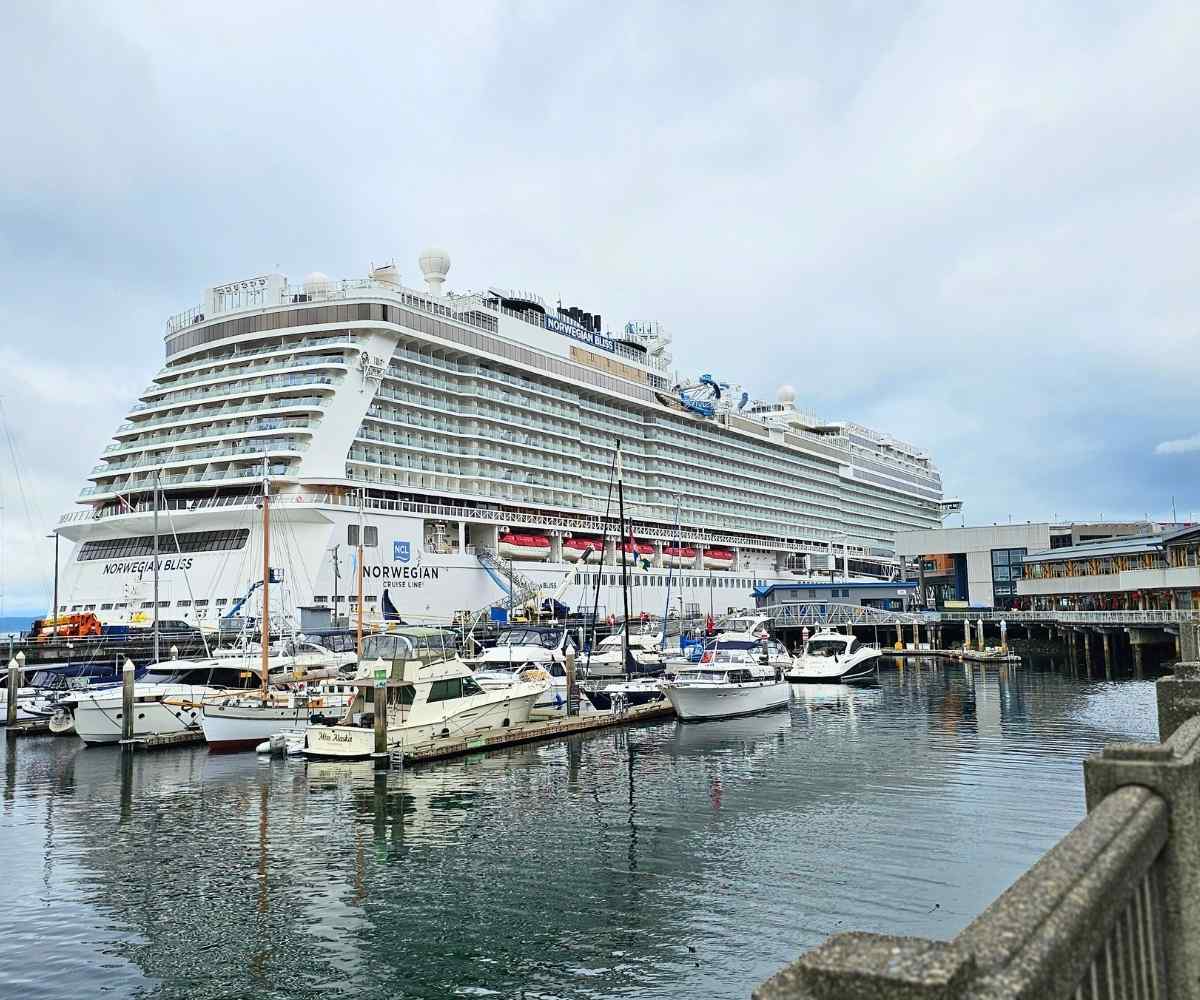
Understanding Seattle’s Two Cruise Terminals
Seattle operates two distinct cruise terminals, and knowing which one your ship uses matters more than you’d think. Bell Street Pier at Pier 66 sits right downtown near Pike Place Market, making it incredibly convenient for pre-cruise exploring. Smith Cove Terminal at Pier 91 is about 15 minutes north of downtown in the Magnolia neighborhood. Most large cruise ships use Smith Cove because it can handle bigger vessels.
Here’s the insider tip nobody tells you: if you’re sailing from Smith Cove, don’t book a hotel downtown expecting a quick walk to your ship. You’ll need transportation either way. Check your cruise documents carefully to confirm which terminal you’re using before making any hotel reservations near the Seattle cruise terminals.
Getting to the Port
Sea-Tac Airport serves Seattle and getting from there to your cruise terminal involves several options. Airport transportation to Seattle cruise terminals includes rideshares (typically $40-60), taxis (similar pricing), shuttle services ($20-30 per person), and rental cars if you’re planning to explore before or after your cruise.
Most cruise veterans will tell you that traffic in Seattle can be unpredictable. Give yourself at least 90 minutes from the airport to the terminal even though the distance seems short. Rush hour transforms a 30-minute drive into an hour-plus crawl.
The Parking Situation
If you’re driving to the port, parking options at Seattle’s cruise terminals deserve careful consideration. The official port parking runs about $30-35 per day, but several private lots nearby charge $15-25 per day with shuttle service included. Book these lots weeks in advance during peak summer season because they fill up fast.
Pro tip: Some lots offer a “valet” option where you drop your car at the terminal and they park it for you. Sounds fancy but really just saves you a shuttle ride. Worth it if you’re running late or traveling with lots of luggage.

Seattle vs Other Alaska Departure Ports
Seattle competes primarily with Vancouver and occasionally Whittier for Alaska cruise traffic. The comparison between Vancouver and Seattle as departure ports often comes down to personal preference and itinerary details. Seattle offers the advantage of no passport requirement for U.S. citizens on certain roundtrip cruises, easier airport connections for Americans, and no currency exchange hassles.
Vancouver as an Alaska cruise departure port typically provides slightly longer time in Alaskan waters since it’s farther north, and the city itself offers fantastic pre-cruise experiences. Meanwhile, Whittier as a departure port serves primarily as the endpoint for one-way Gulf of Alaska cruises.
Choosing Your Itinerary Type
Seattle-based Alaska cruises come in two main flavors. Inside Passage cruises from Seattle typically operate as seven-day roundtrip voyages that visit three to four ports plus glacier viewing. These cruises sail through the protected waters of the Inside Passage, meaning calmer seas and consistent scenery of forested islands and mountains.
The decision between roundtrip versus one-way Alaska cruises affects your entire trip planning. Roundtrip cruises from Seattle mean you unpack once and return to your car or home airport. One-way cruises require either flying into one port and out of another, or positioning yourself via land tour. Gulf of Alaska cruises often run one-way between Seattle (or Vancouver) and Whittier, offering different ports and scenery than Inside Passage routes.
What Makes Seattle Special as a Departure Point
Starting your Alaska cruise from Seattle adds a full day of scenic cruising through Puget Sound and the San Juan Islands that you simply don’t get when flying directly to Alaska. On embarkation day, grab a spot on deck as you sail past the Seattle skyline, then watch for orcas and bald eagles as you navigate north through island passages. This “bonus” scenery is genuinely spectacular and sets the tone for your entire trip.
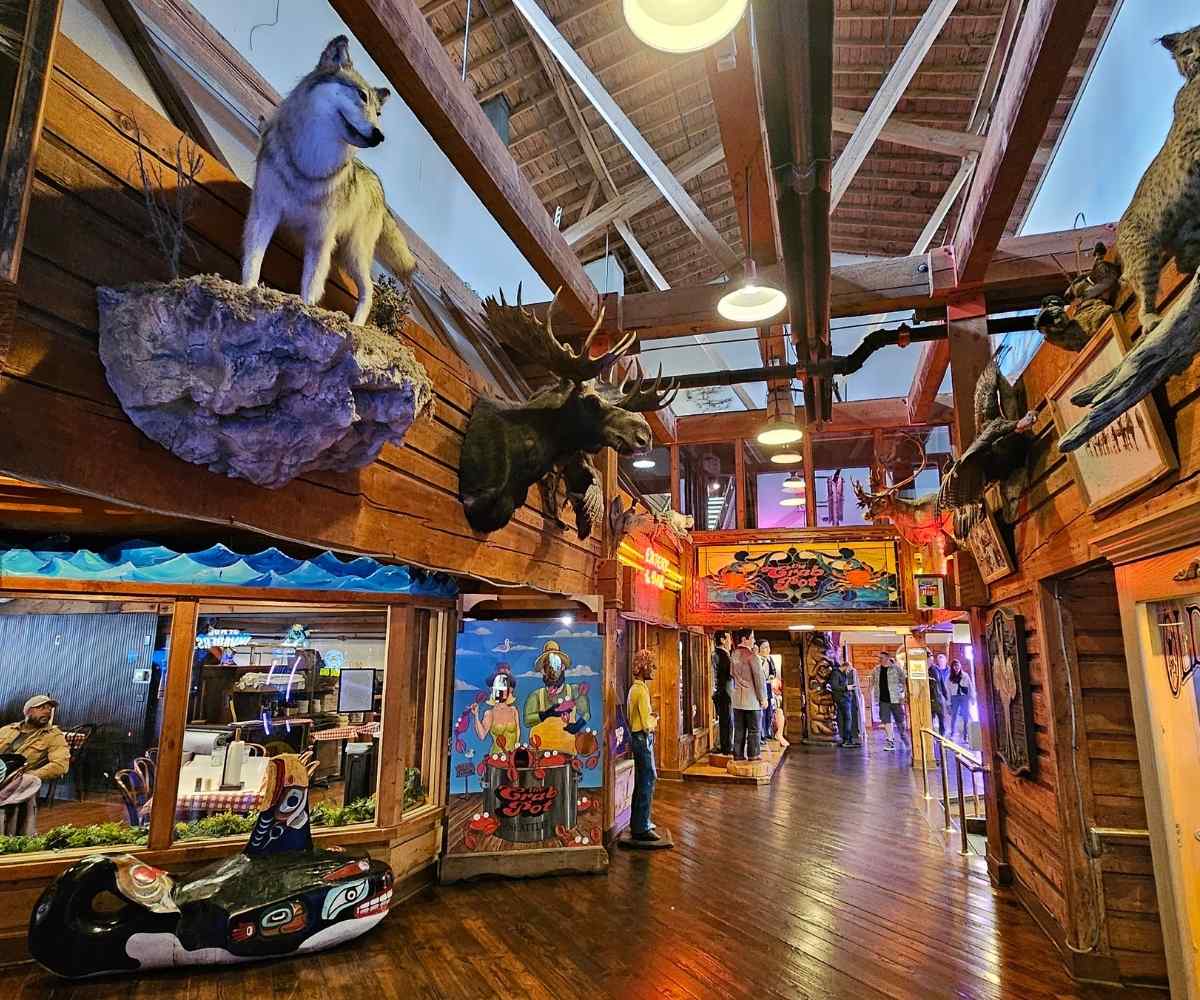
Seattle also gives you a legitimate excuse to spend extra time in one of America’s most interesting cities. The attractions and activities around Seattle before your cruise range from Pike Place Market to the Space Needle to incredible food scenes in neighborhoods like Capitol Hill and Ballard.
Pre-Cruise Planning Essentials
Most cruise lines recommend arriving at least one day before your cruise departure, and this isn’t just corporate liability talk. Flight delays happen, and missing your ship because of a late plane turns an expensive vacation into an expensive disaster. Ships will not wait for delayed passengers.
Here’s what smart cruisers do differently:
- Book a hotel near your actual departure terminal, not just “in Seattle”
- Arrange transportation to the port the night before so you’re not scrambling the morning of embarkation
- Download the airline app and sign up for text alerts about any flight changes
- Pack cruise documents and one change of clothes in your carry-on just in case checked bags go astray
- Check cruise line luggage policies – most Alaska cruises are casual but some formal nights still exist
Weather and Packing Realities
Alaska cruise weather operates by its own rules. You’ll likely experience multiple seasons in a single day. The phrase “there’s no such thing as bad weather, only bad clothing choices” was probably invented by an Alaska cruise passenger who wore sandals to a glacier viewing.
Essential packing includes:
- Waterproof jacket with hood (not just water-resistant)
- Multiple fleece or wool layers
- Comfortable waterproof hiking shoes or boots
- Warm hat and gloves even in summer
- Binoculars for wildlife watching
- Sunglasses and sunscreen (the sun reflects off water and ice)
The ships themselves stay warm inside, so you’ll also want shorts and t-shirts for lounging by the pool or in your cabin. This creates luggage chaos but such is Alaska cruise life.

Terminal Day Operations
Seattle’s cruise terminals generally open for check-in around 11:00 AM for afternoon departures. Arriving right when doors open usually means shorter lines, but you’ll spend more time waiting on the ship before it actually sails. The sweet spot tends to be about three hours before departure – late enough to avoid the initial rush but early enough to get settled before the “all aboard” deadline.
Both terminals offer basic amenities but don’t expect airport-level shops or restaurants. There’s usually a small café and restrooms. Porter service is available ($2-3 per bag tip expected) if you want to hand off your luggage at curbside rather than schlepping it through check-in yourself.
Complete information about terminal facilities and procedures appears in the Seattle cruise ship port guide.
Shore Excursions and Booking Strategy
Shore excursions book up faster than most first-time cruisers anticipate. Popular activities like helicopter glacier tours, whale watching, and White Pass Railway in Skagway can sell out months before sailing. Book these through your cruise line as soon as your booking window opens, typically 90-120 days before departure.
That said, independent excursions booked directly with local operators often cost 30-50% less than cruise line versions. The tradeoff is risk – if your independent tour runs late and you miss the ship, that’s your problem. The ship will leave without you. For activities close to port like walking tours of downtown Juneau or Ketchikan, independent booking makes sense. For adventures farther afield, cruise line excursions provide peace of mind.
Bonus Tips Nobody Mentions
- Cell service along the Inside Passage is surprisingly decent in ports and sometimes even between them – but your phone will connect to Canadian towers which means international roaming charges unless you prepare
- Motion sickness rarely affects Inside Passage cruises because of protected waters, but the Gulf of Alaska crossing to/from Whittier can get genuinely rough
- Most ships have self-service laundromats – pack less and do laundry mid-cruise instead of overstuffing your suitcase
- The “free” photos that cruise ship photographers take add up to hundreds of dollars if you buy them – just use your phone
- Cruise ships carry basic medications like seasickness pills and pain relievers – don’t panic if you forget something minor
- Many Alaska ports are tiny and walkable – you don’t need a tour or taxi in places like Skagway where everything is within a few blocks of the dock
- Drink packages might not make financial sense on Alaska cruises since you’ll spend more time off the ship on excursions than on Caribbean cruises
- The glacier viewing day usually happens early in the morning – set an alarm or you’ll miss it sleeping in
Common Questions and FAQ
Do I need a passport for a roundtrip Seattle Alaska cruise?
U.S. citizens technically don’t need a passport for roundtrip cruises that stay in U.S. waters, but you’ll need one if the itinerary stops in Canada (which most do in Victoria or Vancouver). Even if technically not required, bringing a passport is smart in case you need to fly home from a foreign port due to emergency or medical issues.
How formal are Alaska cruises compared to Caribbean cruises?
Significantly more casual. Most Alaska cruises have one or two formal nights where suits and dresses appear, but the overall vibe leans toward outdoor casual. Jeans and fleece are perfectly acceptable in main dining rooms on regular nights. The focus is on nature and activities rather than glamour.
Can I see the Northern Lights on a summer Alaska cruise?
No. The Northern Lights require dark skies, and Alaska’s summer cruise season features nearly 24-hour daylight in June and July. You’d need to visit in winter, which isn’t cruise season. Don’t let any marketing material mislead you on this point.
What’s the best time during cruise season to sail from Seattle?
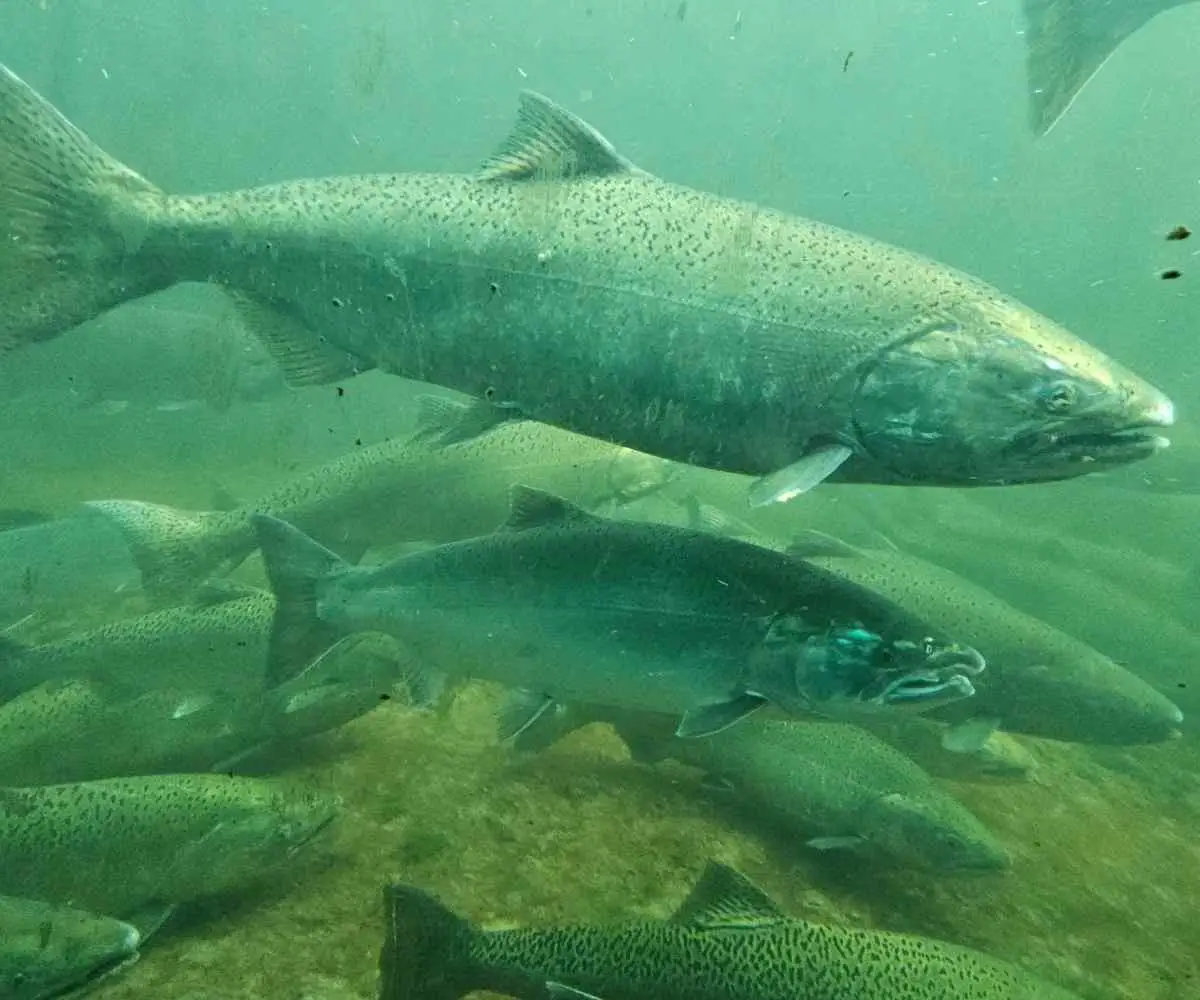
Each month offers different advantages. May and September have fewer crowds and lower prices but cooler weather and higher rainfall chances. June through August provide the warmest weather, longest daylight hours, and best chances for bear viewing as salmon run. July and August are peak season with premium pricing but optimal conditions.
Should I book a balcony cabin for an Alaska cruise?
This gets debated endlessly, but balconies genuinely enhance Alaska cruises more than Caribbean ones. The scenery is constant, and stepping outside your cabin to watch glaciers or wildlife without heading to public decks provides real value. However, you’ll spend significant time on upper deck public spaces anyway, so inside or oceanview cabins work fine if budget matters.
Personal Experience
Planning my Alaska cruise from Seattle felt overwhelming at first, but once I figured out a few key things, everything fell into place. I discovered that booking parking ahead of time through one of the lots near the cruise terminal saved me about $15 a day compared to parking at the port itself. The walk from the lot to Pier 91 took maybe ten minutes with our luggage, which wasn’t bad at all. My biggest packing win was bringing layers – lots of them. Even in July, mornings on deck were chilly enough for a fleece and light jacket, but by afternoon I’d be down to a t-shirt. I also grabbed some motion sickness bands just in case, which turned out to be smart when we hit some choppy water near Juneau.
The terminal itself was pretty straightforward to navigate. We arrived around noon for our 4 PM departure, and check-in moved faster than I expected. One thing that caught me off guard was how casual the whole vibe was compared to Caribbean cruises I’d done before. People wore hiking boots and rain jackets instead of sundresses, which made way more sense once we started our excursions. If you’re going during peak season like we did in summer, book your shore excursions early – the whale watching tours fill up fast. The scenery alone makes the trip worth it, and leaving from Seattle means you start cruising through beautiful waters right from the start instead of wasting time getting to Alaska.