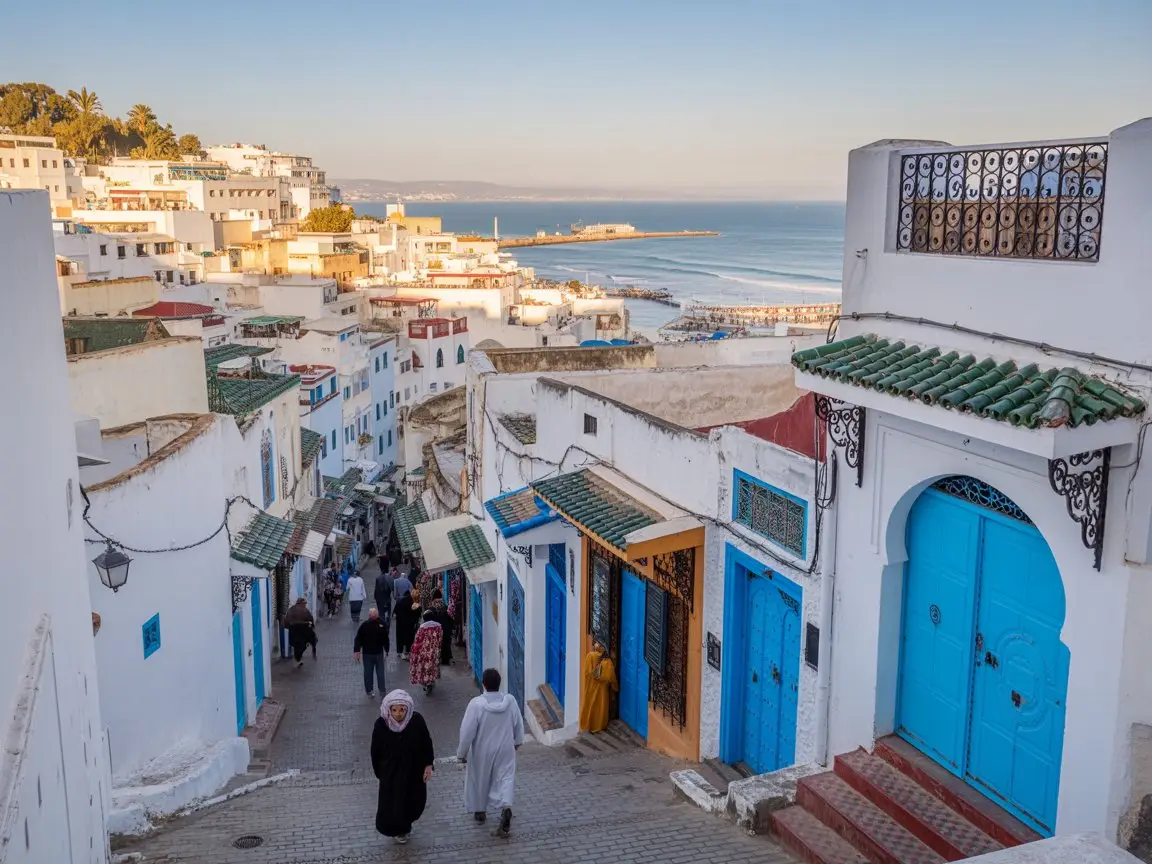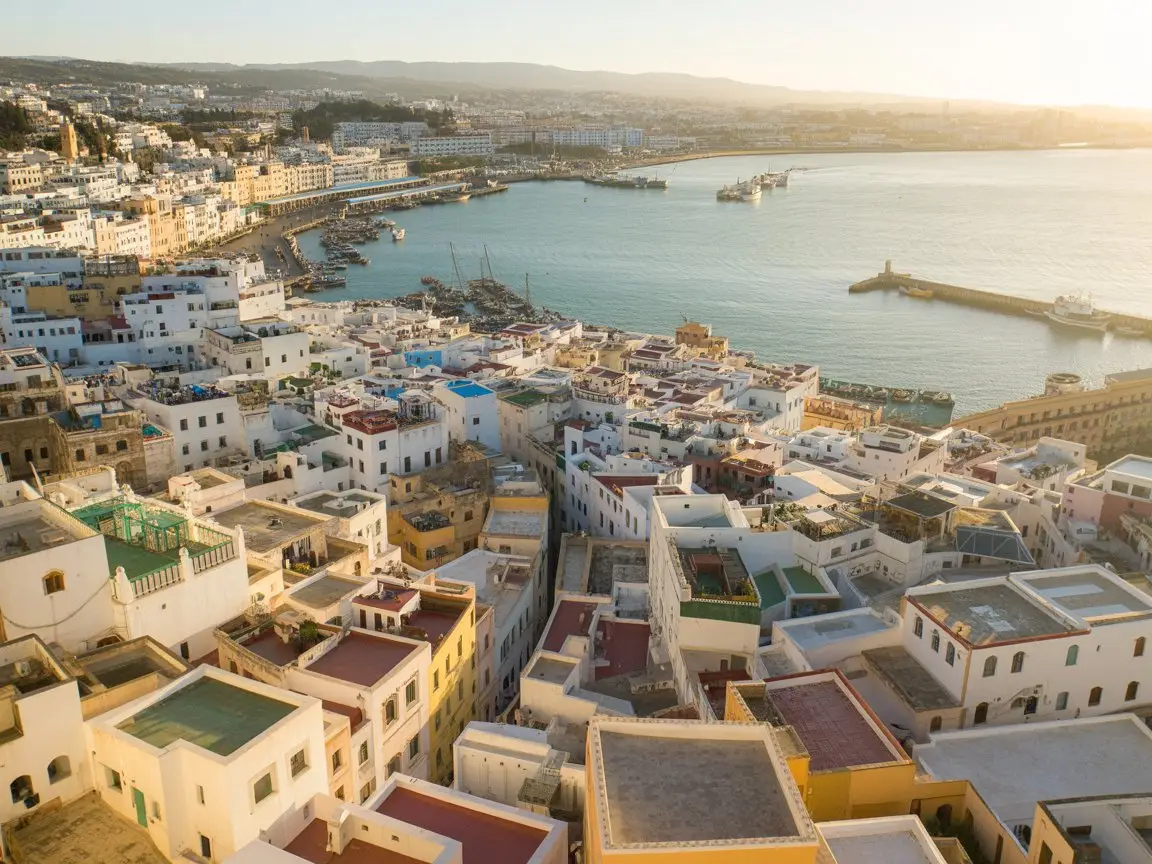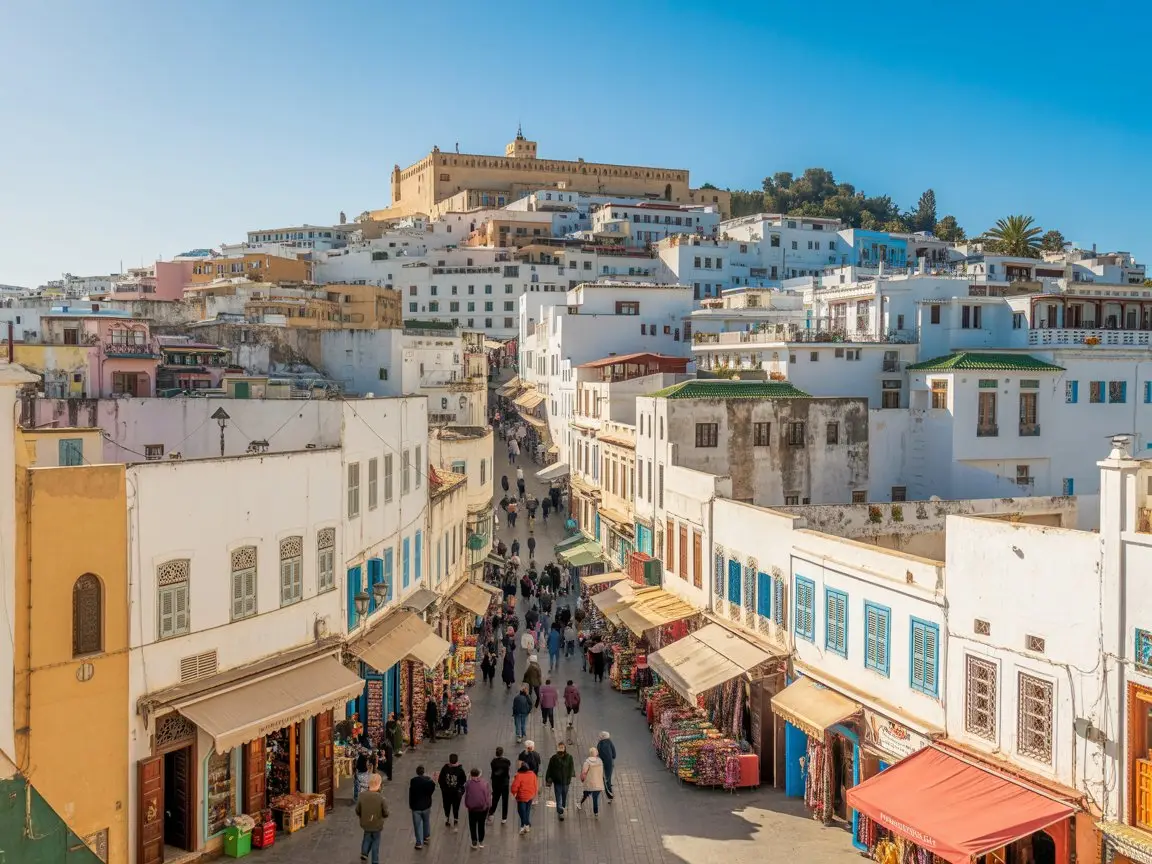
Tangier’s cruise port is located at the Port of Tangier, approximately 2 kilometers from the medina. Passengers typically walk to the terminal building where taxis, shuttle buses, and tour operators are available. The port offers basic facilities including currency exchange and tourist information. Shore excursions include exploring the medina, Kasbah, American Legation Museum, and Cape Spartel.

Quick Port Facts

DetailInformation
Port NameTanger Ville Port (NOT Tanger Med)
Distance to Medina1.5 km / 20-minute walk
CurrencyMoroccan Dirham (MAD)
LanguageArabic, French, some English
Typical Port Time8-10 hours
Walking DifficultyEasy to port area, moderate in medina (hills, steps, cobblestones)

Can You Walk to Town from the Port?

Cruise ships dock at Port Tanger Ville (Tangier City Port), which is the dedicated cruise facility right in the city center. This is not to be confused with Tanger Med, the large container port about 40 km east that occasionally handles cruise ships but isn’t the typical cruise terminal. From Port Tanger Ville, the medina entrance at Grand Socco is genuinely walkable.

  • Bottom line: Walking is entirely practical for fit passengers who don’t mind a sunny stroll. You’ll save taxi fare and get a feel for the city’s waterfront atmosphere. If mobility is limited or you’re short on time, a quick taxi ride makes more sense.
  • Distance: About 1.5 km (just under a mile) to Grand Socco, taking roughly 20 minutes at a comfortable pace along the waterfront.
  • Terrain: The walk from port to Grand Socco is mostly flat along paved roads, though once you enter the medina itself you’ll encounter narrow cobblestone lanes, uneven surfaces, and some steep uphill sections toward the Kasbah. Wheelchair users will find the waterfront walk manageable but the medina proper is challenging with its steps and narrow passages. Make sure you’ve got proper women’s walking shoes or men’s walking shoes â€“ the cobblestones can be brutal on your feet after a few hours.
  • Weather: Summer heat can be intense, especially midday, with limited shade along the waterfront promenade. Spring and autumn offer more comfortable walking conditions. Carry water and wear sun protection.
  • Safety: The route during daylight hours is generally safe and well-trafficked, though you’ll pass through busy port areas initially. Stick to the main waterfront road and you’ll be fine. After dark is less advisable for solo walkers.

Want to know more about cruise ship ports of call in Morocco? Morocco has become an increasingly popular stop on Mediterranean cruises, with several ports catering to cruise traffic along both Atlantic and Mediterranean coasts.

Typical street in Tangier, Morocco near the cruise port

Map of Tanger Ville Port

How to Get Around from Tangier Port & Shore Transportation

Transport options at Tangier’s cruise terminal are straightforward, with taxis being the most popular choice and walking perfectly viable for the medina.

Cruise Line Shuttles

  • Which cruise lines: Some cruise lines offer shuttles, but availability varies considerably by operator. Luxury lines like Viking and Silversea may provide complimentary or paid shuttles to Grand Socco, while many mainstream lines leave passengers to arrange their own transport.
  • Cost: When offered, shuttles are typically €5-10 per person or included with shore excursions. Always check your daily programme the evening before arrival.
  • Drop-off point: Most shuttles stop near Grand Socco, the main entrance to the medina, which puts you within easy reach of all major sights.
  • Frequency: Usually runs every 30-60 minutes during port hours, but don’t count on this without confirming with your ship’s excursion desk first.

Taxis

  • What they look like: Petit taxis in Tangier are light blue (sometimes described as blue and white) with official markings. They’re small city taxis, usually carrying up to three passengers.
  • To town centre: From the cruise terminal to Grand Socco or the medina entrance, expect to pay 30-50 MAD (roughly €3-5). Don’t let anyone convince you otherwise.
  • To Cape Spartel: For longer trips out to Cape Spartel and the Hercules Caves, negotiate a fare of around 200-300 MAD for a return trip including waiting time.
  • Metre policy: Petit taxis are supposed to use metres for city trips, but many drivers prefer to negotiate a fixed price with tourists. Insist on the metre for short trips or agree a price before you get in. If they refuse, walk to the next taxi.
  • Watch out for: Drivers who claim the metre is broken or quote inflated prices. Some will try to take you to shops where they earn commission. Be firm about your destination and price before departure.

Public Transport

  • Bus details: While Tangier does have local buses, they’re not particularly convenient for cruise passengers with limited time. Routes don’t run directly from the port area to tourist sites in an efficient way.
  • Current price: Local bus fares are very cheap (around 4-7 MAD), but navigating the system takes time and local knowledge.
  • Where to catch it: Bus stops are located along the main roads near the port, but finding the right route requires asking locals or reading Arabic signage.
  • Bottom line: Unless you’re on a tight budget and have plenty of time, skip the buses and take a taxi.

Walking

See ‘Can You Walk to Town’ section above for full walking details.

Shore Excursion Pickup

Tour operators collect passengers directly outside the cruise terminal building, usually with clearly marked signs bearing the tour company name. The pickup area is organized and straightforward, with most tours departing within 30 minutes of the ship’s all-ashore time. Pre-booked private tours will have drivers waiting with name cards at the terminal exit.

Other Options

Hop-on-hop-off buses: Availability is inconsistent in Tangier. Unlike major Mediterranean ports, there isn’t a reliable year-round hop-on-hop-off service. Check at the port information desk, but don’t count on this option.

Private transfers: Many passengers arrange private drivers through cruise forums or local agencies for €40-60 for a half-day tour including multiple stops. This often works out cheaper than ship excursions for groups of 3-4 people.

A photograph of a casual tourist standing at the bustling entrance to the medina at Grand Socco in Tangier, Morocco, on a bright sunny day. The tourist, wearing comfortable walking shoes, khaki shorts, and a light cotton shirt, holds a guidebook while gazing up at the ornate archway that marks the entrance to the historic quarter. The ancient stone gateway is adorned with intricate Islamic geometric patterns and flanked by vibrant market stalls selling colorful textiles and spices. Golden sunlight bathes the scene, casting sharp shadows across the weathered cobblestones and illuminating the warm ochre and terracotta tones of the surrounding buildings.
Cruise passenger at the medina entrance at Grand Socco

What to See Within Walking Distance from the Port

From Tangier’s cruise port, you can realistically walk to the entire medina area and most central attractions without needing transport.

  • American Legation Museum: The first American public property outside the United States, this small museum is tucked into the medina walls near the port side. It’s about a 15-minute walk from the cruise terminal and houses art and historical exhibits about US-Moroccan relations. Entry is free but donations are appreciated.
  • Grand Socco: This large square marks the main entrance to the medina and the boundary between old and new Tangier. It’s the natural starting point for any walking tour, about 20 minutes from the port along the waterfront. The square itself has a lively atmosphere with vendors, cafĂ©s, and the gateway into the souks.
  • Petit Socco: The smaller, more intimate square deep in the medina’s heart, surrounded by cafĂ©s where writers and artists once gathered. From Grand Socco, it’s a 10-minute walk through increasingly narrow lanes. The square has genuine charm despite being touristy.
  • The Medina: The entire old town is walkable from the port, though it’s a maze of narrow streets that climb upward. Allow at least 2-3 hours to wander properly. The streets are lined with shops selling everything from spices to leather goods, and you’ll get thoroughly lost – which is half the fun.
  • Kasbah: The old fortress area sits at the medina’s highest point, about 30 minutes uphill from the port via the medina streets. The climb is steep in places with steps, but the views over the Strait of Gibraltar are spectacular. The Kasbah Museum (Dar el Makhzen) is located here.
  • Rue Es-Siaghine: A historic street running through the medina, lined with traditional shops and cafĂ©s. It’s one of the main arteries through the old town and a pleasant route between the coast and the upper medina.

Must See Attractions in Tangier for a One Day Cruise Visit

With limited time in port, these attractions give you the best sense of Tangier’s unique character and history.

The Medina and Souks

The old town is Tangier’s main attraction, a proper working medina rather than a sanitized tourist recreation. You’ll find locals shopping for daily necessities alongside visitors hunting for souvenirs. The souks sell traditional crafts, spices, textiles, leather goods, and ceramics. Unlike some Moroccan cities, Tangier’s medina hasn’t been completely overtaken by tourist shops – you’ll still see hardware stores, butchers, and bread ovens mixed in with the leather handbag vendors. Allow at least 2-3 hours to explore properly, including getting lost down dead-end alleys and stopping for mint tea. The medina is free to enter, though you’ll likely spend money on purchases or refreshments. Go early if you want to avoid the afternoon heat and the peak tour groups. Comfortable walking shoes are essential because the cobblestones are uneven and often slippery. Women should dress modestly (covered shoulders and knees) out of respect, though Tangier is relatively relaxed compared to other Moroccan cities.

Kasbah and Dar el Makhzen Museum

The Kasbah fortress sits at the medina’s summit with commanding views across the Strait of Gibraltar toward Spain. On clear days you can see the Spanish coast, which makes the strategic importance of this location immediately obvious. The Dar el Makhzen, the former sultan’s palace, now houses a museum displaying Moroccan arts, archaeological finds, and historical artifacts. The building itself is beautiful, with traditional tilework and a pleasant courtyard garden. Entry costs around 20 MAD (about €2). The museum is modest in size – 30-45 minutes is sufficient to see everything. It’s usually quieter in the late morning after the first wave of cruise groups has moved on. The walk up through the medina to reach the Kasbah takes about 20-30 minutes from Grand Socco and involves some steep climbing, but the route itself is atmospheric. Skip this if mobility is an issue, as there are many steps and steep inclines with no alternative access.

Cape Spartel and Hercules Caves

About 14 km west of central Tangier, Cape Spartel marks the northwestern tip of Africa where the Atlantic Ocean meets the Mediterranean Sea. The lighthouse sits dramatically on the clifftop, and the coastal views are genuinely impressive. Just south of the cape, the Hercules Caves are a popular stop – partially natural, partially hand-carved chambers where ancient Berbers quarried millstones. The cave opening supposedly resembles the shape of Africa (it does, if you squint). This excursion requires a taxi, typically costing 200-300 MAD return with waiting time, or you can book it as a ship excursion. Entry to the caves is around 60 MAD. The round trip from the port takes about 2.5-3 hours including travel and brief stops at both sites. This is worth doing if you’ve visited Tangier before and want something different, or if you have a long port day. First-timers with limited time should prioritize the medina instead. The cape can be windy and surprisingly cool even on warm days, so bring a light jacket.

Café Hafa

This legendary clifftop cafĂ© has been serving mint tea since 1921 and counting the Rolling Stones, the Beatles, and various writers and artists among its patrons over the decades. It’s perched on terraced levels overlooking the strait, with simple tables and chairs where you can sit for hours watching the sea. The tea costs around 10-15 MAD, and the atmosphere is wonderfully low-key. It’s about 2.5 km from the port – too far to walk comfortably in the heat, so take a taxi (about 30-40 MAD). This makes a perfect relaxed stop if you want to escape the medina’s intensity for an hour. Go in the late afternoon if possible, when the light is best. The cafĂ© is basic – don’t expect fancy facilities or extensive menu options. It’s just tea, the view, and the history.

Grand Socco

Officially called Place du Grand 9 Avril 1947, this large square functions as the buffer zone between Tangier’s new town and the ancient medina. The name commemorates a speech by Sultan Mohammed V supporting Moroccan independence. The square itself is open and sunny, surrounded by colonial-era buildings and the distinctive minaret of the Sidi Bou Abib Mosque. Street vendors sell fruit, nuts, and snacks. It’s perpetually busy with locals and tourists, and it’s where you’ll find money changers, taxi stands, and the gateway into the medina proper. You don’t need to allocate specific time here – it’s simply the natural meeting point and orientation spot for any walking tour. Use it to get your bearings, change money if needed, and steel yourself before plunging into the medina’s narrow lanes. The square has public toilets nearby (for a small fee), which is useful to know given the lack of facilities in the medina itself.

American Legation Museum

This modest museum occupies a beautiful historic building that was gifted to the United States in 1821, making it the first American public property outside the country. Morocco was also the first nation to recognize American independence in 1777, which gives the relationship particular significance. The museum displays paintings, documents, maps, and photographs chronicling US-Moroccan relations and Tangier’s history as an international zone. The building’s architecture and peaceful courtyard are as interesting as the exhibits themselves. Entry is free though donations are encouraged. You’ll need about 45 minutes to see everything. It’s tucked into the medina near the port side, making it an easy add-on to a medina walk without going far out of your way. The staff are knowledgeable and usually happy to answer questions about the collection. This is particularly interesting for American visitors but has broader appeal for anyone interested in Tangier’s unique history as a cosmopolitan crossroads.

Port Day Itinerary: Things to Do in 6 Hours

Here’s a realistic schedule that fits a typical 8am-5pm port day, assuming you disembark by 9am and need to be back aboard by 4:30pm.

  • 9:00am | Walk to Grand Socco: Exit the terminal and follow the waterfront promenade toward the medina. The walk takes about 20 minutes and gives you a feel for the city’s layout. Stop at an ATM along the way if you need dirhams. You’ll pass the port area, some modern buildings, and gradually approach the old town.
  • 9:30am | Grand Socco orientation: Arrive at the square and take 10 minutes to get oriented. Buy a bottle of water from a vendor if needed. This is your last chance for easy facilities before diving into the medina maze.
  • 9:45am | Medina exploration: Enter the medina through one of the main gates and start wandering upward through the souks. Don’t worry about getting lost – just keep heading generally uphill and you’ll eventually reach the Kasbah. Stop to browse shops, smell the spices, and soak up the atmosphere. Expect vendors to approach you, but a polite “La, shukran” (no thank you) usually suffices.
  • 11:00am | Kasbah and Museum: Reach the Kasbah area and visit Dar el Makhzen if you’re interested in the exhibits. Otherwise, just enjoy the rampart views and the quieter streets up here. The views down over the medina rooftops toward the strait are worth the climb.
  • 12:00pm | Lunch near Petit Socco: Make your way back down through the medina toward Petit Socco. Find a small restaurant or cafĂ© for a proper Moroccan lunch – try a tagine, couscous, or grilled fish. Budget about an hour for a relaxed meal with a pot of mint tea afterward. Expect to pay 80-120 MAD per person for a decent meal.
  • 1:15pm | American Legation Museum: If you’re interested in history, stop by the American Legation for a quick visit. It’s on the way back toward the port. Otherwise, continue shopping or wandering the lower medina streets.
  • 2:00pm | CafĂ© break and shopping: Spend an hour browsing shops you spotted earlier, bargaining for souvenirs, or simply sitting at a cafĂ© watching street life. This is your buffer time – if you’re tired, head back to the ship. If you’re energized, keep exploring.
  • 3:15pm | Return to port: Start making your way back, either walking the waterfront route or taking a taxi if you’re tired or carrying purchases. Walking takes 20-25 minutes, a taxi takes 5-10 minutes and costs about 30-40 MAD.
  • 4:00pm | Back at ship: You’re aboard with a comfortable 30-minute buffer before all-aboard time. Drop off any purchases, refresh, and head to the deck bar to process what you’ve just experienced.

This timing allows for a proper medina experience without feeling rushed, includes a decent meal, and gets you back with time to spare. You can adjust by cutting the museum or extending the shopping time depending on your interests.

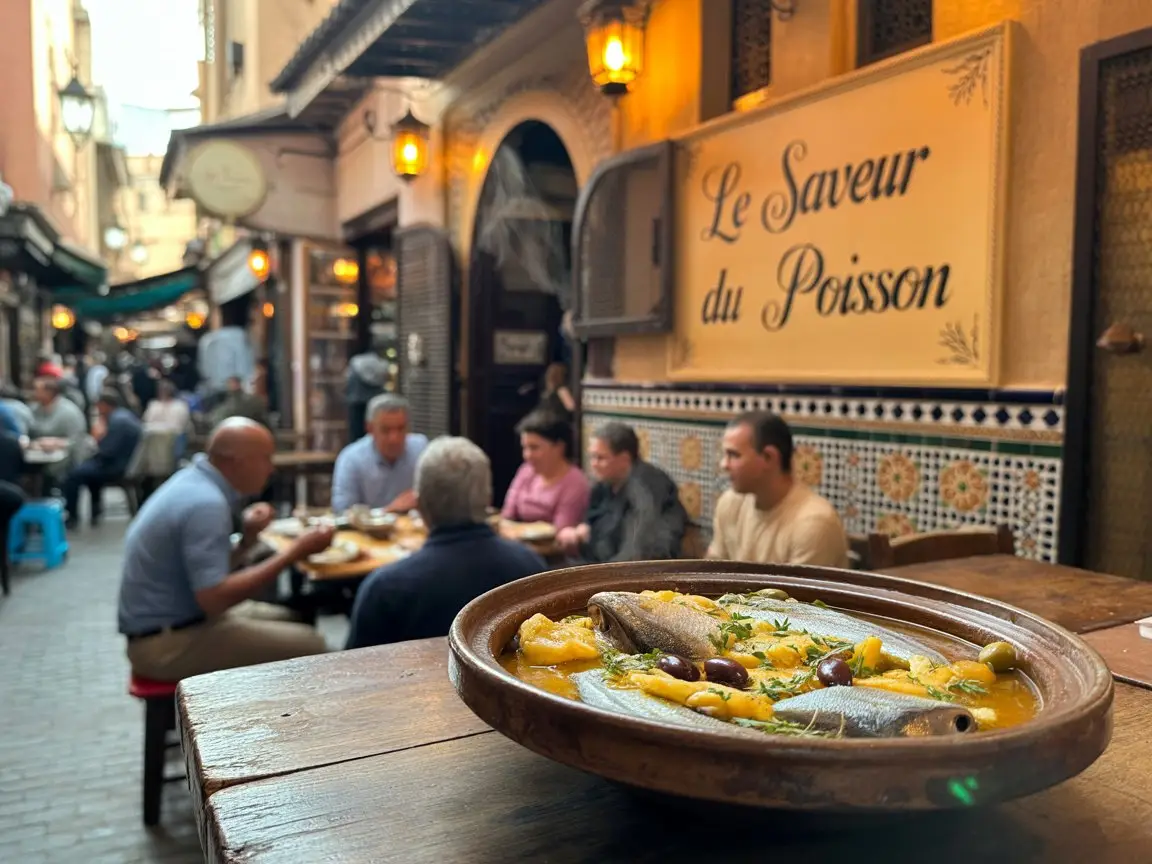
Le Saveur du Poisson in the Medina in Tangier

Where to Eat Near the Port

Tangier’s food scene near the port and in the medina ranges from tourist cafĂ©s to authentic local spots, with Moroccan specialties being the obvious choice.

  • Medina restaurants around Petit Socco: This area has the densest concentration of small restaurants and cafĂ©s serving traditional Moroccan food. You’ll find tagines (slow-cooked stews with meat, vegetables, and preserved lemons), couscous, grilled sardines, and harira (hearty soup). Prices are reasonable – expect 70-120 MAD for a main course. Look for places with locals eating rather than empty tourist traps with aggressive touts outside.
  • Mint tea and pastries: Every cafĂ© serves the ubiquitous sweet mint tea (around 10-15 MAD), often accompanied by Moroccan pastries like cornes de gazelle (almond-filled crescents) or chebakia (sesame cookies with honey). This makes a perfect mid-morning or afternoon break. The cafĂ©s around Petit Socco are atmospheric, though quality varies. CafĂ© Hafa is the legendary option if you want the full experience.
  • Fresh seafood: Being a port city, Tangier has excellent seafood. Grilled sardines, calamari, and prawns are local specialties. The medina restaurants near the port side often have the day’s catch displayed. A grilled fish meal with salad and bread costs about 100-150 MAD.
  • Street food and quick options: If you’re tight on time, vendors sell fresh bread, olives, fruit, and nuts around Grand Socco. Small shops offer sandwiches and snacks. The food safety is generally fine for cooked items and peeled fruit, but be cautious with salads washed in local water.
  • Food safety: Don’t drink tap water – stick to bottled water, which is widely available and cheap. Cooked food served hot is generally safe. Be cautious with raw salads and unpeeled fruit unless you’re confident about washing practices. Street food from busy stalls with high turnover is usually fine. Use your judgment and common sense.

Shopping: What to Buy & Where to Go

Tangier’s medina is a legitimate shopping destination for traditional Moroccan crafts, though you’ll need to navigate tourist-focused pricing and be prepared to bargain.

What to Buy

  • Leather goods: Morocco is famous for leather, and Tangier’s souks sell bags, belts, jackets, poufs, and slippers. Quality varies enormously from tourist tat to genuine craftsmanship. A decent leather bag should cost 300-600 MAD after bargaining, while slippers run 80-150 MAD. Check stitching carefully and smell the leather – if it reeks of chemicals, it’s lower quality.
  • Ceramics and pottery: Colorful tagine pots, serving dishes, and decorative tiles are everywhere. Prices start around 50-80 MAD for small pieces, 200-400 MAD for larger serving dishes. These are fragile and heavy, so consider shipping options if you’re buying multiple pieces.
  • Argan oil: This Moroccan specialty oil is sold everywhere, marketed for cooking or cosmetic use. Genuine argan oil is expensive – around 80-150 MAD for a small bottle. Much of what’s sold in tourist areas is diluted or fake. Buy from reputable shops with proper labeling rather than street vendors if you want the real thing.
  • Spices: Saffron, ras el hanout (Moroccan spice blend), cumin, and other spices make excellent gifts and are easy to pack. Prices are negotiable but generally reasonable – 30-60 MAD for small bags. The spice souks smell incredible. Watch vendors carefully to ensure they don’t swap in lower quality after you’ve agreed on a price.
  • Textiles and carpets: Scarves, blankets, and rugs are major purchases. Small scarves start around 50-100 MAD, while carpets are serious investments running into thousands of dirhams for quality pieces. Unless you know carpets, this isn’t a purchase to rush. Shops will offer tea and spend hours showing you options while explaining provenance – this is part of the experience, but don’t feel obligated to buy.
  • Metalwork and brass: Lanterns, trays, teapots, and decorative items in traditional Moroccan styles. Prices depend on size and intricacy, ranging from 100 MAD for small items to 500+ MAD for larger pieces. These are heavy and bulky, so factor in luggage space.

Where to Shop

  • Medina souks: The main shopping area stretches through the medina from Grand Socco up to the Kasbah. Different sections specialize in different goods – there’s a spice area, a leather section, and carpet shops clustered together. Shop around and compare prices at several vendors before committing.
  • Rue Es-Siaghine: This historic street running through the medina has numerous craft shops and is slightly less aggressive than the main tourist routes. You’ll find a mix of quality and tourist goods here.
  • Shops near Petit Socco: The lanes around this central square have concentrated shopping with everything from jewelry to textiles. It’s convenient but also heavily touristed, which means prices start higher.

Haggling Strategy

Bargaining is expected and almost mandatory in Tangier’s souks – vendors quote tourist prices and expect negotiation. A vendor’s opening price is typically 2-4 times what they’ll actually accept. Start by offering 40-50% of the asking price and negotiate from there. The process should be friendly and somewhat theatrical – don’t be aggressive or insulting. If you can’t reach an acceptable price, walk away. Often the vendor will call you back with a better offer. Don’t haggle unless you’re genuinely interested in buying. And once you’ve agreed on a price, you’re expected to complete the purchase. Learn to say “La, shukran” (no thanks) firmly but politely when you’re not interested.

What to Avoid

The shops immediately outside the cruise terminal charge premium prices because they know you’re captive. Wait until you’re in the actual medina for better value. Avoid vendors who are overly aggressive or who try to physically guide you into shops – this usually means they’re earning large commissions and prices will be inflated accordingly. Be skeptical of “special deals” or “my uncle’s shop” pitches. If someone offers to guide you to “the best carpet shop” for free, they’re earning commission on anything you buy. And watch the classic switch – agreeing on an item and price, then having the vendor wrap up a different, lower-quality version.

Safety Tips & Avoiding Scams

Here’s what to watch for so you can enjoy Tangier safely.

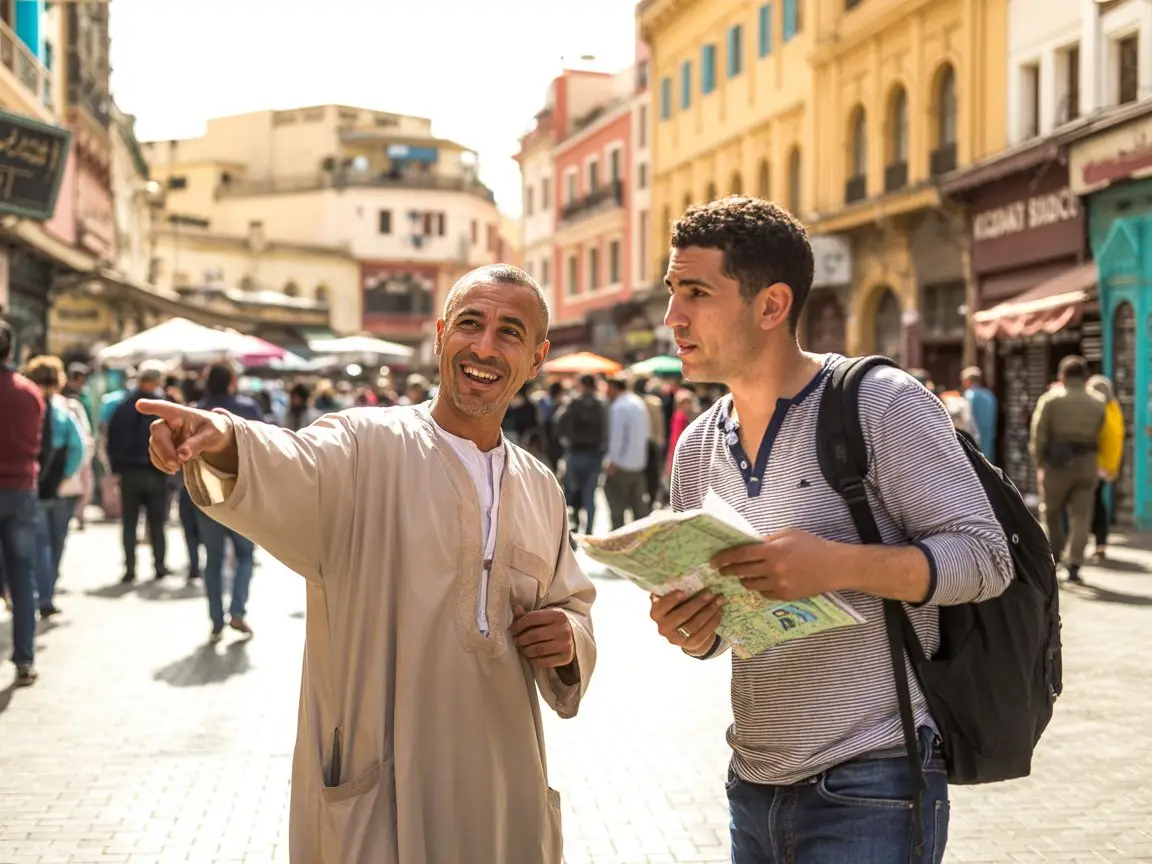
Helpful Stranger with cruise passenger in Grand Socco Tangier

Fake Guides

How it works: Someone approaches near the port or at Grand Socco offering to show you around or help you find specific attractions. They seem friendly and knowledgeable. After walking you through some medina streets, they lead you to shops where they earn commission on anything you purchase. At the end, they demand payment for their “guiding services” – often 200-500 MAD or more, claiming it was agreed upon even though you never hired them.

How to spot it: Anyone who approaches you unsolicited offering help or guidance. Real official guides have identification badges. These unofficial guides often claim to be students practicing English or locals who just want to help.

How to avoid it: Politely but firmly decline all offers of assistance. Say “La, shukran” (no thank you) and keep walking. Don’t engage in conversation or explain where you’re going. If someone persists in following you, walk into a shop or toward a police officer.

What to say: “La, shukran. Ana mashi wahdi” (No thank you, I’m going alone) said confidently usually works. Or simply in English: “No guide needed, thanks.”

Taxi Scams

How it works: Taxi drivers refuse to use the metre and quote inflated prices, especially for tourists straight off the cruise ship. Another version involves the driver claiming the agreed fare was per person, not per taxi, doubling or tripling the bill at the end. Some drivers also take intentional detours to run up the metre or take you to shops where they earn commissions, wasting your limited port time.

How to spot it: Driver refuses to use the metre for city trips, claims the metre is broken, or immediately quotes a fixed price that seems high. Or partway through the journey, the driver announces you’re going to a “special shop” for carpets or argan oil.

How to avoid it: Before getting in any taxi, agree firmly on either using the metre or a specific fixed price for longer trips. For short hops to Grand Socco, insist on the metre. If the driver refuses, find another taxi – there are plenty. Have small bills ready so you can pay the exact fare. For longer excursions like Cape Spartel, negotiate the total return price including waiting time before departing. Get this in writing if possible, or at minimum confirm it clearly in front of witnesses.

What to say: “Metre, min fadlak” (Metre, please) or point to the metre and nod. If they refuse, walk away saying “La, shukran.”

Vendor Pressure & Overpricing

How it works: Shop owners or vendors use aggressive sales tactics to pressure you into purchasing. They might physically block your exit, bring out endless merchandise while pressuring you to buy, or make you feel guilty for wasting their time after they’ve shown you items. Prices quoted to tourists are often 3-5 times what locals pay, with the expectation you’ll haggle down to something reasonable – but many tourists don’t realize this and pay the inflated asking price.

How to spot it: Vendors who won’t take no for an answer, who grab your arm or physically guide you into shops, or who become hostile when you attempt to leave without buying. Shops where the initial quoted price seems absurdly high compared to other vendors.

How to avoid it: Only enter shops you’re genuinely interested in. If you’re just browsing, say so clearly upfront. If someone becomes aggressive or makes you uncomfortable, leave immediately – you are never obligated to buy. Compare prices at multiple shops before purchasing anything significant. If you feel trapped, firmly state you’re leaving and walk out. Don’t allow guilt or pressure to force a purchase.

What to say: “La, shukran. Ghali bzef” (No thanks, too expensive) works to end price negotiations. Or simply “I’m just looking” in English, delivered firmly.

Pickpocketing

How it works: Crowded areas of the medina, particularly around Grand Socco and in narrow souk passages, can attract pickpockets who target distracted tourists. Common techniques include one person creating a distraction while an accomplice lifts wallets or phones, or working in groups to surround and jostle targets while removing valuables.

How to spot it: Unnecessary crowding in areas with plenty of space, people bumping into you repeatedly, or being surrounded by a group in a narrow passage.

How to avoid it: Keep valuables in front pockets or an inside jacket pocket rather than back pockets or open bags. Women should wear crossbody bags with the bag in front and hand on it in crowded areas. Don’t flash expensive jewelry, cameras, or large amounts of cash. Be particularly alert in crowded souks and when people press close. If you feel suspicious activity, move away quickly and check your belongings.

Restaurant Bill Scams

How it works: Restaurants add items to bills that you didn’t order, charge premium prices without showing a menu first, or claim the quoted price was per person rather than per dish. Some places bring out “complimentary” bread or olives, then charge for them on the bill.

How to spot it: No menu with printed prices, vague answers when you ask about costs, or unexpected items appearing on your bill.

How to avoid it: Always ask to see a menu with prices before ordering. When prices aren’t listed, ask specifically for the cost of each item you’re considering. Ask whether bread, olives, or other items brought to the table are complimentary or charged. When the bill arrives, check every item carefully against what you actually consumed. Question anything that seems wrong before paying.

Emergency Contacts

  • Police: 19
  • Tourist Police: Available in major tourist areas including the medina; ask locals or your ship’s crew for the nearest station. They generally speak some English.
  • Ambulance: 150
  • Fire: 15
  • Gendarmerie Royale: 177
  • Hospital: HĂ´pital Mohamed V is Tangier’s main public hospital; private clinics are also available with better English-speaking staff for minor issues.

Save your cruise ship’s emergency contact number before going ashore. In most situations, contacting the ship’s crew should be your first step – they can coordinate with local authorities and assist with language barriers or documentation.

Essential Items for Your Day in Tangier

Before you head off the ship, make sure you’ve got these essentials packed. Tangier’s medina is a full day of walking on cobblestones and climbing hills, often in the heat, with crowded markets where you’ll want to keep your valuables secure.

  • Comfortable footwear: Those cobblestones and steep Kasbah steps are no joke. You’ll want proper walking shoes with good grip and support – women’s walking shoes or men’s walking shoes designed for travel will save your feet and ankles.
  • Anti-theft bag: Given the pickpocketing risk in the medina’s crowded lanes, you’ll want a secure bag. An anti-theft travel backpack with slash-proof material and lockable zippers keeps your valuables safe while leaving your hands free to navigate those narrow streets.
  • RFID protection: Keep your cards and passport secure with an RFID-blocking wallet and RFID passport holder to protect against electronic theft in crowded areas.
  • Money belt: For extra peace of mind, a hidden money belt lets you carry emergency cash and backup cards out of sight.
  • Sun protection: Summer temperatures climb into the 30s, and there’s limited shade in parts of the medina. Pack reef-safe sunscreen and a packable sun hat that won’t take up much room in your bag.
  • Stay hydrated: A collapsible water bottle is perfect for refilling throughout the day without taking up space when empty.
  • Power on the go: You’ll be using your phone constantly for photos, maps, and checking the time. A portable phone charger ensures you don’t run out of battery halfway through the day.
  • Modest covering: If you’re planning to visit mosques or want to cover up in more traditional areas, a lightweight travel scarf is versatile and takes up almost no room.
Snake charmer with cruise passenger in Tangier Grand Socco

Currency, ATMs & Money Matters

Understanding Tangier’s money situation before you go ashore will save confusion and help you avoid poor exchange rates.

  • Bank notification: Tell your bank and credit card companies that you’ll be in Morocco before you travel. Many banks automatically block cards when they see unexpected foreign transactions, which can leave you without access to money in port. A quick phone call or online notification prevents this problem.
  • Local currency: Moroccan Dirham (MAD). The dirham is divided into 100 centimes. You’ll see prices written as “MAD” or “DH” or sometimes just numbers where context makes the currency obvious.
  • Can you buy it beforehand?: Officially, you cannot buy or sell dirhams outside Morocco – it’s a closed currency. Some currency exchanges in European ports may have small amounts available, but generally you’ll need to obtain dirhams after arrival either from ATMs or exchange offices.
  • ATM locations: There are ATMs at the cruise terminal and throughout central Tangier, particularly around Grand Socco. Use ATMs attached to major banks (Attijariwafa Bank, BMCE Bank, Banque Populaire) rather than independent machines, which often charge higher fees. Check the ATM for card skimmers before use – wiggle the card reader to ensure it’s firmly attached. Withdraw during daylight hours when the area is busy. Your bank will charge foreign transaction fees (typically 2-3%) plus whatever fee the Moroccan bank charges, so withdraw enough to cover your needs rather than making multiple small withdrawals.

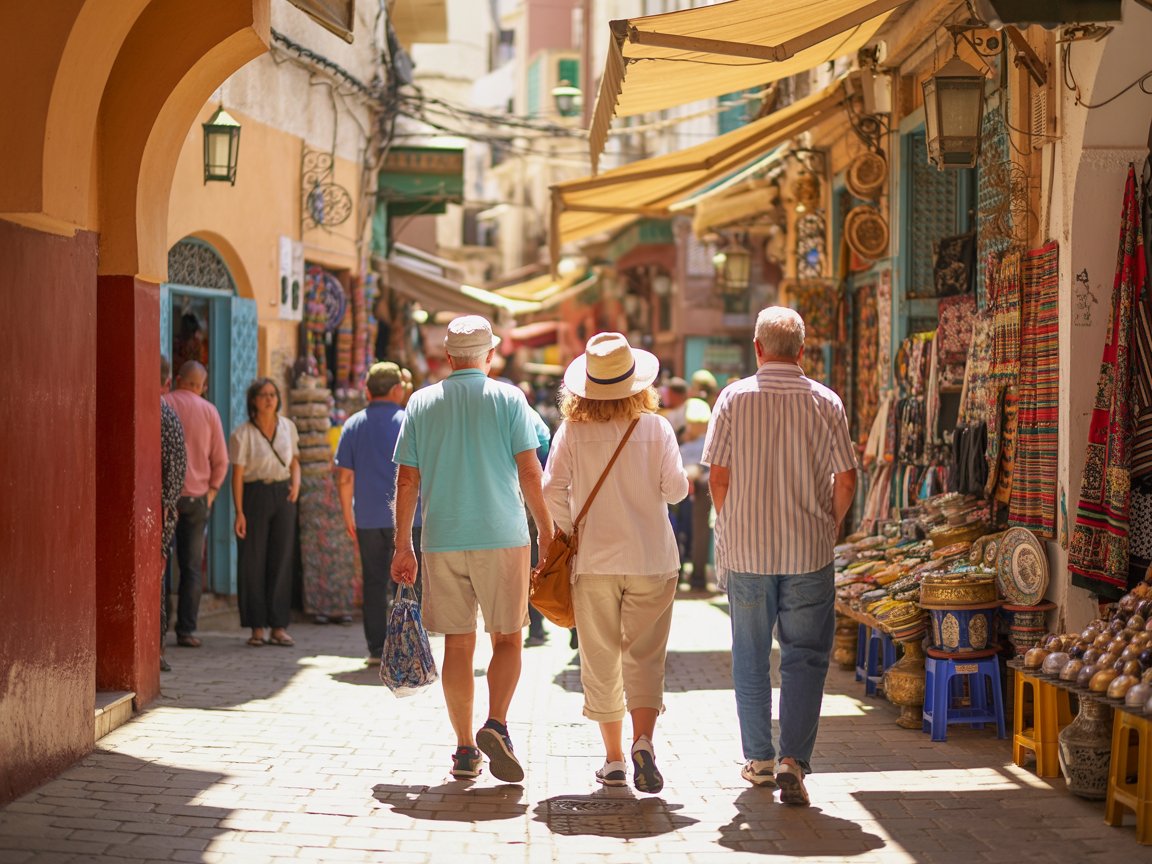
Cruise passengers exploring the Median in Tangier Morocco

Weather by Month

Spring (March-May): Temperatures range from 14-23°C (57-73°F), with March being cooler and potentially rainy while May warms up considerably. This is one of the best periods to visit – comfortable walking weather without the intense summer heat. You might encounter occasional rain, particularly in March and early April. Pack layers as mornings can be cool but afternoons warm up. Light rain jacket or umbrella recommended. The medina’s narrow streets provide some shade but can trap heat, while coastal areas benefit from sea breezes.

Summer (June-August): Hot and dry, with temperatures typically 20-30°C (68-86°F), though August can push higher, especially inland. July and August are peak tourist season, meaning crowded medinas and higher prices. The coastal location keeps Tangier slightly cooler than inland Moroccan cities, but midday walking can still be exhausting. Sunburn risk is high – bring strong sunscreen, a hat, and sunglasses. Light, breathable clothing is essential. Drink plenty of water. The advantage of summer is reliable weather – rain is extremely rare. Consider early morning or late afternoon activities to avoid peak heat.

Autumn (September-November): Temperatures range from 16-27°C in September, cooling to 11-20°C by November (61-81°F down to 52-68°F). September and October are excellent months to visit – warm but not oppressive, with fewer crowds than summer. November brings increasing chances of rain. Pack similar to spring – layers for variable temperatures. This is arguably the ideal season for active shore days with lots of walking.

Winter (December-February): Mild by European standards but definitely cooler and wetter, with temperatures typically 9-17°C (48-63°F). Rain is common, though rarely all day. Some cruise passengers are surprised by how cool and damp Tangier can feel in winter, especially with wind off the strait. The medina’s narrow lanes can be quite cold and shaded. Pack a proper jacket, long trousers, and closed walking shoes. CafĂ©s and indoor attractions become more appealing. The advantage is far fewer tourists and more authentic local atmosphere. Winter isn’t bad for visiting Tangier if you’re prepared for cool, potentially wet conditions – just don’t expect Mediterranean beach weather.

Best months to visit: May, September, and October offer the ideal combination of comfortable temperatures, manageable crowds, and reliable weather. April and June are also excellent.

Worst months to visit: January and February are coolest and wettest. July and August are hottest and most crowded, though certainly manageable if you’re prepared for heat.

Café Hafa in Tangier Morocco

Other Moroccan Ports Worth Exploring

If you’re doing a longer Mediterranean cruise or an Atlantic coastal itinerary, you might also call at Casablanca, which recently opened a modern dedicated cruise terminal. Further south, Agadir offers beach resorts and a more relaxed vibe. Smaller, less-visited ports include Safi, Nador, Al Hoceima, Dakhla, and Laayoune, which cater to more adventurous itineraries. For more on Morocco’s cruise offerings, check out our full guide to cruise ship ports of call in Morocco.

If you’re comparing Tangier to other stops on your cruise, it fits neatly into the western Mediterranean cruise ports circuit, often paired with Spanish stops like Gibraltar, Málaga, or Cádiz. You can also explore our guides to eastern Mediterranean cruise ports or Mediterranean cruise ports in Spain if you’re planning a broader itinerary.

Streets of Tangier

Bonus Tips

  • Download offline maps (Google Maps or Maps.Me) before you leave the ship. The medina is a proper maze, and mobile data can be patchy inside the thick walls.
  • Bring a small daypack rather than a handbag or tote. You’ll be walking uphill, navigating steps, and keeping your hands free to steady yourself on cobblestones.
  • If you’re buying argan oil (a popular souvenir), check that it’s actually from Morocco and not just relabelled vegetable oil. Real culinary argan oil should smell nutty and cost at least 80-100 MAD for a small bottle. Beauty-grade argan oil is more expensive.
  • Haggling fatigue is real. If you’re not in the mood to negotiate over every small purchase, seek out fixed-price shops (often marked “prix fixe”). You’ll pay a bit more, but it’s a more relaxed shopping experience.
  • The light in Tangier is famously beautiful, especially in the late afternoon. If you’re into photography, save some battery and memory card space for golden-hour shots from the Kasbah ramparts.
  • Cruise ships occasionally dock at Tanger Med instead of Tanger Ville due to space or scheduling conflicts. If this happens, expect a 40-50 minute bus or taxi ride into the city. Your cruise line will arrange shuttle transport, but it eats into your port time significantly.
  • If you’re sailing on an Eastern Mediterranean itinerary, Tangier offers a completely different cultural flavour from the Greek and Turkish ports. It’s worth the mental gear-shift to appreciate the blend of African, Arab, and European influences.
  • Pack layers if you’re visiting outside summer. Tangier can be windy and surprisingly cool, especially near the coast. A light jacket or pashmina is useful.
  • For first-timers on Mediterranean cruises, our cruise tips for first-time Mediterranean cruises guide offers broader advice that applies to Tangier and beyond.
  • Don’t stress too much about what to wear. Check out our cruise outfits ideas for women for practical inspiration that works ashore and onboard.

Common Questions and FAQ

Do I need a visa to visit Tangier on a cruise?

UK, EU, US, Canadian, and Australian citizens don’t need a visa for tourist stays up to 90 days, which covers cruise visits. Your passport should be valid for at least six months beyond your travel dates. You’ll typically clear immigration at the cruise terminal – the process is usually quick and straightforward for cruise passengers.

Is Tangier Med the same as Tangier cruise port?

No – they’re completely different ports about 40 km apart. Tanger Ville (Port of Tangier) is the cruise terminal in central Tangier where most cruise ships dock, within walking distance of the medina. Tanger Med is a massive container and vehicle port on the Strait of Gibraltar that occasionally handles cruise ships but is far from town and requires organized transport. Check your cruise itinerary carefully to confirm which port your ship uses. If you’re docking at Tanger Med, walking to town isn’t an option – you’ll need ship excursions or pre-arranged transport.

Can I drink the tap water in Tangier?

No – stick to bottled water, which is cheap and available everywhere. Tap water in Morocco isn’t safe for tourists’ digestive systems even if locals drink it. This includes ice in drinks, salads washed in tap water, and brushing teeth. Bottled water costs about 5-10 MAD for a 1.5-liter bottle.

How much time do I need to see Tangier properly?

A typical 6-8 hour port day gives you enough time to explore the medina, visit the Kasbah, have a proper lunch, and do some shopping without rushing. If you want to add Cape Spartel and Hercules Caves, you’ll need closer to a full day. The compact medina can be covered in 3-4 hours if you’re pressed for time. See our Port Day Itinerary section above for a detailed 6-hour schedule.

Is it safe to walk around Tangier alone?

During daylight hours, the main tourist areas including the port, medina, and Kasbah are generally safe for solo walkers, including women. You’ll encounter hustlers and aggressive vendors, which can be annoying but usually isn’t dangerous. Use normal precautions – secure your belongings, stay aware of your surroundings, and stick to busy main routes. After dark, quiet medina lanes are less advisable for solo walking. Groups are always safer and attract less attention from touts. See our Safety section above for detailed guidance.

What’s the WiFi situation in Tangier?

The cruise terminal has WiFi though quality varies. Many cafĂ©s and restaurants offer free WiFi if you’re a customer – ask for the password. Your UK mobile phone will work in Morocco but roaming charges can be expensive, so check your provider’s Morocco rates before relying on mobile data. Alternatively, purchase a local SIM card if your phone is unlocked, though this probably isn’t worth the hassle for a single port day.

Are there toilets in the medina?

Public facilities are limited. Some cafés allow non-customers to use toilets for a small fee (5-10 MAD). The Kasbah Museum and American Legation have toilets for visitors. Otherwise, your best option is to use facilities at a café where you stop for tea or a meal. The cruise terminal has toilets before you leave the port area.

What should I wear in Tangier as a cruise passenger?

Morocco is relatively moderate compared to some Muslim countries, and Tangier particularly so as a tourist destination. That said, modest dress is respectful and helps you attract less attention. For women, covered shoulders and knees are advisable in the medina – a light scarf for covering hair isn’t necessary in Tangier but can be useful in mosques if you visit any. Men should avoid sleeveless shirts in the medina. Comfortable walking shoes are essential because the medina’s cobblestones and uneven surfaces are challenging. If visiting in summer, light, breathable fabrics that still provide coverage work best. For specific guidance on cruise outfits, see our cruise outfit ideas for women.

Can I use euros instead of dirhams?

Many tourist vendors accept euros, but you’ll get a poor exchange rate – effectively paying 10-20% more than if you used dirhams. It’s worth exchanging some currency at the port or using an ATM for better value. Small purchases where convenience matters more than cost can be done in euros. Taxis should be paid in dirhams. See our Currency section above for full money details.

Essential Items for Your Day in Tangier

Before you head off the ship, make sure you’ve got these essentials packed. Tangier’s medina is a full day of walking on cobblestones and climbing hills, often in the heat, with crowded markets where you’ll want to keep your valuables secure.

Comfortable footwear: Those cobblestones and steep Kasbah steps are no joke. You’ll want proper walking shoes with good grip and support – women’s walking shoes or men’s walking shoes designed for travel will save your feet and ankles.

Anti-theft bag: Given the pickpocketing risk in the medina’s crowded lanes, you’ll want a secure bag. An anti-theft travel backpack with slash-proof material and lockable zippers keeps your valuables safe while leaving your hands free to navigate those narrow streets.

RFID protection: Keep your cards and passport secure with an RFID-blocking wallet and RFID passport holder to protect against electronic theft in crowded areas.

Money belt: For extra peace of mind, a hidden money belt lets you carry emergency cash and backup cards out of sight.

Sun protection: Summer temperatures climb into the 30s, and there’s limited shade in parts of the medina. Pack reef-safe sunscreen and a packable sun hat that won’t take up much room in your bag.

Stay hydrated: A collapsible water bottle is perfect for refilling throughout the day without taking up space when empty.

Power on the go: You’ll be using your phone constantly for photos, maps, and checking the time. A portable phone charger ensures you don’t run out of battery halfway through the day.

Modest covering: If you’re planning to visit mosques or want to cover up in more traditional areas, a lightweight travel scarf is versatile and takes up almost no room.

Personal Experience

When our cruise ship docked at Tangier’s port, I was surprised by how smoothly everything flowed. The terminal itself is modern and well-organised, just a short walk from the ferry terminal building. Right outside, there were plenty of taxi drivers and tour guides ready to help, though I’d recommend agreeing on prices beforehand – it saves any awkward conversations later. We decided to skip the pricey ship excursions and grabbed a petit taxi into the medina for about 50 dirhams. The drive took maybe ten minutes, and our driver dropped us right at the Grand Socco, which turned out to be the perfect starting point.

From there, we wandered through the Kasbah and got completely lost in the best possible way. The American Legation Museum was a nice quiet break from the bustling streets, and the views from the Kasbah lookout point were absolutely worth the climb. We made sure to stop at CafĂ© Hafa for mint tea overlooking the strait – honestly one of those moments that makes you glad you got off the ship. The whole experience felt manageable even with just five hours in port. Just keep an eye on your time because the medina has a way of swallowing hours without you noticing. We made it back with plenty of time to spare, wallets a bit lighter from all the handmade leather goods we couldn’t resist.

  Last Updated: 18 December 2025