
Safi is Morocco’s second-largest port city, located on the Atlantic coast between Casablanca and Essaouira. The cruise port provides access to the medina’s Portuguese fortifications, traditional pottery workshops, and seafood markets. Visitors can explore Kechla fortress, the old town’s ceramics quarter, and sample fresh sardines at the bustling fish harbor.
Quick Facts
| Detail | Information |
|---|---|
| Port Name | Port of Safi (Marsa Safi) |
| Distance to City Centre | 1.5 km (15-20 minute walk) |
| Walk Difficulty | Easy – mostly flat |
| Local Currency | Moroccan Dirham (MAD) |
| Main Attractions | Medina, pottery workshops, Kechla fortress, fish market |
| Port Type | Working cargo/fishing port with cruise calls |
Where is the Port Located?
Cruise ships dock at the Port of Safi (Marsa Safi), which is a working industrial port that also accommodates cruise vessels. This is a multipurpose facility primarily handling cargo and fishing operations, so don’t expect the polished cruise terminal experience you might find at larger cruise ports like Casablanca. The port sits roughly 1.5 kilometres from the city centre and medina, which translates to about a 15-20 minute walk on relatively flat terrain. There’s no dedicated cruise terminal building with shops and cafés, so you’ll disembark into a functional port area with basic facilities. Some ships tender passengers ashore depending on berth availability, so check with your cruise director about disembarkation procedures for your specific call.
The walk into town is straightforward enough, though the port area itself is industrial and not particularly scenic. Once you clear the port gates, you’ll find yourself on Avenue du Port, which leads directly into the city proper. The route is safe during daylight hours when cruise ships are in port, but it’s not the most glamorous introduction to Morocco. If you’re sailing on an itinerary that includes other Moroccan ports, Safi offers a refreshingly authentic experience compared to the more tourist-saturated stops.
Map of Port of Safi
Want to know more about other stops on your Moroccan cruise? Check out our comprehensive guide to cruise ship ports of call in Morocco.
Getting Around From the Port
Transportation from Safi’s port is refreshingly straightforward compared to larger Moroccan cities. You’ve got three main options: walking, taking a taxi, or joining an organised tour. Here’s what you need to know about each.
Walking to Town
The walk from the port to the medina takes 15-20 minutes and is genuinely doable for most people. The route is flat with no challenging hills or stairs, though the pavement quality varies from decent to “watch your step.” Head out of the port gates onto Avenue du Port and follow it straight into town. You’ll pass through an industrial area for the first few minutes before reaching more interesting streets with shops and cafés. The walk is safe during daylight hours when ships are in port, though it’s not particularly scenic until you get closer to the medina.
In summer, factor in the heat and bring water. The route offers limited shade in places, and Morocco’s Atlantic coast can be surprisingly warm. If you’ve got mobility issues or just fancy starting your day without a walk through a port area, grab a taxi instead. There’s no shame in that, and it costs buttons. Comfortable footwear is essential for exploring Safi – the medina’s streets are uneven and the pottery quarter involves some hillside walking. Invest in proper women’s walking shoes or men’s walking shoes with good grip and support to keep your feet happy throughout the day.
Taxis
Petit taxis are your go-to option in Safi. These small blue cars operate within the city and wait near the port gates when cruise ships are in. A taxi from the port to the city centre or medina should cost around 20-30 MAD (roughly €2-3 or $2-3.50). Drivers will often quote you a fixed price rather than using the metre, which is fairly standard for short port runs.
Here’s the important bit: agree on the price before you get in the car. Say “Combien?” (how much?) and get a clear answer. If the driver quotes something ridiculous like 100 MAD for a five-minute ride, thank him politely and find another taxi. There are always multiple taxis waiting at the port, so you’re not stuck with the first one. For reference, the standard petit taxi rates in Safi start at around 5-7 MAD, with roughly 8 MAD per kilometre during the day. Night rates are higher, but unless your ship has an evening departure, this won’t affect you.
Official taxis in Safi are small blue vehicles with taxi signs on top. They should have a metre visible in the front, though as mentioned, many drivers prefer to negotiate a flat fare for tourist runs. If a driver absolutely refuses to agree on a price beforehand or seems dodgy, walk away. The official taxi stand near the port usually has more reliable drivers than the random freelancers who might approach you just outside the gates.
Typical taxi fares from the port:
- Port to medina/city centre: 20-30 MAD
- Port to pottery quarter: 25-35 MAD
- Port to Kechla fortress: 20-30 MAD
- Short rides within city: 15-25 MAD
Grand taxis (larger shared vehicles) also exist but operate on fixed routes between towns rather than within Safi itself. They’re not particularly useful for cruise passengers doing a day visit unless you’re planning a trip to nearby Essaouira or another town, in which case you’d negotiate a price per person for the shared ride.
Port Shuttle
Safi doesn’t have a regular hop-on-hop-off shuttle service like you might find at major cruise ports. Some cruise lines offer their own complimentary shuttles into town, particularly if the ship is tendering or berthed far from the gates. Check your daily programme or ask at guest services as soon as you board. If your cruise line does provide a shuttle, it typically drops you near the medina or main tourist area and runs on a loop schedule throughout the day.
Tours and Shore Excursions
Ship-sponsored tours usually pick up directly at the gangway, which is the easiest option if you prefer a structured day. Private tour operators can also arrange pickups at the port, though you’ll need to book in advance and provide your ship’s arrival details. The advantage of booking through the ship is the guarantee that they won’t leave without you if your tour runs late – though in Safi’s case, most attractions are close enough that this isn’t a major concern.
For independent exploration with some guidance, you can hire a licensed guide at the medina entrance or arrange one through your ship. Official guides carry accreditation badges and typically charge 150-300 MAD for a few hours, depending on what you want to see. More on this in the safety section, because unlicensed “guides” are one of Safi’s few tourist hassles.
Safety Tips and Avoiding Scams
Safi is genuinely one of the safer Moroccan ports for cruise passengers. It doesn’t see the same volume of tourists as Tangier or Agadir, which means less organised tourist-targeting. That said, a few common scams and annoyances do crop up, and knowing what to watch for will save you hassle and money.
Fake Guides (Faux Guides)
This is the most common issue you’ll face in Safi. As you leave the port or enter the medina, friendly chaps will offer to show you around, help you find the best pottery shops, or guide you to the fortress. They’ll insist they’re doing you a favour and just want to practice their English. Spoiler: they’re not doing you a favour. These unlicensed guides will lead you through the medina at breakneck speed, take you to shops where they earn commission, and then demand 200-500 MAD (or more) at the end for their “services.”
Real licensed guides carry official government-issued badges with photos and ID numbers. If someone approaches you offering guide services, ask to see their badge first. If they don’t have one, say “La, shukran” (no, thank you) firmly and keep walking. Don’t feel rude about it. These guys are persistent, but they’ll move on to the next person if you’re clear. If you do want a guide, arrange one through your ship or hire a licensed one at the official tourism office near the medina entrance. Expect to pay 150-300 MAD for a few hours with a legitimate guide, which is fair and worth it if you want proper context and history.
Taxi Scams
Taxi scams in Safi are less aggressive than in larger cities, but they still happen. The classic move is the “broken metre” – the driver will tell you the metre doesn’t work and then quote you an inflated fare at the end of the ride. This is why you always agree on the price before you get in. If a driver refuses to give you a price or insists you’ll “sort it out later,” find another taxi.
Another version involves drivers taking unnecessarily long routes to bump up the fare. For short hops around Safi, this is harder to pull off since the city isn’t huge, but it can happen. If you’re unfamiliar with the area, use your phone’s maps to follow along. Most drivers are honest, but the dodgy ones rely on tourists having no idea where they’re going.
Unlicensed taxis (unmarked cars or drivers without proper identification) sometimes wait near ports. Stick to the official blue petit taxis with visible taxi signs and markings. If someone approaches you offering a ride in an unmarked vehicle, decline.
“Helpful Stranger” Scam
Someone offers to help you with directions, carry your bag, or show you a shortcut. You didn’t ask for help, but they’re insistent. After a few minutes, they demand payment – often 50-100 MAD or more – for the “service” you never requested. The trick is that once you’ve accepted their help, they’ll make you feel obligated to pay.
The solution is simple: don’t accept unsolicited help. If you need directions, use your phone’s maps or ask a shopkeeper. If someone starts following you offering assistance, say “La, shukran” and keep moving. Don’t feel guilty about it. You’re not being rude; you’re avoiding a well-worn scam.
Vendor Pressure and Overpricing
- Safi’s pottery quarter is famous, and the vendors know tourists come for ceramics. The good news is that the prices are still reasonable compared to tourist traps in other Moroccan cities. The less good news is that vendors will absolutely start with inflated prices if they clock you as a cruise passenger.
- Here’s how it works: a vendor will quote you 800 MAD for a tagine that locals would pay 200 MAD for. They expect you to haggle, and the dance begins. If you’re comfortable with haggling, start at about 40-50% of their opening price and work from there. If they won’t budge and you’re not happy, walk away. Often they’ll call you back with a better offer.
- The key is knowing rough prices beforehand. Ask your ship’s crew or look online for typical costs of items like tagines, plates, or bowls. Small decorative pieces might go for 30-80 MAD, medium tagines for 150-300 MAD, and larger or more intricate items for 400-800 MAD. These are ballpark figures, and actual prices depend on quality and your negotiation skills.
- Don’t let vendors pressure you into buying. “Just looking” is a perfectly acceptable response. If someone gets too pushy or makes you uncomfortable, leave the shop. There are dozens of pottery workshops in Safi, and most vendors are perfectly pleasant once they realise you’re not a complete novice.
Pickpocketing
Pickpocketing in Safi is relatively uncommon compared to busier Moroccan cities, but it can happen in crowded areas like the medina or the fish market. The usual advice applies: keep valuables in front pockets or a cross-body bag, don’t flash expensive cameras or jewellery, and stay alert in crowded spaces. While Safi isn’t particularly high-risk, an anti-theft crossbody bag with slash-proof material and hidden zippers gives you peace of mind in busy souks.
Peak times for crowds are Friday afternoons (prayer times) and weekend market days, when locals pack the souks. If you’re visiting during these times, just be a bit more mindful of your belongings.
Location-Specific Scams
Morocco has a reputation for drug-related scams where someone offers hashish and then an accomplice posing as police demands a bribe. This is far more common in larger cities like Marrakech than in Safi, but it’s worth knowing about. If anyone offers you drugs, decline immediately and walk away. If someone claiming to be police stops you, ask to go to the police station rather than paying on the spot. Legitimate police won’t demand cash payments for fines in the street.
Another occasional scam involves people offering to take your photo with animals (usually monkeys or snakes) or in traditional costume, then demanding payment. In Safi, this is rare, but if it happens, agree on a price first or decline altogether.
Emergency Contacts
Save these numbers before you go ashore:
- Police: 19
- Tourist Police (Brigade Touristique): 0524-46-28-45 (Safi)
- Ambulance (SAMU): 15
- Fire: 15
- Port Emergency: Contact your ship’s guest services for the direct port operations number
- Hospital: Hôpital Mohammed V Safi: 0524-46-20-75
Also save your cruise ship’s emergency contact number from your daily programme. If you run into any trouble or feel unsafe, head back to the port or find a police officer. The tourist police are specifically trained to help visitors and usually speak some English.
Money Matters
- The local currency is the Moroccan Dirham (MAD), and here’s the thing that catches a lot of people out: you can’t easily buy dirhams before you arrive in Morocco. The dirham is a closed currency, meaning most foreign banks don’t stock it. You’ll need to exchange money once you’re in the country, either at the port, at a bank in town, or by using an ATM.
- ATMs are your best bet for getting a decent exchange rate. There’s usually one near the port area or within a short walk into the city centre. Look for machines at banks like Attijariwafa Bank, BMCE, or Banque Populaire. They’ll dispense dirhams and typically charge reasonable fees, though your home bank may add its own foreign transaction fee. Check with your bank before you travel about international withdrawal charges, and always notify them you’ll be using your card in Morocco to avoid it being blocked for suspected fraud.
- If you prefer to exchange cash, do it at an official exchange bureau (bureau de change) or a bank rather than with random people on the street or in shops. The rates at official places are regulated and fair. Avoid exchanging money at hotels or tourist shops, which usually offer terrible rates.
- Card acceptance in Safi is patchy. Larger shops, restaurants, and hotels may take credit or debit cards, but most small vendors, market stalls, and pottery workshops are cash-only. Don’t rely on being able to pay by card everywhere. Bring cash, and make sure you have smaller notes for haggling and small purchases. Breaking a 200 MAD note at a market stall can be awkward, and vendors sometimes claim they don’t have change (whether true or a negotiating tactic is debatable). An RFID blocking wallet is sensible for carrying your cash and cards safely – it protects against electronic pickpocketing while keeping everything organised.
- Here’s a smart strategy: withdraw a bit more cash than you think you’ll need and ask the ATM for smaller denominations if possible. Having a mix of 20, 50, and 100 MAD notes makes life much easier. Keep small bills separate from larger ones so you’re not flashing a wad of cash when you pay for something.
- Some vendors in tourist areas might accept euros or US dollars, but the exchange rate they give you will be awful. You’ll save money by paying in dirhams. If someone quotes a price in euros, ask for the dirham equivalent and pay in local currency.
Finally, if you’re planning a Mediterranean cruise with multiple stops, remember that Morocco doesn’t use the euro like many nearby countries do. You’ll need to manage your dirham spending separately from euros used at other ports.

What to See and Do in Safi
Safi isn’t going to wow you with grand palaces or sweeping vistas, but it offers something increasingly rare on cruise itineraries: authenticity. This is a working Moroccan city where tourism is a side business rather than the main event. Here’s how to spend your time wisely.
The Pottery Quarter (Colline des Potiers)
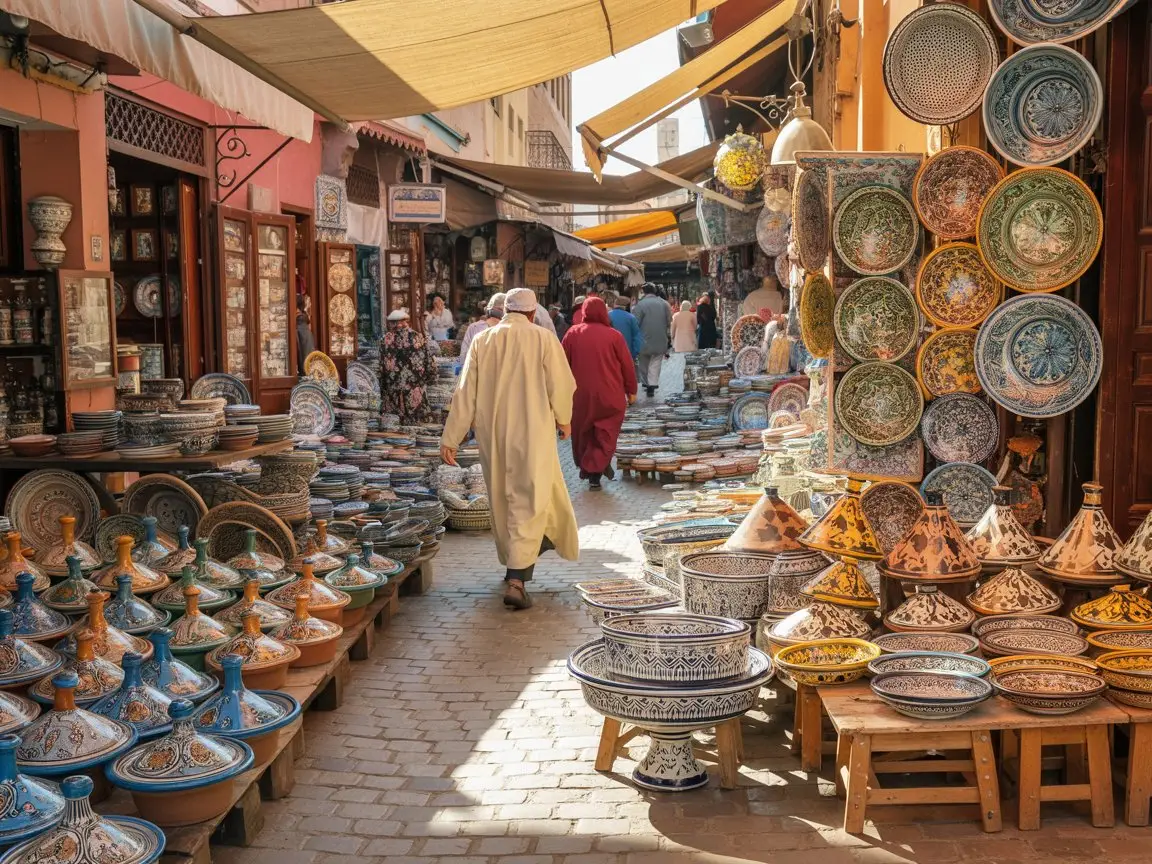
This is Safi’s main draw and absolutely worth visiting. The pottery quarter sits on a hillside just outside the medina, where dozens of workshops produce traditional Moroccan ceramics. You can watch artisans throwing pots on wheels, hand-painting intricate designs, and firing pieces in enormous kilns. It’s genuinely fascinating if you have any interest in crafts, and the quality is excellent.
Many workshops welcome visitors and don’t pressure you to buy, though obviously they’re hoping you will. Prices are negotiable, and this is one of the better places in Morocco to buy ceramics because you’re going directly to the source. A decent tagine might cost 150-300 MAD depending on size and decoration. Plates, bowls, and decorative tiles start around 30-50 MAD for simpler pieces. Just remember you’ll need to pack whatever you buy carefully for the flight home, and ceramics are heavy.
Allow an hour or two to wander the quarter, watch the artisans, and browse. It’s about a 15-minute walk from the medina or a short taxi ride (around 25 MAD from the port).
Kechla (The Fortress)
This 16th-century Portuguese fortress sits on a cliff overlooking the Atlantic and the port. It’s a proper castle with towers, ramparts, and canons, built when the Portuguese controlled this stretch of coast. The architecture is impressive, and the views over the ocean and city are spectacular, particularly if you time your visit for late morning when the light is good.
Inside, there’s a small museum covering Safi’s history, though the displays are fairly basic and mostly labelled in French and Arabic. The real appeal is climbing the ramparts and exploring the structure itself. Entry costs around 10-20 MAD, and you can see everything in 30-45 minutes. The fortress is a short walk from the medina or a 20-30 MAD taxi ride from the port.
The Medina
Safi’s medina is smaller and less touristy than those in Marrakech or Fez, which is part of its charm. You’ll find the usual labyrinth of narrow streets, traditional souks, and local shops selling everything from spices to shoes. It’s a good place to wander for an hour, soak up the atmosphere, and people-watch.
The National Ceramics Museum is located in an old fortress (Dar el Bahar) within the medina and showcases traditional Moroccan pottery and tilework. Entry is cheap (around 10-20 MAD) and worth a quick visit if you’re interested in ceramics. Allow 30 minutes to an hour.
As with any medina, expect to get a bit turned around in the winding streets. That’s part of the fun. If you’re worried about getting lost, hire a licensed guide or stick to the main thoroughfares. The medina isn’t huge, so you’ll eventually find your way out.
The Fish Market and Harbor
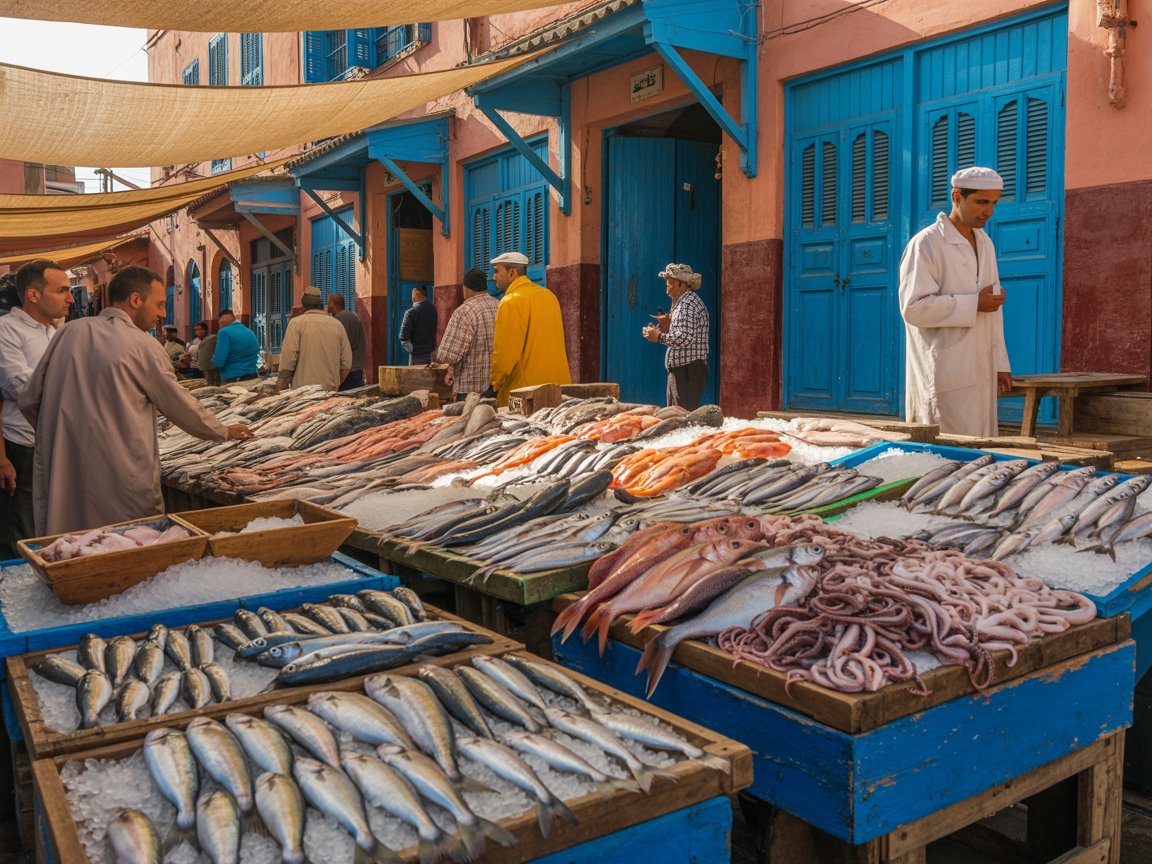
Safi is one of Morocco’s major fishing ports, and the fish market near the harbor is an experience. It’s noisy, smelly, and utterly authentic, with fishermen unloading their catches and vendors selling everything from sardines to octopus. If you want fresh grilled fish for lunch, there are simple restaurants and stalls around the market where you can eat what was swimming that morning for very little money.
The harbor itself is photogenic in a working-port kind of way, with colorful boats and plenty of activity. It’s a short walk from the medina and worth 30 minutes if you’re into seafood or just want to see a slice of local life.
Practical Time Management
If you’ve got a half-day in port (typical for most Safi calls), here’s a sensible itinerary:
- Port to medina: 15-20 minutes walking or 5 minutes by taxi
- Quick medina wander: 45 minutes to 1 hour
- Kechla fortress: 30-45 minutes including views
- Pottery quarter: 1-2 hours with browsing time
- Lunch near fish market: 45 minutes to 1 hour
This gives you a good mix without rushing, and you’ll still have time to get back to the ship with a comfortable buffer. Always plan to be back at the port at least 30 minutes before all-aboard time. Safi isn’t a place where traffic jams will strand you, but better safe than explaining to guest services why you missed the ship.
If you’re on a Western Mediterranean itinerary, Safi makes a refreshing change from the busier European ports and gives you a taste of Morocco without the overwhelming sensory overload of Marrakech.
Where to Eat
Safi isn’t known for fine dining, but the seafood is excellent and ridiculously cheap by cruise passenger standards. Your best bet is to head to the area around the fish market where several simple restaurants serve grilled fish, calamari, and prawns. Look for places where locals are eating – always a good sign. A plate of grilled sardines or mackerel with bread and salad might cost 30-50 MAD, and it’ll be some of the freshest fish you’ll ever eat.
For something slightly more formal, there are a few restaurants in the medina and near the port serving traditional Moroccan dishes like tagine, couscous, and brochettes (kebabs). Prices are reasonable, typically 60-100 MAD for a main course. Most places also serve mint tea, which is obligatory in Morocco and genuinely delicious.
If you’re nervous about food hygiene (a common concern for cruise passengers in Morocco), stick to places that look busy and clean, and make sure anything you eat is thoroughly cooked. Avoid tap water and ice cubes; bottled water is widely available and cheap. Most people have no issues, but it’s sensible to be cautious if you have a sensitive stomach.
Don’t expect menus in English everywhere. Pointing and gesturing works fine, or take photos of dishes on your phone to show the server. Part of the adventure.
Weather Considerations
Safi sits on Morocco’s Atlantic coast, which means the weather is generally mild and pleasant. Summers (June to September) can be warm but not scorching, with temperatures typically in the mid-20s to low-30s Celsius (75-85°F). The ocean breeze keeps things comfortable, though the sun is strong, so bring sunscreen and a hat.
Spring and autumn are lovely, with comfortable temperatures and fewer crowds. Winter (November to February) is mild but can be grey and occasionally rainy. If you’re visiting in winter, bring a light jacket and be prepared for the possibility of drizzle.
The Atlantic coast can be windy, which is great for keeping cool but less great if you’re trying to keep your hair in place for photos. A light scarf or windbreaker is useful year-round.
What to Wear
Morocco is a Muslim country, and while Safi isn’t as conservative as rural areas, it’s respectful to dress modestly. For women, this means covering shoulders and knees. Loose linen trousers, a knee-length skirt, or a maxi dress work well. A light scarf is useful for covering up if you feel overdressed or want to visit a mosque (though most mosques in Morocco don’t allow non-Muslims inside). For more packing ideas, our cruise outfit ideas for women has some suggestions that work well for Moroccan ports.
Men can wear shorts, but knee-length or longer is better in the medina. A t-shirt or short-sleeved shirt is fine. Sandals are practical for walking around, but closed shoes are better if you’re planning to explore the pottery quarter or climb around the fortress.
Bring comfortable walking shoes with good grip. The medina’s streets are uneven, and some areas have cobblestones or worn paving. Flip-flops are fine for a quick stroll but not ideal for a full day of sightseeing.
Common Questions and FAQ
Is Safi safe for cruise passengers?
Yes, Safi is generally very safe for cruise passengers. It’s a smaller port with less tourist traffic than places like Tangier or Marrakech, which means fewer opportunistic scams and hassles. The main issues you might encounter are unlicensed guides offering services and taxi drivers trying to overcharge. Violent crime against tourists is extremely rare. As with anywhere, use common sense: keep valuables secure, be aware of your surroundings in crowded areas, and don’t wander into deserted parts of the medina alone. During daylight hours when cruise ships are in port, the tourist areas are busy and perfectly safe.
Which port do cruise ships use in Safi?
Cruise ships dock at the Port of Safi (Marsa Safi), which is a multipurpose commercial port handling cargo, fishing, and occasional cruise calls. There’s no dedicated cruise terminal, so you’ll disembark into a working port environment. Some ships tender passengers ashore if the main berth is occupied or if the vessel is too large for the available quay. Check your ship’s daily programme for specific disembarkation details.
How far is the port from the medina?
The port is about 1.5 kilometres from the medina, which is a 15-20 minute walk on flat terrain. The route is straightforward, though the port area itself is industrial. If you prefer not to walk, taxis wait at the port gates and charge around 20-30 MAD for the short ride into town.
How much are taxis from the port?
Taxis from the port to the city centre or medina cost around 20-30 MAD (roughly €2-3). Always agree on the price before you get in. A ride to the pottery quarter might be 25-35 MAD. These are fixed-fare negotiations rather than metered trips for port runs. If a driver quotes significantly more, find another taxi – there are always several waiting when ships are in.
Can I walk to the medina from the port?
Yes, absolutely. It’s a flat 15-20 minute walk on paved roads. The route isn’t particularly scenic, as you’ll pass through the port area first, but it’s safe during daylight hours and perfectly doable for most people. If you’ve got mobility issues, heavy bags, or just don’t fancy the walk, taxis are cheap and readily available.
Do I need a tour or can I explore independently?
Safi is one of the easiest Moroccan ports to explore independently. The attractions are close together, English is spoken in tourist areas (though not universally), and navigation is straightforward. If you’re comfortable with independent travel and don’t mind a bit of adventure, you’ll be fine on your own. That said, a licensed guide can add context and history that you’d otherwise miss, particularly in the medina and at the fortress. Ship-sponsored tours are convenient if you prefer structure and guaranteed timing.
What scams should I watch out for?
The main scams in Safi are unlicensed “guides” who offer free help and then demand payment, taxi drivers overcharging tourists, and vendors dramatically inflating prices for pottery and souvenirs. Always agree on taxi fares upfront, decline unsolicited guide services unless you see an official badge, and be prepared to haggle in markets. These aren’t aggressive or dangerous scams, just annoyances that can be avoided with a bit of awareness. See the full safety section above for details.
Can I use euros or dollars in Safi?
Some vendors in tourist areas will accept euros or dollars, but the exchange rate they offer will be poor. You’ll save money by paying in Moroccan dirhams. ATMs are available in town if you need to withdraw local currency. Card acceptance is limited, so bring cash.
How long do I need in Safi?
A half-day (4-5 hours) is enough to see the main sights: the medina, Kechla fortress, pottery quarter, and fish market. If you’re a keen shopper or ceramics enthusiast, you could easily spend longer in the pottery quarter. Most cruise calls in Safi are half-day stops, which is about right for the size of the place.
Is Safi wheelchair accessible?
Honestly, no. The medina has narrow streets, uneven paving, and steps in places. The pottery quarter is on a hillside with steep paths. The fortress involves climbing ramparts. The port-to-town walk is flat and manageable, but beyond that, accessibility is limited. If you use a wheelchair or have significant mobility issues, a ship excursion with accessible transport would be your best option, or consider staying near the port area and fish market, which are flatter and easier to navigate.
What should I buy in Safi?
Ceramics are the obvious choice – Safi is Morocco’s pottery capital. You’ll find tagines, plates, bowls, and decorative tiles at reasonable prices. Just remember ceramics are heavy and fragile, so pack them carefully. Spices, argan oil, and traditional textiles are also good buys and easier to transport. Avoid buying “antiques” unless you really know what you’re looking at, as most are fakes.
Essential Items for Your Day in Safi
Before heading out to explore Safi, make sure you’ve got the right kit sorted. The Atlantic sun can be deceptively strong even when there’s a breeze, so pack reef-safe sunscreen and a packable sun hat to keep yourself protected whilst wandering the medina and pottery quarter. Morocco can be warm year-round, so bring a collapsible water bottle – you can refill it with bottled water at cafés and shops throughout the day.
Given the lengthy walks through the medina’s uneven streets and the hillside pottery quarter, proper footwear is absolutely essential. Don’t even think about wearing flip-flops for a full day of sightseeing. Invest in comfortable women’s walking shoes or men’s walking shoes with good arch support and grip.
Since you’ll be carrying cash for the souks and pottery purchases (remember, most places don’t take cards), an anti-theft travel backpack keeps your belongings secure whilst leaving your hands free for shopping and taking photos. The crowded medina and markets mean it’s worth having proper security features. Keep your phone charged throughout the day with a portable phone charger – you’ll be using maps, taking photos of ceramics, and possibly translating phrases.
For women visiting Safi, a lightweight travel scarf is genuinely useful. It’s not just about respecting local customs by covering shoulders if needed – it also protects against sun, wind, and can add a layer if you duck into air-conditioned shops. If you’re planning to shop for ceramics (and you should), bring a reusable shopping bag that folds up small – it’ll make carrying your purchases back to the ship much easier than juggling multiple plastic bags.
Bonus Tips
- The pottery workshops are most active in the mornings. Visit early in your port call to see artisans actually working rather than just browsing finished products.
- If you’re buying ceramics, ask the vendor to wrap them securely with bubble wrap or newspaper. Some shops offer shipping services, though reliability varies.
- Mint tea is offered everywhere as a gesture of hospitality. You’re not obliged to buy something if you accept tea, but it’s polite to at least look around.
- Friday afternoons (after midday prayers) are the busiest time in the medina. If you want a quieter experience, go earlier in the day.
- The fish market is at its liveliest in the morning when boats are unloading. If you’re an early riser, it’s worth a visit before the main tourist rush.
- Safi’s ceramics are distinctive for their blue-on-white designs and geometric patterns. If you’re buying, look for hand-painted pieces with clean lines and smooth glazes – these are higher quality than mass-produced tourist tat.
- If you’re doing a first-time Mediterranean cruise and Safi is your first Moroccan port, it’s a gentle introduction. Less intense than Tangier, more authentic than heavily touristed stops.
- The fortress offers the best views in Safi. If you only have time for one sight and you like history and scenery, make it Kechla.
- Don’t exchange leftover dirhams back at the port – you’ll get a terrible rate. Either spend them, keep them for your next Morocco trip, or exchange at an ATM or bank in town if you have time.
- If you’re also visiting Nador, Al Hoceima, Dakhla, or Laayoune on your Mediterranean or Eastern Mediterranean itinerary, Safi offers a nice contrast – it’s more working-class and less polished, which some people prefer.
Personal Experience
When our cruise docked in Safi, I wasn’t quite sure what to expect from this smaller Moroccan port, but it turned out to be such a pleasant surprise. The port itself is pretty straightforward – you can easily walk into town in about fifteen minutes, or grab a petit taxi for just a few dirhams if you’re not up for the stroll. The real charm here is that Safi feels authentically Moroccan without the tourist crowds you get in places like Marrakech. I spent most of my time wandering through the medina, where the pottery workshops are absolutely everywhere. Watching the artisans hand-paint those intricate blue and white designs was mesmerizing, and I picked up a gorgeous tagine dish for a fraction of what it would cost at home.
For lunch, I found this tiny spot near the fish market where locals were lining up for grilled sardines – always a good sign. The fish was incredibly fresh and cost next to nothing. After eating, I explored the old Portuguese fortress, Kechla, which has stunning views over the Atlantic. The best part about Safi is that everything feels genuine. The souks aren’t set up specifically for cruise passengers, so you’re browsing alongside local families doing their daily shopping. If you’re looking for an authentic slice of Morocco without the overwhelming hustle, Safi delivers perfectly for a half-day port stop.
Last Updated: 14 December 2025