
Nador cruise port serves as a gateway to Morocco’s northeastern coast and the Rif Mountains. Located near the Spanish enclave of Melilla, the port offers access to Nador’s medina, beaches, and Marchica Lagoon. Visitors can explore local markets, traditional architecture, and nearby attractions including Berkane and the Mediterranean coastline. Shore excursions typically include cultural and historical sites.
Quick Port Facts
| Detail | Information |
|---|---|
| Port Name | Nador Port (traditional passenger/ferry terminal) |
| Distance to City Centre | Approximately 2 km (25-minute walk) |
| Local Currency | Moroccan Dirham (MAD) |
| Languages | Arabic, French, some Spanish |
| Taxi to Town | 175-225 MAD (€16-22) |
| Walking Difficulty | Moderate (busy roads, limited pavements) |
Where is Nador Cruise Port Located?
Cruise ships dock at the established Nador Port, which sits directly adjacent to the city centre. Here’s what’s important to understand: This is the traditional ferry and passenger port close to town. It is NOT Nador West Med (NWM), which is a massive new cargo and container port complex currently under construction about 15 kilometres to the west. Nador West Med is designed primarily for freight operations and won’t handle regular cruise calls until at least late 2026 or 2027 at the earliest. When your cruise itinerary lists “Nador,” you’ll be arriving at the original city port.
The port sits roughly 2 kilometres from the heart of Nador’s medina and commercial district along Boulevard Mohamed V. That translates to about a 25-minute walk if you’re up for it, though the route isn’t particularly scenic and involves navigating busy roads without much in the way of pavements. Most passengers opt for a quick taxi ride instead. The port facilities are functional rather than fancy – expect a basic passenger terminal with immigration desks, a few cafés, and the usual taxi rank just outside.
Want to know more about cruise ship ports of call in Morocco?
Getting Around From Nador Port
Once you step off the ship, you’ve got several options for reaching Nador’s attractions. Here’s the practical breakdown of what actually works.
Taxis
This is your most straightforward option. Moroccan taxis come in two varieties, and you’ll find both at the port.
Grand Taxis are larger vehicles (usually Mercedes sedans) that can fit up to six passengers. They operate on fixed negotiated fares rather than metres. Look for the cream or beige-coloured cars waiting right outside the terminal. For a ride to the city centre, expect to pay between 175 and 225 MAD (roughly €16-22). Some drivers quote a flat 210 MAD. The key word here is “negotiate” – agree on the exact price before you get in, and make sure the driver understands where you want to go. Cash in dirhams is essential; these taxis don’t take cards.
Petit Taxis are smaller city cabs, usually painted in a specific colour scheme for the region. They’re meant for shorter hops within town and should use metres for local journeys. If you’re just going a short distance from the port area, these can be cheaper than Grand Taxis, with starting fares typically in the 5-15 MAD range. However, many drivers will try to negotiate a flat fare with tourists instead of using the metre. Be firm about insisting on the metre if you want the fairest rate.
What to watch for: If a taxi driver refuses to use the metre or won’t agree to a reasonable fixed fare, simply walk away and find another. There’s always another taxi. Don’t let anyone pressure you into an inflated price.
Walking
Walking from the port to the medina and town centre is technically possible – it’s about 2 kilometres. That said, it’s not the most pleasant stroll. The route takes you along fairly busy roads with limited pedestrian infrastructure, and in summer the heat can make it genuinely uncomfortable. If you’re fit and don’t mind a bit of urban navigation, allow about 25-30 minutes. But honestly, for the small cost of a taxi, most passengers find it’s not worth the hassle. If you do decide to walk, make sure you’ve got proper comfortable walking shoes for women or men’s walking shoes – the pavements can be uneven and the distance adds up quickly in the heat. Save your energy for exploring the markets and walking around the lagoon area instead.
Port Shuttle
Some cruise lines offer their own shuttle service between the ship and a central drop-off point in town. These are typically free or included in your fare, with buses running on a loop schedule throughout the day. Check with your cruise director for timings and pickup locations. If your ship doesn’t provide a shuttle, there isn’t a regular public shuttle service specifically for cruise passengers.
Tours and Private Transfers
If you’ve booked a shore excursion through your cruise line or a private tour operator, coaches and vans will pick you up directly at the terminal. This is the simplest option for anyone heading further afield to places like Chefchaouen, the Rif Mountains, or even a quick hop to Melilla. You can pre-book private transfers through local companies for around 210-225 MAD, which guarantees a driver will be waiting with your name on a sign – useful if you want to avoid the taxi scrum.
What to See and Do in Nador
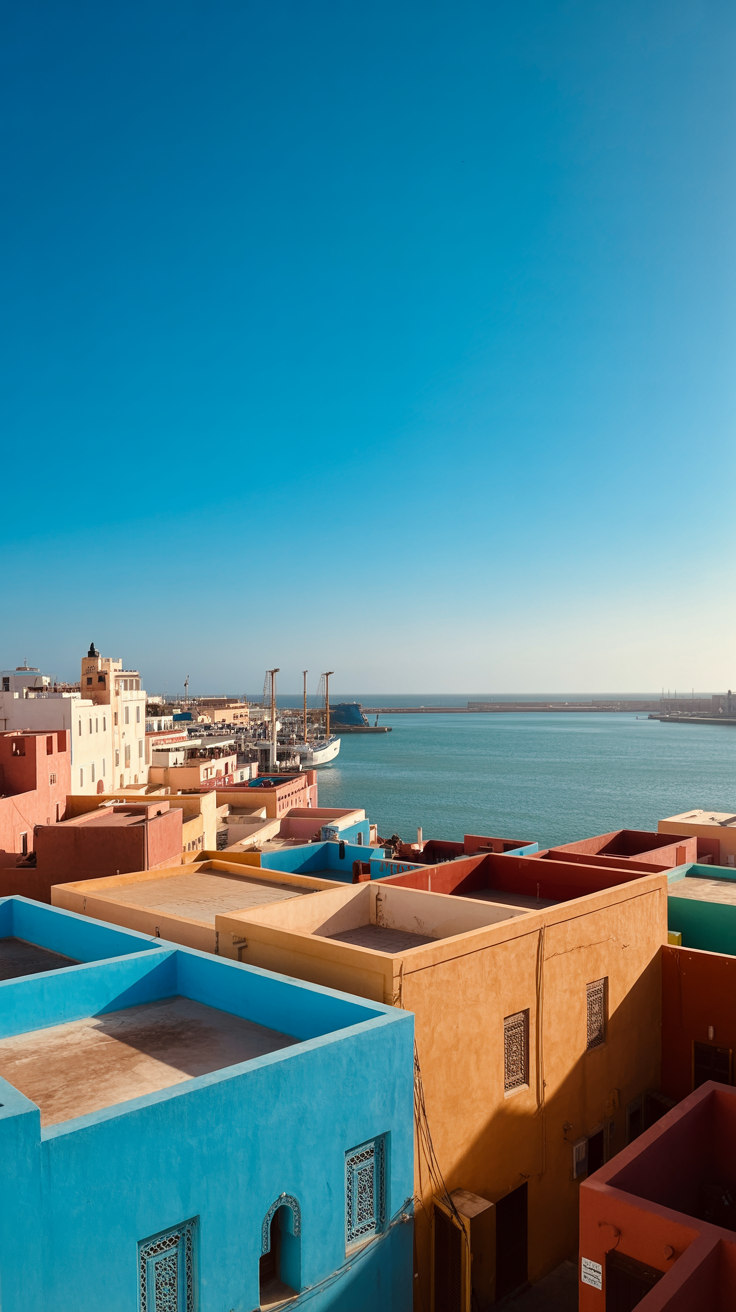
Nador isn’t going to feature on many “Top 10 Morocco” lists, and that’s actually part of its charm. It’s a working city with an authentic vibe, far removed from the well-trodden tourist circuits of Tangier or Casablanca.
The Medina and Souks
Nador’s medina is compact and manageable, centered around Boulevard Mohamed V and the surrounding streets. The souks here are genuine local markets rather than tourist traps. You’ll find spice stalls, fresh produce, traditional clothing, and household goods. Prices are lower than in bigger cities, and while you should still bargain, the vendors are generally fair. Allow about two hours to wander through properly.
Marchica Lagoon
This is the real highlight of the area. The lagoon stretches along the coast with beautiful beaches and crystal-clear water. Atalayoun Beach and Kariat Arekmane Beach are both worth visiting if you fancy some sun and sand. The water is calm and safe for swimming, and there are a few beachside cafés serving grilled fish. A taxi from the port to the lagoon beaches costs around 50-80 MAD and takes about 15 minutes.
Kariat Arekmane
This small fishing village on the lagoon’s edge has kept its traditional character. The colorful boats, working harbour, and seafood restaurants make it a pleasant spot for lunch. Try the grilled sardines or a seafood tagine – both are excellent and affordable.
Day Trip to Melilla
The Spanish enclave of Melilla sits just 15 kilometres north of Nador. If you’ve got your passport and visa requirements sorted, you can cross the border and spend a few hours in what feels like a little piece of Spain transported to North Africa. Modernist architecture, tapas bars, and duty-free shopping make it an interesting contrast. Allow at least four hours for a worthwhile visit including border crossing time.
Further Afield
Chefchaouen, the famous blue city, is about two hours away by car. It’s doable as a long day trip if you leave early and return before your ship’s departure time. The drive takes you through stunning mountain scenery. Similarly, the town of Berkane and the nearby Saidia beach resort are within reach. Just be realistic about timing and always build in a generous buffer for your return to the port.
Money Matters in Nador
The official currency is the Moroccan Dirham (MAD). Here’s what catches many first-time visitors off guard: you generally can’t buy dirhams before arriving in Morocco. The currency has restricted export regulations, so you’ll need to exchange money once you’re here.
Where to exchange: The port terminal may have a currency exchange desk, but rates are typically poor. Your best bet is to withdraw cash from an ATM in town using your debit card. There are several banks with ATMs along Boulevard Mohamed V. Just notify your bank before travelling so they don’t block your card for suspicious activity.
Card acceptance: Let’s be honest – most places in Nador are cash only. Small shops, market stalls, taxis, and local restaurants don’t take cards. Even some mid-range restaurants prefer cash. Only larger hotels and a handful of modern shops accept credit cards. Come prepared with enough dirhams for your day ashore. If you’re carrying cash and cards, consider using an RFID-blocking wallet to protect against electronic pickpocketing.
Small note strategy: When bargaining in the souks or paying taxi drivers, having smaller denomination notes (20s and 50s rather than 200s) makes life much easier. Vendors often claim they don’t have change for large notes, which can lead to awkward standoffs.
Exchange rate reality: A few tourist-oriented shops may accept euros, but you’ll get a terrible exchange rate. Always pay in dirhams when possible.
Safety Tips and Avoiding Scams in Nador
Nador is generally safe for cruise passengers, especially compared to some of Morocco’s bigger tourist destinations. That said, being aware of common scams and staying alert will ensure your visit goes smoothly.
Fake Guides (Faux Guides)
As soon as you step into the medina or approach popular sites, you’ll likely encounter friendly locals offering to show you around. These unofficial guides will lead you through the souks, take you to shops owned by their “cousins,” and then demand an inflated fee at the end. What starts as “just being helpful” becomes an aggressive request for 200-500 MAD or more.
How to avoid: If you want a guide, book one through your cruise line or a reputable tour company. Official guides carry accreditation badges. If someone approaches you unsolicited, a firm “La, shukran” (No, thank you) usually does the trick. Don’t feel rude about declining – it’s expected.
Taxi Scams
The classic taxi scam involves the “broken” metre. The driver will claim the metre isn’t working and quote an outrageous fixed price, often three or four times the going rate. Another variant is simply refusing to use the metre and insisting on a negotiated fare that heavily favors them.
How to avoid: Know the approximate fares before you get in (port to city centre: 175-225 MAD; short trips within town: 20-50 MAD). Insist the driver uses the metre for Petit Taxis. For Grand Taxis, agree on the exact price before setting off. If a driver refuses or quotes something ridiculous, get out and find another taxi. There’s never a shortage.
Unlicensed taxis: Only use clearly marked official taxis from the taxi rank at the port. Private cars or unmarked vehicles that approach you are best avoided.
“Helpful Stranger” Scam
Someone approaches you near the port or in town, offering to help with directions, carry your bag, or show you a shortcut to the medina. After providing this unsolicited “help,” they demand payment – often claiming you owe them 100-200 MAD or more for their services.
How to avoid: Politely but firmly decline help you didn’t ask for. Use Google Maps or your phone’s navigation instead. If someone does help and you want to offer a small tip, 10-20 MAD is more than generous.
Vendor Pressure and Overpricing
In the souks, vendors size up tourists quickly. The initial asking price can be 10 to 20 times what locals would pay. You’re expected to haggle, but knowing where to start is the trick.
Bargaining strategy: If an item is priced at 500 MAD, offer 100 MAD and work from there. A fair final price is usually 30-40% of the opening ask. If the vendor won’t budge, walk away – they’ll often chase you down with a better offer. Don’t feel pressured to buy anything. The whole process should be fun, not stressful.
Pickpocketing and Petty Theft
Crowded markets are prime territory for pickpockets. The souks in Nador are less hectic than those in Tangier or Marrakech, but it still pays to stay alert. Given the genuine risk in busy market areas, investing in an anti-theft crossbody bag with slash-proof material and lockable zippers can give you real peace of mind while browsing the souks.
Prevention tips:
- Use a cross-body bag worn in front of you
- Keep wallets and phones in front pockets, never back pockets
- Don’t flash expensive cameras or jewelry
- Be extra cautious in dense crowds, especially near market entrances
- Consider a money belt for passports and larger amounts of cash
Restaurant and Shop Scams
Bill padding happens occasionally in tourist-facing restaurants. You might be charged for bread or olives you didn’t order, or the bill includes extra items that never arrived at your table. Similarly, some shops may try to add on unexpected charges during card transactions.
How to avoid: Check the menu prices before ordering and ask about any cover charges or extras. Review your bill carefully before paying. For card payments, watch the terminal to ensure the correct amount is entered. If something seems off, question it politely but firmly.
Drug-Related Scams
In some Moroccan cities, scammers may offer to sell you cannabis (which is illegal despite Morocco being a major producer). Once you show interest or hand over money, they or an accomplice posing as a police officer will demand a “fine” to avoid arrest. This is less common in Nador than in places like Tangier, but it’s worth knowing about.
How to avoid: Simply decline any offers of drugs. Real police officers won’t hassle you if you’re not doing anything illegal.
Photography Scams
Street performers, snake charmers, or people in traditional dress may pose for photos and then demand payment – sometimes quite aggressively. While this is more common in Marrakech, it can happen anywhere.
How to avoid: Ask the price before taking a photo. If you snap a picture and they demand money after the fact, a small tip of 10-20 MAD is reasonable. Don’t be pressured into paying hundreds of dirhams.
Emergency Contacts
- Police: 19
- Tourist Police: 19 (same number, ask for tourist police)
- Ambulance: 15
- Fire: 15
- Port Emergency Contact: Contact your cruise ship directly or port authority at the terminal
- Hospital: Hassan II Hospital, Nador (main regional facility)
Save your cruise ship’s emergency contact number in your phone before going ashore. If you get delayed or encounter a serious problem, they’re your first point of contact.
Practical Time Management for Your Port Day
Nador doesn’t require the same frantic pace as some Mediterranean ports. You can see the main sights comfortably in half a day, leaving time for a relaxed lunch and some beach time at the lagoon.
Sample half-day itinerary:
- 09:00 – Disembark and take taxi to medina (10 minutes)
- 09:15 – Explore souks and Boulevard Mohamed V (2 hours)
- 11:15 – Taxi to Marchica Lagoon or Kariat Arekmane (15 minutes)
- 11:30 – Beach time and seafood lunch (2.5 hours)
- 14:00 – Taxi back to port (15 minutes)
- 14:15 – Back on ship with time to spare
For a full-day excursion to Chefchaouen: You’ll need at least 8 hours total (2 hours each way, plus 4 hours in the city). Only attempt this if your ship is in port for 10+ hours and you’re comfortable with the tight timeline. Always build in a buffer for traffic and unexpected delays.
All-aboard reminder: Whatever your plans, aim to be back at the ship at least 30-45 minutes before the official all-aboard time. Traffic around the port can be unpredictable, especially if multiple ferries or ships are coming and going.
Exploring Other Moroccan Cruise Ports
If you’re on a Mediterranean cruise that includes multiple Moroccan stops, each port offers something different. Tangier has the famous medina and Caves of Hercules. Casablanca is all about the Hassan II Mosque and art deco architecture. Agadir on the Atlantic coast is more about beaches and resorts. Lesser-known ports include Safi, Al Hoceima, Dakhla, and Laayoune, each with their own character.
For broader context on Western Mediterranean cruise ports and Eastern Mediterranean options, as well as nearby Spanish Mediterranean ports, there’s plenty of information to help plan your entire itinerary.
Bonus Tips for Nador
- Dress modestly: Morocco is a conservative country. Cover shoulders and knees, especially in the medina and away from the beach. This applies to both men and women, though women should be particularly mindful.
- Language basics: French is widely spoken, and Spanish is common due to Nador’s proximity to Melilla. English is hit-or-miss. Learning a few Arabic phrases like “Salam alaikum” (hello) and “Shukran” (thank you) goes a long way.
- Friday timing: Friday is the Muslim day of prayer. Shops and restaurants may close or reduce hours around midday prayer time. Plan accordingly.
- Seafood is king: Nador is right on the coast. The grilled fish, sardines, and prawns are exceptional and inexpensive. Ask locals for their favorite spots rather than settling for the first place you see.
- Bring sun protection: The North African sun is intense, even in spring and autumn. Sunscreen, a hat, and sunglasses are essential.
- Photography etiquette: Always ask permission before photographing people, especially women and children. Many locals prefer not to be photographed.
- Mint tea ritual: If you’re invited for mint tea (and you likely will be in a shop), it’s polite to accept. It’s a social tradition, not necessarily a sales pressure tactic, though of course they hope you’ll buy something afterward.
- Check what to pack: For ideas on suitable clothing for shore days, see cruise outfit ideas.
- First-time Mediterranean cruiser? Read up on first-time Mediterranean cruise tips to prepare for the whole voyage.
Common Questions and FAQ
Is Nador safe for cruise passengers?
Yes, Nador is generally safe for tourists. It’s a working city without the intense tourist hustle you find in larger Moroccan destinations. That said, standard precautions apply: watch your belongings in crowded areas, use official taxis, and be aware of common scams. The overwhelming majority of visitors have trouble-free experiences. Solo travelers and families alike can explore comfortably during daylight hours. Just use common sense and trust your instincts.
Which port do cruise ships use in Nador?
Cruise ships dock at the traditional Nador Port, which is the passenger and ferry terminal close to the city centre. This is NOT Nador West Med (NWM), the new cargo port complex being built about 15 kilometres west of the city. NWM is designed for container and freight operations and won’t handle regular cruise traffic for several years. When your cruise line lists “Nador” as a port of call, you’ll arrive at the established city port.
How much are taxis from the port?
A Grand Taxi from the port to the city centre and medina costs between 175 and 225 MAD (approximately €16-22). Some drivers will quote a flat 210 MAD. Always agree on the price before getting in. For shorter journeys within town, Petit Taxis start around 5-15 MAD but should use a metre. A taxi to the Marchica Lagoon beaches costs about 50-80 MAD each way. Have cash in dirhams ready as cards aren’t accepted.
Can I walk to the medina from the port?
Technically yes – it’s about 2 kilometres or a 25-minute walk. However, the route isn’t particularly pleasant or pedestrian-friendly. You’ll be navigating busy roads with limited pavements, and in hot weather it can be uncomfortable. For the relatively small cost of a taxi, most passengers find it’s not worth the effort. Save your energy for exploring the medina and beaches instead.
Do I need a tour or can I explore Nador independently?
Nador is perfectly manageable independently. The medina is compact, taxis are plentiful, and getting around is straightforward. You don’t need a guide for exploring the town, markets, or nearby beaches. However, if you want to visit places further afield like Chefchaouen or Melilla, a pre-booked tour or private driver makes logistics much easier, especially given the time constraints of a port day. For just Nador itself, go solo and explore at your own pace.
What scams should I watch out for in Nador?
The most common issues are unofficial guides demanding inflated fees, taxi drivers with “broken” metres, and aggressive bargaining in the souks with wildly inflated starting prices. You may also encounter “helpful strangers” who assist you unsolicited and then demand payment. Pickpocketing can happen in crowded markets. The good news is that Nador is less intense than bigger Moroccan tourist cities. Stay alert, agree on prices in advance, and don’t be afraid to walk away from any situation that feels off. See the Safety Tips section above for detailed strategies.
Can I use euros in Nador?
While a few tourist-oriented shops may accept euros, you’ll get a poor exchange rate and limited change. It’s far better to have Moroccan dirhams. You generally can’t buy dirhams before arriving in Morocco due to currency restrictions, so plan to withdraw cash from an ATM in town or exchange at a bank. Most places in Nador are cash-only, so come prepared with enough dirhams for your day ashore.
What’s the best thing to do in Nador on a short port call?
For a half-day visit, split your time between the medina’s souks in the morning and a few hours at the Marchica Lagoon beaches in the afternoon. The medina gives you an authentic slice of Moroccan market life, while the lagoon offers stunning beaches and excellent seafood. This combination lets you experience both the cultural and natural sides of the area without rushing. If you only have a few hours, prioritize the lagoon – it’s the real gem of the region and something you can’t experience at other Moroccan ports.
How far is Chefchaouen from Nador?
Chefchaouen is about two hours away by car (roughly 150 kilometres). It’s doable as a long day trip if your ship is in port for at least 10 hours, but you’ll need to leave early and watch the clock carefully. The drive is scenic, winding through the Rif Mountains. If you attempt it, always build in extra time for traffic and unexpected delays. Missing your ship is not worth it for any shore excursion, no matter how beautiful.
Is Nador worth visiting compared to other Moroccan ports?
Nador won’t win any awards for glamour, but that’s part of its appeal. It’s less touristy and more authentic than Tangier or Casablanca. If you’re after pristine beaches, genuine souks without the hard sell, and fresh seafood at local prices, you’ll love it. If you need iconic monuments and well-trodden tourist infrastructure, other ports might suit you better. Nador rewards travelers who enjoy discovering places that still feel a bit off the beaten path.
Essential Items for Your Day in Nador
Before you head ashore in Nador, it’s worth packing a few essentials that will make your day significantly more comfortable and secure. Here’s what you’ll actually use:
Comfortable footwear is non-negotiable. Whether you’re exploring the medina’s uneven streets or walking along the lagoon beaches, proper shoes make all the difference. Women’s walking shoes and men’s walking shoes designed for travel will keep your feet happy through hours of exploring.
Security matters in busy markets. Given the pickpocketing risks mentioned in the safety section, an anti-theft travel backpack with slash-proof material and hidden zippers gives you proper peace of mind. Keep your valuables secure while you haggle in the souks. An RFID passport holder protects your documents from electronic theft, while a hidden money belt keeps larger amounts of cash safely tucked away.
The North African sun is relentless. You’ll need reef-safe SPF 50 sunscreen for both environmental responsibility and proper protection. A packable sun hat folds flat in your bag but provides crucial shade when you’re out exploring. Don’t forget quality sunglasses for women or sunglasses for men to protect your eyes from the intense glare.
Beach essentials for the Marchica Lagoon. If you’re planning to visit the stunning beaches, bring a quick-dry travel towel that packs small and dries fast. A waterproof phone case lets you capture those lagoon photos without worrying about water damage, and water shoes protect your feet on rocky beach areas.
Stay hydrated and charged. A collapsible water bottle saves space in your bag and keeps you hydrated without contributing to plastic waste. A 20,000mAh portable charger ensures your phone stays powered for navigation, photos, and emergency contact with your ship throughout the day.
Modest clothing for cultural respect. Morocco is conservative, so covering shoulders and knees is important, especially in the medina. A lightweight travel scarf is perfect for women who need to cover up when entering certain areas or want extra sun protection. Women’s linen pants and men’s khaki pants keep you comfortable while respecting local customs.
Personal Experience
When our cruise ship pulled into Nador, I wasn’t quite sure what to expect, but this Moroccan port city turned out to be such a pleasant surprise. The port itself is pretty straightforward – taxis wait right at the terminal, and the drivers are generally honest about fares if you agree on a price before heading off. We grabbed one to explore the town center, which is only about 10 minutes away. The local market, or souk, near Boulevard Mohamed V was absolutely worth the visit. The colors, the smells of fresh spices, and the friendly vendors made for a really authentic Moroccan experience. Just remember to bring cash and be ready to do some light bargaining – it’s all part of the fun.
What really made our stop special was taking a short trip to the nearby Marchica Lagoon. The beaches there are stunning and way less crowded than you’d find in more touristy spots. If you’ve got more time, the drive to the blue city of Chefchaouen is doable as a day trip, though it’s about two hours each way, so you’ll need to leave early. Back in Nador itself, we found some great little cafés serving fresh seafood and traditional tagines near the marina. The locals are genuinely welcoming, and while French is more common than English, a few basic phrases and some friendly gestures go a long way. Just keep an eye on your departure time – traffic can be unpredictable when heading back to port.
Last Updated: 14 December 2025