
Laayoune (El Aaiún) is the largest city in Western Sahara, located on Morocco’s Atlantic coast. The cruise port serves as a gateway to Saharan desert landscapes and local culture. Visitors can explore traditional markets, Spanish colonial architecture, and nearby beaches. The city offers authentic North African experiences with Sahrawi heritage and dramatic desert scenery accessible from the port.
Quick Port Facts
| Detail | Information |
|---|---|
| Port Name | Port of Laayoune (MAEUN) |
| Port Type | Industrial/cargo port with rare cruise calls |
| Distance to City Centre | Approximately 20 kilometres |
| Maximum Draft | Around 6.15 metres |
| Maximum LOA | Approximately 120 metres (derogations possible) |
| Port Facilities | Basic cargo terminal, no dedicated cruise terminal |
| Local Currency | Moroccan Dirham (MAD) |
| Languages | Arabic, French (limited English) |
Want to know more about cruise ports along Morocco’s diverse coastline? Check out our comprehensive guide to cruise ship ports of call in Morocco, covering everything from the bustling medinas of Tangier and Casablanca to the coastal charm of Agadir and Safi.
Where is The Port Located?
Cruise ships calling at Laayoune use the Port of Laayoune (MAEUN), which is primarily an industrial bulk cargo and phosphate export terminal rather than a purpose-built cruise facility. This is crucial to understand because if you’re expecting a gleaming cruise terminal with shops, cafes, and Wi-Fi, you’ll be rather disappointed. The port sits roughly 20 kilometres from the city centre of El Aaiún, and you’ll need to arrange transport to reach the main attractions.
Important: Don’t confuse Laayoune with Dakhla, which is further south along the coast and is being developed as a more substantial maritime hub with the Dakhla Atlantique project. Some cruise itineraries may redirect to Dakhla if operational constraints arise at Laayoune, so verify with your cruise line before disembarking.
The reality is that cruise calls to Laayoune are extremely rare and opportunistic. This isn’t a standard Mediterranean cruise port with regular weekly arrivals. The port operates on a two-shift schedule (0700-1500 and 1500-2300) and caters primarily to bulk cargo, fishing trades, and phosphate exports. If your ship does call here, it’s likely part of a special itinerary or expedition-style cruise focusing on West African Atlantic routes.
There are no passenger facilities to speak of at the quayside, so you’ll disembark onto a working port environment. Think industrial rather than Instagram-ready. Some ships may use tenders if the berth is unsuitable for direct docking.
Getting Around From The Port
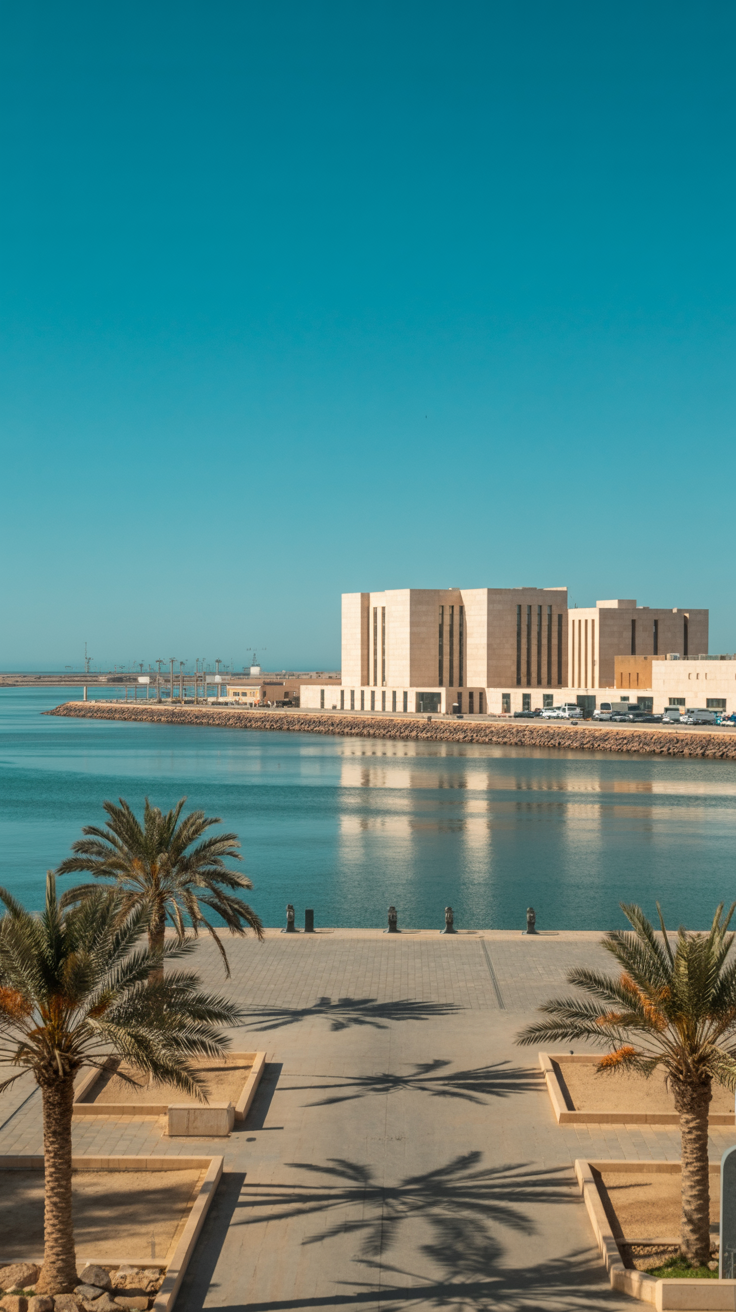
Transport from Laayoune port requires planning because this isn’t a walk-off-and-explore situation. The 20-kilometre distance to the city centre means you’ll need wheels of some sort, and your options are relatively limited compared to busier cruise ports.
Port Shuttle
There is no regular, publicly operated port shuttle service running between the port and El Aaiún city centre. If your cruise line is making a scheduled call (however rare), they may arrange a private shuttle bus for passengers, but this would be communicated in your daily programme. Don’t assume there will be one waiting when you step off the gangway.
If a cruise line does provide a shuttle, it will typically drop passengers at or near the main boulevard, Avenue Mekka, or the central market area. Confirm the pickup time and location before venturing off, because missing the last shuttle back could leave you scrambling for alternatives in a city where English isn’t widely spoken.
Taxis
Taxis are your most realistic transport option from the port to the city centre. You’ll find them waiting at the port entrance or taxi ranks just outside the port perimeter. Here’s what you need to know:
- Identification: Licensed grand taxis in the region are typically larger sedans or minivans, often Mercedes or similar models, and may be painted in specific livery or marked with taxi signage. Look for vehicles with visible taxi identification rather than unmarked private cars.
- Fares: Expect to pay around MAD 100-150 (roughly £8-12 or €9-14) for a daytime one-way trip from the port to the city centre. Prices increase after dark, and you may be quoted MAD 150-200 for evening returns.
- Metres vs Fixed Fares: Metres are often not used in this part of Morocco, especially for longer trips like port-to-city transfers. You must agree on the fare before you start. Write it down if necessary to avoid confusion later.
- Negotiation: Don’t accept the first price offered. It’s standard practice to negotiate, so counter with a lower figure and meet somewhere in the middle. If the driver refuses to budge and the price seems inflated, walk away and find another taxi. There’s usually more than one driver waiting.
- Payment: Cash only, in Moroccan dirhams. Drivers do not accept cards, euros, or dollars. Have exact change or small notes ready because drivers may claim they don’t have change for large bills.
If you’re traveling as a group, you can often negotiate a better per-person rate by sharing a grand taxi with fellow passengers. Just make sure everyone agrees on the destination and pickup time for the return journey.
Walking
Walking from the port to the city centre is not a realistic option. The 20-kilometre distance would take several hours on foot, the route passes through industrial and suburban areas with little shade, and the heat (especially in warmer months) makes it genuinely unpleasant and potentially unsafe. There are no pedestrian-friendly paths, and you’d be walking alongside vehicle traffic on roads not designed for walkers. Given the distance and heat, comfortable footwear is absolutely essential once you reach the city centre – proper women’s walking shoes or men’s walking shoes will make exploring the markets and boulevards far more enjoyable.
In short: don’t even consider it. Save your energy for exploring El Aaiún itself once you’ve arrived by vehicle.
Tours and Private Transport
Pre-booking a private tour or transfer through a reputable operator is the smartest move if you want a stress-free experience. Local tour companies and drivers can arrange pickup directly from the ship, take you to key sights, and return you in time for all-aboard. This is especially valuable in a place like Laayoune where language barriers and unfamiliarity with the area can complicate independent exploration.
Your cruise line may offer official shore excursions, which, whilst more expensive, include the peace of mind that the ship won’t leave without you if the tour runs late. If you book independently, make absolutely sure the operator knows your ship’s departure time and build in a buffer of at least 30-60 minutes.
Safety Tips and Avoiding Scams
Laayoune is generally safe for cruise passengers who take sensible precautions, but like any port with limited tourist infrastructure, there are a few things to watch out for. The city doesn’t see the volume of cruise visitors that places like Tangier or Casablanca do, so you’re less likely to encounter the highly organised scams common in bigger tourist hubs. That said, you should still stay alert.
Fake Guides (Faux Guides)
One of the most common issues in Moroccan ports is the appearance of unsolicited “guides” who approach you just after you disembark or as you enter the medina or market areas. They’ll offer to show you around, help you find your way, or take you to “the best shops.” What they’re really doing is steering you towards commission-earning vendors and then demanding an inflated fee for their “services.”
Real, licensed guides carry official accreditation badges and work through recognised agencies or your cruise line. If someone approaches you without being invited and without a badge, politely decline. A firm “La, shukran” (No, thank you in Arabic) or “Non, merci” (in French) usually does the trick. If they persist, keep walking and don’t engage further.
The safest approach is to book excursions through your ship or a reputable operator before you arrive. If you prefer independent exploration, use a maps app on your phone and trust your own navigation over the helpful stranger who just happens to appear at your elbow.
Taxi Scams
Taxi scams are a real possibility, especially when dealing with cruise passengers who may not know local fare rates. Here’s what to watch for:
- The “Broken Metre” Scam: The driver claims the metre isn’t working and insists on a flat fare, which is inevitably inflated. In Laayoune, metres often aren’t used for port-to-city transfers anyway, but if a driver in the city centre tries this for a shorter trip, it’s likely a scam.
- Overcharging Tourists: Drivers may quote double or triple the going rate, banking on the fact that you don’t know any better. Knowing the approximate fare (MAD 100-150 port to centre) gives you negotiating power.
- Unlicensed Vehicles: Avoid unmarked cars or drivers who approach you offering rides without visible taxi identification. Stick to clearly marked taxis at official ranks.
If a driver refuses to negotiate or insist on an unreasonable fare, simply walk away and find another taxi. There’s no shortage of drivers, and competition usually brings prices down. Write the agreed fare on your phone or a piece of paper before you get in, and show it to the driver if there’s any dispute at the end.
Pickpocketing and Petty Theft
Crowded markets and souks attract opportunistic thieves. The central market in Laayoune can get busy, especially on market days, and that’s when you’re most vulnerable. Phones, cameras, and wallets are the prime targets. Consider using an anti-theft crossbody bag with slash-proof material and lockable zippers to keep your valuables secure whilst you’re browsing the stalls.
- Use a cross-body bag and keep it in front of you in crowded areas.
- Keep your phone in a front pocket, not a back pocket or an open bag.
- Don’t wear flashy jewelry or wave expensive cameras around unnecessarily.
- Consider a money belt for your passport and larger amounts of cash.
- Only carry what you need for the day; leave the rest secured on the ship.
Stay aware of your surroundings and don’t stop abruptly in congested areas where someone could bump into you as a distraction whilst an accomplice lifts your belongings. It’s basic stuff, but easy to forget when you’re focused on shopping or taking photos.
Vendor Pressure and Overpricing
Shop and market vendors will size you up the moment you walk in. If you look like a tourist (and let’s face it, you probably do), opening prices can be wildly inflated. Don’t take the first price as anything close to realistic. Haggling is not just expected, it’s part of the cultural exchange.
A good rule of thumb is to start your counter-offer at about one-third to one-half of the asking price and work your way up from there. If the vendor won’t budge and you think the price is still too high, walk away. Often, they’ll call you back with a better offer.
Don’t feel pressured to buy something just because you’ve been chatting with the vendor or they’ve shown you multiple items. It’s absolutely fine to browse and leave empty-handed. If you’re genuinely not interested, a polite but firm “no” and a smile will end the interaction.
Photography and Street Performers
Some individuals may offer to pose for photos with you, or you might see street performers or people with animals (less common in Laayoune than in bigger tourist cities, but still possible). If you take a photo, they may demand payment afterwards. The safest approach is to agree on a price before you take the photo, or simply decline if no price is stated upfront.
Also, be mindful of photographing people without permission. It’s courteous to ask first, and in some cases, people will expect a small tip in exchange.
Currency Exchange and Money
Avoid exchanging money at unofficial desks or with individuals on the street. Rates will be poor and you risk being shortchanged or receiving counterfeit notes. Use bank ATMs or official banks in the city centre for the best rates and security. When carrying cash, an RFID-blocking wallet protects your cards from electronic pickpocketing whilst keeping your dirhams organised.
Carry a modest amount of Moroccan dirhams for day-to-day purchases, and keep larger notes separate from your spending money. Vendors and taxi drivers often claim they don’t have change for large bills, which can be legitimate or a ploy to keep the difference.
Emergency Contacts
Save these numbers in your phone before you go ashore:
- Police: 19
- Ambulance: 15
- Fire: 15
- Tourist Police: Available in major Moroccan cities; ask your tour operator or hotel for the local number if needed.
- Your Cruise Ship’s Emergency Contact: This will be provided in your daily programme or available from guest services. Save it before you leave the ship.
If something goes wrong, contact your ship’s guest services immediately. They can liaise with local authorities and help coordinate assistance. The port authority will also have emergency contacts, though language barriers may complicate communication.
Money Matters
The local currency is the Moroccan Dirham (MAD), and you’ll need cash for almost everything in Laayoune. This isn’t a city where you can tap your card at every stall and cafe.
- Can You Buy Dirhams Before You Arrive? Technically, the Moroccan dirham is a restricted currency, meaning it’s difficult (and sometimes not allowed) to purchase it outside Morocco. Your best bet is to exchange money once you’re in the country or withdraw dirhams from an ATM after you disembark.
- Where to Exchange: Use ATMs at banks in the city centre rather than exchange desks near the port or tourist areas, which often offer poor rates and hidden fees. Major banks like Attijariwafa Bank or BMCE Bank have ATMs that accept international cards. Notify your bank before you travel so your card isn’t blocked for suspected fraud when you use it abroad.
- Card Acceptance: Let’s be honest, card acceptance in Laayoune is limited. Larger hotels or modern restaurants might accept cards, but most local shops, market stalls, and taxis are cash-only. Don’t rely on plastic; bring enough dirhams to cover your day ashore.
- Small Note Strategy: When you withdraw or exchange money, ask for a mix of denominations including small notes (20s, 50s, 100s). Having small notes makes paying for minor purchases and tipping much easier, and it prevents vendors from claiming they have no change for your 200 MAD note.
- Can You Use Euros or Dollars? Some tourist-oriented businesses in larger Moroccan cities might accept euros or dollars, but the exchange rate you’ll get is usually terrible. Stick to dirhams for fairness and simplicity.
What To See and Do
Laayoune isn’t a city that screams “tourist attraction” in neon lights, but that’s part of its appeal. You get an authentic slice of life in Western Sahara without the crowds and the tourist tat. If you’re looking for something different from the usual Mediterranean cruise stops, this is it.
- Avenue Mekka and the City Centre is the heart of El Aaiún. It’s a broad boulevard lined with palm trees, cafes, and government buildings, and it’s the best place for a stroll to get a feel for the city. You’ll see a mix of Spanish colonial architecture (a legacy of the Spanish Sahara period) and more modern Moroccan buildings. It’s pleasant, if not exactly thrilling, but it gives you context for the city’s unique history and character.
- The Central Market (Souk) is where you’ll find local life in full swing. Spices, fresh produce, traditional crafts, and textiles are all on offer, and it’s a great spot for picking up souvenirs or just soaking up the atmosphere. Expect to haggle, and remember that the first price is never the real price.
- Foum El Oued Beach is about 20 kilometres south of the city and offers a windswept, rugged Atlantic coastline. It’s not a manicured resort beach, but if you want to experience the raw beauty of the Saharan coast, it’s worth a visit. The wind can be strong (it’s a popular spot for kitesurfing), so bring a jacket even if the day feels warm.
- The Cathedral of St. Francis of Assisi is a modest Spanish-era church that’s now mostly unused but still stands as a reminder of the colonial past. It’s not a major attraction, but if you’re interested in history and architecture, it’s worth a quick look.
- Smara is a town further inland (about 240 kilometres from Laayoune) known for its historic kasbah and desert setting. It’s too far for a quick port visit, but if your cruise offers a full-day excursion, it’s an option for those keen on Saharan landscapes and Sahrawi culture.
Realistically, if you only have a few hours ashore, focus on the city centre, the market, and perhaps a quick trip to the beach. Allow at least 30-45 minutes for travel time each way between the port and the city, and factor in time for wandering, shopping, and a mint tea stop.
Cultural Considerations
Laayoune is a conservative city, and you’ll need to dress and behave respectfully to avoid causing offence. This isn’t Ibiza.
- Dress modestly: Cover your shoulders and knees. Loose, lightweight clothing is ideal for the heat and for cultural appropriateness. Women should consider bringing a scarf to cover their hair if visiting religious sites, though it’s not mandatory in the streets. Men should avoid going shirtless outside the beach. For more guidance on what to pack, take a look at our cruise outfit ideas for women.
- Public behaviour: Public displays of affection are frowned upon. Save the cuddles for the ship. Also, avoid eating, drinking, or smoking in public during Ramadan (the Islamic month of fasting), as it’s considered disrespectful.
- Photography: Always ask permission before photographing people, especially women. Military and government buildings are off-limits for photography.
- Language: Arabic and French are the main languages. English is not widely spoken, so a few basic phrases in French or Arabic will go a long way. “Shukran” (thank you in Arabic) and “Merci” (thank you in French) are good starting points.
- Ramadan: If your visit coincides with Ramadan, be aware that many restaurants and cafes will be closed during daylight hours, and the rhythm of daily life changes significantly. Some tourist-oriented places may remain open, but it’s worth planning ahead.
Food and Drink
Moroccan cuisine is one of the highlights of any visit, and even a brief stop in Laayoune gives you a chance to sample some local flavours.
- Mint tea is ubiquitous and drinking it is practically a social ritual. It’s sweet, refreshing, and served in small glasses. Accept an offer of tea if you’re shopping or chatting with locals; it’s a gesture of hospitality.
- Tagine is the classic Moroccan slow-cooked stew, usually featuring lamb, chicken, or vegetables with spices and dried fruit. It’s hearty, flavourful, and widely available in local restaurants.
- Couscous is a staple, often served on Fridays (the traditional day for the dish) with meat and vegetables.
- Fresh seafood is available given the Atlantic location, though Laayoune isn’t as seafood-focused as coastal towns further north like Safi or Agadir.
- Street food can be tempting, but stick to well-cooked items and avoid anything that’s been sitting out in the heat. Your stomach will thank you later.
- Water: Drink bottled water only. Tap water isn’t considered safe for tourists, and even brushing your teeth with bottled water is a sensible precaution. Bring a bottle with you when you go ashore, especially if you’re venturing beyond the city centre.
Practical Time Management
Timing is everything when you’re on a cruise, and in a place like Laayoune where transport takes longer and the city is less tourist-oriented, you need to plan carefully.
- Allow 30-45 minutes each way for the port-to-city transfer. This includes time to negotiate with taxi drivers, wait for other passengers if you’re sharing, and navigate any traffic (though congestion is rarely severe).
- A half-day visit (4-5 hours ashore) is enough to see the city centre, market, and perhaps the beach or one other attraction. Factor in time for a meal or tea stop.
- A full-day excursion could include a longer drive to Foum El Oued, more time in the market, and a leisurely exploration of the city with multiple stops.
- Traffic and delays: Roads in and around Laayoune are generally quiet, but allow extra time for unexpected delays, especially if you’re traveling during prayer times when shops and services may pause.
- All-aboard time: Treat your ship’s all-aboard time as sacred. Build in at least an hour’s buffer before that time to account for traffic, taxi availability, and any last-minute hiccups. Missing the ship in a port like Laayoune, with limited onward transport options, would be a nightmare.
- Heat and fatigue: If you’re visiting in warmer months, the heat can be intense and tiring. Plan for a slower pace, take breaks in the shade, and stay hydrated. Don’t try to cram too much in; this isn’t the port for a mad dash around ten attractions.
Bonus Tips
- SIM cards and data: If you need mobile data, you can buy a local SIM card from a Maroc Telecom or Inwi shop in the city centre. It’s cheap and gives you maps and communication options, which are invaluable if you’re exploring independently.
- Toilets: Public toilets are scarce and often not up to Western standards. Use facilities at your ship before you disembark, or pop into a cafe (buying a tea or coffee to use their facilities is polite and expected).
- Sunscreen and hat: The sun is strong, especially with the reflection off the sand and light-coloured buildings. Bring high-SPF sunscreen and a hat, and reapply frequently.
- Bargaining etiquette: Haggling is expected, but keep it friendly and good-humoured. Don’t insult the vendor by offering a ridiculously low price, and accept that they need to make a living too. If you’ve agreed on a price, honour it.
- Learn a few words: Even just “Salaam alaikum” (peace be upon you) and “Shukran” (thank you) will earn you smiles and goodwill. Moroccans appreciate any effort to speak their language.
- Don’t expect luxury: Laayoune is not a polished tourist destination. It’s a working city in a disputed territory with limited infrastructure. Embrace the rough edges and the authenticity; that’s what makes it interesting.
- Check the weather: Laayoune can be hot, dry, and windy. The Atlantic breeze moderates the temperature but also kicks up sand and dust. Pack accordingly.
- Port security: Because the port is a working cargo facility, security may be stricter than at dedicated cruise terminals. Have your ship ID and passport ready for checks, and follow any instructions from port officials.
- Photography restrictions: Don’t photograph the port facilities, military installations, or anything that could be considered sensitive. When in doubt, ask first.
- Respect the local context: Western Sahara is a disputed territory with a complex political situation. Avoid discussing politics with locals unless they bring it up, and be sensitive to the fact that this is a region with ongoing tensions.
Common Questions and FAQ
Is Laayoune safe for cruise passengers?
Yes, Laayoune is generally safe for cruise passengers who take sensible precautions. Violent crime against tourists is rare, and the city doesn’t have the high-pressure scam environment of some larger Moroccan ports. That said, you should stay alert for pickpockets in crowded markets, avoid unlicensed taxis, and dress modestly to respect local customs. The political situation in Western Sahara can be sensitive, so avoid getting involved in any demonstrations or political discussions. Stick to tourist areas, travel in groups if possible, and keep your ship’s emergency contact handy.
Which port do cruise ships use in Laayoune?
Cruise ships use the Port of Laayoune (MAEUN), which is an industrial cargo and phosphate export terminal. It does not have a dedicated cruise terminal, so don’t expect the usual passenger facilities. The port is about 20 kilometres from the city centre, so you’ll need to arrange transport (usually a taxi) to reach El Aaiún. Cruise calls here are rare and opportunistic rather than regular scheduled stops. Some itineraries may divert to Dakhla further south if operational constraints arise at Laayoune.
How far is the port from the city centre?
The port is approximately 20 kilometres from the city centre of El Aaiún. By taxi, the journey takes around 30-45 minutes depending on traffic and your exact destination. Walking is not feasible due to the distance, heat, and lack of pedestrian infrastructure. Budget MAD 100-150 (roughly £8-12 or €9-14) each way for a taxi fare, and negotiate the price before you get in.
How much are taxis from the port?
Taxis from the port to the city centre typically cost MAD 100-150 (approximately £8-12 or €9-14) for a one-way trip during the day. Evening and night-time fares can be higher, up to MAD 150-200. Metres are rarely used for port transfers, so you must agree on the fare in advance. Don’t be afraid to negotiate and shop around between drivers if the first quote seems too high. Pay in cash (Moroccan dirhams) and have small notes ready.
Can I walk to the city centre from the port?
No. The 20-kilometre distance, combined with the heat, lack of shade, and absence of pedestrian-friendly routes, makes walking completely impractical and unsafe. You’ll need a taxi, private transfer, or organised tour to reach the city. Save your energy for exploring El Aaiún itself once you arrive.
Do I need a tour or can I explore independently?
You can explore independently if you’re comfortable with a bit of adventure and limited English signage. Laayoune doesn’t have the tourist infrastructure of places like Tangier or Agadir, so independent travel requires more planning and a willingness to navigate language barriers. A ship excursion or pre-booked private tour takes the stress out of transport, timing, and finding your way around, and it guarantees you won’t miss the ship. If you do go solo, use a maps app, carry cash, and build in plenty of buffer time before all-aboard.
What scams should I watch out for?
The main scams to watch for are fake guides who approach you offering unsolicited help and then demand inflated fees, taxi drivers overcharging or refusing to use metres, and vendors in markets giving wildly inflated opening prices. Pickpocketing can occur in crowded souks, so keep valuables secure. Always negotiate taxi fares upfront, decline help from unlicensed guides, and haggle firmly but politely in shops. Stick to official taxis, reputable tour operators, and common-sense safety practices. See the full “Safety Tips and Avoiding Scams” section above for detailed advice.
What currency do I need?
You’ll need Moroccan Dirhams (MAD). Most places are cash-only, so don’t rely on cards. You can’t easily buy dirhams outside Morocco, so withdraw cash from a bank ATM once you’re in the city or exchange money at a bank. Avoid unofficial exchange desks near the port. Notify your bank before you travel to avoid your card being blocked. Carry a mix of small and large notes to make paying for purchases and taxis easier.
Is there Wi-Fi at the port or in the city?
The port has no passenger Wi-Fi because it’s a cargo facility. In the city, some cafes and hotels offer Wi-Fi, but it’s not as widespread or reliable as in more developed tourist destinations. If you need data, consider buying a local SIM card from a Maroc Telecom or Inwi shop in the city centre. It’s inexpensive and gives you access to maps and communication apps, which are useful for independent exploration.
Do I need a visa to visit Laayoune?
Most cruise passengers from the UK, EU, US, Canada, Australia, and New Zealand do not need a visa for short stays in Morocco (including Western Sahara, which Morocco administers). You can typically stay for up to 90 days visa-free. Always check the latest entry requirements with your cruise line or your country’s foreign office before you travel, as rules can change.
What’s the weather like?
Laayoune has a hot desert climate with mild winters and warm to hot summers. Expect strong Atlantic winds year-round, which moderate the temperature but can kick up sand and dust. Bring sun protection (hat, sunscreen, sunglasses) and light, modest clothing. Evenings can be cooler, especially in winter, so a light jacket is a good idea. If you’re visiting in summer, hydration is crucial.
Can I use euros or dollars?
Whilst some tourist businesses in major Moroccan cities might accept euros or US dollars, you’ll get a poor exchange rate and most places in Laayoune won’t take foreign currency at all. Stick to Moroccan dirhams for all transactions. It’s simpler, fairer, and avoids confusion.
Are there any nearby cruise ports I should know about?
Yes. Dakhla is about 540 kilometres south of Laayoune and is being developed as a larger regional maritime hub with the Dakhla Atlantique project. It may become a more common cruise stop in the future. Further north along the Moroccan coast, you’ll find Agadir, Safi, Casablanca, and Tangier, all of which are better-established cruise ports. You can explore all Moroccan cruise ports in our dedicated guide.
What are the highlights if I only have a few hours?
Focus on the city centre along Avenue Mekka, the central market (souk) for crafts and atmosphere, and perhaps Foum El Oued Beach if you have time and transport. A mint tea stop at a local cafe is a must for the cultural experience. Don’t try to cram too much in; allow time for travel, wandering, and soaking up the unique character of this lesser-known port.
Essential Items for Your Day in Laayoune
Given the desert climate, conservative culture, and potential security concerns in crowded markets, packing the right items can make your day ashore considerably more comfortable and secure. Here’s what you’ll want to bring:
- Comfortable footwear is non-negotiable. You’ll be walking on uneven surfaces in the market and along city streets, often in intense heat. Proper women’s walking shoes or men’s walking shoes with good arch support will prevent blisters and fatigue.
- Sun protection is essential. The Saharan sun is relentless, even with the Atlantic breeze. Bring a packable sun hat that won’t blow away in the wind, and apply reef-safe SPF 50 sunscreen regularly throughout the day. Don’t forget quality sunglasses for women or sunglasses for men to protect your eyes from the glare.
- Stay hydrated. A collapsible water bottle takes up minimal space in your bag and ensures you always have drinking water available, crucial in the heat when bottled water isn’t always easy to find.
- Security matters in crowded markets. Given the pickpocketing risks mentioned throughout this guide, an anti-theft travel backpack with slash-proof material and lockable zippers provides peace of mind. For extra security with your cards and passport, use an RFID-blocking passport holder and a hidden money belt under your clothing.
- Keep your phone charged and protected. A 20000mAh portable phone charger ensures your maps and communication apps stay functional all day, which is vital in a city where English isn’t widely spoken.
- If you’re visiting Foum El Oued Beach, pack a quick-dry travel towel and water shoes for the rocky Atlantic shoreline. A waterproof phone case protects your device from sand and spray.
- Cultural respect items: Women should bring a lightweight travel scarf that can cover shoulders or hair when entering religious sites or conservative areas, showing respect for local customs without compromising comfort in the heat.
Personal Experience
When my cruise docked at Laayoune, I wasn’t quite sure what to expect from this Western Saharan port city, but it turned out to be such a fascinating stop. The port itself is pretty straightforward – you’ll likely need to arrange transport into the city center since it’s about 20 kilometres away. Taxis are your best bet, and I’d recommend agreeing on a price before heading out. The city has this unique blend of Moroccan and Spanish colonial influences that you notice right away in the architecture. The main boulevard, Avenue Mekka, is perfect for a stroll, and the central market is where you’ll find authentic crafts, spices, and get a real feel for daily life here. Just remember that Laayoune is quite conservative, so dress modestly to show respect for local customs.
What really struck me was how genuinely welcoming the locals were, even though tourism isn’t massive here yet. Make sure you try some mint tea at one of the cafes – it’s practically a ritual and people take their time with it. The beach at Foum El Oued is worth visiting if you have a few hours; it’s rugged and windswept but beautiful in its own way. Since the city is in a disputed territory, you won’t find the usual tourist infrastructure, so bring cash (Moroccan dirhams work here) and don’t expect everyone to speak English. The experience feels more authentic precisely because it’s less polished, and that’s what made my visit memorable.
Last Updated: 15 December 2025