
Bonifacio cruise port serves as a gateway to Corsica’s stunning southern cliffs and medieval citadel. Ships anchor offshore, with passengers tendered to the marina in the old town. The historic fortress, limestone cliffs, King of Aragon’s Staircase, and scenic harbour are within walking distance. Ferry connections link to Sardinia across the Strait of Bonifacio.
Quick Port Facts
| Fact | Detail |
|---|---|
| Port Location | Quai Sotta Portigliola, below the citadel |
| Docking Method | Most ships tender; some smaller vessels dock at marina |
| Distance to Town | 0.8–1.0 km (15–25 minute walk) |
| Currency | Euro (€) |
| Language | French (Corsican also spoken locally) |
| Emergency Number | 112 (EU-wide) |
| Terminal Facilities | Information desk, toilets, small shop, waiting area |
| Free Shuttle | Yes, in peak season (half-hourly to old town) |
Want to know more about other cruise ports in Corsica? Check out our complete guide to planning your Corsican port stops.
Bonifacio Map with Attractions
Map shows cruise terminal and main attractions within walking distance from the marina to the citadel perched above the cliffs.
Can You Walk to Town from the Port?
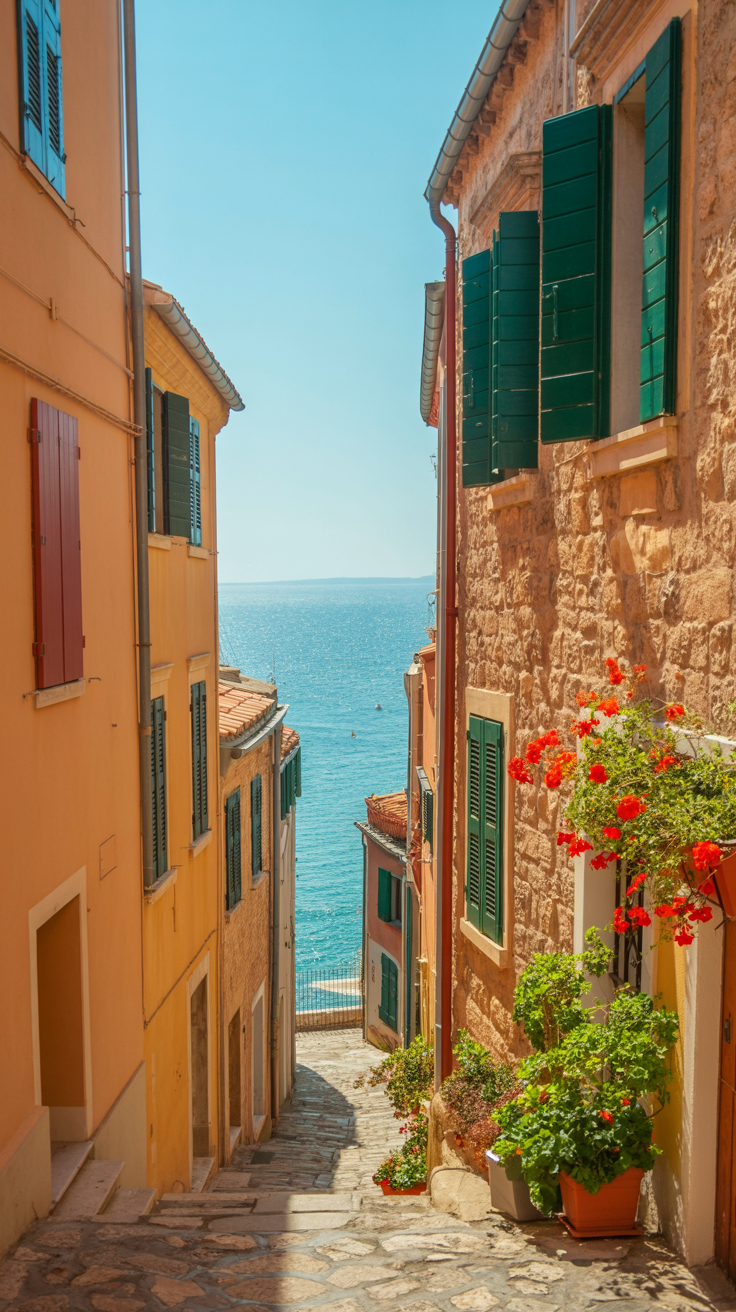
Bonifacio cruise ships anchor in the harbour and tender passengers directly to the marina area at Quai Sotta Portigliola. The old town and citadel sit dramatically above you on limestone cliffs. Walking is not only possible but genuinely the best way to experience this port if you’re reasonably mobile.
- Distance: 0.8–1.0 km from the marina to the citadel entrance, which takes 15–25 minutes at a steady pace. The catch is vertical rather than horizontal distance.
- Terrain: This is where it gets real. The walk from sea level to the upper town involves steep inclines, cobblestone streets, and potentially the famous King of Aragon’s Staircase with its 187 ancient steps carved into the cliff face. The coastal path is signposted and offers stunning sea views, but you’re definitely climbing. Wheelchair users will struggle without assistance; mobility scooters aren’t practical on these surfaces.
- Weather: Summer heat makes the climb exhausting, especially between 11am and 3pm. There’s limited shade on the approach paths. Wind can be fierce along the cliff edges year-round. Spring and autumn offer the most comfortable walking conditions.
- Safety: The routes are well-maintained and well-travelled during cruise calls. The cliff paths have barriers at viewpoints but stay on marked routes. Wear proper walking shoes; flip-flops on cobblestones and steep steps are asking for trouble.
- Bottom line: Walking is recommended if you’re comfortable with hills and stairs. It’s scenic, free, and gives you flexibility. However, if mobility is an issue or it’s a scorching day, take the shuttle bus up and walk down later when you’re fresher.
How to Get Around from Bonifacio Port & Shore Transportation
The compact size of Bonifacio means you won’t need multiple transport options, but here’s what actually works for cruise passengers with limited time.
Free Shuttle Bus
- During peak cruise season, a free shuttle typically runs between the port terminal and the old town on a half-hourly schedule
- The route is straightforward and drops you near the historic centre, saving you the steep climb
- Check the timetable posted at the terminal when you arrive, as schedules vary by ship and season
- The bus is your best bet if you want to conserve energy for exploring rather than climbing
Taxis
- Official taxis wait outside the passenger terminal during cruise calls
- A ride from the port to the citadel typically costs €15–€20, though prices can vary by time of day and exact drop-off point
- Always confirm the fare before starting or ensure the meter is running
- Useful for reaching beaches like Plage de Sperone (about 6 km away) if you have time
- Book a return time if heading to outlying attractions; taxis aren’t always cruising around waiting
Petit Train (Tourist Train)
- Small tourist trains operate between the marina and the upper town during busy periods
- They’re slower than walking but offer commentary and save your legs
- Tickets typically cost around €8–€10 per person for a circuit
- Good option if travelling with young children or anyone who finds steep walking challenging
Boat Tours
- Multiple operators run “Promenades en Mer” directly from the marina, departing throughout the day
- These hour-long trips take you along the cliffs to see sea caves, the Grain of Sand rock formation, and the coastline from water level
- Prices start around €20–€25 per person
- Book when you arrive rather than in advance; operators adjust departures based on demand and weather
- Excellent use of limited port time if you want something different from walking the old town
Walking
- The most rewarding option if you’re fit enough
- Follow signposted coastal paths from the marina toward the citadel
- Allow extra time for photo stops because the views are genuinely spectacular
- Bring a collapsible water bottle you can refill; there are cafés in the old town but limited options on the climb itself
What to See Within Walking Distance from the Port
Everything worth seeing in Bonifacio clusters within a compact area from the marina to the citadel above. Here’s what you can realistically reach on foot during a typical port call.
- The Marina Area: Right where you disembark, the marina is lined with cafés, restaurants, and boat tour operators. It’s worth a stroll before or after tackling the climb, and you’ll find shops selling Corsican products along the waterfront. Zero walking time from tender point.
- King of Aragon’s Staircase (Escalier du Roi d’Aragon): These 187 ancient steps carved into the cliff face are one of Bonifacio’s signature sights. The staircase leads down from the citadel toward the sea and offers dramatic views, though it’s a steep descent and climb back up. About 10–15 minutes’ walk from the marina to the base, or accessed from above if you’re in the upper town. Wear sturdy shoes.
- Bonifacio Citadel and Old Town: The medieval upper town is the main attraction, with narrow cobbled streets, ancient fortifications, and sweeping views over the strait toward Sardinia. It takes 15–25 minutes to walk up from the marina depending on your pace and which route you take. Once there, you can wander freely through the atmospheric streets.
- Bastion de l’Étendard: This restored bastion houses a small museum and offers excellent viewpoints from the ramparts. It’s located within the citadel area, so once you’re up there, it’s just a few minutes’ walk through the old town streets.
- Marine Cemetery (Cimetière Marin): A striking clifftop cemetery with elaborate tombs overlooking the sea. The setting is genuinely beautiful and oddly peaceful. It’s on the western edge of the upper town, about 5 minutes’ walk from the main citadel streets.
- Coastal Viewpoints: Multiple viewpoints line the cliff edges around the upper town, offering views of the limestone cliffs, the Strait of Bonifacio, and on clear days, Sardinia. The Governors’ Trail (if open) provides spectacular clifftop walking. These are scattered throughout the upper town area, easily explored once you’re at citadel level.
Must See Attractions in Bonifacio for a One Day Cruise Visit
With just a few hours in port, you need to be selective. Here’s what genuinely deserves your limited time.
The Citadel and Upper Town
- What it is: Bonifacio’s medieval fortified town perched on dramatic white cliffs, with narrow streets, ancient buildings, and defensive walls that have stood since the Genoese controlled Corsica.
- Why it matters: This is what people picture when they think of Bonifacio. The atmosphere in these old streets, the views from the ramparts, and the sheer drama of the setting make it unmissable. Skip this and you’ve basically missed the port.
- Time needed: Allow 1.5–2 hours to wander properly, including time to explore the streets, stop at viewpoints, and perhaps visit the bastion museum. Add another 30 minutes if you’re walking up from the marina.
- Practical tips: The streets are free to wander. The Bastion de l’Étendard charges a small entry fee (around €3–€5) but is worth it for the views and historical context. Go early morning or late afternoon to avoid peak crowds when multiple ships are in port. Wear comfortable shoes for cobblestones and bring a packable sun hat for sun exposure at viewpoints.
King of Aragon’s Staircase
- What it is: A steep staircase of 187 steps cut into the cliff face, allegedly carved overnight by Aragonese troops during a siege in 1420 (though historians dispute this romantic tale and suggest a more mundane origin as a water access point).
- Why it matters: It’s an iconic Bonifacio sight and offers a unique perspective on the cliffs. The views looking up at the citadel from below are spectacular, and descending the steps feels properly adventurous.
- Time needed: 30–45 minutes round trip, including the walk to the entrance, the descent, time to take photos, and the climb back up. It’s steeper than it looks from above.
- Practical tips: Access is sometimes restricted due to weather or maintenance, so check locally. The steps can be slippery when damp. If you have knee issues or fear of heights, give this one a miss. Entry is ticketed with a small fee. Go in the morning before it gets too hot, as there’s no shade.
Boat Trip to Sea Caves and Cliffs
- What it is: Hour-long boat excursions that depart from the marina and cruise along the limestone cliffs, passing sea caves, the famous “Grain of Sand” rock formation, and giving you a water-level perspective of the citadel above.
- Why it matters: You can’t appreciate the full drama of Bonifacio’s clifftop setting from land alone. Seeing the white cliffs rising from the turquoise water, with the citadel perched impossibly on top, is genuinely impressive. The caves are a bonus.
- Time needed: Most tours run for 60 minutes. Add 15 minutes for booking and boarding, so budget 1.5 hours total.
- Practical tips: Multiple operators work from the marina; prices are fairly standard at €20–€25 per person. You don’t need to book in advance; just head to the marina when you arrive and check departure times. Boats typically run every 30–60 minutes during busy periods. Bring reef safe sunscreen and a hat; there’s limited shade on board. Check weather conditions; rough seas can cancel trips.
Marine Cemetery
- What it is: A clifftop cemetery with ornate tombs and mausoleums, many dating from the 19th century, dramatically positioned overlooking the sea.
- Why it matters: It sounds morbid but it’s actually one of Bonifacio’s most photogenic and atmospheric spots. The location is stunning and it’s a peaceful break from the busier citadel streets.
- Time needed: 20–30 minutes is plenty to wander through and appreciate the setting.
- Practical tips: Free to enter. It’s on the western edge of the upper town, signposted from the main streets. Respectful behaviour obviously applies. The views toward Sardinia are particularly good from here. Can be windy; hold onto your hat.
Bastion de l’Étendard
- What it is: A restored 13th-century bastion that now houses a small museum about Bonifacio’s history, with exhibits on the town’s defences and maritime past. The ramparts offer excellent views.
- Why it matters: It provides historical context that makes wandering the citadel more meaningful, and the views from the top are among the best in town. Good option if you want something beyond just walking the streets.
- Time needed: 30–45 minutes to see the museum and enjoy the rampart views properly.
- Practical tips: Entry costs around €3–€5. Opening hours can vary seasonally; it’s typically open mornings and afternoons but may close for lunch. Signage is primarily in French, though some English information is available. The rampart access involves stairs, not suitable for wheelchairs.
Port Day Itinerary: Things to Do in 7 Hours
Here’s a realistic schedule that fits a typical 8am–3pm port call, allowing you to see the best of Bonifacio without rushing or missing the ship.
- 08:00–08:30 | Tender to Shore and Orient Yourself: After tendering to the marina, head to the information desk if you need maps or shuttle times. Grab a coffee at one of the marina cafés if you’re early. Check boat tour departure times if you’re interested.
- 08:30–09:00 | Walk or Shuttle to Upper Town: Either take the free shuttle bus that saves the climb or walk the scenic route up toward the citadel. Walking gives you flexibility and better photos but takes longer and requires energy. The views on the way up are worth stopping for.
- 09:00–11:00 | Explore the Citadel and Old Town: Spend a couple of hours wandering the narrow streets, visiting the Bastion de l’Étendard, walking the ramparts, and soaking in the atmosphere. Stop at viewpoints overlooking the strait. The Marine Cemetery is a 5-minute detour that’s worth it for the setting. This is your main sightseeing block so don’t rush it.
- 11:00–12:00 | King of Aragon’s Staircase: Head to the staircase entrance (signposted from the citadel). Descend carefully, take photos, then climb back up. It’s tiring but memorable. Skip this if the heat is oppressive or if mobility is an issue.
- 12:00–13:15 | Lunch in the Upper Town or Marina: Head back toward the marina area for lunch at one of the harbour-side restaurants, where you can sit outside and watch the boats. Alternatively, there are cafés and restaurants in the upper town if you’d rather eat there and walk down afterward. Try Corsican specialties like wild boar stew or charcuterie platters.
- 13:15–14:15 | Boat Trip Along the Cliffs: Board one of the hour-long boat tours from the marina to see the sea caves and cliffs from water level. This is a relaxing way to see a different perspective after all the walking and climbing. Most operators run frequent departures so you shouldn’t wait long.
- 14:15–14:45 | Last-Minute Marina Stroll and Shopping: After the boat trip, browse the shops along the marina for Corsican products like charcuterie, honey, or local crafts. Grab a gelato or coffee before heading back.
- 14:45 | Return to Ship: Head back to the tender point with plenty of buffer time. Tender operations can take longer than expected when multiple ships are in port, and you don’t want to be the person holding everyone up.
This timing works comfortably and includes breaks. If your ship’s in port longer, you could add a taxi trip to Plage de Sperone or spend more time just sitting at a café enjoying the setting.
Where to Eat Near the Port
Bonifacio’s dining scene focuses heavily on the marina and the streets of the upper town. Expect Mediterranean and Corsican cuisine with fresh seafood, good charcuterie, and typically French meal pacing, which can be slow if you’re used to cruise ship dining.
- Marina Restaurants: The waterfront is lined with restaurants offering outdoor seating with harbour views. Expect mains from €15–€28, with seafood and pasta dishes being reliable choices. Service can be leisurely so don’t sit down if you’re in a rush. Many offer similar menus; pick one with a view you like and check that prices are clearly displayed. These are convenient when you first arrive or just before returning to the ship.
- Upper Town Cafés: The citadel streets have smaller cafés and bistros tucked into old buildings. Prices are similar to the marina but the atmosphere is more intimate. Good for a coffee break or light lunch while exploring. Some close for a midday break between 2pm and 6pm in traditional French style.
- Corsican Specialties: Look for dishes like sanglier (wild boar stew), brocciu (fresh cheese), coppa and lonzu (cured meats), and chestnut-based products. Seafood is reliably fresh given the location. A typical three-course meal with wine will run €35–€50 per person. Don’t expect bargain prices; this is a tourist hotspot and pricing reflects that.
- Quick Options: For faster service, look for sandwich shops and crêperies in the marina area. You can get a decent panini or galette for €8–€12 and eat on the go. There’s also a bakery (boulangerie) where you can grab pastries and coffee for breakfast if you’re off the ship early.
- Practical Tips: Tap water is safe to drink. Most places accept cards but carry some cash for smaller vendors. Tipping isn’t obligatory but rounding up or leaving 5–10% is appreciated for good service. Lunch reservations aren’t usually necessary for cruise passengers but if a place looks packed, ask about wait times before sitting down.
Shopping: What to Buy & Where to Go
Bonifacio isn’t a major shopping destination compared to larger cities, but the compact marina and old town offer enough to keep souvenir hunters and food enthusiasts happy during a port call.
What to Buy
- Corsican Charcuterie: Local cured meats like coppa, lonzu, and figatellu are genuinely excellent and make good gifts if you can keep them cool. Vacuum-packed versions are available for travel. Expect to pay €8–€15 for a decent-sized pack. Quality varies so buy from established shops rather than random stalls.
- Cheeses: Brocciu is the signature fresh cheese, though it’s perishable. Hard sheep and goat cheeses travel better and have distinctive flavours. Ask to taste before buying. Prices range from €5–€12 per piece depending on size and age.
- Honey and Chestnut Products: Corsican honey (especially maquis honey) is distinctive and worth buying. Chestnut flour, chestnut cream, and chestnut beer are local specialties. A jar of honey costs around €8–€12.
- Corsican Knives: Traditional folding knives are a craft specialty, though prices can be steep for genuine handmade pieces (€50–€200+). Cheaper versions exist but quality drops significantly. Only buy from reputable shops and check customs rules for bringing knives home.
- Red Coral Jewelry: Coral has been harvested in these waters for centuries, though genuine pieces are expensive and increasingly regulated. If you’re seriously interested, budget hundreds of euros and buy only from established jewellers who can provide provenance. Much of what’s sold in tourist shops is imitation.
- Local Wines and Liqueurs: Corsican wines are underrated and make good souvenirs. Look for Patrimonio reds or local muscats. Myrtle liqueur (liqueur de myrte) is a distinctive local digestif. Bottles start around €10–€15 for decent quality.
Where to Shop
- Marina Boutiques: The waterfront has numerous small shops selling souvenirs, local products, and crafts. Quality and pricing vary wildly; compare a few shops before buying. These are convenient but not always the best value.
- Rue Fred Scamaroni and Upper Town Streets: The streets of the citadel have more boutiques and craft shops, often with better quality items than the marina, though at similar or higher prices. Less crowded than the waterfront and more atmospheric to browse.
- Place du Marché: This small square in the upper town is a focal point for local products. Shops here tend to be slightly more established than random marina vendors.
- Practical Reality: Bonifacio’s shopping is pleasant rather than spectacular. If you’re after serious retail therapy, this isn’t the port for it. Focus on food products and small local crafts rather than expecting major shopping opportunities. Prices are firmly aimed at tourists so don’t expect bargains.
Haggling Strategy
Haggling isn’t part of French retail culture. Prices in shops are fixed and attempting to negotiate will just make you look awkward. The only exception might be if you’re buying multiple items in a smaller shop selling local products; a polite “Is there any reduction for buying several items?” might occasionally work, but don’t push it if the answer is no.
Safety Tips & Avoiding Scams
Bonifacio is generally safe for cruise passengers, but being a popular tourist spot means you need to stay alert for the usual travel hassles.
Taxi Scams
- How it works: Unofficial drivers or “helpful” people near the tender point push you toward unlicensed taxis or quote inflated fares for short rides. Some official taxis may try running without the meter and quoting excessive prices to cruise passengers who don’t know local rates.
- How to spot it: Licensed taxis have official markings and meters. Anyone approaching you away from the designated taxi rank is likely unofficial. If a driver refuses to use the meter or quotes something absurdly high (like €50 for a 10-minute ride), that’s your warning sign.
- How to avoid it: Only use taxis from the official rank outside the passenger terminal. Confirm the price or insist on the meter before getting in. For a ride from port to the citadel, you shouldn’t pay more than €15–€20. If in doubt, ask the port information desk for typical rates before leaving the terminal. Better yet, use the free shuttle or walk and skip taxis entirely.
Pickpocketing in Crowds
- How it works: The narrow streets of the citadel, the marina area during busy times, and crowded viewpoints create opportunities for pickpockets. They target tourists distracted by taking photos or navigating unfamiliar streets.
- How to spot it: Watch for people standing too close in queues, anyone bumping into you unnecessarily, or groups that seem to be coordinating movements around you.
- How to avoid it: Keep wallets in front pockets or a secure anti-theft crossbody bag with zippers closed. Don’t leave bags unattended at café tables. Be particularly alert when taking photos at popular viewpoints or when navigating the crowded marina area. If someone creates a distraction (spilling something, asking for directions while very close), protect your valuables immediately.
- Useful phrase: “Non, merci” (No, thank you) said firmly works for persistent vendors or unwanted attention.
Vendor Pressure & Overpricing
- How it works: Some marina-area vendors push overpriced souvenirs or claim items are “authentic handmade Corsican” when they’re mass-produced imports. Aggressive selling tactics and inflated prices target cruise passengers with limited time who won’t comparison shop.
- How to spot it: If the same item appears in multiple shops at wildly different prices, or if a vendor is particularly pushy about “special prices today only,” be skeptical. Generic souvenirs claiming to be local crafts but looking suspiciously identical to items you’ve seen in other Mediterranean ports are probably not authentic.
- How to avoid it: Compare prices at several shops before buying anything expensive. For food products, buy from established shops in the upper town rather than random marina stalls. Don’t feel pressured to buy immediately. Walk away if you’re uncomfortable with the sales approach.
Boat Tour Overcharging
- How it works: Some boat tour operators near the marina quote different prices to cruise passengers than to locals, or add on fees that weren’t mentioned when you booked.
- How to spot it: If the price isn’t clearly displayed or if the operator is vague about what’s included, that’s a red flag. If you’re quoted significantly more than €20–€25 for a standard hour-long cliff tour, question it.
- How to avoid it: Check prices with multiple operators before committing. Make sure you’re clear on the duration and what’s included. Get a ticket with the price written on it rather than just handing over cash. Reputable operators are used to cruise passengers and have clear pricing displayed.
Emergency Contacts
- Emergency Services (EU-wide): 112 – works for police, fire, and medical emergencies anywhere in the EU
- Police: 17 (French national number) or use 112
- Gendarmerie: In smaller towns like Bonifacio, the Gendarmerie handles police matters; call 112 or 17
- Fire and Medical: 18 (fire brigade) or 15 (SAMU medical emergency service), though 112 routes to appropriate services
- Nearest Hospital: The closest major hospital is in Porto-Vecchio, about 30 km north. For serious emergencies, call 112 and they’ll dispatch appropriate medical response.
- Port Security: Ask at the passenger terminal information desk for port emergency contacts specific to your ship’s call
Save your cruise ship’s emergency contact number and the port agent’s number (usually provided in your daily program) before going ashore. If you’re robbed or feel unsafe, head to the port terminal or a busy café and call 112 from a safe location.
Essential Items for Your Day in Bonifacio
Given Bonifacio’s steep terrain, Mediterranean climate, and mix of walking, climbing, and waterfront activities, here’s what will actually make your port day more comfortable and hassle-free:
- Footwear: Proper walking shoes for women or walking shoes for men are non-negotiable. The cobblestones and 187 steps of the King of Aragon’s Staircase will punish flip-flops or fashion trainers. Ankle support helps on uneven surfaces.
- Sun Protection: The clifftop walks and viewpoints offer minimal shade. Bring reef safe sunscreen, sunglasses for women or sunglasses for men, and a packable sun hat that won’t blow away in the coastal wind.
- Water and Hydration: The climb to the citadel is work, especially in summer heat. A collapsible water bottle saves space when empty and can be refilled in cafés.
- Layers for Variable Conditions: Wind along the cliffs can be surprisingly cool even on warm days. A packable rain jacket or lightweight jacket for men covers both wind and unexpected weather without taking much bag space.
- Day Bag Security: Crowded old town streets and busy marina areas make an anti-theft crossbody bag or slash-proof backpack worthwhile for carrying valuables, camera, and purchases while keeping hands free for climbing.
- Beach/Boat Add-ons: If you’re taking the boat tour or heading to nearby beaches, a waterproof phone pouch protects your device from spray and splashes, while a quick dry beach towel is compact enough to stuff in a day bag.
- Power and Connectivity: Long days exploring and taking photos drain phone batteries fast. A portable phone charger keeps your device alive for navigation, photos, and staying in touch with travel companions.
- Secure Valuables: Keep your passport in an RFID blocking holder and consider a hidden money belt for cash and cards you’re not immediately using, particularly in crowded areas.
Currency, ATMs & Money Matters
Bonifacio uses the euro and operates like any other French destination, though being a tourist hotspot means you’ll face tourist pricing.
- Local Currency: Euro (€). U.S. dollars, British pounds, and other currencies are not accepted in shops or restaurants. Exchange money before arriving or use ATMs locally.
- ATM Locations: Several ATMs are located in the marina area and in the upper town. They’re easy to find near the main tourist areas. Standard EU ATM fees apply, plus whatever your home bank charges for international withdrawals.
- Card Acceptance: Visa and Mastercard are widely accepted in restaurants, shops, and for boat tours. American Express is less common. Most places have contactless payment; Apple Pay and Google Pay work in many establishments though not universally. For purchases under €10–€15, some smaller vendors prefer cash.
- Cash Recommendations: Carry at least €50–€100 in cash for small purchases, market vendors, tips, and as backup. You won’t need huge amounts of cash if you’re comfortable using cards, but having some euros prevents hassle.
- Exchange Options: Don’t exchange money in Bonifacio if you can avoid it; rates in tourist areas are poor. Better to use an ATM for reasonable rates (watch for machines that offer “dynamic currency conversion” and always decline it in favour of paying in euros). If you need to exchange, your ship or your home bank before the cruise are better options.
- Bank Notifications: Tell your card issuer you’ll be in France/Corsica before you travel. Cards getting blocked for suspected fraud when you’re trying to pay for lunch is a common and avoidable hassle.
- Prices to Expect: Coffee €2–€4, beer €5–€7, lunch mains €15–€28, boat tour €20–€25, souvenirs €5–€50 depending on what you’re buying, taxi to upper town €15–€20. Bonifacio isn’t cheap but it’s not outrageously expensive compared to other French Mediterranean ports.
- Tipping Culture: Service charge is usually included in restaurant bills in France. Tipping isn’t obligatory but leaving small change or rounding up for good service is polite. For excellent service, 5–10% is generous. Don’t feel pressured to leave American-style tips.
Weather by Month
| Season | Months | Temperature | Conditions | What to Expect |
|---|---|---|---|---|
| Spring | April–May | 15–22°C | Mild, occasional rain | Ideal walking weather without oppressive heat. Fewer crowds than summer. Bring layers and a light rain jacket. Sea can be choppy for boat tours. |
| Summer | June–August | 25–30°C+ | Hot, dry, sunny | Peak cruise season means crowds at all major sites. Climbing to the citadel in midday heat is exhausting. Morning and late afternoon are best for walking. Strong sun requires sunscreen, hat, and water. Wind can be persistent. |
| Autumn | September–October | 18–25°C | Warm, pleasant | Excellent conditions for sightseeing. September is still busy but October sees fewer ships. Water is still warm for beaches. Less intense heat makes walking more comfortable. |
| Winter | November–March | 10–15°C | Cool, windy, some rain | Very few cruise ships call in winter. Many tourist facilities have reduced hours or close entirely. Weather can be rough and boat tours often don’t run. Only really suitable for hardy visitors. |
Common Questions & FAQ
Do I need to book the King of Aragon’s Staircase in advance?
No, you buy tickets at the entrance when you arrive. There’s rarely a significant queue, though if multiple large ships are in port simultaneously you might wait 10–15 minutes. The staircase is sometimes closed due to weather or maintenance, so there’s no point booking ahead anyway. Just head there during your visit and if it’s open, go for it.
Can I reach the beaches from the cruise port?
Not easily on foot. The famous beaches like Plage de Sperone are 5–6 km from the port and require a taxi or rental car. With a typical 6–7 hour port call, you’d spend a significant chunk of time just getting there and back, leaving limited beach time. If beaches are your priority, you’d need to skip the citadel and old town, which most people would consider missing the point of Bonifacio. Better to focus on what’s walkable unless you have an unusually long port day.
Is the walk up to the citadel suitable for elderly or less mobile passengers?
It depends on individual fitness levels, but the climb is genuinely steep and involves cobblestones and stairs. For anyone with mobility issues, knee problems, or heart conditions, take the free shuttle bus up and save your energy for exploring the relatively flatter streets of the upper town itself. Walking down later is easier than walking up. Don’t attempt it in extreme heat if you’re not used to physical exertion.
How busy does Bonifacio get when multiple ships are in port?
The narrow streets of the citadel can feel genuinely crowded when several ships call simultaneously, particularly the main viewpoints and the King of Aragon’s Staircase entrance. The marina area absorbs crowds better but restaurant wait times increase. If you can disembark early, you’ll beat the worst crowds. Late afternoon as people return to ships is also quieter. Mid-morning to early afternoon is peak congestion.
Can I see Sardinia from Bonifacio?
Yes, on clear days Sardinia is visible across the Strait of Bonifacio, which is only about 11 km wide at the narrowest point. The best views are from the clifftop viewpoints in the upper town and from the Marine Cemetery. Visibility depends on weather; hazy days make it harder to see clearly.
Are boat tours to the Lavezzi Islands worth it from a cruise stop?
The Lavezzi Islands are beautiful but trips take 3–4 hours including transit time, which eats up most of a typical port call. Unless you have an extended stop (8+ hours) and specifically want a beach/nature excursion over seeing Bonifacio itself, most cruise passengers skip the Lavezzi trip in favour of the shorter cliff and cave boat tours that take only an hour and leave more time for the town.
What’s the best time of day to take photos of the cliffs and citadel?
Morning light is best for photographing the citadel from the marina below, as the cliffs are lit by rising sun. For photos from the upper town looking toward Sardinia, late afternoon gives good light. The hour-long boat trips work any time but midday can create harsh shadows on the cliff faces. If photography is important, consider the sun angle when planning your itinerary.
Do I need to speak French to get around Bonifacio?
Basic French phrases are helpful and appreciated, but in the main tourist areas most people in shops, restaurants, and tour operators speak at least some English. Menus often have English translations. That said, making an effort with “bonjour,” “s’il vous plaît,” and “merci” goes a long way. Don’t expect everyone to speak English, but you’ll manage fine for a day visit with minimal French.
Personal Experience
When our cruise ship pulled into Bonifacio, I wasn’t sure what to expect, but stepping off onto this stunning southern tip of Corsica was absolutely worth waking up early for. The port sits right below the dramatic limestone cliffs where the old town perches, and honestly, getting up there is half the adventure. You can either take the shuttle bus that runs pretty regularly, or if you’re feeling energetic, there’s a steep walking path with incredible views. We opted for the bus going up and walked down later, which turned out to be perfect since those stairs are no joke in the midday heat.
The old town itself is surprisingly compact, so even with just a few hours, you can wander the narrow streets, peek into the citadel, and grab lunch at one of the harbour restaurants. We managed to squeeze in a boat trip to see the sea caves and the famous Grain of Sand rock formation, which left from the marina and took about an hour. If beaches are your thing, Plage de Sperone is supposed to be gorgeous, though you’d need a taxi and probably more time than a typical port stop allows. My advice? Focus on the old town and maybe that boat tour rather than trying to do everything. The views from up top, looking back at your ship docked below those white cliffs, are something you’ll want to soak in rather than rush past.
If you’re planning a Mediterranean cruise, Bonifacio is one of the most visually dramatic ports you’ll visit. It pairs particularly well with other Corsican ports like Ajaccio, though each has its own character. Bastia on Corsica’s northeast coast offers a different vibe with its Italian influences, while Calvi on the northwest coast is known for its beaches and citadel. Propriano is a smaller, quieter alternative if your itinerary includes it. Many Western Mediterranean itineraries also call at Porto Torres in Sardinia, just across the strait from Bonifacio, as well as mainland ports like Marseille in southern France and Savona on the Italian Riviera. If you’re sailing from the UK, many cruises from Southampton and other UK departure ports include Corsica on longer Mediterranean voyages, making Bonifacio an accessible highlight without flying to join your ship abroad.
Last Updated: 21 December 2025