
Everyone else will be queueing for the Rome bus at half past six in the morning. You could join them—or you could sleep in, walk to a local beach, and have breakfast at a cafe where the waiter doesn’t speak English and the cornetto is still warm. Civitavecchia gets written off as just the cruise port for Rome, but if you actually stay here, you’ll find a proper Italian coastal town with none of the tourist theatre.
Fort Michelangelo sits right on the harbour, built to protect the port from pirates, and you can walk around it without dodging selfie sticks or paying €20 for the privilege. The old town has narrow streets, family-run trattorias where the menu changes based on what the fishing boats brought in that morning, and a morning market where locals actually shop. It’s not going to make anyone’s Instagram highlights reel, but that’s exactly why it works.
The Fort Everyone Walks Past
Fort Michelangelo was designed by Michelangelo himself—the actual one—and most cruise passengers see it from the bus window on their way out of town. If you walk up to it instead, you’ll have the ramparts mostly to yourself. The views over the Tyrrhenian Sea are the kind you’d normally have to share with a hundred other people at any famous Roman landmark.
- Opening hours: Usually accessible during daylight hours; check locally as it occasionally hosts events
- Admission: Free to walk around the exterior and harbour walls
- What to bring: Comfortable shoes—the stone walkways are uneven in places
- Best time: Late afternoon when the light hits the old walls and the harbour is quieter
The fort isn’t a museum. There are no audio guides or gift shops. It’s just a solid piece of Renaissance military architecture that you can actually touch and explore without someone herding you along. Walk up to the upper levels and you’ll see why pirates gave this place a wide berth. If you’re planning to explore the fort properly, invest in a good pair of comfortable walking shoes for men or supportive walking shoes for women—those stone walkways can be rough on your feet after a few hours.
Beaches That Locals Actually Use
Civitavecchia has real beaches within walking distance or a short bus ride, and they’re not the manicured resort kind. Pirgo beach is a mix of sand and pebble, with a few beach clubs if you want a sunbed and a casual restaurant scene. It’s where local families go on weekends, which tells you everything you need to know about the atmosphere.
- La Frasca beach: Smaller, quieter, backed by pine trees; good for a morning swim before the ship leaves
- Pirgo: Longer stretch, mix of free beach and stabilimenti (beach clubs with loungers and umbrellas for hire)
- Getting there: Local buses run regularly, or it’s a 20-minute walk from the port area
- What to expect: Clear water, minimal facilities, Italian families, and not a single tour group
The water is clean and the swimming is easy. You won’t find anyone trying to sell you “authentic” souvenirs or charging €8 for a bottle of water. Pack a quick-drying beach towel and a reef-safe sunscreen for your morning swim, and consider bringing a waterproof phone pouch if you want to take photos without worrying about splashes.
If you want to see what an Italian seaside town looks like when it’s not performing for tourists, this is it. You might also want to explore some of the beautiful Italian coastal towns near Civitavecchia that cruise ships skip if you have extra time in the area.
The Morning Market and Where to Eat
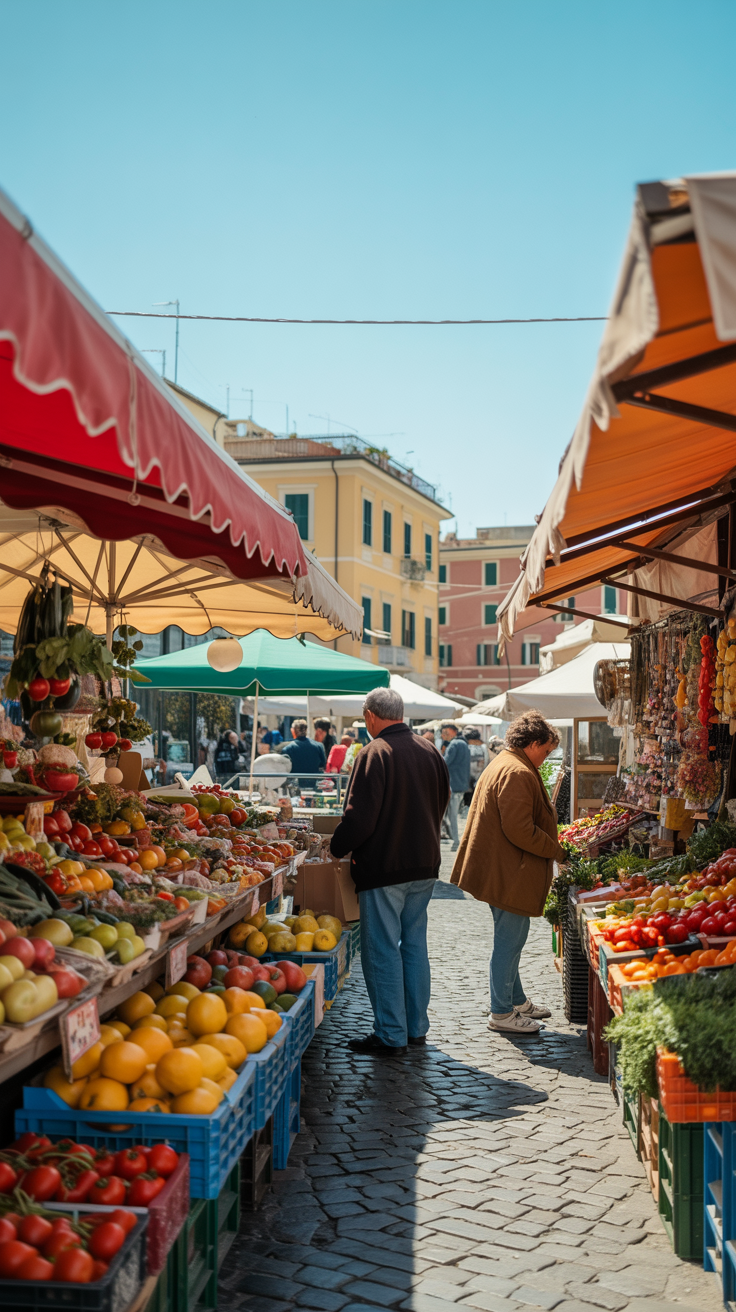
The market in Civitavecchia sets up in the main squares and streets a few times a week. It’s not a tourist market—it’s where people buy their vegetables, cheese, olives, and fish. You’ll see older women inspecting tomatoes like they’re conducting surgery, and stallholders shouting prices in rapid Italian. This is the real food culture, not the sanitised version. Bring a waterproof dry bag if you’re picking up fresh produce or anything that might leak—it’s perfect for protecting your other belongings.
For restaurants, avoid anything with laminated menus in four languages. The best places are the ones where the staff look mildly surprised to see a tourist. Look for handwritten menus, locals filling the tables at lunch, and a relaxed pace. When you’re choosing where to eat in Civitavecchia, the best restaurants in Civitavecchia are the family-run spots in the old town near the fortress.
- What to order: Spaghetti alle vongole (clams), linguine ai frutti di mare, or whatever grilled fish the waiter recommends
- Lunch timing: Italians eat lunch around 1-2pm; restaurants may look closed before then
- Antipasti: Ask for the mixed seafood starter—usually includes marinated octopus, anchovies, and whatever else came in fresh
- Wine: House wine by the carafe is almost always good and cheap
The gelaterias in the old town make their gelato fresh. Look for natural colours, not neon, and flavours that change with the season. Lemon, pistachio, and hazelnut are reliable indicators of quality. If the gelato is piled high in those fluffy peaks, walk past—it means it’s been whipped full of air.
The Old Town You Didn’t Know Existed
Civitavecchia’s centro storico is small but genuine. There are no grand palaces or famous museums, just narrow lanes, neighbourhood churches, and the kind of everyday Italian life that doesn’t make it into guidebooks. You’ll find small shops selling actual useful things, not snow globes, and cafes where the locals sit outside reading the paper for an hour over a single espresso.
- Piazza Vittorio Emanuele: Main square with cafes and a relaxed evening atmosphere
- Cathedral of St. Francis of Assisi: Quiet, simple, and usually empty—worth a quick look inside
- Lungomare: The seafront promenade is perfect for an evening walk after dinner
- Local shops: Small alimentari (food shops) sell fresh bread, local cheeses, and cured meats if you want to put together a picnic
The pace is slower here. No one’s rushing. You can sit at a cafe for as long as you want without anyone trying to turn the table. If you’re carrying valuables while exploring, consider using an anti-theft backpack or secure messenger bag to keep your belongings safe while you wander the narrow streets. It’s the kind of place where doing very little feels exactly right.
Why You Should Actually Stay Overnight
Most cruise passengers treat Civitavecchia as a place to get out of as quickly as possible. If you’re thinking about whether you should stay in Civitavecchia the night before your cruise, the answer is probably yes—especially if your ship leaves early or you want to avoid the stress of a tight connection. Hotels in Civitavecchia are significantly cheaper than anything you’ll find in Rome, and the town has a completely different atmosphere once the cruise ships have sailed and the day-trippers have left.
- Evening atmosphere: The old town comes alive after dinner with locals out for their passeggiata (evening stroll)
- Restaurant availability: You’ll actually get a table at the good places without a reservation
- Stress-free boarding: You can walk to the port in the morning instead of worrying about traffic or train delays
- Better value: Accommodation costs a fraction of Rome prices, and the quality is often better
If you’re exploring multiple Mediterranean cruise ports in Italy, Civitavecchia makes a practical and pleasant base. Want to know more about getting around the area and transport options? Check out our guide to the Rome cruise port for detailed information on trains, shuttles, and parking.
Practical Details That Matter
Getting around Civitavecchia is straightforward. The town is small enough to walk, and local buses connect the port area to the beaches and train station. If you’re heading to Rome, the regional train line runs regularly—about 60-90 minutes depending on stops—and costs a fraction of the organised shore excursion price.
Don’t forget to bring a European power adapter for charging your devices, and pack a high-capacity portable charger or portable charger with built-in cables for those long days of exploring.
| Transport Option | Details | Best For |
|---|---|---|
| Train to Rome | Regional service, 60-90 mins to Termini | Day trips, budget travel |
| Port shuttle | Shared service to Fiumicino or Rome centre | Cruise passengers with luggage |
| Local bus | Connects port, town centre, beaches | Beach trips, local exploring |
| Walking | Most of town centre within 15-20 mins | Old town, fort, restaurants |
If you’re driving, the port has several parking facilities. Cruise Parking near Pier 25 is closest for MSC passengers, while Nord Parking serves ferry users and general port visitors. Both offer free shuttles to terminals and can be booked in advance through Port Mobility—highly recommended during busy cruise periods.
What This Isn’t
Let’s be clear: Civitavecchia isn’t going to compete with Rome for historical landmarks or museum collections. It doesn’t have the Colosseum or the Sistine Chapel. The beaches aren’t the pristine white sand of the Caribbean. The restaurants aren’t Michelin-starred.
What it does have is authenticity and a complete absence of tourist infrastructure designed to extract money from you as efficiently as possible. If you need every day of your cruise to be filled with famous landmarks and organised activities, you’ll probably find Civitavecchia underwhelming. But if you’re tired of fighting crowds and paying inflated prices for mediocre experiences, it’s quietly excellent.
Personal Experience
We made the decision to skip the Rome day trip and spend our time actually exploring Civitavecchia, and honestly, it felt like we’d stumbled onto something most cruise passengers were missing entirely. While everyone else was boarding buses at dawn, we walked down to the Pirgo beach with our towels and had the sand practically to ourselves. The water was clear, the locals were friendly, and we grabbed fresh focaccia from a tiny bakery nearby that didn’t even have a sign in English.
The real highlight was wandering through Fort Michelangelo without fighting through crowds or listening to tour guides on megaphones. We took our time, sat on the old walls looking out at the sea, and then got completely lost in the morning market where this older woman insisted we try her olives before buying anything. There’s something really satisfying about sitting at a cafe where you’re the only non-Italian at the table, watching the port town go about its actual day. Rome will always be there, but these quiet moments in Civitavecchia felt like the Italy we were actually looking for.
Common Questions & FAQ
Is there enough to do in Civitavecchia for a full day?
Yes, but it depends on what you’re after. If you want museums and famous monuments, probably not. But if you’re happy with a morning at the beach, lunch at a local trattoria, a walk around the fort and old town, and a relaxed afternoon without queues or tour buses, you’ll fill the day easily. The appeal is in the slower pace and authenticity rather than ticking off landmarks.
Can you really walk to beaches from the cruise port?
You can walk to Pirgo beach in about 20-25 minutes from the port, though it’s not the most scenic walk—mostly along roads. The easier option is catching a local bus, which runs regularly and costs very little. La Frasca beach is slightly further but also accessible by bus. Neither requires any advance planning or booking.
Are restaurants open early enough for cruise passengers?
Italian restaurants typically open for lunch around 12:30-1pm and dinner around 7:30-8pm. If your ship leaves early afternoon, you might miss traditional lunch service. However, cafes and bakeries open early for breakfast (cornetti and coffee), and some places near the port cater to cruise schedules. For evening dining, you’ll have no problems.
Do you need to book Fort Michelangelo tickets in advance?
No. The exterior and harbour walls are free to explore and you can just turn up. Occasionally the fort hosts events which might limit access, but generally you can walk around whenever you like during daylight hours. There’s no ticket office or formal entry system for the public areas.
Is Civitavecchia walkable if you have mobility issues?
The old town has cobblestones and some uneven surfaces, particularly around the fort. The seafront promenade (lungomare) is flat and easy to navigate. Distances within the town centre are manageable, but the walk to beaches might be challenging. Taxis and local buses are readily available if walking is difficult. If you do plan to walk extensively, blister prevention products can be a lifesaver on those cobblestone streets.
What’s the market schedule?
The main street market typically operates a few mornings a week, usually including Saturday. Exact days can vary, so ask at your hotel or check locally when you arrive. It usually starts around 8am and winds down by early afternoon. This is a working market for locals, not a tourist attraction, so don’t expect crafts or souvenirs—just proper food and household goods.
Should you take euros or can you use cards?
Bring cash. Smaller restaurants, market stalls, and cafes often don’t accept cards or have minimum card payment amounts. Larger restaurants and hotels will take cards, but having €20-50 in cash for daily expenses (coffee, snacks, market purchases) will make things much easier. ATMs are available in the town centre.
Can you store luggage if you’re staying overnight before or after a cruise?
Most hotels in Civitavecchia will store luggage if you’re checking out early or arriving before check-in, particularly if you explain you’re connecting with a cruise. Some hotels near the port specifically cater to cruise passengers and have proper luggage storage facilities. Always confirm when booking if this is important to you. If you’re travelling with multiple bags, a luggage scale helps you avoid overweight fees, and durable hardside carry-on luggage makes navigating cobblestone streets much easier.