
Most cruise passengers treat Civitavecchia as a mere gateway to Rome, spending their entire port day fighting crowds at the Colosseum. But the Lazio coastline around the port hides some genuinely charming seaside towns that offer a completely different kind of Italian experience. These spots are where Romans themselves come to escape the city heat, and they’re ridiculously easy to reach if you’ve got a few hours before embarkation or after disembarkation.
The coastal stretch between Civitavecchia and Rome is dotted with traditional beach towns, medieval villages, and surprisingly good seafood restaurants that haven’t been overrun by tour groups. If your ship arrives early or departs late, or if you’re staying in Civitavecchia the night before your cruise, these towns provide a proper slice of coastal Italian life without the hassle of a Rome day trip.
Santa Marinella: The Closest Proper Beach Town
Santa Marinella sits just 15 minutes north of Civitavecchia by train and is hands-down the most convenient coastal escape. The train station literally opens onto the beach promenade, which means you can be eating gelato by the water within 20 minutes of leaving your ship. The town has a proper sandy beach mixed with some rocky sections, and the water quality is genuinely excellent compared to many Mediterranean port areas.
The main lungomare (seafront walkway) stretches for a couple of kilometres and is lined with beach clubs, casual trattorias, and the occasional bar where locals gather for morning coffee. Unlike resort beaches, Santa Marinella functions as a real working town where Italian families actually live, which means the restaurants serve food aimed at regulars rather than tourists passing through once.
What makes Santa Marinella work for cruise passengers:
- Frequent regional trains from Civitavecchia (roughly every 20-30 minutes during the day)
- Journey takes about 10-15 minutes and costs just a few euros
- Beach access is immediate from the station – no taxi needed
- Proper facilities including showers, changing rooms, and beach chair rentals
- Several authentic seafood spots that don’t bother with English menus
- Castle of Santa Severa sits right on the beach within the town area, offering a bit of history if you fancy it
The beach clubs (stabilimenti) rent umbrellas and loungers for reasonable day rates, but there are also free public beach sections if you bring your own quick-dry beach towel. Morning visits are calmer, whilst afternoons get busier with locals finishing work. If you’re looking for things to do in Civitavecchia when you have time to kill, this is your best bet for actual seaside relaxation.
Tarquinia: Medieval Town Plus Etruscan History
Tarquinia sits about 20 kilometres north of Civitavecchia and offers something completely different from beach lounging. The medieval hilltop town has maintained its original character, with narrow stone streets, ancient churches, and virtually no cruise ship crowds. The real draw here is the Etruscan necropolis – a UNESCO World Heritage site featuring painted tombs from around 2,500 years ago that are frankly astonishing if you’ve got any interest in archaeology.
Getting to Tarquinia requires either a rental car (about 25 minutes from the port) or a regional train to Tarquinia station followed by a local bus up to the old town. It’s more effort than Santa Marinella but rewards you with a proper medieval Italian town experience. The Lido di Tarquinia area provides beach access if you want to combine history with swimming.
Why Tarquinia is worth the extra travel time:
- The painted Etruscan tombs are genuinely unique and rarely crowded
- Medieval town centre feels authentically Italian without tourist tat
- Excellent local restaurants serving traditional Lazio cuisine at proper local prices
- Combines well with beach time at Lido di Tarquinia if you’ve got a car
- Makes a strong alternative if you’ve already done Rome multiple times
The Museo Nazionale Tarquiniense houses additional Etruscan artefacts if you’re into that sort of thing. Most restaurants in this area focus on seafood and traditional pasta dishes, with the daily specials typically offering whatever’s fresh from the morning catch.
Other Coastal Villages Worth Your Time
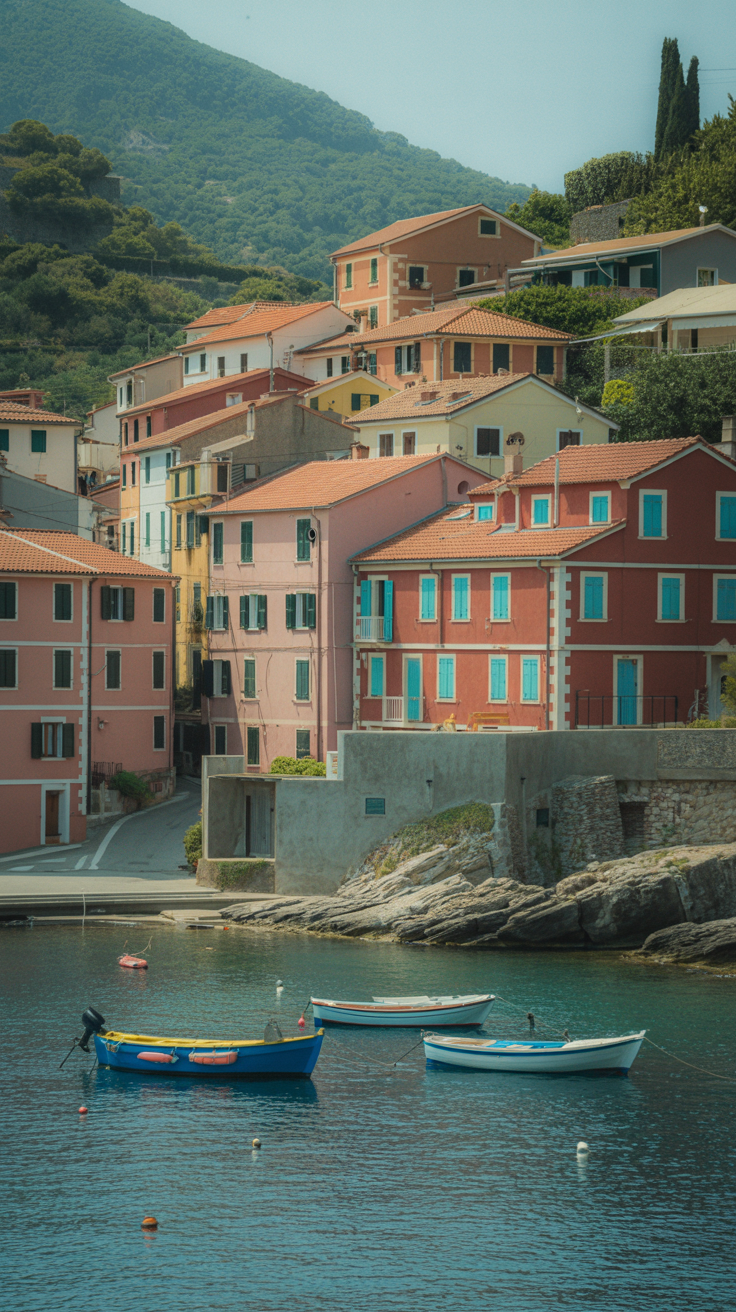
Santa Severa
Technically part of the Santa Marinella area, Santa Severa has its own distinct character built around an impressive seaside castle (Castello di Santa Severa). The fortress sits directly on the beach and occasionally hosts exhibitions and events. The area around it has several casual lunch spots and beach clubs that are slightly quieter than central Santa Marinella.
Ladispoli and Cerveteri Coast
These towns sit slightly south of Civitavecchia and blend suburban Italian life with beach access. They’re less polished than Santa Marinella but offer an even more local experience. Cerveteri itself is famous for another Etruscan necropolis (the Banditaccia necropolis), whilst the coastal strip has family-run trattorias and unpretentious beach areas. You’ll need a car to explore this area properly.
Marina di Tarquinia
The beach extension of Tarquinia town offers long sandy stretches and is popular with Italian families during summer. It’s less architecturally interesting than the hilltop town but provides straightforward beach access with decent facilities and several seafood restaurants along the waterfront.
Practical Transport and Timing
The regional FL5 train line connects Civitavecchia with Rome but also services the coastal towns heading north. These trains run frequently throughout the day, making spontaneous beach trips entirely feasible. Tickets are cheap (usually under €5 for short hops) and can be purchased at the station or via the Trenitalia app. If you’re planning to charge devices during your journey, bring a European power adapter and keep a portable charger in your anti-theft backpack for long days out.
Realistic timing for cruise passengers:
- Pre-cruise (day before embarkation): Full day available for Tarquinia or extended Santa Marinella visit with lunch and swimming
- Embarkation day morning: Quick 2-3 hour Santa Marinella visit possible if your ship doesn’t require early boarding
- Disembarkation day: Perfect if you have an evening flight – train from Civitavecchia to Santa Marinella, then continue to Rome Fiumicino airport via Roma Termini connections
- Port day alternative to Rome: Full day at Tarquinia or leisurely Santa Marinella beach day for those who’ve seen Rome before
If you’re planning a Rome day trip as well, these coastal towns work brilliantly as morning or evening bookends. Many cruise passengers don’t realise you can easily combine a few hours at Santa Marinella with an afternoon in Rome by simply hopping back on the same train line.
Beach Access and Facilities
Italian beaches operate differently from British or American ones. Most of the good stretches are occupied by stabilimenti (private beach clubs) that rent umbrellas, loungers, and changing facilities. You pay for the day and get assigned a spot with two loungers and an umbrella. Prices vary but expect around €15-30 for a basic setup.
Public beach sections (spiaggia libera) exist but are smaller and fill up quickly in summer. They’re perfectly fine if you bring your own towel and don’t mind claiming a spot earlier in the day. The water quality along this stretch of Lazio coast is generally very good, with clear visibility and gentle entry suitable for families.
What you’ll actually need:
- Beach towel if using public sections (stabilimenti provide loungers)
- Cash for beach club rentals and small trattorias (cards accepted but not universal)
- Reef-safe sunscreen – the Italian sun is stronger than you think, especially with sea reflection
- Water shoes optional but helpful on rockier sections
- Light cover-up for walking to restaurants (Italians dress up a bit more than typical beach resort standards)
- A waterproof phone pouch to protect your devices near the water
- Collapsible water bottle to stay hydrated without taking up bag space
The beaches around Santa Marinella and Tarquinia are proper swimming beaches rather than just photo opportunities. Locals use them seriously throughout summer, which tells you everything about their quality and accessibility.
Food and Restaurant Reality
The coastal towns around Civitavecchia haven’t been sanitised for international tourists, which means menus are often Italian-only and service can be wonderfully indifferent. This is actually a good thing. You’ll eat what Romans eat when they come to the beach: simple grilled fish, spaghetti alle vongole (clams), fritto misto (mixed fried seafood), and whatever else came off the boats that morning.
Lunch typically runs from 12:30-15:00, and many places close between lunch and dinner service. Don’t expect the kind of all-day dining you might find in more touristy areas. The daily specials board is usually where the best stuff hides, featuring whatever’s seasonal and fresh.
Dishes worth ordering in coastal trattorias:
- Spaghetti alle vongole (clams) – the default test of any seaside restaurant
- Fritto misto – mixed fried seafood including calamari, small fish, and prawns
- Branzino or orata alla griglia – grilled sea bass or sea bream, usually served whole
- Insalata di mare – cold seafood salad with octopus, prawns, and squid
- Pasta con ricci – sea urchin pasta if you’re feeling adventurous and it’s in season
Want to know more about dining options near the cruise port? The Civitavecchia port area itself has limited good restaurants, which makes these coastal towns even more valuable for proper Italian meals.
Combining Coastal Towns with Rome Trips
One of the smartest moves is treating these towns as part of your Rome logistics rather than a separate decision. The train connections make it entirely feasible to spend a morning at Santa Marinella beach, then continue to Rome for an afternoon, or reverse that itinerary on the way back to your ship.
The regional FL5 trains heading from Civitavecchia towards Rome stop at Santa Marinella, making the routing dead simple. You can break your Rome journey with a swim and lunch, which honestly makes for a much more relaxed day than the standard cruise passenger sprint through Roman attractions.
Sample combined itinerary:
- 08:00 – Train from Civitavecchia to Santa Marinella
- 08:30-12:00 – Beach time, coffee, and swimming
- 12:30 – Lunch at local trattoria
- 14:00 – Train continues to Roma Termini (about 40 minutes)
- 14:45-19:00 – Afternoon in Rome hitting main sights
- 19:30 – Return train to Civitavecchia
This approach works particularly well if you’ve got teenagers or family members who aren’t bothered about spending an entire day museum-hopping in Rome. It also helps if you’re visiting multiple Italian ports on your cruise and Rome fatigue is setting in.
Extend Your Stay in the Lazio Coast
If you’re considering arriving a day early or staying after your cruise, the coastal area around Civitavecchia offers considerably better value and atmosphere than the port town itself. Hotels in Santa Marinella and Tarquinia provide proper seaside accommodation at a fraction of Rome prices, with beach access and local restaurants within walking distance.
Small family-run hotels and guesthouses in these towns give you an authentic Italian coastal experience that’s completely different from cruise ship life. The pace is slower, the food is better, and you’ll actually interact with Italians going about their normal lives rather than tourist industry workers. Pack your belongings in compression packing cubes to maximize luggage space, and bring a hanging toiletry bag that works well in smaller hotel bathrooms.
Accommodation prices drop significantly compared to Rome or major resort areas, particularly if you’re visiting outside peak summer months. Several properties sit directly on the lungomare with sea views and immediate beach access, which makes for a genuinely relaxing pre or post-cruise buffer. The train connections mean you can still reach Rome or the airport easily whilst enjoying a much more pleasant base. A luggage scale comes in handy when repacking after picking up local products and souvenirs.
Personal Experience
We spent a morning in Santa Marinella before our cruise departure, and it turned out to be one of those perfect, unplanned highlights. The town sits just 10 minutes from Civitavecchia by train, and the beach stretches right along the station. We grabbed cornetti from a local bakery and walked barefoot along the shoreline whilst watching Italian families set up their umbrellas for the day. The water was incredibly clear, and the whole vibe felt authentically local rather than touristy.
If you have more time, Tarquinia is absolutely worth the 20-minute drive inland. We visited the Etruscan necropolis there, which sounds incredibly boring but was actually fascinating – ancient painted tombs that are thousands of years old. The medieval town centre has narrow cobblestone streets and a couple of great lunch spots where nobody speaks English and the pasta is ridiculously good. Both towns gave us a much better feel for this part of Italy than just rushing straight to Rome. The coastal villages around here move at their own pace, and honestly, that’s exactly what you need before or after dealing with cruise crowds.
Common Questions & FAQ
Can you reach Santa Marinella if your cruise ship docks early morning?
Yes, easily. Trains from Civitavecchia to Santa Marinella start running around 06:00 and the journey takes just 10-15 minutes. If your ship docks at 07:00 and you’re not bothered about rushing to Rome, you could be on the beach by 08:30 with your bags stored at the train station. Just check your ship’s latest boarding time and work backwards – you’ll want to be back at the port at least two hours before departure to avoid anxiety.
Are the beaches suitable for families with young children?
Absolutely. The beaches around Santa Marinella have gentle entries into calm water, and many stabilimenti cater specifically to families with kids’ areas and facilities. The water is clean and visibility is good, making it easy to keep an eye on swimmers. Public beaches can get crowded, so arriving earlier or renting a spot at a beach club gives you more space and amenities like showers and changing rooms that make life easier with children. A waterproof dry bag keeps valuables safe whilst the kids are playing in the water.
How much does a beach club rental cost in Santa Marinella?
Expect to pay between €15-30 for a daily umbrella and two loungers setup at most stabilimenti. Prices vary by location and season, with beachfront spots and peak summer weekends commanding higher rates. Some places offer half-day rates if you’re only staying a few hours. Public beach sections are free but you’ll need to bring everything yourself and space is limited during busy periods.
Is Tarquinia worth visiting if you only have a few hours?
It depends on your interests. The Etruscan necropolis alone takes about 90 minutes to see properly, and the medieval town warrants another hour or two for wandering and lunch. If you’ve got less than four hours total, Santa Marinella makes more sense because it’s quicker to reach and doesn’t require multiple transport connections. Save Tarquinia for when you have a proper half-day or full day available, or if you’ve specifically interested in archaeological sites. Comfortable walking shoes for men or walking shoes for women are essential for exploring the cobblestone streets.
Can you store luggage anywhere if you want to visit these towns on disembarkation day?
The Civitavecchia train station has left-luggage facilities where you can store bags whilst exploring Santa Marinella or heading to Rome. It’s not always well-signposted but ask at the ticket office and they’ll point you towards it. Some beach clubs in Santa Marinella may also store bags if you’re renting chairs and explain you’re between trains, though this isn’t guaranteed. Just don’t leave valuables unattended on public beaches. Having a secure anti-theft messenger bag for documents and essentials gives peace of mind.
Do restaurants in these coastal towns accept credit cards?
Most do, but cash remains more reliable especially at smaller beach trattorias and bars. Italian card acceptance has improved but isn’t universal, particularly in family-run places that cater primarily to locals. Bring enough cash to cover a meal and beach rentals to avoid awkward situations. ATMs are available in town centres if you need to withdraw more.
What’s the sea temperature like around Santa Marinella?
The Tyrrhenian Sea here warms up nicely from late May through October. Peak summer months (July-August) see temperatures around 24-26°C, which is genuinely pleasant for swimming. Spring and autumn are cooler (18-22°C) but still swimmable if you don’t mind bracing water. Winter is pretty cold for anything beyond a quick dip, though you’ll see hardy locals swimming year-round. The beaches themselves are enjoyable for walking and lunch even when swimming isn’t ideal. A rash guard for men or rash guard for women provides sun protection during extended water time.
Is it better to rent a car or use trains for visiting multiple coastal towns?
Trains work brilliantly for Santa Marinella and the immediate coast because stations are frequent and well-located. A car becomes more valuable if you want to explore Tarquinia’s hilltop town, Cerveteri’s archaeological sites, or multiple beach areas in one day. Parking can be tricky in town centres during summer but is generally manageable. For a single town visit on embarkation or disembarkation day, trains are simpler and cheaper. For a full day exploring multiple locations, especially with family, a rental car offers more flexibility. Keep your valuables organized with a cable organizer for travel and store important items in travel shoe bags tucked into your luggage.