
Getting from Venice’s cruise terminals to St Mark’s Square is actually simpler than most first-timers think, though the port layout and multiple transport options can feel confusing when you first step off the ship. The good news? You’ve got several solid choices, and the “best” one depends entirely on your budget, group size, and how much you value speed over experience.
Most cruise ships dock at either the Marittima terminals or San Basilio, both part of Venice’s main cruise port area. From there, you’re looking at roughly 25-35 minutes by private water taxi or 20-30 minutes by public vaporetto to reach St Mark’s Square. The key is understanding what you’re actually paying for with each option.
The ACTV Vaporetto: Your Best Budget Option
The ACTV vaporetto is Venice’s public water bus system, and it’s the go-to choice for most savvy cruise passengers. You’ll board from either Piazzale Roma or Tronchetto, depending on which terminal you’re docked at. Most ships provide a free shuttle to get you to these vaporetto stops, though some terminals are close enough to walk.
What you need to know:
- Single ride tickets cost around €7.50 per person
- 24-hour passes run about €20-€25 (worth it if you’re planning multiple trips)
- Travel time: 20-25 minutes from Piazzale Roma, 25-30 minutes from Tronchetto
- Boats run frequently throughout the day, typically every 10-20 minutes
- Luggage space can get tight during peak morning disembarkation times
The vaporetto isn’t just about saving money. You’re getting a genuine Venetian experience, traveling the same routes locals use daily. The views along the Grand Canal are spectacular, and you’ll pass iconic sights that private taxi passengers zoom past too quickly to appreciate properly. Want to know more about the cruise port layout and which terminal you might dock at, check our detailed port guide.
Which Line to Take
Line 5.1 or 4.1 are your fastest public options, taking roughly 18-23 minutes from Piazzale Roma to Sala San Marco. These lines have fewer stops than the famous Line 1, which meanders along the Grand Canal making multiple stops. Line 1 is scenic but slower, adding 10-15 minutes to your trip.
Here’s something most guides won’t tell you: if you’re not in a rush, Line 1 is actually the better choice. Yes, it’s slower, but you’re passing the Ca’ d’Oro, the Rialto Bridge, and dozens of palazzo facades that you’d pay €80+ to see on a dedicated canal tour. The extra 15 minutes gives you a floating introduction to Venice that’s worth far more than the time saved.
Private Water Taxis: When They’re Worth It (and When They’re Not)
Private water taxis are the glamorous option, and you’ll see them lined up at the cruise terminals looking very appealing after a long morning of disembarkation. They cost €110-€130 for up to 10 passengers, taking 25-35 minutes door-to-door.
The maths:
- Solo traveler or couple: €110 ÷ 2 = €55 per person (versus €7.50 on the vaporetto)
- Family of four: €110 ÷ 4 = €27.50 per person
- Group of eight: €110 ÷ 8 = €13.75 per person (suddenly looking sensible)
Water taxis make genuine sense in specific situations. If you’re traveling with elderly passengers who struggle with steps, have mobility issues, or you’re hauling excessive luggage, the door-to-door service is genuinely valuable. They also work brilliantly for larger groups where the per-person cost drops to reasonable levels.
But here’s the reality most people miss: that 25-35 minute journey isn’t dramatically faster than the vaporetto’s 20-30 minutes. You’re paying primarily for convenience and privacy, not speed. The water taxi drops you at a private jetty closer to your exact destination, which saves some walking, but Venice is a walking city anyway. If you’re comparing water taxis to vaporettos purely on time saved, the premium rarely makes financial sense for small groups.
Booking Private Water Taxis
If you do decide on a private taxi, book in advance through your ship’s shore excursion desk or a reputable provider. Fixed-price bookings prevent the awkward price negotiations that can happen at the terminal, and you’ll have a driver waiting with your name on a sign. Last-minute bookings at the terminal usually work fine, but prices can be slightly higher and you might wait 10-15 minutes during busy periods.
The Alilaguna Water Bus: A Middle Ground
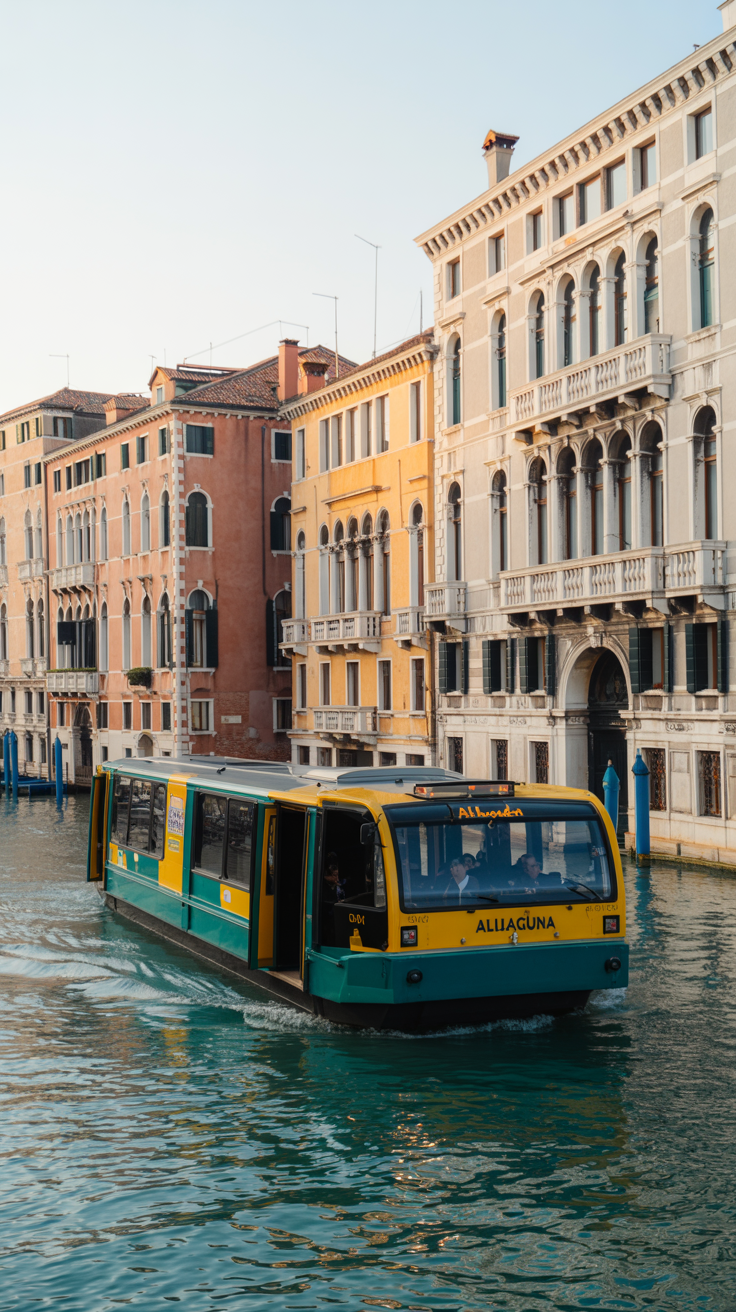
Alilaguna operates direct water bus services from the cruise port to central Venice, with the Blu and Arancio lines being most relevant for St Mark’s. These cost €15-€20 per person for a single ride and take roughly 60-90 minutes depending on stops.
Honestly? For most cruise passengers, Alilaguna doesn’t make much sense. You’re paying double or triple the ACTV vaporetto price for a journey that takes significantly longer. The boats are comfortable and the routes scenic, but unless you’re staying near a specific Alilaguna stop that’s awkward to reach via ACTV, stick with the regular vaporetto.
The one exception: if you’re heading to a hotel near the cruise terminals for a pre- or post-cruise stay, Alilaguna’s connections to the airport can be convenient. But for the cruise port to St Mark’s run, it’s not your best option.
The ATVO Shuttle Plus Vaporetto Combo
Some guides recommend taking an ATVO shuttle bus from the cruise terminal to Piazzale Roma, then connecting to a vaporetto. The shuttle costs around €8, plus another €7.50 for the vaporetto ticket, with total travel time around 60-90 minutes including transfers.
This made more sense years ago when cruise terminal layouts were different. Now, most ships either dock close enough to walk to the vaporetto stops, or provide free shuttle buses to Piazzale Roma. You’re essentially paying €8 for a service you probably don’t need, while adding transfer time and luggage hassle. Skip this option unless your specific terminal situation makes it necessary.
Timing Your Departure From the Ship
Here’s what veteran cruise passengers know: the worst time to leave your ship is during the initial rush. Between 8:00-9:30 AM, everyone’s trying to get to St Mark’s simultaneously. The vaporetto stops get crowded, finding space for luggage becomes competitive, and you’ll spend more time queuing than you save by leaving early.
If you’re on a turnaround cruise (starting or ending in Venice), aim to disembark after 9:30 AM when the crowds thin. You’ll breeze through customs, walk straight onto a vaporetto with plenty of space, and have a far more pleasant experience. If you’re on a port call with the ship departing the same day, you’ve got all day anyway so there’s no rush.
The exception: if you have tight flight connections or a pre-booked tour with a fixed start time, obviously leave when you need to. But for general sightseeing, patience pays off.
What About Luggage?
Vaporettos have designated luggage areas, but space is limited and operates on a first-come basis. Large suitcases are manageable but awkward during peak times. If you’re doing a turnaround cruise with significant luggage, this is where private water taxis earn their keep. The driver handles your bags, loads them safely, and drops you at a jetty within easy rolling distance of your hotel.
For day-trippers with just a daypack or small bag, the vaporetto handles luggage fine. Many cruise passengers overthink this. A standard carry-on sized bag fits easily in the luggage areas, and locals are generally helpful if you’re struggling with stairs. If you’re concerned about managing multiple bags, investing in compression packing cubes can help you consolidate belongings into fewer pieces of luggage, and a quality hardside carry-on makes navigating Venice’s bridges and cobblestones much easier than dragging soft-sided luggage.
Understanding Vaporetto Tickets and Validation
Buy tickets before boarding from the machines at Piazzale Roma or Tronchetto, or from ticket offices at the vaporetto stops. You can buy tickets on board but prices are slightly higher. Validate your ticket at the card readers before boarding – yes, they do check, and fines for riding without a validated ticket are steep.
The 75-minute ticket is cheapest but tight for any delays. If you’re planning to return to the ship later or do any additional vaporetto trips, the 24-hour pass (€20-€25) offers better value and eliminates the stress of timing. Calculate roughly: if you’re making more than three trips, the day pass saves money.
Ticket Options at a Glance
| Ticket Type | Price | Best For |
|---|---|---|
| Single ride (75 min) | €7.50 | One direct trip to St Mark’s |
| 24-hour pass | €20-€25 | Multiple trips or return to ship |
| 48-hour pass | €30-€35 | Extended stays with lots of transport |
Alternative Routes and Hidden Tips
Most guides focus on the direct Piazzale Roma to St Mark’s route, but if you’re comfortable with Venice’s layout, some alternatives offer better experiences. Line 2 circumnavigates Venice anti-clockwise, giving you views of both the Giudecca Canal and the Grand Canal. It takes slightly longer but shows you parts of Venice most cruise passengers miss entirely.
If your ship docks at San Basilio (less common but it happens), you’re actually closer to St Mark’s than ships at Marittima. The walk to the nearest vaporetto stop is shorter, and some passengers even walk the entire distance in about 35-40 minutes if they’re feeling energetic and traveling light.
Here’s something truly useful: the vaporetto stop closest to St Mark’s Square is actually called “Vallaresso/San Marco” or “San Zaccaria,” depending on your line. Both are within a two-minute walk of the square. Don’t get off at “Rialto” thinking it’s close – you’ll add a 15-minute walk through crowded streets.
Port Transfers for Mediterranean cruise itineraries
If you’re doing a Mediterranean cruise that includes multiple Italian ports, Venice’s transport setup is actually one of the easiest. Compare it to getting from Civitavecchia port to Rome, which involves either a €6 shuttle plus a one-hour train journey, or expensive private transfers. Venice’s cruise terminals are genuinely close to the main attraction, making independent transport far more practical than at most major Mediterranean cruise ports.
Essential Items for Your Venice Port Day
Venice in autumn and winter can be surprisingly chilly, especially out on the water. If you’re cruising October through March, pack a lightweight packable jacket for women or men’s lightweight puffer that won’t take up much space in your daypack but provides warmth when the wind picks up on the vaporetto. Spring cruises often bring unpredictable showers, so having a water-resistant rain jacket makes the difference between enjoying your day and rushing back to the ship soaked.
Since you’ll be spending the day exploring, a portable phone charger is essential for navigation, photos, and staying in touch with travel companions. Venice’s winding streets can drain your battery quickly with constant map checking. Keep your valuables secure with an anti-theft backpack or crossbody messenger bag designed for crowded tourist areas – St Mark’s Square attracts pickpockets, and vigilance pays off.
If you’re bringing any electronics, remember that Italy uses European power outlets. A universal power adapter lets you charge devices back on the ship or in your hotel if you’re extending your stay. For turnaround passengers managing luggage, packing cubes keep everything organized during the transition from ship to hotel, and separate bags for shoes prevent dirt from transferring to your clean clothes.
Extend Your Stay in Venice
Many cruise passengers book hotels in Venice for a night or two before or after their cruise, and this is genuinely worth considering. Venice deserves more than the 6-8 hours a port call allows, and staying overnight lets you experience the city after day-trippers leave. Accommodation near St Mark’s commands premium prices, but areas like Cannaregio or Dorsoduro offer better value while remaining walkable to major sights.
Hotels in Venice fill quickly during cruise season, so book well in advance if you’re planning to extend your stay. The best accommodation for cruise passengers is often within a 10-minute vaporetto ride of the cruise terminals, giving you easy luggage transport on arrival and departure days while keeping you close to Venice’s highlights. Many hotels offer water taxi transfers for a fixed price, which can be worth arranging for the convenience alone.
If you’re staying in Venice, a compact travel steamer helps freshen up clothes that have been packed in your cruise luggage, and a hanging toiletry bag makes organizing hotel bathrooms much simpler. For those spending extra days exploring, comfortable walking shoes for men or supportive walking shoes for women are non-negotiable – Venice involves hours of walking on uneven cobblestones and countless bridge steps. Add blister prevention products to your kit if you’re prone to foot issues, as there’s nothing worse than limping through Venice’s beautiful streets.
Personal Experience
When our cruise docked at Venice’s terminal, I was overwhelmed by the transport options to St Mark’s Square. The ACTV waterbus turned out to be the smartest choice – line 2 took about 40 minutes and cost just €9.50 per person. Sure, it made several stops, but honestly, cruising past the Giudecca and watching Venice unfold from the water was half the fun. The boats run frequently, so we didn’t waste time waiting around either.
I did eye those sleek water taxis at the port, and while they look tempting when you’re tired from travel, the €60-80 price tag for basically the same journey felt steep. The only time I’d say they’re worth it is if you’re traveling with a group of five or six people, which brings the per-person cost down considerably. A couple we met splurged on a private water taxi thinking it would be much faster, but they only beat us by about 15 minutes – hardly worth the extra cash when the public waterbus gets you there comfortably and lets you soak in the scenery without the pressure of an expensive meter running.
Common Questions & FAQ
How early should I leave the ship to get to St Mark’s Square?
For a relaxed experience, wait until 9:30-10:00 AM when the initial disembarkation rush clears. You’ll find emptier vaporettos, shorter queues at ticket machines, and a much more pleasant trip overall. If you must leave early for a tour or flight, aim for 8:00 AM sharp before the main crowd arrives, but expect busy boats and some jostling for space.
Can I walk from the cruise port to St Mark’s Square?
Technically yes, but it’s not practical for most people. The walk takes 50-70 minutes depending on your pace and how well you handle Venice’s bridges and narrow streets. If you’re docked at San Basilio and traveling very light, it’s doable and actually quite pleasant. From the main Marittima terminals, you’re better off taking water transport unless you’re specifically keen on a long walk through residential Venice. Wearing proper walking shoes is essential if you attempt this, as Venice’s cobblestones and bridge steps are unforgiving on feet.
Do vaporettos run early enough for early morning excursions?
ACTV vaporettos start running around 5:00-5:30 AM and continue until after midnight, so early morning departures are covered. However, frequency is reduced before 7:00 AM, with boats running every 20-30 minutes rather than every 10 minutes. If you’ve booked a shore excursion that departs at 7:00 AM, you’ll have vaporetto service available, just plan for potentially longer waits between boats.
Are water taxis available directly at the cruise ship?
Private water taxis wait at designated areas near the cruise terminals, usually clearly marked and within a short walk of your gangway. You can book on the spot, though you’ll likely pay slightly more than pre-booking. During very busy turnaround days with multiple ships, expect short waits of 10-20 minutes for an available taxi. The ship’s shore excursion desk can also arrange private water taxis with guaranteed availability at your preferred time.
What happens if I miss the last vaporetto back to my ship?
Vaporettos run until around midnight, giving you plenty of time to return from St Mark’s to the cruise terminals. If you somehow miss the last public boat, private water taxis operate 24 hours and will get you back to your ship, though you’ll pay premium late-night rates of €150-200. Check your ship’s all-aboard time carefully – most cruise lines require you back at least 30 minutes before departure, not at departure time itself.
Can I use my vaporetto ticket to return to the ship later?
A single 75-minute ticket only covers one journey, so you’ll need either a second single ticket for the return or a 24-hour pass if you’re planning to come back to the ship. The 24-hour pass costs about €20-€25, roughly the same as three single tickets, so it makes financial sense if you’re doing any additional vaporetto trips during your port call. Validate day passes only once at the start of your first trip.
Is it worth paying extra for a private water taxi with young children?
This is one situation where private water taxis genuinely make sense. Young children struggle with crowded vaporettos, carrying them up and down steps with luggage is challenging, and the stress of managing everything in a rush isn’t worth the money saved. A private water taxi gives you space, flexibility with timing, help with luggage, and drops you closer to your exact destination. If you’re traveling as two families with children, splitting a €110-130 water taxi becomes very reasonable at €27-33 per family.
Are there luggage restrictions on vaporettos?
No official size restrictions exist, but space is limited and varies by boat. Standard cruise luggage (large suitcases) is allowed and common, but finding space during peak disembarkation times (8:00-9:30 AM) can be challenging. Locals and regular travelers often give pointed looks if you’re blocking walkways with excessive bags. One large suitcase and a carry-on per person is manageable; anything more and you should seriously consider a private water taxi for everyone’s comfort and sanity. Using compression packing cubes helps consolidate belongings into fewer bags, and a luggage scale prevents overpacking before you even leave home.
Last Updated: 10 January 2026