
Napier is one of the few cruise ports in New Zealand where the terminal experience doesn’t feel like an industrial afterthought. Your ship berths at dedicated cruise berths, the shuttle system is straightforward, and you’re in the heart of the Art Deco district within minutes. The port handles everything from mid-sized ships to large vessels using the Te Whiti 6 Wharf multi-purpose berth, which was added to boost capacity during the November to April cruise season. That said, not all mega-ships return each season. Ovation of the Seas, for instance, didn’t call during the most recent season, so always double-check the official Napier Port Cruise Schedule before you finalise your plans.
| Detail | Information |
|---|---|
| Port Name | Napier Port |
| Country | New Zealand |
| Region | Hawke’s Bay, North Island |
| Distance to Centre | Shuttle required, approximately 10 minutes to city centre/Marine Parade |
| Cruise Season | November through April (Southern Hemisphere summer) |
| Currency | New Zealand Dollar (NZD) |
| Language | English, Māori |
| Visa Requirements | Most cruise passengers enter visa-free or under NZeTA (check your nationality) |
Essential Port Day Checklist
- Confirm your ship’s arrival and departure times on the Napier Port Cruise Schedule page the day before you dock. Timings can shift with weather or port operations.
- Book wine tours in advance if Hawke’s Bay wineries are on your list. Independent operators like Gannet Safaris coordinate departure times with ship calls, but they fill up quickly during peak season.
- Bring sun protection. Hawke’s Bay summers are warm and UV levels are high. Hat, sunscreen and water are non-negotiable.
- Budget time for shuttle queues. Even though the port is efficient, you’ll queue twice: once getting off the ship, once boarding the shuttle to the i-SITE or town centre. Allow 30 minutes from cabin to shuttle drop-off.
- Download an offline Art Deco walking map before you leave the ship. Wi-Fi in town is patchy and you don’t want to waste time hunting for a paper copy.
- Check the weather forecast the night before. Coastal conditions can change quickly and you’ll want to know whether to pack a light jacket or commit fully to summer gear.
Port & Terminal Practicalities
Where Your Ship Docks
- Berthing location: Ships dock at dedicated cruise berths within Napier Port, including the newer Te Whiti 6 Wharf, which handles larger vessels. You’ll disembark into a secure port area, not directly onto a public street.
- Terminal facilities: The terminal itself is functional rather than luxurious. You’ll find basic seating, toilets, and often a welcome setup with Art Deco theming and local information. Don’t expect extensive shopping or cafes here, this is a working port.
- Wi-Fi: Available but unreliable. If you need to message home or check tour details, do it on the ship before you disembark.
- Currency exchange: Not at the terminal. There are ATMs and banks in the town centre if you need New Zealand Dollars, though most cafes and shops accept card payments.
- Luggage storage: Not offered at the terminal. If you’re staying in Napier after your cruise, arrange hotel storage in advance.
Getting Into Town
- Ship-provided shuttles: Most cruise lines run a shuttle service from the berth to the i-SITE Visitor Information Centre on Marine Parade or a nearby drop-off point in the city centre. Journey time is around 10 minutes. The shuttle is usually included in your cruise fare, but confirm this with your ship’s shore excursion desk.
- Taxis: Available at the port, but you’ll often find queues if multiple ships are in. Taxis to the town centre cost more than the shuttle but less than a private tour. Budget accordingly if you’re in a hurry.
- Private transfers: If you’ve booked a wine tour or private excursion, your operator will collect you from the ship or a designated meeting point near the berth. Gannet Safaris and other local companies align their schedules with cruise arrivals.
- Rental cars: Not practical for a day visit unless you’re exceptionally confident with New Zealand roads and have at least eight hours in port. The paperwork and return logistics eat into your time.
Walking Distance Realities
This is a working commercial port. You cannot walk from the berth to the town centre safely or legally. The shuttle is your only realistic option unless you’ve arranged a private pick-up. Once you’re dropped at the i-SITE or Marine Parade, the entire Art Deco district is walkable. The main sights, cafes and the waterfront promenade are within a 15-minute radius on foot. If you’re heading to Te Mata Peak or the Hawke’s Bay wine region, you’ll need a tour or taxi, those are 20 to 40 minutes’ drive from the port.
What to Do in Napier
Half-Day in Port (4–6 Hours)
- Self-guided Art Deco walk: Napier was rebuilt after a devastating earthquake in 1931, and the result is the most concentrated collection of Art Deco architecture in the Southern Hemisphere. Pick up a walking map from the i-SITE or download one in advance. Key buildings include the Daily Telegraph Building, the Municipal Theatre, and the ASB Bank on Emerson Street. Budget two hours if you’re stopping to photograph and read the plaques.
- Marine Parade stroll: The waterfront promenade runs parallel to the beach and is lined with gardens, statues, and cafes. It’s an easy flat walk and gives you decent views of Hawke Bay. The National Aquarium is here if you’re travelling with kids, though it’s not worth the entry cost if you’re short on time.
- Coffee and lunch in the CBD: Tennyson Street and Emerson Street have the best concentration of cafes and restaurants. Try Mister D, Pacifica or Milk & Honey for decent coffee and food that won’t leave you feeling ripped off.
- Art Deco Trust guided walk: If you prefer context with your architecture, the Art Deco Trust runs 90-minute guided walks that leave from the i-SITE. You’ll learn about the earthquake, the reconstruction, and the stories behind individual buildings. Book through your cruise line or directly with the Trust if you want guaranteed availability.
Full Day in Port (8+ Hours)
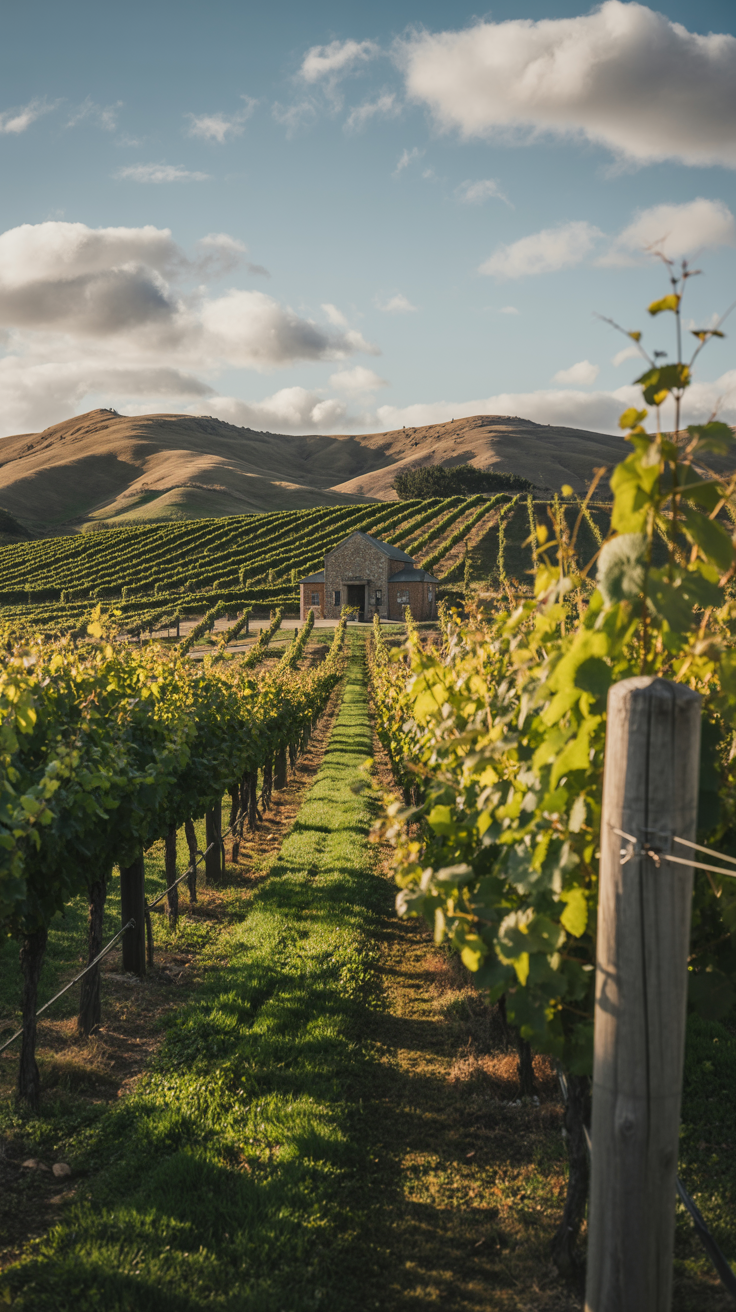
- Hawke’s Bay wine tour: This is the most popular full-day option and for good reason. Hawke’s Bay is one of New Zealand’s premier wine regions, known for Sauvignon Blanc, Chardonnay, and Bordeaux-style reds. Most tours visit three to four wineries, include a winery lunch, and return you to the ship with time to spare. Gannet Safaris and other operators offer half-day and full-day itineraries aligned with cruise schedules. Expect tastings, vineyard views, and at least one cellar door that will try to sell you a case to ship home.
- Te Mata Peak: A short drive from Napier, this 399-metre peak offers panoramic views over Hawke’s Bay, the plains, and the coast. It’s often included as a stop on wine tours or can be done independently if you’ve hired a car. The summit is accessible by road, no hiking required, though there are walking tracks if you want to stretch your legs.
- Cape Kidnappers gannet colony: If you’re visiting between late October and April, the gannet colony at Cape Kidnappers is a rare opportunity to see thousands of seabirds nesting on dramatic coastal cliffs. Access is by guided tour only, either overland or by tractor-trailer along the beach at low tide. Tours take around four hours return and must be booked well in advance. This is not a casual add-on.
- Combine Art Deco and wine: Some tours offer a half-day Art Deco experience followed by a couple of winery visits. It’s a good compromise if you want both but don’t have time for a full wine tour.
If You’ve Been Before
- Explore Hastings: Napier’s neighbouring city, 20 minutes south, has its own Spanish Mission architecture, a lively farmers’ market on Sundays, and a less touristy vibe. It’s worth a visit if you’ve already done the Art Deco walk.
- Seek out smaller wineries: Skip the big names like Mission Estate (though the chapel is admittedly lovely) and ask your tour operator for boutique producers. Craggy Range, Elephant Hill, and Trinity Hill are all worth your time if you’re serious about wine.
- Head to Ahuriri: This harborside suburb northwest of the CBD has a cluster of restaurants, bars, and a small fishing boat harbour. It’s quieter than Marine Parade and feels more local. Good for a late lunch if you’ve got time after your main activity.
- MTG Hawke’s Bay: The museum, theatre and gallery complex on Marine Parade has rotating exhibitions on local history, Māori culture, and art. It’s well curated and takes about 90 minutes to see properly. Particularly strong on the 1931 earthquake.
Shore Excursions vs Independent Touring
| Factor | Cruise Line Excursion | Independent Touring | Best For |
|---|---|---|---|
| Timing guarantee | Ship waits if your tour is late | You’re on your own if you’re delayed | Cruise excursion if you’re risk-averse |
| Cost | Higher, often significantly | Lower, especially if you share a taxi or book direct | Independent if you’re budget-conscious |
| Flexibility | Fixed itinerary, no deviations | You choose where to go and how long to stay | Independent if you want control |
| Group size | Often 40+ passengers per coach | Small group or private if you book direct | Independent for a better experience |
| Convenience | Everything arranged, no research needed | You handle bookings, timings, and logistics | Cruise excursion if you prefer zero effort |
For Napier specifically, independent touring works well if you’re staying in town or doing the Art Deco walk. The shuttle drops you at the i-SITE and you’re free to wander. For wine tours or Cape Kidnappers, booking a local operator like Gannet Safaris directly gives you a better experience at a lower cost than the ship’s equivalent. Just confirm the operator’s return time aligns with your ship’s departure and build in a 30-minute buffer. The ship won’t wait for independent travellers.
Practical Warnings Nobody Tells You
- The i-SITE gets overwhelmed: On days when multiple ships are in, the Napier i-SITE Visitor Information Centre turns into a scrum. If you need maps or information, grab them on the ship or download materials in advance. Don’t rely on picking things up once you’re ashore.
- Shuttles aren’t instant: Even though the port runs a shuttle service, you’ll queue twice, once getting off the ship and again waiting for the bus. If your ship docks at 8am, don’t expect to be standing on Marine Parade before 9am. Factor this into any tour bookings.
- Wine tours fill up fast: The best local operators sell out weeks in advance during peak season. If you’re hoping to book a wine tour when you arrive, you’ll likely find nothing available or be stuck with an overpriced last-minute option. Book ahead.
- Napier is small: You can see the main Art Deco highlights in two hours. If you’re spending a full day here without a wine tour or other excursion, you’ll run out of things to do by lunchtime. Plan accordingly or book something further afield.
- UV levels are brutal: New Zealand’s UV index is higher than most Northern Hemisphere destinations, even on cloudy days. If you’re walking around for hours without sunscreen, you’ll regret it by evening. Reapply every two hours.
- Cafes close early: Napier runs on New Zealand time, which means many cafes and restaurants shut by 3pm or earlier, especially on quieter days. If you want a sit-down lunch, plan to eat by 1pm or you’ll be limited to takeaway options.
- The beach isn’t Mediterranean: Marine Parade runs along a pebble beach with often rough surf. It’s scenic but not swimmable for most people, and definitely not the spot for a quick dip between activities.
Where to Stay Before Your Cruise
If your cruise departs from Napier or you want to explore the region before sailing, staying overnight makes sense. Napier itself has a good range of accommodation, from mid-range motels to boutique hotels. The Art Deco Masonic Hotel on Tennyson Street puts you in the heart of the CBD and has character without the boutique hotel price tag. The County Hotel on Browning Street is another solid option if you want something central and well-reviewed. For something quieter, look at Ahuriri or the beachfront properties along Marine Parade, though these are further from restaurants and bars.
- Art Deco Masonic Hotel: Central location on Tennyson Street, Art Deco theming done well, and a rooftop bar with decent views. Rooms are comfortable but not huge. Good if you want to walk everywhere.
- The County Hotel: Browning Street, close to the CBD. Refurbished heritage building with modern rooms. Quieter than the Masonic but still within easy walking distance of cafes and restaurants.
- Scenic Hotel Te Pania: On Marine Parade overlooking the bay. Good if you want a waterfront view and don’t mind being a 10-minute walk from the main restaurant strip. Can feel a bit corporate.
- Ahuriri motels and apartments: If you’re hiring a car or don’t mind a short taxi ride, Ahuriri has a cluster of self-contained apartments and motels near the harbour. More space, lower cost, but you’ll need transport to get into town.
- Hawke’s Bay wineries with accommodation: If you’re serious about wine and have a car, several wineries offer on-site lodges or cottages. Black Barn and Craggy Range both have options. You’ll pay more but you’re staying in the vineyards, which is the point.
Where to Eat Close to the Port
Napier’s dining scene punches above its weight for a town of this size. Most of the best cafes and restaurants are on Tennyson Street, Emerson Street, or near the waterfront on Marine Parade and West Quay in Ahuriri. You won’t find Michelin stars here, but you will find fresh seafood, good coffee, and locally sourced ingredients done well. If you’re only ashore for a few hours and want a quick lunch, Tennyson Street is your best bet.
- Mister D: Tennyson Street. Cafe and restaurant with a reputation for excellent coffee, brunch, and salads. Gets busy at lunchtime but turns tables quickly. Good for a fast sit-down meal if you’re short on time.
- Pacifica: Marine Parade, near the MTG Hawke’s Bay. Upmarket seafood restaurant with ocean views. If you’ve got a long day in port and want a proper lunch, this is worth the splurge. Local fish, Hawke’s Bay wines, and solid service.
- Milk & Honey: Emerson Street. Popular brunch spot with a menu that skews healthy without being preachy. Smoothies, grain bowls, and decent flat whites. Can be busy mid-morning when cruise passengers arrive.
- Hapi: Tennyson Street. Small plates, shared dining, and a focus on local Hawke’s Bay produce. Good wine list. Better for dinner than lunch, but if your ship is in port late it’s a solid choice.
- Ahuriri options: If you’ve got time to head to the harbour suburb, West Quay has several waterfront restaurants including Shed 2 (seafood and pizza) and Groove Kitchen Espresso (brunch and lunch with harbour views). Quieter than the CBD but you’ll need a taxi or a 20-minute walk from Marine Parade.
Weather in Napier
| Month | Average High (°C) | Average Low (°C) | What to Expect |
|---|---|---|---|
| November | 20 | 11 | Warm days, cool evenings. Cruise season begins. Bring layers. |
| December | 22 | 13 | Peak summer approaching. Long daylight hours. Sunscreen essential. |
| January | 24 | 14 | Hottest month. UV levels high. Expect crowds at popular sites. |
| February | 24 | 14 | Warm, dry, and busy. Wine harvest season. Best weather of the year. |
| March | 22 | 13 | Still warm, fewer crowds. Ideal for wine tours. Daylight shortening. |
| April | 19 | 10 | Autumn begins. Cooler mornings. Cruise season winds down. Bring a jacket. |
Napier enjoys a Mediterranean-style climate with warm, dry summers and mild winters. The cruise season runs November through April, which aligns with the best weather. Rain is rare during summer, but coastal winds can be strong. If you’re doing a wine tour or heading to Te Mata Peak, mornings are usually calmer. Afternoons can bring a sea breeze that feels cooler than the temperature suggests, especially if you’re on the water.
Common Questions About Napier
Can you walk from the cruise ship to Napier town centre?
No. The cruise berths are within a working commercial port and there’s no safe pedestrian route. You’ll need to take the ship’s shuttle, a taxi, or a pre-arranged tour to reach the town centre or Marine Parade.
How long does the Art Deco walk take?
A self-guided walk covering the main buildings takes around 90 minutes to two hours if you’re stopping to photograph and read plaques. Guided walks run by the Art Deco Trust are 90 minutes and provide more historical context.
Are Napier’s beaches good for swimming?
Not really. The beach along Marine Parade is pebble, not sand, and the surf is often rough. It’s scenic but not practical for swimming. If you want a beach day, this isn’t the port for it.
Is a Hawke’s Bay wine tour worth it if I’m not a wine expert?
Yes. The tours are as much about the scenery, the vineyards, and the food as they are about wine knowledge. Most operators cater to all levels and you’ll get a good sense of the region even if you can’t tell a Chardonnay from a Sauvignon Blanc.
What happens if my independent tour runs late and I miss the ship?
You’re responsible for getting to the next port at your own cost. The ship only waits for its own excursions. If you book independently, confirm the operator’s return time, build in a 30-minute buffer, and keep your phone charged.
Can I hire a car for the day in Napier?
Technically yes, but it’s not practical unless you have at least eight hours in port and are confident driving on New Zealand roads. The paperwork, pick-up, and return logistics eat into your time. A pre-booked tour is a better use of your day.
Is Napier worth visiting if I’ve already been to Wellington?
Absolutely. Napier’s Art Deco character and wine region make it completely different from Wellington’s harbour and museum scene. If you’re on a longer New Zealand itinerary, both ports are worth your time.
What should I wear for a day in Napier?
Comfortable walking shoes are essential, the Art Deco district and Marine Parade involve several hours on foot. Bring sun protection, a hat, and layers if you’re here early or late in the season. For cruise outfits ideas for women or men’s cruise outfit suggestions, think casual and practical rather than dressy. This is a relaxed town.
Do I need New Zealand Dollars for the day?
Not essential. Most cafes, restaurants, and shops accept credit and debit cards. If you want cash for a market or small purchases, there are ATMs in the town centre. Don’t bother changing money at the terminal, there’s no facility there.
Why Trust About2Cruise
- I’m Jo. I’ve tracked official port schedules, compared local tour operators, and walked the Art Deco district to confirm shuttle timings and distances for this guide.
- This article is updated whenever Napier Port publishes new berthing details, when tour operators change schedules, or when cruise lines adjust their calls to the region.
- We don’t accept payment from tour operators, hotels, or restaurants to appear in our guides. Everything here is based on research and traveller feedback, not who paid us.
For more on New Zealand cruise ports, see our guides to Auckland, Bay of Islands, Tauranga, and Gisborne. If you’re planning what to pack for shore days, our cruise formal night outfits guide might also be useful for evening events back on board.