
Caribbean and Alaska cruises offer contrasting experiences. Caribbean cruises feature tropical weather, beach destinations, water sports, and vibrant nightlife year-round. Alaska cruises showcase glaciers, wildlife viewing, and natural scenery during summer months. Caribbean itineraries typically visit multiple islands, while Alaska focuses on coastal towns and wilderness. Choose based on preferred climate and activities.
Quick Facts Comparison
| Feature | Caribbean Cruises | Alaska Cruises |
|---|---|---|
| Best Season | Year-round (winter peak) | May through September only |
| Average Temperature | 75-85°F | 50-65°F |
| Price Range | $600-$2,000 per person | $1,200-$4,000 per person |
| Packing Style | Swimsuits and shorts | Layers and waterproof gear |
| Port Activities | Beaches, snorkeling, water sports | Hiking, wildlife viewing, glaciers |
| Cruise Length | 3-7 days typical | 7-14 days typical |
| Motion Sickness Risk | Generally calm waters | Can be choppy in open water |
Want to know more about comparing Alaska to other cruise destinations?
The Money Talk Nobody Wants to Have
Let’s address the elephant in the stateroom: Alaska cruises cost significantly more. We’re talking sometimes double or triple Caribbean prices for similar cabin categories. But here’s what most people don’t realize about the price difference.
Caribbean cruises often advertise rock-bottom base fares because cruise lines know they’ll make money on drink packages, shore excursions and casino action. The warm weather means lower operational costs and year-round sailing schedules. Alaska’s short season forces cruise lines to cram their revenue into five months while dealing with higher fuel costs for longer distances.
However, Alaska includes scenery you don’t need to pay extra to see. Glacier viewing happens right from your balcony. In the Caribbean, the good stuff usually costs money at each port. That “cheap” Caribbean cruise can balloon quickly when you’re paying $80-150 per person per port for excursions.
Hidden Costs to Consider
- Alaska: Heavy jacket if you don’t own one, binoculars for wildlife spotting, pricier excursions (helicopter tours run $300-500), expensive port town shopping
- Caribbean: Beach chair rentals, water sport equipment, taxi fares to beaches, drink packages add up in hot weather, frequent tipping for beach services
Weather and What to Actually Pack
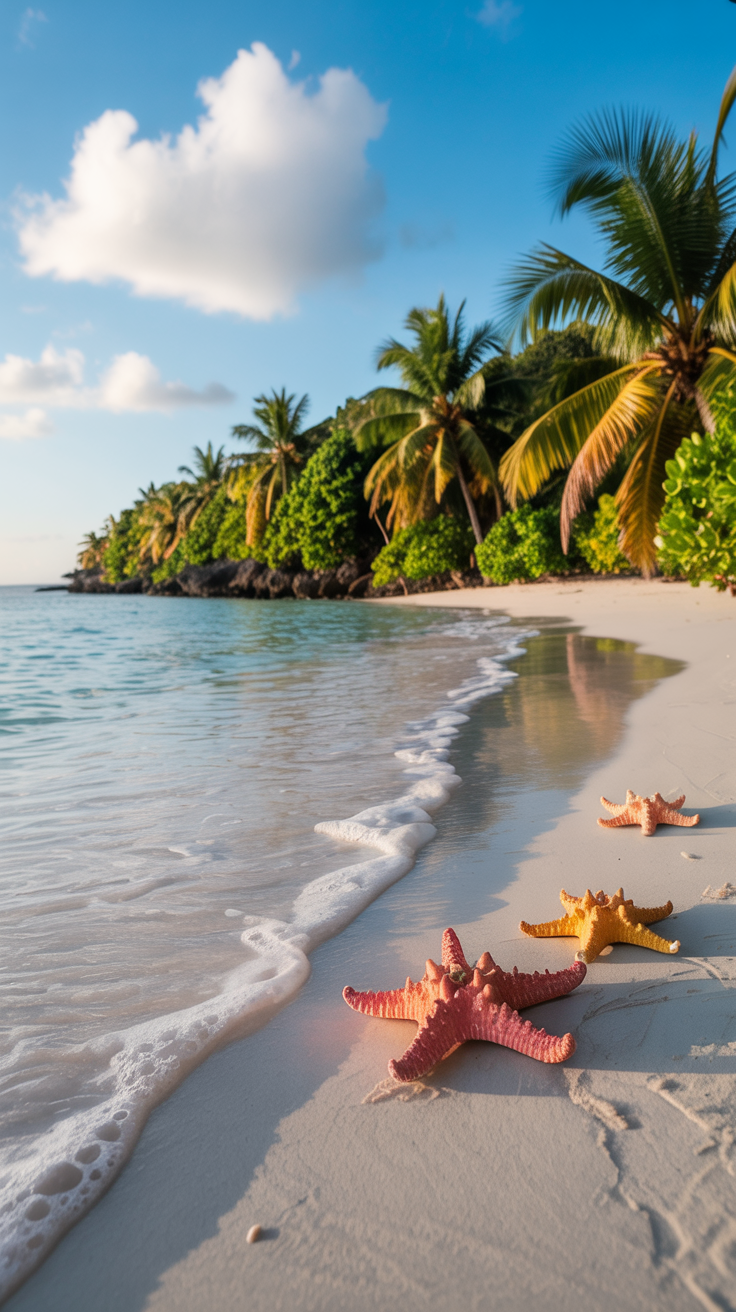
Caribbean packing is straightforward: swimsuits, sunscreen, repeat. But there’s a reason veteran cruisers call hurricane season (June through November) “discount season.” You’re gambling with weather, though modern ships can usually navigate around storms.
Alaska weather is the wild card everyone underestimates. You might need a t-shirt and a parka on the same day. The secret experienced cruisers know: layering is everything. That picture-perfect sunny glacier view can happen at 55 degrees with 20-knot winds.
Alaska Packing Insider Tips
- Skip the bulky winter coat. Bring a waterproof shell and layer underneath with fleeces you can peel off
- Wool socks matter more than you think. Your feet get cold standing on deck
- Hand warmers for early morning wildlife viewing are genius
- Waterproof pants for excursions beat jeans every time
Caribbean Packing Reality
- High-SPF reef-safe sunscreen (many Caribbean ports ban chemical sunscreens)
- Rash guard for snorkeling instead of reapplying sunscreen constantly
- Light cardigan for over-air-conditioned dining rooms
- Water shoes for rocky beaches (not all Caribbean beaches are sandy)
The Excursion Dilemma
Caribbean excursions are optional. You can walk off the ship, find a beach and have a perfect day for minimal cost. Many ports have free or cheap beaches within walking distance. Local operators outside the cruise terminal often offer the same tours for 30-40% less than ship-sponsored versions.
Alaska excursions feel mandatory because you didn’t travel all that way to stay on the ship. The ports themselves are small towns where you can walk around for an hour before you’ve seen everything. The real attractions require transportation into wilderness areas. This is where Alaska’s cost really jumps.
Here’s the insider knowledge: not every Alaska port needs an expensive excursion. Juneau has great hiking trails from downtown. Ketchikan’s totem poles are walkable. Skagway’s historic district is charming on foot. Save your excursion budget for one or two bucket-list experiences rather than booking something at every port.
For detailed guidance on planning your Alaska cruise itinerary, there are strategies to maximize your experience without booking every available tour.
Wildlife and Natural Wonders
The Caribbean offers colorful fish, sea turtles and the occasional dolphin. Beautiful, but you’ll need to snorkel or dive to see most of it. Above water, you’re looking at palm trees and beaches that honestly start looking similar after three islands.
Alaska delivers wildlife spectacle that makes even non-nature people grab their cameras. Whales breaching, bears fishing for salmon, eagles so common they’re almost background noise, and otters floating on their backs like they own the place. The challenge is that wildlife doesn’t perform on schedule. You might see fifteen whales or zero.
Understanding when to cruise Alaska dramatically impacts your wildlife viewing chances. Early season means more whales, late season means more salmon and therefore more bears.
For comprehensive information about Alaska’s incredible wildlife, knowing what animals you might encounter and when helps set realistic expectations.
Wildlife Viewing Tips for Alaska
- Port side on northbound cruises typically offers better glacier and coastline views
- Dawn and dusk have the most animal activity but you’ll be cold and tired
- Binoculars are essential. The ones in your cabin are usually terrible. Bring your own or buy decent ones
- The naturalist talks onboard are actually useful for knowing what to look for
Ship Experience and Atmosphere
Caribbean cruises lean into party mode. Pool decks buzz with activity, bars stay busy and the vibe is vacation-celebration. Ships often carry families during school breaks and younger crowds during spring periods. Evening entertainment leans toward high-energy shows and late-night clubs.
Alaska cruises attract a different demographic. You’ll find more retirees, serious photographers and nature enthusiasts. The atmosphere is quieter and more focused on the destination than the ship itself. People actually attend the educational lectures. The pool might be heated but it’s often empty because everyone’s on deck watching for whales.
Here’s what surprised me: Alaska cruisers go to bed earlier. By 10 pm, the ship feels sleepy because ports often dock early the next morning and nobody wants to miss glacier time sleeping off a hangover.
Food and Dining Differences
The main dining rooms serve similar menus regardless of destination, but the specialty restaurants and regional offerings differ. Caribbean cruises lean into tropical drinks, fresh seafood and island-inspired dishes. Alaska features salmon (so much salmon), crab legs and king crab everywhere.
Port food experiences vary dramatically. Caribbean ports offer incredible local cuisine at beach shacks and markets. You can eat authentic jerk chicken, fresh conch and tropical fruit for reasonable prices. Alaska port towns serve tourist-priced seafood and a surprising amount of pizza and burgers. The good local food exists but costs significantly more.
Sea Days and Scenic Cruising
Caribbean itineraries minimize sea days. Most cruises port almost daily because island hopping is the whole point. Sea days are for recovering from sun exposure and nursing hangovers.
Alaska builds in scenic cruising days, particularly through Glacier Bay or Tracy Arm Fjord. These aren’t lazy sea days—they’re the main event. Everyone’s outside, bundled up, watching glaciers calve and scanning for wildlife. Ships slow to a crawl and park rangers come aboard to narrate. These days are exhausting in a completely different way than beach days.
Best For First-Time Cruisers
Caribbean cruises are the easier introduction to cruising. Shorter itineraries let you test if you even like cruising without committing to a week-plus. Warm weather means less packing stress. Multiple ports mean if you hate one island there’s another tomorrow. The casual atmosphere forgives rookie mistakes.
Alaska demands more planning and research. The investment is higher and the season is limited. That said, Alaska cruises are incredibly well-organized for first-timers because the cruise lines know people are splurging on once-in-a-lifetime trips. Expect more hand-holding and structured experiences.
Accessibility and Mobility Considerations
Caribbean ports often require tender boats to reach shore, which can be challenging for anyone with mobility issues. Beaches aren’t wheelchair-friendly and many excursions involve boats or uneven terrain. However, the flat gangway walks in warm weather are easier than Alaska.
Alaska ports typically offer dock access but the terrain is often hilly. Town walking tours involve inclines. Nature excursions can be rugged. The cold affects people with arthritis and joint issues. However, glacier viewing from the ship is completely accessible, giving mobility-limited travelers spectacular experiences without leaving the boat.
Decision Factors by Travel Style
Choose Caribbean If You Want:
- Beach relaxation and swimming
- Warm weather guaranteed
- Shorter cruise options (3-5 days)
- Year-round flexibility for booking
- Lower overall cost
- Multiple countries/cultures in one trip
- Party atmosphere and nightlife
- Easy packing and minimal gear
Choose Alaska If You Want:
- Dramatic natural scenery
- Wildlife viewing opportunities
- Cooler weather preference
- Photography opportunities
- Educational enrichment focus
- Bucket-list adventure experience
- Quieter, more mature atmosphere
- American ports only (no passport needed for most itineraries)
The Passport Question
Most Caribbean cruises visit foreign countries requiring passports. Closed-loop cruises (roundtrip from US ports) technically allow US citizens to travel with just birth certificates and ID but this is risky. If you need to fly home early for emergencies, you’ll need a passport.
Alaska cruises departing from and returning to the same US port don’t require passports for US citizens. However, one-way cruises between Seattle and Anchorage stop in Canadian ports, requiring passport books (cards don’t work for cruise travel).
Comparing Alaska to Other Destinations
If you’re drawn to Alaska’s dramatic scenery but want alternatives, learning about Alaska versus Norway cruises reveals interesting comparisons in fjord landscapes and wildlife experiences.
Bonus Tips Most Cruise Sites Won’t Tell You
- Motion sickness: Alaska’s Inside Passage is generally calmer than open Caribbean waters, but the Gulf of Alaska crossing can be rough. If you’re prone to seasickness, choose Inside Passage itineraries
- Drink packages: Make more sense in the Caribbean heat. Alaska cruisers spend less time by pools and more time sightseeing, reducing drink consumption
- Balcony value: Balconies are nice-to-have in the Caribbean but essential in Alaska. You’ll want private outdoor space for wildlife spotting without fighting deck crowds
- Shoulder season sweet spot: Late April or early December Caribbean cruises avoid crowds and offer lower prices with minimal weather risk
- Alaska shoulder season: Early May or late September offer significantly lower prices. You’ll sacrifice some daylight hours and warmer weather but still see spectacular scenery
- Onboard spending: Caribbean cruisers spend more on drinks and casinos. Alaska cruisers spend more on excursions and port shopping
- Photography gear: Bring a real camera for Alaska. Phone cameras struggle with distance shots of wildlife and glaciers
- Time zone changes: Alaska cruises cross time zones, affecting your sleep schedule. Caribbean cruises typically stay in one or two zones
- Formal nights: Caribbean cruises embrace them. Alaska cruises go more casual even on “formal” nights
- Fitness opportunities: Alaska ports offer hiking. Caribbean ports offer water sports. Choose based on your exercise preferences
Common Questions and FAQ
Can you do both destinations in one cruise season?
Technically yes, since Alaska runs May through September and Caribbean cruises operate year-round. Budget is the main constraint since Alaska cruises are pricier. Some people cruise the Caribbean in winter and Alaska in summer.
Which destination is better for multi-generational family groups?
Caribbean typically works better for mixed ages. Teens get beaches and water sports, adults get relaxation, and many Caribbean ships have extensive kids’ clubs. Alaska appeals more to older children who can appreciate wildlife and nature. The longer days and educational focus can bore younger kids.
Do you tip the same amount on both types of cruises?
Automatic gratuities are standard on both and usually identical per day. However, Alaska excursions often involve additional guides (naturalists, pilots, drivers) who expect tips. Budget an extra $20-40 per person per excursion day for Alaska tipping.
Which cruise has better food?
The main dining room food quality is comparable since the same cruise lines operate both routes. Alaska ships emphasize seafood more heavily. The real difference is port food, where Caribbean destinations offer more diverse, flavorful and affordable options.
Can you extend your trip easily before or after the cruise?
Both destinations offer extension opportunities. Caribbean departures from Florida make adding Orlando theme parks easy. Alaska cruises connect well with land tours through Denali and interior Alaska, though these add significant cost. Caribbean add-ons are generally cheaper.
Which destination works better for couples versus solo travelers?
Caribbean cruises attract more solo travelers due to shorter itineraries and social atmosphere. Alaska’s higher costs and longer sailings mean fewer solo cruisers. However, Alaska’s educational focus and wildlife viewing create natural conversation opportunities for solo travelers who dislike the singles-scene vibe of Caribbean cruises.
How do loyalty programs and repeat cruiser benefits differ?
Cruise line loyalty programs award points identically regardless of destination. However, Alaska’s higher fares mean you reach status levels faster per cruise. Some lines offer Alaska-specific perks like specialty restaurant discounts since the market is more premium.
Personal Experience
My husband and I went back and forth for months trying to choose between a Caribbean cruise and an Alaska one. We’d always been beach people, but something about seeing glaciers felt like a once-in-a-lifetime thing. We ended up booking the Alaska cruise for July, and honestly, the scenery blew us away – watching chunks of ice calve off glaciers while wrapped in a blanket on deck was incredible. That said, it wasn’t cheap. Between the higher cruise fare and all the excursions we wanted to do (whale watching, helicopter tours), we spent about twice what our friends paid for their Caribbean trip the same summer.
Now we’re actually planning a Caribbean cruise for next winter because we realized we want both experiences in our lives. The Alaska trip was amazing but intense – lots of layers, early port times, and active excursions. Sometimes I just want to sit on a beach with a drink and not think about whether I packed enough warm clothes. Plus, Caribbean cruises run year-round and cost so much less, especially if you go during shoulder season. I think if you’re on a tighter budget or want pure relaxation, Caribbean wins. But if you want dramatic nature and don’t mind spending more for a bucket-list adventure, Alaska is worth every penny.