
Alaska and Norway cruises both offer stunning fjords, glaciers, and coastal scenery. Alaska features wildlife viewing, national parks, and warmer summer temperatures, while Norway provides historic villages, midnight sun, northern lights, and cultural experiences. Alaska cruises are typically shorter with more ports, whereas Norway offers longer voyages exploring Scandinavian heritage and dramatic landscapes year-round.
Quick Facts Comparison
| Feature | Alaska | Norway |
|---|---|---|
| Typical cruise length | 7-10 days | 7-14 days |
| Best season | May-September | Year-round (different highlights) |
| Temperature range | 50-70°F summer | 40-65°F summer, 25-35°F winter |
| Wildlife focus | Bears, whales, eagles | Reindeer, puffins, limited marine life |
| Cultural emphasis | Gold Rush history, Indigenous culture | Viking heritage, fishing villages |
| Port accessibility | More remote, frontier feel | Modern towns with centuries-old architecture |
| Average cost | $$-$$$ | $$$-$$$$ |
Want to know more about comparing Alaska cruises to other destinations?
The Wildlife Factor: Where Alaska Takes the Lead
If you’re cruising for wildlife encounters, Alaska wins this matchup decisively. The sheer diversity and proximity of animals you’ll see is unmatched. Norway has its charms with reindeer and sea birds, but it doesn’t come close to Alaska’s spectacular animal kingdom.
Alaska delivers on wildlife in ways that’ll make your camera work overtime:
- Humpback whales breaching right off the bow of your ship
- Brown bears fishing for salmon at streams visible from shore excursions
- Bald eagles perched so commonly they become almost casual (almost)
- Sea otters floating on their backs cracking open shellfish
- Orcas hunting in pods through the Inside Passage
- Massive numbers of seabirds at rookeries
For a comprehensive look at what you’ll encounter, check out this detailed Alaska wildlife viewing guide.
Norway’s wildlife is more subtle. You might spot puffins on coastal cliffs, reindeer in northern regions, and if you’re incredibly lucky, a whale or two. But let’s be honest: most people aren’t boarding a Norway cruise with binoculars as their primary luggage.
Scenery Showdown: Glaciers vs Fjords
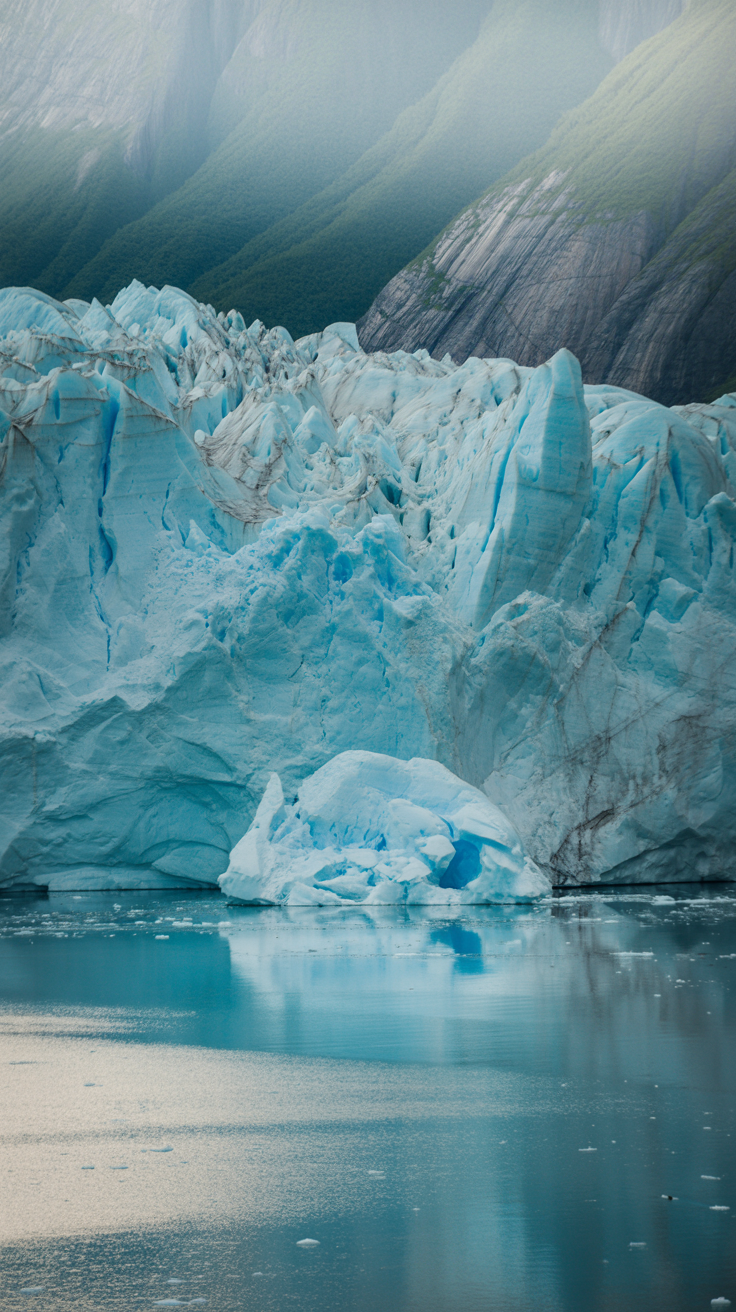
Both destinations deliver jaw-dropping scenery, but the flavor differs significantly.
Alaska specializes in raw, untamed wilderness. Glacier Bay National Park represents the crown jewel, where your ship navigates among massive tidewater glaciers that calve icebergs with thunderous cracks. The Inside Passage threads through temperate rainforests and countless islands. Everything feels wild and slightly dangerous, like nature barely tolerates human visitors.
Norway counters with dramatic fjords carved even deeper than Alaska’s, surrounded by steep mountains that plunge straight into impossibly blue water. Small farms cling to hillsides, and picture-perfect villages dot the coastline. The Geirangerfjord and Nærøyfjord (both UNESCO World Heritage sites) showcase nature at its most theatrical, with waterfalls cascading hundreds of feet down sheer cliffs.
The key difference? Alaska feels pristine and unpopulated, while Norway blends stunning natural beauty with human presence that dates back thousands of years. Neither approach is better; it depends whether you want wilderness or a harmonious nature-culture combination.
Practical Considerations for Your Decision
Budget Reality
Norway cruises generally cost 20-40% more than comparable Alaska sailings. The Norwegian cruise lines themselves aren’t necessarily pricier, but everything surrounding your trip adds up:
- Flights to Norwegian departure ports typically cost more from North America
- Shore excursions in Norway carry higher price tags due to the strong Norwegian krone
- Onboard spending goes further on Alaska cruises
- Food and drinks in Norwegian ports will shock you if you’re not prepared (think $15 for a beer)
Alaska offers better value especially if you’re departing from West Coast ports like Seattle or Vancouver, which significantly reduces airfare.
Cruise Length and Vacation Time
Alaska cruises accommodate tighter schedules better. The classic seven-day roundtrip from Seattle or Vancouver hits major highlights without requiring extensive time off work. Many Alaska itineraries also offer convenient weekend departures.
Norway rewards longer commitments. The famous Hurtigruten coastal voyage takes 12 days one-way from Bergen to Kirkenes, and you’ll want even more time to truly appreciate the region. Shorter Norway cruises exist but they only scratch the surface.
Weather Reliability
Alaska’s cruise season concentrates in summer months when weather is most predictable. You’ll still encounter rain (pack layers and quality rain gear), but temperatures stay comfortable and daylight extends late into evening.
Norway operates year-round with wildly different experiences by season. Summer brings the midnight sun above the Arctic Circle, where the sun never fully sets. Winter offers potential northern lights but with cold temperatures, rough seas, and limited daylight. Spring and fall shoulder seasons provide the most unpredictable weather but fewer crowds.
For those interested in aurora viewing opportunities, this northern lights guide covers both Alaska and Norway options.
Cultural Experiences: Gold Rush vs Vikings
Alaska’s cultural offerings center on Gold Rush history and Indigenous heritage. Ketchikan showcases totem poles and Tlingit culture. Skagway recreates its wild boomtown past with surprising authenticity. Juneau combines state capital sophistication with frontier attitudes. The Native Alaskan cultures provide fascinating insights into people who’ve thrived in harsh conditions for millennia.
Norway delivers European history spanning Vikings to modern times. Bergen’s Hanseatic wharf, Trondheim’s Nidaros Cathedral, and countless stave churches showcase architectural heritage. The Sami indigenous culture in the far north offers parallels to Alaska’s Native cultures. Every village has stories reaching back centuries, and Norwegians excel at preserving their heritage while maintaining ultra-modern societies.
If you’re a history buff who loves museums and architecture, Norway provides richer cultural density. If you prefer outdoor history with a Wild West vibe, Alaska satisfies.
The Northern Lights Question
Both destinations offer aurora viewing potential, but timing and likelihood differ significantly.
In Norway, northern lights appear from September through March in regions above the Arctic Circle. Cruise itineraries specifically designed for aurora hunting operate during these months, but you’ll trade the midnight sun and warmer weather for cold conditions and limited daylight hours. The advantage is that Norway’s coastal voyage stays far enough north for excellent viewing chances.
Alaska cruise season ends before prime northern lights season begins. September departures offer slim possibilities, but serious aurora chasers should plan land-based Alaska trips in winter months instead. Don’t book an Alaska cruise expecting to see the northern lights.
Port Experiences and Shore Excursions
Alaska ports offer more adventurous excursion options:
- Helicopter glacier landings with dog sled rides
- Floatplane tours over wilderness areas
- Salmon fishing charters
- Kayaking among icebergs
- Bush plane adventures to remote bear viewing areas
- White Pass railroad journeys into the mountains
Norway’s excursions lean toward scenic and cultural experiences:
- Norway in a Nutshell railway journeys through mountain passes
- Visits to stave churches and Viking museums
- Hiking to spectacular viewpoints
- Traditional farmstead visits
- City walking tours through medieval streets
- Northern lights chases in winter
Alaska excursions often involve more active adventure with wildlife potential. Norway excursions emphasize scenery and culture with excellent photography opportunities.
Food and Dining Considerations
Onboard dining will be similar since major cruise lines operate in both regions, but port dining differs dramatically.
Alaska specializes in fresh seafood: Dungeness crab, king crab legs, wild salmon, and halibut. Many ports offer fish and chips shops, seafood shacks, and restaurants serving local catches. Prices remain reasonable by cruise destination standards.
Norway also features exceptional seafood, particularly fresh salmon, cod, and shellfish. But dining costs in Norwegian ports rank among the world’s highest. A casual lunch easily runs $30-50 per person. However, the quality is outstanding if you budget accordingly. Norwegian bakeries serve incredible pastries worth the splurge.
Pro tip for Norway: grocery stores like Rema 1000 offer prepared foods at fraction of restaurant prices, and the quality remains high.
Cruise Line Options
Alaska attracts virtually every major cruise line: Princess, Royal Caribbean, Celebrity, Holland America, Norwegian Cruise Line, and luxury operators like Regent and Seabourn. Competition keeps prices reasonable and provides options for every taste and budget.
Norway is served by major lines plus the distinctive Hurtigruten and Havila coastal voyages, which function partly as working vessels delivering cargo and passengers to remote communities. These coastal ships offer authentic Norwegian experiences unavailable on traditional cruise ships, though they’re less luxurious and more utilitarian.
For detailed planning guidance, this Alaska cruise planning resource covers everything from choosing cabins to booking strategies.
Who Should Choose Which Destination
Choose Alaska if you:
- Prioritize wildlife viewing above all else
- Want adventurous shore excursions with glacier access
- Prefer warmer summer temperatures
- Have limited vacation time (7-10 days)
- Want better value for your cruise budget
- Love the idea of frontier wilderness
- Are traveling from western North America
- Want guaranteed daylight for activities during summer
Choose Norway if you:
- Value cultural experiences and historic architecture
- Want to experience the midnight sun or northern lights
- Don’t mind higher costs for exceptional quality
- Have time for longer voyages (10-14 days)
- Prefer European charm blended with nature
- Want year-round cruise options
- Are combining your cruise with other European travel
- Appreciate Scandinavian design and culture
Bonus Tips Most Guides Won’t Tell You
- Alaska’s Tracy Arm often substitutes for Glacier Bay when park permits are limited—and it’s actually equally stunning with narrower, more dramatic approaches
- Book Alaska cruises departing southbound (from Seward/Whittier to Vancouver) rather than northbound to get glacier viewing earlier in your trip when excitement is highest
- Norway’s Hurtigruten ships offer half-price deck chairs you can rent for the entire voyage—worth it for premium viewing of scenery
- Ketchikan’s free shuttle from the cruise dock to town is a secret locals use—look for the blue bus, not the expensive tour shuttles
- Bergen’s fish market in Norway offers better prices if you buy from the indoor hall rather than outdoor tourist stalls
- Alaska’s wilderness areas have almost no cell service—download maps, guides, and entertainment before sailing
- Norwegian cruise ships include English announcements and most Norwegians speak excellent English, making language barriers nonexistent
- Seasickness is generally worse on Norway’s outer coastal route during winter months—Alaska’s Inside Passage provides calmer waters
- Both destinations photograph better with polarizing filters to cut glare from water and enhance skies
- Alaska cruise ships often negotiate group wildlife viewing—if whales are spotted, your captain may slow or adjust course for better views
The Combination Approach
Here’s something many travelers don’t consider: these destinations complement each other beautifully rather than competing. Alaska satisfies your wilderness and wildlife cravings, while Norway delivers cultural depth and European sophistication—both wrapped in spectacular coastal scenery.
If you can only choose one now, consider which elements you’d regret missing most. You can’t replicate Alaska’s bear and whale encounters in Norway, and you won’t find Viking heritage or stave churches in Alaska.
For comparison with other popular cruise destinations, explore Alaska versus Caribbean cruises to see how these northern adventures stack up against tropical alternatives.
Common Questions and FAQ
Do Alaska cruises ever visit Canada?
Yes, virtually all Alaska cruises stop in Victoria or Vancouver, British Columbia. Many Inside Passage routes also visit charming smaller communities like Ketchikan. The Canadian portions add variety and require passengers to carry passports even though roundtrip cruises depart from U.S. ports.
Can you see the northern lights on a summer cruise to Norway?
No, the midnight sun prevents northern lights viewing from May through July above the Arctic Circle. The sun needs to set for aurora to be visible, which only happens during darker months from September through March. Don’t book a summer Norway cruise expecting aurora viewing.
Which destination is better for non-cruisers who think they don’t like cruising?
Alaska wins this category. The constantly changing scenery, frequent port stops, and wildlife viewing from the ship keep even cruise-skeptics engaged. Many first-time cruisers choose Alaska specifically because the destination provides so much to see that the ship becomes a comfortable viewing platform rather than the focus of the vacation.
Are children allowed to disembark independently in port?
Policies vary by cruise line, but generally teenagers 13-17 need parental permission forms to disembark alone in both Alaska and Norway ports. Younger children must be accompanied by adults. Norway’s safe, modern ports may feel more comfortable for parents considering this option, but both destinations are quite safe.
What’s the WiFi situation in remote areas?
Alaska’s remote areas offer virtually no cell service or WiFi outside ship connections. Even in ports, coverage can be spotty. Norway provides significantly better connectivity with cell service reaching most coastal areas and good WiFi in ports. If staying connected matters for work or family, Norway delivers more reliably.
Can you drink the tap water in ports?
Both Alaska and Norway offer excellent tap water that’s completely safe to drink. In fact, Norway’s tap water is considered among the world’s best. Carrying a refillable water bottle saves money in both destinations, especially in pricey Norwegian ports where bottled water costs a fortune.
Which destination has better shopping?
This depends on what you’re shopping for. Alaska offers Native art, gold nugget jewelry, and local crafts at reasonable prices. Norway provides Scandinavian design items, wool products, and Viking-themed goods at premium prices. If budget shopping matters, Alaska wins. If you want high-quality European goods and don’t mind the cost, Norway delivers.
Personal Experience
I spent months going back and forth between booking an Alaska cruise and a Norway cruise, and honestly, they both kept calling to me for completely different reasons. My partner wanted to see the Northern Lights and explore Viking history, while I had this dream of watching grizzly bears fish for salmon and kayaking near massive glaciers. We ended up choosing Alaska first, mainly because the wildlife opportunities seemed more unique – where else can you see whales, eagles, and bears all in one trip? The cost was pretty similar for both when we looked at summer departures, though Norway’s off-season deals looked tempting.
What finally tipped the scales was thinking about what we’d regret missing more. Alaska felt more rugged and wild, with that frontier spirit and incredible glacier viewing from the ship. Norway seemed more about charming villages and dramatic fjords with a European twist. We figured we could always do a European road trip later to get that Scandinavian fix, but seeing Glacier Bay and the inside passage felt like something that needed a cruise to really experience properly. Now we’re actually planning Norway for our next big trip because after seeing Alaska’s jaw-dropping scenery, we’re hooked on these dramatic coastal landscapes.