
Alaska cruises in August offer warmer weather, longer daylight hours, and peak wildlife viewing, though higher demand means larger crowds. September brings lower prices, fewer tourists, fall foliage, and increased whale activity, but expect cooler temperatures, shorter days, and some seasonal closures. Both months provide excellent Northern Lights opportunities in September.
Quick Facts Comparison
| Factor | August | September |
|---|---|---|
| Average Temperature | 55-65°F | 45-55°F |
| Daylight Hours | 16-18 hours | 13-15 hours |
| Crowd Level | Peak season, very busy | Moderate to light |
| Price Range | Highest of the season | 20-40% lower than August |
| Salmon Runs | Excellent | Tapering off |
| Bear Activity | Very active at streams | Hyperphagic feeding mode |
| Northern Lights | Rare (late August only) | Good chances |
| Rain Probability | Moderate | Higher |
Want to know more about comparing different Alaska cruise seasons and timing options?
Weather and Daylight Differences
The temperature difference between these two months matters more than you’d think. August typically hovers in the upper 50s to mid-60s, which feels downright balmy by Alaska standards. You’ll see plenty of people in fleece jackets and light layers. September drops about 10 degrees on average, and that shift into the upper 40s to mid-50s means you’ll want a proper insulated jacket rather than just a windbreaker.
Daylight is where August really shines. With 16-18 hours of usable light, you can enjoy deck time until nearly 10 pm. September still offers respectable daylight with 13-15 hours, but sunset creeps earlier throughout the month. By late September you’ll see darkness around 8 pm, which actually works in your favor if you’re chasing the Northern Lights.
Here’s something most cruise guides won’t mention: the quality of light changes dramatically. August gives you that extended golden hour photographers dream about. September brings lower sun angles that create absolutely stunning conditions for glacier photography, with deeper blues and more dramatic contrasts.
Wildlife Viewing Opportunities
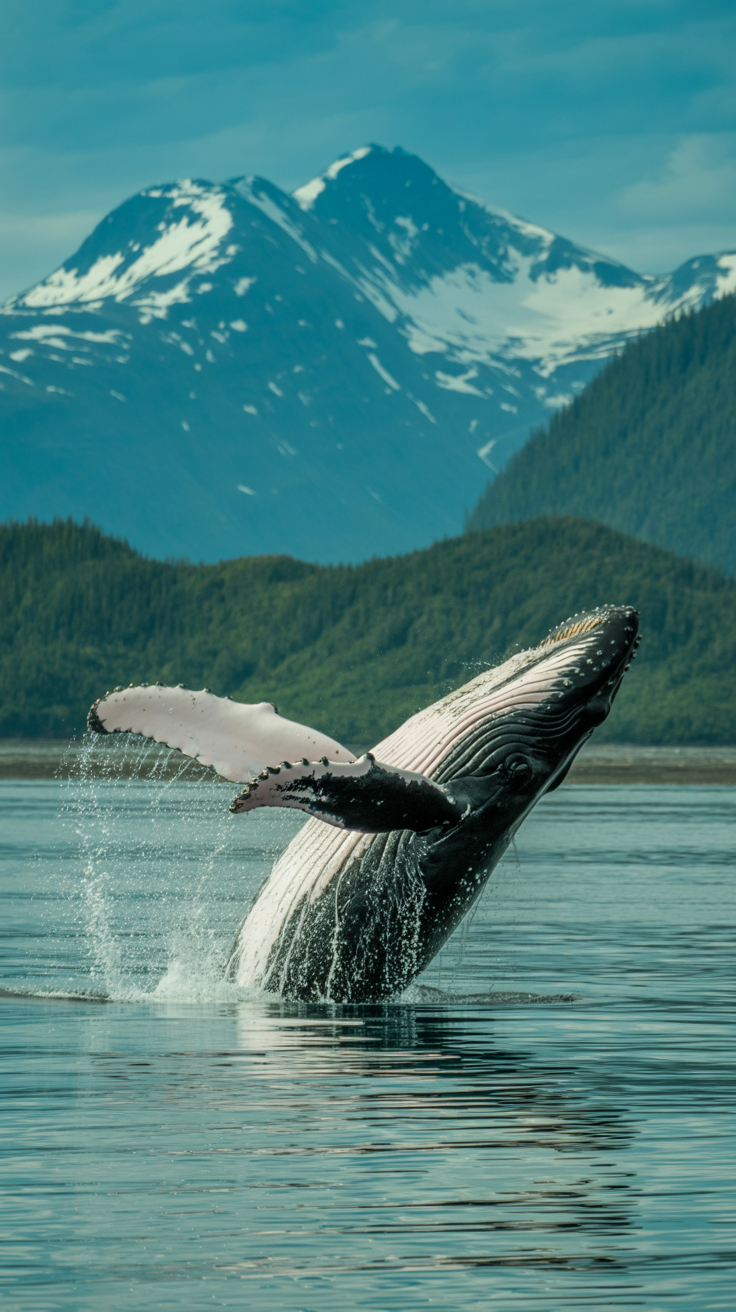
Both months deliver exceptional wildlife experiences but for different reasons. During August Alaska cruises, salmon runs are at their absolute peak. This means bears congregate at streams in predictable patterns, making them easier to spot. Eagles follow the salmon too, so you’ll see impressive numbers of bald eagles.
September wildlife viewing has an interesting edge that surprises many visitors. Bears enter hyperphagia, a biological state where they need to consume up to 20,000 calories daily before hibernation. They become less cautious and more focused on feeding, which can actually make for better viewing opportunities. The salmon runs are winding down but haven’t stopped completely, especially for species like coho and chum.
Whale activity picks up significantly in September. Humpbacks are actively feeding before their migration south, and you’ll often see more dramatic surface behaviors like breaching and bubble-net feeding. If you’re specifically cruising for whale watching, September edges ahead of August.
Here’s what nobody tells you: September brings spawned-out salmon carcasses along streams and shorelines. While this might sound unappealing, it creates incredible opportunities to see bears, eagles, and ravens in concentrated areas. The nutrient-rich environment also attracts harbor seals closer to shore.
Pricing and Value Considerations
The price difference between these months can be substantial enough to upgrade your cabin category or splurge on additional excursions. August represents absolute peak pricing for Alaska cruises. You’re competing with families on summer vacation, retirees with flexible schedules, and basically everyone who wants guaranteed warm weather.
September pricing typically drops 20-40% compared to August rates, with the steepest discounts appearing after Labor Day. The same balcony cabin that costs $2,800 per person in August might run $1,800-2,200 in September. This isn’t just cruise fare either; shore excursions often have lower demand and occasionally offer last-minute deals.
Understanding the differences between summer season and shoulder season Alaska cruises helps you maximize value. The shoulder season designation officially starts in mid-September for many cruise lines, though exact dates vary by company.
One financial consideration that catches people off guard: September can mean better deals on pre- or post-cruise hotel stays in Seattle or Vancouver. August accommodation prices stay inflated due to overall tourism demand, while September rates drop as summer travel winds down.
Crowd Levels and Ship Experience
August ships sail at or near capacity. The popular outdoor viewing areas like the observation decks become competitive real estate during scenic cruising through places like Glacier Bay or Tracy Arm Fjord. You’ll need to stake out your spot early, and don’t expect much elbow room at the rails.
The reduced passenger count in September changes the entire onboard atmosphere. You’ll find open deck chairs without the 7 am towel reservation game. Specialty restaurants and entertainment venues feel more relaxed. Shore excursions don’t sell out as quickly, giving you more flexibility to book once you’re onboard.
Here’s an insider detail about September sailings: crew members are noticeably more relaxed and personable. They’ve been working flat-out through the peak summer season, and September’s lighter passenger loads mean they have more time for genuine interactions. The service quality often improves simply because staff aren’t as exhausted.
Shore Excursions and Port Activities
August gives you maximum selection for shore excursions. Every tour operator runs full schedules, from helicopter tours to kayaking adventures. Popular activities like the White Pass Railway in Skagway or Mendenhall Glacier visits operate on frequent departure times.
September starts seeing reduced schedules. Some smaller tour operators close for the season by mid-September. Helicopter flightseeing tours become more weather-dependent as cloud cover increases. Certain hiking trails at higher elevations may become less accessible due to early snow.
However, September offers unexpected advantages for certain activities. Fishing charters targeting silver salmon hit their prime. Less crowded trails mean better chances for wildlife photography without other tourists in your frame. Several attractions offer end-of-season discounts that can save 10-20%.
The Salmon Glacier near Hyder, accessible from Ketchikan excursions, displays incredible fall colors in September that you won’t see in August. The contrast between golden alpine tundra and glacial ice creates postcard-perfect scenery.
Fall Foliage and Scenic Beauty
Alaska’s fall color transformation happens quickly and dramatically. August still shows full summer greenery with occasional hints of yellow appearing in high alpine zones by month’s end. September brings legitimate autumn colors, particularly in the interior regions you’ll see during Denali excursions.
The coastal rainforest areas where most cruise ships sail don’t display New England-style fall colors, but you’ll notice golden cottonwoods and birches along shorelines. The real color show happens with low-growing vegetation. Alpine tundra turns brilliant crimson and gold, visible on mountainsides and hillsides.
September’s increased cloud cover and rain actually enhance certain scenic experiences. Waterfalls flow more vigorously, and the misty conditions create atmospheric glacier views that many photographers prefer over bright sunny days.
Northern Lights Possibilities
This is where September pulls ahead significantly. The Northern Lights require darkness, which August simply doesn’t provide until the final week of the month. Even then, the limited dark hours make aurora viewing challenging.
September delivers progressively longer nights as the month advances. While you won’t see auroras from most cruise ship routes during the day, overnight port stays in places like Juneau or Skagway offer genuine opportunities. Late September sailings have the best chances.
Here’s something cruise lines rarely advertise: if you’re on an Alaska cruise focused on seeing the Northern Lights, you should actually consider extending your trip with land-based time in Fairbanks or even booking a cruise-tour package. The aurora viewing from coastal ports is possible but not as reliable as interior locations.
Packing and Preparation Differences
Your packing list shifts between these months. August allows for lighter layering systems. A waterproof shell, fleece jacket, and long-sleeve shirts handle most conditions. You might even get away with wearing shorts on particularly warm days.
September demands more substantial cold-weather gear. Pack insulated jackets, warm gloves, and a beanie or warm hat. Waterproof pants become more important as rain probability increases. Thermal underlayers aren’t essential but they’re nice to have for early morning wildlife viewing or extended time on deck.
Both months require good waterproof footwear with traction. Dock areas and shore excursion sites can be slippery regardless of month. September’s wetter conditions make this even more critical.
Specific Port Considerations
Certain ports show more dramatic differences between August and September than others:
- Ketchikan: September rainfall averages even higher than August (which is already substantial). Bring serious rain gear. The upside is Creek Street and the salmon ladder still show good fish activity.
- Juneau: Mendenhall Glacier looks spectacular in both months, but September offers better chances of seeing the Northern Lights if you book an overnight hotel stay. The autumn colors around the glacier visitor center peak in early September.
- Skagway: The White Pass Railway operates into late September, but departures become less frequent after Labor Day. Book this excursion early if it’s a priority. The historic downtown feels less crowded and more authentic in September.
- Sitka: September brings impressive silver salmon runs to local streams. The Fortress of the Bear and Alaska Raptor Center remain open, but the Russian Bishop’s House sometimes reduces hours.
- Icy Strait Point: The zipline and bear viewing at Pack Creek continue through September, though brown bear activity shifts from salmon streams to berry patches and beach-front foraging.
Inside Passage vs Gulf of Alaska Routes
The route you choose interacts with your timing decision. Inside Passage cruises in either month focus on the protected waterways where weather differences are less dramatic. The sheltered nature of these routes means September’s cooler temperatures and increased rain don’t significantly impact the cruise experience.
Gulf of Alaska one-way cruises (typically between Vancouver and Seward or Whittier) expose you to more open ocean. September sees increased wind and wave activity in the Gulf, potentially creating rougher sea conditions. If you’re prone to seasickness, August offers calmer crossings on average.
Comparing July versus August Alaska cruise options provides additional context for understanding how late-season cruising differs from peak summer months.
Special Events and Local Happenings
August hosts several events that might influence your decision. The Southeast Alaska State Fair runs in late July through August in Haines, accessible via excursion from Skagway. Juneau’s Gold Rush Days celebration happens in August with historical reenactments and special activities.
September brings its own unique events. The Alaska Bald Eagle Festival in Haines occurs in November, but September marks the beginning of eagle congregation along the Chilkat River. Ketchikan’s annual Blueberry Arts Festival happens in early August, so you’ll miss it in September, but local art galleries offer end-of-season sales.
Bonus Tips
- Book September cruises departing after September 10th for the steepest discounts, but before September 20th to avoid the most significant seasonal closures
- Request a cabin on higher decks for September sailings since outdoor viewing areas get chillier and more wind-exposed
- Download offline maps and wildlife identification guides before your cruise since cellular service is spotty regardless of month
- Pack hand warmers for September wildlife viewing excursions; they’re inexpensive and make hours of outdoor observation much more comfortable
- Schedule your spa treatments for sea days rather than port days when everyone else books them
- Bring binoculars with good low-light performance for September sailings since cloud cover and shorter days reduce ambient light
- Pre-book specialty dining early in your cruise because September’s smaller passenger counts mean some specialty restaurants only open certain nights
- The soft-serve ice cream machine on deck becomes significantly less crowded in September for obvious temperature-related reasons
- September departure dates that include September 22nd or later offer the best Northern Lights potential due to the autumn equinox
- Purchase travel insurance that covers weather-related excursion cancellations; September has higher probability of helicopter and floatplane tours being scrubbed due to clouds
Making Your Decision
Your ideal choice depends on your priorities and constraints. Choose August if you’re traveling with children who must work around school schedules, you strongly prefer warmer temperatures and maximum daylight, or you want guaranteed access to all shore excursions without worrying about seasonal closures. The premium pricing buys you predictability and peak operating schedules.
Select September if you’re flexible about weather, prioritize value and want to avoid crowds, hope to see the Northern Lights, or appreciate fall scenery and colors. You’re trading some comfort and convenience for significant cost savings and a more intimate cruise experience.
For additional guidance on choosing the right time, explore information about the best month to cruise Alaska based on your preferences.
Consider your tolerance for uncertainty. August delivers more predictable conditions, while September requires adapting to whatever weather and wildlife opportunities present themselves. Some travelers find September’s variability exciting; others prefer August’s stability.
Looking at May versus June Alaska cruise comparisons or June versus July timing considerations helps illustrate how each month throughout the season offers distinct advantages.
Common Questions and FAQ
Can I see spawning salmon in September or is it too late?
Salmon spawning continues well into September, particularly for coho (silver) and chum salmon species. While pink salmon runs taper off by early September, you’ll still see active spawning and the ecological benefits of spent salmon attracting bears and eagles. The streams won’t be as packed with fish as peak August, but there’s definitely still activity worth witnessing.
Do cruise ships cancel September sailings due to weather?
Cruise ships very rarely cancel entire sailings due to weather. September storms might cause itinerary adjustments like skipping a port or substituting an alternative stop, but complete cancellations are extremely uncommon. The ships are built to handle rough conditions, and captains have decades of experience navigating Alaska’s waters in all weather.
Will I need different clothing sizes for layering in September versus August?
This is surprisingly practical to consider. If you’re planning to layer thermal underwear and fleece under your regular clothes for September, you might want slightly roomier outer layers than you’d pack for August. The alternative is packing dedicated cold-weather outerwear that fits over your normal clothes rather than trying to squeeze multiple layers under a jacket sized for your regular frame.
Are there specific cruise lines that handle shoulder season better than others?
The major cruise lines maintain consistent service standards in September, but smaller expedition-style cruise companies often excel in shoulder season. They’re more flexible with itineraries and can capitalize on wildlife opportunities as they arise. However, the mainstream cruise lines offer better pricing discounts in September, while expedition cruises maintain relatively stable pricing year-round.
How much does excursion availability actually decrease in September?
Through early September, you’ll find 90-95% of August excursions still operating. By mid-September this drops to roughly 85%, and by late September you’re looking at about 75-80% availability. The activities that close first are typically helicopter glacier treks, certain hiking trails, and small local operators. Major attractions like the White Pass Railway, whale watching, and wildlife viewing tours continue operating.
Is September too cold for kids to enjoy an Alaska cruise?
Children generally handle September Alaska temperatures fine with proper clothing. The cooler weather might actually help active kids stay comfortable during excursions. The shorter daylight hours can be advantageous for maintaining normal bedtimes. The main consideration is whether your children become fussy or resistant to wearing multiple layers, since proper gear is essential for extended outdoor time.
Do I get better cabin upgrades in September due to lower occupancy?
September does offer better chances for complimentary upgrades at booking or even at embarkation, but don’t count on it. Cruise lines are sophisticated about yield management and only upgrade when necessary to accommodate booking needs. Your better strategy is simply booking the cabin category you want at September’s lower prices rather than booking cheap and hoping for an upgrade.
Personal Experience
We went back and forth for weeks trying to decide between an August or September Alaska cruise, and honestly, it came down to what mattered most to us. August seemed like the safer bet with warmer weather and longer days, but when we dug into the prices, September was significantly cheaper – we’re talking several hundred dollars per person. Our friends who’d gone in late August mentioned the ships felt packed, especially around the popular viewing spots, so that helped push us toward September. The trade-off? We’d need to pack warmer layers and accept that some days might be drizzly.
We ended up booking for early September, and it worked out beautifully for what we wanted. The wildlife viewing was incredible – our guide mentioned that September is prime time for bears fattening up before hibernation, and we saw way more than expected. The ship wasn’t nearly as crowded as we feared, which meant we could actually get good spots on deck without elbowing through crowds. Sure, we had one rainy day in Juneau, but the temperatures were still comfortable in the mid-50s, and honestly, the moody clouds made the glaciers look even more dramatic. If you’re flexible with weather and want to stretch your budget further while still catching amazing wildlife, September is definitely worth considering.
For more detailed information about planning September Alaska cruises, check out our comprehensive guide.