
July offers warmer temperatures, longer daylight hours, and peak wildlife viewing, making it ideal for glacier watching and whale spotting. August brings slightly cooler weather, fall colors beginning to emerge, and fewer crowds with lower humidity. Both months provide excellent conditions for Alaska cruising, with July being more popular while August offers better value and availability.
Quick Facts Comparison
| Factor | July | August |
|---|---|---|
| Average Temperature | 55-65°F | 50-60°F |
| Daylight Hours | 17-19 hours | 15-17 hours |
| Cruise Prices | 15-25% higher | More affordable |
| Crowd Level | Peak season | Moderate |
| Wildlife Activity | Peak humpback whales | Salmon spawning, bears |
| Vegetation | Wildflowers blooming | Early fall colors |
| Rain Probability | Moderate | Slightly higher |
Want to know more about comparing different Alaska cruise seasons and months?
Why July Reigns as Peak Season
July sits squarely in Alaska’s sweet spot for one simple reason: everything is awake and active. The salmon runs hit their stride in mid-July, which means humpback whales are feeding aggressively in Southeast Alaska waters. If whale watching ranks high on your priority list, this is your month.
The extended daylight is something you really need to experience to appreciate. We’re talking about sunrise around 4:30 AM and sunset after 10 PM in places like Juneau. That extra light gives you more opportunities to spot wildlife from the ship’s deck, and you won’t feel rushed during port excursions. You can start your day early with a glacier hike and still have plenty of afternoon light for kayaking or a wildlife tour.
The downside? Everyone else knows July is prime time too. Popular shore excursions like the White Pass Railroad in Skagway or helicopter tours to Mendenhall Glacier fill up months in advance. Booking your July Alaska cruise early isn’t just recommended, it’s practically mandatory if you want your first-choice activities.
The August Advantage
August gets unfairly dismissed as “almost fall” but that’s precisely what makes it appealing for certain travelers. The cruise lines start dropping prices by the second week of August, and you’ll notice fewer families since school starts in many states by mid-month.
Here’s something most people don’t realize: August is actually prime time for bear viewing at places like Pack Creek on Admiralty Island. The salmon are spawning and brown bears are gorging themselves to prepare for winter. The viewing can be even more dramatic than July because the bears are more desperate and less selective about where they fish.
The vegetation starts its transformation in August. You’ll catch the beginning of fall colors, especially in Denali and the interior regions if your cruise includes a land tour. The tundra turns shades of red and gold that you simply won’t see in July. Photographers particularly appreciate this transition period.
For more details on what to expect, check out our guide to August Alaska cruises.
Temperature and Weather Reality
Let’s be honest about Alaska weather: it’s unpredictable regardless of which month you choose. July averages slightly warmer but the difference between 62°F and 57°F feels negligible when you’re layering properly.
Both months require the same packing strategy:
- Waterproof outer layer (rain happens year-round)
- Fleece or insulated mid-layer
- Moisture-wicking base layers
- Waterproof hiking boots
- Warm hat and gloves (yes, even in summer)
The humidity is generally lower in August, which some people find more comfortable. July can feel surprisingly muggy during rare warm spells, particularly in the Inside Passage ports.
Wind chill matters more than air temperature when you’re standing on deck watching glaciers calve. That 60-degree day feels like 45 when your ship is cruising through Glacier Bay at 15 knots.
Wildlife Viewing Differences
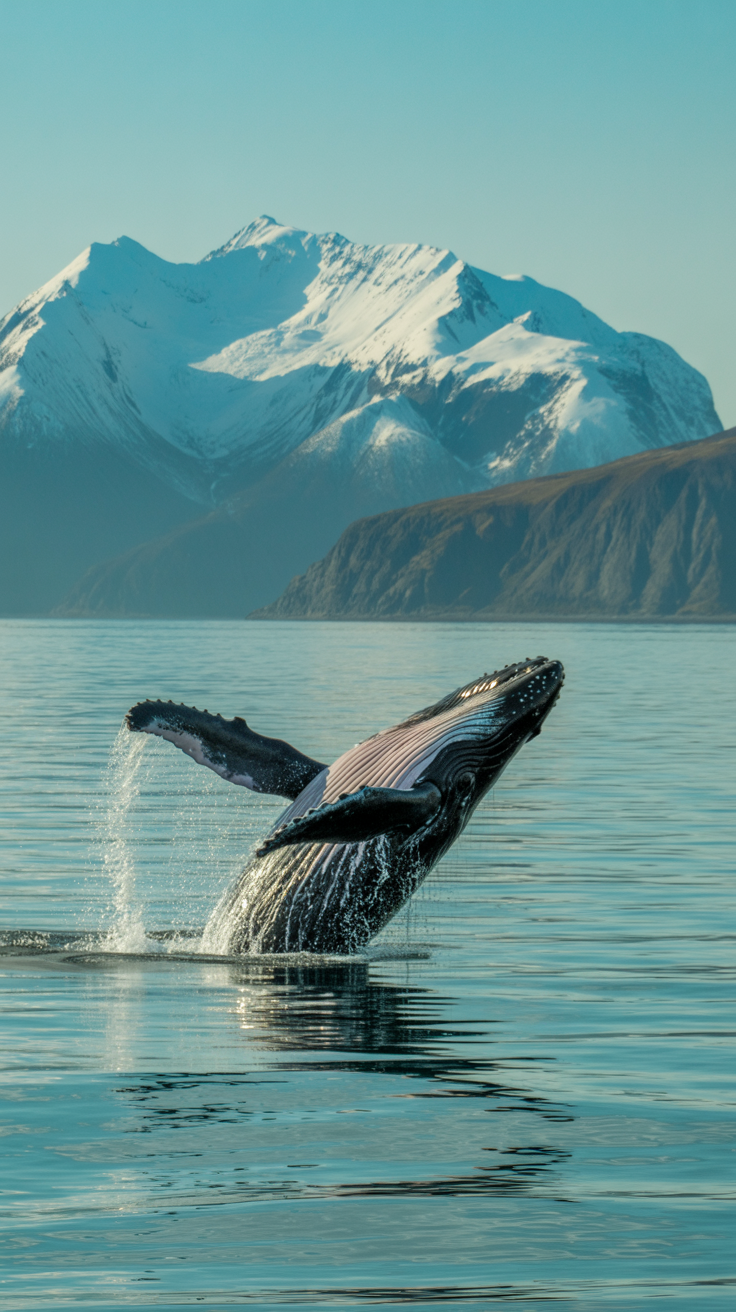
July delivers on humpback whales, but August has its own wildlife perks. Here’s what peaks when:
July Wildlife Highlights
- Humpback whale feeding frenzies (they consume up to 3,000 pounds of food daily)
- Orca pods following salmon runs
- Puffins and other seabirds nesting
- Mountain goats with young kids on cliffsides
- Wildflower meadows attracting deer and smaller mammals
August Wildlife Highlights
- Brown bears fishing for spawning salmon
- Bald eagles congregating near rivers (some areas host thousands)
- Spawning salmon in rivers (turning red and fighting upstream)
- Black bears preparing for hibernation
- Last chance for some bird species before migration
Neither month is definitively better for wildlife overall. It depends on what animals matter most to you. If you’re debating between earlier summer months, our comparison of June versus July Alaska cruises might help.
Port Experience and Crowds
The cruise ports transform dramatically between July and August. Ketchikan in July can have four large ships in port simultaneously, dumping 10,000 passengers into a town with a population of 8,000. The Creek Street boardwalk becomes shoulder-to-shoulder, and popular restaurants have 45-minute waits.
August sees fewer simultaneous ship arrivals. You’ll still encounter crowds but the popular attractions feel more manageable. The salmon ladder viewing areas and totem pole parks allow you to actually pause and appreciate what you’re seeing rather than shuffling through with the masses.
Local businesses have mixed feelings about this. Some shops and tour operators make 40% of their annual revenue in July alone, so they’re staffed and stocked accordingly. By late August, some excursion operators reduce their schedules or close certain tours entirely.
Pricing and Value Considerations
The price gap between July and August narrows or widens depending on specific departure dates. A July cruise leaving right after the 4th of July holiday costs 20-30% more than an identical cruise departing in late August. But early August departures often still command near-July prices.
Here’s where you can save beyond the base cruise fare in August:
- Shore excursions sometimes offer last-minute discounts
- Hotel rates in embarkation cities drop 15-25%
- Airfare to Seattle or Vancouver becomes more reasonable
- Pre or post-cruise tours to Denali have better availability
- Onboard spending credits and cabin upgrades appear more frequently
For insights on the broader question of timing, read our analysis of the best month to cruise Alaska.
Daylight Hours Impact
This factor gets mentioned but underestimated. That two-hour daylight difference between July and August genuinely affects your experience. In July, you can have dinner at 8 PM and still go for a walk around the deck in full daylight. August sunsets creep earlier each day, and by the last week you’re approaching 9 PM sunsets.
For photography enthusiasts, July’s extended golden hour provides incredible lighting conditions. The low angle of the midnight sun creates dramatic shadows on glaciers and mountains that you won’t get with earlier sunsets.
However, some people find the endless July daylight disorienting. If you’re sensitive to light when sleeping, bring a quality sleep mask. Cruise ship cabins have blackout curtains, but interior cabins book up fast and you might end up with light leaking around window treatments.
Glacier Viewing Conditions
Both months offer spectacular glacier viewing, but subtle differences exist. July’s warmer temperatures mean glaciers are more active. You’re more likely to witness calving events where massive chunks of ice break off and crash into the water. The sound is unforgettable and can carry for miles.
August glaciers are slightly less active but the lower angle of the sun creates better contrast and definition in photographs. The ice appears bluer in certain lighting conditions as the sun drops lower in the sky.
Glacier Bay National Park limits the number of cruise ships allowed per day regardless of month. Whether you’re there in July or August, the experience remains equally pristine. The park rangers who board the ship provide the same excellent narration both months.
Comparing with Shoulder Seasons
If you’re flexible on timing, understanding how July and August compare to the shoulder seasons helps. Our guide comparing summer versus shoulder season Alaska cruises explores this in depth.
May and early June offer different advantages than July and August. Check out our May versus June comparison to see how early season differs. Similarly, if you’re considering extending into early fall, our August versus September analysis shows how the transition month performs.
Shore Excursion Availability
July’s popularity creates a booking challenge. The most coveted excursions like dog sledding on glaciers, bear viewing by floatplane, and small-group whale watching tours sell out 90-120 days before sailing. If you book a July cruise only 60 days out, you’ll find slim pickings for premier excursions.
August maintains better availability right up to 30-45 days before departure. You can often book desirable tours 60 days out and still get morning time slots or preferred group sizes. This flexibility benefits travelers who can’t commit to detailed planning months in advance.
Some tour operators actually prefer August because they’re not as overbooked. Your zodiac whale watching tour might have 10 people instead of the maximum 16. Guides are less rushed and can spend extra time if you encounter an active whale pod or bear sighting.
Bonus Tips Most Guides Don’t Mention
- Book excursions through third-party operators in August to save 20-30% versus cruise line offerings (July bookings are riskier as independent operators may not hold spaces)
- The “jellyfish bloom” peaks in late July/early August, creating incredible bioluminescence at night near certain ports
- Mosquitoes and black flies are worse in July, especially on land tours to the interior (bring bug spray with high DEET)
- August produces better tide conditions for tide pooling in Ketchikan and Sitka
- Cell service is spotty in both months, but T-Mobile and AT&T added towers in Juneau that work better in August for unknown reasons
- The Alaska State Fair runs in late August near Anchorage, worth visiting if you add a land tour
- July has 24-hour grocery stores in port cities at full operation; August sees some switch to limited hours
- Salmon bakes and local restaurants have fresher seafood in July when commercial fishing peaks
- August rainbows are more frequent due to weather pattern changes (incredible photo opportunities)
- The Northern Lights occasionally appear in late August during solar storms, never in July due to extended daylight
Making Your Decision
Choose July if you want:
- Maximum daylight for activities and wildlife viewing
- Peak humpback whale activity
- Wildflowers in full bloom
- To experience Alaska at its busiest and most vibrant
- Don’t mind paying premium prices
- Can book excursions 3-4 months in advance
Choose August if you prefer:
- Better value pricing on cruise fares and hotels
- Smaller crowds at ports and attractions
- Prime bear viewing during salmon spawning
- Early fall colors emerging
- More flexible booking for shore excursions
- Slightly shorter but still long daylight hours
Honestly, both months deliver an exceptional Alaska experience. The “wrong” choice doesn’t exist, just different priorities. Some cruisers split the difference and book transitions sailings in late July that capture elements of both peak summer and the approaching fall.
Common Questions and FAQ
Will I see the Northern Lights in July or August?
July is essentially impossible due to 19+ hours of daylight. Late August offers a slim chance during strong solar activity, but September through March are the real Northern Lights months in Alaska. Don’t choose your cruise month based on aurora viewing.
Do cruise ships get cancelled due to weather in either month?
Cancellations are extremely rare in both July and August. Itinerary changes happen occasionally when fog prevents navigation in Glacier Bay or Hubbard Glacier, but ships almost always sail. The Inside Passage is protected water with mild conditions year-round.
Is seasickness more likely in July or August?
Neither month has significantly rougher seas. The Gulf of Alaska crossing (if your itinerary includes it) can be choppy any time, but the Inside Passage routes remain calm. August can have slightly higher winds statistically, but the difference is minimal.
Can I swim or kayak in the ocean during these months?
The water temperature hovers around 50-55°F in both months. You can kayak with proper gear (wetsuits recommended), but swimming isn’t practical without a drysuit. Some cruise ships have heated pools, and certain ports have geothermal hot springs.
Are there any festivals or events unique to July or August?
July 4th celebrations in Alaskan ports are memorable, with Seward hosting a popular foot race up Mount Marathon. August has the Southeast Alaska State Fair in Haines and the Alaska State Fair near Anchorage. Several fishing derbies run throughout both months in various ports.
Which month is better for seeing orcas specifically?
Both months offer good orca viewing, but they’re seeing different things. July orcas follow salmon and herring. August sees more transient orcas hunting seals. Resident pods are present both months in areas like Icy Strait and Frederick Sound.
Will my kids be bored if we go in August versus July?
August often works better for families because cruise lines run full kids’ programs but with fewer children enrolled than peak July. Your kids get more attention from counselors and activities feel less crowded. The wildlife viewing and excursions interest kids equally in both months.
Personal Experience
We almost booked our Alaska cruise for August because everyone said the weather would be better, but I’m so glad we ended up going in July instead. Sure, August had slightly warmer temperatures and less rain on paper, but July gave us something we didn’t expect – absolutely incredible whale watching. Our guide mentioned that humpback whales are most active in July when the salmon runs are at their peak, and we saw breaching whales almost every day. The wildflowers were also in full bloom along the shorelines, which made the glacier views even more spectacular. Yes, it was a bit chillier and we had one drizzly afternoon, but honestly, that’s Alaska – you pack layers regardless of when you go.
The trade-off that really surprised us was the pricing and crowds. July cruises cost us about 15-20% more than the August options we looked at, and the popular spots like Glacier Bay definitely felt busy. But talking to other cruisers who’d been in August, they said the days were noticeably shorter by then, with the sun setting around 9 PM instead of past 10 PM like we experienced. That extra daylight meant more time on deck watching for wildlife. If you’re on a tight budget and don’t mind slightly fewer whale sightings, August seems like a solid choice. But if you want the peak wildlife experience and don’t mind paying a bit extra or navigating some crowds, July delivers that true Alaskan summer feeling.