
UnCruise Adventures offers small ship expedition cruises in Alaska with vessels carrying 22-86 passengers. The fleet explores Southeast Alaska, Glacier Bay, and the Inside Passage with active adventures including kayaking, hiking, and wildlife viewing. Itineraries emphasize intimate experiences with glaciers, fjords, and remote wilderness areas, featuring all-inclusive expedition-style voyages with onboard naturalists and expedition gear.
Quick Facts
| Feature | Details |
|---|---|
| Fleet Size | 8 vessels |
| Passenger Capacity | 22-86 guests per vessel |
| Alaska Itinerary Length | 7-14 nights |
| Main Regions | Southeast Alaska, Glacier Bay, Inside Passage, Prince William Sound |
| Activities Included | Kayaking, hiking, skiff excursions, paddleboarding, snorkeling (yes, really) |
| What’s Included | All meals, activities, gear, shore excursions, non-alcoholic drinks, beer and wine with dinner |
| Best For | Active travelers, nature enthusiasts, those seeking authentic wilderness access |
Want to know more about all the cruise lines sailing to Alaska? Check out our comprehensive guide comparing different options.
Why UnCruise Is Different From The Big Ships
If you’re comparing UnCruise Adventures to the mainstream Alaska cruise experience, you’re looking at two completely different vacations. While Princess Cruises Alaska itineraries, Holland America Line Alaska sailings, Celebrity Cruises Alaska voyages, Royal Caribbean Alaska cruises, Norwegian Cruise Line Alaska trips, Disney Cruise Line Alaska adventures, and Carnival Alaska sailings focus on comfort and port-intensive itineraries, UnCruise is about getting into places those ships physically cannot reach.
The small size matters more than you’d think. These vessels can navigate narrow fjords, anchor in secluded coves, and adjust itineraries based on wildlife sightings. If someone spots a pod of orcas, the captain can change course. Try that on a ship with 3,000 passengers and a strict port schedule.
What Makes UnCruise Similar To Other Expedition Lines
UnCruise sits in the expedition cruise category alongside companies like Lindblad Expeditions and National Geographic Alaska cruises and Alaskan Dream Cruises small ship experiences. The difference? UnCruise tends to be more budget-friendly than Lindblad while offering more activity options than Alaskan Dream. For a deeper dive into this category, our guide to Alaska small ship cruises breaks down all your options.
If you’re still deciding between vessel sizes, check out our comparison of small ship versus big ship Alaska cruises and our detailed Alaska cruise ship size guide.
The UnCruise Fleet
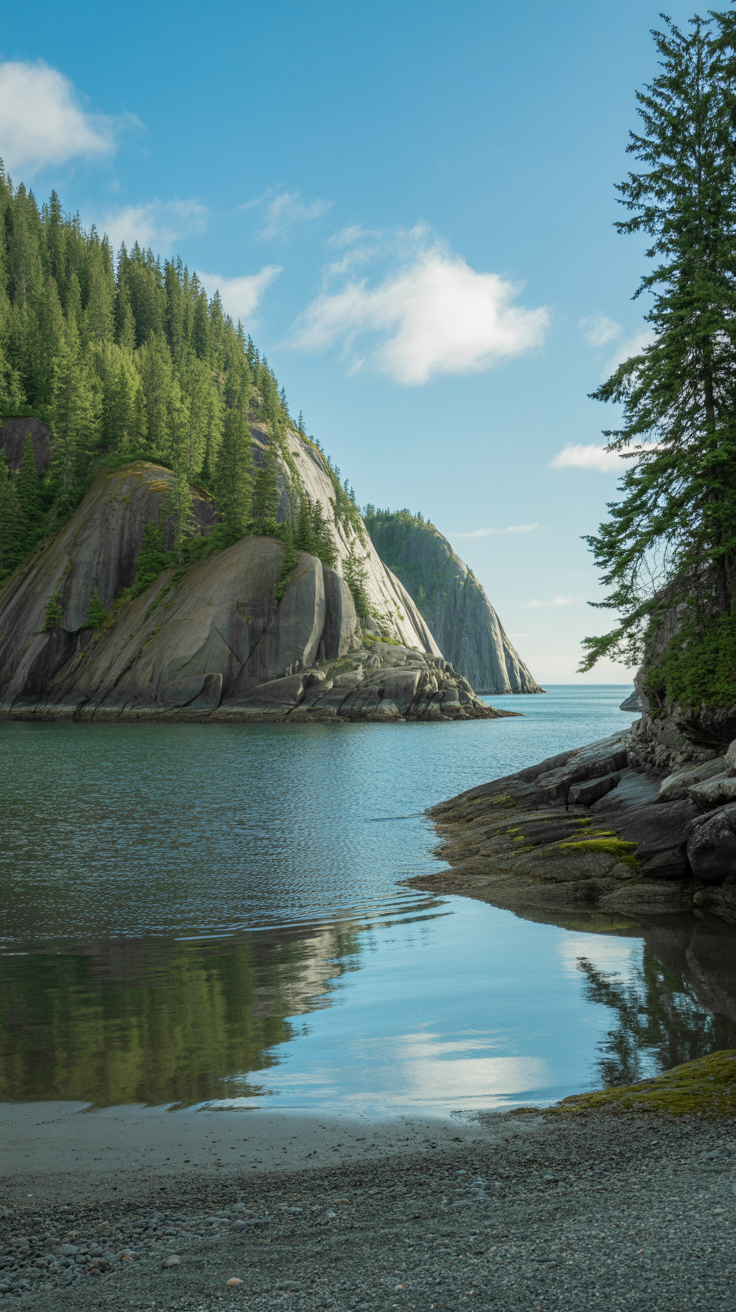
UnCruise operates eight ships in Alaska, and they’re not fancy. Nobody’s winning design awards here. But they’re purpose-built for wilderness exploration.
- Wilderness Adventurer, Wilderness Discoverer, Wilderness Explorer: 60-76 passengers, hot tub, kayaks, paddleboards, hydrophone for listening to whales underwater
- Safari Endeavour: 86 passengers, the largest in the fleet, has a sauna and small fitness area
- Safari Quest: 22 passengers, the most intimate option, books up fastest
- Wilderness Legacy: 88 passengers, vintage yacht style with more communal spaces
The cabins are functional but small. Think cozy, not cramped. Most have windows, some have balconies on the newer vessels. You’re not spending much time in your room anyway.
What’s Actually Included
UnCruise uses the term “all-inclusive,” and they mean it more than most cruise lines. Here’s what your fare covers:
- All meals, snacks, and non-alcoholic beverages
- Beer and wine with dinner (premium spirits cost extra)
- All shore excursions and activities
- Kayaks, paddleboards, skiffs, hiking poles, fishing gear, wetsuits for cold-water snorkeling
- National park fees including Glacier Bay entrance
- Transfers on embarkation and disembarkation days
- Gratuities are not included and typically run 5-10% of your cruise fare
The bar has premium liquor available for purchase, and there’s no casino or spa to drain your wallet. The onboard shop sells minimal branded merchandise and essentials you forgot to pack.
Itineraries And Where You’ll Actually Go
UnCruise runs several distinct Alaska routes, and the differences matter. For more context on this style of cruising, see our guide to Alaska expedition cruises.
Northern Passages & Glacier Bay
This is the marquee route. Seven nights round-trip from Juneau, spending an entire day in Glacier Bay National Park with a park ranger onboard. You’ll explore Tracy Arm Fjord, anchor in secluded bays in Frederick Sound (prime whale territory), and visit small communities like Petersburg.
Glacier Country Discovery
Also seven nights but focuses more on ice. Lots of glacier viewing, including getting within safe distance of calving faces. More time in Tracy Arm and Endicott Arm.
Southeast Alaska & Misty Fjords
Seven nights from Juneau to Sitka (or reverse). Includes Misty Fjords National Monument, which looks like something from a fantasy novel with sheer cliffs rising thousands of feet from the water. You’ll also hit Wrangell and Petersburg.
Wilderness Coast & Glaciers
Fourteen nights for those who want the full experience. Combines multiple regions and maximizes wildlife viewing opportunities.
The Activity Level Is No Joke
UnCruise markets itself as “active” and they’re not kidding around. This matters because some people book expecting a relaxing cruise and find themselves exhausted by day three.
Typical day: Wake-up call at 6:30am. Optional kayak outing before breakfast at 7:30am. Guided forest hike at 9:00am covering 3-5 miles with elevation gain. Return for lunch. Afternoon skiff tour to look for bears. Paddleboard session before dinner. Evening naturalist presentation. Lights out by 10pm because you’re wiped out.
You can skip activities, but you’ll miss the point of the trip. There’s no pool, no Broadway shows, no casino. The entertainment is the wilderness.
Fitness Requirements
UnCruise rates their trips from easy to demanding. Even “easy” itineraries require:
- Ability to get in and out of kayaks and inflatable skiffs without assistance
- Walking on uneven terrain including slippery rocks and beach cobbles
- Standing for 2-3 hours during shore excursions
- Climbing stairs on the ship (no elevators)
If you have mobility limitations, call them directly. They can sometimes accommodate but it’s vessel and itinerary dependent.
Food: Better Than You’d Expect, Not Gourmet
The dining room seats everyone at once, and meals are served at set times. No specialty restaurants or room service.
The food is good quality, fresh when possible, with locally sourced seafood. Expect Alaska salmon, halibut, Dungeness crab, and wild game like venison or elk. Vegetarian options available with advance notice. Special diets accommodated but communicate ahead of time.
Breakfast includes hot options and a continental spread. Lunch is often buffet style. Dinner is plated with 2-3 entree choices announced that morning. Desserts are homemade and surprisingly good.
The galley will pack trail snacks for hikes. Coffee, tea, and hot chocolate available all day. Fresh cookies appear mysteriously in the afternoon.
Wildlife Viewing Reality Check
UnCruise promotes wildlife heavily, and Alaska delivers, but it’s wilderness not a zoo. You’ll almost certainly see:
- Bald eagles (everywhere, constantly, to the point you stop photographing them)
- Humpback whales (extremely common in summer)
- Sea otters, harbor seals, sea lions
- Porpoises
You’ll probably see:
- Black bears and brown bears (especially July-August during salmon runs)
- Orcas (less common than humpbacks but sightings frequent)
- Mountain goats on cliffsides
You might see:
- Wolves (rare, mostly tracks)
- Moose (uncommon in Southeast Alaska)
- Bears catching salmon in their mouths (iconic shot requires timing and luck)
The naturalists are skilled at spotting wildlife and the captain actively searches. The small ship size means everyone can see when something’s spotted, unlike big ships where port side passengers get all the views.
The Naturalist Makes Or Breaks The Trip
Every cruise has at least one naturalist, sometimes two on larger vessels. These folks are experts in marine biology, geology, indigenous culture, or ecology. They lead hikes, give presentations, answer endless questions, and help with wildlife identification.
The good ones transform the experience. They’ll explain why glaciers are blue, identify whale individuals by fluke patterns, teach you to spot bear scat, and contextualize what you’re seeing. The excellent ones have infectious enthusiasm that makes you care about lichen.
You can’t choose your naturalist, but UnCruise vets them carefully. Most have advanced degrees and years of Alaska experience.
Booking Strategy And Pricing
UnCruise isn’t cheap. Seven-night cruises typically run $4,000-$8,000 per person depending on cabin category and season. That’s in line with luxury Alaska cruise options but remember it includes everything.
When To Book
- Early booking discounts: Book 10+ months out for 10-15% off
- Last minute deals: Within 90 days of departure, unsold cabins sometimes get discounted 20-30%
- Shoulder season: May and September sailings cost less and have fewer ships overall in Alaska
Best Cabins
The smallest inside cabins are tight for two people but manageable. If you can swing it, get a cabin with a window or better yet a small balcony. You’ll want to step outside at odd hours when wildlife appears or the light is magical at 11pm.
Single cabins exist on some vessels but book early. Otherwise expect a single supplement of 1.5x the per-person rate.
What Nobody Tells You Before You Go
Pack Less Than You Think
Laundry service costs extra but the casual atmosphere means you’ll wear the same hiking pants five days straight and nobody cares. Bring layers, waterproof everything, and skip the dress clothes. One nice outfit for the captain’s dinner is plenty.
Motion Sickness Is Real
The Inside Passage is generally calm but you’ll hit some choppy water. Small ships move more than big ones. Bring medication even if you think you don’t need it. The onboard supply sometimes runs out.
Electronics And Connectivity
WiFi exists on some vessels but it’s satellite-based and slower than dial-up. Think emergency email only. Most areas have no cell service. Embrace the digital detox or pay for occasional WiFi access.
The Mud Is Relentless
Alaska beaches aren’t sandy. They’re rocky, muddy, and covered in kelp. You’ll track mud everywhere. The crew hoses down boots at the gangway but your gear will be perpetually damp and dirty. That’s just how it is.
Weather Trumps Itinerary
The published itinerary is aspirational. Weather, tides, and wildlife sightings change plans constantly. You might skip a scheduled stop to follow orcas for three hours. Roll with it. The captain knows what they’re doing.
Bonus Tips From Seasoned Small Ship Cruisers
- Bring your own binoculars: The ship has some to borrow but they’re in constant demand. A decent 8×42 pair transforms wildlife viewing.
- Get rubber boots before you go: UnCruise provides them but the fit is hit-or-miss. Bring your own Xtratufs if you have room.
- Download bird and wildlife apps before sailing: No internet means you can’t look things up on the fly. Merlin Bird ID and a marine mammal guide work offline.
- The hot tub at dawn is prime time: Sitting in a hot tub watching the sunrise over glaciers with maybe two other people is a top-tier experience.
- Tip your expedition crew separately: The suggested gratuity covers the captain and crew, but expedition leaders sometimes get separate tips. Cash works.
- Book kayak times strategically: Morning kayaks have better light and glassier water. Afternoon slots are easier to get but you’ll fight wind.
- The hydrophone is worth your time: When the crew drops the underwater microphone you can hear whales singing and shrimp clicking. Sounds weird, is amazing.
- Bring hand warmers: Even in July, mornings on deck are cold. Disposable hand warmers make early wildlife viewing comfortable.
- The library has excellent field guides: Every ship has nature books you can borrow. Read up between excursions.
- Ask about the covered “mud room”: Different on each vessel but these wet gear storage areas become social hubs where people compare photos and plan activities.
Who Should Not Book UnCruise
This style of cruising isn’t for everyone. Skip UnCruise if you:
- Want nightlife, entertainment, or evening activities beyond nature talks
- Prefer sleeping in and leisurely mornings
- Need luxury amenities like spas, pools, or upscale dining
- Want structured kids’ programs (UnCruise welcomes families but doesn’t have dedicated children’s staff)
- Prefer staying clean and dry
- Want to visit major port cities and go shopping
- Need mobility assistance or have difficulty with physical activity
There’s no shame in preferring a different style. Big ships serve different purposes and many people have wonderful Alaska experiences on mainstream cruise lines.
How UnCruise Compares To The Competition
In the small ship expedition space, UnCruise sits in the middle tier. Lindblad is more expensive with higher-end naturalists and photography programs. Alaskan Dream has comparable pricing but less activity focus. UnCruise offers the best balance of adventure, price, and included amenities for most people.
For more details, visit the UnCruise Adventures cruise line hub for specific ship details and current itineraries.
Common Questions And FAQ
Can I charge things to my room or do I need cash?
You’ll set up an onboard account for bar purchases and retail. They take credit cards. Cash is useful for crew tips at the end but not required for daily expenses.
What if I’m traveling solo?
UnCruise will try to match you with a same-gender roommate if you request it, waiving the single supplement. Otherwise you pay extra for solo occupancy. Solo travelers are common and easily integrate into the small group dynamic.
Do I need a passport for Alaska cruises?
For UnCruise, yes. While some Alaska cruises don’t require passports, UnCruise itineraries sometimes involve remote locations where identification requirements are strict. Plus you’ll want it for travel flexibility.
Can I drink the water onboard?
Yes, it’s potable. Filtered water stations throughout the ship. Bring a reusable water bottle.
What’s the cell phone policy during excursions?
There isn’t one but social pressure exists. Taking photos is fine but talking loudly or constantly checking your phone (when you have signal) during wildlife viewing annoys everyone. The crew won’t say anything but your fellow passengers might.
Are there laundry facilities?
No self-service laundry. The crew offers wash-and-fold service for a fee. Most people just re-wear outdoor gear.
What happens if I get seasick?
The crew has basic medications and remedies. Severe cases are rare but if weather is really bad they’ll adjust course to calmer waters when possible. The ships have stabilizers but you’ll still feel movement.
Can I extend my trip in Alaska before or after the cruise?
Absolutely, and you should. Juneau, Sitka, and other ports make excellent pre- or post-cruise stops. UnCruise can help arrange hotels but you’re on your own for planning. Consider extra days to account for flight delays since Alaska weather causes frequent cancellations.
Is Alaska cruise insurance worth it?
Yes, particularly for UnCruise. Weather can delay flights causing you to miss embarkation. Medical evacuation from remote Alaska is expensive. Trip interruption coverage makes sense given the investment and remote nature of these trips.
Personal Experience
Last summer, I finally booked that Alaska trip I’d been putting off for years, but instead of going with one of those massive cruise ships, I chose UnCruise Adventures. Best decision ever. Our boat held maybe 60 people, which meant we could slip into these narrow fjords and pull right up to glacier faces that the big ships could only show passengers from miles away. One morning, we kayaked through a cove where harbor seals were lounging on ice chunks, so close I could hear them breathing. The crew actually cut the engine and let us drift in silence while a humpback whale fed nearby. You just don’t get that when you’re on a floating hotel with 3,000 other people.
What surprised me most was how active everything was. This wasn’t about fancy dining rooms and Broadway shows—we were hiking through rainforests before breakfast, learning to spot bear tracks, and helping the naturalist identify bird calls. The crew knew everyone by name within a day, and by the end of the week, it felt more like an expedition with friends than a typical cruise. Sure, the cabins were small and there wasn’t a casino onboard, but when you’re watching brown bears fish for salmon from maybe 50 feet away, you realize you don’t need any of that stuff. It’s definitely not for everyone, especially if you want pampering and nightlife, but if you actually want to experience Alaska rather than just see it from a distance, this is the way to go.