
The Gulf of Alaska features pristine wilderness, dramatic fjords, and abundant wildlife including whales, sea lions, and bears. Remote ports like Sitka, Juniper Bay, and Yakutat offer access to Native Alaskan culture, glaciers, and untouched natural beauty. These destinations provide authentic experiences away from typical cruise routes, showcasing Alaska’s rugged coastal landscapes and rich maritime heritage.
Quick Facts: Gulf of Alaska Cruising
| Feature | Details |
|---|---|
| Primary Season | May through September (with July-August being peak) |
| Typical Weather | 50-65°F, rain likely any day |
| Sea Conditions | Can be rough; bring seasickness remedies |
| Wildlife Peak | Humpback whales (June-August), bears (July-September) |
| Best For | Adventure seekers, wildlife enthusiasts, culture lovers |
| Dress Code | Layers, waterproof everything, sturdy footwear |
Want to know more about Alaska cruise ports and what to expect when planning your adventure?
Understanding Gulf of Alaska Cruises
Gulf of Alaska cruises follow a one-way route that typically runs between Seward or Whittier and Vancouver or Seattle. This routing opens up access to ports that round-trip Inside Passage cruises simply can’t reach, making it the secret weapon for travelers who want to see Alaska beyond Juneau and Ketchikan.
The geography here is completely different from the protected waters of the Inside Passage. You’re sailing exposed waters where the Pacific Ocean crashes into Alaska’s southern coast, creating dramatic scenery and occasionally dramatic waves. Pack your dramamine and don’t schedule important Zoom calls on sea days.
Gateway Ports: Where the Adventure Begins
Seward: Your Northern Gateway
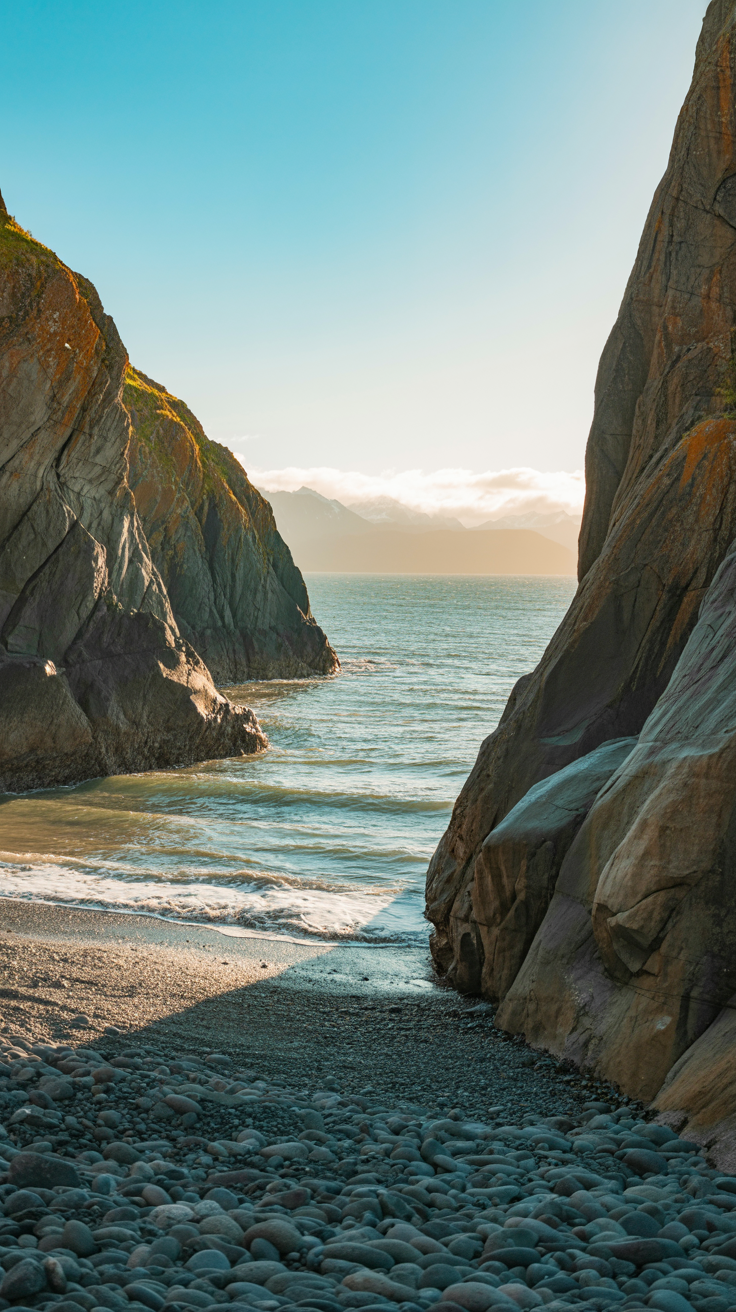
Seward serves as the starting or ending point for most northbound Gulf of Alaska itineraries. This small town packs a serious punch with the Alaska SeaLife Center and easy access to Kenai Fjords National Park. Here’s the insider move: if you’re beginning your cruise here, arrive a day early and take the Alaska Railroad’s Coastal Classic route from Anchorage. The scenery rivals anything you’ll see from the ship.
Whittier: The Tunnel Town
Whittier is accessible through a single tunnel shared by cars and trains on alternating schedules, and almost the entire population lives in one building. Yes, one building. The Begich Towers houses residents, the post office, a store, and the police station. It’s wonderfully weird and quintessentially Alaskan. The port is also your jumping-off point for Prince William Sound’s spectacular glaciers.
Homer: The Halibut Capital
Not every Gulf cruise stops at Homer and its famous spit, but those that do offer something special. This artsy fishing town extends into Kachemak Bay on a narrow strip of land. The halibut fishing here is legendary, and the galleries showcasing local artists are worth the browse even if you’re not buying.
The Remote Gems
Valdez: Where Oil and Ice Meet
Valdez sits at the end of the Trans-Alaska Pipeline and offers access to Columbia Glacier, one of Alaska’s fastest-moving glaciers. The town rebuilt itself after a devastating earthquake, and that resilience shows in the warm community spirit. Book a kayak tour if your ship stops here—paddling among icebergs is surreal.
Kodiak: Bear Country
Kodiak Island is home to the famous Kodiak brown bears, and only small ships typically make port here. The Russian heritage is strong, with the Holy Resurrection Orthodox Church standing as one of Alaska’s oldest. If you’re lucky enough to visit, the local king crab is as good as it gets.
Yakutat: The Middle of Nowhere (In the Best Way)
Yakutat offers access to Hubbard Glacier and some of the most remote surfing in North America. This tiny community of fewer than 700 people sees very few cruise ships, which means when you do visit, you’re getting an authentic glimpse of coastal Alaska life. The Tlingit culture is beautifully preserved here.
Lesser-Known Stops Worth Knowing About
Wrangell and Petersburg
Wrangell is one of Alaska’s oldest towns and has been ruled by four nations. The petroglyphs at Petroglyph Beach date back thousands of years. Meanwhile, Petersburg maintains its Norwegian fishing village character so thoroughly that it’s called “Little Norway.” These ports appear mainly on Alaska small ship cruise itineraries, giving you a real advantage if you choose smaller vessels.
Prince Rupert: The Canadian Connection
Technically in British Columbia, Prince Rupert often appears on Gulf of Alaska routes. The Museum of Northern British Columbia has one of the best collections of First Nations art anywhere, and the harbor is often thick with seals lounging on docks like they own the place (which, let’s be honest, they kind of do).
The Really Remote: For the Adventurous
Some Alaska expedition cruises venture to ports that barely qualify as ports at all.
Barrow (Utqiaġvik): Top of the World
Barrow is the northernmost community in the United States, accessible only by expedition ships making the Northwest Passage or special Arctic itineraries. You’re in polar bear territory here, and the cultural immersion in Iñupiaq traditions is profound. This isn’t your average cruise stop—this is bucket-list territory.
Nome: Gold Rush Legacy
Nome sits on the Bering Sea and offers a genuine frontier experience. The gold rush history is everywhere, and you can still pan for gold on the beaches. The finish line of the Iditarod is here, and the town has a fascinating mix of Alaska Native heritage and gold rush history.
Dutch Harbor: The Deadliest Catch
Dutch Harbor in the Aleutian Islands is where commercial fishing gets serious. You’ve seen it on TV, but being there when fishing vessels are in port is something else entirely. The weather is typically terrible, the landscape is treeless and windswept, and it’s absolutely captivating. Only the most adventurous expedition cruises make it this far.
Practical Tips for Gulf of Alaska Cruising
Weather and Packing
The Gulf of Alaska doesn’t care about your vacation plans. Rain happens, wind happens, and occasionally both happen while the sun is shining. Your packing list should include:
- Waterproof jacket and pants (not water-resistant—actually waterproof)
- Layers including fleece or wool midlayers
- Waterproof hiking boots broken in before your trip
- Gloves and a warm hat even in summer
- Binoculars for wildlife viewing
- Seasickness medication even if you think you don’t need it
Choosing Your Ship Size
Large cruise ships stick to major ports like Seward, Whittier, and sometimes Homer or Valdez. Small ships and expedition vessels can access places like Petersburg, Wrangell, and remote anchorages where you’ll zodiac to shore. Neither is better—they’re just different experiences. Large ships offer more amenities and stability in rough seas. Small ships offer flexibility and access to places where big ships literally cannot fit.
Wildlife Watching Strategy
The Gulf of Alaska is wildlife central, but seeing animals requires some strategy:
- Stay on deck during the “boring” transit times—that’s often when whales appear
- Bring a camera with a good zoom; your phone won’t cut it for that bear on shore
- Early morning and evening offer the best wildlife lighting and activity
- Bears congregate near salmon streams from July through September
- Humpback whales feed using bubble-net techniques you can actually witness
- Sea otters hang out in kelp beds near shore
The Challenges Nobody Tells You About
Let’s be honest about what makes Gulf of Alaska cruising different. The water can be genuinely rough. Ships roll and pitch more than they do in the Inside Passage’s protected waters. If you’re prone to seasickness, this matters. Book a cabin midship and low for the most stability.
Weather cancellations happen. Excursions get scrubbed, tender operations get canceled, and occasionally ships skip ports entirely due to conditions. Have a backup plan and don’t schedule anything critical immediately after your cruise.
Remote ports have limited infrastructure. That charming tiny town might have exactly one ATM, unreliable cell service, and a gift shop that’s someone’s living room. This is part of the charm, but it requires adjusting your expectations.
Bonus Tips
- Book shore excursions through your ship in remote ports—independent options are often nonexistent
- The ship’s naturalist or park ranger (many Gulf cruises have them) knows where wildlife is appearing; ask them
- Download offline maps and information before you go; internet is spotty or expensive
- Bring cash in small bills; many remote spots don’t take cards reliably
- The observation lounges at the front of the ship get crowded during scenic cruising; the back decks are often empty with the same views
- Glaciers are louder than you expect; the cracking and groaning is part of the experience
- Dress code on Gulf cruises tends more casual than Caribbean; people prioritize function over fashion
- Schedule haircuts, spa appointments, and specialty dining on sea days when everyone else is in their cabin feeling queasy
- The salmon you catch on fishing excursions can often be processed, frozen, and shipped home
- Bring good sunglasses; the glare off water and ice is intense even on cloudy days
Cultural Considerations
The Gulf of Alaska region is home to Tlingit, Haida, Tsimshian, Alutiiq, and other Alaska Native peoples. Their cultures aren’t historical footnotes—they’re living traditions. When you visit cultural centers or watch performances, you’re seeing real heritage being shared. Purchase authentic Native art directly from artists when possible, and understand that photography may not be allowed during some ceremonies or in certain areas.
Small communities in Alaska have complicated relationships with tourism. They appreciate the economic boost but also value their way of life. Be respectful of private property, don’t treat people like attractions, and support local businesses when you can.
When to Go
Early season (May and early June) means fewer crowds, lower prices, and more rain. Salmon haven’t fully arrived yet, so bear viewing isn’t peak, but whales are already feeding. Mid-season (late June through July) offers the longest days and best weather odds, but everyone knows it. Late season (August and September) brings fall colors, aggressive salmon runs, very active bears, and the start of aurora possibilities in northern regions. Prices drop after mid-August.
Making the Most of Sea Days
Gulf of Alaska itineraries often include long sea days transiting between ports. Use this time wisely. Attend the naturalist presentations about what you’re seeing. Position yourself on deck when the ship passes significant landmarks. Read up on the next port. Or just sit with a book and hot chocolate watching for whale spouts—there are worse ways to spend a day.
Common Questions and FAQ
Do I need a passport for a Gulf of Alaska cruise?
If your cruise begins or ends in Canada (like Vancouver) or stops at Canadian ports (like Prince Rupert), you absolutely need a valid passport. Even on all-Alaska itineraries, a passport is highly recommended for emergencies.
How rough is the Gulf of Alaska compared to other cruise destinations?
The Gulf can be significantly rougher than Caribbean or Mediterranean cruising. It’s open ocean with Pacific swells. Modern stabilizers help tremendously, but sensitive stomachs should prepare accordingly. The Inside Passage portions are calmer.
Can I see the Northern Lights on a Gulf of Alaska cruise?
Possible but unlikely during cruise season. The best aurora viewing happens in winter when it’s dark enough, but cruise season runs during summer’s long daylight hours. Late August and September sailings have the best chance, particularly in northern regions, but it’s not something to count on.
Are there polar bears in the Gulf of Alaska region?
Only in the far north around Barrow and the Arctic regions that very few cruises visit. The Gulf of Alaska is brown bear and black bear territory. Polar bears live further north on the Arctic ice.
How much should I budget for shore excursions?
Gulf of Alaska excursions run expensive because of the remote locations and small group sizes. Budget $150-400 per person per port for activities like flight-seeing, bear viewing, or fishing charters. Gentler options like cultural tours or short hikes cost less, typically $75-150.
Will my cell phone work in remote Alaskan ports?
Coverage is spotty at best in remote communities. Major carriers have service in larger ports like Seward and Whittier, but places like Yakutat or small villages may have limited or no coverage. Ship WiFi is available but expensive and slow. Plan to disconnect.
What’s the difference between a Gulf of Alaska cruise and an Inside Passage cruise?
Gulf of Alaska cruises are typically one-way between Vancouver/Seattle and Seward/Whittier, covering more distance and visiting different ports. Inside Passage cruises are usually round-trip from Seattle or Vancouver, sticking to the protected waterway with stops like Juneau, Skagway, and Ketchikan. Gulf cruises see more open ocean and access different communities.
Is gratuity/tipping different on small expedition ships?
Small ship and expedition cruise lines often handle gratuities differently than major cruise lines. Some include it in the fare, others suggest a lump sum at the end ($15-25 per guest per day is typical), and some leave it entirely to your discretion. Check your specific cruise line’s policy.
Personal Experience
Last summer, my partner and I took our sailboat into some of the Gulf of Alaska’s most remote harbors, and it completely changed how I think about coastal cruising. We spent three weeks hopping between tiny communities like Port Protection and Elfin Cove, places where the post only comes twice a week and everyone knows your boat by name within hours of dropping anchor. The navigation charts became our bible—those currents and tidal changes are no joke, and more than once we had to adjust our plans because a harbor entrance we’d hoped to use was only passable during a two-hour window. But the effort was absolutely worth it. We watched humpback whales bubble-net feeding just outside Port Armstrong, and had a curious sea otter practically escort us into a hidden cove near Freshwater Bay.
What struck me most was how these isolated communities operate on a completely different rhythm. In Tenakee Springs, the tiny town shuts down when the ferry comes in because literally everyone goes to greet it. The locals were incredibly generous with their knowledge too, pointing us toward wildlife hotspots and warning us about tricky passages that even the official guides don’t fully capture. One fisherman radioed us detailed instructions for navigating through a particularly gnarly section near Point Retreat, complete with landmarks only locals would know. If you’re thinking about exploring this area, just know that your GPS and charts are essential, but the real treasure is the people you meet and the wildlife encounters that happen when you’re patient enough to sit quietly in these hidden corners of Alaska.