
Homer, Alaska offers exceptional bear viewing opportunities accessible from cruise ports. Located on the Kenai Peninsula, visitors can take floatplane or boat tours to nearby coastal areas like Katmai National Park and Lake Clark to observe brown bears fishing for salmon in their natural habitat. These guided excursions provide safe, up-close wildlife viewing experiences.
Quick Facts
| Detail | Information |
|---|---|
| Distance from Seward | 100 miles by road (2.5 hours) |
| Primary viewing locations | Katmai National Park, Lake Clark National Park, Cook Inlet coastal areas |
| Best viewing season | Late June through September |
| Tour duration | 4-8 hours depending on destination |
| Transportation method | Floatplane or boat |
| Typical cost | $600-$900 per person |
| Advance booking recommended | 3-6 months ahead |
Want to know more about Alaska cruise ports and shore excursion planning?
Getting to Homer from Your Cruise Ship
Here’s what most cruise passengers don’t realize: Homer itself isn’t a cruise port. Your ship will dock at Seward, and you’ll need to arrange transportation to Homer. The scenic drive along the Seward Highway and Sterling Highway takes about 2.5 hours each way, which means you’re looking at five hours of driving plus your bear viewing tour. That’s tight for a typical port day.
The smarter play? Book a bear viewing tour that departs directly from Homer Alaska as part of a cruise shore excursion arranged through an independent tour operator who coordinates the entire day. They handle the transportation from Seward, get you to the floatplane base in Homer, and have you back before the ship’s all-aboard time. These packages exist specifically for cruise passengers and take the stress out of timing.
Some cruise lines offer this as a ship-sponsored excursion, which comes with the guarantee that the ship won’t leave without you if there’s a delay. Independent bookings cost less but carry more risk if weather or mechanical issues cause delays.
Types of Bear Viewing Tours from Homer
Floatplane Excursions
Floatplanes are the gold standard for bear viewing because they can access remote coastal areas where bears congregate without crowds. The flight itself becomes part of the adventure as you soar over glaciers, mountains and pristine coastline.
- Most popular destination: Katmai National Park’s coastal areas where brown bears actively fish for salmon
- Flight time: 45 minutes to 1 hour each way
- Ground time: 2-3 hours observing bears
- Group size: Usually 6-10 people per plane
- Weight restrictions apply (typically 250-300 pounds per passenger with gear)
Boat-Based Viewing
Water-based tours travel to coastal areas of Cook Inlet and Kachemak Bay where bears feed along the shoreline and tidal flats. These tours cost less than floatplanes but cover shorter distances and see fewer bears on average.
- Duration: 6-8 hours including boat travel
- More affordable option at $300-$500 per person
- Better for people nervous about small aircraft
- Can be affected by tides and weather conditions
What to Expect During Bear Viewing
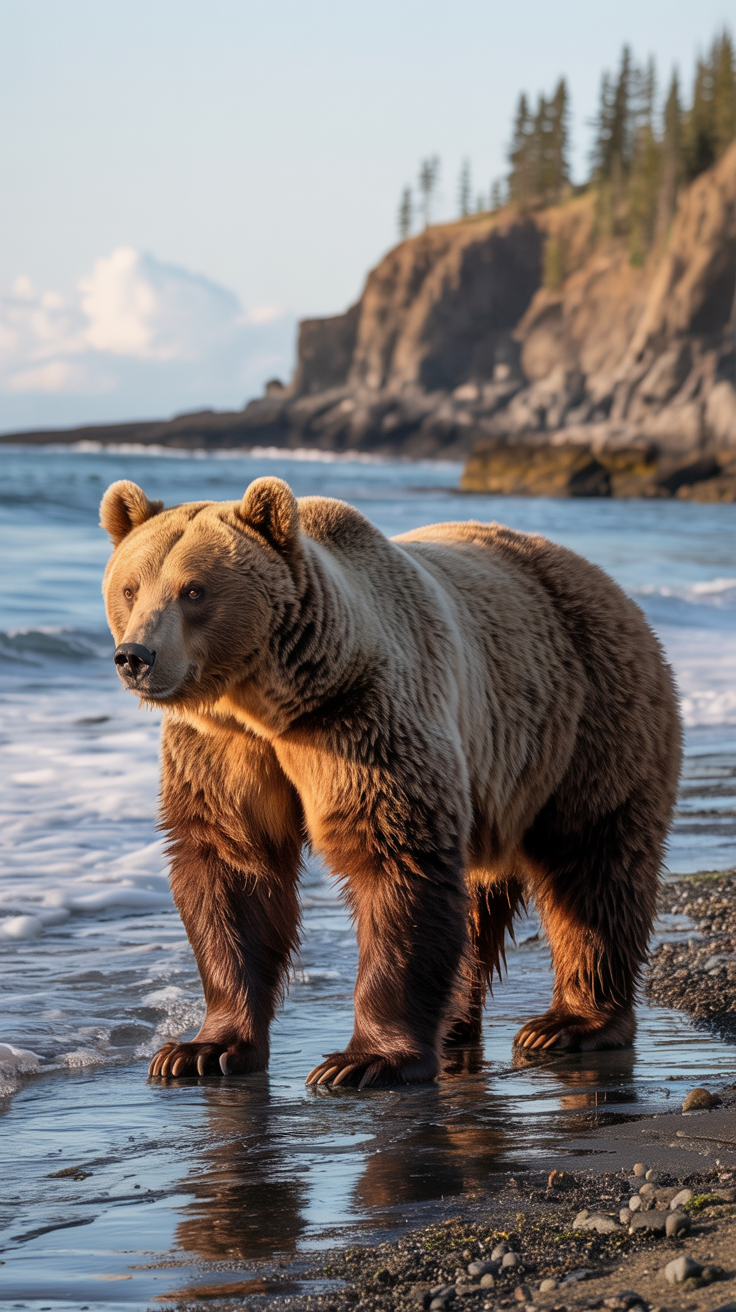
Your guide will land on a remote beach or position the boat offshore while bears fish for salmon in nearby streams and shallows. You’ll observe from a safe distance (typically 50-100 yards) as bears dig for clams, catch fish or simply lounge on the beach.
The guides carry bear spray and know bear behavior intimately. They’ll explain what you’re watching, point out mothers with cubs and identify individual bears by their markings and habits. The best guides have been working these areas for decades and treat the bears with respect while keeping you safe.
Here’s what surprises most first-timers: the bears largely ignore you. They’re focused on eating and preparing for winter. You’re not interesting to them unless you do something stupid like approach them or get between a mother and her cubs.
Timing Your Visit
Bear activity follows salmon runs, and different species run at different times:
- Late June to mid-July: Early salmon runs begin, bears are hungry after winter
- Mid-July through August: Peak season with maximum bear activity and numbers
- September: Fall feeding frenzy as bears pack on weight before hibernation
Most Alaska cruises run May through September, but if your cruise is in May or early June you’ll see fewer bears because salmon runs haven’t peaked. Late-season September cruises offer spectacular viewing as bears enter hyperphagia (extreme feeding mode) before winter.
Practical Considerations
Weather and Cancellations
Homer has notoriously unpredictable weather. Fog, wind and rain can ground floatplanes or make boat travel unsafe. Tour operators typically offer to reschedule or refund if they cancel, but cruise passengers don’t have the luxury of rescheduling.
Book your bear viewing tour for your first port day if possible. If weather cancels the tour you might have another day to try. Some passengers book tours through their cruise line specifically for the guarantee that they’ll get you back to the ship regardless of delays.
Physical Requirements
Most bear viewing tours have minimal physical demands. You’ll walk on beaches (sometimes rocky or uneven) and stand for extended periods while observing. Floatplane passengers need to be able to climb in and out of the aircraft, which sits low in the water.
These tours work well for families with children who can sit quietly and follow instructions. Most operators set a minimum age of 6-8 years old.
What to Bring
- Layers of clothing: Temperatures can swing 20 degrees between Homer and remote viewing sites
- Rain jacket and waterproof pants: Even if Homer looks sunny, weather changes quickly
- Rubber boots or waterproof hiking boots: Beach landings mean wet feet otherwise
- Camera with telephoto lens: A zoom lens (200mm or longer) captures better shots from safe distances
- Binoculars: For watching bears further away or spotting other wildlife
- Sunscreen and sunglasses: Alaska’s summer sun is stronger than you think
- Snacks: Tours provide some food but bringing extra helps on long days
- Motion sickness medication: If you’re prone to seasickness or get queasy in small planes
Beyond Bears: Other Homer Attractions
If you’re making the trek to Homer anyway, consider exploring things to do in Homer beyond bear viewing. The Homer Spit extends 4.5 miles into Kachemak Bay and hosts galleries, restaurants and shops. Halibut fishing charters catch these giant flatfish that can weigh over 100 pounds. The town calls itself the “Halibut Fishing Capital of the World” and backs it up with consistent catches.
Comparing Homer to Other Alaska Wildlife Viewing
Several Alaska cruise ports offer wildlife viewing opportunities. Wildlife viewing at Icy Strait Point focuses on humpback whales and sea otters, while wildlife experiences in Haines feature bald eagles and occasional bears. Homer’s advantage is the concentrated bear populations at salmon streams, which virtually guarantees sightings during peak season.
Check out the comprehensive Alaska wildlife viewing guide to compare different locations and species you might encounter on your cruise.
Booking Strategy
Bear viewing tours from Homer sell out months ahead, especially for peak July and August dates. Book as soon as your cruise is confirmed. The best operators fill up 4-6 months in advance.
Compare prices between cruise line excursions and independent operators. You’ll pay 20-30% more through the cruise line but gain the guarantee and convenience. Independent operators often provide more intimate experiences with smaller groups.
Read reviews carefully and look for operators with experienced pilots and guides who’ve worked these areas for years. The cheapest option isn’t always the best when you’re dealing with floatplanes and wild bears.
Bonus Tips
- Floatplane weight matters: Wear lightweight clothing and pack light. If you exceed weight limits you might pay extra or get bumped to another flight
- Bring spare camera batteries and memory cards. Cold drains batteries faster and you’ll take hundreds of photos
- Use silent shutter mode on your camera. Shutter clicks can disturb bears at close range
- Ask your guide about tides before you wander on the beach. Alaska has dramatic tidal swings and you don’t want to get cut off
- Download photos to a backup device each evening. Losing these images would be devastating
- Check your travel insurance. Most standard policies don’t cover floatplane flights, so you might need to purchase additional coverage
- Eat a good breakfast but avoid heavy, greasy meals before your flight. Small aircraft can get bumpy
- The best light for photography happens in early morning or evening, but most tours run midday to accommodate cruise schedules
- Bears are most active during falling tides when salmon concentrate in shallow water
- If you wear glasses, bring a strap so they don’t fly off during floatplane takeoffs and landings
Common Questions and FAQ
Can I do a bear viewing tour as a walk-up on the day of my cruise stop?
Technically yes, but practically no. Tours are almost always fully booked during cruise season, and operators won’t hold slots for walk-ups when they can sell them months ahead. If you show up without a reservation you’ll likely find nothing available.
Are there weight limits for floatplanes?
Yes. Most floatplane operators have a per-passenger limit of 250-300 pounds including gear. This isn’t about discrimination—it’s physics and safety. The planes can only carry so much weight and still take off from water. Be honest about your weight when booking so the pilot can properly balance the aircraft.
What happens if I see no bears?
During peak season this is extremely rare but possible. Some operators offer a partial refund or discount on a future tour if you see fewer than a certain number of bears. Check the policy when booking. Weather and salmon runs affect bear activity, but at established viewing locations you’ll almost certainly see multiple bears.
Is bear spray necessary?
Your guide carries bear spray and knows when and how to use it. You don’t need to bring your own, and many operators prefer passengers not carry spray because untrained people deploy it unnecessarily or accidentally. Trust your guide’s expertise.
Can I get closer to the bears for better photos?
No. Approaching bears is dangerous, illegal in national parks, and ruins the experience for everyone. Your guide maintains safe distances for good reason. Bring a telephoto lens instead of trying to get physically closer.
Do tours run in rain?
Light rain doesn’t stop tours. Bears don’t care about rain and often feed more actively in wet weather. Heavy rain, fog or high winds can ground flights or cancel boat trips. Operators make weather calls the morning of your tour.
Are there bathroom facilities at viewing sites?
No. These are remote wilderness beaches with zero infrastructure. Use facilities before departure and plan accordingly. Guides can direct you to a spot away from the group if absolutely necessary, but this isn’t ideal.
Will I see grizzly bears or brown bears?
This confuses people: grizzly bears and brown bears are the same species (Ursus arctos). Bears in coastal Alaska with access to salmon are called brown bears and grow larger. Interior bears with less rich food sources are called grizzlies and stay smaller. Around Homer you’re seeing brown bears, which can weigh 600-900 pounds or more.
Personal Experience
When our cruise docked in Seward, we decided to book a bear viewing tour out of Homer, and honestly, it turned into the highlight of our entire Alaska trip. The float plane ride alone was worth it – skimming over the turquoise waters of Kachemak Bay before landing on a remote beach where brown bears were already fishing for salmon. Our guide kept us at a safe distance while explaining their behavior, and watching a mother bear teach her cubs how to catch fish felt like witnessing something truly sacred. These weren’t zoo animals putting on a show – they were wild, massive, and completely absorbed in their own world.
The timing really matters if you want to see bears actively feeding. We went in late July, which our guide said was perfect because the salmon runs were strong and the bears were out in full force. Pack layers because even summer mornings on the water can be chilly, and bring a good camera with zoom – you’ll want those close-up shots without actually getting close. The whole excursion from Homer took about six hours with the flight and viewing time, which worked perfectly with our cruise schedule. If you’re considering adding this to your Alaska cruise, just do it. Seeing these giants in their natural habitat, doing what they’ve done for thousands of years, puts everything else into perspective.