
Icy Strait Point offers exceptional wildlife viewing opportunities for Alaska cruise passengers. Visitors can observe humpback whales, orcas, sea lions, harbor seals, sea otters, bald eagles, and brown bears in their natural habitats. The area’s rich marine ecosystem and protected waters make it one of Southeast Alaska’s premier wildlife destinations for cruise travelers.
Quick Facts: Wildlife at Icy Strait Point
| Wildlife Type | Best Viewing Time | Likelihood of Spotting |
|---|---|---|
| Humpback Whales | May through September, early morning | Very High |
| Brown Bears | Low tide periods, dawn/dusk | High |
| Bald Eagles | All day | Extremely High |
| Sea Otters | Kelp beds, any time | High |
| Orcas | June through August | Moderate |
| Harbor Seals | Haul-out sites, mid-day | High |
Want to know more about Alaska cruise ports and what makes each destination unique?
Why Icy Strait Point is Different
Unlike other Alaska cruise stops that dock in busy harbors, Icy Strait Point sits in the traditional homeland of the Huna Tlingit people, where development has been carefully limited. Your ship docks right at the edge of prime wildlife habitat. This means you don’t need to travel far to see animals – they’re practically in your backyard.
The waters around Icy Strait are protected feeding grounds where nutrient-rich currents create an underwater buffet. Humpback whales come here specifically to bubble-net feed, a cooperative hunting technique you can actually witness from shore or boat. The surrounding Tongass National Forest provides habitat for one of North America’s highest concentrations of brown bears per square mile.
What You’ll Actually See
Marine Mammals
The whale watching opportunities here rival any location in Southeast Alaska. Humpback whales are the headliners, but don’t overlook the supporting cast:
- Sea otters: These guys float on their backs in kelp beds, cracking open sea urchins on their bellies like they’re at an all-you-can-eat buffet
- Harbor seals: Watch for their dog-like heads popping up near the dock – they’re curious about cruise ships
- Steller sea lions: The barking you’ll hear comes from these massive pinnipeds lounging on rocky outcrops
- Orcas: Less predictable than humpbacks but absolutely show-stopping when they appear
Brown Bears
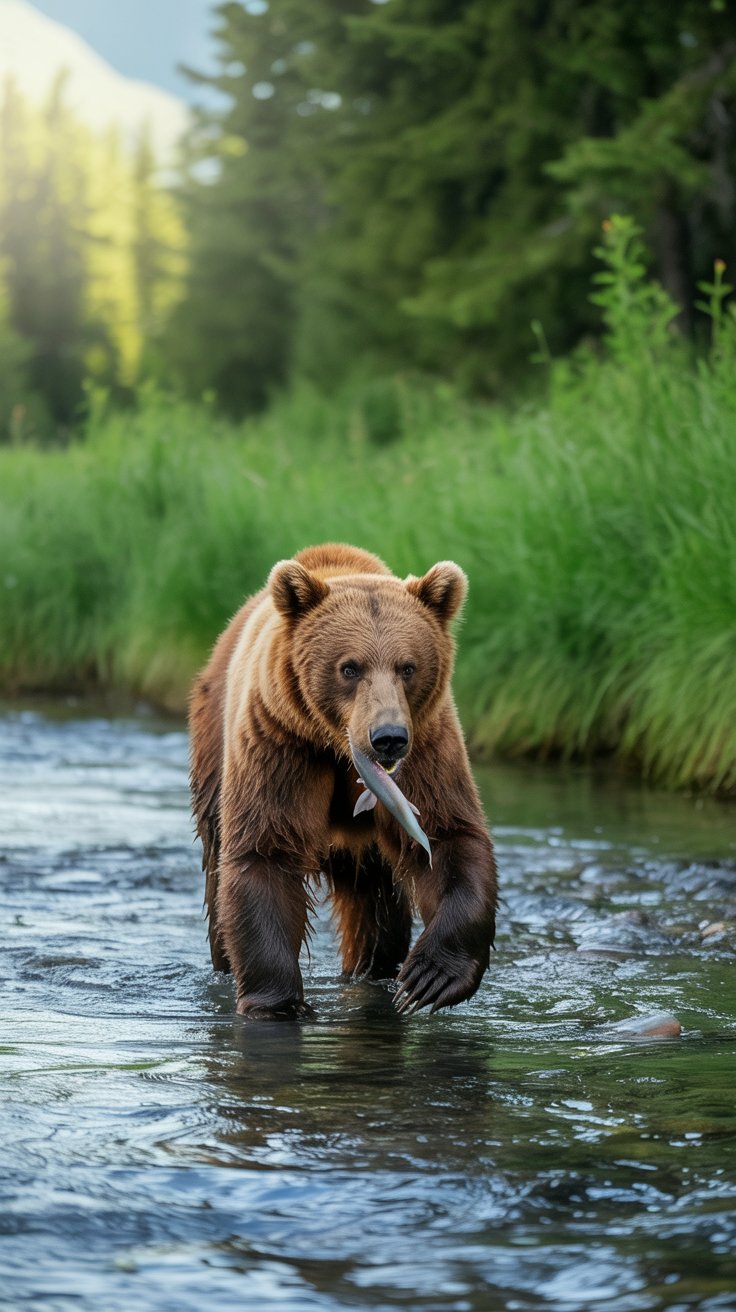
The brown bears around Icy Strait Point follow the tides and salmon runs. During low tide, they dig for clams and flip rocks looking for crabs. When salmon are running, they position themselves at stream mouths. Local guides know exactly where to look based on tide charts and recent sightings.
Here’s the insider secret: the bears near Icy Strait Point are habituated to boats but not to people on foot, which means they tolerate viewing from vessels but remain appropriately wild. This creates ideal viewing conditions without the dangerous close encounters that can happen elsewhere.
Birds
Bald eagles are so common here that after a day you’ll stop photographing them. A single tree might host three or four eagles just waiting for fishing boats to toss scraps. You’ll also spot:
- Ravens performing aerial acrobatics
- Marbled murrelets diving for fish
- Great blue herons stalking the shallows
- Various gulls and cormorants
Choosing Your Wildlife Experience
The activities at Icy Strait Point range from simple deck viewing to specialized excursions. Here’s how to decide:
From the Ship (Free)
Don’t immediately rush off on an excursion. Spend 30 minutes on deck with binoculars when you first arrive. The waters around the dock often have whales, otters, and seals. Some passengers have reported seeing bears on the nearby shoreline from the ship itself.
Wildlife Viewing Boats
These dedicated tours focus exclusively on finding animals. The boats are smaller than your cruise ship, can navigate shallow waters, and captains communicate with each other about sightings. The best shore excursions at Icy Strait Point often combine boat time with beach walks.
Advantages:
- Expert naturalist guides who know animal behavior
- Better angles for photography than from a cruise ship
- Hydrophones let you hear whale songs underwater
- Access to areas cruise ships can’t reach
Challenges:
- Tours book up quickly – reserve when you book your cruise
- Small boats mean exposure to weather and waves
- Can be pricey, especially for families
- Wildlife sightings are never guaranteed despite high probabilities
Bear Watching Excursions
Several tour operators offer dedicated bear viewing trips to nearby islands and coastal areas. These typically involve boat transport to prime bear habitat followed by guided beach walks or viewing from elevated platforms.
The boats stay offshore while spotting scopes let you watch bears at safe distances. Some tours take you to freshwater streams where bears fish for salmon, though timing matters tremendously for salmon activity.
Kayaking and Stand-Up Paddleboarding
For the adventurous, guided kayak tours put you at water level with marine life. Sea otters are remarkably unbothered by quiet kayaks. However, understand that these tours focus on smaller wildlife – you won’t be paddling up to humpback whales.
Photography Tips That Actually Matter
The photography opportunities at Icy Strait Point are outstanding, but the conditions challenge even experienced photographers:
- Bring a zoom lens: 200mm minimum, 400mm better – wildlife keeps appropriate distances
- Fast shutter speeds: Moving boats plus moving whales equals blur without 1/1000 second or faster
- Overcast is your friend: Bright overcast provides even lighting without harsh shadows
- Shoot in bursts: Whale breaches happen in seconds – continuous shooting mode captures the action
- Protect your gear: Salt spray and rain are constant threats – bring covers and protective bags
- Don’t chimping: Checking every shot means missing the next moment
Timing Your Visit
Most cruise ships arrive mid-morning and depart by late afternoon. Wildlife doesn’t care about cruise schedules, but some patterns help:
- Early morning tours: Less boat traffic, more active wildlife, better light for photography
- Tide timing: Low tide exposes feeding areas for bears and shorebirds
- Weather watching: Rain doesn’t stop wildlife activity – dress appropriately and go anyway
- Shoulder hours: The first and last tours of the day often have the best sightings
What to Wear and Bring
Even in summer, conditions on the water are cold and often wet. The complete Alaska wildlife viewing experience requires proper preparation:
- Waterproof outer layer – not water-resistant, actually waterproof
- Warm mid-layers including fleece or down
- Hat and gloves (seriously, even in July)
- Waterproof boots if any shore component is involved
- Binoculars – 8×42 or 10×42 models work well
- Seasickness medication taken before boarding
- Dry bag for electronics and camera gear
- Sunglasses and sunscreen (reflection off water is intense)
Comparing Wildlife Viewing Across Southeast Alaska
How does Icy Strait Point stack up against other ports? If you’re also visiting Juneau for whale watching or Sitka for wildlife viewing, here’s the honest comparison:
Icy Strait Point Advantages:
- Less developed, more pristine setting
- Higher bear viewing probability
- Smaller crowds and tour groups
- Wildlife visible from the dock area
- Authentic cultural context with Huna Tlingit heritage
Icy Strait Point Limitations:
- Fewer tour operators to choose from
- Limited time in port (typically 6-7 hours)
- Weather can be challenging with limited indoor alternatives
- Tour options book early in the season
Bonus Tips Nobody Tells You
- The cruise ship wake attracts fish: Which attracts birds and seals. Watch the water behind your ship as it departs.
- Download a whale identification app: You can report sightings to research databases and learn individual whale names.
- Bring a waterproof notepad: Recording sighting times and locations helps you remember which photos are which.
- Pack hand warmers: They’re lifesavers when you’re standing still watching wildlife in cold wind.
- Ask your guide about “whale poop”: That rust-colored surface slick is actually nutrient-rich whale feces that feeds the entire ecosystem.
- Respect the “wildlife cushion”: Federal law requires 100 yards from whales and 50 yards from other marine mammals – responsible operators follow these rules.
- The “boring” moments matter: Patient observation reveals behaviors you’ll miss if you’re constantly chasing action.
- Bring snacks: Tours run long and adrenaline burns calories faster than you’d think.
- Check your tour’s cancellation policy: Weather can shut down excursions, and policies vary wildly.
- The dock area has decent wifi: You can upload photos and video to backup storage before leaving port.
Realistic Expectations
Wildlife viewing in Alaska involves some luck alongside the skill and knowledge of your guides. Most visitors see multiple species during a dedicated tour. You’ll almost certainly see bald eagles, sea otters, and at least one type of whale. Brown bears have high probability but aren’t guaranteed every trip.
What you won’t see: wildlife performing on command, getting close enough to touch, or behaving like characters in a nature documentary. Real wildlife viewing involves patience, quiet observation, and acceptance that animals have their own agendas.
The animals you encounter are wild and potentially dangerous. This isn’t a zoo or theme park. That authentic wildness is precisely what makes the experience so powerful and memorable.
Common Questions and FAQ
Can I see wildlife without booking an excursion?
Absolutely. The dock area and beach at Icy Strait Point offer genuine wildlife viewing opportunities. Bring binoculars and scan the water for whales and otters. Eagles are everywhere. However, dedicated tours significantly increase your odds of seeing bears and experiencing close whale encounters.
What if the weather is terrible?
Wildlife doesn’t hide during rain. Whales still feed, bears still forage, and eagles still hunt. Tours operate in most weather conditions except dangerous seas. Proper rain gear makes all the difference. That said, tours can cancel for safety reasons, particularly in high winds or very rough water.
Are wildlife viewing tours suitable for young children?
This depends on the child and the tour type. Boat tours require several hours of sitting relatively still, which challenges many young children. Some tour operators have age minimums. Beach-based tours with shorter durations work better for families with small kids. Honestly assess your child’s ability to stay engaged and follow safety rules around wild animals.
How close do we get to brown bears?
Responsible tours maintain safe distances – typically 50 to 100 yards minimum. Modern spotting scopes and binoculars make this distance feel closer. Any tour that promises “up close” bear encounters should raise red flags. Proper bear viewing prioritizes animal welfare and human safety over Instagram moments.
Do I need to tip the naturalist guides?
Yes, tipping is customary and expected in Alaska. Standard is 15-20% of the tour cost for good service, more if your guide went above and beyond. Many guides are marine biologists or naturalists working seasonal positions – tips form a significant portion of their income.
What’s the difference between humpback whales and orcas?
Humpback whales are baleen whales that filter-feed on small fish and krill. They’re large, often breach completely out of the water, and are generally solitary or in small groups. Orcas (killer whales) are actually dolphins – toothed predators that hunt fish, seals, and other whales. They’re smaller than humpbacks, have distinctive black and white coloring, and travel in family pods. Both species frequent Icy Strait Point waters.
Should I book excursions through my cruise line or independent operators?
Both have advantages. Cruise line excursions guarantee the ship won’t leave without you if tours run late. Independent operators often offer smaller groups, more specialized experiences, and lower prices. However, if an independent tour encounters problems, your cruise ship will depart on schedule regardless. Weigh your comfort with risk against potential cost savings and experience quality.
Personal Experience
Last summer at Icy Strait Point, I stood on the deck of our cruise ship at 6:30 in the morning, clutching my coffee and camera, and watched a humpback whale breach so close I could hear the splash. Our guide later told us that early morning and late afternoon are prime times for whale activity, and she wasn’t kidding. We booked the wildlife viewing boat tour that left right after breakfast, and within twenty minutes, we spotted a mother bear and her two cubs digging for clams along the shoreline. The captain cut the engine so we could watch them without disturbing their breakfast routine. Bald eagles were everywhere – perched in the tall spruce trees, swooping down to grab fish, even just hanging out on the dock pilings like they owned the place.
The best advice I got was to dress in layers and bring binoculars, even though the wildlife comes surprisingly close. I wore waterproof boots for the beach walk portion of our tour, which turned out to be essential when we trekked through the tidal areas. The naturalist leading our group really knew her stuff and could spot animals we completely missed at first glance. If you’re choosing between tour options, the combination boat and shore excursion gives you the best of both worlds. Just remember to keep your camera ready at all times – those whales don’t wait around for you to dig your phone out of your pocket.