
Kodiak brown bears are among the largest bears in the world, found exclusively on Alaska’s Kodiak Archipelago. These magnificent creatures can weigh up to 1,500 pounds and stand 10 feet tall. Alaska cruise visitors can observe them fishing for salmon, grazing on berries, and roaming coastal areas through guided wildlife viewing excursions and bear-watching tours.
Quick Facts: Kodiak Brown Bears
| Feature | Details |
|---|---|
| Location | Kodiak Archipelago only (approximately 3,500 bears) |
| Size | Males: 800-1,500 lbs; Females: 400-700 lbs |
| Best Viewing Season | Late May through September |
| Primary Diet | Salmon, berries, grasses, clams, carrion |
| Safe Viewing Distance | Minimum 50 yards (150 feet) |
| Lifespan | 20-25 years in the wild |
Want to know more about Alaska cruise ports and planning your wildlife adventure?
Why Kodiak Bears Are Different From Other Brown Bears
Here’s something most people don’t realize: Kodiak brown bears are genetically isolated from mainland grizzlies and have been evolving separately for about 12,000 years. They’re essentially island bears that grew bigger because of abundant food sources and lack of competition. The Kodiak Archipelago has no wolves or other large predators, which means these bears had prime real estate all to themselves.
Their size advantage comes down to salmon. The islands host massive salmon runs that provide protein-rich meals during critical feeding periods. A single bear can consume up to 90 pounds of food per day when bulking up for hibernation. That’s roughly 360 quarter-pounders if you want to put it in relatable terms.
Accessing Kodiak Bear Territory From Your Cruise
Most Alaska cruises don’t directly dock at Kodiak Island, which keeps the bear population relatively undisturbed. However, you have several solid options for Kodiak shore excursions focused on bear viewing:
- Floatplane excursions: These depart from Kodiak port and land on remote coastal areas or rivers where bears congregate. Flight time is typically 30-45 minutes each way.
- Boat-based tours: Smaller vessels navigate coastal waters to viewing platforms or beaches. Less expensive than flights but requires more time.
- Viewing platforms: Some tour operators maintain elevated platforms in prime bear habitat, offering safe observation points.
- Alternative ports: Consider bear viewing tours from Homer or wildlife excursions at Icy Strait Point if your itinerary doesn’t include Kodiak.
What to Expect During Bear Viewing Tours
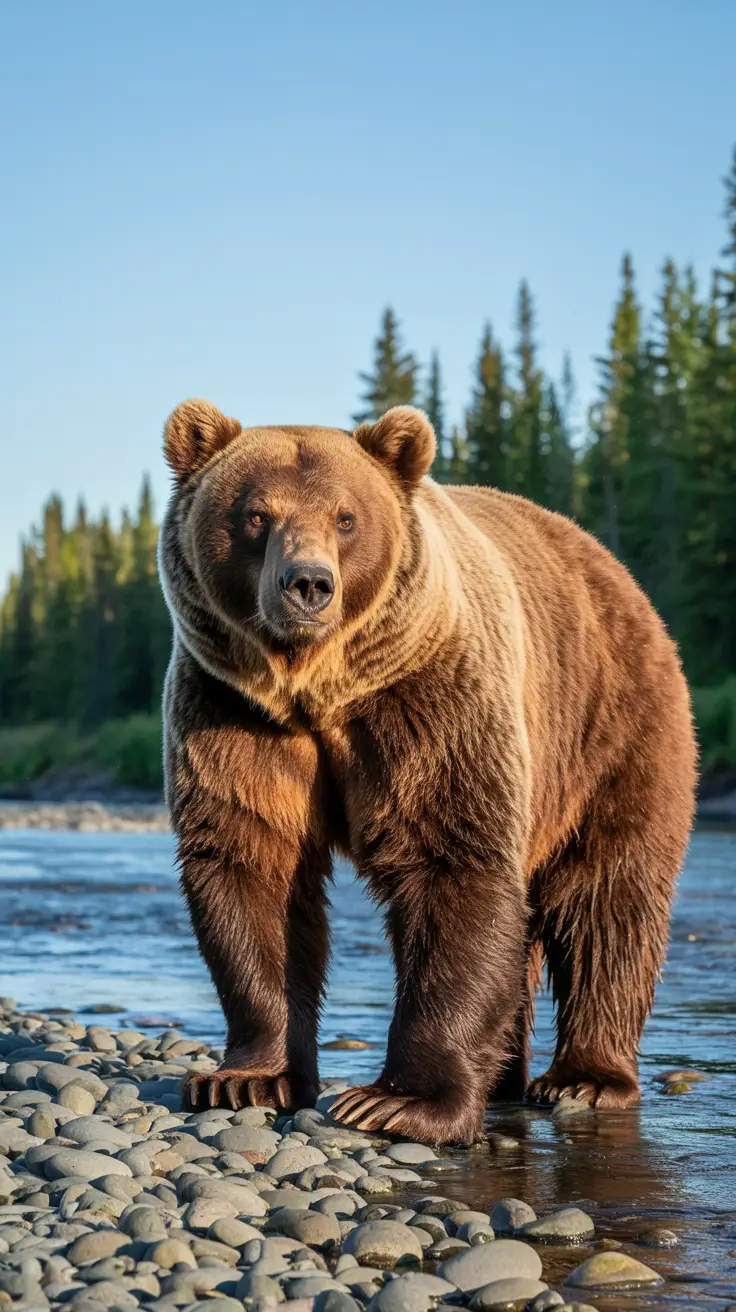
Professional brown bear viewing experiences come with trained naturalists who know bear behavior intimately. They’ll position your group based on wind direction, bear activity patterns, and safety protocols. Tours typically last 4-8 hours including travel time.
The reality of bear watching is that you’ll spend time waiting and observing from a distance. Bring binoculars even if you have a camera with zoom. Sometimes bears move into brush or away from viewing areas, and that’s just how wildlife works. Patience pays off.
What Bears Actually Do (Beyond the Instagram Moments)
- Digging for clams: Bears flip massive boulders like pancakes searching for shellfish
- Grazing: They spend surprising amounts of time eating sedge grasses and berries
- Salmon fishing: The dramatic waterfall catches happen at specific rivers during peak runs
- Napping: Bears rest frequently, especially after big meals
- Social interactions: Cubs play-fight while mothers keep watch, and dominant males establish hierarchy
Photography Tips for Bear Encounters
Your phone camera won’t cut it for quality bear photos. The viewing distances are simply too great. A camera with at least 300mm zoom capability makes the difference between “I saw a brown dot” and frame-worthy images.
- Bring extra batteries because cold drains them faster
- Use a fast shutter speed (1/500 or faster) to freeze bear movement
- Continuous shooting mode captures sequence shots of fishing or running
- Stabilize against the boat railing or use a monopod
- Take video too because sometimes the motion tells the better story
The Challenges Nobody Mentions
Bear viewing excursions are expensive, typically ranging from $500 to $800 per person for floatplane trips. The cost reflects fuel, permits, guide expertise, and small group sizes necessary for safe viewing. It’s a significant addition to your cruise budget.
Weather cancellations happen frequently. Fog, high winds, or rough seas can ground flights or force boat cancellations with little notice. Book these excursions early in your cruise if possible so you have backup days if needed.
Seasickness affects many passengers on smaller boats navigating coastal waters. Take motion sickness medication preventatively if you’re prone to it. You don’t want to spend your bear-watching time hanging over the rail.
Understanding Bear Behavior Keeps Everyone Safe
Professional guides follow strict protocols, but understanding basic bear behavior helps you appreciate what you’re seeing. When you see Alaska wildlife in their natural habitat, you’re entering their space as a guest.
Bear Body Language Basics
- Relaxed bear: Slow movements, grazing or fishing calmly, may glance at you but returns to activities
- Curious bear: Stands on hind legs to see better (not aggressive, just looking)
- Stressed bear: Huffing sounds, clacking teeth, or sudden directional changes away from you
- Defensive bear: Ears back, direct stare, or woofing sounds (guides will move group immediately)
Mother bears with cubs require extra caution. Guides maintain greater distances and position groups to never come between a sow and her offspring. Cubs stay with mothers for about three years, and she’ll defend them aggressively against any perceived threat.
Bonus Tips That Make a Difference
- Wear neutral colors: Bright clothing can attract unwanted attention or alter bear behavior
- Silence your phone completely: Even vibration sounds carry in quiet wilderness settings
- Pack hand warmers: Even summer mornings on the water are cold, and numb fingers drop cameras
- Bring a dry bag: Spray and splashing happen on boat rides to viewing areas
- Use the bathroom before leaving: Most remote viewing locations have zero facilities
- Download offline maps: Cell service is nonexistent in remote bear habitats
- Tip your guide generously: These naturalists have specialized knowledge and literally keep you safe from 1,500-pound predators
- Check your cruise line’s excursion policies: Some offer price guarantees if you book through them versus independent operators
- Consider float times: Seaplanes on floats offer incredible aerial views during transit that wheeled planes can’t match
Best Time for Bear Viewing
Salmon runs dictate bear activity and viewing success. Different salmon species run at different times:
- Late May to June: Bears emerging from hibernation, grazing heavily on spring vegetation
- July to August: Peak salmon runs bring bears to rivers and streams, best action shots
- September: Late runs and berry feeding, bears actively fattening for winter, excellent viewing
Early morning and evening provide the most active bear behavior, though all-day viewing can be productive during peak season. Bears feed based on salmon availability rather than strict schedules.
What to Wear and Bring
Alaska’s coastal weather changes rapidly. Layering isn’t optional, it’s survival strategy. Start with moisture-wicking base layers, add insulating mid-layers, and top with waterproof outerwear. You can always remove layers but you can’t add what you didn’t bring.
Essential Gear Checklist
- Waterproof jacket and pants
- Warm fleece or down layer
- Hat and gloves (seriously, even in July)
- Rubber-soled boots with good traction
- Polarized sunglasses to reduce water glare
- Sunscreen (reflection off water intensifies exposure)
- Small backpack for layers you remove
- Water bottle and snacks (tours provide some but bring extras)
- Bear spray (guides carry it but some allow personal canisters)
Booking Strategy for Success
Reserve bear viewing excursions as soon as your cruise is booked. Popular tours fill up months in advance, especially for peak July and August sailings. Independent operators sometimes offer better pricing than cruise line excursions, but research their safety records and guide qualifications thoroughly.
Read recent reviews focusing on actual bear sightings rather than just overall experience. Some operators have better track records for wildlife encounters based on their exclusive access to prime viewing areas. When you’re exploring things to do in Kodiak, bear viewing should top your priority list.
Common Questions and FAQ
Can I see Kodiak bears from the cruise ship itself?
Occasionally passengers spot bears on shorelines while sailing, but it’s rare and distant. Dedicated excursions provide guaranteed proximity and proper viewing time. Don’t count on shipboard sightings as your bear experience.
Are Kodiak bears more dangerous than mainland grizzlies?
Not inherently. Their larger size looks intimidating but Kodiak bears typically have abundant food sources and less human conflict history than some mainland populations. Proper precautions and guide supervision make encounters very safe.
What happens if weather cancels my bear viewing excursion?
Most operators offer rebooking on another day if available, or full refunds. Book early in your cruise itinerary when possible to allow flexibility. Travel insurance sometimes covers non-refundable excursion costs due to weather.
Do bear viewing tours guarantee sightings?
No ethical operator guarantees wildlife sightings because these are wild animals with unpredictable behavior. However, success rates during peak season often exceed 90% with experienced guides who know current bear locations.
Can children participate in bear viewing excursions?
Age restrictions vary by operator, typically requiring children to be at least 6-8 years old. Consider your child’s ability to remain quiet and still for extended periods. Some kids find it thrilling while others get bored during waiting periods.
Is bear spray necessary on guided tours?
Guides carry bear spray and deterrents. You’re welcome to bring your own but follow TSA regulations for transport. On properly managed viewing excursions, you likely won’t need it because guides maintain safe distances and monitor bear behavior constantly.
Personal Experience
I spotted my first Kodiak brown bear from the deck of our cruise ship as we sailed past a remote stretch of coastline, and honestly, no amount of nature documentaries could have prepared me for how massive these animals are in real life. Our guide told us that late May through September gives you the best shot at seeing them, especially when the salmon are running. We took a small excursion boat to get closer to shore, keeping what felt like a football field’s distance between us and a mother with two cubs. She was flipping rocks and digging for clams like it was the easiest thing in the world, completely unbothered by our presence.
The photography turned out better than I expected, though my hands were definitely shaking with excitement. Our naturalist recommended keeping our voices low and movements slow, which actually helped me stay steady enough to get some decent shots. The zoom lens was worth every penny I spent on it. What really struck me was how these bears moved with this surprising grace despite weighing upwards of 1,000 pounds. We watched them for almost forty minutes before they ambled back into the dense brush. If you’re planning an Alaska cruise, pack layers even in summer – I was freezing on that boat but wouldn’t have traded the experience for anything.