
Both Vancouver and Seattle serve as excellent Alaska cruise departure ports. Vancouver offers a more compact, walkable cruise terminal area with strong Canadian cultural elements and typically easier embarkation. Seattle provides more pre- and post-cruise attractions, including Pike Place Market and the Space Needle, with convenient airport access. Both cities offer similar Alaska itineraries and sailing frequencies.
Quick Comparison
| Factor | Vancouver | Seattle |
|---|---|---|
| Airport Distance | 30-45 minutes from YVR | 20-30 minutes from SEA |
| Passport Required | Yes (international) | No (domestic for US citizens) |
| Terminal Walkability | Excellent (Canada Place) | Good (Bell Street Pier) |
| Currency | Canadian Dollar | US Dollar |
| Embarkation Speed | Generally faster | Can be busier |
| Pre-Cruise Attractions | Stanley Park, Granville Island | Pike Place, Space Needle |
Want to know more about all Alaska departure ports and how to choose the right one?
The Passport Factor Nobody Tells You About
Here’s something that catches people off guard: if you’re sailing from Vancouver as your Alaska cruise departure port, every member of your family needs a valid passport. That includes your toddler who won’t remember the trip anyway. Book a cruise six months out and realize little Timmy’s passport expired? You’re in for an expensive expedited renewal.
The Seattle departure option lets US citizens cruise with just a birth certificate and driver’s license on closed-loop cruises (those that start and end in the same US port). But here’s the insider secret: even though you technically can cruise from Seattle without a passport, you absolutely should have one anyway. If you get sick or injured in an Alaskan port and need to fly home early, you’ll need that passport to re-enter the US by air from Canada.
Embarkation Experience
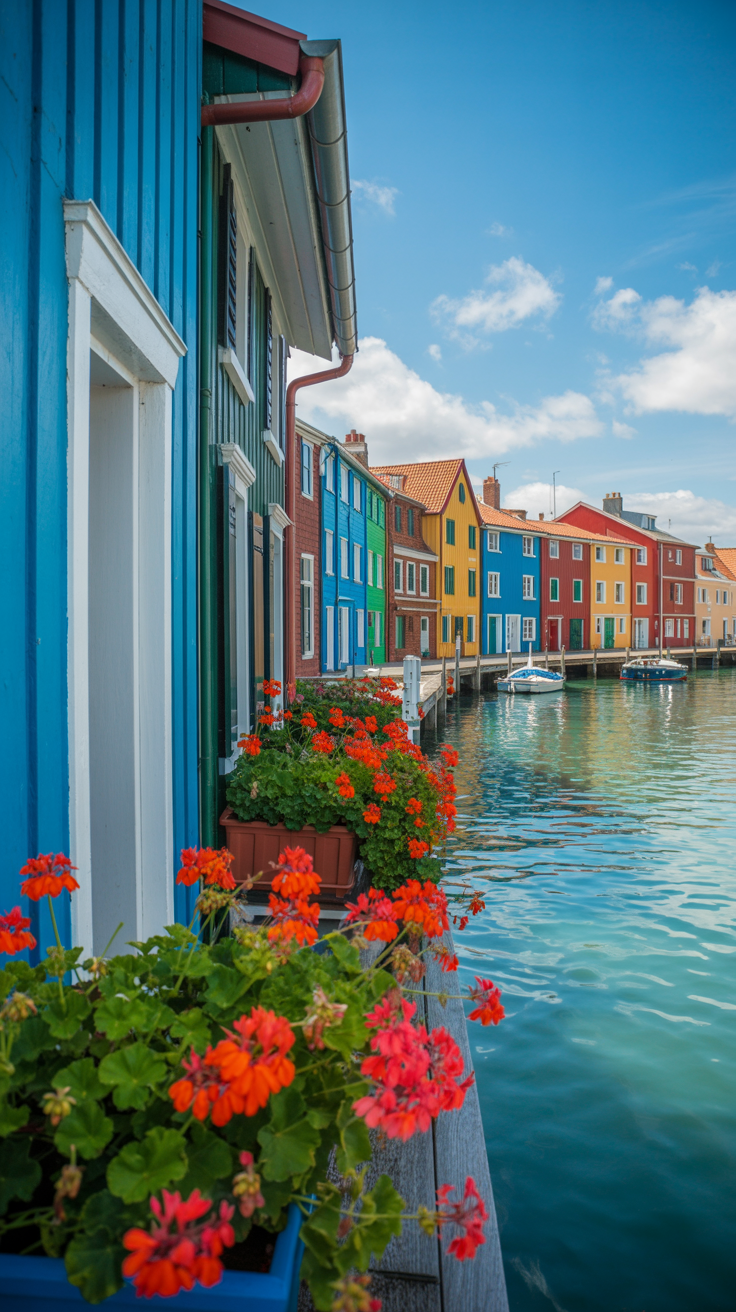
Vancouver’s Canada Place terminal handles embarkation like a well-oiled machine. The facility was purpose-built for cruise ships and it shows. You’ll breeze through immigration before you even reach the cruise line staff, and the whole building is designed with passenger flow in mind. Most travelers report boarding in under an hour during non-peak times.
Seattle’s terminals work efficiently but handle more traffic overall. You’re dealing with standard port security plus cruise line check-in, and depending on which cruise line you’re sailing with, you might be at Smith Cove Terminal or Bell Street Pier. The experience varies more than Vancouver’s consistent setup.
Little-Known Embarkation Tips
- Vancouver’s terminal opens at 11:30 AM for most ships, but arriving before noon means shorter lines
- Seattle’s parking garages fill up fast during peak Alaska season – book parking in advance or use rideshare
- Both ports let you drop luggage curbside, but in Vancouver you can actually walk it yourself to the terminal entrance if you prefer
- Vancouver charges a cruise development fee (included in your cruise fare) but Seattle adds a passenger facility charge that sometimes appears as a separate line item
Getting There and Away
Seattle wins for pure convenience if you’re driving from anywhere in Washington, Oregon, or Idaho. The port sits right downtown and parking runs about $25-35 per day at nearby lots. Vancouver requires crossing an international border, which adds unpredictability. That 15-minute border crossing can balloon to two hours on a bad day.
For air travelers, both airports offer similar access times to their respective cruise terminals. Vancouver’s YVR connects to the city via the Canada Line SkyTrain in 26 minutes for about $10 CAD. Seattle’s Link Light Rail takes roughly 35 minutes and costs under $4. But here’s what matters more: YVR often has better airfare options for international travelers, while SeaTac provides more domestic flight choices.
Flying in the day before your cruise? Smart move regardless of which port you choose. Hotel prices in downtown Vancouver typically run 20-30% higher than Seattle, and you’ll need to factor in the exchange rate. That $200 USD hotel in Seattle becomes a $280 CAD hotel in Vancouver (around $210 USD), so the gap isn’t as dramatic as it first appears.
Understanding Your Itinerary Options
Both ports offer access to Inside Passage cruises, but the devil’s in the details. Vancouver departures tend toward roundtrip Alaska cruises that return to Vancouver, while Seattle offers both roundtrip and one-way options.
Here’s something most people miss: sailings from Vancouver often include Victoria, BC as a port of call on the return journey. This adds an extra Canadian city to your itinerary without additional travel logistics. Seattle departures typically skip Victoria and head straight for Alaska.
The actual Alaskan ports visited are nearly identical from both cities – Juneau, Skagway, Ketchikan, and usually either Icy Strait Point or Sitka. Glacier viewing is the same whether you depart from Vancouver or Seattle. Don’t let anyone tell you one port offers “better” Alaska access.
Pre and Post-Cruise Activities
Seattle packs serious punch for tourist attractions. Pike Place Market deserves its hype, the Space Needle provides legitimate views, and the food scene rivals any major city. You can easily fill two days with museums, waterfront exploration, and neighborhood hopping. Everything feels distinctly American and familiar.
Vancouver offers a different flavor entirely. Stanley Park’s seawall puts Seattle’s waterfront to shame – you can bike or walk the entire 9-kilometer loop with mountain and ocean views the whole way. Granville Island’s public market competes with Pike Place but feels less touristy somehow. The city carries this international vibe that makes you feel like you’ve already started your adventure.
For families, Vancouver’s Capilano Suspension Bridge and Grouse Mountain provide nature experiences right in the city. Seattle counters with the aquarium and more urban attractions. Neither is better, just different moods.
The Money Conversation
Currency exchange adds a mental math tax to Vancouver that some travelers find annoying. Your $15 breakfast costs $20 CAD, your $8 cocktail runs $11 CAD, and you’re constantly calculating whether something is actually a deal or just seems like one because of the exchange rate.
That said, the exchange rate cuts both ways. When the Canadian dollar is weak against the USD (which happens frequently), your pre-cruise hotel and meals effectively cost less in real terms. Use a credit card with no foreign transaction fees and the whole currency issue becomes nearly invisible.
Seattle keeps everything in familiar dollars but prices run high in the downtown core. Tourist trap restaurants near Pike Place charge Seattle prices, which means you’re paying premium rates without any exchange rate benefit.
Which Port for Different Traveler Types
Choose Seattle if you:
- Want to avoid passport requirements for your kids
- Prefer driving to your departure port
- Value familiar American amenities and don’t want to deal with currency exchange
- Want maximum pre-cruise attraction options in one walkable downtown
- Need more domestic flight connections
Choose Vancouver if you:
- Want a faster, smoother embarkation experience
- Appreciate having Victoria, BC included in your itinerary
- Enjoy international travel experiences and different cultural flavors
- Prefer nature-focused pre-cruise activities (Stanley Park, suspension bridges)
- Find better international flight options through YVR
Bonus Tips
- Vancouver’s cruise terminal WiFi is surprisingly decent; Seattle’s is spotty at best
- If you’re driving to Vancouver, the duty-free shop at the border going north saves you on alcohol purchases for your hotel room (since BC liquor is expensive)
- Seattle’s water taxis offer a fun way to explore the harbor for $6 roundtrip – way cheaper than tourist boats
- Vancouver’s FlyOver Canada (right next to the cruise terminal) provides a perfect one-hour pre-boarding activity if you arrive early
- Both ports have luggage storage if you need to kill time after hotel checkout but before boarding
- Seattle’s Bainbridge Island ferry makes an excellent post-cruise activity if you have a late afternoon flight
- Vancouver’s Richmond Night Market (summer only) beats any Seattle late-night food option if you’re staying over after your cruise
- Book your Alaska shore excursions before comparing ports – sometimes one departure date offers better excursion availability than another
The Comparison Nobody Makes But Should
Check out a detailed departure port comparison to see how Vancouver and Seattle stack up against other Alaska options.
Here’s what matters most: both cities deliver you to the same Alaska experience. The actual cruise, the glaciers, the wildlife, the ports – all identical. Your choice really comes down to which city you’d rather spend 24-48 hours exploring before or after your voyage.
The “best” port is whichever one offers better flights for your home airport, fits your tolerance for international travel logistics, and matches your pre-cruise activity preferences. Seattle feels like starting a vacation. Vancouver feels like the vacation already started. Both get you to Alaska just fine.
Common Questions and FAQ
Do cruise ships leave at different times from each port?
Most ships depart around 4-5 PM from both Vancouver and Seattle, though Vancouver departures sometimes leave slightly earlier (3:30 PM isn’t uncommon). This gives you roughly the same amount of embarkation day to explore the city regardless of which port you choose.
Can I park at the cruise terminal for a week?
Both ports offer parking, but it’s expensive. Seattle’s port parking runs $28-35 per day. Vancouver’s port-adjacent parking costs $30-36 CAD per day. You’ll save money using off-site parking services that include shuttle transfers to the terminal.
What happens if my flight is delayed and I miss the ship?
If you book your flights through the cruise line’s air program, they’ll typically reroute you to the next port at their expense. If you book independently, you’re responsible for catching up with the ship. This risk is identical for both Vancouver and Seattle departures, which is why booking flights the day before is always recommended.
Is tipping different in Vancouver versus Seattle?
Yes, and this catches many travelers off guard. Standard tipping in Vancouver is 15-18%, while Seattle expects 18-20%. However, some Vancouver restaurants include gratuity automatically, so check your bill. Both cities have moved toward suggesting tip percentages on card machines, but Vancouver’s suggestions start lower.
Which port has better weather before my cruise?
Seattle is marginally drier during Alaska cruise season (May through September). Vancouver gets slightly more rain, but both cities offer similar temperatures in the 60-70°F range during summer. The weather difference is negligible and shouldn’t factor into your decision. Pack a light rain jacket for either city.
Do I clear US customs in Vancouver after my cruise?
If you’re returning to Vancouver after a roundtrip cruise, yes, you’ll clear Canadian customs when disembarking. If you’re on a one-way cruise ending in Alaska, you’ll clear US customs at your first US port. Seattle departures on roundtrip cruises require no customs when returning since you never left the US by land.
Personal Experience
We spent weeks debating whether to start our Alaska cruise from Vancouver or Seattle, and honestly, the choice wasn’t as straightforward as we thought it would be. Seattle seemed like the obvious pick since we could drive there in a day, but when we looked at flight options for getting back home, Vancouver actually had better connections and surprisingly similar prices. What really tipped the scales for us was having an extra day to explore before boarding. Vancouver’s waterfront and Stanley Park gave us this perfect mix of city energy and natural beauty that got us excited for the wilderness ahead. Plus, walking to the cruise terminal from our hotel meant we didn’t have to stress about taxi timing or parking fees.
The pre-cruise experience ended up mattering more than we expected. In Seattle, everything felt rushed – we grabbed lunch at Pike Place Market and basically headed straight to the port. But those friends of ours who left from Vancouver talked about spending their morning at the Capilano Suspension Bridge and still making it to the ship with time to spare. Sure, there’s the passport requirement for Vancouver and you’ll need to factor in the exchange rate for meals and hotels, but the city just felt more like the beginning of an adventure rather than another departure point. If you’ve got the flexibility and don’t mind the international crossing, Vancouver adds something special to the whole experience.