
Alaska shore excursions offer families diverse activities including wildlife viewing, glacier tours, and cultural experiences. Popular options feature whale watching, dog sledding, nature walks, and Native Alaskan heritage sites. Excursions accommodate various age groups and activity levels, from scenic train rides to kayaking adventures. Most ports provide educational opportunities combining outdoor exploration with learning about Alaska’s ecosystem and history.
Quick Facts for Family Shore Excursions
| Factor | What You Need to Know |
|---|---|
| Booking Timeline | Book 90-120 days out for popular excursions, especially dog sledding and helicopter tours |
| Average Cost | $80-150 per person for basic tours, $300-500 for premium experiences like flightseeing |
| Age Restrictions | Many glacier hikes require 12+, whale watching typically has no minimum age |
| Duration | Most excursions run 3-5 hours, matching typical port stays of 7-9 hours |
| Weather Factor | Expect temperatures between 50-65°F in summer, rain possible any day |
Want to know more about planning your Alaska shore excursions strategy?
Choosing Between Ship and Independent Excursions
The cruise line wants your excursion dollars, but they’re not always your best option. Ship-sponsored tours guarantee the boat won’t leave without you, which gives nervous parents peace of mind. However, you’ll pay a premium for that security blanket—sometimes 30-50% more than booking the same tour independently.
Independent tour operators often provide smaller group sizes and more flexibility. If your 10-year-old suddenly needs a bathroom break, a group of 12 can accommodate that better than a motorcoach with 45 passengers. The trade-off? You need to build in buffer time and accept responsibility if traffic or boat delays make you miss the ship’s departure.
Our detailed comparison of ship versus independent shore excursions breaks down when each option makes sense for families.
Best Excursions by Port
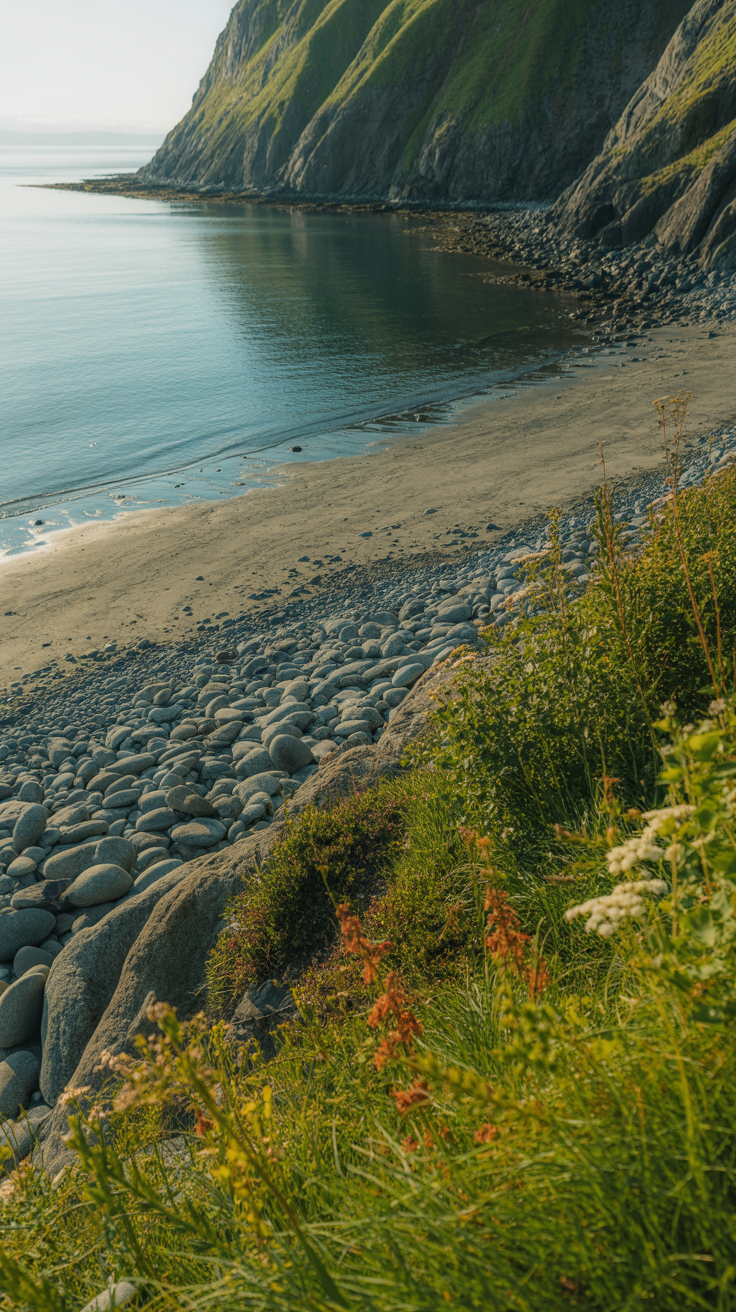
Juneau
The capital city packs serious adventure options. The Mendenhall Glacier offers easy viewing from the visitor center, perfect for toddlers and grandparents, while older kids can tackle the 3.5-mile round-trip hike to Nugget Falls. Family activities in Juneau range from the Goldbelt Tram up Mount Roberts to hands-on experiences at the Alaska State Museum.
Whale watching from Juneau consistently delivers. Humpback whales feed in these waters all summer, and tour operators maintain a 95% sighting rate. Pro tip: morning tours encounter calmer seas, which matters when you’ve got kids prone to seasickness.
Ketchikan
This port excels at cultural experiences. Saxman Native Village and Totem Bight State Park teach kids about Tlingit, Haida and Tsimshian cultures without feeling like a classroom lecture. The carvers working on new totems usually let kids ask questions and watch them work.
Misty Fjords flightseeing tours accommodate families but check weight restrictions carefully. Some floatplanes require weight distribution calculations that might split your family across two aircraft.
Skagway
The White Pass Railway earns its reputation as a can’t-miss excursion. Kids get mesmerized by the narrow-gauge train climbing 3,000 feet in just 20 miles. Request seating on the left side going up for the best views of waterfalls and Dead Horse Gulch.
Skagway also offers excellent free things to do in port if you’re balancing your budget. The downtown area recreates Gold Rush history with wooden boardwalks and period buildings that kids can explore while you shop.
For families seeking thrills, check out our guide to zipline adventures in Alaska as Skagway hosts some of the longest zipline courses.
Sitka
The Alaska Raptor Center rehabilitates injured eagles and owls, giving kids up-close encounters impossible in the wild. Unlike zoo exhibits, these are truly wild birds healing before release.
Sea otter and wildlife cruises from Sitka venture into protected waters where otter moms float on their backs with pups resting on their bellies. This port gets less cruise traffic than Juneau or Ketchikan, meaning smaller crowds and lower prices.
Age-Appropriate Activity Selection
Toddlers and Preschoolers (Ages 2-5)
- Gold panning demonstrations with shallow water and guaranteed finds
- Wildlife cruises on larger, stable boats with indoor heated cabins
- Salmon hatchery tours where fish swim at eye level in viewing tanks
- Easy boardwalk nature trails under one mile
Elementary Age (Ages 6-11)
- Dog sledding experiences on wheeled carts when there’s no snow
- Creek walks looking for spawning salmon (rubber boots required)
- Junior ranger programs at Glacier Bay National Park
- Tide pool exploration with naturalist guides
Tweens and Teens (Ages 12+)
- Glacier trekking with crampons and ice axes
- Sea kayaking in protected bays
- Rock climbing and rappelling at Tongass National Forest
- Mountain biking on historic trails
Booking Strategy for Families
The early bird catches the worm, but in Alaska it catches the helicopter seat and the dog sled team. Popular excursions sell out months in advance, particularly during peak July and early August sailings. Our comprehensive booking guide for shore excursions walks through the timeline.
However, don’t book everything the day bookings open. Weather cancellations happen frequently, and you want flexibility to shift plans. Book your must-do bucket list items early (that helicopter glacier landing your teenager won’t stop talking about), but leave one or two ports with lighter plans.
Understanding cancellation policies for Alaska excursions protects your investment when plans change or weather doesn’t cooperate.
Money-Saving Tactics
- Book the first or last sailing of the season for 20-30% discounts
- Split your family between one premium excursion and one budget option rather than doing two expensive tours in one port
- Explore our collection of budget-friendly shore excursions
- Pack your own snacks and water bottles—tour operators charge $4 for a granola bar
- Check if your cruise line offers “book 4, get 1 free” promotions that actually work for families
Special Considerations
Accessibility and Mobility
Not every grandparent wants to admit they can’t hike two miles anymore, and not every parent wants to exclude them from activities. Many mobility-friendly excursions in Alaska provide full experiences without physical demands.
Motorcoach tours to Mendenhall Glacier, the Yukon Suspension Bridge and heritage centers work for wheelchairs and walkers. Tour operators legally must disclose accessibility limitations, but “minimal walking” means different things to different companies. Ask specifically about stairs, uneven terrain and distance from parking to attractions.
Weather Backup Plans
Alaska doesn’t postpone rain for cruise passengers. Bring the right gear and attitude, but also have alternatives ready. Our guide to rainy day shore excursions identifies which activities actually improve in wet weather (waterfalls look more impressive, rainforests smell incredible, and fish are more active).
For comprehensive weather preparation, consult our Alaska shore excursion weather guide covering what to expect month by month.
Avoiding Tourist Traps
Not every operator has your family’s best interests at heart. Bait-and-switch tactics, overcrowded boats and misleading advertising plague Alaska tourism. Learn about common scams and tourist traps before you book.
Research the best shore excursion companies in Alaska through reviews from actual families, not just the glossy brochures in your cruise cabin.
What to Pack for Excursions
- Waterproof jacket with hood (not just water-resistant—actual waterproof)
- Layers including fleece or wool, never cotton which stays wet
- Binoculars (one pair per family isn’t enough when whales surface)
- Motion sickness medication taken 30 minutes before boarding boats
- Sunscreen and sunglasses (you’re closer to the sun at northern latitudes)
- Small backpack per person for layers you’ll shed and add throughout the day
- Phone in waterproof case (those glacier lakes are deep and expensive)
- Refillable water bottles (staying hydrated at altitude matters)
- Snacks that won’t melt or crush easily
Comparing Family-Friendly Aspects
Different families prioritize different experiences. Understanding whether Alaska cruises work better for families versus couples helps set realistic expectations. The short answer: Alaska excels at multigenerational travel because it offers such diverse activity levels.
For more family-specific cruise planning, see our complete guide to cruising Alaska with kids.
Educational Opportunities Disguised as Fun
Kids learn better when they don’t realize they’re learning. Alaska delivers education wrapped in adventure:
- Glacier geology becomes relevant when you’re standing on 1,000-year-old ice
- Salmon life cycles make sense watching bears catch fish at a creek
- Native Alaskan history resonates when a Tlingit carver explains totem pole symbols
- Climate change discussions happen naturally observing glacier retreat markers
- Marine biology clicks during tide pool investigations
Many tour operators provide junior naturalist programs with activity books and certificates. Norwegian Cruise Line and Holland America partner with youth education programs, though independent operators often deliver better content.
Railway Excursions Worth the Premium
Alaska’s train journeys deserve special mention. The White Pass Railway from Skagway and the Coastal Classic from Seward offer perspectives impossible from roads or ships. Detailed information on railway excursions in Alaska covers routes, pricing and booking strategies.
These train rides work brilliantly for mixed-age groups because everyone stays comfortable while scenery unfolds outside. Nobody gets tired, and bathrooms are always accessible.
Bonus Tips
- Download offline maps to your phone before leaving the ship—port WiFi is terrible
- Take photos of your tour meeting location and time posted in your cabin so you can’t lose the paper ticket
- Set phone alarms for 90 minutes and 30 minutes before “all aboard” time
- Dress kids in bright colors for easy spotting in crowds and photos
- Bring Ziploc bags for wet clothes and muddy shoes returning to the ship
- Schedule a casual dining night after excursion-heavy port days—nobody wants formal dinner after hiking
- Book afternoon excursions in your first port so jet lag doesn’t ruin the experience
- If whale watching is your priority, book for the port closest to your cruise midpoint when you’re most acclimated
- Request large vehicle seating for toddlers who need car seats on motorcoach tours
- Pack extra phone charging cables and battery packs—you’ll take 500 photos per port
Common Questions and FAQ
Can we leave the port area without booking an excursion?
Absolutely. Every Alaska cruise port has a downtown area within walking distance. Juneau, Ketchikan and Skagway offer excellent exploring without organized tours. Just respect the ship’s all-aboard time and build in a 30-minute buffer for unexpected delays.
What happens if our excursion runs late and the ship leaves?
Ship-sponsored excursions guarantee the vessel waits or arranges your transport to the next port at no cost. Independent tours carry risk—you’re responsible for catching up to the ship and those costs can exceed $1,000 per person for flights and hotels. This matters less in ports connected by road, but Juneau and Ketchikan require floatplanes.
Are excursion age limits strictly enforced?
Yes, especially for activities involving physical risk or legal liability like glacier trekking, kayaking and ziplines. Tour operators carry insurance based on stated age requirements and won’t make exceptions. Claiming your 11-year-old is 12 puts the operator’s business license at risk.
Should we book excursions that end near all-aboard time?
Avoid this stress when possible. Excursions scheduled to return 45-60 minutes before departure seem efficient but leave no cushion for traffic, mechanical issues or that bathroom emergency. Tours ending 90-120 minutes before sailing let you grab lunch ashore and browse shops without panic.
Do whale watching tours really have 95% success rates?
Reputable operators in Juneau, Icy Strait Point and Sitka legitimately see whales on nearly every trip during summer feeding season. However, “seeing whales” might mean distant spouts rather than breaching and tail slapping. Morning tours statistically encounter more whale activity and calmer seas than afternoon departures.
Can teenagers go on excursions without parents?
Cruise line policies vary, but most require passengers under 18 to have adult supervision for shore excursions. Some operators allow 16-17 year olds with signed parental waivers for certain activities. Call the tour company directly rather than trusting cruise staff who may not know individual operator policies.
Are tips included in excursion prices?
Almost never. Budget an additional 15-20% for guides and drivers. Bring small bills because not all tour buses have credit card capabilities for tipping. Naturalist guides on wildlife tours and dog sled mushers particularly depend on gratuities.
Personal Experience
Planning shore excursions for our Alaska cruise felt overwhelming at first, especially with kids ranging from 7 to 15. Everyone had different energy levels and interests, so finding activities that wouldn’t leave anyone bored or exhausted took some research. We discovered that whale watching tours worked perfectly since they had no minimum age requirements and kept everyone engaged. The younger ones loved spotting orcas while our teen actually put down his phone to take photos. We also booked a glacier trek that allowed kids over 12, which meant our oldest could join us while the little one did a easier nature walk with grandparents. Having those age requirements spelled out ahead of time saved us from disappointment at the dock.
The pricing surprised us too – some excursions cost as much as the cruise itself! We learned to mix expensive adventures like helicopter tours with budget-friendly options like self-guided town walks in places like Skagway. Packing was another learning curve. Nobody tells you that summer in Alaska means layering four seasons into one backpack, so we ended up buying rain jackets at the first port. Bringing snacks, water bottles, and motion sickness bands made a huge difference, especially on the smaller boat excursions. The key was reading reviews from other families and not just going with whatever the cruise line pushed hardest.