
Alaska glacier wildlife experiences from cruises offer opportunities to observe diverse species in their natural habitat. Visitors commonly spot humpback whales, orcas, sea otters, harbor seals, bald eagles, and brown bears along glacial shorelines. Many cruise itineraries include stops at Glacier Bay, Hubbard Glacier, and Tracy Arm Fjord, where wildlife viewing is combined with spectacular ice formations and calving glaciers.
Quick Facts: Alaska Glacier Wildlife Viewing
| Feature | Details |
|---|---|
| Best Wildlife Months | May through September |
| Most Common Marine Mammals | Humpback whales, orcas, sea otters, harbor seals |
| Top Glacier Destinations | Glacier Bay, Hubbard Glacier, Tracy Arm Fjord |
| Peak Bear Viewing | July-August (salmon spawning season) |
| Essential Equipment | Binoculars, layers, camera with zoom |
| Optimal Viewing Location | Upper decks, starboard or port (announced daily) |
Want to know more about Alaska wildlife viewing opportunities throughout your cruise?
What Makes Glacier Wildlife Viewing Different
The combination of tidewater glaciers meeting the ocean creates a unique ecosystem that attracts wildlife you won’t see elsewhere. Cold, nutrient-rich waters upwell around glacier fronts, bringing plankton that feeds the entire food chain. This explains why whales congregate near these massive ice formations even when the thunderous sounds of glacier calving would seem to scare them away.
Here’s the surprising part: many animals actually use the glaciers themselves. Harbor seals haul out onto floating ice chunks called “bergy bits” to rest and give birth, staying safe from land predators. Sea otters wrap themselves in kelp near glacier-fed bays. Mountain goats navigate nearly vertical cliffs above the ice to lick mineral deposits.
Strategic Positioning for Maximum Wildlife Viewing
The crew announces the best glacier viewing positions on the ship the evening before each glacier visit. Listen carefully because this determines whether you’re standing on the correct side when wildlife appears. Ships typically slow to a crawl or stop entirely at major glaciers, giving you extended observation time.
Pro tips for securing your spot:
- Arrive at least 30 minutes before the announced viewing time
- Upper decks provide better sightlines but get windy and cold
- Mid-ship positions reduce rocking if you’re prone to seasickness
- Forward observation decks work well for glacier viewing itself but you might miss wildlife that appears alongside the ship
- Inside lounges with large windows offer warm alternatives but fill up quickly
Wildlife You’ll Actually See (And When)
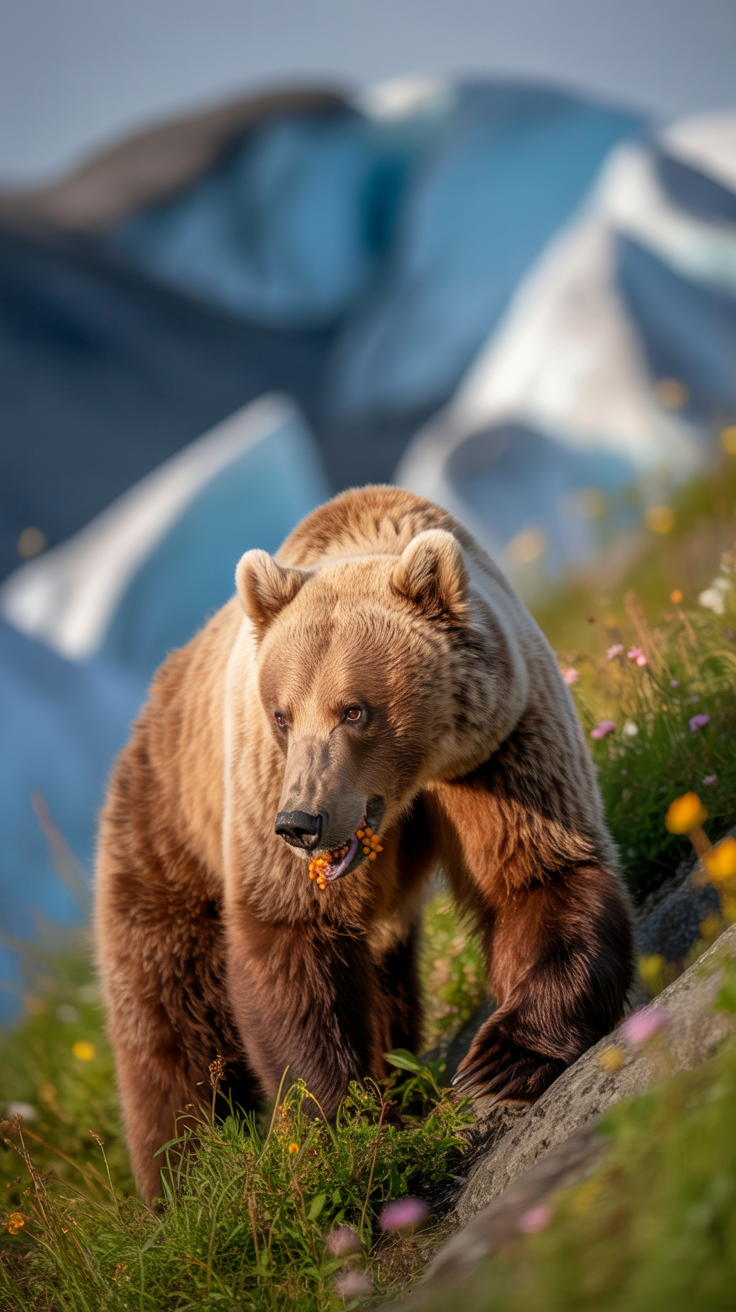
Let’s be honest about expectations. You won’t see everything on one cruise, and wildlife doesn’t follow schedules. However, certain animals appear more predictably than others:
Near-Guaranteed Sightings
- Bald eagles: Perched in trees along every fjord and shoreline
- Sea otters: Floating in kelp beds, often in groups
- Harbor seals: On ice floes near glacier fronts
- Gulls and other seabirds: Following the ship and circling glaciers
Highly Likely Sightings
- Humpback whales: Feeding in groups, especially early morning
- Stellar sea lions: On rocky outcrops
- Dall’s porpoises: Racing alongside the ship
- Mountain goats: White dots on distant cliffs (bring binoculars)
You Need Some Luck
- Orcas: Transient pods move unpredictably
- Brown bears: Visible from ship only at specific locations with shoreline access
- Black bears: Prefer forested areas away from open water
- Wolves: Extremely rare from a cruise ship
Prime Locations Along Cruise Routes
Different glacier destinations offer distinct wildlife opportunities. When planning Gulf of Alaska cruises, consider which stops align with your wildlife priorities:
Glacier Bay National Park
The gold standard for combined glacier and wildlife viewing during your Alaska cruise. Park rangers board your ship to provide narration throughout the day. Glacier Bay attracts whales to its nutrient-rich waters, and you’ll spend hours cruising past multiple glaciers. The Margerie and Grand Pacific Glaciers at the bay’s terminus offer spectacular ice-on-water action with wildlife bonuses.
Hubbard Glacier
Hubbard Glacier stands as North America’s largest tidewater glacier, and ships approach incredibly close to its five-mile-wide face. The surrounding Disenchantment Bay hosts feeding humpbacks and harbor seals that seem unbothered by the constant rumbling of ice. The approach through Yakutat Bay often produces orca sightings.
Tracy Arm Fjord
This narrow fjord lined with waterfalls leads to Sawyer Glaciers. The tight passage means you’re close to shoreline wildlife including bears (occasionally), mountain goats, and eagles. Harbor seals with pups favor the ice floes here during summer months.
Photography Challenges and Solutions
Capturing stunning glacier photographs while simultaneously trying to photograph moving wildlife creates real challenges. Here’s what actually works:
- Two cameras if possible: One with zoom for wildlife, one wider angle for landscapes
- Fast shutter speeds: The ship moves even when seemingly stopped, causing blur
- Continuous shooting mode: Whales breach without warning
- Polarizing filter: Cuts glare from water and ice
- Extra batteries: Cold drains power faster than you expect
- Patience over perfection: Sometimes a slightly blurry shot captures the moment better than no shot
For comprehensive advice on Alaska cruise photography techniques, including camera settings for various lighting conditions, dedicated resources can help you prepare before departure.
Beyond the Ship: Enhanced Wildlife Experiences
Shore excursions take wildlife viewing to another level. Helicopter tours to glaciers and remote areas provide access to locations ships cannot reach, including glacial landscapes where brown bears fish for salmon in nearby streams.
Popular wildlife-focused excursions include:
- Whale watching boats that get closer than cruise ships can
- Kayaking among icebergs in protected bays
- Bear viewing platforms at salmon streams
- Helicopter glacier landings with potential for mountain goat sightings
- Zodiac raft explorations near glacier faces
Practical Preparation Tips
Most first-time Alaska cruisers underestimate how cold it gets while watching glaciers, even in summer. When the ship stops moving and you’re staring at thousands of tons of ice, temperatures drop noticeably.
What to Bring on Deck
- Warm jacket (wind and waterproof outer layer)
- Hat and gloves (seriously, even in July)
- Sunglasses (glacier glare is intense)
- Binoculars (8×42 or 10×42 magnification works well)
- Camera with charged batteries
- Small backpack to carry layers as you warm up
- Seasickness medication if you’re susceptible
Onboard Resources You Might Not Know About
- Most ships have naturalists or park rangers who give presentations before glacier visits
- The bridge often shares wildlife sightings over the PA system
- Some cruise lines loan binoculars (limited quantities, first-come basis)
- Daily programs list optimal viewing times and locations
- Crew members often know which side of the ship to favor based on recent sightings
Bonus Tips That Actually Matter
- Watch for bird activity: Circling gulls and diving birds indicate fish schools, which attract whales
- Look at the water surface: Whales blow (exhale) before surfacing, creating visible spouts
- Scan ice floes systematically: Seals blend in surprisingly well with ice
- Check behind the ship: Everyone looks forward, but wildlife often appears in the wake
- Dawn and dusk magic: Set an alarm for early morning viewing when wildlife is most active
- Bring hand warmers: Tiny investment, huge comfort payoff
- Download a wildlife identification app before losing signal: Cell service is nonexistent near glaciers
- Pack snacks and water: You’ll stay on deck longer than planned
- Charge everything the night before: You don’t want to miss sightings while running back to your cabin
- Make friends with repeaters: Passengers who’ve done Alaska cruises before share insider knowledge freely
Common Questions and FAQ
Do cruise ships guarantee wildlife sightings?
No cruise line can guarantee specific wildlife appearances since animals move freely in their natural habitat. However, certain species like bald eagles, sea otters, and harbor seals appear on virtually every cruise. Whale sightings occur on most cruises but depend on feeding patterns and migration timing.
Will glacier sounds scare away wildlife?
Surprisingly no. Animals living near active glaciers have adapted to the constant rumbling and cracking sounds. Whales often feed near calving glaciers, and seals specifically choose ice floes near glacier fronts for resting. The nutrient-rich waters outweigh any disturbance from ice movement.
Can I see the Northern Lights during glacier viewing?
During cruise season (May through September), Alaska experiences extended daylight hours that prevent Northern Lights viewing. The phenomenon requires darkness, which doesn’t occur during summer months when cruises operate.
Are wildlife sightings better from small ships or large ships?
Both offer advantages. Smaller ships navigate narrower passages and can approach shorelines more closely. Larger ships provide higher vantage points for spotting distant wildlife and more stable platforms for photography. Wildlife doesn’t particularly avoid either size, though smaller ships with fewer passengers create less commotion on deck.
Should I book a balcony cabin for wildlife viewing?
Balconies offer private viewing space but position you lower than open upper decks where the best sightlines exist. Most memorable wildlife moments happen when you’re already on deck with binoculars ready. Balconies work well for early morning scanning before dressing for the day or for watching glaciers in comfort, but serious wildlife watchers spend most time on public decks.
What happens if weather prevents glacier visits?
Captains occasionally reroute due to fog or rough seas. Most itineraries include backup plans, substituting one glacier location for another. Complete cancellation of all glacier viewing is extremely rare, though specific stops might change.
Personal Experience
Last summer on our Alaska cruise, we spent the morning near Hubbard Glacier, and honestly, the wildlife action started way before we even reached the ice. Our naturalist guide told us to keep our eyes on the water around dawn, and she wasn’t kidding – we spotted sea otters floating on their backs just as the sun hit the mountains. The trick with glacier viewing is positioning yourself on the correct side of the ship early (the crew announces this the night before), and bringing layers because you’ll want to stay outside even when it gets cold. We saw harbor seals lounging on ice chunks near Sawyer Glacier, and the captain slowed down so we could watch a humpback whale feeding nearby. Having binoculars made a huge difference, especially for spotting mountain goats on the cliffs and bald eagles perched in the trees along the shoreline.
Photography-wise, I learned quickly that a zoom lens helps, but you don’t need anything fancy to capture the experience. The key is keeping your camera ready because animals appear suddenly – like when a pod of orcas surfaced right next to our ship near Margerie Glacier. The crew said late spring and early summer offer the most active wildlife since salmon runs bring in the predators, but we went in July and still saw plenty. My best tip? Put the camera down sometimes and just watch. Sure, I got some decent shots, but the moment that harbor seal pup climbed onto an iceberg right in front of us is burned in my memory way more vividly than any photo could capture.