
Alaska cruises offer excellent opportunities to view the Northern Lights, particularly during shoulder seasons in September and late March through April when darkness returns. Viewing success depends on solar activity, clear skies, and cruising northern routes near Fairbanks or the Arctic Circle. Onboard astronomers often provide guidance, though sightings cannot be guaranteed due to unpredictable natural conditions.
Quick Facts About Aurora Viewing on Alaska Cruises
| Factor | Details |
|---|---|
| Best Months | September, late March, April |
| Peak Viewing Hours | 10 PM to 2 AM |
| Ideal Routes | Northbound routes toward Seward, Whittier, or combined with land tours |
| Required Conditions | Clear skies, darkness, active solar activity (KP index 3+) |
| Best Ship Location | Upper decks away from artificial lights, stern or bow |
| Temperature Range | 20-45°F depending on month |
Want to know more about experiencing Alaska’s incredible wildlife alongside the Northern Lights?
Why Most Alaska Cruises Miss the Aurora Season
Here’s something cruise lines don’t advertise loudly: the majority of Alaska cruises run from May through August when it barely gets dark. During peak summer, you get those gorgeous long days with 18-20 hours of daylight, which is fantastic for spotting whales and glaciers but absolutely terrible for aurora viewing. The Northern Lights are actually happening overhead, but you can’t see them because the sky never gets dark enough.
The sweet spot hits when most tourists have gone home. September Alaska cruises become the goldilocks zone where you still have decent weather and operational cruise schedules, but darkness finally returns to the northern sky. By late September, you’re getting about 12-13 hours of darkness, giving the aurora a proper stage.
The Shoulder Season Trade-Off
Booking a shoulder season cruise means you’re gambling a bit. The advantages are significant:
- Dramatically lower prices than peak summer sailings
- Fewer crowds both onboard and at ports
- Actual darkness for aurora viewing
- Often better wildlife activity as animals prepare for winter
The challenges are real though:
- Some shore excursions and attractions close for the season
- Weather becomes less predictable with higher chances of rain or early snow
- Seas can be rougher
- Some cruise lines run reduced schedules
Routes That Actually Give You a Chance
Not all Alaska cruises are created equal for aurora hunting. The typical Inside Passage route from Vancouver or Seattle stays too far south for reliable viewing. You want cruises that either go farther north or better yet, combine with land portions.
The Fairbanks northern lights experience through cruise tours represents your best bet. These packages pair a week-long cruise with several days in Interior Alaska, positioning you directly under the auroral oval. Fairbanks sits at 64°N latitude, which is prime territory.
One-way cruises between Seward or Whittier and Vancouver push farther north than roundtrip sailings. The Gulf of Alaska crossings on these routes give you more time in higher latitudes and darker skies. Some ships even offer late-season repositioning cruises as they move to winter homeports, which can be aurora goldmines if you don’t mind potentially rough seas.
Maximizing Your Onboard Viewing Success
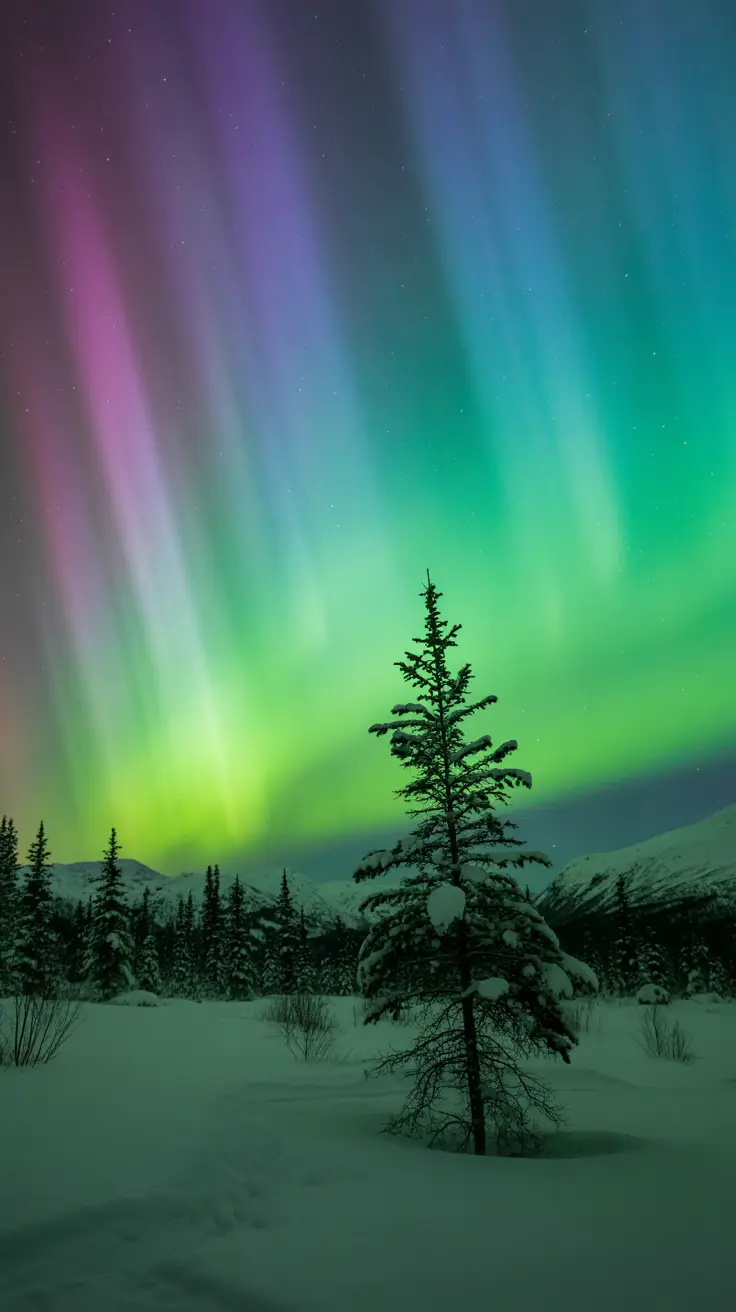
Cruise ships present unique challenges for aurora photography and viewing. All those lovely deck lights and cabin windows create light pollution that washes out the subtle auroral displays. The ship’s movement adds another complication for photographers trying long exposures.
Strategic Positioning
- Scout the ship during daylight to find the darkest deck areas
- The stern typically has less light interference than midship or bow
- Upper decks away from cabin balconies work best
- Some ships will dim or turn off certain deck lights upon request during active displays
Photography Setup
For capturing cruise photography of the aurora, you need to adapt standard techniques for a moving platform:
- Bring a flexible tripod that can grip railings or use bean bags
- Increase ISO more than you would on land (1600-3200) to compensate for ship movement
- Shorter exposure times work better (5-10 seconds max) to minimize motion blur
- Shoot in RAW format if your camera allows for better post-processing
- Download a solar activity app before you lose signal
If you’re serious about getting those perfect Alaska wildlife and aurora photo opportunities, consider booking a cabin on the side of the ship that faces away from the coastline during evening hours. Check your specific itinerary to determine which side that is.
What the Crew Won’t Tell You
Onboard naturalists and astronomers are great resources, but they’re also managing expectations for hundreds of passengers. Here’s the unfiltered truth: even during optimal shoulder season sailings with ideal solar conditions, you might see nothing but clouds. Weather in Alaska is notoriously fickle, and a low-pressure system can park itself over your route for days.
Ships also can’t just stop or change course for aurora viewing like a land-based tour van can. They’re on tight schedules with port commitments and can only make minor adjustments. That said, captains will sometimes announce sightings over the PA system if auroras appear during prime viewing hours, and good ones will position the ship to give the best view when circumstances allow.
Beyond the Ship Experience
Dedicated northern lights cruises often include pre or post-cruise hotel stays in Anchorage or Fairbanks specifically designed around aurora viewing. These land portions dramatically increase your odds because you can travel to dark sky locations away from city lights and aren’t limited by a ship’s schedule or light pollution.
Several cruise lines partner with aurora-specific lodges and tour operators who monitor solar forecasts and cloud cover in real-time. They’ll wake you up at 2 AM if conditions turn favorable, something your cruise ship cabin steward definitely won’t do.
For comprehensive guidance on setting up your shots, the Alaska wildlife photography guide covers camera settings and techniques that work equally well for auroras, especially the sections on low-light shooting.
Bonus Tips Nobody Mentions
- Download the apps “My Aurora Forecast” and “UAF Aurora” before your cruise while you have wifi – ship internet is too slow and expensive for app downloads
- Pack chemical hand warmers; your fingers will freeze trying to adjust camera settings in 30-degree weather
- Bring red cellophane to cover your phone flashlight so you don’t ruin everyone’s night vision while checking settings
- Book a cabin with a private balcony on upper decks if budget allows – you can watch in comfort and duck inside to warm up
- The ship’s hot tub becomes surprisingly popular during aurora watches, offering warm viewing (just keep splashing minimal)
- Alaska’s aurora displays tend to be more green than the vivid purples and reds seen in Norway or Iceland
- Solar activity follows an 11-year cycle; check where we are in the current cycle when planning your trip
- Motion sickness medication can make you drowsy during prime viewing hours – test your reaction beforehand
- Cruise ship metal decks conduct cold like crazy; insulated boots matter more than you think
- If you see a faint whitish glow, take a photo anyway – cameras often pick up colors invisible to the naked eye
Common Questions and FAQ
Can I see the Northern Lights from my cabin balcony?
Yes, but you’re at a disadvantage. Cabin lights from your room and neighboring cabins create glare on the glass doors and wash out fainter displays. If you want to try, turn off every light in your cabin, close the bathroom door, and cover any LED indicators with tape. Your eyes need 20-30 minutes to fully adjust to darkness. Upper deck cabins on the ship’s darker side give you the best balcony shot.
Do cruise ships have special aurora alert systems?
Some do, some don’t. Luxury and expedition-class vessels more commonly offer PA announcements for aurora sightings, especially those specifically marketing aurora viewing. Mainstream cruise lines typically leave it to passengers to watch for themselves, though naturalists may mention if conditions look promising during their evening briefings. Ask your specific cruise line’s policy when booking.
Will the ship turn off lights for aurora viewing?
This varies dramatically by cruise line and ship. Smaller expedition vessels are much more accommodating about dimming deck lights during active displays. Large resort-style ships rarely make these adjustments because it affects safety protocols and other passenger activities. Some ships will dim lights in specific viewing areas upon request if enough passengers ask.
How do I know if the aurora forecast is good while at sea?
Ship internet is expensive and slow, but aurora apps use minimal data. The KP index measures geomagnetic activity on a 0-9 scale. For Alaska cruise latitudes, you want KP 3 or higher for visible auroras. A reading of KP 5+ means you should be on deck regardless of how tired you are. Some ships post daily aurora forecasts near the guest services desk or in daily newsletters.
Is seasickness worse during shoulder season aurora cruises?
Generally yes. September and April see more variable weather patterns with stronger storms than summer months. The Gulf of Alaska can be particularly rough during shoulder seasons. If you’re prone to motion sickness, this creates a dilemma since you need to be on deck for extended periods. Consider prescription patches, acupressure bands, or medication that doesn’t cause drowsiness.
Can you see the Northern Lights on repositioning cruises?
Repositioning cruises happen when ships move between seasonal homeports, often in late September or October for Alaska vessels. These can offer exceptional aurora opportunities because they frequently occur during peak viewing season and travel through northern waters. However, they also spend more time in open ocean where weather can be rougher and cloud cover heavier. Check the specific route and timing carefully.
Personal Experience
I never thought I’d see the Northern Lights dancing above me while standing on a cruise ship deck, but there I was last September, wrapped in every layer I’d packed, watching ribbons of green light ripple across the Alaskan sky. Our cruise director had been pretty clear that late August through mid-September gave us the best shot at seeing the aurora, since the nights finally get dark enough and solar activity picks up around the equinoxes. We were on a route that ventured into the Inside Passage and up to Glacier Bay, and honestly, the farther north we went and the later in the season, the better our chances got.
The crew suggested staying up between 10 PM and 2 AM, which meant lots of coffee and finding the darkest spot on deck away from all the ship’s lights. I hung out near the back of the ship where it was quieter, and when those first green streaks appeared, people started emerging from their cabins like we’d all gotten a secret signal. A photographer onboard told me to skip the flash, crank up my ISO to at least 1600, and keep my phone as steady as possible against the railing. My photos aren’t National Geographic quality or anything, but they’re mine, and they actually show those swirling lights pretty well. The whole experience made me realize why people plan entire trips around this – seeing the aurora over the water with glaciers in the distance is something that stays with you.