
If you’re wondering whether Ambassador Cruises works for solo passengers, or just how brutal the single supplement might be, you’ve asked the right question. Ambassador markets itself as a traditional UK cruise line with older ships, relaxed formality and more British retirees than you’ll find on most other fleets. That’s good news if you want a quieter cruise without fighting for a sunlounger, but it does mean singles cruises might skew older and less raucous than other lines. You’ll also need to know what you’re actually paying as a solo traveller, because the pricing structure can vary wildly depending on the itinerary and cabin grade you choose.
Ambassador Cruise Line does offer solo travellers genuine opportunities to avoid eye-watering supplements on selected sailings, but the availability changes throughout the season and you won’t always find dedicated solo cabins. The social side is more informal than lines like Fred Olsen or Saga, which can be a positive or a drawback depending on whether you want organised mixers or prefer to make your own connections at the bar.
This guide covers pricing realities for solo passengers, which cabin types actually work when you’re travelling alone, how the dining and social scene stacks up, what the single supplement looks like in practice, and the practical details that determine whether Ambassador is the right pick for your first or fiftieth solo cruise.
What Ambassador Cruise Line Actually Offers Solo Passengers
Ambassador operates two older ships, Ambience and Ambition, both built in the early 1990s and refurbished before entering service under the Ambassador name. The ships carry around 1,400 passengers each and sail predominantly from UK ports including London Tilbury, Liverpool, Newcastle, Leith and Belfast. This means no fly cruises from the UK are the default, which saves you the hassle of flights but does mean itineraries focus heavily on Northern Europe, the Baltic, Iceland, Norway and the occasional Mediterranean sailing.
The line doesn’t operate purpose-built solo cabins like Norwegian or Cunard’s single studios. Instead, Ambassador offers reduced single supplements on selected cabin grades and sailings. When these deals are available, you might pay between 110% and 150% of the per-person double occupancy rate, rather than the standard 200% you’d expect elsewhere. The problem is availability: solo-friendly rates aren’t guaranteed on every departure, and they’re often limited to inside or outside cabins rather than balconies.
The passenger demographic skews older, with most cruisers in their sixties and seventies. If you’re a younger solo traveller in your thirties or forties, you’ll be in the minority, though not invisible. The upside is a calmer atmosphere with less noise and fewer children; the downside is that organised social events for solo passengers are limited and you’ll need to be proactive about meeting people.
Solo Cabin Pricing and the Single Supplement Reality
The single supplement on Ambassador varies wildly. On some sailings you’ll find rates as low as 110% of the double occupancy fare, which makes it one of the better-value options for UK solo cruisers. On others, you’ll hit the full 200% supplement with no negotiation. The key is to check the specific sailing you’re interested in rather than assuming all Ambassador cruises treat solos equally.
Ambassador occasionally promotes “solo saver” fares or includes onboard credit for single passengers, particularly on longer cruises or less popular departure dates. These offers tend to appear a few months before sailing when the line is trying to fill remaining inventory. If you have flexibility on dates, you can save significantly by waiting for these promotions, but you risk losing your preferred cabin grade or itinerary if you leave it too late.
Single Supplement: The additional charge a solo passenger pays when occupying a cabin designed for two. Most cruise lines charge 200% of the per-person double rate, effectively doubling your fare. Reduced supplements of 110% to 150% are considered good value.
- Inside cabins usually attract the lowest single supplements, often starting around 110% to 125% on promotional sailings
- Outside cabins with a window typically sit between 125% and 150% depending on the itinerary
- Balcony cabins rarely qualify for reduced solo rates and you’ll likely pay the full 200% supplement
- Suite-grade cabins almost never have solo pricing and you’ll be charged double occupancy rates in full
The practical impact of this is that solo travellers on Ambassador often end up in inside or outside cabins rather than balconies. If you’re planning to spend most of your time exploring ports or using public spaces onboard, an inside cabin at a reduced supplement can represent genuine value. If you need outdoor space and natural light, you’ll pay a steep premium.
One frustration is that Ambassador doesn’t always make solo pricing transparent in the initial search results. You may need to call or email the booking team to confirm whether a reduced supplement is available for your specific sailing. This adds friction to the booking process and makes it harder to compare prices quickly across multiple departure dates.
Which Cabin Grades Work Best for Solo Travellers
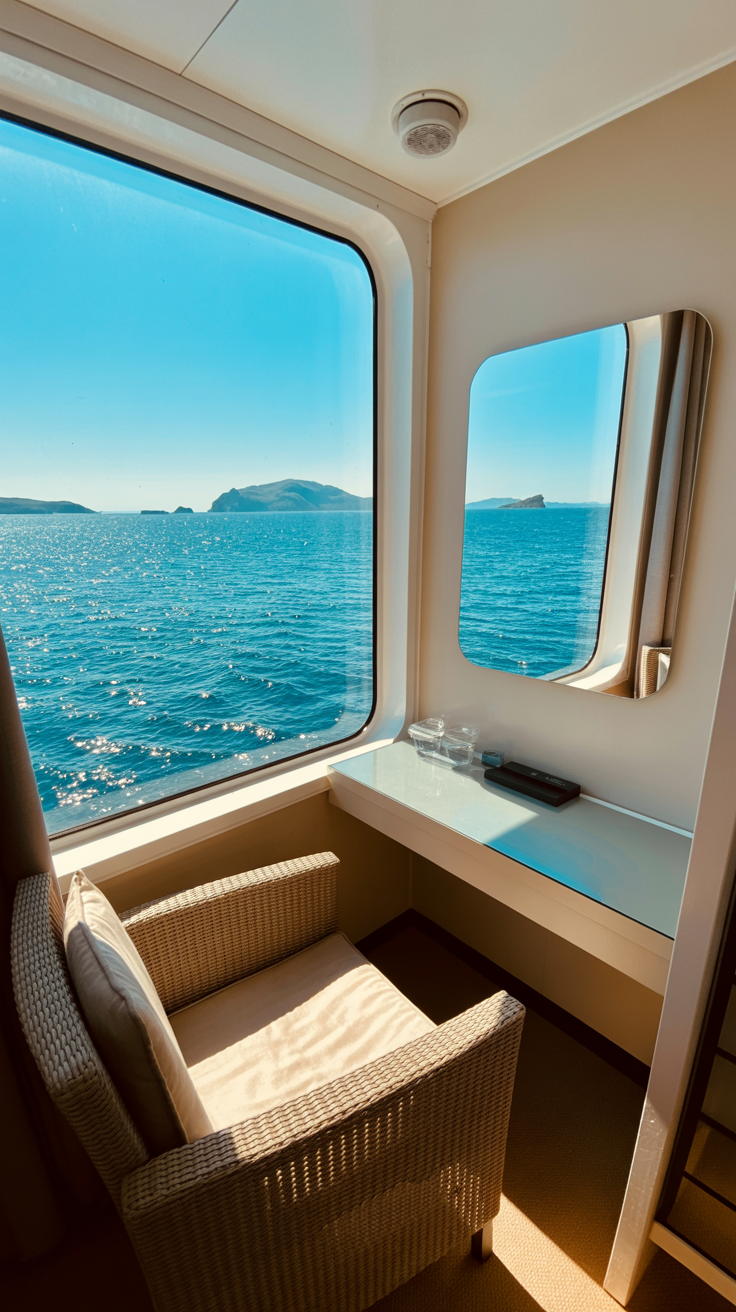
Ambassador’s cabins are functional rather than luxurious, reflecting the age of the ships. Inside cabins are compact at around 12 to 14 square metres, which is tight if you’re spending significant time in the cabin but manageable if you treat it purely as a place to sleep. Storage is limited, so pack light or be prepared to live out of your suitcase for longer cruises.
Outside cabins with a window add natural light and a sense of space without the cost of a balcony. These are often the sweet spot for solo travellers, particularly if you can secure a reduced supplement. The windows don’t open, so you won’t get fresh air, but you will have a view and enough daylight to avoid the cabin feeling like a cave.
| Cabin Type | Size | Solo Suitability | Typical Supplement |
|---|---|---|---|
| Inside Cabin | 12–14 sqm | Good for budget-conscious solos who spend little time in cabin | 110–125% on promotions |
| Outside Cabin | 14–16 sqm | Best value for solos wanting daylight and reasonable pricing | 125–150% on promotions |
| Balcony Cabin | 16–20 sqm | Limited availability at reduced rates; expensive for solo use | Usually 200% |
| Suite | 25+ sqm | Rarely viable for solo travellers due to cost | Always 200% |
Midship cabins on Deck 6 or Deck 7 offer the most stable ride and quickest access to restaurants and public spaces. Forward cabins can be noisier due to anchor chains and bow thrusters, while aft cabins occasionally pick up engine vibration depending on which deck you’re on. If you’re sensitive to motion or noise, midship outside cabins are your safest choice.
Cabin location matters more on longer cruises. A slightly cheaper forward inside cabin might save you money on a seven-night sailing, but by day ten on a longer itinerary you’ll regret the noise and lack of light. Factor in how much time you’ll actually be onboard when choosing your cabin grade.
Dining as a Solo Passenger on Ambassador
Ambassador operates two main dining rooms with both fixed and flexible seating options. The fixed seating assigns you to a specific table at a set time each evening, which can be useful for solo travellers who want to meet the same group of people throughout the cruise. The flexible option allows you to dine whenever you like within service hours, either alone or with whoever else happens to be seated near you.
If you choose fixed seating, make your preference for a small shared table clear when booking. The default is often a large table of eight or ten, which can feel overwhelming if you’re the only solo passenger at a table of couples. A table for four or six is easier to navigate socially and reduces the risk of being left out of conversations.
- Request a small shared table of four to six if you want company without the chaos of a large group
- Flexible dining works well if you prefer to eat alone some nights and socialise others, but be prepared for inconsistent seating arrangements
- The buffet restaurant is open for all meals and allows you to sit wherever you like, making it easier to join or avoid other passengers as you choose
- Room service is available but limited to continental breakfast and light snacks, not full evening meals
- Specialty dining venues exist on both ships but require an additional charge and may feel awkward to dine in alone
Breakfast and lunch in the buffet are straightforward. You can grab a table alone or join others if you spot a friendly group. Evening meals in the buffet feel less formal than the main dining room, which suits some solo travellers and disappoints others who prefer the ritual of a proper sit-down dinner.
One practical issue is that dining times can clash with evening entertainment or port departure schedules. If you’re on flexible dining, check the daily programme before heading to the restaurant so you don’t miss the show or talk you wanted to attend. Fixed seating eliminates this problem but removes your flexibility.
Social Opportunities and Meeting Other Solo Cruisers
Ambassador doesn’t run a formal solo travellers’ programme or dedicated meet-ups, which is a significant difference compared to Fred Olsen Cruise Lines or Saga Cruises. If you want to meet other solos, you’ll need to take the initiative by introducing yourself in public spaces, joining group activities, or striking up conversations at the bar.
The passenger demographic means most solo travellers are recently widowed or divorced older adults rather than younger singles. This affects the social dynamic: people are generally friendly and open to chatting, but there’s less of the energetic mingling you’d find on a singles-focused sailing. If you’re comfortable making your own introductions, you’ll likely find plenty of company. If you need structured mixers to break the ice, Ambassador might feel isolating.
Group shore excursions are the easiest way to meet people. Booking a coach tour or walking excursion means you’ll spend several hours with the same small group, and the shared experience gives you natural conversation starters. Independent travel in port can be cheaper and more flexible, but it does mean you’re on your own unless you arrange to meet someone beforehand.
- Attend the port talks and guest lectures in the theatre, which are well-attended and offer chances to chat with other passengers before or after
- Join quiz nights or bingo sessions in the lounges, which tend to attract a sociable crowd and make it easy to join a table
- Sit at the bar rather than a lounge table if you want to signal you’re open to conversation
- Check the daily programme for any group activities like dance classes, bridge sessions or art workshops that match your interests
- Use mealtimes strategically: breakfast and lunch in the buffet are easier for casual conversation than formal dinners
The lack of organised solo events is a double-edged sword. It means less pressure to attend mandatory mixers or awkward icebreakers, but it also means you’ll work harder to build a social circle onboard. If you’re an extrovert who enjoys meeting new people, Ambassador gives you the freedom to do so at your own pace. If you’re shy or anxious about travelling alone, the absence of structure might make the experience lonelier.
How Ambassador Compares to Other UK Lines for Solo Cruisers
- Comparing Ambassador to other UK cruise lines helps clarify whether it’s the right fit for your solo cruise. Ambassador versus Saga is the most common comparison, as both target older British passengers on no-fly itineraries. Saga requires passengers to be over fifty and runs organised solo meet-ups and dining arrangements, making it more structured and potentially less isolating for first-time solo cruisers. Ambassador has no age restriction and feels less formal, which some solo travellers prefer and others find harder to navigate socially.
- Ambassador versus Fred Olsen is another relevant comparison. Fred Olsen operates smaller ships with a higher proportion of solo travellers and more frequent solo-specific promotions. The onboard atmosphere on Fred Olsen is more intimate, which makes it easier to recognise faces and strike up repeat conversations throughout the cruise. Ambassador’s larger ships offer more facilities but can feel more anonymous if you’re travelling alone.
- Ambassador versus P&O Cruises highlights the demographic divide. P&O attracts a wider age range and livelier evening entertainment, but single supplements are typically higher and solo travellers are less common. If you want a quiet, traditional cruise with mostly British passengers, Ambassador wins. If you want more variety in age groups and a busier atmosphere, P&O might suit you better despite the higher solo costs.
| Cruise Line | Solo Passenger Support | Typical Supplement | Passenger Demographic |
|---|---|---|---|
| Ambassador | No formal programme; self-directed socialising | 110–200% depending on sailing | Mostly 60+; British retirees |
| Saga | Organised solo meet-ups and dining | Varies; often competitive | 50+ only; structured social scene |
| Fred Olsen | Frequent solo promotions; smaller ships aid socialising | Often reduced; good solo inventory | 60+; quieter and more intimate |
| P&O Cruises | Limited solo focus; larger ships | Usually 200% | Broader age range; livelier atmosphere |
If your priority is avoiding single supplement fees, Ambassador and Fred Olsen both offer better value than P&O or most international lines. Saga can be competitive on price but the age restriction rules out younger solo travellers. The best choice depends on whether you value structured social support, ship size, or raw pricing above all else.
Practical Tips for Solo Travellers on Ambassador Cruises
- Book early if you want a specific cabin grade with a reduced single supplement, as inventory for solo-friendly rates is limited
- Call Ambassador directly to confirm solo pricing rather than relying on the website, which doesn’t always show reduced supplements clearly
- Choose midship outside cabins if you’re balancing cost, comfort and light exposure
- Avoid forward cabins on lower decks if you’re a light sleeper or sensitive to noise from anchoring or bow thrusters
- Request a small shared dining table of four to six people when booking to avoid being swamped at a table of ten couples
- Attend port talks and onboard lectures to meet like-minded passengers in a low-pressure setting
- Join group shore excursions on the first or second port day to establish a social circle early in the cruise
- Bring a small portable reading light if you book an inside cabin, as the overhead lighting can be harsh
- Pack formal or smart-casual attire for evening dining, as Ambassador maintains traditional dress codes on most nights
- Check the daily programme each morning to plan your meals around activities and entertainment
- Use the bar as your social hub rather than sitting alone in quieter lounges
- Download the ship’s app before boarding to track schedules and make changes to dining or excursions without queuing at reception
- Bring a reusable water bottle and fill it from the buffet to avoid paying for bottled drinks throughout the day
- Factor in gratuities and drinks costs when budgeting, as these are not included in the base fare and add up quickly on longer sailings
What About Safety and Comfort as a Solo Female Traveller
Ambassador cruises are generally safe for solo female travellers, with low crime rates onboard and a mature, respectful passenger demographic. The older average age means you’re less likely to encounter rowdy behaviour or unwanted attention in bars and public spaces. That said, basic safety precautions still apply: use your cabin safe for valuables, don’t leave drinks unattended, and avoid isolated areas of the ship late at night.
The crew are predominantly international and professional, though you may encounter the occasional outdated comment or overly familiar behaviour from older passengers. If you feel uncomfortable, the guest services desk will address concerns, but the informal culture means issues are handled case-by-case rather than through a formal solo traveller support programme.
Shore excursions are safe in most ports, but solo female travellers should research port-specific safety concerns before wandering independently. Group excursions provide safety in numbers and local guidance, which is particularly useful in less familiar destinations. If you prefer independent exploration, stick to well-touristed areas during daylight hours and keep your phone charged and accessible.
Booking Strategy: How to Get the Best Solo Pricing
The best time to book as a solo traveller on Ambassador is either very early or very late. Early booking secures your preferred cabin grade and itinerary with the best chance of a reduced supplement. Late booking can yield bargains if the ship has unsold inventory and the line releases last-minute solo saver rates, but you risk limited cabin choice and sold-out sailings.
Monitor Ambassador’s website and email newsletters for solo-specific promotions, which typically appear a few times per year. These offers often include onboard credit or reduced deposits alongside the lower single supplement, making them significantly better value than standard pricing. If you see a promotion that matches your preferred itinerary, book immediately, as solo inventory sells out faster than double occupancy cabins.
Onboard Credit: A monetary credit added to your onboard account that can be used for drinks, excursions, spa treatments or specialty dining. It’s issued per cabin, not per person, so solo travellers receive the same credit as a couple, making it proportionally more valuable.
Booking directly with Ambassador occasionally yields better pricing than third-party agents, particularly for solo passengers, because the line controls inventory allocation. However, some travel agents specialising in cruises from UK ports have access to group rates or consortium deals that can undercut direct pricing. Get quotes from both sources before committing.
Longer cruises often have better per-day pricing for solo travellers than short sailings. A fourteen-night cruise to Iceland might show a 125% supplement while a seven-night Norway cruise charges 150%, even though the itinerary is similar. If you have the time, extending your cruise can save you money on a per-night basis and reduce the effective cost of the supplement.
Common Questions About Ambassador Cruises for Solo Travellers
Does Ambassador have solo cabins?
No, Ambassador doesn’t operate dedicated solo cabins. Instead, you’ll book a standard cabin designed for double occupancy and pay a single supplement that varies between 110% and 200% of the per-person rate depending on the sailing and cabin grade.
Are there organised meet-ups for solo passengers?
No, Ambassador doesn’t run formal solo traveller events or meet-ups. You’ll need to introduce yourself in public spaces, join group activities, or attend shore excursions to meet other passengers. The social scene is informal and self-directed.
Can I share a table in the dining room if I’m travelling alone?
Yes, you can request a shared table for four to six people when booking, which allows you to dine with other passengers throughout the cruise. Alternatively, choose flexible dining to sit wherever you like each evening.
Which cabin type offers the best value for solo cruisers?
Outside cabins with a window typically offer the best balance of natural light, comfort and reduced single supplement pricing. Inside cabins are cheaper but feel cramped on longer cruises, while balconies rarely qualify for solo discounts.
Is Ambassador suitable for younger solo travellers in their thirties or forties?
You’ll be in the minority, as most passengers are in their sixties and seventies. The atmosphere is calm and traditional, which suits some younger solos but may feel too quiet if you’re looking for energetic socialising or evening entertainment.
How much should I budget for onboard costs beyond the cruise fare?
Expect to pay for drinks, gratuities, specialty dining, shore excursions and spa treatments. Budget an additional amount equivalent to at least 30% of your base fare for a typical cruise, more if you drink alcohol regularly or book multiple excursions.
Can I sail from my nearest UK port as a solo traveller?
Ambassador operates no fly cruises from UK ports including Tilbury, Liverpool, Newcastle, Leith and Belfast. Solo pricing is available from all departure ports, though availability varies by sailing, so confirm with the booking team for your specific port and itinerary.
Do I need travel insurance if I’m sailing from the UK?
Yes, travel insurance is essential even on domestic departures. It covers medical emergencies, trip cancellations, missed port departures and lost luggage. Check that your policy includes single-traveller cover and doesn’t assume double occupancy or shared costs.
What happens if I want to change my dining or cabin arrangements after booking?
You can request changes through guest services once onboard, though success depends on availability. Cabin moves usually incur a fee and aren’t guaranteed. Dining changes are easier to accommodate, particularly if you’re switching from fixed to flexible seating.
Why Trust About2Cruise
- I’m Jo. I’ve sailed on Ambassador Ambience as a solo passenger and interviewed UK solo cruisers across multiple lines for this guide.
- We update this article when Ambassador changes its solo pricing structure or launches new promotions affecting supplement rates.
- We don’t accept payment from cruise lines for coverage. If a ship’s rubbish for solos, we’ll tell you.
For more context on how we research and write our guides, visit our about us page.
Last Updated: 17 February 2026