
Nome, Alaska is a remote Bering Sea port accessible only by cruise ship, plane, or boat. This historic gold rush town offers authentic frontier experiences, including Native Alaskan culture, gold panning opportunities, tundra wildlife viewing, and visits to the famous Iditarod finish line. The port accommodates expedition-style vessels with tender operations.
Quick Facts: Nome Cruise Port
| Detail | Information |
|---|---|
| Location | Bering Sea coast, 539 miles northwest of Anchorage |
| Population | Approximately 3,800 residents |
| Docking | Tender port only (no cruise ship dock) |
| Cruise Season | June through September |
| Time Zone | Alaska Time (AKST) |
| Walking Distance | Entire downtown walkable in 20-30 minutes |
| Currency | US Dollar (bring cash) |
| Weather | Summer temps 40-60°F, windy conditions common |
Want to know more about other Alaska cruise ports and destinations?
Getting Ashore and Getting Around
Your ship will anchor offshore and you’ll ride a tender boat to the seawall landing. The tender ride typically takes 10-15 minutes depending on conditions. This isn’t the smoothest operation you’ll encounter, and the ladder can be tricky for passengers with mobility issues. Ships sometimes cancel tenders if the Bering Sea gets too rough, which happens more often than cruise lines like to admit.
Once you step onto the seawall you’re literally steps from downtown. The tender drops you near the visitor center, which should be your first stop for free maps and bathroom access. Everything important sits within a half-mile radius, making Nome one of the most walkable ports in Alaska.
Transportation Options
- Walking: The best way to explore downtown Nome at no cost
- Taxi: Limited taxis available for trips to outlying areas like Anvil Mountain or Council Road
- Bike rentals: Available from local outfitters for coastal rides along the Nome-Teller Road
- Tour buses: Ship-organized or independent tours to remote areas
What Makes Nome Special
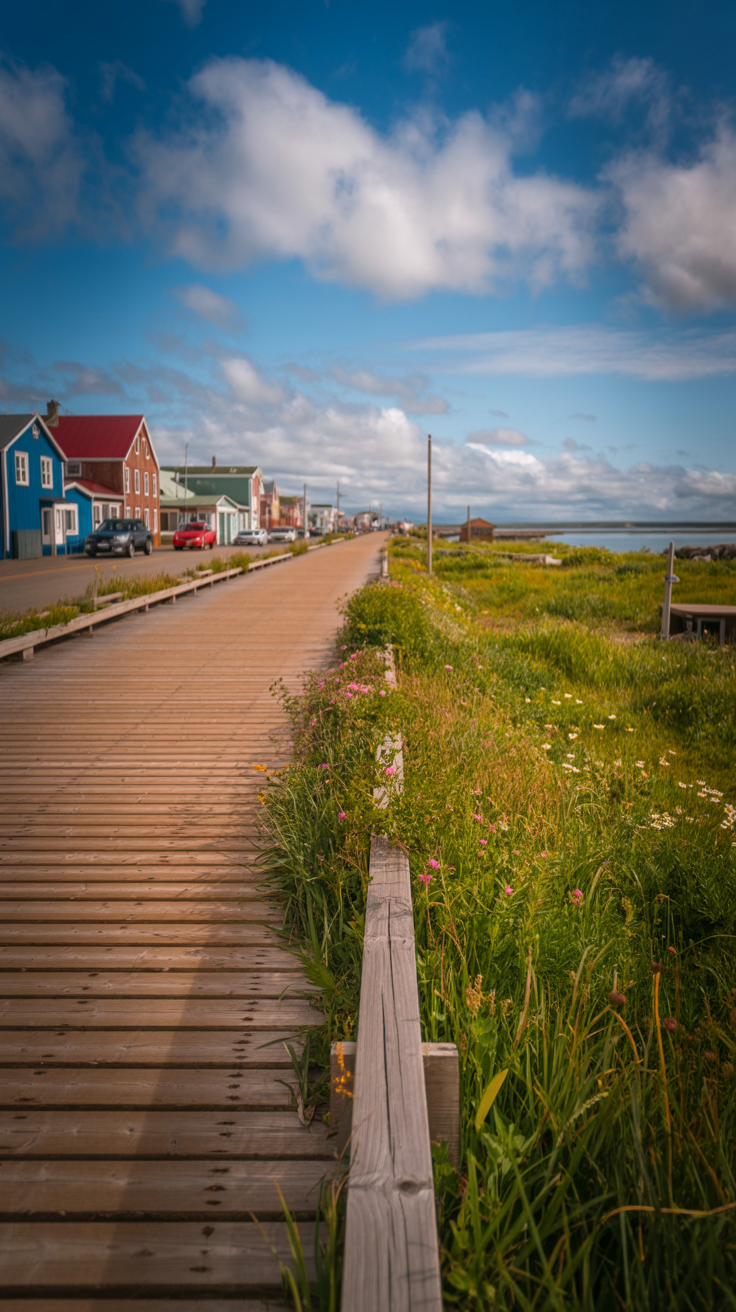
Nome doesn’t try to be a polished tourist destination and that’s precisely its charm. This is raw Alaska where people actually live and work in conditions most of us can’t imagine. The town gained fame during the gold rush when thousands of prospectors arrived on the beaches and you can still legally pan for gold on the public beaches today.
The Iditarod Trail Sled Dog Race finishes here each March under the famous burled arch on Front Street. Standing under that arch in summer while imagining the mushers arriving after 1,000 miles of frozen wilderness gives you serious respect for both the athletes and their dogs.
Nome also serves as a regional hub for surrounding Inupiat villages. You’ll encounter genuine Native Alaskan culture here without the commercialized performances common in Southeast Alaska ports.
Top Things to Do in Nome
Gold Panning on the Beach
Yes, you can legally pan for gold on Nome’s beaches and people actually find it. Bring your own pan or rent one locally. The beaches stretch for miles along the Bering Sea and you’re welcome to try your luck. Most people find tiny flakes at best but the experience itself is memorable.
Carrie M. McLain Memorial Museum
This small but excellent museum near the visitor center covers gold rush history, the 1925 serum run that inspired the Iditarod, Native culture and local aviation history. Admission is free though donations are appreciated. Plan for 45 minutes to an hour.
Last Train to Nowhere
These abandoned locomotives sitting on the tundra about three miles from town tell the story of a failed mining railroad project. The rusting engines and railcars create an eerie post-apocalyptic scene that’s weirdly photogenic. You’ll need to join a tour or rent bikes to reach them.
Anvil Mountain
Drive or take a tour up the rough road to Anvil Mountain for spectacular tundra views. On clear days you can see the entire Nome area spread below. Watch for musk oxen, reindeer and Arctic birds. The road is rough enough that most visitors prefer organized tours.
St. Joseph Catholic Church
This small church contains beautiful stained glass windows and interesting historical artifacts. It’s one of the few buildings that survived the fire that destroyed much of Nome decades ago.
Walking Tour of Historic Downtown
Pick up a walking tour map from the visitor center and explore on your own. You’ll see colorful buildings, gold rush era sites and quirky local touches like painted murals and fishing boats parked on Front Street.
Nome for Expedition Cruisers
Nome features prominently on Alaska expedition cruise itineraries that explore remote regions. If you’re on an expedition vessel you’ll likely visit Nome as part of a broader Bering Sea itinerary that might include Barrow (Utqiaġvik) to the north or Dutch Harbor in the Aleutian Islands to the south.
Expedition ships offer deeper dives into Nome’s history and ecology with expert naturalists and cultural interpreters. These cruises attract travelers seeking authentic wilderness experiences rather than resort-style amenities. You’ll find fewer kids and more binoculars on expedition vessels visiting Nome.
Shopping and Dining
Local Shopping
Nome isn’t a shopping destination but you’ll find authentic items worth considering:
- Native crafts: Look for genuine Inupiat ivory carvings, baleen baskets and fur items at local shops
- Gold nugget jewelry: Local gold turned into jewelry by Nome craftspeople
- Arctic Trading Post: One of the better shops for Native art and local souvenirs
- Nome Outfitters: Outdoor gear and local products
Bring cash because several small shops and vendors don’t accept credit cards. ATMs are available but sometimes run out of cash when cruise ships are in town.
Where to Eat
Your time in Nome is limited so choose wisely:
- Airport Pizza: Yes it’s by the airport but it’s a Nome institution serving surprisingly good pizza and reindeer sausage
- Twin Dragon: Chinese and American food in a casual setting
- Milano’s Pizzeria: Another local favorite for pizza and sandwiches
- Fat Freddie’s Restaurant: American diner fare with local character
- Board of Trade Saloon: Historic bar where you can grab a beer and soak up gold rush atmosphere
Don’t expect fine dining. Nome restaurants serve hearty food to people who work hard in tough conditions. Portions are generous and prices reflect the cost of shipping everything to a remote location.
Weather and What to Wear
Summer in Nome means temperatures between 40-60°F with wind as your constant companion. The Bering Sea doesn’t warm up much so that breeze off the water cuts right through light jackets.
Packing Essentials
- Windproof outer layer (absolutely essential)
- Warm fleece or insulated jacket
- Long pants (jeans or hiking pants work well)
- Closed-toe walking shoes with good grip
- Warm hat and gloves for early or late season visits
- Sunglasses (the glare off the water is intense)
- Sunscreen (you’re close to the Arctic Circle)
The weather can shift dramatically within an hour. You might start in sunshine and end in cold drizzle. Layers are your best strategy.
Practical Information
Money Matters
Bring cash. Several local shops and tour operators don’t accept credit cards and the ATMs sometimes run dry when cruise ships visit. Having $100-200 in cash will cover most situations.
Cell Phone and Internet
Cell coverage exists in Nome proper but don’t expect great speeds. WiFi at the library is free if you need internet access. Once you leave town on tours you’ll lose signal completely.
Restrooms
The visitor center near the tender landing has public restrooms. Most restaurants and the museum will let you use facilities if you’re a customer. There aren’t many options so plan accordingly.
Time Constraints
Most ships give you 6-8 hours in Nome which is plenty of time to see the town and take one tour. The compact size works in your favor. You can walk downtown, visit the museum, grab lunch and still have time for a tour to the Last Train to Nowhere or Anvil Mountain.
Tours Worth Considering
Ship-organized tours often cost more than independent options but they guarantee you won’t miss the tender back. Missing the tender in Nome creates serious problems since there are limited hotel rooms and no roads connecting to other towns.
Popular Tour Options
- City and Tundra Tour: Covers downtown highlights plus a drive to see tundra landscapes and possibly musk oxen
- Gold Panning Experience: Guided instruction on the beach with guaranteed gold in your pan (they seed it)
- Nome Discovery Tour: Comprehensive overview including the Last Train to Nowhere and Anvil Mountain
- Bike Tours: Pedal along the coast road for wildlife viewing and beach access
- Cultural Tours: Native guides share Inupiat traditions and history
Wildlife Watching
Nome sits at the edge of the Arctic tundra where you might spot:
- Musk Oxen: Prehistoric-looking beasts sometimes visible from the roads around Nome
- Reindeer: Semi-domesticated herds roam the area
- Arctic Birds: Nome is a birding hotspot with species rarely seen elsewhere
- Seals: Watch for harbor seals in the waters around the tender landing
- Arctic Fox: Occasionally spotted in outlying areas
Bring binoculars. The tundra landscape makes spotting wildlife from a distance possible but you’ll want magnification to really see them.
Challenges to Expect
Nome rewards adventurous spirits but presents some challenges:
- Tender operations: Getting on and off the tender requires navigating stairs and potentially slippery surfaces
- Weather cancellations: Rough seas can cancel tenders completely leaving you stuck on the ship
- Basic facilities: This is frontier Alaska not a resort town
- Limited accessibility: Many tours involve rough roads and uneven terrain
- High prices: Everything costs more because everything arrives by plane or barge
- Unpredictable weather: Summer conditions change rapidly
Bonus Tips
- The Nome visitor center offers free coffee and warm cookies to cruise passengers
- Local dogs roaming around are friendly and well-known to residents but ask before petting
- Front Street floods during high tides when storms push water over the seawall
- The sun barely sets during summer cruise season making evening photography spectacular
- Nome Nome Nome is the actual name of a popular local food truck when it’s operating
- The library has excellent free exhibits about regional history and culture
- Ask locals about the Three Lucky Swedes monument and the real story behind Nome’s gold discovery
- Some cruise lines donate school supplies to Nome schools so check if yours participates
- The Alaska Airlines cargo office often has fresh seafood for sale if you have a way to keep it cold
- Mini Mart downtown has the best selection of snacks and drinks at reasonable prices
Comparing Nome to Other Remote Alaska Ports
Nome offers a different experience than the more commonly visited Southeast Alaska ports. While places like Juneau and Ketchikan have developed tourism infrastructure, Nome remains authentically rough around the edges. If you’re looking for other remote Gulf of Alaska and Bering Sea ports, Nome delivers that frontier feeling you won’t find in the Inside Passage.
The town doesn’t put on a show for visitors. What you see is what residents actually experience year-round. That authenticity makes Nome special for travelers seeking genuine wilderness experiences rather than polished tourist attractions.
Common Questions and FAQ
Can I really find gold on Nome beaches?
Yes, gold still exists in Nome’s beach sand and you’re legally allowed to pan for it. Most people find tiny flakes worth pennies but occasional nuggets do turn up. Think of it as a fun activity rather than a money-making venture. The real value is the experience and the story you bring home.
Is Nome safe for cruise passengers?
Nome is generally very safe for visitors. The town sees so few tourists compared to Southeast Alaska that you’re more of a curiosity than a target. Standard travel precautions apply. The bigger safety concern is the weather and sea conditions affecting tender operations rather than crime.
What if tenders are cancelled due to weather?
This happens occasionally when Bering Sea conditions deteriorate. The ship will update passengers and sometimes wait to see if conditions improve. Unfortunately there’s no backup plan since Nome has no cruise dock. You’ll miss the port entirely which is disappointing but unavoidable with weather.
Do I need to book tours in advance?
Popular tours can fill up but Nome receives fewer cruise ships than Southeast ports so you have better chances of booking tours upon arrival. That said, booking through your ship guarantees they’ll wait for you if your tour runs late. Independent tours cost less but you assume the risk of missing the tender.
Can I see the Northern Lights in Nome during cruise season?
Unfortunately no. Cruise ships visit Nome during summer when there’s nearly 24-hour daylight. The Northern Lights require darkness which doesn’t happen until late August at the earliest. Nome is an excellent Northern Lights destination but you’d need to visit in winter.
Are there polar bears in Nome?
Polar bears occasionally wander near Nome but sightings are rare and they typically stay on the ice farther north. If you want reliable polar bear viewing you’d need to visit Barrow (Utqiaġvik) much farther north along the Arctic Ocean coast. Nome is better for musk oxen, reindeer and Arctic birds.
How different is Nome from mainstream Alaska cruise ports?
Dramatically different. Southeast Alaska ports like Juneau and Skagway have jewelry stores, tourist shops and infrastructure built for cruise passengers. Nome is a working town where tourism is a side business. You won’t find crowds of tourists or shops selling diamonds. What you will find is authenticity and a genuine frontier atmosphere.
Personal Experience
When our cruise ship dropped anchor off the coast of Nome, I wasn’t quite prepared for how different this port would be from our other stops. There’s no actual dock here, so we took a tender boat to shore, which felt like part of the adventure. The first thing that struck me was how genuinely remote this place feels – you’re truly at the edge of the world. I spent my time wandering the small downtown area, which you can easily cover on foot in about twenty minutes. The locals were incredibly friendly and eager to share stories about gold rush history and their life in the Arctic. I stopped by the visitor center near the port, and they had tons of helpful info about everything from the Iditarod Trail to local wildlife.
What surprised me most was how much there was to do for such a tiny town. I joined a tour out to the famous “Last Train to Nowhere,” these old rusted locomotives sitting in the tundra that tell a fascinating story of failed mining ventures. Some folks from our ship rented bikes and rode along the coast, while others went gold panning or visited the nearby Inupiat village. The weather can be unpredictable even in summer – I wore layers and was glad I did since it went from sunny to windy and chilly within an hour. If you’re planning a visit, bring cash because several small shops don’t take cards, and definitely try the reindeer sausage from one of the local spots. It’s not every day you get to explore a place this unique and wild.