
Most cruise passengers approach Morocco expecting exotic medinas and Instagram-worthy minarets. What they get instead is eight wildly different ports ranging from genuine hidden gems to overhyped disappointments that waste precious port time. Not all Moroccan cruise stops are created equal, and the cruise lines won’t tell you which ones deserve your attention.
Morocco’s cruise infrastructure spans both Mediterranean and Atlantic coasts, from the well-trodden terminals at Tangier and Casablanca to obscure Western Saharan outposts that barely register on most itineraries. The difference between making the most of your Moroccan stops and wandering aimlessly through industrial zones comes down to understanding what each port actually offers beyond the marketing brochure nonsense.
If your itinerary includes multiple Moroccan ports, you’re going to encounter significant overlap in terms of medinas, souks, and tagine. The smart approach involves understanding which ports offer genuinely unique experiences versus which ones serve up variations on the same theme.
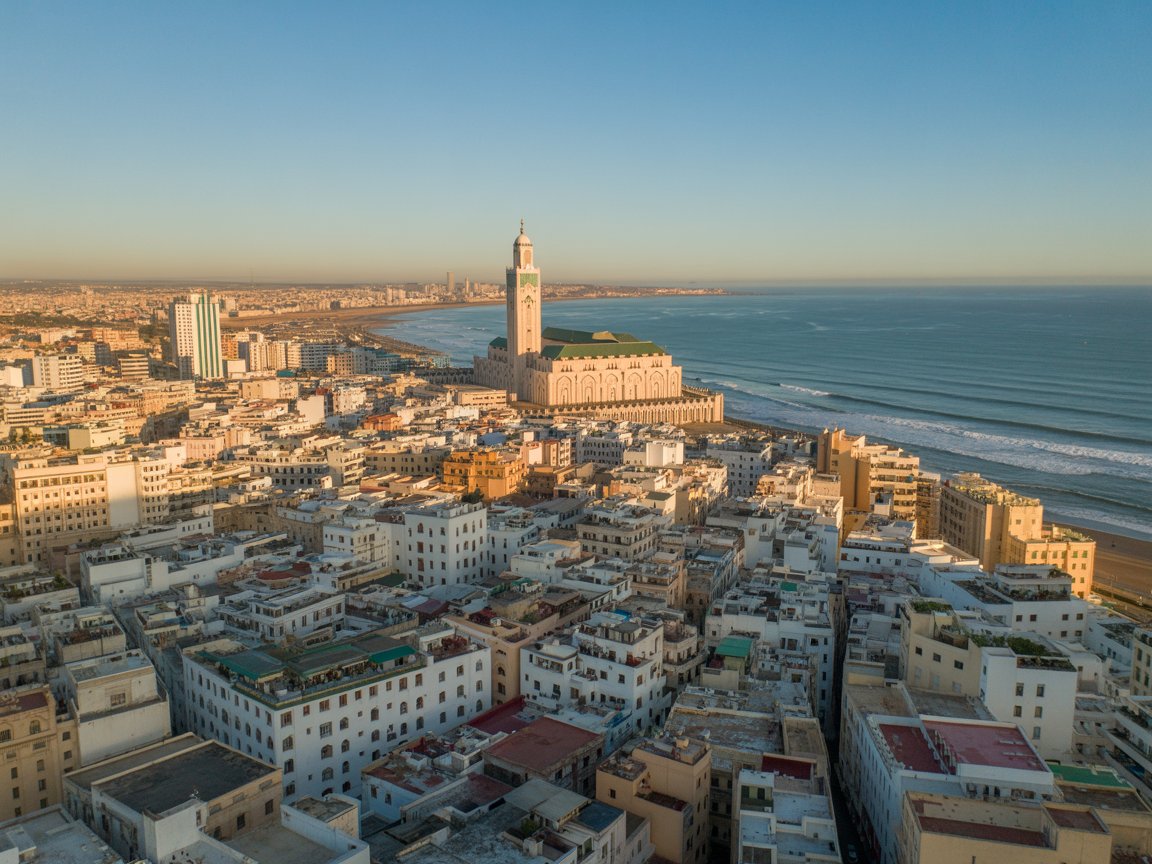
Casablanca Cruise Port
Morocco’s busiest cruise gateway for good reason. The Hassan II Mosque alone justifies the port call, and the new €60 million cruise terminal means you’re not dealing with the chaos that plagued earlier visits. That said, Casablanca is a working commercial city, not a picture-postcard destination. Come for the mosque and art deco architecture, but temper expectations about “authentic Morocco.”
→ Complete Casablanca cruise port guide – terminal details, Hassan II Mosque access, transport to Marrakech, and navigating industrial port zones
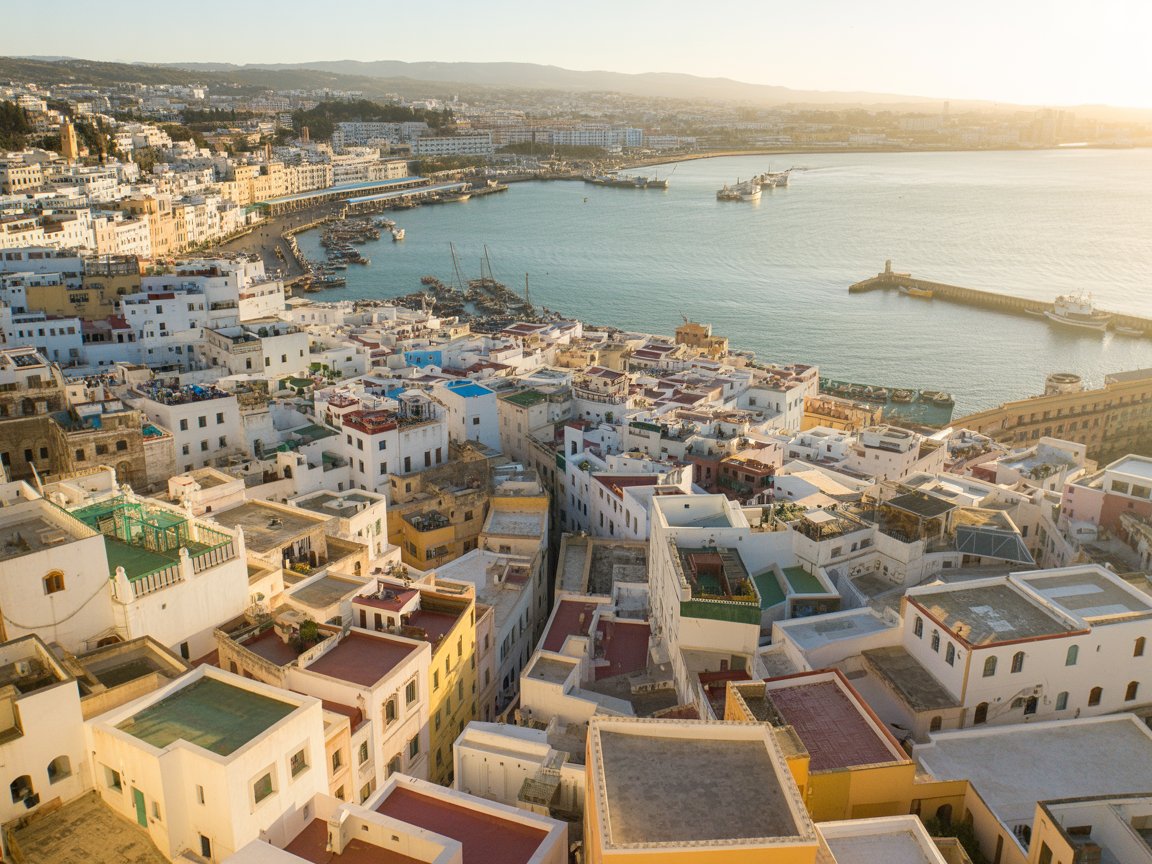
Tangier Cruise Port
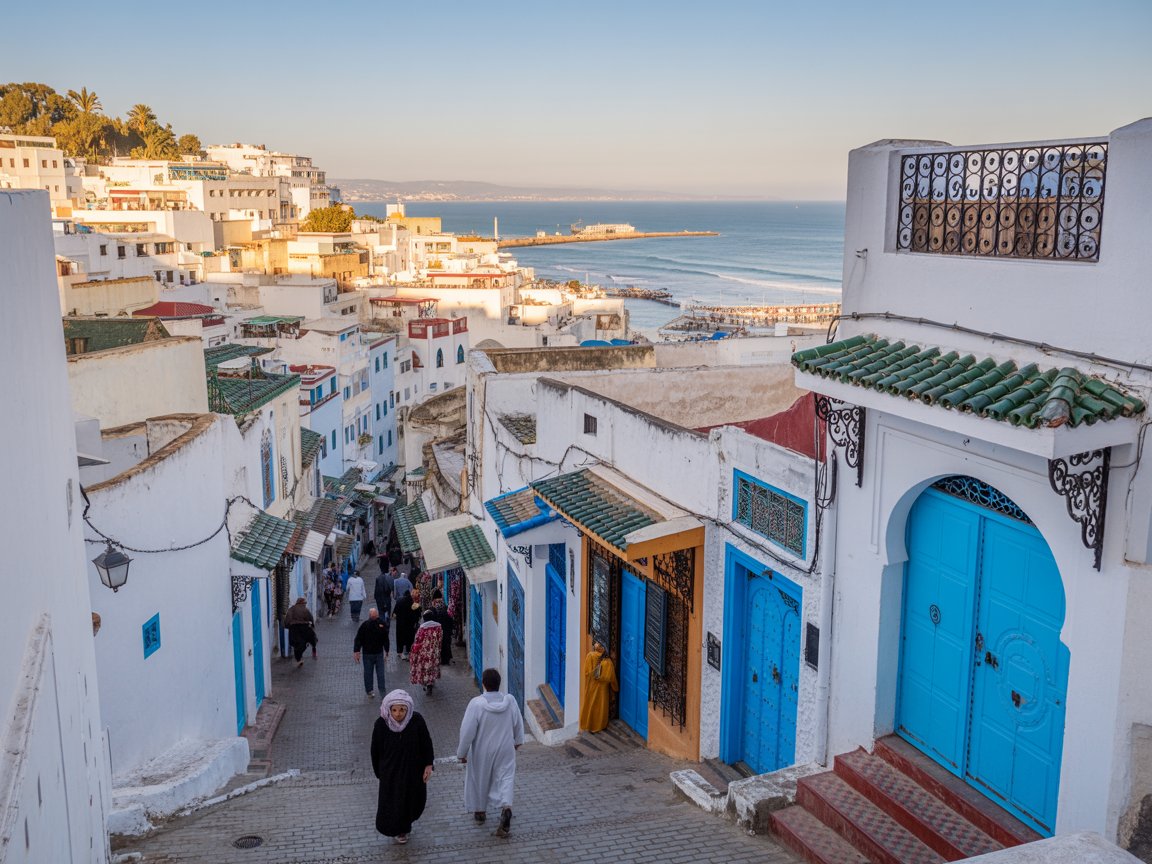
Occupies a unique position at the crossroads of two continents and two seas. The port sits remarkably close to the medina (800 meters), making it one of Morocco’s most walkable cruise stops. The downside? Tangier has been dealing with cruise tourists for decades, which means aggressive touts, inflated prices, and a well-oiled machine designed to separate you from your dirhams. The Caves of Hercules and Kasbah Museum are worthwhile, but you’ll earn them by navigating persistent “guides” and taxi drivers with creative pricing strategies.
→ Complete Tangier cruise port guide – medina walking routes, Kasbah Museum, avoiding scams, and day trips to Chefchaouen
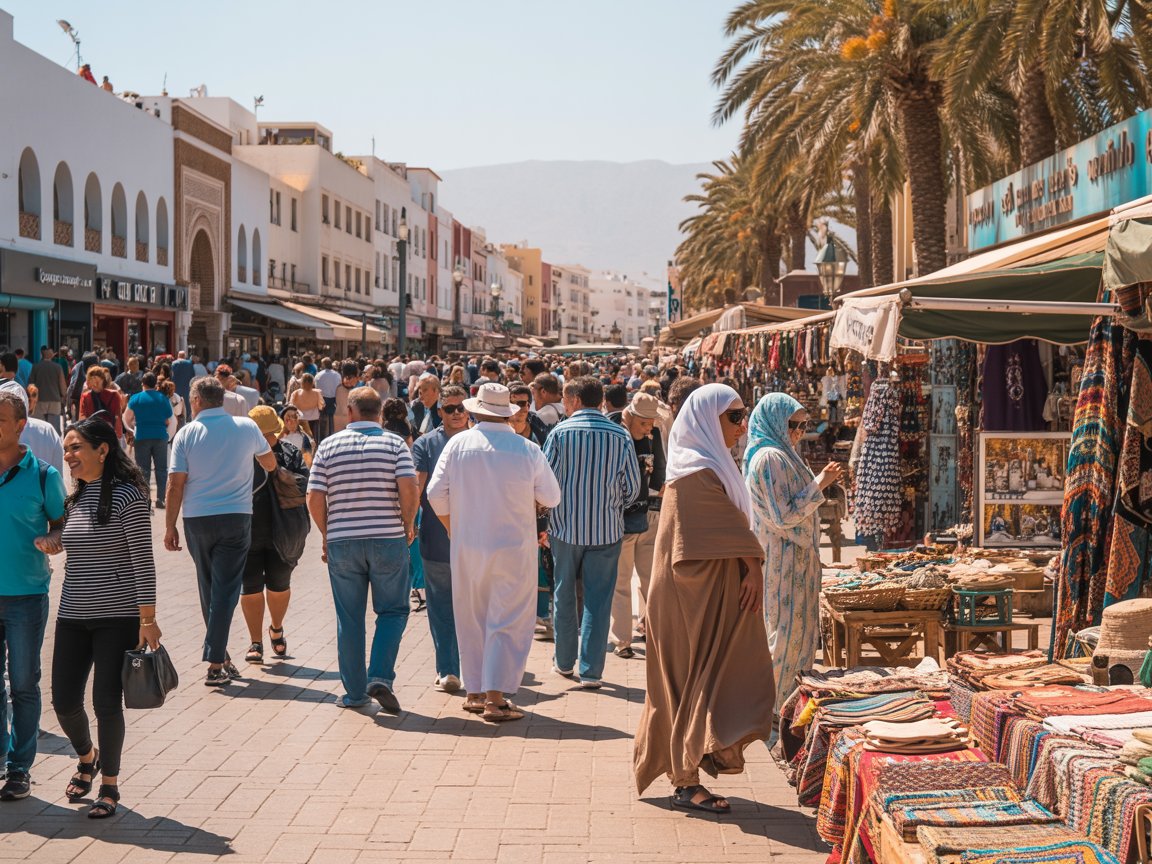
Agadir Cruise Port
Serves a completely different purpose. This is Morocco’s beach resort answer to Spain’s Costa del Sol, modern, Europeanised, and about as far from exotic North Africa as you’ll find. The 1960 earthquake wiped out the historic city, so what remains is predominantly new construction. Agadir works brilliantly if you want reliable beach weather and water sports, but skip it if you’re after ancient kasbahs and winding medinas.
→ Complete Agadir cruise port guide – beach access, water sports, modern amenities, and why this isn’t traditional Morocco
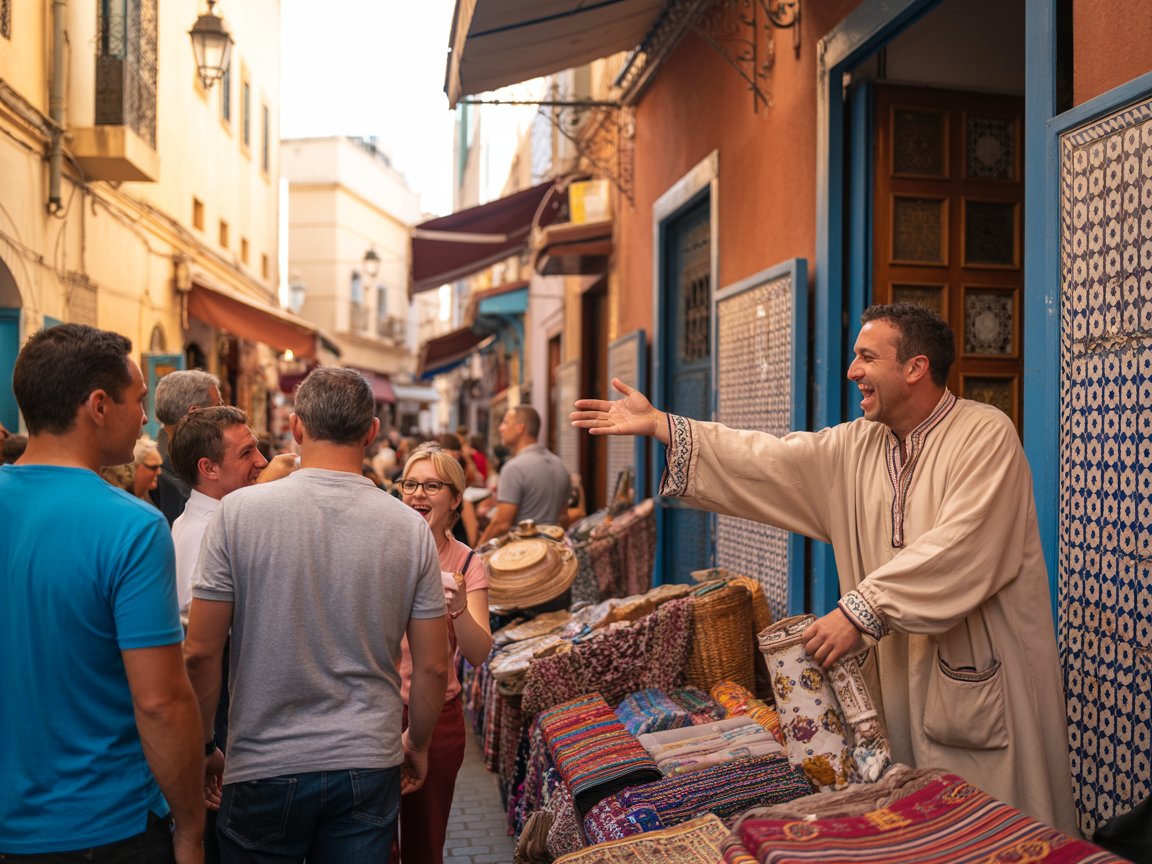
Safi Cruise Port
Flies completely under the radar for most passengers, which is precisely its appeal. Morocco’s largest sardine fishing port and pottery centre offers genuine local life without the tourist infrastructure. Smaller ships like Silversea and Star Clippers call here, which tells you everything about the port’s scale and ambition. Come for pottery workshops and working medinas, but understand that Safi isn’t set up for mass tourism, which is both its blessing and its limitation.
→ Complete Safi cruise port guide – pottery workshops, authentic medinas, fishing port culture, and small ship access
Nador Cruise Port
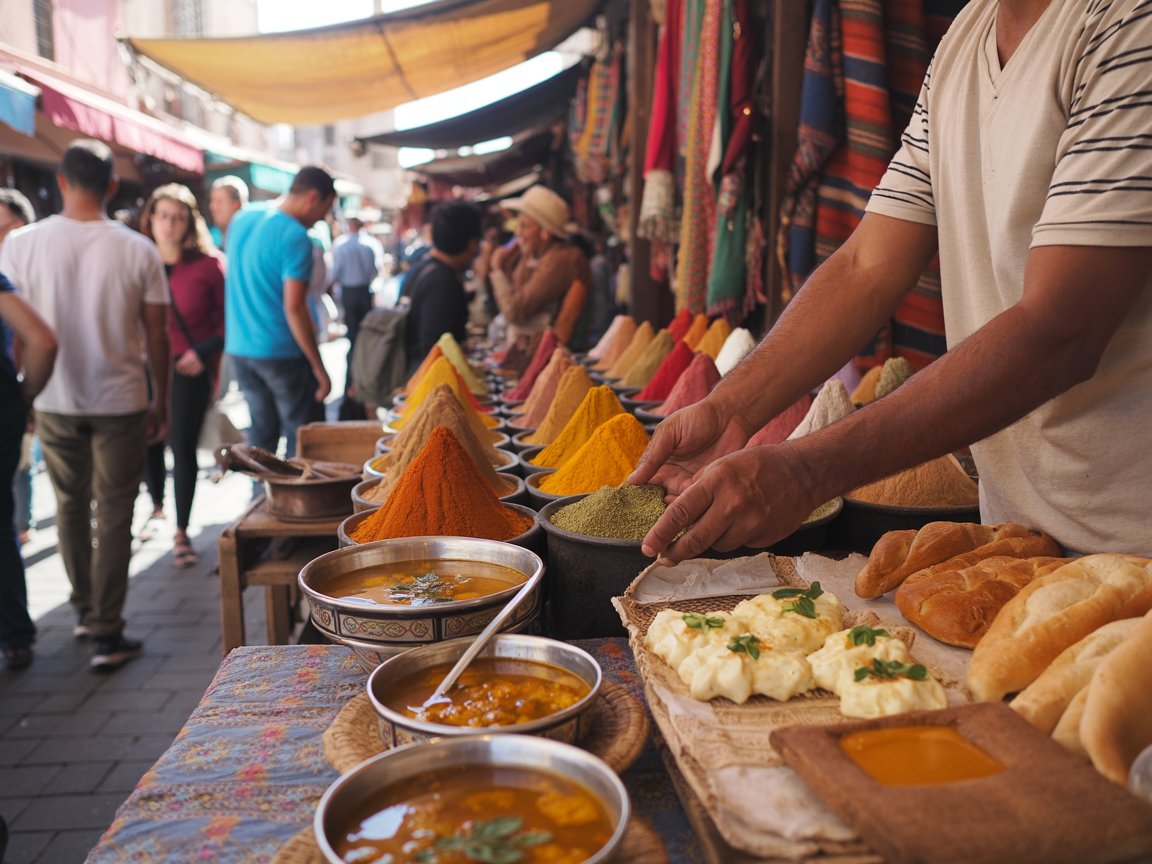
On the Mediterranean coast, serves primarily as a ferry terminal connecting Morocco to Spain. The newly modernised terminal includes HYDRA boarding bridges and proper passenger facilities, but the town itself offers modest appeal beyond the nearby Marchica Lagoon beaches and bird watching opportunities. Nador works best for passengers who’ve exhausted Morocco’s headline attractions and want something genuinely different.
→ Complete Nador cruise port guide – Marchica Lagoon beaches, ferry connections to Spain, and authentic Mediterranean Morocco
Al Hoceima Cruise Port
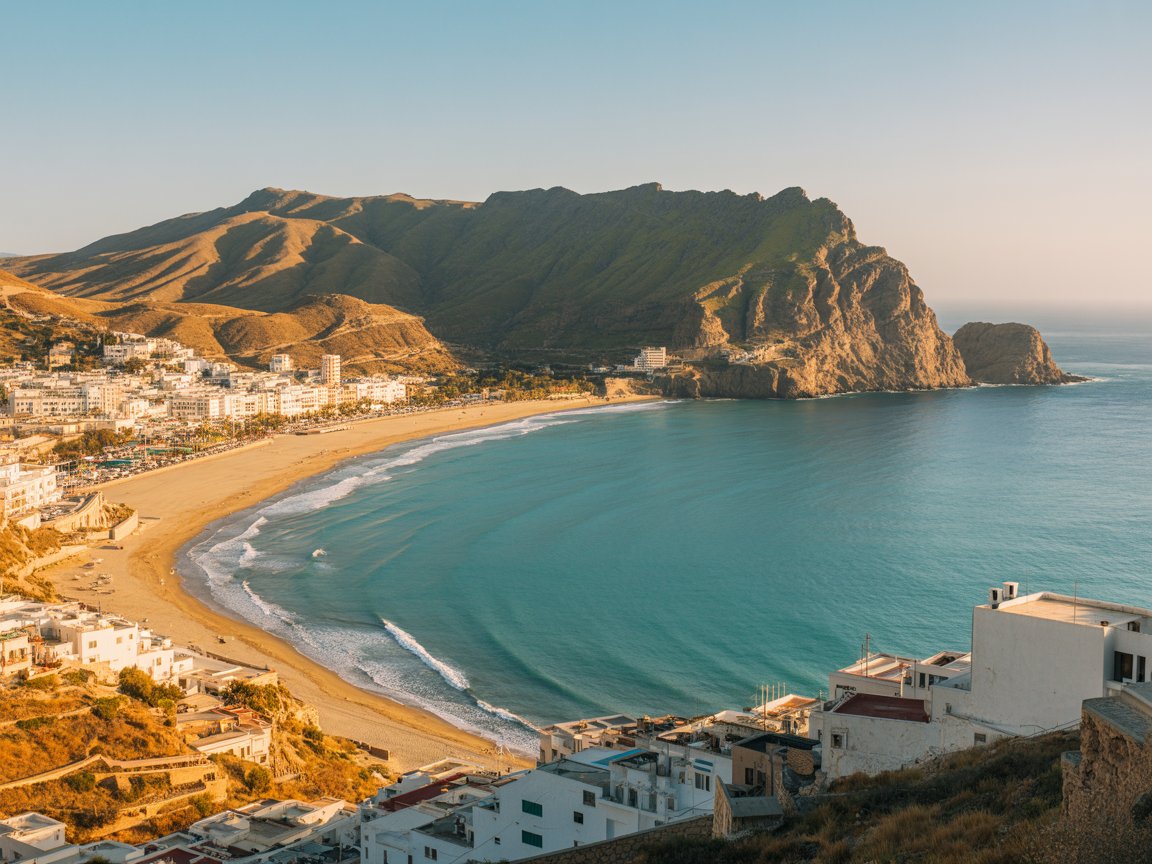
Provides the most dramatic natural setting of Morocco’s Mediterranean ports, nestled between the Rif Mountains and stunning beaches. The intimate scale means you’re walking into town rather than dealing with taxis and shuttles. The local fish market operates with refreshing authenticity, select your catch, have it grilled at a nearby restaurant, and enjoy what might be the best meal of your entire cruise. Al Hoceima lacks the infrastructure and polish of major ports, but that’s the entire point.
→ Complete Al Hoceima cruise port guide – fish market experiences, Rif Mountains backdrop, authentic restaurants, and walking the compact port town
Dakhla Cruise Port
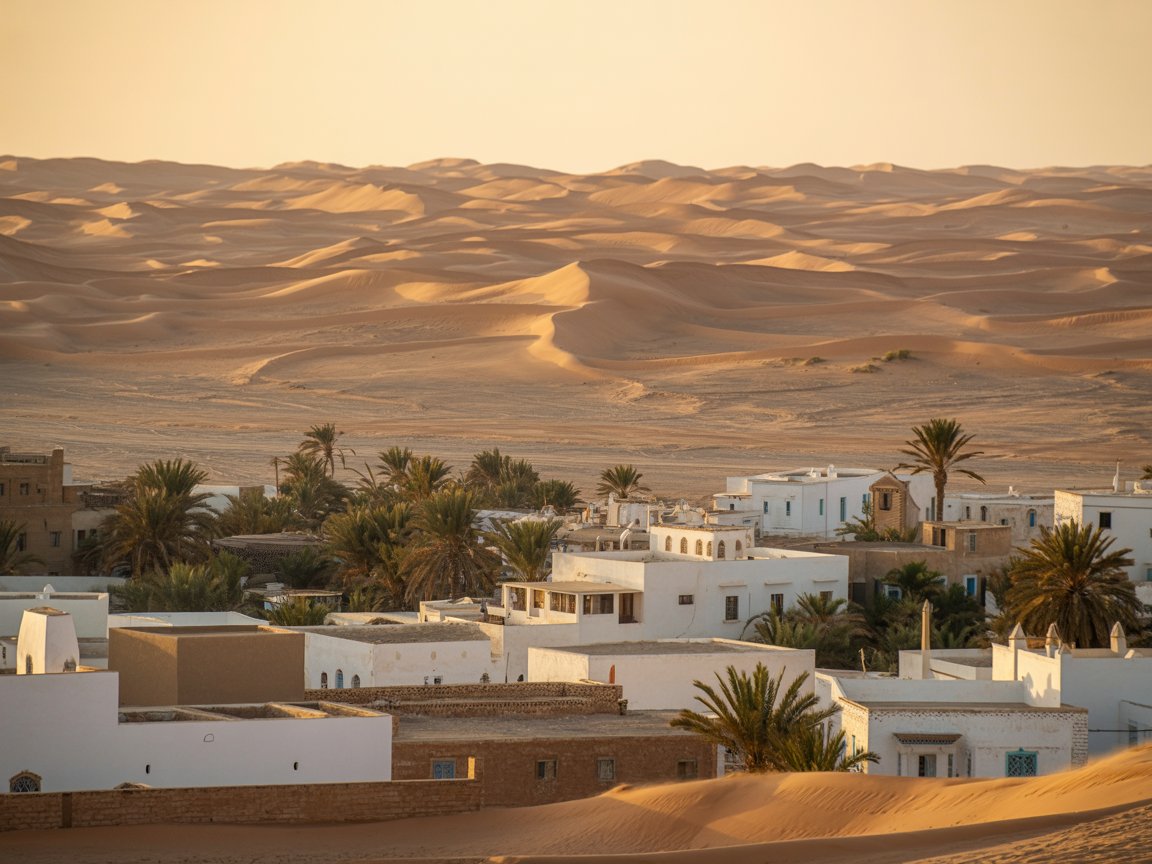
Occupies contested Western Saharan territory that Morocco administers but the international community disputes. These aren’t casual port calls, they’re deliberate itinerary choices by cruise lines willing to navigate political complexity. Dakhla’s kitesurfing and desert-meets-ocean landscapes are genuinely spectacular. Expect realistic expectations about visiting working towns with minimal tourist infrastructure, where the appeal lies in witnessing authentic Sahrawi culture and otherworldly landscapes rather than ticking off monuments and museums.
→ Complete Dakhla cruise port guide – world-class kitesurfing, White Dune excursions, desert landscapes, and geopolitical context
Laâyoune Cruise Port
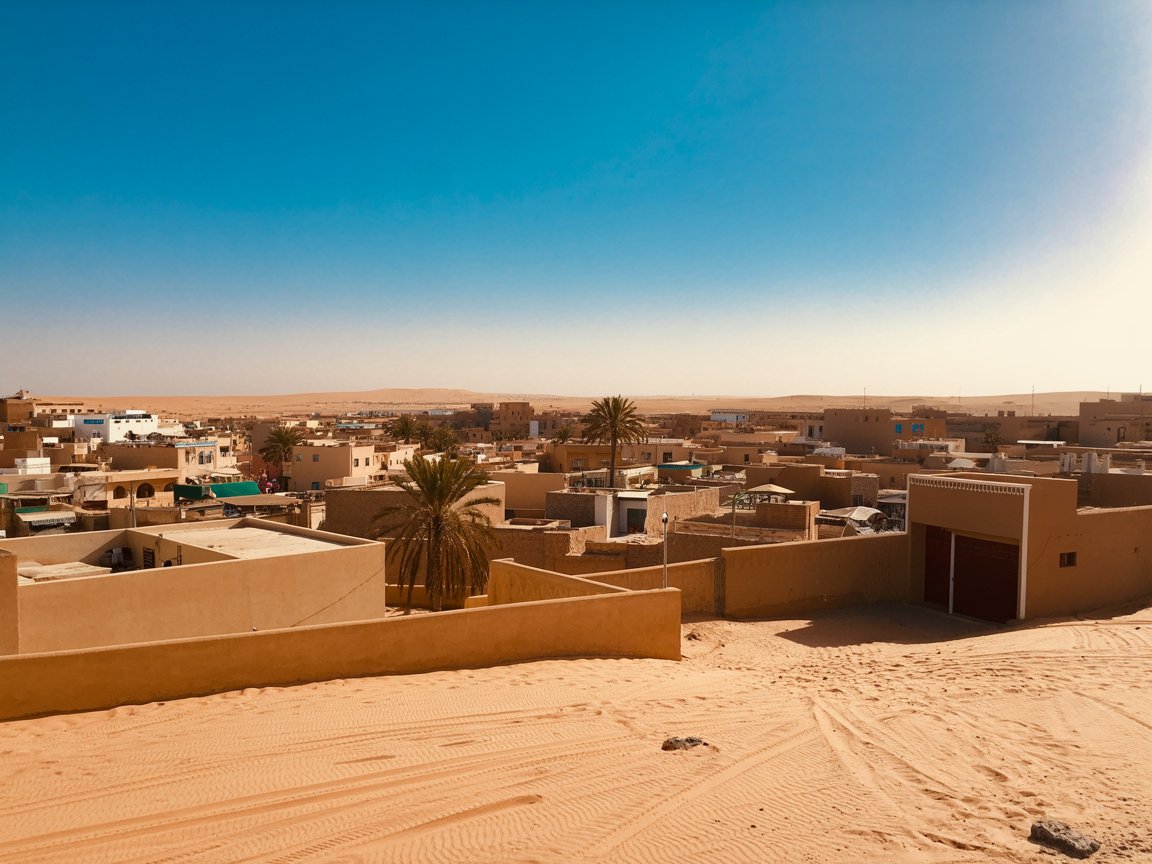
Also occupies disputed Western Saharan territory with similar political complexity. The industrial port features ISO certifications and smart technology, which sounds impressive until you realise it’s fundamentally a commercial facility accommodating occasional cruise ships. Laâyoune requires the same realistic expectations as Dakhla, you’re visiting working towns with minimal tourist infrastructure focused on authentic Sahrawi culture and extreme geography rather than traditional tourism attractions.
→ Complete Laâyoune cruise port guide – Western Saharan insights, port facilities, cultural experiences, and political situation
Port Comparison: Making Strategic Choices
Not all cruise itineraries allow cherry-picking, but when you have options, here’s how Morocco’s ports stack up on what actually matters during limited port time.
| Port | Distance to City | Walking Feasible? | Top Draw | Best For | Skip If You Want |
|---|---|---|---|---|---|
| Casablanca Port | 1.5 km | No (industrial zone) | Hassan II Mosque | Modern Morocco, architecture | Traditional medinas |
| Tangier Port | 800 m | Yes | Historic Medina, Kasbah | Easy access, Mediterranean crossroads | Avoiding tourist crowds |
| Agadir Port | 2 km | Challenging | 8km beach, year-round sun | Beach time, water sports | Historic Morocco |
| Safi Port | Varies | Moderate | Pottery workshops, fishing port | Authentic working Morocco | Polished tourist experience |
| Nador Port | 2 km | Moderate | Marchica Lagoon, beaches | Off-beat coastal Morocco | Major monuments |
| Al Hoceima Port | Port adjacent | Yes | Fish market, Rif Mountains | Intimate local experience | Big-city amenities |
| Dakhla Port | Peninsula access | Yes | Kitesurfing, White Dune | Adventure sports, desert landscapes | Traditional tourism |
| Laâyoune Port | 25 km | No | Western Sahara insights | Geopolitical interest | Conventional attractions |
What Works, What Doesn’t: Honest Assessments
The “Must-See” Ports
If your Mediterranean cruise includes only one Moroccan stop, make it Tangier’s medina and Kasbah:
- 800-meter walk to the medina
- Genuine historical significance outweighs tourist hustle
- Straightforward logistics for first-timers
For Atlantic itineraries, Casablanca’s Hassan II Mosque delivers the iconic experience:
- Hassan II Mosque justifies the stop alone
- Modern Morocco and art deco architecture
- New €60 million cruise terminal eliminates old chaos
The Hidden Gems
Al Hoceima’s fish market and beaches offer the best value for passengers who’ve already done the Moroccan “greatest hits”:
- Fish market experience surpasses heavily touristed ports
- Walk directly into town from the ship
- Rif Mountains backdrop rivals anywhere in Morocco
- Authentic local restaurants without the hard sell
Safi’s pottery workshops reward travelers interested in traditional crafts:
- Morocco’s largest sardine fishing port
- Pottery workshops with genuine artisans
- Working medinas without tourist infrastructure
- Small ship calls only (Silversea, Star Clippers)
The Specialised Calls
Agadir’s beach resort serves one purpose brilliantly:
- 8-kilometre crescent beach with reliable swimming
- 300+ days of sunshine annually
- Modern resort amenities and European atmosphere
- Skip if you want ancient Morocco
Dakhla’s kitesurfing and desert landscapes work exclusively for specific interests:
- World-class kitesurfing at the lagoon
- Desert-meets-ocean landscapes
- 4×4 excursions to the White Dune
- Geography and geopolitics enthusiasts
The “It Depends” Ports
Nador’s Marchica Lagoon and Laâyoune’s Western Saharan insights function best as additions to itineraries that already cover Morocco’s highlights:
- Modernised infrastructure impresses from maritime perspective
- Neither offers compelling reasons over established alternatives
- Work as “bonus” stops, not primary introductions to Morocco
- Nador: Marchica Lagoon beaches and bird watching
- Laâyoune: Western Saharan insights and political complexity
Practical Realities: What Every Moroccan Port Shares
Regardless of which Moroccan ports appear on your itinerary, certain realities remain consistent across the country.
Currency Complications
The Moroccan Dirham operates under export restrictions:
- Can’t acquire currency before arriving in Morocco
- Every port requires ATM visits or currency exchange upon arrival
- Cards work in upscale hotels and modern shops only
- Assume cash-only for markets, taxis, street food, authentic experiences
- Small denomination notes (20s and 50s) prevent “no change” claims
The Taxi Negotiation Dance
Moroccan taxis come in two varieties:
- Petit Taxis: Meters for short urban hops
- Grand Taxis: Fixed negotiated fares for longer journeys
The decision tree plays out identically from Casablanca to Al Hoceima:
- Agree on prices before entering vehicles
- Insist on meters when available (Petit Taxis)
- Walk away from inflated quotes
- Multiple taxis always wait at cruise terminals
The Guide Problem
Unofficial guides materialise the moment you step into any Moroccan medina:
- Friendly approach → “just showing you around” → shop visits to “cousins” → aggressive payment demands
- Official guides carry accreditation badges
- Everyone else represents unsolicited sales pitch
- Firm “La, shukran” (No, thank you) works universally
Security and Scams
Morocco’s cruise ports rank as safe destinations, but tourist-focused scams operate everywhere:
- Pickpockets: Target crowded souks (crossbody bags worn forward)
- Vendor inflation: Initial asking prices 10-20 times fair value
- “Helpful strangers”: Provide assistance then demand payment
- Restaurant padding: Bills include items never ordered
- Taxi meters: Mysteriously “broken” leading to inflated fixed prices
Basic precautions apply universally:
- Front pockets for wallets and phones
- Verify bills before paying
- Question unexpected charges
- Know approximate fair prices before shopping
- Consider quality luggage with anti-theft features for peace of mind in crowded markets
Modest Dress Expectations
Morocco observes conservative dress standards across all ports:
- Cover shoulders and knees when exploring beyond beach areas
- Applies regardless of gender (women face closer scrutiny)
- Beach resorts like Agadir permit standard resort wear in tourist zones
- Medina visits require coverage from cosmopolitan Casablanca to remote Dakhla
Language Landscape
Primary Languages:
- Arabic: Primary tongue across all ports
- French: Dominates as secondary language
- Spanish: More frequent in northern Mediterranean ports (Tangier, Nador) due to historical ties
- English: Varies wildly, common in major tourist zones, sparse in working ports
Useful Arabic Phrases:
- Salam alaikum (Hello)
- Shukran (Thank you)
- La (No)
These three words alone improve most interactions measurably. Moroccans appreciate linguistic effort even when butchered.
Strategic Port Planning: Maximizing Limited Time
If You Have One Moroccan Port
Atlantic itineraries:
- Casablanca for Hassan II Mosque and modern Morocco
Mediterranean itineraries:
- Tangier for accessible medina and historical significance
If You Have Two Moroccan Ports
Pair a major port (Casablanca or Tangier) with a specialised stop:
- Beach time: Agadir’s 8km crescent beach
- Authentic local flavor: Al Hoceima’s fish market
- Working port atmosphere: Safi’s pottery workshops
If You Have Three or More Moroccan Ports
Focus on contrasts to avoid repetition:
- Modern versus traditional
- Atlantic versus Mediterranean
- Tourist-developed versus authentic
- Avoid stacking similar experiences (multiple Mediterranean medinas)
Time Management Realities
Half-day exploration (3-4 hours):
- Al Hoceima: Complete fish market and beach experience
- Safi: Pottery workshops and medina
Standard port day (5-6 hours):
- Tangier: Medina, Kasbah Museum, Caves of Hercules
- Agadir: Beach time with lunch
Extended exploration (6-8 hours):
- Casablanca: Mosque visit, city tour, art deco architecture
Full-day excursions (8+ hours):
- Marrakech from Casablanca (3 hours each direction)
- Chefchaouen from Tangier or Nador (2+ hours each direction)
- Only attempt with generous port times and tight timeline acceptance
Connecting Morocco to Broader Mediterranean Context
Morocco occupies unique position as North African gateway on Mediterranean cruise itineraries. The cultural shift between European ports and Moroccan stops provides dramatic contrast that defines many Western Mediterranean voyages.
Passengers exploring Mediterranean cruise ports in Spain find interesting parallels in Morocco’s Spanish colonial architecture, particularly visible in Tangier and Western Saharan ports. The proximity, Tangier sits only 20 miles from Spain across the Strait of Gibraltar, creates fascinating cultural crossover.
For comprehensive context on regional cruising patterns, explore our Western Mediterranean cruise ports guide and Eastern Mediterranean cruise ports comparison.
Common Questions About Moroccan Cruise Ports
Which Moroccan port offers the best medina experience?
Tangier’s medina and Kasbah deliver the most accessible and historically significant medina among Morocco’s cruise ports. The 800-meter walk from ship to medina entrance beats every alternative, and the Kasbah Museum provides context that enriches wandering the ancient streets. That said, “best” comes with heavy tourist traffic and aggressive touts. Al Hoceima’s intimate medina offers a more authentic, less commercialised experience for passengers who’ve already experienced Tangier’s headline version.
Can I visit Marrakech from any Moroccan cruise port?
Casablanca provides the closest access to Marrakech at roughly 240 kilometres, requiring three hours each direction under good conditions. That’s a minimum six hours of driving for a Marrakech visit, demanding port calls of at least ten hours total. Agadir sits slightly closer but cruise ships call there less frequently. Safi offers the shortest distance to Marrakech at approximately 150 kilometres, but limited cruise traffic makes this option rare. From Mediterranean ports like Tangier or Nador, Marrakech becomes unrealistic due to distance and mountain crossings.
Which Moroccan port works best for families with children?
Agadir’s beach resort wins decisively for families due to reliable beach access, modern infrastructure, and European-style amenities. The 8-kilometre crescent beach provides safe swimming, and the resort atmosphere eliminates concerns about conservative dress codes or aggressive market vendors. Casablanca works for families interested in architecture and modern Morocco, though the Hassan II Mosque requires respectful behavior from children. Dense medinas in Tangier and Nador present challenges with small children due to crowds, aggressive vendors, and limited child-friendly amenities.
What makes Western Saharan ports different from other Moroccan stops?
Dakhla and Laâyoune occupy disputed territory claimed by both Morocco and the Sahrawi Arab Democratic Republic, creating geopolitical complexity absent from established Moroccan ports. The practical impacts include minimal tourist infrastructure, heavy security presence, and noticeably different cultural atmosphere from Mediterranean or Atlantic Morocco. These ports attract passengers interested in geopolitics, extreme landscapes, and adventure sports rather than traditional tourism. The desert-meets-ocean scenery creates genuinely unique backdrops unavailable elsewhere, but expect working port facilities with limited amenities rather than developed cruise terminals. UN peacekeeping presence in the region reinforces the unusual political situation.
Which Moroccan port should I prioritize if I can only visit one?
Tangier edges out alternatives for Mediterranean itineraries due to walkable medina access, legitimate historical significance, and straightforward logistics despite tourist crowds. Atlantic voyages favour Casablanca for the architectural triumph of Hassan II Mosque and insight into modern Morocco’s commercial heart. Both represent “greatest hits” experiences that provide solid introduction to Morocco even if they’re your only exposure. Specialised ports like Agadir (beaches), Dakhla (adventure sports), or Al Hoceima (authentic local life) work better as additions to itineraries already covering Morocco’s foundations.