
Nine ports, one Adriatic coastline, and enough UNESCO heritage to fill a history degree. Here’s what’s waiting for you:
- Dubrovnik — the Game of Thrones city with walls you can walk
- Split — a Roman emperor’s palace you can eat dinner inside
- Zadar — home to a Sea Organ that plays music using waves
- Hvar — Croatia’s sunniest island with a hilltop fortress
- Korčula — medieval charm and the birthplace of Marco Polo
- Pula — a Roman amphitheatre that puts the queues at the Colosseum to shame
- Rijeka — a working Croatian city untouched by tourist polish
- Koper — Slovenia’s compact coastal gem, two minutes from the dock
- Kotor — Montenegro’s fjord arrival that makes you put the coffee down and go stand on deck
Dubrovnik Cruise Ship Port Guide
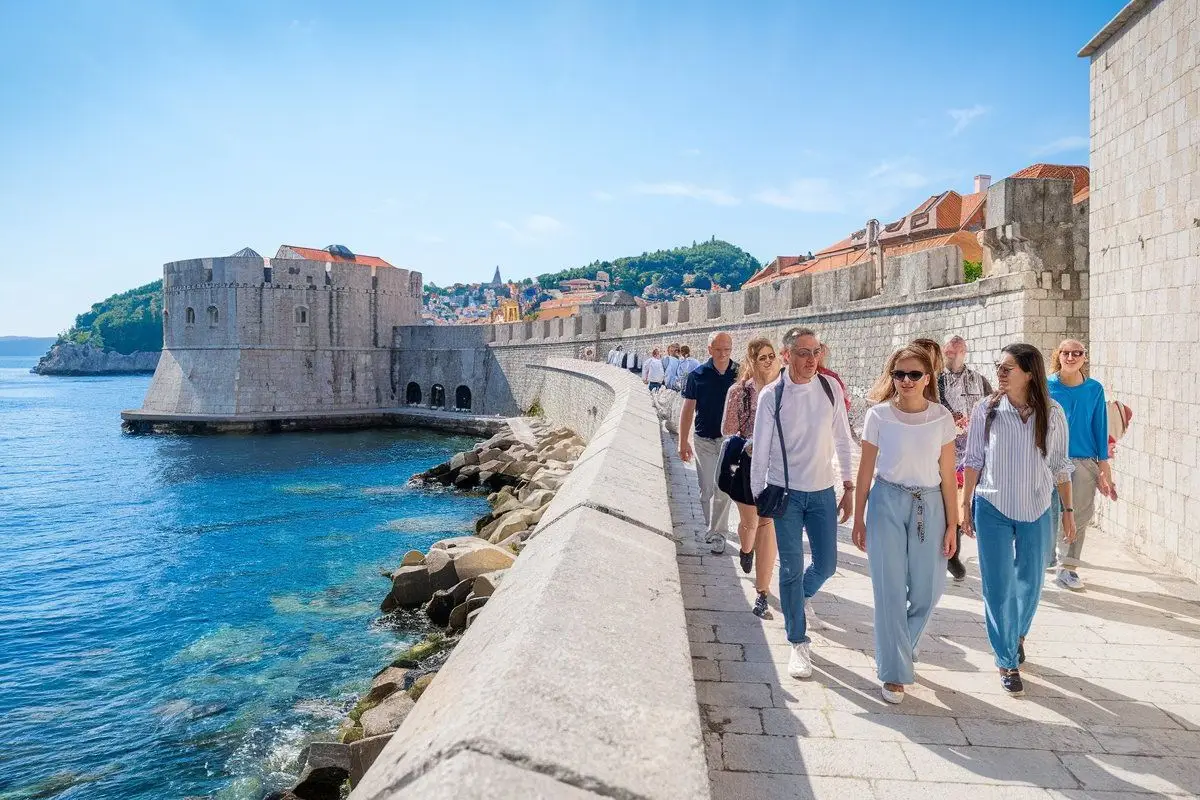
Dubrovnik’s cruise ships dock at Port Gruz, a modern harbour sitting 2.5 kilometres from the Old Town. The locals call their city the “Pearl of the Adriatic,” and it’s easy to see why.
The port’s got everything you need – cash machines, places to swap your money, a tourist help desk and free Wi-Fi. Getting to the Old Town’s simple: hop on a local bus (#1A or #1B), catch a taxi, or use your ship’s shuttle if they’ve got one running.
The Old Town’s a proper UNESCO World Heritage site, and you’ll love walking the massive city walls, wandering through the limestone streets, and seeing spots where they filmed Game of Thrones. Make time for Pile Gate, a stroll down Stradun promenade, and take the cable car up Mount Srđ – the views are brilliant.
Split Cruise Ship Port Guide
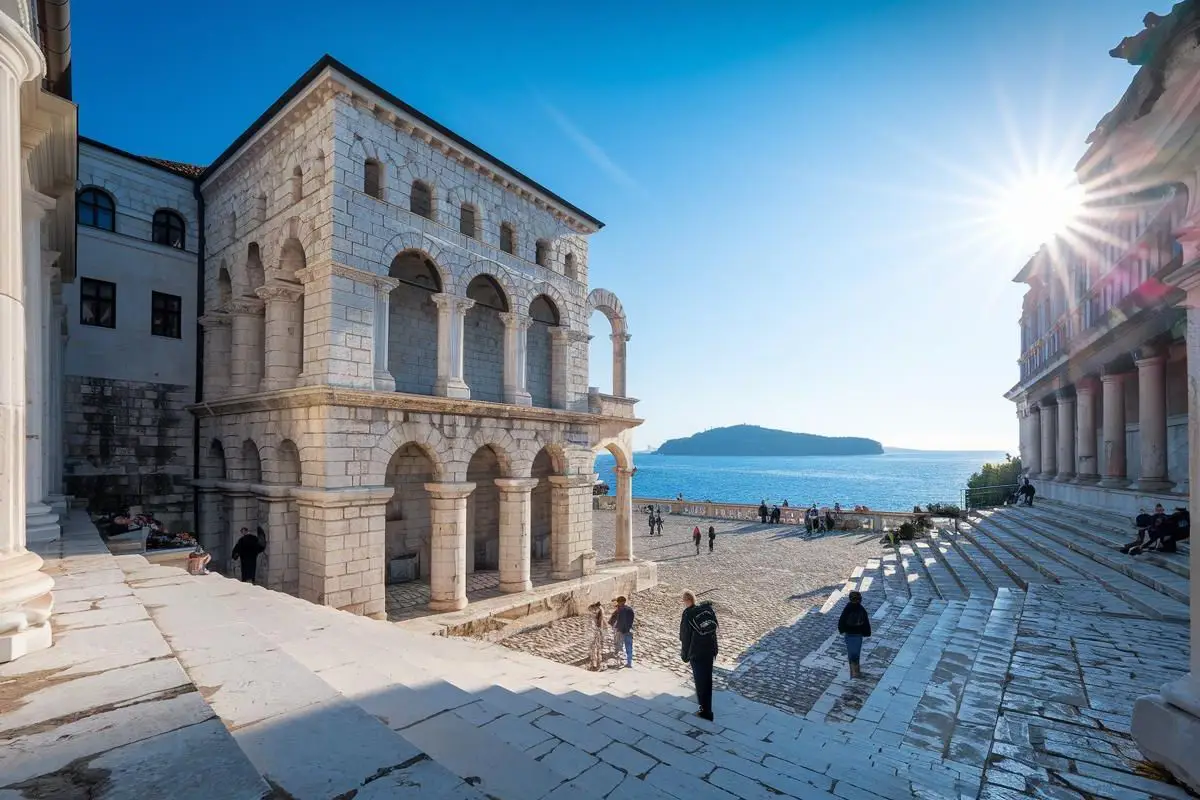
Split’s cruise port is right by the city centre, and it’s dead easy to walk to Diocletian’s Palace and the old town – you’ll be there in about 10 minutes. Big and small cruise ships pull up to the main passenger terminal on the south side of the Split peninsula all year round.
Once you’re off the ship, you’re sorted for the city’s best bits – you can wander through the markets or nip into a café along the Riva promenade. There are plenty of taxis and local buses waiting outside the terminal. If you fancy a swim, Bačvice Beach is a 15-minute walk to the east. You might want to hop on a ferry to nearby islands like Hvar or Brač if you’ve got time for a day out.
Zadar Cruise Ship Port Guide
Zadar has two cruise ports – smaller ships dock right by the Old Town, while bigger vessels use the Gaženica terminal. If you arrive at Gaženica, you’ll want to hop on a shuttle bus or grab a taxi for the 4 km journey to the historic centre.
The Old Town packs in some brilliant sights. The Sea Organ is quite something – it’s actually a musical instrument that plays tunes as the waves roll in. Next to it, you’ll find the Sun Salutation, which collects solar power during the day and creates a lovely light show. The area is also home to St. Donatus Church, the Roman Forum, and the Cathedral of St. Anastasia. It’s dead easy to walk around the historic peninsula and see everything – everything’s quite close together.
Kotor Cruise Ship Port Guide
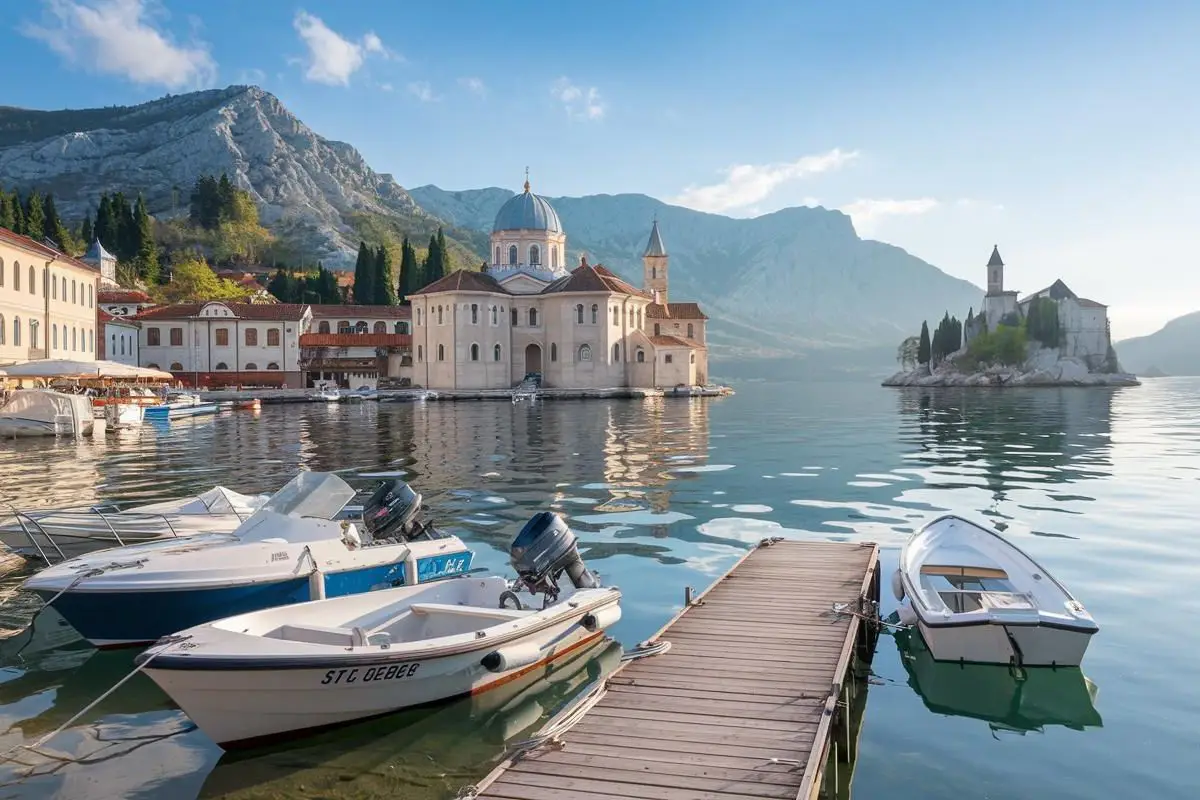
Your ship doesn’t actually dock in Montenegro’s most dramatic port — it drops anchor in Kotor Bay and sends you ashore by tender, which is no hardship given the approach through Europe’s southernmost fjord is one of the great cruise arrivals.
The medieval Old Town sits right where the tender deposits you, ringed by 4.5 kilometres of city walls that climb steeply up the hillside behind it. St. Tryphon’s Cathedral and the maze of flagstone squares are easy to explore on foot, but the real payoff is lacing up your trainers and tackling the 1,350 steps up to San Giovanni Fortress — the views over the bay from the top are genuinely breathtaking and worth every step.
Most Adriatic itineraries pair Kotor with Croatian ports, making it a natural addition to any Dalmatian Coast cruise.
Koper Cruise Ship Port Guide
Slovenia’s only coastal city punches well above its weight as a cruise stop, and most passengers are pleasantly surprised by what they find when they step off the ship at Koper port.
The medieval Old Town is a two-minute walk from the dock — no shuttle, no fuss — where Tito Square, the elegant Praetorian Palace, and the 15th-century Da Ponte Fountain give you a compact but genuinely beautiful historic centre largely free of the tourist crowds that descend on its Croatian neighbours.
The real insider move, though, is using Koper as a launchpad: Postojna Cave, the pretty coastal town of Piran, and Slovenia’s capital Ljubljana are all within easy reach for passengers who’d rather explore beyond the port gates. It’s a short stop on most Adriatic itineraries, but it rewards those who come prepared.
Hvar Cruise Ship Port Guide
The big cruise ships drop anchor offshore, while smaller ones can pull right up to Hvar’s main harbour. If you’re on a larger ship, you’ll pop over to town on a tender boat. The harbour lies along the south coast of Hvar Island, right next to the old town centre.
You can walk straight from the port to St. Stephen’s Square, the Hvar Theatre and the fortress up on the hill. The tender journey takes roughly 10-15 minutes each way. There’s a tourist info point, plenty of cafes and water taxis around the harbour area. It gets rather packed during the busy summer months, so it’s best to sort out your shore trips ahead of time.
Korčula Cruise Ship Port Guide
Like its neighbour Hvar, Korčula welcomes cruise ships at its main harbour on the northeastern coast. When you step off the ship, you’ll be right in the medieval Old Town – brilliant for seeing Marco Polo’s supposed birthplace and the stunning St. Mark’s Cathedral, which are just a stone’s throw away.
Smaller to medium-sized ships can dock at the port, whilst larger vessels drop anchor in the bay and use tender boats. The waterfront promenade has tourist info, plenty of cafes and shops to keep you busy. From here, you can wander through Korčula’s lovely limestone alleyways, pop into local wineries, or head out to nearby beaches and the brilliant wine-making area of Lumbarda.
Pula Cruise Ship Port Guide
Sailing up Croatia’s coast, you’ll spot Pula’s incredible Roman amphitheatre standing proud as your ship pulls into port. It’s one of the best-kept Roman arenas you’ll find anywhere, and it’s quite a sight as you approach the harbour.
The cruise terminal sits just a 10-minute walk from town. Wander into the centre to see the Temple of Augustus, the Arch of the Sergii, and pop by the bustling local markets. The Zerostrasse underground tunnels are worth a look, and you can’t go wrong with a plate of fresh seafood at one of the harbour-side eateries.
Plan your trip between May and October – that’s when the weather’s best and most cruise ships stop here.
Rijeka Cruise Ship Port Guide
Croatia’s third-largest harbour greets cruise ships in its working port, where old-time maritime roots blend with modern city bustle. You’ll be about 10 minutes on foot from Rijeka’s heart, where the lively Korzo promenade has plenty of shops, restaurants and cafés.
The famous City Tower and St. Vitus Cathedral are both an easy walk from where your ship docks. Fancy a cracking view? Head up to Trsat Castle – it sits high above the city and looks out over Kvarner Bay. If you’re keen on local culture, pop into the Maritime and History Museum or wander through the buzzing Central Market to see everyday Croatian life in action.
Frequently Asked Questions
What Are the Best Months for Mediterranean Cruises to Croatia?
The Mediterranean sailing season is brilliant from May through September, with lovely warm weather and smooth seas. While July and August bring the best conditions, you’ll find they’re packed with tourists and cost a fair bit more. If you want the sweet spot, go for early June.
Can I Visit Multiple Croatian Ports on a Single Cruise?
Yes, you can pop into loads of Croatian ports on one trip! Most Mediterranean cruises swing by brilliant spots such as Dubrovnik, Split and Zadar, letting you see several amazing coastal towns during your holiday at sea.
Are Croatian Cruise Ports Suitable for Passengers With Mobility Issues?
Most big Croatian ports have ramps and accessible facilities, though you might find it tricky to get around some of the old towns with their cobbled streets and hills. It’s worth getting in touch with your cruise line beforehand to sort out wheelchair help if you need it.
What Currencies Are Accepted at Croatian Cruise Port Shops?
Along the beautiful Croatian coast, shops mainly take Croatian Kuna and Euros. Although bigger stores might accept credit cards and US dollars, having Euros in your pocket will make your shopping much easier and hassle-free.
Do Croatian Cruise Ports Offer Free Wi-Fi for Passengers?
Free Wi-Fi exists in most Croatian cruise ports, but you’ll only catch a signal inside the terminals and at nearby cafés. If you want proper internet access, your best bet is to grab a local SIM card or stick with your ship’s internet service.
Part of our full cruise port guides index.