
Italy’s Adriatic coast gets overshadowed by the Mediterranean’s western superstars, and that’s precisely why you should pay attention. Between Venice and Brindisi, six ports offer everything from Byzantine mosaics to cave systems, trulli houses to Habsburg coffee culture, without the crowds that swamp Civitavecchia or Naples. These aren’t the ports cruise lines put on the glossy brochures, but they’re often the calls passengers remember most.
What follows is a practical, honest guide to all six — the logistics, the best independent options, the shore excursions worth your time, and the things cruise lines don’t tell you.
Complete List of Italian Adriatic Ports
The Italian side of the Adriatic gives you six ports where large cruise ships regularly call. From north to south, here’s what you’re working with:
- Trieste — The Habsburg hangover at Italy’s northeastern tip, practically touching Slovenia. Coffee culture, Art Nouveau architecture, and a waterfront that looks more Vienna than Venice. Niche port for northern Adriatic itineraries.
- Venice (Porto di Venezia) — The marquee name. Ships dock near Marco Polo Airport at the Marittima terminals or occasionally anchor and tender. Needs no introduction, but does need realistic expectations about crowds.
- Ravenna — The mosaic capital that large cruise ships mostly ignore. When it appears on itineraries, passengers usually reach it via bus from Venice or Ancona rather than direct docking.
- Ancona (Porto di Ancona) — The workhorse port of the central Adriatic. Gateway to the Marche hilltowns, Frasassi Caves, and Senigallia’s beaches. Frequent stop on Adriatic loops.
- Bari (Porto di Bari) — Puglia’s capital and your entry point to trulli, sassi, and southern Italian food that makes you question every pasta dish you’ve eaten at home. Can handle large ships without breaking a sweat.
- Brindisi (Porto di Brindisi) — The southern anchor point. Quieter than Bari, closer to Lecce and the Salento peninsula. Good for baroque architecture and a southern Italy experience without the coach ride from Rome.
Smaller ports like Molfetta and Termoli occasionally pop up on boutique itineraries, but if you’re on a mainstream cruise line, the six above are what you’ll see. Ship size dictates your options. Venice and Bari welcome the floating apartment blocks. Ravenna prefers you didn’t bring one.
Adriatic Cruise Ports in Italy: What Sets Them Apart
The eastern Italian coastline operates differently from the western Mediterranean ports most first-timers know. These are ferry hubs first, connecting Italy to Greece, Croatia, and Albania. Cruise ships share space with Ro-Ro ferries, fishing fleets, and cargo operations. That industrial edge means lower prices ashore, fewer tourist traps within walking distance of the port gates, and shore excursions that often involve proper coach journeys rather than ten-minute shuttles.
Port infrastructure varies wildly. Venice has dedicated cruise terminals that feel like small airports. Brindisi might leave you walking past stacked containers to reach the exit. Neither approach is better or worse, but it pays to know what you’re getting before you stride off the ship expecting a red carpet.
| Port | Walk to Town Centre | Large Ship Access | Main Attractions Nearby | Best For |
|---|---|---|---|---|
| Trieste | 15–20 minutes | Yes | Piazza Unità, Castello di Miramare, coffee houses | Architecture fans, coffee obsessives |
| Venice | Not practical, use water bus | Yes (with restrictions) | St Mark’s Square, Doge’s Palace, Grand Canal | First-timers, photographers |
| Ravenna | Via bus/train from other ports | No | Byzantine mosaics, Dante’s tomb | History enthusiasts, mosaic lovers |
| Ancona | 25–30 minutes | Yes | Marche hilltowns, Frasassi Caves, Senigallia | Cave explorers, hilltown hoppers |
| Bari | 15 minutes to old town | Yes | Bari Vecchia, Alberobello trulli, Matera | Foodies, UNESCO site collectors |
| Brindisi | 10–15 minutes | Yes | Lecce, Salento beaches, Ostuni | Baroque architecture fans, beach seekers |
Northern Adriatic Ports: Trieste, Venice, and Ravenna
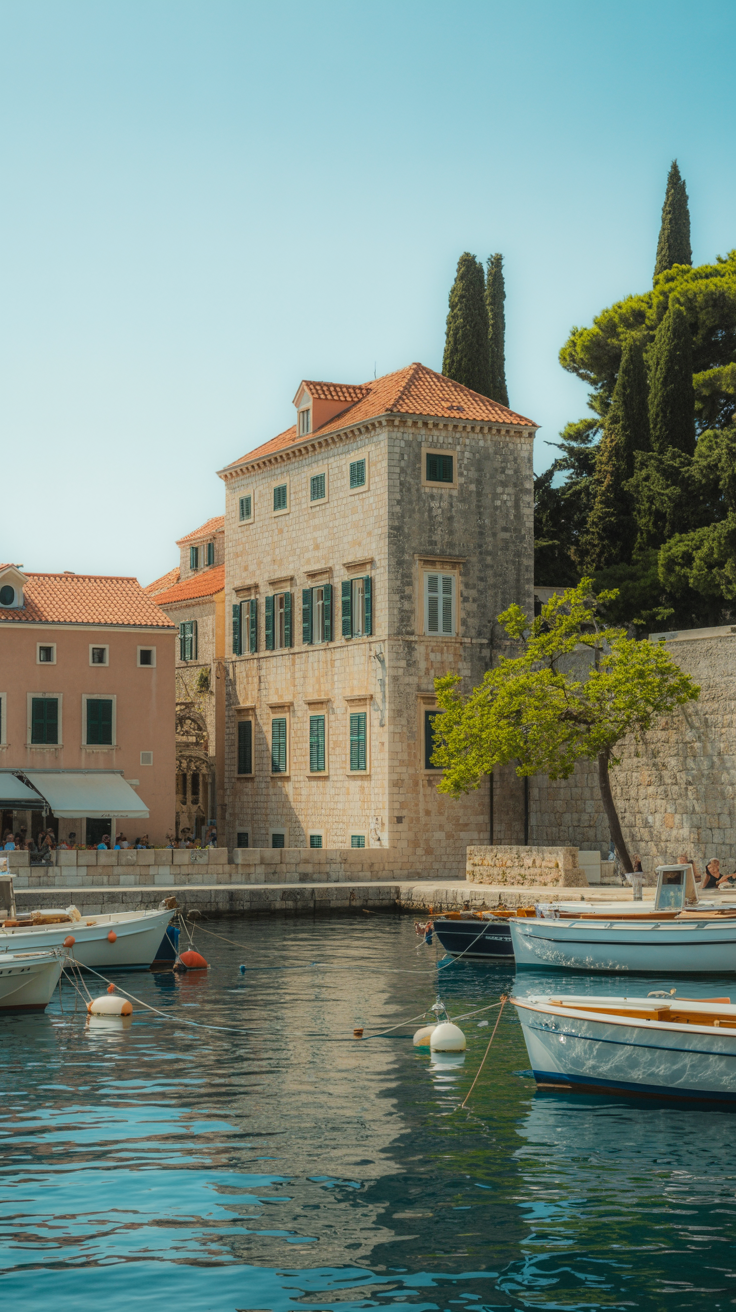
The top third of Italy’s Adriatic coast serves up three ports that couldn’t be more different if they tried. Trieste feels Austrian because it was, for centuries. The Habsburgs left behind grand cafés, Jugendstil palaces, and a coffee-roasting tradition that puts most of Italy to shame. Ships dock close enough that you can walk into town in twenty minutes, though most passengers ignore it completely in favour of a Slovenia or Croatia excursion. Their loss. If you’ve cruised the Med multiple times and need something different, Trieste cruise port offers a refreshingly non-Italian slice of Italy.
Venice needs no selling, but it does need managing. Venice cruise port puts you at the Marittima terminals or, for smaller ships, on a tender boat. You’re not walking into St Mark’s Square from here. The vaporetto water bus is your friend, your ticket costs more than a coffee, and yes, the crowds are exactly as bad as you’ve heard. Go early, go late, or go to the outer islands like Burano. Or do what the smart repeat visitors do: book a pre-cruise hotel in Dorsoduro or Cannaregio and explore before the day-trippers arrive. Venice appears on many Mediterranean cruise itineraries, often as a turnaround port.
Ravenna barely counts as a cruise port since large ships can’t actually dock there. When Ravenna appears on your itinerary, you’re usually calling at Venice or Ancona and bussing in for the day. The mosaics are worth it, genuinely world-class Byzantine art that most cruise passengers miss entirely. If you’re offered a Ravenna excursion from Ancona, take it. If you’re doing Venice independently, consider the train connection.
What Makes Northern Adriatic Ports Different
- Trieste offers easiest independent exploration of the three, with the port gate ten minutes from Piazza Unità and the castle a scenic coastal walk away
- Venice requires water transport and crowd tolerance. Budget around twenty minutes just to get from ship to St Mark’s area via vaporetto
- Ravenna demands planning since you’re always arriving via another port. Shore excursions here are typically half-day packages from Ancona
- Coffee in Trieste costs less than half what you’ll pay in Venice. Use this as your northern Adriatic pricing barometer
- All three ports work as turnaround points, but Venice gets 90% of the embarkation traffic. Pre-cruise hotels in Trieste cost considerably less
Central Adriatic: Ancona
Ancona gets no respect, and that’s fine because it keeps the crowds away. This is a working ferry port that happens to host cruise ships, which means you’re sharing terminal space with passengers heading to Greece and freight lorries queuing for the overnight crossing. The port sits on a peninsula, the town climbs a hill, and you’ll need thirty minutes of walking to reach anything resembling a centre. Most passengers don’t bother, which is why Ancona works brilliantly as a base for inland excursions without the usual tourist markup.
The Frasassi Caves are the big draw, a genuine geological spectacle that involves a coach ride inland and comfortable shoes. If you’ve seen Carlsbad Caverns or Mammoth Cave, these compete. If you haven’t, they’re spectacular. The alternative is the Marche hilltowns, particularly Urbino or Loreto, neither of which sees meaningful cruise traffic. You’re looking at coach-based excursions for all of these, typically five to six hours round-trip.
Ancona itself has a decent cathedral and a harbour arch built by Trajan, but let’s be honest, you’re not staying in port. The food is excellent if you do, particularly anything involving brodetto fish stew, and the Conero Riviera beaches south of town offer proper sand without the Amalfi price tags. This is a port for people who’ve already done the greatest hits and want something different, or for anyone who gets excited about cave systems.
Southern Adriatic Ports: Bari and Brindisi
Puglia announces itself the moment you dock. Whitewashed buildings, punishing summer sun, and a food culture that makes the rest of Italy look like it’s phoning it in. Bari cruise port is your entry point to southern Adriatic Italy, and it’s where itineraries get interesting. Ships dock close to Bari Vecchia, the old town, which you can walk to in fifteen minutes. The basilica houses St Nicholas’s bones, if that’s your thing, and the backstreets serve orecchiette pasta made by nonnas who’ve been doing it for sixty years.
The real Bari action happens inland. Alberobello’s trulli houses are an hour away, those distinctive conical-roofed structures that look like someone built a village out of wizards’ hats. UNESCO World Heritage site, genuinely unusual, and yes, tourist shops selling miniature trulli fill every third building. Still worth it. Matera is the other option, a two-hour coach ride to the sassi cave dwellings. This is a full-day commitment, but if you’re even slightly interested in ancient architecture or unique settlements, it’s one of the best shore excursions in the entire Mediterranean. Just know you’re spending four hours on a coach.
Brindisi sits an hour south and operates as Bari’s quieter cousin. The port is smaller, the cruise traffic lighter, and the old town centres on a harbour column that marked the end of the Appian Way. Lecce is the main excursion, a baroque city thirty minutes inland that locals call the Florence of the South. It’s not, but the cathedral and churches are worth your time if you like decorative architecture. The Salento peninsula stretches south from here, all white-sand beaches and small fishing towns. If you’re cruising in summer and want a beach day, Brindisi offers better options than Bari.
Bari vs Brindisi: Which Delivers Better
Both ports access similar territory, but they’re not interchangeable. Bari offers more substantial excursions, particularly Matera and Alberobello. Brindisi keeps things closer and more relaxed, with Lecce and beach access winning if you prefer baroque architecture or sand time over UNESCO trulli villages. Food quality in both towns runs high, but Bari has more restaurants within port walking distance. Brindisi wins on crowds, losing on variety.
| Factor | Bari | Brindisi |
|---|---|---|
| Walk to town | 15 minutes to Bari Vecchia | 10 minutes to harbour centre |
| Headline excursion | Matera or Alberobello | Lecce |
| Beach access | Limited, requires transport | Better, Salento coast nearby |
| Restaurant choice | Extensive in old town | Adequate, fewer options |
| Crowds | Busier, multiple ships | Quieter, fewer calls |
| Best for | Major sightseeing, foodies | Relaxed days, baroque fans |
Shore Excursions vs Going Independent
- Italy’s Adriatic ports split into two categories: places you can manage solo and places where a tour makes sense. Venice, Trieste, and Brindisi are walkable port towns where independent exploration works fine. Ancona and Bari require transport to reach the good bits, which tips the balance toward organised excursions unless you’re comfortable hiring cars or navigating Italian bus timetables.
- The cave systems at Frasassi, the trulli at Alberobello, and the sassi at Matera all involve significant drives on roads where coaches handle the bends better than you’d manage in a hire car. Ship excursions cost more, obviously, but they guarantee you’re back before the gangway closes. Independent tours through local operators offer middle ground, usually costing less than ship packages while maintaining the schedule guarantee. Your risk tolerance and language confidence determine which works better.
- Venice is the outlier. The vaporetto system is straightforward, English signage is everywhere, and you’ll pay a fortune for the ship’s St Mark’s walking tour when you could do it yourself. That said, if this is your first Venice visit and you’re nervous about crowds or directions, a guided tour handles the logistics while you focus on not falling into the canal.
When Ship Excursions Make Sense
- Matera from Bari involves a four-hour round-trip coach journey on winding roads. Let someone else drive
- Frasassi Caves from Ancona requires timed entry tickets. Ship tours handle this, independent visitors might find tours sold out
- First-time Venice visitors benefit from guided tours that navigate the crowds and cut queuing time at major sights
- Any excursion promising a specific experience, like trulli houses or Byzantine mosaics, works better with local guides who know the backstreets
- Shore excursions provide the gangway guarantee. If the coach breaks down, the ship waits. If your taxi gets lost, you’re finding your own way to the next port
When Independent Exploration Works Better
- Trieste is compact, walkable, and interesting enough for a DIY morning of coffee bars and Habsburg architecture
- Bari Vecchia sits fifteen minutes from the port gate. Walk in, eat lunch, walk back. No tour needed
- Brindisi town centre and harbour column make a short independent visit worthwhile before most tours even load the coaches
- Beach days in the Salento region work better with taxi or local bus flexibility rather than ship timing
- Food-focused visits benefit from independent wandering. The best osterie don’t appear on tour itineraries
Adriatic Port Cities: Beyond the Italian Coast
Italy dominates Adriatic cruise itineraries, but the sea touches six countries. If your cruise includes Croatian ports, you’re technically sailing the same body of water, just the eastern side. Montenegro’s Kotor appears on many itineraries that also call at Bari or Brindisi. The northern Adriatic sometimes brings in Slovenian calls at Koper or Piran, particularly on cruises using Trieste. Croatian ports — our Adriatic Croatia guide covers Dubrovnik, Split, and Zadar in detail, plus lesser-visited gems like Rovinj, Pula, and Rijeka on the Istrian peninsula
The distinction matters because some itineraries market themselves as Adriatic cruises while actually mixing in Ionian calls like Corfu, or eastern Mediterranean ports like the Greek islands. Pure Adriatic itineraries stick to Italy’s east coast, Croatia, Slovenia, Montenegro, and Albania. Mixed itineraries blend all of the above with western Mediterranean stops. Check the route map, not the marketing brochure.
Ports on the Adriatic Sea: The Complete Picture
- Italian ports — Venice, Trieste, Ancona, Bari, Brindisi covered in detail above. Occasional calls at smaller ports like Molfetta or Termoli on boutique lines
- Croatian ports — Dubrovnik, Split, and Zadar dominate. Rovinj, Pula, and Rijeka appear less frequently but offer Istrian peninsula access
- Slovenian ports — Koper and Piran, often paired with Trieste calls for northern Adriatic itineraries
- Montenegrin ports — Kotor is the star, with ships threading the fjord-like bay. Bar appears occasionally on longer itineraries
- Albanian ports — Durrës and Sarandë growing in popularity as lines seek new territory. Expect developing infrastructure
- Greek ports — Only Corfu touches the Adriatic proper, technically the Ionian. Often grouped with Adriatic itineraries despite the geographic quibble
Planning an Adriatic Coast Cruise
Seven-night itineraries typically give you four to five port days plus two sea days for repositioning. The standard route runs Venice to Bari, or reverse, with calls at Ancona and either Brindisi or a Croatian port like Split. Ten-night versions add Trieste, more Croatian stops, and possibly Kotor. Shorter cruises focus on Venice and one or two southern ports before heading west toward Rome or south to Greece.
Ship size determines your port options and onboard experience. The big ships, those carrying three thousand passengers or more, stick to Venice, Ancona, and Bari where terminal infrastructure can handle the volume. Smaller vessels access Brindisi more easily, sometimes Trieste, and can tender at smaller Croatian harbours. If you want maximum port variety, look for ships carrying under two thousand passengers.
Timing matters more than most cruise regions. July and August bring punishing heat to the southern ports, with temperatures regularly hitting the mid-thirties. Matera in August is memorable for the wrong reasons. May, June, September, and early October offer warm weather without the sauna effect. April and late October work if you’re comfortable with cooler temperatures and shorter days, though you’ll find some attractions running reduced hours.
What Time of Year Works Best
| Season | Weather | Crowds | Pros | Cons |
|---|---|---|---|---|
| April–May | Mild, 15–23°C | Moderate | Comfortable walking weather, lower prices | Rain possible, some beach facilities closed |
| June | Warm, 20–28°C | Building | Long days, beaches open, minimal rain | School holidays start, prices rise |
| July–August | Hot, 25–35°C | Peak | Guaranteed sun, full operating hours | Overwhelming heat, maximum crowds and prices |
| September | Warm, 22–29°C | High but easing | Still swimming weather, crowds thin | Popular month, books early |
| October | Mild, 16–23°C | Light | Excellent value, comfortable touring | Shorter days, beach season ending |
What Cruise Lines Don’t Tell You About Adriatic Ports
- The shore excursion descriptions make everything sound equidistant and effortless. They’re not. Matera from Bari requires two hours each way on coaches navigating Puglian backroads. The Frasassi Caves from Ancona involve similar journey times. When the port day runs from eight in the morning to five in the afternoon, spending four hours on a coach leaves three hours at the destination. It’s worth it for the right attractions, but know what you’re signing up for.
- Venice cruise terminal chaos deserves its own warning. Multiple ships often dock the same day, disgorging ten thousand passengers into a city already groaning under tourist pressure. The vaporetto water buses fill instantly. If your ship docks at seven but you don’t get off until nine, you’re joining the queue behind three other vessels’ worth of passengers. Either get off early or accept you’re fighting crowds all day.
- Restaurant timing in Italian ports catches people out. Lunch service typically ends at fourteen-thirty, dinner doesn’t start until nineteen-thirty or later. If you’re due back on ship at seventeen-hundred and hoping to squeeze in a late lunch, you’re out of luck. Either eat early or bring snacks. The alternative is tourist traps near the port that serve lukewarm pasta at London prices all day.
Practical Realities Nobody Mentions
- Ancona port to town centre involves a thirty-minute walk with no shade. In summer, this is brutal. Budget for a taxi if you’re visiting independently
- Venice water bus tickets are single-journey only unless you buy a day pass. The pass costs more than three journeys, so do the maths based on your plans
- Bari old town has almost no public toilets. Use the facilities on ship before you leave
- Mobile data works on Italian networks within the ports, but some terminals have patchy coverage. Download maps before you dock
- ATMs in port areas often run out of cash on cruise days. Sort your euros before arriving or use cards everywhere
- Trieste is the only port where you can comfortably do a full morning independent visit and still catch a ship excursion in the afternoon
Common Questions About Italian Adriatic Cruise Ports
What is the answer to the Adriatic port crossword clue?
Common answers include Trieste, Venice, Ancona, Bari, or Brindisi for Italian ports. Croatian answers include Split or Rijeka. Letter count determines which fits your puzzle.
Can you walk from the cruise port into town at all Italian Adriatic ports?
Trieste, Bari, and Brindisi are genuinely walkable in fifteen to twenty minutes with comfortable walking shoes. Ancona requires thirty minutes uphill. Venice needs water transport. Ravenna isn’t a direct cruise port.
Which Italian Adriatic port offers the best food within walking distance?
Bari wins decisively. The old town sits close to the port and serves exceptional orecchiette, focaccia barese, and seafood at prices that make western Mediterranean ports weep.
Do I need to book shore excursions in advance for Adriatic ports?
Popular excursions like Matera from Bari or Frasassi Caves from Ancona sell out, particularly on peak summer sailings. Book early for these. Venice and Trieste independent visits need no advance booking.
Which Adriatic port works best for first-time Italy cruise passengers?
Venice for iconic sights and tourist infrastructure, despite the crowds. Bari for authentic southern Italy without overwhelming logistics. Avoid Ancona as your first Italian port call.
Are there beaches near any Italian Adriatic cruise ports?
Brindisi offers the best beach access, with Salento coast beaches under an hour away. Pack a quick-dry beach towel that won’t take up half your luggage if you’re planning beach visits. Ancona has Conero Riviera beaches nearby. Venice, Trieste, and Bari require significant travel for decent sand.
How long do you actually get in port at Italian Adriatic stops?
Typical calls run eight to ten hours. Venice sometimes offers overnight stays or late departures for ships turnaround there. Southern ports rarely extend beyond standard daytime hours.
What’s the least crowded Italian Adriatic cruise port?
Brindisi sees the lightest cruise traffic of the six main ports. Trieste comes second. If you’re allergic to crowds, skip Venice entirely regardless of what month you’re sailing.
Can you visit multiple Italian cities from one Adriatic port?
Not realistically within a single port day. Bari to Alberobello to Matera is possible but exhausting. Better to focus on one destination properly than rush three.
Why Trust About2Cruise
- I’m Jo. I’ve sailed into each of these six ports, walked the terminal gates, and tested both ship excursions and independent visits to compare what actually works. Keep your phone protected during water bus rides and coastal walks with a waterproof phone pouch that actually seals properly. More about our team.
- We update this guide when cruise lines change terminal locations, when new shore excursions launch, or when port infrastructure affects passenger access.
- We don’t accept payment from cruise lines, tour operators, or port authorities. You’re reading honest assessments, not sponsored content dressed up as advice.