
Most cruise passengers treat Civitavecchia as nothing more than a gateway to Rome, rushing off on excursions before their ship has even finished docking. But here’s what they’re missing: this working port town has some genuinely excellent restaurants serving proper Italian food at prices that would make Romans jealous. No tour buses, no inflated menus in five languages, just locals who actually eat here and fish that was swimming this morning.
The best part? Everything worth eating is within a fifteen-minute walk of the cruise terminal. You don’t need a taxi or a tour guide—just an appetite and a willingness to point at things if your Italian is rusty. Pack a comfortable anti-theft daypack for carrying your essentials while you explore town.
Map Showing all Restaurant Locations
Why Civitavecchia Restaurants Beat the Rome Rush
Look, Rome is magnificent. But if you’ve only got a day in port, spending three hours on coaches and another hour queuing at the Colosseum means you’re eating a mediocre panini from a kiosk surrounded by selfie sticks. Meanwhile, back in Civitavecchia, there’s a seafood linguine with your name on it, made by someone whose uncle caught the prawns.
The restaurants here aren’t trying to impress tourists—they’re feeding fishermen, dock workers and Italian families who know the difference between fresh pasta and the dried stuff. That accountability makes all the difference. Plus, when you’re eating at 13:00 on a Wednesday, you’re surrounded by locals on their lunch break, not coach parties on a schedule.
The Best Seafood Restaurants Near the Port
Civitavecchia’s location means the seafood is as fresh as it gets. These spots know exactly what to do with it.
L’Acqua Salata
This contemporary seafood restaurant in the Centro Storico at Piazza Aurelio Saffi 24 consistently ranks as one of the top spots in town. It’s the kind of place where the menu changes based on what came in that morning, and the chef takes a modern approach to traditional recipes without getting too clever about it. Expect to pay a bit more here—it’s positioned as a special-occasion restaurant—but the quality justifies the splurge if you want a memorable meal before embarking.
- Why it works: Contemporary takes on seafood classics without the stuffiness you’d find in Rome’s tourist zones
- Location: About a 15-minute walk from the port through the old town
- Watch for: Daily specials written on a chalkboard—that’s where the best stuff hides
MAA Ristorante Seafood & Lounge Bar
Right on Lungoporto Gramsci 7, this stylish spot overlooks the water and specialises in seafood with a modern lounge atmosphere. It’s popular with both locals and the occasional cruise passenger who’s done their homework. The sunset views are genuinely lovely if you’re having an early dinner before an evening departure, and the grilled fish is consistently excellent.
- Best for: Scenic dining without sacrificing food quality
- Timing tip: Book ahead if you want a waterfront table, especially on cruise days
- Price point: Mid-range to higher end, but portions are generous
La Lisca
At Lungomare Ammiraglio Thaon de Revel 16, La Lisca has built a solid reputation as a seafood specialist with sea-view seating and honest pricing. It’s been around long enough to have a loyal following among locals, which tells you everything you need to know. The pasta dishes are particularly good—simple preparations that let quality ingredients do the talking.
- The draw: Reliable seafood cooking with zero pretension
- What to order: Any of the pasta dishes with shellfish, or the mixed grilled seafood if you’re sharing
- Good to know: Service can be slow when they’re busy, but that’s because they’re cooking everything to order
Alta Marea
Located at Largo Galli 8 with a seafront terrace, Alta Marea focuses on grilled seafood and pasta that locals genuinely rate. The terrace seating is pleasant when the weather cooperates, and the kitchen knows its way around a grill. If you’re the type who judges Italian restaurants by their spaghetti alle vongole, this is a solid place to test that theory.
- Atmosphere: Casual and welcoming, not trying to be anything it’s not
- House specialities: Grilled seafood and traditional pasta dishes
- Practical note: The terrace fills up quickly on nice days
Italian Classics Beyond Seafood
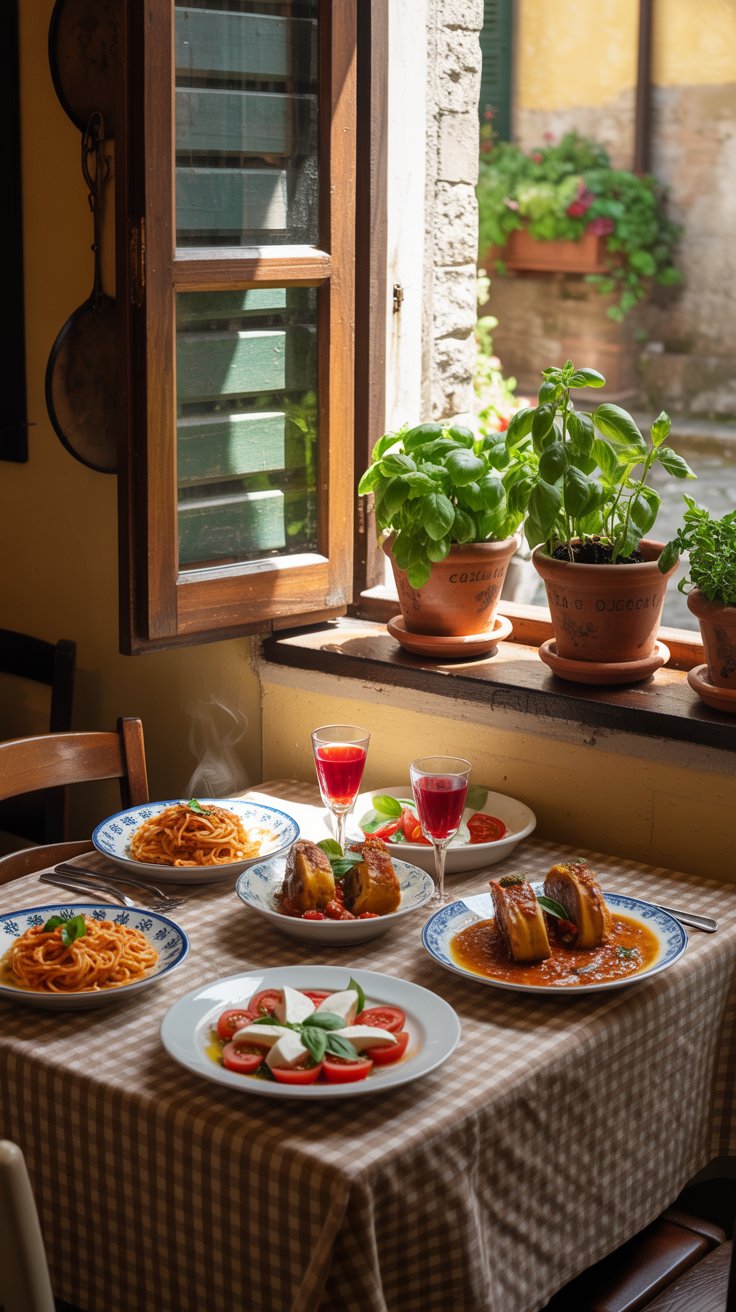
Not everyone wants fish for lunch. These spots handle the full range of Italian cooking with proper technique and local ingredients.
TaVì
At Viale della Repubblica 4, TaVì serves contemporary Italian fare that gets consistently high marks from both locals and visitors. The menu spans beyond seafood into meat dishes and seasonal vegetables, all done with care and presented nicely without being fussy. It’s one of those reliable choices where you can’t really go wrong.
- Why locals like it: Consistent quality across the menu, not just one or two signature dishes
- Vibe: Modern and clean without feeling corporate
- Menu range: Broader than most, so good if your group has mixed preferences
Piccadilly
Inside the San Giorgio Hotel at Via Garibaldi 34, Piccadilly offers elegant, classic Italian dining with a decent wine list and refined atmosphere. It’s particularly popular with cruise passengers who want a nicer sit-down meal either before boarding or after a day in Rome. The cooking is traditional and well-executed, and the service is attentive without hovering.
- Best use case: When you want something a bit special before your cruise departs
- Wine selection: Better than most restaurants in town, with knowledgeable staff
- Dress code: Smart casual works fine, but it’s a step up from beachside trattorias
Quick and Casual Options
Sometimes you just need something good and fast. These spots deliver without the wait.
Pizzeria Village
On Via Achille Montanucci 62, this casual spot does pizza and Mediterranean dishes with good value and no fuss. The pizza is proper Italian style—thin crust, quality toppings, cooked in a proper oven. It’s not going to change your life, but if you’ve got kids or you’re short on time, it’s a solid choice that won’t disappoint.
- Speed: Faster service than sit-down seafood restaurants
- Family-friendly: Relaxed atmosphere, broad menu
- Price: Very reasonable, especially compared to Rome prices
Want to know more about what else you can do near the port? There are some other practical options worth considering if you’ve got time before boarding.
How to Actually Find These Places
The walk from the cruise terminal into town takes about 15-20 minutes on foot. You’ll exit the port area, cross the main road, and head into the Centro Storico. Most restaurants cluster around the waterfront (Lungoporto and Lungomare areas) and the old town streets behind it. Google Maps works perfectly here, and locals are generally helpful if you look lost.
If you’re short on time or carrying luggage, there are taxis at the port, but honestly, the walk is pleasant and you’ll see more of the town. Just watch the clock if you’ve got an embarkation time—Italian meals can stretch longer than you expect when everyone’s enjoying themselves. Keep your phone charged with a reliable portable charger so you don’t lose navigation halfway through your walk.
Timing Your Meal Around Your Cruise
Here’s the reality of eating in Italy when you’ve got a ship to catch: restaurants have specific service times, and they don’t bend them much for tourists.
- Lunch service: Usually 12:30-15:00, with kitchens sometimes staying open a bit longer
- Dinner service: Starts around 19:30-20:00, which is fine for overnight stays but tricky if you’re boarding that evening
- Between services: Many places close completely between lunch and dinner, or only serve drinks and snacks
If you’re embarking in the afternoon, aim for lunch service. If you’re disembarking in the morning and have time before your flight or train, lunch works perfectly. For those staying overnight in Civitavecchia, you can enjoy a proper Italian dinner at a civilised hour. Check out whether staying in Civitavecchia the night before makes sense for your situation.
What to Order (and What to Skip)
In a port town, the daily catch is always your best bet. Here’s how to navigate a menu when half of it isn’t translated.
Always Good Choices
- Spaghetti alle vongole: Spaghetti with clams—it’s a test of a seafood restaurant’s competence
- Fritto misto: Mixed fried seafood, usually including calamari, prawns and small fish
- Branzino or orata al forno: Sea bass or sea bream baked whole—they’ll often show you the fish before cooking
- Pasta allo scoglio: “Reef pasta” with mixed shellfish and sometimes small fish
- Antipasto di mare: Seafood starter platter, good for sharing
What Usually Disappoints
- Anything described as “tourist menu” or “menu turistico”—it’s never the good stuff
- Fish dishes that don’t list which fish—if they’re being vague, there’s a reason
- Complicated fusion dishes—stick to Italian classics in these restaurants
The Unwritten Rules
Italians don’t generally order a main course (secondo) without also having a primo (pasta or rice) first, but tourists do it all the time and no one minds. If you want just pasta, that’s fine. If you want just fish, also fine. But if you order cappuccino after 11:00 or with your meal, you’ll get the look.
| Dish Type | What It Is | Typical Price Range |
|---|---|---|
| Antipasti (starters) | Seafood platters, bruschetta, marinated vegetables | €8-15 |
| Primi (first course) | Pasta or risotto dishes | €12-18 |
| Secondi (main course) | Grilled or baked fish, meat dishes | €15-25 |
| Contorni (sides) | Vegetables, salads, potatoes | €4-7 |
| House wine (quarter litre) | Local white or red | €4-6 |
Comparing Civitavecchia to Rome Dining
If you’re trying to decide between a Rome excursion and eating in Civitavecchia, here’s the honest comparison. Rome has more variety and some truly exceptional restaurants, but you’ll pay tourist prices and fight crowds to get there. For a simple comparison, check out the best restaurants in Rome to see what you’d be getting into.
In Civitavecchia, you’re trading breadth of choice for authenticity and convenience. The restaurants here aren’t trying to be the next Michelin star—they’re just cooking the way Italian coastal towns have done for generations. You’ll spend less, wait less, and probably enjoy your meal more because you’re not watching the clock for a coach departure.
The food quality? Actually comparable when it comes to seafood. Civitavecchia’s fish is often fresher because it’s literally coming off boats in the same harbour. Rome’s seafood travels at least an hour to get there, and that hour matters.
Other Things to Do With Your Extra Time
If you skip the Rome rush, you’ll have time to actually explore Civitavecchia properly. The old town has some pleasant streets worth wandering, and there’s a Michelangelo-designed fort (Forte Michelangelo) right by the harbour that makes for decent photos. The town beach is nothing special, but it’s there if you fancy a quick dip before boarding.
After lunch, you could walk along the Lungomare for sea views and potentially find one of the proper Italian gelaterias. For the best approach to choosing authentic gelato, look for dense gelato in metal canisters rather than bright colours in peaked mounds—that’s the artisanal stuff worth your money. If you’re serious about your gelato game, these Rome gelato shops follow the same principles of quality over presentation. Don’t forget to bring a collapsible water bottle to stay hydrated while walking around town in the Italian sun.
There are also some beautiful Italian coastal towns near Civitavecchia that cruise ships skip entirely. If you’ve got a full day before embarkation, places like Santa Marinella are just a short train ride away and offer proper Italian coastal atmosphere without the crowds.
Practical Tips for Cruise Passengers
A few things that’ll make your Civitavecchia dining experience smoother:
- Cash is useful: Many smaller restaurants prefer cash, though cards are increasingly accepted
- Coperto is normal: A cover charge of €1-3 per person for bread and table service is standard, not a tourist markup
- Service isn’t included: Unlike the UK, service charges aren’t automatically added. Leaving 5-10% is appreciated but not mandatory if you’re on a budget
- Book ahead for dinner: Lunch you can usually walk in, but popular dinner spots fill up, especially on cruise days
- Water comes bottled: You’ll be asked “naturale o frizzante?” (still or sparkling)—both cost money, tap water isn’t automatically served
- The bill won’t come until you ask: When you’re ready to pay, catch the waiter’s eye and mime writing on your hand, or say “il conto, per favore”
For more context on what’s possible during your port time, have a look at what to do in Civitavecchia when you have time to kill. It covers the full range of options depending on how many hours you’ve got. If the weather looks uncertain, pack a lightweight rain jacket for women or packable rain jacket for men so a bit of drizzle doesn’t ruin your plans.
The Verdict on Skipping Rome
Should you skip Rome entirely? That depends on whether you’ve been before and what you value. First-time visitors to Italy probably should see Rome—it’s genuinely magnificent and there’s nothing else quite like it. But if you’ve already done Rome, or if the idea of spending half your port day on a coach sounds exhausting, staying in Civitavecchia makes complete sense.
The food here is genuinely good, genuinely Italian, and genuinely affordable. You’ll eat better than most people racing to Rome for a Caesar salad near the Trevi Fountain. Plus, there’s something quite pleasant about having a leisurely lunch, strolling back to the ship with a gelato, and boarding without stress instead of sprinting from a tour bus at 16:45. Keep your valuables secure in an anti-theft crossbody bag while you explore at your own pace.
For a broader view of options across the country, check out Mediterranean cruise ports in Italy to see how Civitavecchia compares to other Italian port stops on your itinerary.
Common Questions & FAQ
How far are restaurants from the cruise terminal?
Most recommended restaurants are 15-20 minutes on foot from the port. The walk is straightforward—you exit the port area, cross the main road, and head into either the waterfront area (Lungoporto/Lungomare) or the Centro Storico. Taxis are available at the port if you’re short on time or carrying bags, but walking gives you a better sense of the town and costs nothing. Wear some comfortable walking shoes for men or supportive walking shoes for women since you’ll be on cobblestones.
Can I get lunch between cruise embarkation times?
Yes, but timing matters. Italian lunch service typically runs 12:30-15:00, which works well if you’re embarking in the afternoon or disembarking in the morning with time before your onward travel. If you arrive too early or too late for lunch service, you might find restaurants closed or only serving limited menus. Plan to be seated by 14:00 at the latest to avoid kitchens closing.
Do Civitavecchia restaurants take reservations for lunch?
Most don’t require reservations for weekday lunch, but popular spots like L’Acqua Salata and MAA Ristorante appreciate advance bookings, especially on days when multiple ships are in port. Dinner reservations are more important. You can book through TheFork (The Fork app) for many restaurants, or simply phone ahead if you speak basic Italian or have your hotel concierge call.
Are these restaurants open year-round?
Most of the established restaurants listed here operate year-round, though some may reduce hours or close one day per week (often Monday) during winter months when cruise traffic is lighter. If you’re visiting outside peak summer season, check opening hours in advance. The major spots like TaVì, La Lisca and L’Acqua Salata maintain consistent schedules throughout the year. October through March can get chilly near the water, so bring a warm puffer jacket for women or quality puffer jacket for men if you’re dining on outdoor terraces.
What if I have dietary requirements?
Italian restaurants are generally accommodating with advance notice. Vegetarian options appear on most menus naturally—pasta with vegetables, risotto, salads and side dishes are standard. Gluten-free pasta is widely available (ask for “pasta senza glutine”). Vegans have a harder time in seafood-focused restaurants, but any decent place can prepare pasta with tomato sauce and vegetables if you ask. Alert the restaurant when booking if you have serious allergies, as kitchens are small and cross-contamination can happen.
Is it cheaper to eat in Civitavecchia than in Rome?
Noticeably cheaper, yes. A full meal with wine in Civitavecchia typically costs €25-40 per person at a good restaurant, whereas equivalent quality near Rome’s tourist areas runs €40-60. House wine is cheaper, cover charges are lower, and portions are often more generous. The exception is high-end places like L’Acqua Salata, which price similarly to upscale Rome restaurants but still offer better value than tourist-trap spots near major monuments.
Should I bring euros or can I use cards?
Bring some cash. Larger restaurants and hotels accept cards reliably, but smaller trattorias and cafes still prefer cash, and card machines occasionally “don’t work” (which may or may not be true). Having €50-100 in cash per person covers most situations. ATMs are available in town if you need to withdraw more. Note that some restaurants add a small surcharge for card payments, though this is becoming less common.
What’s the best restaurant if I only have time for one meal?
If you want modern seafood with quality and atmosphere, L’Acqua Salata or MAA Ristorante are the top choices. If you prefer traditional cooking with sea views and reliable execution, La Lisca delivers consistently. For a broader Italian menu that’s not entirely seafood-focused, TaVì handles everything well. The honest answer is that all of these will give you a far better meal than rushing to Rome and eating near Termini station between coach connections.
What to Pack for Your Port Day
A few essentials will make your restaurant exploration more comfortable. Since you’ll be walking through town and potentially along the waterfront, pack light but smart. A European power adapter keeps your phone charged for photos and navigation. Keep a waterproof phone pouch handy if you’re walking along the harbour—sea spray can be surprisingly aggressive on windy days.
If you’re planning to do some shopping before lunch or picking up wine to bring back to the ship, compact packing cubes help organize your purchases in your daypack. And if you tend to get blisters from walking on European cobblestones, blister prevention strips are worth throwing in your bag before you leave the ship.
Personal Experience
We had a few hours before our cruise departed from Civitavecchia, and instead of rushing to Rome like everyone else, we decided to explore the town itself. Best decision we made all trip. We found this tiny place called Trattoria Sora Lella tucked away on a side street near the port – maybe a ten-minute walk from where the ships dock. The owner came out to explain the daily specials himself, no English menu in sight, and we ended up with the most incredible spaghetti alle vongole I’ve ever had. The clams were so fresh they practically tasted like the sea, and the whole meal with wine came to about 25 euros per person.
What really struck me was how different it felt from the restaurants near major tourist sites. There were locals having long lunches, fishermen stopping by for espresso, and the pace was just wonderfully slow. We also spotted a few other great-looking spots along Via Giosuè Carducci that had chalkboard menus and checkered tablecloths – the real deal. Honestly, spending those hours eating proper Italian food in a quiet seaside town beat fighting crowds at the Colosseum any day. If you’ve got time in Civitavecchia, skip the bus tour and just walk into town with an appetite. I kept everything organized in my anti-theft backpack, which gave me peace of mind while wandering unfamiliar streets, and we never felt rushed or stressed about missing the ship.
Last Updated: 6 January 2026