
Tunisia isn’t on every Mediterranean itinerary, and that’s partly why it’s worth your time. While half the ship queues for yet another Italian piazza, you could be haggling for handmade ceramics in a UNESCO medina or standing in the ruins of Carthage wondering why your history teacher never made it sound this interesting.
Tunisia offers two main cruise ports: La Goulette near Tunis and Sousse further south. Both give you access to ancient history, proper souks, and a slice of North Africa that feels genuinely different from the usual Mediterranean stops. Just don’t expect Disney-level organisation at the ports, and you’ll be fine.
This guide covers the two main Mediterranean cruise ports in Tunisia, La Goulette (for Tunis) and Sousse, including what you’ll actually find at each terminal, realistic transport options, whether to book excursions or go independent, and the practical warnings that don’t make it into the glossy brochures.
Quick Facts: Tunisia’s Cruise Ports
| Detail | La Goulette (Tunis) | Sousse |
|---|---|---|
| Nearest major city | Tunis (12km) | Sousse (8km to old town) |
| UNESCO sites nearby | Medina of Tunis, Carthage | Medina of Sousse |
| Walking into town | Not practical | Possible to Port El Kantaoui marina area, not to old Sousse |
| Typical port time | 6-8 hours | 6-8 hours |
| Currency | Tunisian dinar (TND) | Tunisian dinar (TND) |
| Languages | Arabic, French widely spoken | Arabic, French widely spoken |
La Goulette (Port of Tunis): Terminal & Transport
La Goulette serves as the gateway to Tunis and the broader collection of sites around the capital. The port itself sits about 12km from central Tunis, so you’re not walking anywhere useful from the ship unless you fancy a stroll along some unremarkable portside roads.
What’s Actually at the Terminal
- Basic facilities only: don’t expect a gleaming cruise village with artisan gelato stands
- Some ships dock directly at the commercial quay, others tender depending on traffic and berth availability
- Usually a small welcome area with a few souvenir stalls and occasionally someone offering SIM cards
- Taxi ranks outside the port gates, though these can be chaotic during multiple ship days
- No ATM inside the secure terminal area, so sort currency before you get off the ship or use the machines in town
Getting Into Tunis and Beyond
You’ve got three realistic options, and honestly, the first two are the ones most people go for unless you’re very confident or have been before.
- Ship excursions: Convenient, timed to get you back safely, but you’ll pay a premium and spend part of your day listening to a guide explain things you could read on a plaque
- Private organised tours: Book ahead through operators that specialise in cruise calls. You’ll get a smaller group, more flexibility, and usually better value than the ship’s offering. Check the Tunis La Goulette cruise ship port guide for recommended operators
- Taxis: Available outside the port gates. Negotiate the fare before you get in, agree whether it’s per person or for the whole car, and confirm return arrangements. Budget more than you’d pay in Europe for equivalent distances, but still cheaper than a ship tour
- Independent public transport: Possible but slow, and not recommended if it’s your first visit and you only have six or seven hours in port
The drive to central Tunis takes around 20-30 minutes depending on traffic. Sidi Bou Said is closer, Carthage somewhere in between. If you’re trying to cram in all the major sites, you’re looking at a full-day loop that needs wheels, not feet.
What to Do from La Goulette
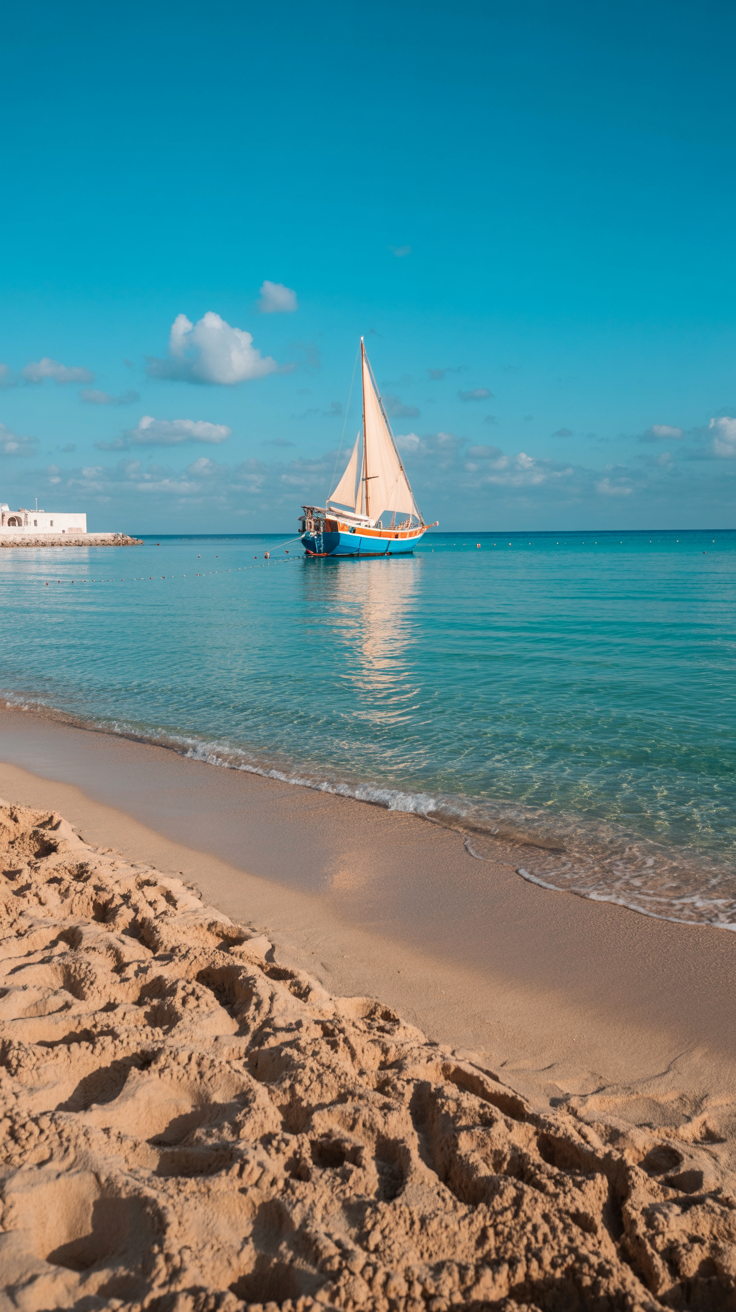
Half Day Ashore
If your ship arrives late or you’ve only got a few hours, you need to pick one or two highlights rather than rushing around ticking boxes.
- Sidi Bou Said: The closest worthwhile stop. White-and-blue buildings tumbling down a hillside, sea views, cafés serving mint tea, and enough photo opportunities to irritate everyone following you on Instagram. Budget around 90 minutes here including a coffee stop
- Carthage ruins: Spread across several sites, so unless you’ve got a car and know which bits to prioritise, you’ll spend more time driving than looking. The Antonine Baths and the Tophet are the most accessible
- Medina of Tunis: You could spend three days in here, but even a quick wander through the souks and past the Great Mosque gives you a taste of proper North African market life. Go early if you can; it’s hot and crowded by midday
Full Day Excursion
With eight hours, you can realistically combine three or four stops if you’re organised. The classic loop covers Carthage, Sidi Bou Said, the Bardo Museum, and maybe a quick pass through the Medina of Tunis.
- Bardo National Museum: Worth the time if you care even slightly about Roman history. The mosaic collection is genuinely world-class, and it’s mercifully air-conditioned
- Carthage: Once a rival to Rome, now a collection of ruins scattered across a modern suburb. The Antonine Baths are the most impressive visible remains. Go with a guide or read up beforehand, because the signage won’t do the history justice
- Sidi Bou Said: Often saved for the end of the day because it’s pretty, relaxed, and a nice counterpoint to the intensity of the Medina or the heat of the ruins
- Medina of Tunis: The UNESCO-listed old town. It’s maze-like, loud, and full of people trying to sell you things, which is exactly what a medina should be. If you’re buying, haggle. If you’re not, say no and keep walking
If You’ve Been Before
- Head inland to Dougga, one of the best-preserved Roman towns in North Africa. It’s a two-hour drive each way, so only realistic if you’ve got a full day and your own transport
- Spend longer at the Bardo and skip the tourist trail entirely
- Explore the less-visited parts of the Medina, or venture into the newer parts of Tunis to see how the city actually functions beyond the postcard shots
Sousse (Port El Kantaoui): Terminal & Transport
Sousse is smaller and more relaxed than Tunis. The port area at Port El Kantaoui is a purpose-built marina development, which means it’s easier to navigate but also a bit soulless. The real interest is in the old town of Sousse, about 8km south.
What’s Actually at the Terminal
- Port El Kantaoui is a modern marina with cafés, shops, and a promenade. It’s fine for a coffee, but it’s not authentically Tunisian
- Some cruise ships dock right at the marina; others berth closer to the old port of Sousse depending on availability and ship size
- Facilities are reasonable: clean, functional, and geared towards tourists without being over the top
- Taxis and tour operators usually meet ships on arrival
Getting Into Sousse and Surroundings
Sousse is more manageable than Tunis. The old town is closer, the sites are more concentrated, and if you’re docking at Port El Kantaoui, you can actually walk to the marina area for a drink even if you don’t venture further.
- Taxis: Plentiful and the easiest way to reach the Medina of Sousse or other nearby sites. Agree on the fare before you set off
- Ship excursions: Usually cover the Medina, the Ribat, and sometimes a trip to El Djem if there’s time
- Independent walking: You can walk around Port El Kantaoui comfortably, but you’ll need wheels to reach the Medina or any historical sites
- Private tours: Useful if you want to combine Sousse with El Djem or the archaeological museum without the crowds. See the Sousse cruise ship port guide for detailed operator recommendations
What to Do from Sousse
Half Day Ashore
- Medina of Sousse: Another UNESCO site, smaller and less overwhelming than Tunis. The souks are still lively, the Ribat fortress offers views over the old town, and the Great Mosque is worth a look if it’s open
- Ribat of Sousse: An 8th-century fortified monastery. Climb the tower for views, then wander the atmospheric courtyards. It’s not huge, so an hour is plenty
- Port El Kantaoui stroll: If you just want to relax, the marina has cafés, a beach, and a generally pleasant atmosphere. It’s not Tunisia at its most authentic, but it’s easy and safe
Full Day Excursion
Sousse’s big draw for a full day is the proximity to El Djem, home to one of the best-preserved Roman amphitheatres in the world. It’s about an hour’s drive inland.
- El Djem amphitheatre: If you’ve been to the Colosseum in Rome and thought it would be better without the crowds, this is your chance. The structure is enormous, largely intact, and you can wander through the underground passages where gladiators and animals once waited. Go early or late to avoid tour groups
- Combine El Djem with Sousse Medina: Realistic in a full day if you’ve got a car. Do the amphitheatre first while it’s cooler, then spend the afternoon in the Medina and finish with a seaside coffee
- Sousse Archaeological Museum: Decent collection of mosaics and Roman artefacts. Only worth the time if you’re genuinely interested or it’s too hot to be outside
If You’ve Been Before
- Head to Kairouan, a holy city and another UNESCO site about 60km inland. It’s less touristy, and the Great Mosque is one of the most important in North Africa
- Explore the smaller coastal towns between Sousse and Monastir
- Spend longer at El Djem and explore the smaller nearby sites that don’t make it onto ship excursions
Shore Excursions vs Going Independent
Tunisia is one of those destinations where the decision isn’t as straightforward as “always go independent” or “always book the ship.” It depends on your comfort level, how much you care about seeing specific sites, and whether you’re willing to deal with a bit of chaos.
| Factor | Ship Excursions | Independent/Private Tours |
|---|---|---|
| Convenience | Very high. You’re met, transported, and returned on time | Moderate. You’ll need to arrange transport and keep an eye on the clock |
| Cost | High. You’re paying for the guarantee and the logistics | Lower. Even private tours undercut ship prices, and taxis are cheaper still |
| Flexibility | Low. You’re on their schedule and stuck with the group | High. You decide where to go, how long to stay, and when to leave |
| Risk of missing the ship | Zero. If the tour is late, the ship waits | Low but not zero. If your taxi breaks down or you misjudge timings, you’re on your own |
| Cultural immersion | Limited. You’re in a bubble with other cruisers | Better. You’re navigating, haggling, and figuring things out |
First time in North Africa? The ship excursion or a pre-booked private tour makes sense. You’ll see the highlights without worrying about language barriers, currency, or getting back on time. If you’ve travelled in the region before or you’re confident dealing with taxis and haggling, going independent gives you more freedom and saves money.
One middle ground: book a private driver through a local operator before you arrive. You’ll pay less than the ship, get more flexibility, and still have someone responsible for getting you back to the port. You’ll find options through cruise forums or by checking local tour operators online.
Practical Warnings: The Stuff That Doesn’t Make the Brochures
Tunisia is generally safe for tourists, especially in the areas cruise passengers visit. But there are a few things worth knowing before you step off the ship.
- Dress modestly: This isn’t southern Spain. Cover your shoulders and knees, especially in the medinas and near mosques. You won’t be refused entry, but you’ll get stared at and it’s just respectful
- Haggling is expected: If you’re buying anything in a souk, the first price is never the real price. Start at half, work your way up, and be prepared to walk away. If they let you leave, you’ve gone too low
- Tap water: Stick to bottled. The locals drink it, but your stomach hasn’t had time to adjust
- Heat in summer: Tunisia gets properly hot from June through September. Bring water, wear a hat, and don’t underestimate how draining it is to walk around ancient ruins in 35°C heat. Pack a reef-safe sunscreen that won’t cause problems if you decide to swim later
- Timekeeping: Your ship won’t wait if you’re late back, and Tunisian taxis don’t always run to schedule. Build in a buffer, especially if you’re going independent
- Currency confusion: Euros are accepted in some tourist spots, but you’ll get a poor rate. Change a bit of money into dinars for small purchases, tips, and market shopping. Some ATMs are inside banks rather than on the street, so don’t rely on finding one at the last minute
- Touts and guides: You’ll be approached. A lot. If you want a guide, agree on a price before you start. If you don’t, say no clearly and keep walking. Don’t feel rude; it’s just how things work
- Friday timings: Mosques and some sites have limited hours or close altogether for prayers. Check before you plan your day
Comparing La Goulette and Sousse
| Aspect | La Goulette (Tunis) | Sousse |
|---|---|---|
| Best for first-timers | Yes, if you want major historical sites | Yes, if you prefer something more manageable |
| Walkability from port | Poor. You need transport for anything worthwhile | Moderate. Port El Kantaoui is walkable, old Sousse is not |
| Number of major sites | More. Carthage, Bardo, Medina, Sidi Bou Said | Fewer but closer. Medina, Ribat, El Djem within reach |
| Intensity level | Higher. Busy, hot, lots of ground to cover | Lower. More relaxed, easier to combine sightseeing with downtime |
| Tourist infrastructure | Improving but still patchy | Better, especially around Port El Kantaoui |
If you care about ancient history and want to see Carthage, Tunis is the obvious choice. If you prefer a gentler day with one standout site, Sousse and El Djem make more sense. For comparison with other stops on a Western Mediterranean cruise ports itinerary, Tunisia offers something genuinely different from the usual European cities.
Where to Stay Before Your Cruise
If you’re joining your ship in Tunisia rather than just stopping for the day, you’ll almost certainly be overnighting in Tunis or Sousse, depending on which port your cruise departs from.
Near La Goulette (Tunis)
- Stay in central Tunis or in the La Marsa/Sidi Bou Said area rather than near the port itself. La Goulette has limited hotel options and nothing that justifies the inconvenience
- Tunis city centre puts you near the Medina and gives you easy access to restaurants and transport. La Marsa and Sidi Bou Said are quieter, more scenic, and only slightly further from the port
- If you’re staying the night before departure, arrange a private transfer to the port rather than relying on a taxi at 7am. Your hotel can sort this
Near Sousse
- Port El Kantaoui has plenty of resort hotels, but they’re geared towards package holidaymakers rather than cruise passengers
- Sousse old town has better character and more dining options. Stay near the Medina if you want atmosphere, or at Port El Kantaoui if you want a pool and a beach
- The drive from Sousse hotels to the cruise port is short, so location is less critical than in Tunis
Where to Eat Close to the Port
You’re not coming to Tunisia for Michelin stars, but the food is one of the highlights if you know where to look.
Near La Goulette
- La Goulette itself has a few seafood restaurants along the waterfront, but they’re aimed at locals rather than tourists and the quality varies. If you’ve got time, eat in Tunis or Sidi Bou Said instead
- Sidi Bou Said has tourist-friendly cafés serving decent couscous, brik (a fried pastry with egg), and grilled fish. The setting is lovely, the prices are higher than in town, but you’re paying for the views
- In the Medina of Tunis, look for small restaurants serving traditional dishes like lablabi (chickpea stew) or merguez sandwiches. Avoid anywhere with a multilingual menu displayed outside
Near Sousse
- Port El Kantaoui has plenty of cafés and restaurants, but they’re bland and aimed squarely at tourists. Fine for a quick lunch, not worth a special trip
- In the Medina of Sousse, you’ll find better value and more authentic food. Try the small places near the Ribat or along the main market streets
- Fresh seafood is the thing to order if you’re eating near the coast. Grilled rather than fried is usually the safer bet
Weather and When to Visit
Tunisia’s Mediterranean coast has hot summers and mild winters. Your cruise will almost certainly call between April and November, which covers the comfortable months and the sweltering ones.
- April to June: Ideal. Warm but not punishing, and the sites aren’t yet overrun with tour groups. Mornings can be cool, so bring a layer
- July and August: Hot. Really hot. If your ship calls in high summer, start early, stay hydrated, and don’t underestimate how draining it is to walk around ruins in 35°C-plus heat
- September and October: Another good window. The sea is still warm, the temperatures are dropping, and the crowds thin out after the school holidays end
- November to March: Mild and often pleasant, but some cruise lines skip Tunisia altogether during the quieter months. If you’re visiting, pack layers and expect occasional rain. A lightweight packable rain jacket takes up minimal space and covers you if the weather turns
For a broader look at when to visit, the Mediterranean cruises guide covers seasonal patterns across the region, including how Tunisia compares to other stops.
Common Questions
Do I need a visa to visit Tunisia on a cruise?
UK and most European passport holders don’t need a visa for short stays, including cruise calls. Your ship will handle entry formalities, and you’ll usually just walk off with your cruise card and passport. Check current requirements before you travel.
Is it safe to leave the port independently in Tunisia?
Yes, in the areas cruise passengers visit. Tunis, Sousse, Sidi Bou Said, and the main archaeological sites are used to tourists and generally safe. Stay aware, don’t flash valuables, and stick to populated areas. Solo travellers should use the same caution they would anywhere unfamiliar.
Can I use euros in Tunisia?
Some tourist shops and cafés accept euros, but you’ll get a poor exchange rate. It’s worth changing a small amount into Tunisian dinars for markets, tips, and small purchases. ATMs are available in towns, though not always at the port itself.
How far is El Djem from Sousse port?
About 60km, which takes around an hour by car. It’s realistic for a full-day excursion, especially if you combine it with the Medina of Sousse. Don’t attempt it if you’ve only got a few hours in port.
What should I wear when visiting mosques and medinas?
Cover your shoulders and knees as a minimum. Loose trousers or a long skirt work better than shorts. Women don’t need to cover their hair in most tourist areas, but a scarf is useful for some mosques and respectful in traditional quarters.
Are Carthage and the Bardo Museum worth the time?
If you care about Roman history, absolutely. The Bardo’s mosaics are world-class, and Carthage has genuine historical weight. If ancient ruins leave you cold, Sidi Bou Said and the Medina of Tunis offer more immediate visual appeal without needing a history degree to appreciate them.
Can I visit both Tunis and Sousse on the same cruise?
Only if your itinerary includes both ports, which is rare but not unheard of on longer Mediterranean cruise ports in Sicily and North Africa itineraries. Most ships call at one or the other, not both.
Is the food safe to eat in local restaurants?
Generally yes, especially in established restaurants in tourist areas. Avoid street food unless it’s freshly cooked in front of you, stick to bottled water, and use common sense. Your stomach is more at risk from the heat than the food.
How does Tunisia compare to other North African ports like Morocco?
Tunisia is less polished than Morocco’s main ports but also less touristy. The historical sites are more Roman than Arab, the medinas are smaller, and the overall experience feels less rehearsed. For more on what to expect further west, see the cruise ship ports of call in Morocco guide.
Why Trust About2Cruise
- Jo has visited both Tunisian cruise ports, tested independent transport options, and haggled in the souks so you know what to expect before you arrive
- This guide is updated whenever new facilities open at either port, when excursion feedback shifts, or when visa rules change
- We don’t take payment from cruise lines or tour operators to recommend their products, so if we say something’s worth your time, it’s because it is. For more on how we work, visit our about us page