
The ban on large cruise ships in Venice’s historic lagoon has fundamentally changed how cruisers experience this extraordinary city. If you’re planning a Mediterranean cruise that includes Venice, you need to know which ships can still sail past San Marco and which ones dock on the mainland – because it affects everything from your departure time to those postcard-perfect photos.
Here’s what actually happens now: ships over 25,000 gross tonnage can’t enter the Giudecca Canal or pass through the Bacino di San Marco anymore. That’s roughly any ship carrying more than about 1,000 passengers. So if you’re on one of the big Royal Caribbean, MSC, or Norwegian vessels, you’re docking at Marghera or the newly expanded Fusina terminals on the mainland instead of the old Stazione Marittima near the city centre.
Which Ships Can Still Enter Venice Lagoon
The size restriction isn’t just about length – it’s calculated on gross tonnage, which measures the ship’s internal volume. Smaller expedition ships, luxury vessels, and boutique cruise lines like Azamara, Oceania’s smaller ships, and Viking’s ocean ships generally make the cut. These can still use the closer passenger terminals at San Basilio or Santa Marta, which are only a 15-20 minute walk or quick vaporetto ride from the main attractions.
Ships that typically still dock close to Venice:
- Most Silversea ships
- Azamara cruise ships
- Smaller Oceania vessels
- Viking Ocean ships
- Seabourn cruise ships
- Crystal Cruises vessels
- Regent Seven Seas ships
Ships that now dock at Marghera or Fusina:
- All major Royal Caribbean ships
- MSC Cruises’ large vessels
- Norwegian Cruise Line big ships
- Carnival Cruise Line ships
- Large Costa Cruises vessels
- Princess Cruises’ bigger ships
The annoying bit? Cruise lines don’t always make it crystal clear which terminal you’re using until quite close to sailing. Check your cruise documents carefully and look for mentions of “Marghera” or “Venice Industrial Port” versus “Stazione Marittima” or “San Basilio.”
What the Mainland Terminals Mean for Your Day
Docking at Marghera isn’t the end of the world, but it does change your logistics. You’re now at an industrial port facility about 12 kilometres from Venice proper. The port operator runs dedicated shuttle buses to Piazzale Roma (the gateway to Venice’s historic centre), and the trip takes 20-30 minutes depending on traffic. Some cruise lines include this shuttle in your fare; others charge around €10-15 per person return.
Your realistic timeline from Marghera:
- Disembarkation and security: 30-45 minutes after clearance
- Shuttle bus to Piazzale Roma: 20-30 minutes
- Walk or vaporetto to San Marco area: 15-40 minutes
- Total from ship to central Venice: 1 hour 15 minutes to 2 hours
Compare that to the old Stazione Marittima terminal where you could walk to San Marco in about 30 minutes or catch a vaporetto in 10 minutes. The extra travel time matters if you’re trying to squeeze in Doge’s Palace, a gondola ride, and lunch before the all-aboard time. You’ll want to be back at Piazzale Roma at least 90 minutes before your ship’s departure to account for shuttle schedules and any delays. Make sure you’ve got a reliable portable charger with you to keep your phone powered throughout the day for maps and photos.
The Fusina terminal is even further out – it’s technically in a different municipality altogether. Budget similar travel times, though some ships offer direct water taxi services to San Marco that can be faster but pricier.
The Real Impact on Your Venice Experience
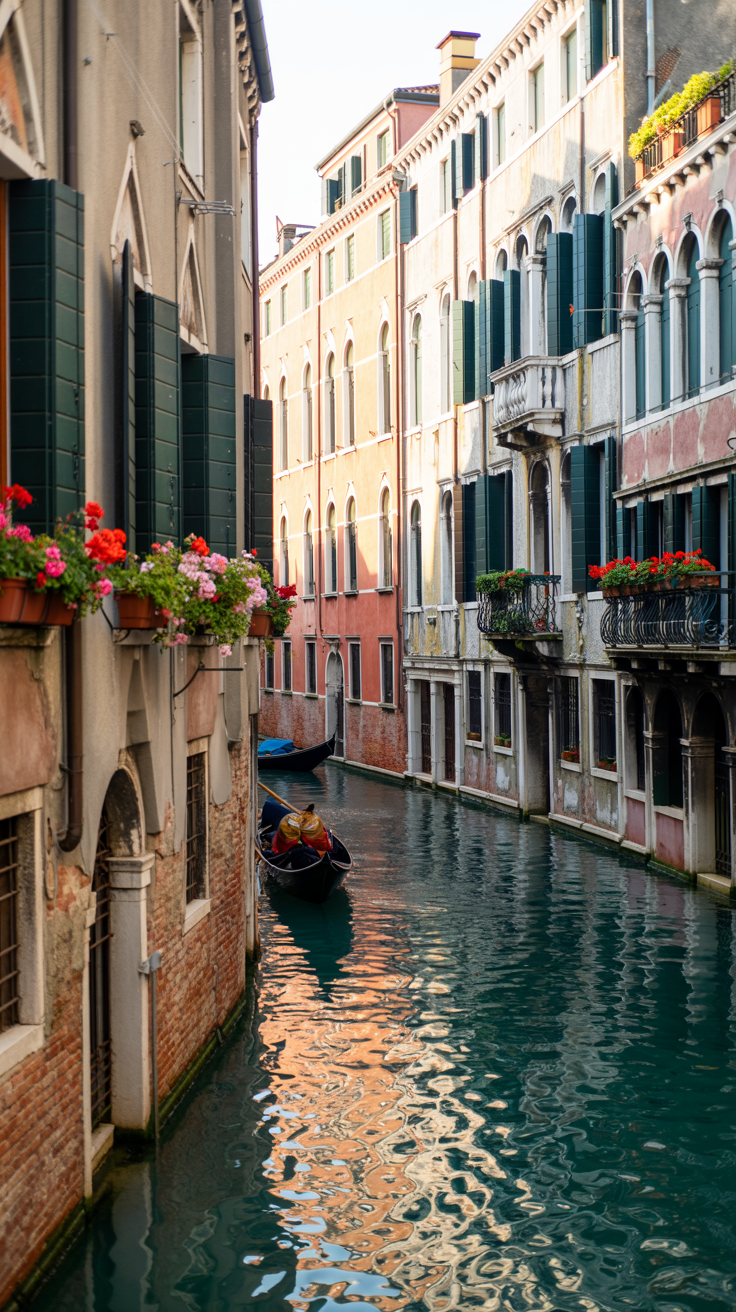
Let’s be honest about what you’re gaining and losing with this change. On the plus side, Venice itself feels more breathable now. The ban was introduced because those massive ships were quite literally eroding the foundations of the city, creating dangerous wave action, and dumping thousands of tourists into the narrow streets all at once. Locals were understandably fed up, and UNESCO was threatening to put Venice on the endangered heritage list.
From your perspective as a passenger, you lose that spectacular sail-in view past San Marco – and it really was one of cruising’s most memorable moments. You also lose some time in the city itself, and you’ll need to be more strategic about your day. If you’re mobility-impaired, the extra transfers can be exhausting.
What you gain:
- A less crowded Venice with fewer cruise passengers arriving simultaneously
- Better local goodwill (you won’t get those hostile looks from residents anymore)
- Potentially lower prices at restaurants as competition for tourist euros spreads out
- The satisfaction of visiting more sustainably
What you lose:
- That iconic sail-away with Campanile and Doge’s Palace in view
- About 60-90 minutes of time in Venice itself
- The convenience of walking from ship to city centre
- Easy popping back to the ship if you forget something
Want to know more about navigating Venice’s cruise facilities and planning your day ashore, check out our comprehensive Venice cruise port guide for detailed terminal maps and transport options.
Smart Strategies for Marghera Arrivals
If you know you’re docking at the mainland terminal, here’s how to make the most of your day without feeling rushed or stressed:
Book an early shore excursion through your cruise line. You’ll get priority disembarkation and transport, often leaving the ship before independent passengers. Yes, it costs more, but you gain 60-90 minutes in Venice. The tour buses usually drop you at better locations than the public shuttle terminus too.
Pre-book a private water taxi. These can pick you up directly at Marghera and deliver you to San Marco in about 30-40 minutes via the lagoon. It costs €100-150 for up to 6-8 people, so split among friends or family it’s reasonable and saves heaps of time. Book through your cruise line or a reputable Venice operator well in advance.
Skip the mega-attractions if queues are long. With limited time, standing in line for two hours to climb the Campanile might not be worth it. Focus on wandering the backstreets, popping into smaller churches (often free and spectacular), and soaking up the atmosphere. You can see a lot of Venice’s magic without paying admission to anything. Bring a refillable water bottle to save money and stay hydrated while exploring.
Have a backup plan for the return journey. Shuttle buses from Piazzale Roma back to Marghera can get absolutely rammed in the final two hours before sailing. Leave earlier than you think necessary, or consider a taxi if you’re cutting it fine. Missing the ship because you were stuck in a shuttle queue would be gutting.
Consider staying overnight before or after. This is especially smart if Venice is your embarkation or disembarkation port. You get proper time to explore without watching the clock, and you can experience the city in early morning or evening when it’s at its most atmospheric and the cruise crowds have gone.
Terminal Facilities at Marghera and Fusina
These mainland terminals are functional but don’t expect the polish of a purpose-built cruise facility. Marghera is essentially an industrial port with temporary cruise infrastructure. There’s basic security screening, some covered waiting areas, and that’s about it. You won’t find the shops, cafés, or tourist information desks that used to exist at Stazione Marittima.
The newer Fusina terminal has slightly better facilities with more permanent buildings, but it’s still pretty bare-bones. Both locations have decent coach and shuttle bus access, and private transfer companies can collect you if you’ve pre-booked. Free Wi-Fi is hit-and-miss at both terminals.
For detailed information about what to expect at Venice’s various terminals and how to navigate between them, have a look at our guide covering Venice cruise terminal facilities with maps and photos of each location.
How This Fits Into Your Mediterranean Cruise
Venice is often a key port on Mediterranean cruises that cover the Adriatic and Eastern Med, so understanding the terminal situation helps you plan your whole itinerary. If you’re doing a 7-10 day cruise that includes Venice plus Croatian ports, Greek islands, or sailing down to Montenegro, you’ll want to allocate your time and energy accordingly.
Some passengers now consider skipping Venice altogether if their ship docks at Marghera and they’ve visited before. Instead, they use that day to relax on the ship, enjoy empty facilities, or book a completely different excursion – perhaps to Verona (90 minutes by train) or even Padova. That’s a personal call, but it’s worth considering if you’ve already done the Venice highlights and don’t fancy the hassle of the transfers.
For first-timers, Venice is still absolutely worth the effort even from the mainland terminals. Just adjust your expectations about timing and those sail-in views.
Extend Your Stay in Venice
Given the time you’ll lose to transfers from Marghera, seriously consider adding a night or two in Venice itself before or after your cruise. The city transforms once the day-trippers and cruise passengers leave – you’ll have the streets and bridges largely to yourself in the early morning and evening.
Accommodation in Venice ranges from budget-friendly options in Mestre (the mainland district, very convenient for Marghera) to luxurious canal-side hotels in the historic centre.
Even a modest hotel in Venice gives you the chance to experience the city without watching the clock, grab dinner at a neighbourhood bacaro (wine bar) where locals actually eat, and see landmarks like the Rialto Bridge at sunset without the crowds.
Many cruise passengers find that one rushed day from a mainland terminal isn’t enough, and hotels in Venice become worthwhile when you consider you’re getting the full, unhurried experience of one of Europe’s most remarkable cities. Book early though – Venice has limited accommodation capacity and prices reflect that, especially during peak cruise season and major events like Carnevale or the Biennale.
Pack smart with compression packing cubes to maximize your luggage space and keep everything organized for both your cruise and hotel stay.
Personal Experience
We booked our Mediterranean cruise last spring, and I have to admit I was initially disappointed when I found out our ship wouldn’t be sailing right past St. Mark’s Square like in all those iconic photos. Venice finally put their foot down about massive cruise ships entering the lagoon, and honestly, after seeing the city in person, I totally get why. Those enormous vessels were causing real damage to the delicate ecosystem and overwhelming the historic center with thousands of tourists all at once.
Now ships over 25,000 tons dock at Marghera on the mainland instead of the old passenger terminal. It’s about a 20-minute bus or water taxi ride into Venice proper, which sounds like a hassle but actually wasn’t bad at all. The smaller, more intimate ships can still use the closer terminals, but if you’re on one of the mega-ships like we were, you’re heading to the industrial port. The upside? Venice feels less like a theme park now, and the locals seem genuinely relieved. Plus, you still get your full day exploring the canals and getting lost in those amazing alleyways – you just won’t be sailing dramatically into the sunset with the Doge’s Palace as your backdrop. It’s a small trade-off for helping preserve one of the world’s most unique cities. I was glad I brought comfortable walking shoes because we ended up covering miles of cobblestones and bridges throughout the day.
Common Questions & FAQ
How do I know which terminal my cruise ship will use in Venice?
Check your cruise documents about a month before sailing – look for references to Marghera, Fusina, San Basilio, or Stazione Marittima. Ships over 25,000 gross tonnage must use the mainland terminals (Marghera or Fusina), whilst smaller vessels can still dock at the closer terminals. If you’re unsure, contact your cruise line directly or check their port information section online, as they should specify the exact terminal location.
Is the shuttle bus from Marghera to Venice included in my cruise fare?
This varies by cruise line. Some include the shuttle to Piazzale Roma as part of your fare, whilst others charge €10-15 per person return. Check with your cruise line well before sailing. Even if it’s not included, the shuttle is usually your cheapest option unless you’re travelling in a group large enough to split the cost of a private water taxi.
Can I walk from Marghera terminal into Venice?
Technically yes, but it’s a terrible idea. It’s about 12 kilometres through an industrial port area and busy roads with no pavements in places. You’d spend nearly two hours walking each way through very uninspiring scenery. Take the shuttle bus, water taxi, or book a proper transfer – don’t waste your precious Venice time trudging through a cargo port.
How much time should I allow to get back to the ship at Marghera?
Plan to be at Piazzale Roma (where the shuttles depart) at least 90 minutes before all-aboard time. Shuttle buses can get packed in the final hours, and you might wait for two or three full buses before getting on. If you’re running late, grab a taxi to the port rather than risk missing the ship. Better to spend €30-40 on a taxi than thousands on flights to catch up with your cruise. Keep your phone charged with a portable charger that includes cables so you can easily communicate and check the time.
Are there any advantages to docking at the mainland terminals?
The main advantage is contributing to Venice’s preservation – those big ships were genuinely damaging the lagoon and the city’s foundations. From a practical standpoint, if you’re prone to seasickness, the approach to Marghera through protected waters is calmer than the open lagoon crossing. Some passengers also appreciate that Marghera has better road links if you’re planning excursions to Verona or other mainland destinations rather than Venice itself.
Can I store luggage anywhere near Marghera terminal if I’m extending my stay?
Marghera itself has very limited luggage storage facilities. Your best option is to take the shuttle to Piazzale Roma in Venice, where there are several left-luggage services that charge around €6-8 per bag per day. Alternatively, many Venice hotels offer luggage storage even if you’re not checking in until later, so contact your accommodation in advance to ask about early bag drop-off. Using quality hardside carry-on luggage makes storage and transport easier throughout your trip.
What happens if I miss the ship because of shuttle delays from Venice?
You’re responsible for getting yourself to the next port at your own expense. Cruise lines make the all-aboard time clear, and delays with the shuttle service aren’t considered their problem unless you were on an official shore excursion. This is why experienced cruisers always leave a huge buffer when returning from independent exploration. Travel insurance sometimes covers missed departure costs, but you’ll need to check your policy carefully.
Will cruise ships ever be allowed back into central Venice lagoon?
Extremely unlikely. The ban has strong local and political support, UNESCO has backed it, and the environmental concerns haven’t gone away. Some politicians occasionally float ideas about limited exceptions for certain vessels, but the general direction is towards permanently keeping large ships out of the historic lagoon. If that iconic sail-past of San Marco is important to you, you’ll need to book one of the smaller luxury ships that still qualify for the closer terminals.
Essential Items for Your Venice Day
Whether you’re docking at Marghera or one of the closer terminals, having the right gear makes your Venice experience much smoother. Since you’ll be doing lots of walking across bridges and cobblestones, invest in proper men’s walking shoes or women’s walking shoes – your feet will thank you after a full day of exploration. Venice weather can be unpredictable even in summer, so pack a lightweight rain jacket for women or rain jacket for men that won’t take up much space in your anti-theft daypack.
Spring and autumn cruises require layering, so consider bringing a packable women’s puffer or men’s lightweight puffer jacket that compresses small but provides warmth during cool mornings. Don’t forget a European travel adapter to charge all your devices at the mainland terminals or in your hotel. Keep your valuables secure with an anti-theft crossbody bag while navigating crowded areas around San Marco.
Organization is key when moving between ship and city, so packing cube sets help you quickly access what you need without unpacking everything. A hanging toiletry organizer is brilliant for cruise cabins, and a cable organizing case keeps all your chargers tidy. Finally, if you’re doing any island hopping before or after Venice, pack a waterproof phone case and consider blister prevention products for those long walking days.