
“`html
Most cruise passengers treat Livorno as a jumping-off point for Florence or Pisa, but staying in the port area itself offers something completely different – a proper Italian coastal town without the tourist crowds. The waterfront, canals and local markets give you an authentic slice of Tuscan life, and you can easily fill a day wandering the neighborhoods nearest the port without ever feeling rushed or herded onto a tour bus.
Livorno doesn’t have the Renaissance masterpieces of Florence, but it has its own charm. The seafront promenade stretches for miles, the historic quarter has quiet canals that locals actually use, and the central market is full of genuine Italian families doing their shopping. If you’re after a slower pace and want to see how Italians live rather than just ticking off famous landmarks, staying near the port makes perfect sense.
The Seafront and Terrazza Mascagni
The Terrazza Mascagni is the town’s signature gathering spot and sits right along the waterfront within easy reach of the port. It’s a huge checkered terrace that stretches out toward the sea, lined with palm trees and open to anyone who fancies a stroll or a sit-down. The whole space has a relaxed, local feel – you’ll see joggers in the morning, families in the afternoon, and couples taking evening walks when the light softens.
- Free and always accessible – no gates, no entry fees, just a public space that the town clearly takes pride in
- Sea views without the tourist crush – it’s scenic but not overrun, so you can actually enjoy it without jostling for space
- Perfect for a coffee break – cafés line the nearby streets, and you can grab an espresso and people-watch for as long as you like
- Best light in late afternoon – the sunset views are particularly good, and the whole promenade comes alive with locals finishing their day
The walk along the esplanade connects naturally to the rest of the port district, so you can easily combine it with a wander through the historic center. It’s one of those spots where you don’t need to do anything specific – just being there and soaking up the atmosphere is enough. If you’re planning an extended stroll along the waterfront, consider bringing a collapsible water bottle to stay hydrated without adding bulk to your bag.
Fortezza Vecchia and the Harbor Views
The Old Fortress sits right at the edge of the harbor and is one of Livorno’s main historic landmarks. It’s a Medicean-era stronghold that dates back to when the Medici family developed Livorno as a free port. The exterior is free to walk around, and you get excellent views over the working harbor and the cruise terminal area from the ramparts.
- Walking access from the port – it’s close enough that you can reach it on foot in about 10-15 minutes from the cruise terminal
- Historic significance – the fortress played a key role in Livorno’s growth as a major Mediterranean trading hub
- Photo opportunities – the harbor views and the fortress walls themselves make for good shots, especially early in the morning before crowds arrive
- Interior access varies – sometimes the inner areas are open for special events or guided tours, but the exterior alone is worth the visit
The fortress gives you a sense of scale for the port and its history. It’s not a polished tourist attraction with gift shops and audio guides, which actually makes it more interesting. You’re free to wander and take your time without feeling like you’re being processed through a ticketed experience. For more detailed guidance on walking from the port to the city center and major sights, there are clear routes that take you past the fortress and into the canal district.
Venezia Nuova: The Canal Quarter
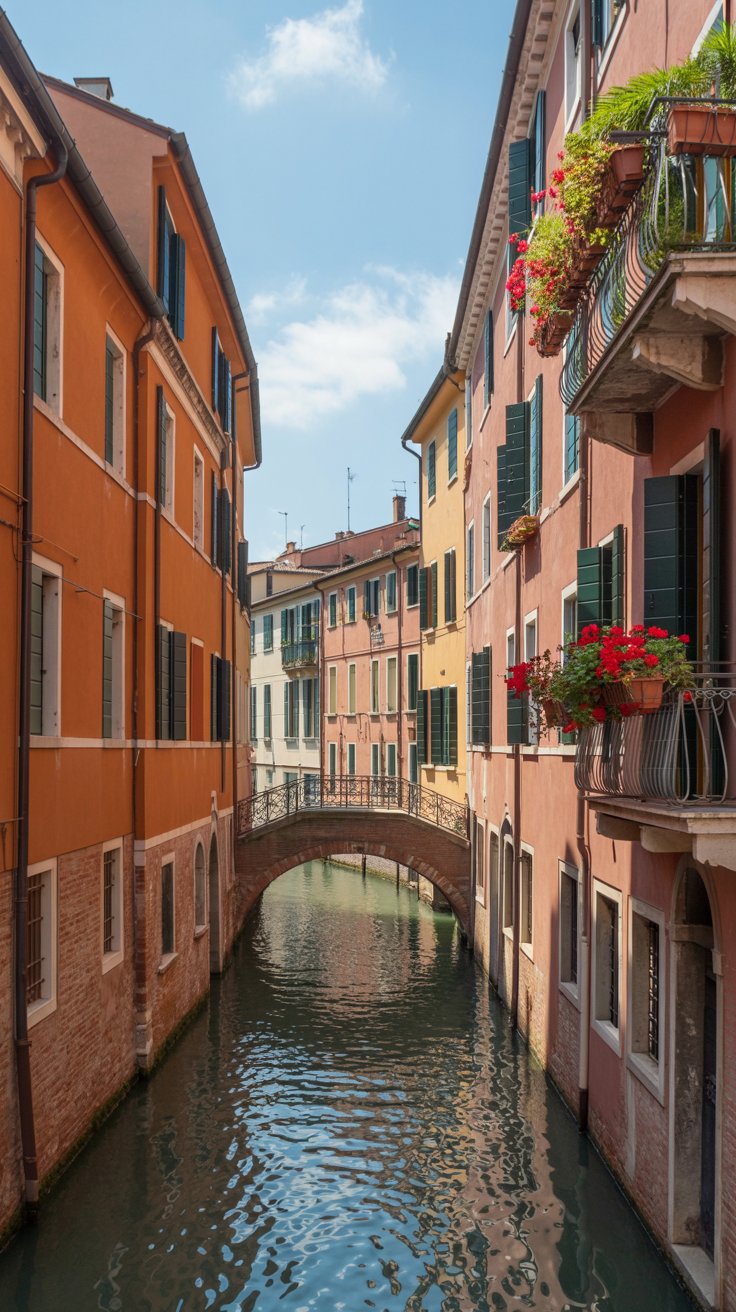
Livorno’s canal district, known as Venezia Nuova, is a quiet neighborhood of narrow waterways and pastel-colored buildings that feels worlds away from the busy port. It was designed in the 17th century and still retains much of its original layout. The canals aren’t as grand as Venice’s, but they’re peaceful and genuinely used by locals, which gives the area an authentic feel.
- Walkable and compact – you can cover the main canal streets in about 30-45 minutes at a relaxed pace
- Bridges and waterside paths – there are several small bridges crossing the canals, and the waterside walkways are pleasant for a slow wander
- Local life on display – you’ll see washing hanging from balconies, small boats tied up along the canals, and residents going about their daily routines
- Street art and murals – parts of the Venezia Nuova and nearby San Marco neighborhoods have contemporary murals and open-air art, which adds a modern layer to the historic setting
The canal quarter doesn’t have major tourist attractions, and that’s the point. It’s a place to stroll without a checklist, take photos of the reflections in the water, and appreciate a slice of Livorno that most cruise passengers miss entirely. If you’re after a change of pace from the typical port experience, this neighborhood delivers. Keep your belongings secure with an anti-theft backpack while you explore the quieter streets and bridges.
Mercato Centrale and Local Food Culture
The Mercato Centrale, also known as Mercato delle Vettovaglie, is the heart of Livorno’s food scene and sits in the historic center near Via Grande. It’s a covered market where locals shop for fresh produce, fish, cheese, and meat, and it also has small food stalls serving quick bites and snacks. The atmosphere is lively, authentic, and completely non-touristy.
- Morning hours are best – the market typically opens in the morning and runs into early afternoon, so plan your visit accordingly
- Fresh seafood on display – Livorno is a working fishing port, and the market reflects that with stands piled high with the day’s catch
- Cheap and tasty food stalls – you can grab focaccia, pasta dishes, or other local specialties for very reasonable prices
- Real local crowd – this is where Livorno residents do their shopping, not a sanitized market hall designed for tourists
The market is a short detour from the main waterfront circuit and gives you a genuine sense of daily life in the town. It’s also a great spot to pick up provisions if you’re staying in local accommodation or just want a snack before heading back to the ship. If you’re looking for more substantial meals or specific restaurant recommendations, you can find detailed information on where to eat near the Livorno cruise port that covers everything from quick bites to sit-down seafood spots.
The Four Moors Monument and Via Grande
The Monumento dei Quattro Mori is Livorno’s most recognizable monument and sits on the waterfront near the entrance to Via Grande. It’s a 17th-century bronze sculpture of four chained Moorish prisoners at the base of a statue of Grand Duke Ferdinando I. The monument is tied to Livorno’s naval history and its role in Mediterranean trade and conflict.
- Classic photo spot – the bronze statues are striking, and the harbor backdrop makes for a memorable image
- Free to view – it’s in a public square, so you can stop by at any time without entry fees
- Starting point for Via Grande – the monument sits at the beginning of Livorno’s main shopping and pedestrian street, which leads into the heart of the historic center
Via Grande itself is a broad boulevard lined with shops, cafés, and historic buildings. It’s not especially glamorous, but it’s a functional part of the town where you can grab a coffee, do a bit of window shopping, or just watch the flow of local life. The street connects the waterfront with the central market and the Duomo, making it a natural route for any walking tour of the town. If you’re planning to do a lot of walking, a good pair of comfortable walking shoes will make all the difference.
Livorno Cathedral and Central Landmarks
The Duomo di Livorno, officially the Cathedral of San Francesco, sits near Via Grande and is one of the town’s main religious buildings. The current structure was rebuilt after World War II bombing, so it doesn’t have the centuries-old interiors of some other Italian cathedrals, but it’s still worth a quick look if you’re passing through the area.
- Modern reconstruction – the post-war rebuild gives the cathedral a different feel from untouched historic churches
- Central location – it’s easy to include in a walking route through the historic center
- Free entry – you can step inside for a few minutes without any admission charge
Other central landmarks worth noting include the Fortezza Nuova, another historic fort that sits a bit further inland and is surrounded by a moat-like canal. It’s less visited than the Old Fortress but offers green spaces and a quiet spot to rest if you’ve been walking for a while. The town also has a botanical garden and natural history museum if you’re interested in a break from the waterfront and urban streets.
Optional Boat Tours of the Canals
Some local operators offer short boat tours through Livorno’s canals, departing from points near the central port area. These tours typically last 30-60 minutes and give you a different perspective on the Venezia Nuova district and the harbor. Times and availability vary depending on the season and sea conditions, so it’s worth checking on the day if you’re interested.
- Relaxed alternative to walking – if you’ve been on your feet all day, a boat tour lets you see the canals without additional walking
- Local commentary – many tours include a bit of history and context about the town’s development and maritime heritage
- Price and schedule vary – check with local operators or ask at the tourist information point near the port for current details
The boat tours aren’t essential, but they’re a nice option if you want to see the town from the water and you have time to spare. They’re particularly appealing if you’re visiting with family or older passengers who might find the walking routes tiring. Keep your phone protected from splashes with a waterproof phone pouch during the canal tour.
Practical Tips for Staying in the Port Area
If you’re spending time in Livorno rather than dashing off to Florence, a few practical considerations will make your day smoother. The port area is well set up for short visits, and the town itself is easy to handle without much planning.
- Walking is straightforward – the distance from the cruise terminal to the central sights is about 20-30 minutes on foot, and the route is easy to follow
- Port shuttle services – some cruise lines and local operators run shuttles to the city center if you prefer not to walk the full distance
- Markets operate on local schedules – plan to visit the Mercato Centrale in the morning or early afternoon to catch it at its busiest and best
- Cash is useful – smaller cafés and market stalls may not accept cards, so have some euros on hand
- Parking near the port – if you’re driving, several parking facilities near the port offer day rates and shuttle services to the terminal, including Parcheggio Moderno and other nearby options
Livorno isn’t a town that requires extensive preparation or advance bookings. You can show up, start walking, and adjust your plans as you go based on what catches your interest. Make sure to bring a European power adapter to keep your devices charged, and consider a portable charger with built-in cables for a full day of exploring. For a more comprehensive overview of the port itself and how to organize your time, the Livorno cruise ship port guide covers everything from terminal facilities to transport connections.
What You Won’t Find in Livorno
It’s worth being honest about what Livorno isn’t. The town doesn’t have world-famous museums, Renaissance palaces, or the kind of sights that make it onto postcards. If you’re expecting Florence-level art or Pisa-level landmarks, you’ll be disappointed. Livorno is a working port city with a more modest set of attractions.
That said, the lack of major tourist infrastructure is part of the appeal. You won’t spend your day queuing for tickets, fighting through crowds, or dodging hawkers selling selfie sticks. The pace is slower, the atmosphere is more relaxed, and you’re far more likely to interact with actual residents than with other cruise passengers. If that sounds appealing, Livorno delivers exactly what it promises.
Extend Your Stay in Livorno
If you’re considering spending a night or two in the area before or after your cruise, there are several accommodation options near the port and in the town center. Hotels in Livorno range from budget-friendly options to mid-range properties with comfortable rooms and easy access to the waterfront. Staying overnight gives you more time to explore at a relaxed pace, enjoy an evening meal at a local trattoria, and experience the town when the day-trippers have left.
The advantage of local accommodation is that you can see the town at different times of day – early morning when the market is just opening, late afternoon when the light softens along the Terrazza Mascagni, and evening when locals fill the cafés and restaurants. You also avoid the tight schedules that come with ship-based port calls, so you can adjust your plans based on weather, energy levels, or unexpected discoveries. The port area is well connected by train to other Tuscan destinations, so using Livorno as a base for a few days is entirely practical. Pack efficiently with compression packing cubes to maximize space in your carry-on luggage, and bring a hanging toiletry bag for easy organization in your hotel room.
Personal Experience
We decided to skip the typical Florence and Pisa day trips and actually explore Livorno itself, and it turned out to be such a relaxed choice. The port area has this wonderful seaside promenade where we grabbed coffee and watched the ferries come and go. The Terrazza Mascagni is right there – this gorgeous checkered platform stretching out along the water where locals jog, kids play, and everyone just seems to hang out. We wandered through the Venezia Nuova district with its peaceful canals and bridges, which felt like a quieter, less touristy version of Venice. The whole vibe was just easygoing Italian life without the cruise ship crowds you’d find at the major attractions.
The Mercato Centrale is absolutely worth visiting if you’re staying in town. It’s this bustling covered market packed with fresh produce, cheeses, and little food stalls where you can grab authentic local bites for barely anything. We had the best focaccia and watched fishmongers shouting their daily catches. There’s also the Fortezza Vecchia right near the port, which is free to walk around and gives you nice views of the harbor. Honestly, Livorno doesn’t try to be a postcard-perfect destination, and that’s exactly why it’s enjoyable – it’s just a real working port city with good food, interesting neighborhoods, and none of the usual tourist hassle. We spent hours walking and kept our valuables safe in an anti-theft messenger bag, which gave us peace of mind in the busier market areas.
Common Questions & FAQ
How far is the walk from the cruise terminal to the town center?
The walk from the Livorno cruise terminal to the central historic area is roughly 20-30 minutes at a comfortable pace. The route takes you past the Old Fortress and into the Via Grande area, and it’s straightforward to follow. If you prefer not to walk, port shuttle services and taxis are available, and some parking facilities near the port also offer shuttle connections. To prevent foot discomfort during the walk, consider using blister prevention products if you’re prone to soreness.
Is the Terrazza Mascagni worth visiting if I only have a few hours in port?
Yes, absolutely. The Terrazza Mascagni is right along the waterfront and easily accessible from the port area. It’s a lovely spot for a short stroll, a coffee break, or just sitting and watching the sea. You don’t need to spend hours there – even 20-30 minutes gives you a nice sense of the local atmosphere and some good photo opportunities.
Can I visit the Mercato Centrale on a Sunday?
Market hours vary, but many Italian food markets are quieter or closed on Sundays. The Mercato Centrale typically operates in the mornings through early afternoon on weekdays and Saturdays. If your ship is in port on a Sunday, check ahead or ask locally, but expect reduced activity compared to weekday mornings.
Are the canal boat tours worth doing?
The canal boat tours are a nice option if you want a different perspective on the town and prefer a seated, narrated experience over walking. They’re not essential, but they’re pleasant and particularly good if you’re visiting with older passengers or young children who might tire from walking. Check availability and times on the day, as schedules depend on weather and demand.
Is Livorno safe to walk around on your own?
Yes, Livorno is generally safe for tourists walking around the port area and central districts. It’s a working town with a mix of locals and visitors, and the main routes between the port, waterfront, and historic center are well-traveled. As with any port city, keep an eye on your belongings in busy areas like the market, but there’s no reason to feel unsafe during a daytime visit. For added security in your accommodation, a portable door lock provides extra peace of mind.
What’s the best time of day to visit Livorno if I want to avoid crowds?
Early morning is quietest, especially before other cruise passengers head into the town. Late afternoon and early evening are also good times – the light is softer, the Terrazza Mascagni and waterfront promenade are particularly scenic, and you’ll see more locals out and about as they finish work. Mid-morning to early afternoon tends to be busiest, especially when multiple ships are in port.
Can I get good seafood near the port?
Yes, Livorno is a fishing port, so fresh seafood is widely available. The Mercato Centrale has excellent fish stalls and small food counters serving seafood dishes. There are also trattorias and casual restaurants in the streets around Via Grande and the waterfront where you can find local seafood specialties like spaghetti alle vongole or fritto misto di mare.
Do I need to book anything in advance for a day in Livorno town?
No, you don’t need advance bookings for the main sights in Livorno itself. The waterfront, canals, fortress, and market are all open-access or free entry. If you want to do a canal boat tour, you can usually arrange that on the day by checking with local operators near the port. Livorno is very much a turn-up-and-explore kind of place.
“`