
Alaska dog sledding shore excursions offer cruise passengers unique opportunities to experience traditional mushing culture. Tours typically include meeting sled dogs, learning about Iditarod history, and riding through scenic wilderness areas. Available in ports like Juneau, Skagway, and Ketchikan, excursions range from glacier helicopter rides with mushing to kennel visits and wheeled sled demonstrations during summer months.
Quick Facts
| Detail | Information |
|---|---|
| Duration | 2-5 hours depending on tour type |
| Best Ports | Juneau, Skagway, Ketchikan |
| Price Range | $150-$600 per person |
| Season | May through September (cruise season) |
| Age Restrictions | Varies by operator, typically 5+ years |
| Physical Requirement | Minimal to moderate |
| Weather Dependency | High for helicopter tours, low for kennel visits |
Want to know more about planning your perfect Alaska shore excursions?
Types of Dog Sledding Excursions
Glacier Helicopter Dog Sledding
This is the premium option and honestly the most jaw-dropping experience you can book. You’ll board a helicopter for a scenic flight over glaciers and icefields before landing at a remote mushing camp on actual snow. These tours run throughout the summer because the high-elevation glaciers maintain their snow year-round. The helicopter tours combined with dog sledding represent the most expensive option but also deliver an experience you simply cannot replicate anywhere else.
Here’s what makes it special: you’re dog sledding on the same terrain mushers use for training their Iditarod teams. The contrast between the warm summer weather at sea level and standing on a glacier is remarkable. Most tours allow you to ride as a passenger in the sled while experienced mushers drive, though some operators let adventurous guests help guide under close supervision.
Wheeled Sled Demonstrations
When there’s no snow at lower elevations, working kennels adapt by using specially designed wheeled sleds or ATVs. While purists might think this sounds less authentic, the dogs don’t care whether they’re running on snow or gravel. They’re bred to pull and absolutely love it. These demonstrations typically happen at mushers’ home kennels where you’ll get a more intimate look at daily operations.
The advantage? These tours cost significantly less than helicopter options and still deliver plenty of interaction with the dogs. You’ll learn about breeding programs, training techniques, and the incredible logistics of running a kennel with dozens of athletes who each eat about 10,000 calories daily during racing season.
Kennel Visits and Educational Tours
Not every excursion includes an actual sled ride. Some focus entirely on meeting the dogs, touring the facilities, and learning from mushers about their lifestyle. These are excellent options if you’re traveling with young children, have mobility concerns, or simply want a more relaxed pace. The dogs are incredibly social and most kennels have puppies that need socializing, which means plenty of cuddle time.
What to Expect During Your Experience
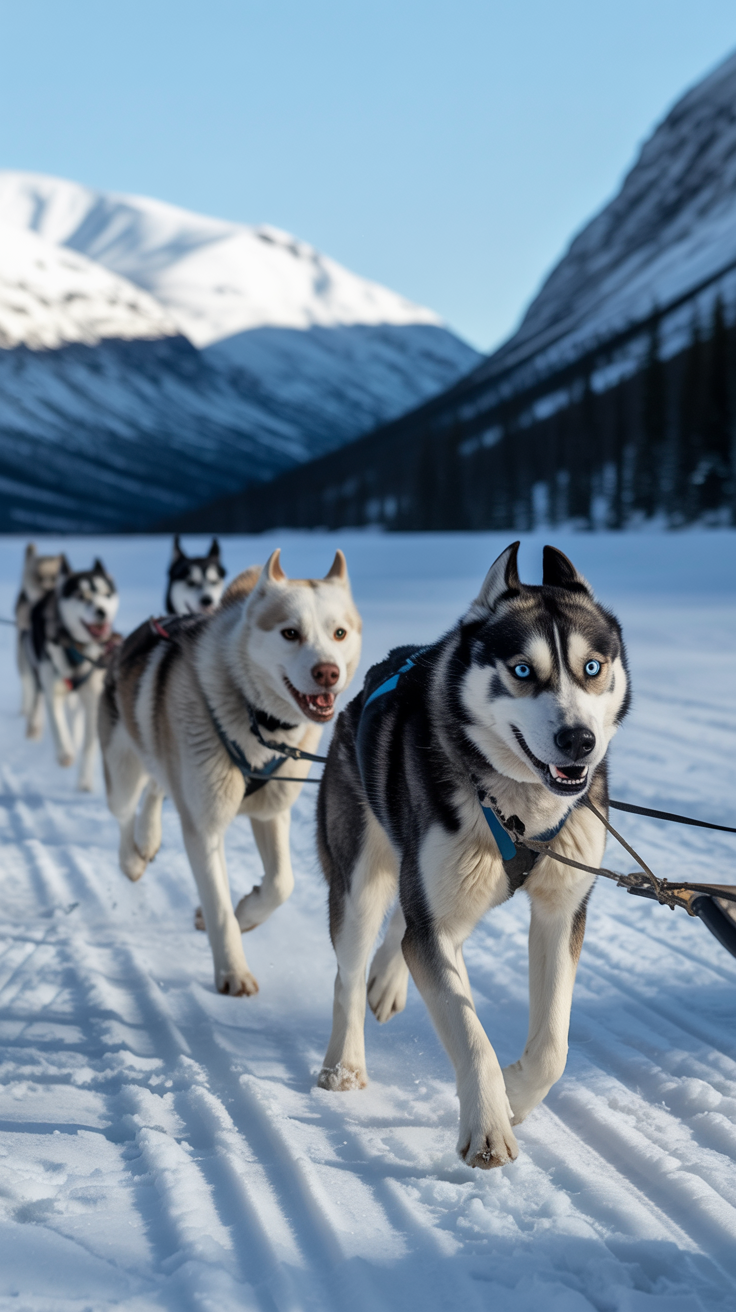
Most dog sledding shore excursions follow a similar structure regardless of which type you book:
- Transportation from port: Buses typically depart 15-30 minutes after your ship docks, and the drive to kennels ranges from 20 minutes to over an hour depending on location
- Safety briefing: You’ll learn proper sled etiquette, where to place your hands, and how to distribute your weight
- Meet the team: Guides introduce you to the dogs, explaining their personalities and roles within the team
- The ride: Actual sledding time varies from 15 minutes to over an hour
- Educational component: Most tours include presentations about Iditarod history, mushing culture, and dog care
- Photo opportunities: Expect lots of time with puppies and dogs for pictures
Choosing the Right Port for Dog Sledding
Juneau
The capital city offers the most diverse selection of dog sledding options. The best shore excursions in Juneau include glacier dog sledding via helicopter, which launches from the Juneau Icefield. Several champion mushers operate kennels in the area, giving you access to genuine racing operations. The Mendenhall Glacier provides a stunning backdrop for many tours.
Skagway
This historic Gold Rush town offers excellent dog sledding combined with incredible scenery. The most popular Skagway shore excursions often pair dog sledding with other activities since Skagway serves as a hub for multiple adventure options. The nearby Denver Glacier hosts summer dog sledding camps accessible by helicopter. You might consider combining your dog sledding with scenic railway excursions through White Pass.
Ketchikan
While less famous for dog sledding than Juneau or Skagway, Ketchikan still offers quality kennel tours and demonstrations. The advantage here is smaller group sizes and lower prices. You won’t get the glacier experience, but you’ll have more hands-on time with the dogs and mushers.
Booking Strategy and Timing
Dog sledding excursions sell out faster than almost any other Alaska shore excursion. Here’s your action plan:
- Book immediately when your cruise opens bookings: Popular dates fill up six months in advance
- Consider independent operators over cruise line offerings: You’ll often get smaller groups and lower prices, but read the shore excursion booking guide carefully regarding guarantees
- Check weather cancellation policies: Helicopter tours get cancelled for fog, low clouds, or high winds more often than you’d expect
- Morning vs afternoon matters: Earlier tours typically have better weather and calmer dogs (yes, they get tired too)
- Look for combination tours: Some operators bundle dog sledding with flightseeing tours or other activities
What to Wear and Bring
This trips up more people than you’d think. Even though you’re visiting during summer, you need to dress strategically:
- Layer up: Temperatures on glaciers hover around freezing even when it’s 70 degrees at sea level
- Waterproof outer layer: You might kneel in snow or sit in a slightly damp sled
- Sturdy footwear: Closed-toe shoes with good traction are essential, kennels can be muddy
- Gloves: Seriously, bring them even in July if you’re doing glacier sledding
- Sunglasses and sunscreen: Glacier reflection intensifies UV exposure dramatically
- Camera with wrist strap: You’ll want photos but need both hands free during the ride
- Cash for tips: Guides and mushers appreciate $20-40 per couple for excellent service
Understanding the Dogs and Ethics
Reputable operators treat their dogs as the valuable athletes they are. Here’s what separates quality operations from questionable ones:
- Dogs should appear enthusiastic: Healthy sled dogs bark, jump, and pull toward their harnesses when it’s time to run
- Living conditions matter: Modern kennels provide individual houses, clean water, and veterinary care
- Retirement plans: Ask what happens to dogs when they’re too old to race; good operations retire them as pets or keep them as ambassadors
- Breeding programs: Professional mushers carefully select breeding pairs for temperament and athleticism
- Summer care: These dogs are Arctic breeds and handle cold better than heat, so summer kennels should provide shade and cooling
The mushers you’ll meet are passionate about their teams. Most run a few hundred dogs through their programs over a lifetime and can tell you detailed stories about individual animals. This isn’t a petting zoo operation; it’s a legitimate athletic training facility that happens to welcome visitors.
Alternatives and Combinations
If you’re interested in dog sledding but want to diversify your Alaska experience, consider these pairings:
- Dog sledding and gold panning: Many Skagway tours combine mushing with authentic gold panning experiences
- Helicopter dog sledding and glacier hiking: Some premium tours add guided hiking on the glacier after your sled ride
- Kennel tour and fishing: Budget-friendly combination that pairs a kennel visit with salmon fishing excursions
- Cultural immersion package: A few operators connect dog sledding with broader Alaska Native cultural experiences
For families, dog sledding works well as part of a strategy for family-friendly shore excursions. Kids absolutely love the puppies, though very young children may find the sled ride itself less interesting than simply playing with dogs.
The Challenges Nobody Mentions
Let’s be honest about the potential downsides:
- It’s not a long ride: Even premium tours typically offer 15-30 minutes of actual sledding, which can feel short given the price tag
- Weather cancellations are common: Helicopter tours get scrubbed frequently, and refunds don’t compensate for missed experiences
- The dogs are working animals: If you’re expecting lap dogs, adjust your expectations; these are athletes with jobs
- It smells like a kennel: With dozens of dogs in one place, there’s a distinctive odor that bothers some people
- You’re mostly a passenger: Unless you book a specialized tour, you won’t actually mush the dogs yourself
- Crowds can be large: Cruise ship tours sometimes bring 40+ people to a kennel simultaneously
Bonus Tips
- Ask about musher credentials: Tours led by actual Iditarod or Yukon Quest competitors offer deeper insights than those run by seasonal guides
- Request position in the sled: If traveling as a couple, the rear position has better views but feels bumpier
- Bring hand warmers: Even with gloves, your fingers get cold on glaciers and those little packets make a huge difference
- Download photos immediately: Glacier environments can cause condensation that fogs cameras and phones
- Ask about adoption programs: Some kennels adopt out retired racers, and you might fall in love
- Book the earliest tour available: Dogs have more energy, weather is generally clearer, and you’ll have the rest of the day for other activities
- Verify weight limits: Some tours have 250-300 pound restrictions per person that aren’t clearly advertised
- Skip the kennel visit upgrade if short on time: On combination tours, the kennel portion is often less impressive than the actual sledding
- Bring motion sickness medication: Helicopter rides can be bumpy, and you don’t want to waste your glacier time feeling queasy
- Check if booties are provided: Some operators issue boot covers to keep snow out; bring waterproof boots if not
Alternative Adventures to Consider
Dog sledding isn’t the only thrilling option in Alaska. If you’re weighing multiple activities or want to round out your itinerary, explore these alternatives:
- ATV adventures through backcountry trails
- Sea kayaking among icebergs and wildlife
- Zipline adventures through temperate rainforest
Common Questions and FAQ
Can I mush the dogs myself or am I just a passenger?
Most tours position you as a passenger in the sled basket while an experienced musher drives. Some operators offer “musher for a day” programs where you can help control the sled under close supervision, but these cost significantly more and require advance booking. The liability and skill required to actually command a dog team means genuine mushing opportunities are rare on shore excursions.
What happens to the dogs when they’re not working?
During summer months when cruise ships visit, sled dogs maintain their fitness through regular training runs despite the warmer weather. They typically run in early morning or evening when temperatures drop. Kennels rotate dogs through work schedules so each team gets adequate rest. On their off days, dogs lounge in their houses, socialize, and receive veterinary checkups. These are working athletes with carefully managed training regimens similar to any professional sports team.
Are glacier dog sledding tours worth the extra cost over regular kennel visits?
That depends entirely on your budget and priorities. Glacier tours cost two to three times more than kennel visits but deliver an experience you cannot get anywhere else outside Alaska. If this is a once-in-a-lifetime trip and budget allows, the helicopter glacier experience is genuinely spectacular. However, if you’re more interested in learning about mushing culture and spending time with dogs, a kennel visit provides better value and more interaction time. There’s no wrong choice here.
How cold is it really on the glacier and what if I didn’t pack winter clothes?
Glacier temperatures typically range from 25-40 degrees Fahrenheit even during summer. Most tour operators provide parkas and boot covers if you’re unprepared, but call ahead to confirm. The bigger issue is wind chill when the sled is moving. You can manage with layered cruise casual wear plus the provided gear, but you’ll be more comfortable if you packed at least one warm fleece and gloves. Gift shops near cruise ports sell basic cold weather accessories if you arrive unprepared.
What’s the minimum age for dog sledding and is it actually appropriate for young kids?
Minimum ages vary by operator from 5 to 12 years old depending on the tour type. Helicopter glacier tours often have higher age minimums than kennel visits. The reality is that very young children often enjoy meeting the dogs more than the actual sled ride, which can be brief and anticlimactic for short attention spans. Children ages 8 and up typically appreciate the full experience. If traveling with toddlers or preschoolers, consider whether a shorter kennel tour might better suit your family than an expensive helicopter excursion.
Can tours be cancelled for weather and what happens to my booking?
Helicopter dog sledding tours get cancelled relatively frequently due to fog, low clouds, or high winds that make glacier landings unsafe. If your cruise line booked the tour, you’ll receive a full refund but no compensation for the missed experience. Independent operators have varying policies. Weather decisions usually happen the morning of your tour, which doesn’t leave time to book alternatives. This is the biggest risk with dog sledding excursions. Booking early in your cruise itinerary gives you potential backup days if you’re flexible.
Do sled dogs really enjoy pulling or is that just marketing?
This is perhaps the most common concern, and it’s valid to question. However, anyone who’s spent time around sled dogs will tell you these animals genuinely love to run. They’re bred specifically for this purpose over countless generations, similar to how border collies are bred to herd or retrievers to fetch. When harnesses come out, sled dogs bark excitedly, jump, and pull toward the gangline. Dogs who don’t want to run simply sit down, and mushers don’t force them. The enthusiasm isn’t trained behavior; it’s instinct. That said, ethical treatment still matters, which is why choosing reputable operators matters.
Personal Experience
Last summer, my family and I took the plunge and booked a dog sledding shore excursion during our Alaska cruise, and honestly, it was the highlight of our entire trip. We’d done plenty of research beforehand because the prices varied wildly between tour operators, and we wanted to make sure we picked one that treated the dogs well. We ended up choosing a smaller outfit run by mushers who actually compete in races, and it made all the difference. The moment we arrived at their camp, about forty huskies started howling with excitement, and our guide explained they genuinely love to run. Watching them leap and bark, practically begging to be harnessed, you could tell she wasn’t exaggerating.
The ride itself was incredible, but here’s something nobody mentions in the brochures: dress warmer than you think you need to, even in summer. We were moving fast enough that the wind cut right through our jackets. Our musher let us take turns standing on the runners, which was thrilling, and afterwards we got to cuddle with puppies while learning about the training process. If you’re considering this excursion, book early because the good tours fill up fast, especially during peak cruise season. Also, bring a good camera with a strap because you’ll want both hands free on the sled. The whole experience gave us such respect for these amazing athletes, both human and canine.