
Pack layers for unpredictable September Alaska cruise weather, including waterproof jacket, fleece or sweater, long pants, and comfortable walking shoes. Bring both casual daywear and smart-casual evening outfits for dining. Essential accessories include gloves, warm hat, scarf, and binoculars for wildlife viewing. Temperature ranges from cool to cold with frequent rain possible.
Quick Facts: September Alaska Cruise Packing
| Category | What You Need |
|---|---|
| Average Temperature | 40-55°F (4-13°C) |
| Rain Probability | High – expect 15-20 rainy days |
| Daylight Hours | Approximately 13-14 hours |
| Packing Priority | Layering system over heavy coats |
| Dress Code | Smart-casual evenings, outdoor gear for excursions |
Want to know more about Alaska cruise outfit planning and style guides?
Why September Alaska Cruises Are Different
September sits at that fascinating intersection between summer cruise season and autumn. You’re catching the tail end of Alaska’s tourist rush, which means better deals and fewer crowds, but you’re also dealing with more unpredictable weather. The temperatures drop noticeably compared to peak summer months, and rainfall increases substantially. This isn’t your typical July Alaska cruise outfit scenario where you might get away with lighter layers.
Here’s the kicker though: September offers something magical that earlier months don’t. You might catch early northern lights displays, the fall colors start showing up in the landscape, and wildlife becomes more active as animals prepare for winter. Bears are particularly motivated during salmon runs, making for spectacular viewing opportunities. But all this natural wonder comes with a weather tax – you need to dress properly to enjoy it.
The Layering System That Actually Works
Forget packing one perfect outfit. September Alaska demands a strategic layering approach that lets you adapt throughout the day. Think of your clothing as a modular system where each piece serves a specific purpose.
Base Layer
- Moisture-wicking long-sleeve shirts (synthetic or merino wool)
- Thermal leggings or long underwear for particularly cold days
- Skip cotton – it holds moisture and will leave you shivering
Mid Layer
- Fleece jacket or pullover for insulation
- Lightweight down or synthetic puffer vest
- Wool or fleece sweater for evening wear
Outer Layer
- Waterproof jacket with hood (not water-resistant – actually waterproof)
- Windproof shell that can fit over other layers
- Consider a jacket with pit zips for temperature regulation
The Bottom Half Matters Too
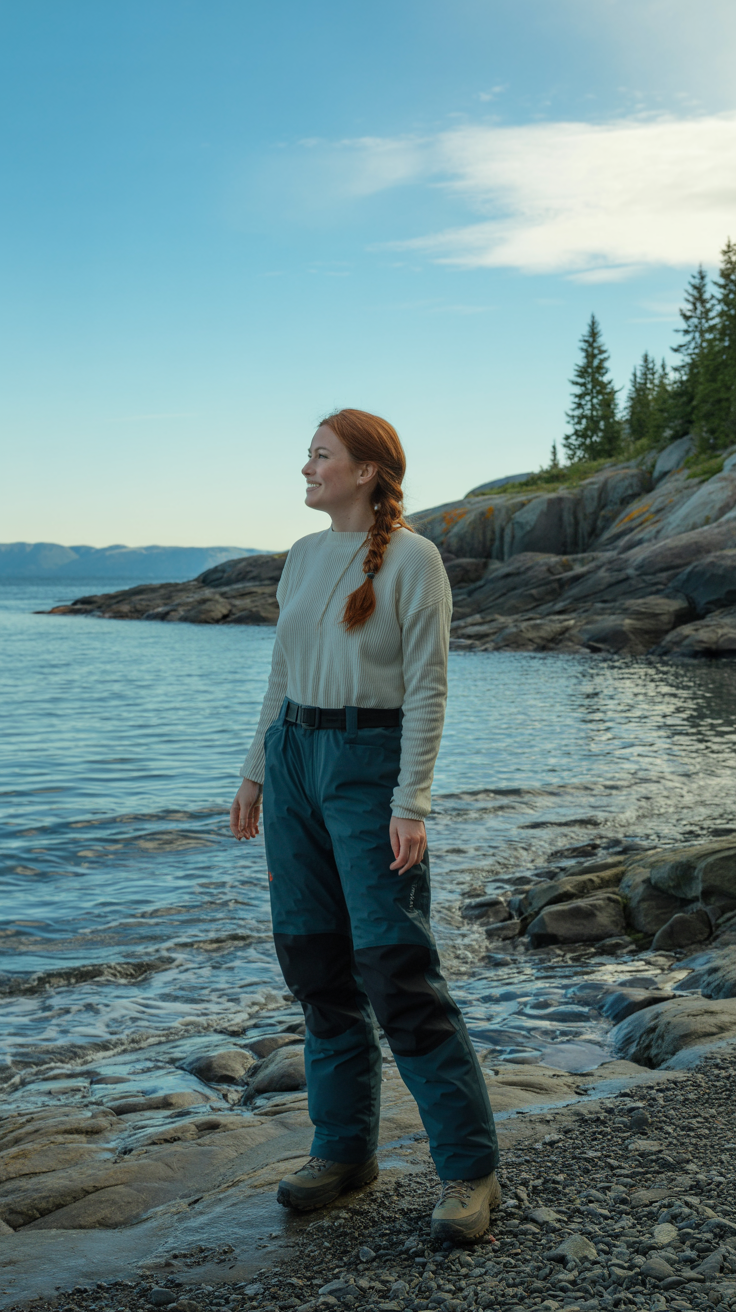
Most packing guides obsess over jackets and forget that cold, wet legs make for miserable excursions. You need pants that can handle both the ship’s climate-controlled interior and the raw conditions outside.
- Two pairs of comfortable long pants (jeans work but take forever to dry)
- Quick-dry hiking pants or travel pants with zip-off legs
- Waterproof rain pants for serious excursions like glacier hiking
- Avoid leggings as your only option – they’re fine as a base but need an outer layer
For women’s Alaska cruise outfits, consider pants with a bit of stretch for comfort during long excursions. For men’s Alaska cruise outfits, focus on practical durability over fashion – this isn’t the trip for your crisp khakis.
Footwear Strategy
This is where people either nail it or suffer for seven days straight. You need multiple shoe options because your feet will face dramatically different conditions.
- Waterproof hiking boots or trail shoes: Essential for shore excursions involving walking on wet surfaces, muddy trails, or rocky beaches
- Comfortable walking shoes or sneakers: For onboard wear and easy port days
- Casual shoes for evening dining: Smart-casual footwear that cleans up nicely
- Warm socks: Wool or synthetic blend, multiple pairs
Pro tip: Break in new hiking boots before your trip. Discovering blisters while exploring Juneau is a special kind of torture.
Accessories That Earn Their Luggage Space
These small items make an outsized difference in your comfort level during September Alaska cruises.
- Warm beanie or knit hat: You lose significant heat through your head, especially in wind
- Gloves: Not ski gloves – thin, packable gloves you can wear while operating your camera
- Scarf or neck gaiter: Surprisingly effective at blocking wind chill
- Sunglasses: Yes, even with clouds – glacier glare is real
- Small backpack or daypack: For carrying shed layers and essentials during excursions
- Binoculars: The difference between “I think I see something” and “that’s a humpback whale breaching”
Evening Wear Without Overdoing It
Alaska cruises maintain a relaxed atmosphere compared to Caribbean routes, but you still want appropriate evening attire. Most ships have smart-casual dress codes for main dining rooms.
- One or two smart-casual outfits for dinner
- Nicer pants or a casual dress paired with a cardigan
- Collared shirt or blouse works for most evening venues
- Leave the cocktail dresses and suits at home unless there’s a formal night
The beauty of September is that you can transition a fleece pullover or nice sweater from daytime excursions to evening wear. This is not the cruise for extensive outfit changes.
What to Skip (Save That Luggage Space)
Some items sound reasonable but end up being dead weight in your suitcase.
- Shorts and tank tops (unless you’re a polar bear)
- Heavy winter parkas (layering works better than one massive coat)
- Formal wear beyond smart-casual
- Multiple pairs of shoes beyond the essentials
- Umbrellas (too windy – stick with a hooded jacket)
Bonus Tips That Cruise Veterans Know
- Pack a small dry bag for electronics and valuables during rainy excursions
- Bring hand warmers for glacier viewing – your fingers will thank you
- Pack motion sickness medication even if you don’t usually need it – September seas can be rougher
- Consider silk or synthetic long underwear that dries overnight in your cabin
- Bring a refillable water bottle with insulation to keep drinks warm during cold excursions
- Pack zip-lock bags for wet clothes and muddy shoes after excursions
- Download offline maps of ports since cell service is spotty
- Bring a portable phone charger – cold weather drains batteries faster
- Pack one nice outfit in your carry-on in case checked luggage is delayed
- Consider a waterproof phone case for glacier and whale watching opportunities
Comparing September to Other Months
Understanding how September differs from peak season helps you pack smarter. If you’ve researched May Alaska cruise outfits, June Alaska cruise outfits, or August Alaska cruise outfits, you’ll notice September requires more cold-weather preparation. The temperatures drop 10-15 degrees compared to July and August, and rainfall increases significantly.
Check out our comprehensive Alaska cruise packing guide for more detailed information about planning your trip, and explore when to cruise Alaska to understand seasonal differences.
Shopping Onboard and in Port
Forgot something critical? Don’t panic. Most cruise ships have shops selling basic cold-weather gear, though prices run high. Port cities like Juneau, Ketchikan, and Skagway have outdoor outfitters where you can pick up missing items. That said, this isn’t a backup plan – proper packing beats emergency shopping every time.
Mix and Match: Sample Packing List
Here’s a practical seven-day packing list that provides versatility without overpacking:
| Category | Quantity | Items |
|---|---|---|
| Base Layers | 3-4 | Long-sleeve moisture-wicking shirts |
| Mid Layers | 2 | Fleece jacket, sweater or vest |
| Outer Layer | 1 | Waterproof jacket with hood |
| Pants | 2-3 | Quick-dry pants, jeans, rain pants |
| Footwear | 3 | Hiking boots, sneakers, casual shoes |
| Evening Wear | 2 | Smart-casual dinner outfits |
| Accessories | As needed | Hat, gloves, scarf, sunglasses, backpack |
For more Alaska cruise outfit ideas and inspiration, check out our detailed style guides.
Common Questions and FAQ
Can I do laundry on the ship to pack lighter?
Most cruise ships offer laundry services (paid) or self-service laundromats. This lets you pack fewer items and rewear favorites. Quick-dry fabrics work especially well with this strategy since you can hand-wash items in your cabin sink and have them dry overnight.
Will I look out of place wearing full outdoor gear in port towns?
Absolutely not. Port towns in Alaska are filled with cruise passengers in similar gear. Locals expect it and dress similarly themselves. Function over fashion is the Alaska way.
How cold does it feel with wind chill on deck?
Wind chill can make 50°F feel like 40°F or lower, especially when the ship is moving through fjords or near glaciers. The combination of moisture, wind, and cooler temperatures creates conditions that penetrate inadequate clothing quickly. Always have your windproof layer accessible.
Should I pack differently for Inside Passage versus Gulf of Alaska routes?
Gulf of Alaska routes can experience rougher seas and more exposed conditions, so prioritize wind-resistant outerwear. Inside Passage routes offer more protection but rain is still frequent. Both require the same basic layering system, though Gulf routes might warrant an extra warm layer.
What if I tend to run hot or cold compared to average?
If you run hot, focus on breathable mid-layers with good ventilation options like pit zips. If you run cold, add thermal underwear to your base layer and consider a puffer jacket as your mid-layer. The layering system adapts to individual comfort needs.
Are there any fabrics I should specifically avoid?
Avoid cotton as your primary layer since it absorbs moisture and loses insulating properties when wet. Also skip anything that requires special care or dry cleaning – you’ll be in close quarters with limited clothing maintenance options.
Personal Experience
Last September, I spent a week cruising through Alaska’s Inside Passage, and let me tell you – the weather threw everything at us. One morning we’d be bundled up in fleece watching glaciers calve in 45-degree drizzle, and by afternoon the sun would break through and we’d be peeling off layers on deck. I quickly learned that packing for an Alaska cruise is all about versatility. My go-to outfit became a moisture-wicking base layer, a cozy fleece or sweater, and a waterproof jacket that could handle both rain and wind. I also packed a warm beanie and gloves that I could stuff in my pockets – absolutely essential for those early morning whale watching sessions when the spray from the ocean added an extra chill.
The smartest thing I did was bring clothes I could mix and match easily. A couple pairs of comfortable pants (one quick-dry, one warmer), several long-sleeve shirts, and a puffer vest gave me endless combinations. For excursions, waterproof hiking boots were worth their weight in gold, though I also appreciated having sneakers for casual evenings. Don’t forget a small backpack for day trips – you’ll want something to carry your extra layers, because you’ll definitely be adding and removing them throughout the day. The key is thinking in layers rather than single outfits, since September weather in Alaska doesn’t follow anyone’s rules.