
Calvi is a picturesque port town on Corsica’s northwest coast, featuring a historic citadel, scenic harbor, and sandy beaches. Cruise ships anchor offshore with passengers tendered to the marina. The compact town center, citadel ramparts, and waterfront restaurants are within walking distance. The port offers easy access to Corsica’s mountainous interior and coastal attractions.
Quick Port Facts
| Fact | Detail |
|---|---|
| Port Name | Port de Calvi, Quai Landry |
| Docking | Tender service from anchor to marina |
| Distance to Town | Walking distance (10 minutes) |
| Currency | Euro (EUR) |
| Language | French, English widely spoken in tourist areas |
| Best For | Historic citadel, beaches, Corsican cuisine |
| Typical Port Hours | 8am-6pm (varies by cruise line) |
Want to know more about other cruise ports in Corsica including Bastia, Ajaccio, and Bonifacio?
Calvi Map with Attractions
Map shows cruise tender drop-off point at the marina and main attractions within walking distance, including the citadel, beaches, and waterfront dining areas.
Can You Walk to Town from the Port?
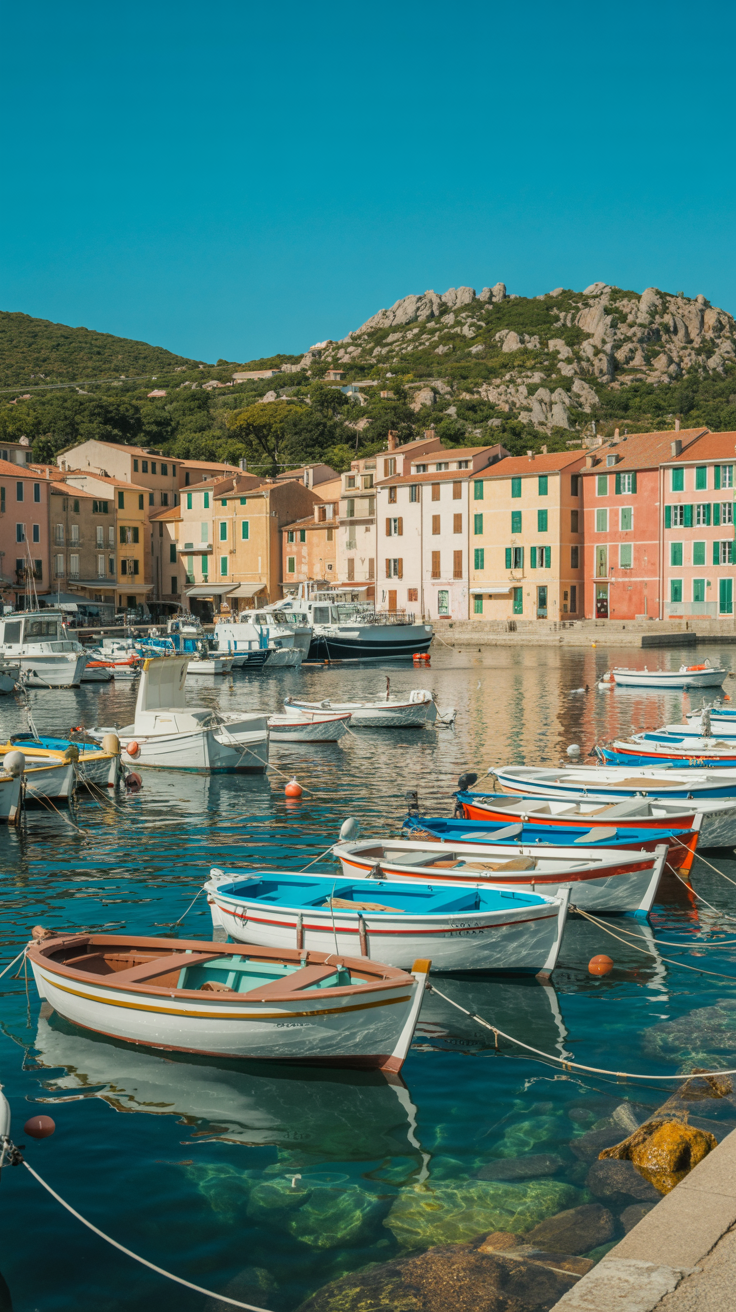
Cruise ships anchor in the bay and tender passengers to the marina at Quai Landry. This is the only way cruise passengers arrive in Calvi – there’s no alternative cruise dock. The tender drops you directly in the heart of town, making Calvi one of the easiest Mediterranean ports to explore independently.
- Distance: You’re essentially already there. The tender pier sits right on the marina, with the lower town immediately in front of you and the citadel visible on the hill. It’s roughly 10 minutes on foot to reach the citadel entrance, less to reach waterfront cafés and shops.
- Terrain: The lower town (Ville Basse) along the harbor is completely flat and easy to navigate. The route up to the citadel involves a steady climb on cobbled streets with some uneven surfaces and steps. The ramparts themselves are accessible but have narrow passages. Wheelchair users will find the marina and lower town manageable, but the citadel presents significant challenges. A good pair of comfortable walking shoes is essential for the cobblestones.
- Weather: Summer heat can be intense, particularly on the climb to the citadel where there’s limited shade. The stone streets reflect heat, so bring water and sunscreen. The waterfront promenade has shaded sections under trees and building overhangs. Spring and autumn offer more comfortable walking temperatures.
- Safety: Calvi is a safe port with low crime rates. The walk from the tender to all main attractions follows well-maintained, busy routes. The citadel area is quieter but still perfectly safe during daylight hours.
- Bottom line: Walking is not just practical – it’s the obvious choice. You step off the tender and you’re already in town. No transport needed unless you want to visit beaches or attractions further along the coast.
How to Get Around from Calvi Port & Shore Transportation
Most cruise passengers won’t need any transport beyond their own feet, but several options exist for beaches and attractions beyond the immediate town center.
Walking
- The primary way to explore Calvi. Everything in the town center, including the citadel, cathedral, marina, and lower town shops, is within a 15-minute walk of the tender drop-off.
- The waterfront promenade connects the marina to the main beach (Plage de Calvi) in about 15 minutes along a flat, scenic path.
- For Notre Dame de la Serra chapel, it’s a 3km uphill walk – doable but steep. Allow 45 minutes each way if you’re reasonably fit.
Taxis
- Taxis wait near the marina and tender area. Fares are typically fixed for common routes.
- Expect to pay around €15-20 for nearby beaches like Plage de l’Arinella or Plage de l’Oscelluccia.
- For Notre Dame de la Serra, a taxi costs roughly €15 one way. Many drivers will wait for you and bring you back for an agreed total price.
- Always confirm the fare before getting in, as meters aren’t always used for short tourist journeys.
Local Train
- Calvi’s train station sits about 500m from the port (10-minute walk).
- The narrow-gauge coastal railway connects Calvi to Bastia and inland to Corte, with spectacular mountain and coastal scenery.
- This is a brilliant option if you’ve visited Calvi before and want to see more of Corsica’s interior, but it’s not practical for first-time visitors with limited port time.
- Journey to Bastia takes around 3 hours, so only consider this if you have 8+ hours in port.
Port Shuttle
- Some cruise lines offer a complimentary or low-cost shuttle between the tender pier and the citadel entrance, but honestly, it’s such a short walk that most passengers skip it.
- Check your ship’s daily program to see if a shuttle operates and whether it’s worth the wait versus just walking.
Rental Bikes and Scooters
- A few rental shops operate near the marina, offering bikes and scooters for independent exploration.
- Useful if you want to cover more beaches along the coast or visit L’Île-Rousse (about 25km away).
- Make sure you have adequate time in port and factor in return time with a buffer – getting stranded is not worth the risk.
What to See Within Walking Distance from the Port
Calvi packs a lot into a small area, and pretty much everything worth seeing is within a 20-minute walk of where your tender drops you off.
- Citadel of Calvi: The star attraction. This 13th-century fortress sits on a rocky promontory overlooking the bay, with massive ramparts, narrow cobbled lanes, and genuinely stunning views across the town and coastline. Entry to the ramparts is free, and you can spend a good hour wandering the fortifications and peering into the atmospheric lanes. The climb from the lower town takes about 10 minutes on stepped, cobbled streets. (10-minute walk from tender, uphill on cobbles and steps)
- Saint-Jean-Baptiste Cathedral: Tucked inside the citadel walls, this baroque cathedral dates from the 13th century and houses a miracle-working crucifix that supposedly saved Calvi from Ottoman attack. It’s small but atmospheric, with ornate interior details. Free entry. (Inside the citadel, 12-minute walk from tender)
- Lower Town (Ville Basse): The flat, bustling streets between the marina and citadel. This is where locals actually live and shop, with bakeries selling fiadone (Corsican cheesecake), small grocers with local cheeses and charcuterie, and cafés serving proper espresso. It’s not a formal attraction, but wandering these lanes gives you a genuine sense of Corsican daily life. (Immediately adjacent to tender drop-off)
- Quai Landry and Marina: The waterfront promenade lined with restaurants, gelato stands, and boats bobbing in the harbor. It’s lovely for a post-citadel stroll or a pre-ship drink. The views back toward the citadel from here are postcard-perfect. (Right at the tender pier)
- Plage de Calvi: A long sandy beach stretching south from the marina. It’s convenient and clean, with shallow water good for a quick dip. The section nearest the port gets busy with cruise passengers, but walk 10 minutes further and it thins out. There are beach clubs with sunbeds and cafés, or you can just spread a towel on the sand. Bring a quick-dry beach towel if you’re planning to swim and continue sightseeing afterward. (15-minute walk from tender along flat waterfront path)
- Place Paoli: A small square in the lower town that sometimes hosts a local market (typically Wednesday and Friday mornings, but check locally). Even without the market, it’s a pleasant spot with cafés and a slice of local atmosphere. (5-minute walk from tender)
- Notre Dame de la Serra: A hilltop chapel about 3km from the port, offering panoramic views over Calvi, the bay, and the surrounding mountains. The walk is steep and takes 45 minutes, but the views reward the effort. If you’re short on time or not keen on a serious uphill trek, the citadel ramparts offer similarly impressive views without the hike. (3km walk, steep incline, or €15 taxi one way)
Must See Attractions in Calvi for a One Day Cruise Visit
With limited time, focus on what makes Calvi special – its fortress, its Corsican character, and its coastal setting. You don’t need to rush everywhere; pick two or three things and do them properly.
Citadel of Calvi
- What it is: A remarkably well-preserved 13th-century Genoese fortress perched on a granite outcrop above the harbor. The ramparts, watchtowers, and narrow lanes inside the walls create an atmospheric maze that feels genuinely historic rather than polished for tourists.
- Why it matters: This is Calvi’s defining feature and the reason cruise ships call here. The views from the ramparts are spectacular, taking in the bay, the mountains inland, and the town below. Walking the fortifications gives you a real sense of Calvi’s strategic importance and turbulent history.
- Time needed: Allow 60-90 minutes to walk the ramparts, explore the lanes, and visit the cathedral inside. There are no queues or tickets – you just walk in and start exploring. The climb from the lower town takes 10 minutes.
- Practical tips: Entry is free. Wear comfortable shoes with grip – the cobbles and steps can be slippery. Go early morning or late afternoon to avoid midday heat and cruise ship crowds. The best photo spot is from the ramparts looking back toward the harbor. There’s minimal signage inside, so just wander and follow the walls around. No specific dress code, but shoulders and knees should be covered if you enter the cathedral.
Corsican Food Tasting in the Lower Town
- What it is: Calvi’s lower town has proper local bakeries, charcuterie shops, and cheese vendors selling Corsican specialties. This isn’t a formal attraction but an experience – buying and tasting products you won’t find outside Corsica.
- Why it matters: Corsican food is distinct from French or Italian cuisine, with chestnut-based products, wild boar charcuterie, and sheep’s-milk cheeses like brocciu. Tasting these products from small family-run shops gives you insight into Corsican culture that you won’t get from waterfront tourist restaurants.
- Time needed: 30-45 minutes to visit 2-3 shops, chat with owners, and sample products. You can buy items to take back to the ship or enjoy immediately with some fresh bread.
- Practical tips: Look for shops away from the immediate waterfront – walk one or two streets inland and you’ll find places where locals shop. Ask to try before buying; most shopkeepers are happy to let you taste cheese or charcuterie. Fiadone (a lemon-scented cheesecake made with brocciu) is available in bakeries and makes a great snack. Cash is preferred in smaller shops, though most accept cards. Prices are reasonable – expect €8-12 for good-quality charcuterie or cheese.
Beach Time at Plage de Calvi or Nearby Coves
- What it is: Calvi’s main beach stretches for several kilometers along a sandy bay with clear turquoise water. Alternatively, smaller beaches like Plage de l’Arinella (10 minutes by taxi) offer quieter settings.
- Why it matters: Corsica is famous for its beaches, and Calvi offers easy access to excellent swimming without needing a full-day excursion. The water is clean and warm from June through September.
- Time needed: Allow at least 90 minutes if you want to actually swim and relax. A quick walk along the beach takes 20 minutes.
- Practical tips: The section of Plage de Calvi nearest the marina is convenient but gets crowded. Walk 15 minutes south along the beach for more space. Beach clubs rent sunbeds and umbrellas for around €15-20 for the day, or bring a towel and find free sand. Plage de l’Arinella, accessible by taxi (€15-20 return), has white sand and fewer crowds – worth it if you’re serious about beach time. Water shoes aren’t necessary; the sand is fine and there are no rocks or urchins near shore. Public toilets and showers are available at several points along Plage de Calvi.
Notre Dame de la Serra
- What it is: A small chapel sitting on a hill 3km from town, with sweeping views over the entire bay, the citadel, and the mountains behind Calvi.
- Why it matters: If the citadel views impressed you, these are even better. The chapel itself is simple, but the setting is dramatic – you can see for miles along the coast and inland to the mountains.
- Time needed: 45 minutes each way on foot (steep uphill walk), or 15 minutes by taxi. Allow 20 minutes at the top to take in the views and visit the chapel. Total time: 2 hours walking, or 45 minutes with a taxi.
- Practical tips: Most cruise passengers don’t make it up here due to the walk, so it’s quiet even when the town is busy. A taxi costs around €15 one way; many drivers will wait for you and bring you back for €30 total. If you walk, bring water and wear a hat – there’s almost no shade on the route. The chapel is open and free, but the real attraction is the panorama. Best light for photos is late afternoon. Not accessible for wheelchair users or anyone with serious mobility issues.
Local Market at Halle Couverte
- What it is: A covered market hall near the port where local vendors sell fresh produce, cheese, charcuterie, honey, and Corsican specialties.
- Why it matters: It’s a genuine local market, not a tourist trap, and gives you a slice of Corsican daily life. The quality of products is excellent, and vendors often offer samples.
- Time needed: 20-30 minutes to browse. If you’re buying products to take back, allow a bit longer.
- Practical tips: The market operates most mornings but is liveliest Wednesday and Friday. Get there before 11am for the best selection. Vendors speak limited English, but pointing and smiling works fine. Honey, chestnut flour, and dried Corsican herbs make excellent lightweight souvenirs. Prices are clearly marked and fair – this isn’t a haggling environment. Cash is preferred for small purchases.
Port Day Itinerary: Things to Do in 8 Hours
Here’s a realistic schedule that fits a typical 8am-5pm port day in Calvi, assuming your ship tenders passengers from around 8:30am with an all-aboard time of 5pm.
- 8:30am-9:00am | Tender Ashore and First Walk: Step off the tender at Quai Landry and take 10 minutes to orient yourself. The citadel is visible on the hill; the marina stretches out in front of you. Grab a coffee at one of the waterfront cafés if you didn’t eat breakfast on the ship. The morning light on the citadel is beautiful for photos.
- 9:00am-10:30am | Citadel Exploration: Walk up to the citadel entrance (10 minutes, cobbled streets, steady incline). Spend an hour wandering the ramparts, exploring the lanes inside the walls, and visiting Saint-Jean-Baptiste Cathedral. The morning timing means you’ll beat the main crowds and avoid the heat. Take your time – there’s no rush yet, and the views are the kind you’ll want to savor.
- 10:30am-11:15am | Lower Town and Market: Walk back down to the lower town and head to Halle Couverte market or browse the small shops on the backstreets. Look for a bakery and buy some fiadone or chestnut cake. Pop into a cheese shop and sample local varieties – brocciu is a must-try. This is your chance to interact with locals and buy authentic products.
- 11:15am-12:00pm | Beach Walk or Relax: Stroll along Plage de Calvi. You don’t need to swim yet if you’re not in the mood – just walk the waterfront path, feel the sand underfoot, and enjoy the bay views. If you prefer, sit at a beach café with a cold drink and watch the water.
- 12:00pm-1:30pm | Lunch: Head back toward the lower town, but avoid the prime waterfront spots on Quai Landry (overpriced and touristy). Walk one street inland and find places where locals eat – look for chalkboard menus in French and tables filled with Corsican families. Try grilled fish, wild boar stew, or a Corsican charcuterie platter. Budget €20-30 per person for a proper sit-down meal with wine. U Fanale and similar spots away from the marina offer much better value and quality.
- 1:30pm-3:00pm | Beach Time or Taxi to Better Beach: If you’re happy with Plage de Calvi, head back for a swim – the water is perfect by early afternoon. If you want something quieter and prettier, grab a taxi to Plage de l’Arinella (€15-20 return, arrange a pickup time with the driver). Swim, sunbathe, and properly relax. Pack your essentials in a waterproof beach bag and keep your valuables secure with a waterproof phone pouch. This is your downtime after a morning of walking and sightseeing.
- 3:00pm-4:00pm | Final Wander and Shopping: Back in town, do any last-minute shopping or revisit a favorite spot. The lower town shops are good for Corsican honey, local spirits like Cap Corse, or small handicrafts. If you didn’t get fiadone earlier, now’s the time. Sit for a final coffee or gelato at the marina and soak in the atmosphere.
- 4:00pm-4:30pm | Return to Ship: Walk back to the tender pier and join the queue. Expect a short wait for the tender, especially in the final hour before all-aboard. You’ll have a 30-minute buffer before the 5pm deadline, which is sensible – tender services can slow down when everyone returns at once.
This timing works comfortably without rushing, includes a proper meal and beach time, and gets you back with plenty of margin. If your port day is shorter or longer, adjust the beach time accordingly.
Where to Eat Near the Port
Calvi’s food scene splits between waterfront tourist traps and genuine Corsican eateries tucked into the backstreets. The difference in quality and price is significant, so it’s worth walking an extra two minutes to find the real thing.
- Quai Landry waterfront restaurants: These line the marina with tables facing the water and boats. The location is unbeatable, but you’ll pay heavily for the view and the food is often mediocre. Expect €18-25 for a main course, €8-12 for a salad. If you just want a drink with a view, fine – but don’t plan your main meal here. The restaurants are interchangeable, with nearly identical menus of seafood pasta, pizza, and grilled fish. Service can be rushed when cruise ships are in.
- Lower town backstreet restaurants (one or two streets inland from the marina): This is where you want to eat. Look for small places with handwritten menus in French, Corsican families eating lunch, and no harbor view. These spots serve authentic Corsican dishes – wild boar stew (civet de sanglier), veal with olives, charcuterie platters with prisuttu and coppa, and fresh fish grilled simply with local herbs. Prices drop to €15-20 for mains, and the quality jumps. U Fanale is frequently recommended by locals, as are a handful of unnamed spots near Place Paoli. Ask your taxi driver or a shopkeeper for their recommendation – they won’t steer you wrong.
- Corsican charcuterie and cheese: Available at markets, specialist shops, and some restaurants as platters. Corsican charcuterie uses local pork or wild boar, often cured with herbs from the maquis (the island’s scrubby vegetation). Prisuttu is the local prosciutto, coppa is a cured shoulder, and lonzu is air-dried pork loin. Pair it with brocciu cheese (fresh sheep’s milk cheese, mild and creamy) and some local bread. A good platter costs €12-18 and easily serves two as a light lunch or snack.
- Fiadone and Corsican desserts: Fiadone is a lemon-scented cheesecake made with brocciu and served in slices at bakeries and cafés. It’s light, tangy, and genuinely delicious. Look for it in bakeries in the lower town – a slice costs €3-4. Canistrelli are Corsican biscuits flavored with anise, lemon, or chestnut, perfect with coffee.
- Quick options near the port: Bakeries and panini shops are scattered through the lower town. A freshly made sandwich with local ham or cheese costs €5-7 and is perfect if you’d rather spend your time on the beach or at the citadel than sitting in a restaurant. Pizza slices are available at a few takeaway spots for €4-6.
- Food safety: Corsica has excellent food hygiene standards. Tap water is safe to drink, though most locals and restaurants serve bottled water. Street food and market stalls are trustworthy. Shellfish and seafood are fresh and handled properly. No particular concerns here – eat where locals eat and you’ll be fine.
Shopping: What to Buy & Where to Go
Calvi isn’t a shopping destination in the duty-free or luxury boutique sense, but it offers genuinely excellent local products that you can’t easily find outside Corsica. If you’re after Corsican food, crafts, or regional specialties, you’re in the right place.
What to Buy
- Corsican honey: The island’s maquis vegetation (wild herbs, thyme, rosemary, myrtle) produces intensely flavored honey that tastes like the landscape. Miel de maquis is the most prized variety, with dark amber color and complex herbal notes. A 250g jar costs €8-12 at markets or specialist shops. It’s lightweight, keeps well, and makes an excellent gift. Look for labels indicating Corsican origin – mainland French honey is sometimes passed off as local.
- Charcuterie (prisuttu, coppa, lonzu): Corsican cured meats are exceptional, made from local pork or wild boar that feeds on chestnuts and acorns. The flavor is more intense and gamey than Italian prosciutto. You can buy vacuum-packed versions that travel well. Prices range from €20-35 per kilo, but you can buy smaller amounts. Check customs rules for bringing meat products back to your home country – UK and EU travelers generally have no issues, but other countries may restrict imports.
- Corsican cheeses: Brocciu is too fresh to travel, but aged sheep’s-milk cheeses like tomme corse or brin d’amour (rolled in herbs) keep well and are sold in wheels or wedges. Expect €15-25 per kilo. Vacuum-sealed versions are available at markets and cheese shops.
- Cap Corse aperitif: A traditional Corsican aperitif made from wine, herbs, and spices. It’s sweet, aromatic, and genuinely regional – you won’t find it in standard liquor shops outside Corsica. A bottle costs €12-18. Lighter and less awkward to carry than a bottle of wine.
- Chestnut flour (farine de châtaigne): Corsica produces chestnut flour used in local baking and polenta. It’s gluten-free and has a sweet, nutty flavor. A kilo costs €8-12 at markets. Only worth buying if you’re a keen baker, but it’s a proper Corsican staple.
- Local crafts and pottery: Small workshops in the lower town sell ceramics, olive wood items, and textiles with Corsican motifs. Quality varies – look for handmade pieces rather than mass-produced tourist tat. A handmade ceramic bowl or plate costs €20-40.
- Corsican knife (vendetta knife): A traditional folding knife with intricate designs, historically carried by Corsican men. Proper artisan-made versions are beautiful but expensive (€80-150). Cheaper versions in tourist shops are often imported and lower quality. If you buy one, pack it in checked luggage – knives aren’t allowed in hand baggage or on cruise ships in accessible areas.
Where to Shop
- Halle Couverte market: The covered market near the port is the best spot for food products – honey, cheese, charcuterie, chestnut flour, and local produce. Vendors are knowledgeable and often offer samples. Open mornings, busiest Wednesday and Friday. Bring cash for small purchases, though most vendors accept cards. This is where locals shop, so prices are fair and quality is high.
- Lower town shops: Small specialist shops line the streets between the marina and citadel. Look for fromageries (cheese shops), épiceries (grocers selling local products), and artisan workshops. These places are quieter than the market and staff have more time to chat and explain products. Prices are similar to the market.
- Waterfront tourist shops on Quai Landry: Selling the usual T-shirts, postcards, and mass-produced souvenirs. Fine for a quick magnet or postcard, but the quality and authenticity don’t match the backstreet shops. Prices are inflated due to location.
- Artisan workshops in the citadel: A handful of small studios inside the citadel walls sell handmade ceramics, jewelry, and paintings. These are genuine one-person operations, and the work is often beautiful. Prices reflect the handmade nature – expect €30-100 for quality pieces.
Haggling isn’t part of Corsican culture. Prices in markets and shops are fixed, and trying to negotiate will just make you look awkward. If you’re buying multiple items from the same vendor at the market, they might offer a small discount without being asked, but don’t expect it.
Safety Tips & Avoiding Scams
Calvi is a safe port with low crime rates and few of the scams that plague busier Mediterranean ports. That said, it’s always worth being aware of the basics.
- Pickpocketing and petty theft: Extremely rare in Calvi, but in any tourist area there’s a chance. Keep valuables in a front pocket or zipped bag. Consider using an anti-theft backpack if you’re carrying camera equipment or electronics. Don’t leave bags unattended on the beach or at waterfront cafés. The risk is minimal, but it’s worth taking basic precautions.
- Taxi overcharging: The most common issue. Some taxi drivers quote inflated fares to cruise passengers who don’t know local rates. Always agree the price before getting in. A ride to Plage de l’Arinella should be €15-20 return, to Notre Dame de la Serra around €30 return with waiting time. If a driver quotes significantly more, politely decline and find another taxi. Better yet, ask your ship’s shore excursion desk or the port information booth for typical fares before you go ashore.
- Shore excursion touts: Occasionally, individuals approach cruise passengers at the tender pier offering “local tours” at discounted rates. These aren’t necessarily scams, but quality varies wildly and you have no recourse if something goes wrong. Book tours through your cruise line or established operators with reviews. The savings aren’t worth the risk of missing your ship.
- Restaurant bill padding: Rare, but some waterfront restaurants have been known to add extra items to bills or charge for bread/water that should be complimentary. Check your bill before paying, especially at busy tourist spots. If something seems wrong, query it – mistakes happen, and most places will correct genuine errors.
- Walking conditions: The biggest “safety” issue is actually tripping on cobblestones or steps, particularly in the citadel. Wear shoes with good grip and watch your footing, especially after rain when stones get slippery. The climb to Notre Dame de la Serra is steep and exposed – don’t attempt it in extreme heat without water and a hat.
Emergency Contacts
- General emergency number (Europe-wide): 112 – works for police, fire, and medical emergencies from any mobile phone
- Police (Gendarmerie): 17
- Fire department (Pompiers): 18
- Medical emergencies (SAMU): 15
- Calvi Port Authority: +33 4 95 65 05 21 – for port-related emergencies or if you’re having issues getting back to your ship
- Calvi Hospital (Centre Hospitalier de Calvi): For non-emergency medical issues, your ship’s medical center is your first call, but if you’re ashore and need local help, head to the hospital on Route de Santore (about 2km from the port, reachable by taxi)
Save your cruise ship’s emergency contact number before going ashore – your ship’s daily program or app will have this information. If you’re separated from your group or miss the tender, this is your first call.
Essential Items for Your Day in Calvi
Given Calvi’s combination of historic walking, beach access, and Mediterranean sun, here are practical items that will genuinely improve your port day:
- Sun protection: The summer sun is intense, especially during the citadel climb where shade is limited. Bring reef-safe sunscreen to protect both your skin and Corsica’s marine environment when you swim. A packable sun hat makes a significant difference during midday walking.
- Walking essentials: The citadel’s cobblestones and steps require proper footwear – pack comfortable walking shoes with grip. A collapsible water bottle is perfect for staying hydrated without adding bulk to your day bag.
- Beach gear: If you’re planning to swim at Plage de Calvi or take a taxi to Plage de l’Arinella, a quick-dry travel towel takes up minimal space and dries between swim and lunch. A waterproof phone pouch protects your phone from sand and water while keeping it accessible for photos.
- Security: While Calvi is very safe, an anti-theft backpack gives peace of mind when carrying camera equipment or shopping purchases through crowded areas. Keep your passport and cards protected in an RFID-blocking holder.
- Light layers: A packable lightweight jacket is useful for the tender ride (which can be breezy) and air-conditioned restaurants after a hot day of walking. It takes up almost no space in your day bag.
Currency, ATMs & Money Matters
Calvi uses the euro, so if you’ve visited other eurozone ports on your Mediterranean cruise, you’re already set.
- Currency: Euro (EUR). Coins come in 1, 2, 5, 10, 20, and 50 cent denominations, plus €1 and €2. Notes are €5, €10, €20, €50, €100, €200, and €500 (though €200 and €500 are rarely seen and some shops won’t accept them).
- ATMs: Several ATMs are located in the lower town, within a 5-minute walk of the tender pier. Look along the main streets near the marina and around Place Paoli. Standard withdrawal limits apply (usually €200-400). Your bank will charge a foreign transaction fee unless you have a travel-specific card. Avoid independent ATMs in tourist areas that offer “instant conversion” to your home currency – these have terrible exchange rates. Always choose to be charged in euros and let your own bank handle the conversion.
- Card acceptance: Widely accepted in restaurants, shops, and markets, though smaller vendors and market stalls prefer cash for purchases under €10. Contactless payment works in most places. Visa and Mastercard are standard; American Express less so. If you’re planning to buy from the market or small backstreet shops, bring €30-50 in cash to cover these purchases.
- Exchange options: There’s a currency exchange near the port terminal, but rates are poor and fees high. You’re much better off using an ATM or paying by card. If you’re arriving from a non-eurozone port and still have leftover currency from a previous call, exchange it on the ship before disembarking – cruise ship exchange desks offer better rates than most port kiosks.
- How much cash to bring: For a typical port day, €40-60 in cash is enough to cover a coffee, market purchases, a taxi to a beach, and any small vendors who don’t take cards. If you’re planning a sit-down meal, you can pay by card at most restaurants, so no need to carry large amounts of cash.
- Notify your bank: Let your card provider know you’ll be traveling to avoid having your card blocked for suspected fraud when you use it in Corsica. This is especially important for US-issued cards, which tend to have stricter fraud algorithms.
- Tipping: Not obligatory in France, but small tips are appreciated for good service. Restaurants include service in the bill, but rounding up or leaving €2-5 is common practice. Taxi drivers don’t expect tips, but rounding up the fare (e.g., paying €17 for a €15 ride) is polite. Tour guides and shore excursion staff appreciate €2-5 per person if they’ve been helpful.
- VAT and tax-free shopping: VAT (TVA in French) is included in prices. EU residents can’t reclaim VAT. Non-EU residents can claim VAT refunds on purchases over €100.01 from shops offering tax-free shopping, but the process is cumbersome and rarely worth it for cruise passengers with limited time ashore.
Weather by Month
| Season | Months | Temperature | Conditions | What to Expect |
|---|---|---|---|---|
| Spring | April-May | 15-22°C | Mild, occasional rain | Lovely walking weather, fewer crowds, wildflowers blooming in the maquis. Beach swimming still chilly but possible. Light jacket for mornings and evenings. |
| Summer | June-August | 25-32°C | Hot, dry, sunny | Peak cruise season. Expect heat, crowded beaches, and busy restaurants. Perfect beach weather, but the citadel climb is sweaty by midday. Bring sunscreen, hat, and water. Seek shade during 12pm-3pm. |
| Autumn | September-October | 18-25°C | Warm, sunny, occasional rain | Ideal conditions – warm enough for swimming, cooler for walking, fewer tourists. September sea temperatures are still pleasant. October sees more rain but is generally comfortable. |
| Winter | November-March | 8-15°C | Cool, wet, windy | Very few cruise ships call. Many restaurants and shops have reduced hours or close entirely. Beach activities aren’t appealing. Only consider Calvi in winter if you’re on a repositioning cruise and accept limited facilities. |
Common Questions & FAQ
Do I need to book a shore excursion or can I explore independently?
Calvi is one of the easiest Mediterranean ports to explore independently. The tender drops you right in town, everything is walkable, and there’s no complicated transport to arrange. Unless you want to visit inland villages or take a coastal boat trip, skip the organized excursions and just walk off the tender. You’ll save money and have more flexibility.
How long does the tender take and are there queues?
The tender journey from ship to shore takes 10-15 minutes depending on where your ship is anchored. Morning disembarkation usually starts around 8:30am, and there can be a 20-30 minute wait during the first wave. Return queues build up in the final 90 minutes before all-aboard, so factor in time. If your ship offers a “tender priority” upgrade or if you have suite status, you’ll board faster.
Is Calvi worth visiting if I’ve been to other Corsican ports?
Yes, if you haven’t visited before. Calvi has a different character to Bastia (more polished and scenic), Ajaccio (less urban and busy), and Bonifacio (equally dramatic but more touristy). The citadel setting is particularly impressive. If you’ve already spent several days in Corsica on this cruise, you might find Calvi samey – the food, beaches, and general atmosphere are similar across the island. In that case, consider a shore excursion to inland mountain villages rather than repeating the same town-and-beach pattern.
Can I swim directly at the port or do I need to go elsewhere?
Plage de Calvi starts about a 15-minute walk from the tender pier and is perfectly fine for swimming. The water is clean and the sand is decent. If you want something quieter and prettier, take a short taxi ride to Plage de l’Arinella or Plage de l’Oscelluccia. Don’t swim directly at the marina – the water quality isn’t great right by the harbor, and it’s not really set up for swimming.
Are shops and restaurants open on Sundays?
Most restaurants and cafés open daily during cruise season, especially along the waterfront. Shops are more variable – tourist shops stay open, but local businesses may close Sunday afternoons. The market operates mornings only and may have reduced stalls on Sundays. If you’re visiting on a Sunday, focus on sightseeing and dining rather than shopping.
Is there free WiFi at the port?
The port terminal has basic WiFi, but it’s often slow and unreliable when busy with cruise passengers. Most cafés and restaurants offer WiFi if you’re a customer. If you need reliable internet, consider buying a local SIM card or using an international roaming plan. Realistically, most cruise passengers manage fine without constant connectivity – just download offline maps before disembarking.
What’s the best time to visit the citadel to avoid crowds?
Go early – aim to arrive at the citadel entrance by 9am, shortly after the first tender wave. Most passengers linger at the waterfront or have breakfast before heading up, so you’ll have the ramparts largely to yourself. Late afternoon (after 4pm) is also quieter, but the light isn’t as good for photos and you’ll be rushing to get back to the ship. Midday is the busiest and hottest time to visit.
Can I take the coastal train to other towns during a port day?
Technically yes, but it’s not practical unless you have a very long port day (10+ hours). The train from Calvi to Bastia takes around 3 hours each way. If you’ve visited Calvi before and want to see more of Corsica, you could take the morning train to a village like Ile-Rousse (25 minutes) and return by early afternoon, but you’ll spend most of your port day on the train rather than exploring. Only do this if you’re genuinely more interested in train scenery than Calvi itself. For other Western Mediterranean cruise ports, check the train connections in advance.
Personal Experience
We pulled into Calvi last summer and honestly couldn’t believe how close everything was. The tender drops you right at the marina, and you’re basically already in town – no shuttle buses or confusing transport needed. We walked straight into the old citadel, which sits up on this rocky outcrop overlooking everything. The views from up there are incredible, and it’s free to wander around the ramparts. The whole area feels properly Corsican, not touristy at all, with little shops selling local honey and charcuterie tucked into narrow stone streets.
For beaches, we skipped the one right by the port and grabbed a taxi to Plage de l’Arinella, about ten minutes away. It was totally worth it – white sand, clear water, and way more space to spread out. When we got hungry, a local told us to avoid the waterfront restaurants and head to U Fanale instead, just behind the main strip. She was right – the grilled fish was fantastic and half the price of the tourist spots. If you’ve only got a few hours, honestly just do the citadel walk and find a quiet café in the Basse Ville for a proper Corsican coffee. Calvi is one of those ports where you don’t need to overthink it.