
Bastia’s cruise port is located in the historic Old Port, placing visitors within walking distance of the town centre. The Terra Nova citadel, old town streets, and Place Saint-Nicolas are main attractions. The port accommodates medium-sized cruise ships, with larger vessels anchoring offshore and tendering passengers. Basic facilities include tourist information and nearby shops.
Quick Port Facts
| Fact | Detail |
|---|---|
| Port Location | Port de Commerce/Old Port, northeastern Corsica |
| Distance to Town | 5-10 minute walk to city centre |
| Currency | Euro (EUR) |
| Language | French (some English in tourist areas) |
| Free WiFi | Available in cruise terminal |
| Terminal Facilities | Information desk, toilets, seating area |
| Shuttle Service | Free intra-port shuttle to Place Saint-Nicolas |
| Emergency Number | 112 (European emergency line) |
Want to know more about exploring other cruise ports in Corsica during your Mediterranean sailing?
Bastia Map with Attractions
Map shows cruise terminal and main attractions within walking distance.
Can You Walk to Town from the Port?
Cruise ships dock at the Port de Commerce (New Port area), not to be confused with the small fishing harbour known as the Old Port just behind it. The commercial cruise terminal is located directly adjacent to the town centre, making Bastia one of the most walkable cruise ports in the Mediterranean.
- Distance: The walk from the cruise terminal to Place Saint-Nicolas takes roughly 5-10 minutes, covering about 500 metres. The historic Old Port area sits even closer, just behind the commercial quays.
- Terrain: The route is almost entirely flat along the waterfront promenade, with well-maintained pavements. The old town has cobblestone streets and some staircases, particularly when climbing to the Citadel. Wheelchair users will find the waterfront accessible, though the Citadel climb presents challenges (a modern lift now connects upper and lower towns, making things much easier).
- Weather: Summer heat can be intense, with temperatures reaching 30°C or higher. The waterfront walk offers some shade from plane trees around Place Saint-Nicolas. In cooler months, the walk is pleasant but bring layers for the breeze off the sea. A lightweight packable jacket is ideal for those breezy mornings or evenings along the coast.
- Safety: The route is safe during daylight hours and well-populated. Standard travel precautions apply – keep valuables secure in the busy market area.
- Bottom line: Walking is absolutely the best option. You’ll spend more time waiting for transport than just strolling along the lovely waterfront. The free shuttle bus operates if you need it, but honestly, save yourself the wait and walk.
How to Get Around from Bastia Port & Shore Transportation
The compact nature of Bastia means most cruise passengers won’t need any transport beyond their own two feet. For those who prefer wheels or want to explore further afield, here are your options.
Free Port Shuttle
- The port operates a complimentary shuttle between the cruise terminal and Place Saint-Nicolas in the town centre
- Runs throughout ship operating hours
- Takes about 5 minutes but honestly, you could walk it faster than waiting for the bus
- Useful if you have mobility issues or heavy shopping bags on the return journey
Taxis
- Taxi ranks sit near the port entrance
- Metered fares start around €7-10 for short journeys within Bastia
- A ride to Bastia-Poretta Airport costs approximately €40-50 and takes 25 minutes
- Confirm the price before setting off, particularly for longer trips around Corsica
- Port staff can call taxis if the rank is empty
Car Rental
- Several rental agencies operate near the port and in the town centre
- Prices start around €50-70 per day for a small car
- Driving in Corsica requires confidence – mountain roads are narrow and winding, with spectacular drops
- Popular day-trip destinations include Cap Corse peninsula (north) and Saint-Florent (45 minutes west)
- Book in advance during summer months when availability tightens
Train
- Bastia railway station sits about 15-20 minutes’ walk from the cruise terminal
- Corsica’s narrow-gauge railway offers scenic routes to Ajaccio, Calvi and Corte
- Not practical for a day visit unless your ship stays overnight – the journey to Ajaccio takes around three hours
- Check current schedules at ter.sncf.com/corsica as services can be limited
Organized Tours
- Ship excursions and private tour operators offer trips to Cap Corse, mountain villages and wine estates
- Popular half-day tours visit hilltop villages like Patrimonio and Nonza
- Full-day options reach Calvi on the northwest coast or inland to Corte
- Book through the ship if you want guaranteed return timing
What to See Within Walking Distance from the Port
The beauty of Bastia is that everything worth seeing sits within a comfortable stroll of the ship. You can pack churches, gardens, a fortress and lunch into a leisurely morning without breaking a sweat.
- Place Saint-Nicolas: This enormous plane-tree-lined square stretches along the waterfront, functioning as Bastia’s main gathering spot. Cafés line one side while the harbour sits opposite. The Sunday morning market here is brilliant if your timing works out. 5 minutes from the terminal, completely flat.
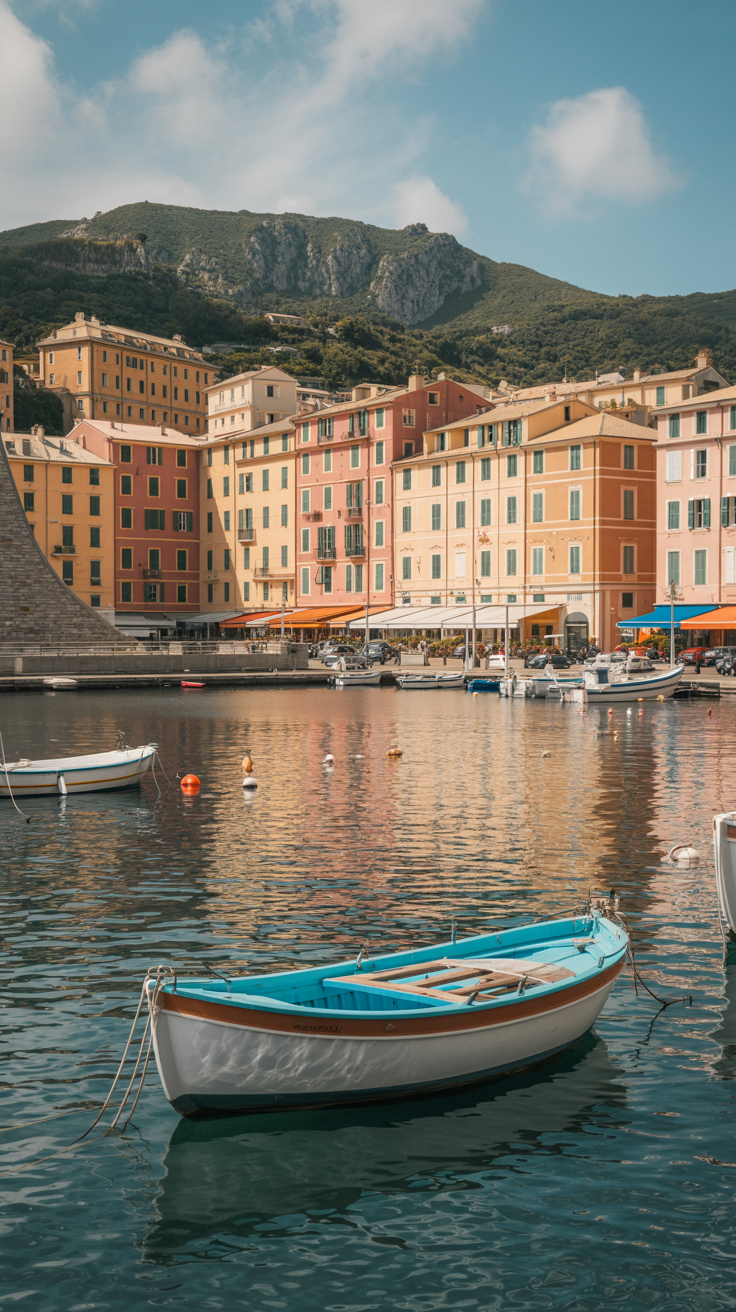
- Old Port (Vieux Port): The postcard-perfect harbour with colourful buildings rising behind fishing boats. This is the classic Bastia view and sits just beyond the commercial port. Wander along Quai des Martyrs for photos and harbour-side dining. 10 minutes from the ship, flat walking.
- Terra Vecchia (Old Town): The atmospheric lower old town fans out behind the Old Port with narrow lanes, washing lines strung between buildings and small neighbourhood squares. Place du Marché hosts the covered market where locals shop for cheese and charcuterie. 10-15 minutes from the port, cobblestones and some stairs.
- Église Saint-Jean-Baptiste: Bastia’s most prominent church towers over the Old Port with its twin bell towers. The ornate Baroque interior drips with gilt and marble, rather overwhelming but impressive. Free entry. 12 minutes from the ship.
- Aldilonda Walkway: This brilliant coastal path runs along the cliffs between the Old Port and the Citadel, offering stunning sea views and photo opportunities. The name means “beyond the waves” in Corsican. Flat, shaded walking that beats climbing through the streets. 15 minutes to reach the start.
- Jardin Romieu: Terraced gardens climbing the hillside between the lower town and Citadel, with views over the rooftops and harbour. A peaceful spot to catch your breath if you’re walking up to the Citadel. 20 minutes from the port, uphill with stairs (or use the lift from near the Old Port).
- Terra Nova Citadel: The upper walled town sits on the rocky promontory commanding views over Bastia and the sea. Genoese-era buildings line quiet streets, and you can walk sections of the ramparts. The atmosphere is noticeably quieter than the bustling lower town. 25-30 minutes if you walk up via Aldilonda or the gardens; 10 minutes if you use the lift.
- Palais des Gouverneurs: Within the Citadel, this former Genoese governor’s palace now houses the city museum with Corsican art and archaeology. Entry costs around €5. Good if it’s hot and you want an indoor break. Inside the Citadel area.
- Oratoire de l’Immaculée Conception: A small but richly decorated chapel in the Citadel known for its painted ceiling and ornate interior. Often overlooked, which means you might have it to yourself. Free entry. Inside the Citadel.
Must See Attractions in Bastia for a One Day Cruise Visit
With limited time, focus on the classic Bastia circuit that gives you harbour views, old town atmosphere and Citadel panoramas. Skip the museums unless weather drives you indoors or you’re genuinely interested in Corsican history.
The Old Port and Place Saint-Nicolas
- What it is: The working harbour and waterfront square form Bastia’s social heart. Fishing boats bob in the harbour while locals play pétanque under the plane trees.
- Why it matters: This is quintessential Bastia – the view that appears on every postcard and the spot where the town actually lives. You’ll get a feel for daily Corsican life here that’s missing from pure tourist sites.
- Time needed: Allow 30-45 minutes to stroll the harbour, grab a coffee and soak up the atmosphere. More if you’re shopping at the Sunday market.
- Practical tips: Come early morning or late afternoon for the best light on the coloured buildings. The cafés around Place Saint-Nicolas charge premium prices for the location – walk one street back for better value. Free to wander.
Terra Vecchia Old Town Streets
- What it is: The maze of streets climbing behind the Old Port, full of peeling shutters, neighbourhood shops and glimpses of harbour views between buildings.
- Why it matters: This is authentic, lived-in Bastia rather than preserved-for-tourists Bastia. The covered market at Place du Marché gives you a chance to try Corsican specialities and watch locals doing their shopping.
- Time needed: 45 minutes to an hour for a wander, including market browsing and perhaps a pastry stop.
- Practical tips: The market operates mornings only, closing by early afternoon. Try beignets au brocciu (cheese fritters) from the market stalls. Wear comfortable shoes for the cobblestones. Watch your bag in crowded market areas. Free to explore.
Aldilonda Coastal Path
- What it is: A modern walkway built along the cliffs connecting the lower town with the Citadel area, suspended above the waves.
- Why it matters: Offers the most dramatic coastal views you’ll get in Bastia, plus it’s a much more pleasant route to the Citadel than slogging up stairs through the back streets. The engineering is impressive – you’re literally walking on a path cantilevered off the cliff face.
- Time needed: 20-30 minutes to walk from the Old Port to the Romieu Gardens at a relaxed pace, with photo stops.
- Practical tips: The path is well-maintained and mostly shaded. Not wheelchair accessible due to stairs at each end. Can be breezy, which is welcome in summer heat but means secure your hat. Free access.
Terra Nova Citadel
- What it is: The fortified upper town built by Genoa in the 15th century, sitting on a rocky outcrop with commanding views.
- Why it matters: The Citadel gives you context for Bastia’s history as a Genoese stronghold and offers the best views over the town and harbour. The quiet streets inside feel worlds away from the bustle below, and you can walk sections of the old ramparts.
- Time needed: Allow 45 minutes to explore the streets, ramparts and viewpoints. Add another 30-45 minutes if you’re visiting the museum inside the Palais des Gouverneurs.
- Practical tips: Use the lift near the Old Port if you don’t fancy the climb – it deposits you right in the Citadel area and costs nothing. The museum entry is around €5. Several small cafés inside the Citadel offer drinks with views. Free to wander the streets and ramparts; museum charges admission.
Church of Saint-Jean-Baptiste
- What it is: Bastia’s most prominent church, towering over the Old Port with distinctive twin bell towers and an ornately decorated Baroque interior.
- Why it matters: The interior is surprisingly lavish for a relatively small church – all gilt, marble and trompe-l’œil ceiling paintings. It’s also a good example of how important the church was to Genoese Corsica.
- Time needed: 15-20 minutes for a look inside, unless you’re attending a service.
- Practical tips: Modest dress required (covered shoulders and knees). Usually open mornings and late afternoons, but times can be irregular – check if the door’s open as you pass. Free entry, donations welcome.
Port Day Itinerary: Things to Do in 7 Hours
Here’s a realistic schedule that fits a typical 9am-4pm port day, assuming your ship docks at the Port de Commerce.
- 9:00-9:30am | Walk to Place Saint-Nicolas: Leave the ship and stroll along the waterfront to the main square. Grab a coffee at one of the cafés and watch the town wake up. The morning light on the Old Port buildings is perfect for photos.
- 9:30-10:15am | Old Port and Terra Vecchia: Wander around the harbour, then head into the old town streets behind it. If it’s a Sunday, the market will be in full swing. Browse the stalls at Place du Marché and try some local cheese or pastries.
- 10:15-11:00am | Aldilonda Walkway: Walk the coastal path from the Old Port area toward the Romieu Gardens. Take your time and enjoy the sea views – there are benches if you want to sit and watch the waves.
- 11:00am-12:15pm | Terra Nova Citadel: Either continue from the gardens up into the Citadel or take the lift if you’ve walked back to the Old Port. Explore the upper town streets, walk the ramparts and take in the panoramic views. Pop into the Oratoire de l’Immaculée Conception if it’s open.
- 12:15-1:45pm | Lunch in the Citadel or Old Town: Head to a restaurant for proper Corsican food. Look for stuffat (beef stew), wild boar dishes or fresh fish. Places in the Citadel tend to be quieter; the Old Port area is livelier but more touristy.
- 1:45-2:30pm | Saint-Jean-Baptiste Church and Old Port: Visit the church if you haven’t already, then stroll back along the Old Port taking final photos and perhaps stopping for a gelato.
- 2:30-3:15pm | Shopping and browsing: Browse shops along Rue Napoleon or around Place Saint-Nicolas. This is your chance to pick up Corsican wine, charcuterie or local crafts to take home.
- 3:15-3:45pm | Final drink and return to ship: Have a last coffee or pastis at a waterfront café, then walk back to the ship with plenty of time to spare.
This timing builds in buffer time and doesn’t rush you through anything. If your ship stays later, you could add an excursion to nearby coastal villages or spend longer over lunch.
Where to Eat Near the Port
Bastia takes its food seriously. This is Corsica, which means French technique meets Italian ingredients with a distinctly local twist. You’ll find excellent seafood, mountain cheeses, wild boar and chestnut-based dishes that you won’t taste anywhere else.
- Old Port restaurants: The quayside eateries along the Vieux Port offer harbour views and solid if predictable seafood menus. Expect to pay €15-25 for a main course, more for fish charged by weight. The setting is lovely but you’re paying for the location. Service can be slow when busy.
- Streets behind Terra Vecchia: Walk one or two blocks inland from the Old Port and you’ll find smaller places where locals actually eat. Look for daily specials written on blackboards – that’s usually better value and fresher than the printed tourist menus. Mains run €12-18.
- Citadel restaurants: A handful of cafés and restaurants operate inside the Terra Nova walls. The atmosphere is quieter and views are spectacular, though options are limited. Expect similar pricing to the Old Port but with fewer crowds.
- Corsican specialities to try: Stuffat (beef stew with wine and herbs), civet de sanglier (wild boar casserole), brocciu cheese in various forms, charcuterie including figatellu (liver sausage) and coppa, and anything involving chestnuts. Wash it down with local wines from Patrimonio or Cap Corse.
- Market snacks: The covered market at Place du Marché sells ready-to-eat beignets au brocciu (cheese fritters), panini with local ham and cheese, and fruit. Perfect for a light lunch or snack between sights. Costs a few euros and means you can keep moving.
- Quick options: Bakeries and sandwich shops line the main streets if you need something fast. Grab a baguette stuffed with Corsican charcuterie for €5-7 and eat it on a bench overlooking the harbour.
- Food safety: Tap water is safe to drink. Restaurant hygiene standards follow French regulations, so you’re unlikely to have problems at established places. The market food is prepared fresh each morning and goes quickly, so it’s fine.
Shopping: What to Buy & Where to Go
Bastia isn’t a major shopping destination compared to Marseille or other Mediterranean ports, but it does offer genuine Corsican products that make worthwhile souvenirs. Skip the mass-produced tat and focus on local food and crafts.
What to Buy
- Corsican charcuterie: Coppa, lonzu, figatellu and prisuttu (Corsican prosciutto) are all excellent and properly aged. Vacuum-packed versions travel well in your luggage. Expect to pay €15-30 for quality products. Buy from the market or specialist shops, not tourist traps by the port.
- Brocciu cheese: The famous Corsican sheep’s cheese, similar to ricotta but with more character. Fresh brocciu won’t survive the journey home, but you can find preserved versions or brocciu-based products like biscuits.
- Corsican wine: Local wines from Patrimonio, Cap Corse and other appellations offer good quality at reasonable prices. Red, white and rosé all available, plus sweet Muscat wines. Bottles start around €8-12 for decent quality.
- Chestnut products: Chestnuts are a big deal in Corsican cooking. Look for chestnut flour, chestnut jam, chestnut beer and chestnut biscuits. The flour makes brilliant pancakes if you’re inclined to cook at home.
- Honey: Corsican maquis honey has protected status and distinctive herbal flavours from wild herbs and flowers. Small jars cost €8-15 depending on type. Chestnut honey is particularly prized.
- Essential oils and beauty products: Corsica produces immortelle (helichrysum) essential oil, plus myrtle and other maquis plant extracts. Quality varies wildly – buy from proper shops rather than market stalls.
- Knives: Traditional Corsican knives with curved blades make handsome (if niche) souvenirs. A proper one costs €30-80. Make sure it’s in checked luggage, obviously.
Where to Shop
- Place du Marché covered market: The market in Terra Vecchia sells the best selection of food products, all from local producers. Open mornings until early afternoon. This is where to buy charcuterie, cheese, honey and produce. Vendors will vacuum-pack meats for travel.
- Rue Napoleon and surrounding streets: The main shopping street runs inland from Place Saint-Nicolas with a mix of chain stores and local shops. Look for specialist food shops (épiceries fines) selling Corsican products.
- Shops in the Citadel: A few small boutiques inside Terra Nova sell crafts, local products and souvenirs. Prices are higher than the market but the setting is lovely.
- Sunday morning market: If your ship is in port on Sunday morning, a large outdoor market fills Place Saint-Nicolas with food, crafts, clothing and general goods. More atmosphere than shopping, but fun to browse.
Haggling isn’t expected or appropriate at Corsican markets and shops. Prices are generally fixed, though market vendors might throw in an extra item if you’re buying several things.
Safety Tips & Avoiding Scams
Bastia is generally safe for cruise passengers. It’s a working port city rather than a tourist hotspot, which means fewer scams but standard urban precautions apply.
- Taxi overcharging: Use only licensed taxis from the official ranks near the port. Agree on the price before setting off for longer journeys, or ensure the meter is running for trips within town. The port information desk can advise on typical fares.
- Pickpocketing: Keep bags closed and phones secure in crowded areas like the market and Old Port. Thieves target obvious tourists distracted by taking photos. A crossbody anti-theft bag worn to the front is sensible, and an anti-theft backpack provides extra security for day trips around the island.
- Restaurant menus: Check prices before ordering, particularly for fish sold by weight. Some places by the harbour charge per 100g, which adds up quickly. Ask for the total price before committing.
- Aggressive vendors: You won’t encounter the hard-sell approach common in some Mediterranean ports. Corsicans are generally relaxed about commerce. Anyone being pushy is probably not local.
- Fake local products: Some “Corsican” charcuterie and cheese sold in tourist areas actually comes from mainland France or Italy. Buy from the market or shops that display producer information. If it seems unusually cheap, it’s probably not authentic.
- Street safety: The port area, old town and Citadel are all safe during daylight hours. Use normal awareness walking back to the ship after dark if your visit extends that late. Stick to well-lit main routes.
Emergency Contacts
- General emergency: 112 (European emergency number, works from any mobile)
- Police: 17
- Ambulance (SAMU): 15
- Fire services: 18
- Bastia Port Office (Capitainerie): +33 4 95 31 31 10
- Main hospital: Centre Hospitalier de Bastia, Route Impériale, Bastia
Save your cruise ship’s emergency contact number before going ashore. The ship’s reception or port talks will provide local emergency information specific to your vessel.
Essential Items for Your Day in Bastia
Bastia’s combination of coastal walking, old town exploration and summer heat means packing the right items makes your day ashore much more comfortable. Here’s what actually proves useful when exploring this Corsican port.
- Comfortable walking shoes: The old town cobblestones and Citadel stairs demand proper footwear. Women’s walking shoes with good grip handle the uneven surfaces, while men’s walking shoes designed for travel work brilliantly for the day’s exploring.
- Sun protection essentials: Mediterranean sun reflects off the water and white buildings intensely. Quality women’s sunglasses and men’s sunglasses protect your eyes while you’re photographing harbour views. Add reef-safe SPF 50 sunscreen for exposed skin and a packable sun hat for market browsing.
- Water bottle: Tap water in Bastia is perfectly safe. A collapsible water bottle fits in your day bag and saves buying plastic bottles while keeping you hydrated during the climb to the Citadel.
- Secure bag for valuables: The market and crowded old town streets require sensible precautions. An anti-theft crossbody bag keeps essentials secure while leaving hands free for photos and gelato.
- Light layers: Morning breezes along the Aldilonda walkway can be cool even when midday is scorching. A lightweight men’s jacket or packable rain jacket handles temperature changes and unexpected weather.
- Shopping bag: If you’re planning to buy Corsican wine, charcuterie or market goods, bring a beach tote bag or foldable packable backpack for carrying purchases back to the ship comfortably.
- Cruise essentials: Don’t forget your waterproof cruise lanyard for your ship card, and magnetic hooks prove invaluable back in your cabin for organizing bags and accessories.
- Security items: An RFID passport holder protects your documents, while an RFID blocking travel wallet secures cards and cash. If you’re storing valuables back on the ship, a cable lock for luggage adds extra security.
Currency, ATMs & Money Matters
France uses the euro, which makes Bastia straightforward for money matters compared to ports where you’re dealing with unfamiliar currencies.
- Currency: Euro (EUR). If you’ve visited other eurozone ports on your cruise, you’re already sorted. UK visitors should exchange pounds before leaving home or withdraw euros from ATMs in Bastia.
- ATMs: Several cash machines sit around Place Saint-Nicolas and along the main streets near the port. Machines linked to major networks (Visa, Mastercard) work fine. Your bank will charge foreign transaction fees – check before you leave home what these are.
- Card acceptance: Most restaurants, shops and cafés accept cards, though small market stalls and tiny neighbourhood places might be cash only. Contactless payment works widely. Carry some cash for markets and small purchases.
- Exchange options: Better to use ATMs than exchange bureaux, which charge poor rates. Your bank’s ATM fee is usually lower than bureau commission.
- How much cash: If you’re eating in restaurants and shopping properly, €50-100 per person should cover lunch, drinks, snacks and souvenirs. More if you’re buying wine and charcuterie to take home.
- Tipping: Service is included in restaurant bills in France. Locals round up the bill or leave small change rather than percentage tips. €1-2 is fine for good service at a café. Taxi drivers don’t expect tips but appreciate rounding up to the nearest euro.
- Bank notification: Tell your bank you’re travelling to France if you’re using UK cards. Some banks automatically block foreign transactions as fraud prevention, which is annoying when you’re trying to pay for lunch.
- Prices: Bastia is moderately priced by French standards. A coffee costs €1.50-3, a beer €4-6, a restaurant main course €12-25. Cheaper than Paris, more expensive than many other Mediterranean ports.
Weather by Month
| Season | Temperature | Conditions | What to Pack |
|---|---|---|---|
| Spring (Mar-May) | 15-22°C | Mild with occasional rain. Flowers blooming, fewer tourists than summer. Sea too cold for swimming. | Layers, light jacket, comfortable walking shoes, umbrella. |
| Summer (Jun-Aug) | 25-32°C | Hot and dry, peak tourist season. Strong sun, minimal rain. Sea warm for swimming. | Sun protection, hat, light breathable clothing, sunscreen. Bring water. |
| Autumn (Sep-Nov) | 18-25°C (Sep-Oct) dropping to 12-18°C (Nov) | Pleasant early autumn, cooling later. Some rain returns in November. Sea still swimmable through September. | Light layers, long trousers/skirts, jacket for November. Umbrella. |
| Winter (Dec-Feb) | 8-14°C | Mild but wetter, occasional strong winds. Mountains may be snowy but coast stays temperate. Few cruise ships call. | Warm jacket, waterproof layer, closed shoes. Not typical cruise season. |
The best months for cruise calls are May-June and September-October when temperatures are comfortable for walking and crowds are lighter than peak summer. July and August are hottest – bring plenty of water and plan indoor breaks during midday heat. If you’re on a cruise from Southampton, you’ll typically visit Bastia during the main summer season.
Common Questions & FAQ
Do cruise ships dock in Bastia or do we tender?
Most cruise ships dock directly at the Port de Commerce quay, allowing you to walk off the ship onto dry land. Larger vessels that can’t fit the berth will anchor in the bay and tender passengers to the Old Port. Your ship will confirm which method applies during the port talk. Tendering adds 20-30 minutes each way to your shore time.
How far is Bastia airport from the cruise port?
Bastia-Poretta Airport sits about 16km south of the city, roughly 25 minutes by taxi. This matters if you’re doing a cruise that starts or ends in Bastia, or if you’re extending your trip. Airport shuttles run to the city centre but aren’t timed for cruise arrivals. A taxi costs €40-50 one way.
Is it easy to visit Bonifacio from Bastia on a port day?
No, not really. Bonifacio sits at Corsica’s southern tip, roughly 170km from Bastia – about 2.5 hours’ drive each way on winding mountain roads. That’s five hours of driving for maybe an hour in Bonifacio if you’re lucky. Only consider it if your ship has an unusually long port stay (10+ hours) or if you join an organized tour that handles the logistics. Better to explore Bastia properly or take a shorter trip to nearby coastal villages.
Can we drink the tap water in Bastia?
Yes, tap water in Bastia is safe to drink and tastes fine. Fill a reusable water bottle at the ship or in public facilities rather than buying plastic bottles. French water quality standards are high.
Are beaches near the cruise port in Bastia?
St Joseph’s Beach (Plage de Saint-Joseph) sits about 15 minutes’ walk north of the port along the waterfront. It’s a small sandy beach, nothing spectacular but adequate if you want a quick swim. Better beaches lie further north along Cap Corse or west toward Saint-Florent, but these aren’t practical for a port day without a car or tour.
What’s open on Sundays in Bastia?
Many shops close on Sundays, following typical French practice. However, restaurants, cafés and tourist-oriented businesses around the Old Port stay open. The big Sunday morning market at Place Saint-Nicolas runs until early afternoon and is worth catching if your ship is in port. Museums and churches generally operate normal hours.
Is Bastia better than Ajaccio for a cruise stop?
Different rather than better. Bastia is more compact and walkable, with a working-port atmosphere and Genoese architecture. Ajaccio is larger, more French in character, and famous as Napoleon’s birthplace. Bastia suits passengers who want to explore independently on foot. Ajaccio offers more organized excursion options but the port is further from the centre.
Do they speak English in Bastia?
Some English is spoken in tourist areas, restaurants near the port and by younger people, but don’t count on it. Bastia is a working Corsican city, not a resort town. French is the main language, with Corsican heard among locals. Learn a few basic French phrases – bonjour, merci, l’addition s’il vous plaît – and locals will appreciate the effort. Many restaurants have menus in French only, so a translation app helps.
Personal Experience
When our cruise ship pulled into Bastia, I was thrilled to discover how incredibly easy it is to explore this Corsican gem. The port sits right next to the old town, so we literally walked off the ship and found ourselves in the charming streets within ten minutes. No shuttle buses or confusing transport needed – just follow the waterfront promenade toward those colourful buildings, and you’re there. The old port area is absolutely beautiful, with its faded pastel buildings and fishing boats bobbing in the harbour. We spent the morning wandering through Place Saint-Nicolas, this massive square lined with plane trees, then got lost in the narrow lanes of Terra Vecchia where laundry hangs between ancient buildings.
For lunch, we skipped the obvious tourist spots near the port and headed to a small place just off Rue Napoleon where locals were queuing up. The woman serving barely spoke English, but she piled our plates with stuffat (a local beef stew) and brocciu cheese that was absolutely divine. After eating, we climbed up to the Citadel for stunning views over the port and old town – it’s a bit of a hike but totally worth it. The whole experience felt authentic and unhurried, which is exactly what you want when you only have a day in port. Just remember to grab some Corsican wine or charcuterie from the shops before heading back to the ship.