
Every cruise ship that pulls into Venice deposits thousands of passengers onto the same well-worn route: Piazzale Roma to the Rialto Bridge, maybe a quick photo at the Bridge of Sighs, then back before dinner. You’ll squeeze past selfie sticks and tour groups while local Venetians roll their eyes from their doorways. But here’s what most people miss: Venice has over 400 bridges, and some of the best stories are happening on the ones nobody bothers to photograph.
The bridges tucked into quieter sestieri hold tales of actual violence, forbidden love affairs that toppled political careers, and superstitions so bizarre they’ll make you question what Venice was putting in the water centuries ago. These aren’t polished tourist attractions with plaques and gift shops. They’re just regular bridges where extraordinary things happened, and if you know where to look, you can still see the evidence carved into stone or whispered about in the local bacari.
Map of the 11 Bridges in Venice
Want to know more about getting around Venice when your ship docks? Check out our complete Venice cruise port guide for practical tips on navigating the city.
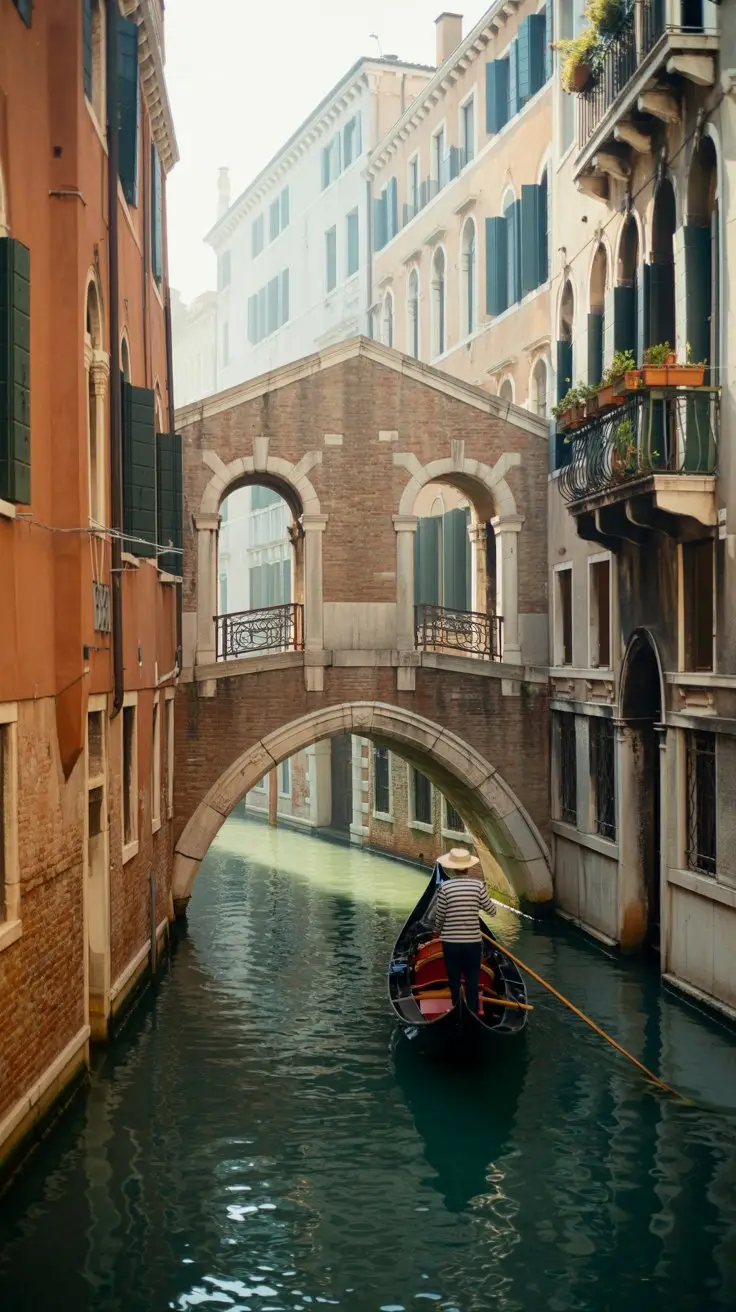
Ponte dei Pugni (Bridge of Fists) – Where Venice Held Organised Street Brawls
In Dorsoduro, near Campo San Barnaba, sits a modest bridge with four white marble footprints embedded in the stone at each corner. Those marks aren’t decorative. They’re where rival clans from Castello and Dorsoduro would plant their feet before trying to punch each other into the canal below. From the 14th century until the mid-1600s, these fights were sanctioned public entertainment. No weapons allowed, just fists and the occasional strategic shove. Spectators would line the fondamenta, place bets, and watch until someone ended up in the water. The tradition only stopped after a particularly brutal brawl turned deadly and the authorities finally decided maybe encouraging gangs to fight on bridges wasn’t the best civic policy.
The bridge is easy to find but rarely crowded. Local fruit vendors still set up nearby, completely unfazed by the violent history underfoot. If you visit during Venice mornings before crowds descend, you might have the whole bridge to yourself to stand on those footprints and imagine what it was like when half the city showed up to watch the chaos. Since you’ll be doing plenty of walking to reach these hidden spots, invest in a pair of comfortable walking shoes for men or supportive walking shoes for women before your trip—your feet will thank you after hours on cobblestones.
Ponte de la Malvasia Vecchia – The Wine Bridge with a Murder Problem
This bridge near Campo San Polo takes its name from the sweet Malvasia wine that was sold from shops at either end. Sounds charming until you learn it was also the site of at least two documented murders in the 1500s, both involving jealous husbands, unfaithful wives, and blades. One victim was allegedly thrown from the bridge after being stabbed, his body left floating until morning. For decades afterwards, locals claimed the area was haunted and would take longer routes home rather than cross after sunset. The wine shops stayed open though, because apparently ghost stories are bad for foot traffic but excellent for business if you’re selling alcohol to calm people’s nerves.
The bridge itself is unremarkable now, just another stone arch over a narrow canal. But if you’re the type who enjoys dark history, it’s worth the detour. There’s a small sotoportego nearby where you can still see faded frescoes from the period, though whether they’re religious protection or just decoration is anyone’s guess.
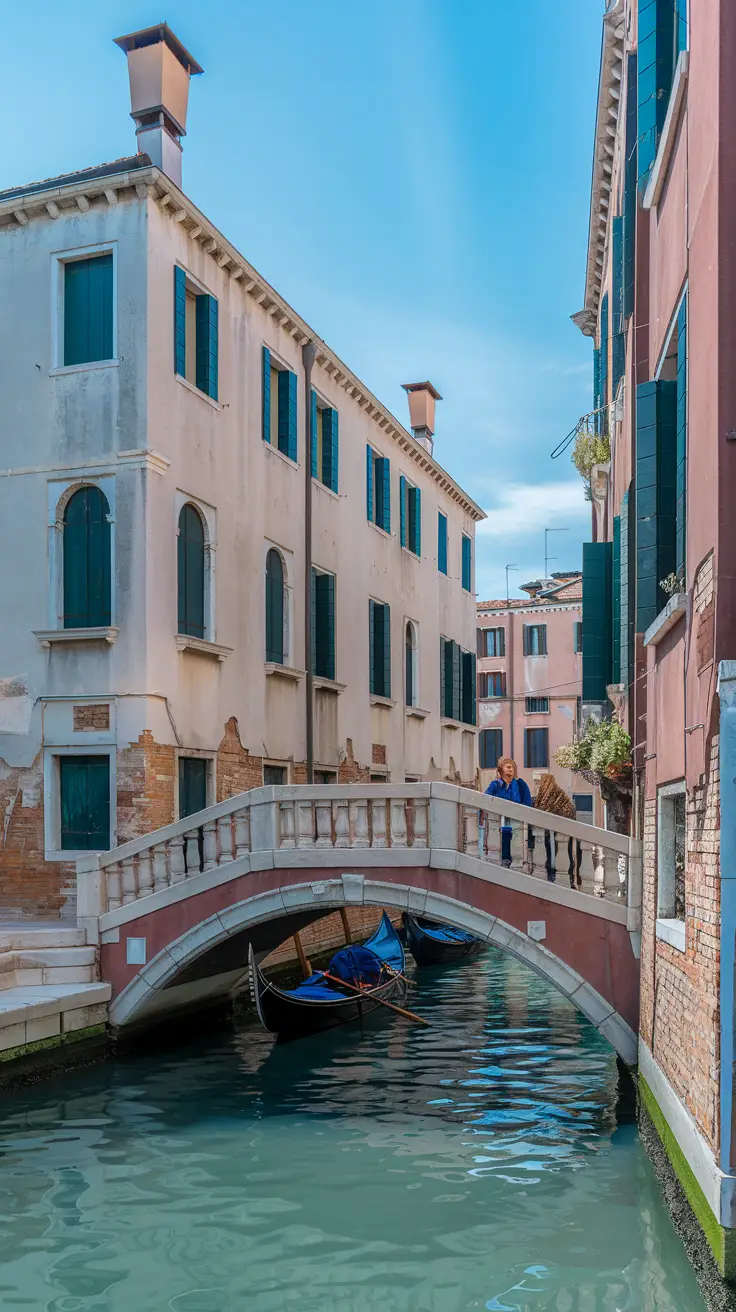
Ponte de le Tette (Bridge of Breasts) – Venice’s Red Light Solution
In the early 1400s, Venice had what the authorities considered a serious problem: too many men were choosing same-sex relationships over marriage, which meant fewer legitimate heirs and less tax revenue. The government’s solution? They required sex workers in a specific area near the Rialto to stand topless in their windows and on balconies overlooking this particular bridge to “encourage” men toward heterosexual activity. The policy was as bizarre as it sounds, and the bridge still carries the name today.
It’s tucked in the warren of streets northeast of the Rialto, and you’ll walk right past it if you’re not looking for the small plaque. Most guidebooks mention it for the novelty, but few explain the actual economic reasoning behind the move. Venice treated everything like a business transaction, even sex and sexual orientation. The whole episode is a reminder that medieval Venice was far stranger and more pragmatic than the romantic fantasy version sold to tourists.
Ponte Storto (Crooked Bridge) – The Only Bridge That Looks Like a Mistake
Most Venetian bridges are graceful arches. Ponte Storto, near Campo San Boldo, looks like someone built it after a heavy wine lunch. It’s visibly crooked, twisted at an odd angle, and feels structurally questionable even though it’s stood for centuries. The reason? It connects two buildings that aren’t quite aligned, and rather than tear anything down, Venetian builders just said “close enough” and built a wonky bridge. It’s the architectural equivalent of forcing a jigsaw piece into the wrong spot.
Local legend claims it’s also bad luck to cross it while arguing with someone, though that superstition probably started as a joke about the bridge’s appearance. Either way, it’s a fun detour if you’re exploring Cannaregio, and it photographs beautifully in the late afternoon light when the shadows emphasize just how askew the whole structure really is. Make sure your phone doesn’t die while capturing these hidden gems—a portable charger with high capacity is essential for a full day of photography and navigation.
Ponte de la Donzella (Bridge of the Maiden) – Forbidden Love and a Tragic Ending
This small bridge in the Castello district carries one of Venice’s more heartbreaking legends. A young woman from a wealthy family fell in love with a baker’s apprentice, which her father absolutely forbade. They would meet secretly on this bridge at night until her father discovered the affair. Depending on which version you hear, either the father killed the young man and the girl threw herself into the canal in grief, or the father locked her away and she wasted away from heartbreak. Either way, locals claimed to see her ghost on the bridge for years afterwards, always wearing white and weeping.
The story is almost certainly embellished or entirely fictional, but it stuck. Even today, some Venetians avoid the bridge after dark, not because they genuinely believe in ghosts but because the story is so embedded in the neighbourhood’s identity. It’s a quieter spot, away from the main tourist drags, and worth a visit if you’re exploring the eastern edges of Castello.
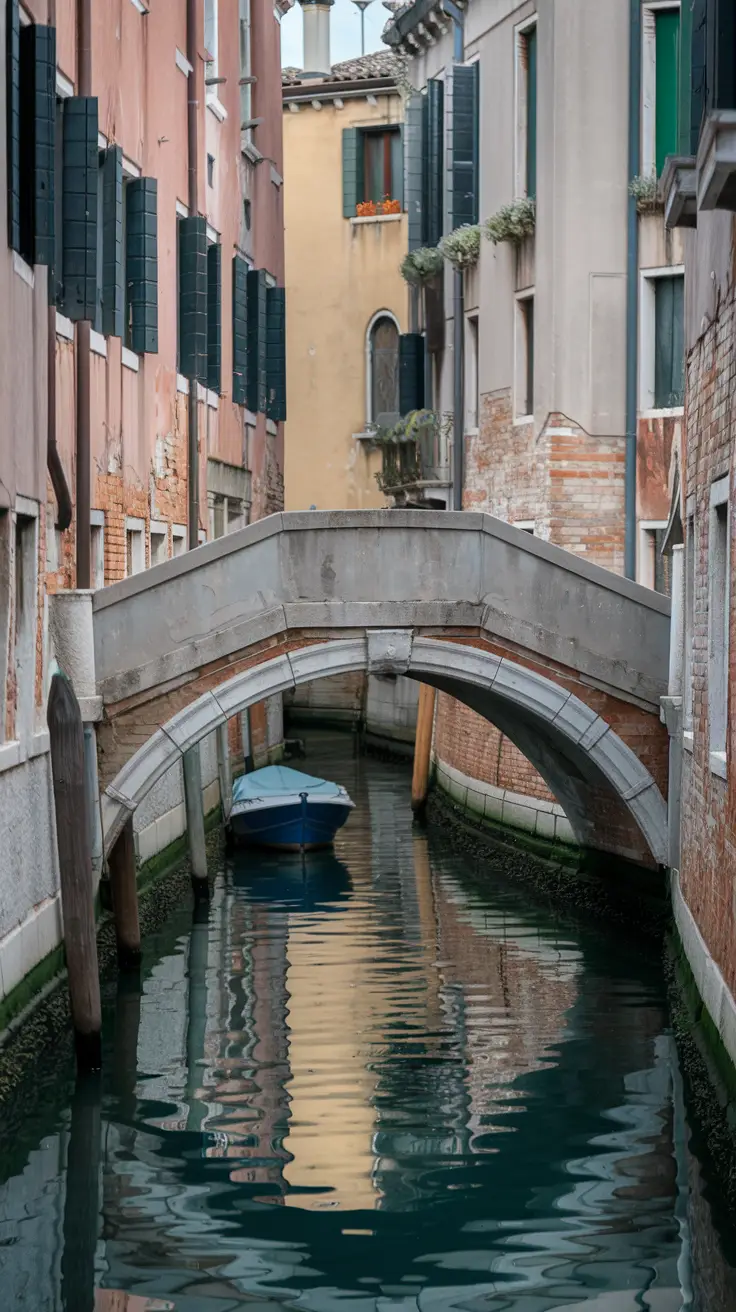
Ponte Chiodo – The Last Bridge Without a Railing
In Cannaregio, near the Fondamenta di San Felice, sits Ponte Chiodo, one of the last bridges in Venice with no parapet or railing of any kind. It’s just a smooth stone arch over the water, nothing to grab onto if you trip or get pushed. Centuries ago, most Venetian bridges were like this, but after enough accidents and drunken tumbles, the city mandated railings. Ponte Chiodo somehow escaped the requirement, likely because it’s on private property and the owners never bothered to add one.
Walking across it feels slightly dangerous, especially if it’s wet or you’re carrying luggage. Local kids apparently dare each other to run across it, which seems like a terrible idea but also very on-brand for Venetian parenting. It’s a quick stop if you’re already wandering Cannaregio, and it’s one of the few places where you can experience what medieval Venice actually felt like before modern safety standards ruined all the fun. If you’re concerned about slippery surfaces on rainy days, pack a lightweight waterproof jacket for women or a packable rain jacket for men to keep dry while exploring.
Ponte de l’Anatomia – Where Medical Students Smuggled Corpses
Near Campo San Giacomo dell’Orio in Santa Croce, this bridge gets its name from the anatomy theatre that once operated nearby. Medical students and doctors needed cadavers for study, but obtaining bodies legally was nearly impossible due to religious restrictions. So they improvised. Corpses were smuggled across this bridge under cover of darkness, usually wrapped in cloth or hidden in barrels, then delivered to the theatre for dissection. The practice was technically illegal, but authorities mostly looked the other way because they recognized the educational value.
There’s no plaque commemorating the bridge’s grim history, probably because “corpse smuggling route” isn’t the vibe modern Venice wants to promote. But if you’re interested in medical history or just enjoy macabre details, it’s worth tracking down. The surrounding area is relatively quiet, with good local restaurants and none of the crowds you’ll find near San Marco.
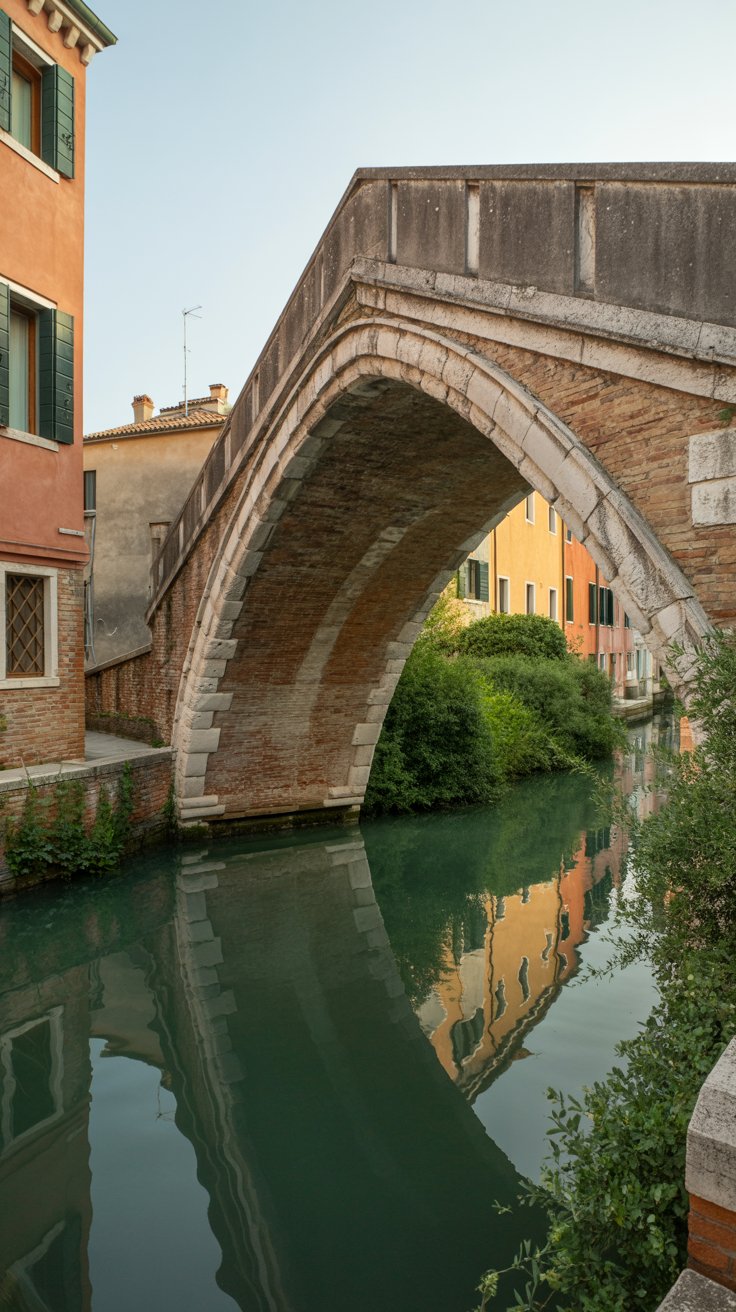
Ponte del Diavolo (Devil’s Bridge) on Torcello – The One with Actual Legend Status
This isn’t technically in Venice proper, but if your cruise schedule allows a trip to the outlying islands, Torcello’s Ponte del Diavolo is worth the vaporetto ride. It’s one of the oldest bridges in the lagoon and the only one in the Venetian area still built in the ancient style, without railings and with a steep arch. The legend claims a young woman made a deal with the devil to bring back her murdered lover, and the devil agreed on the condition that he could claim the first soul to cross the bridge. She tricked him by sending a dog across first. The devil was furious, and supposedly his footprints were visible on the bridge for centuries until erosion wore them away.
The story is pure folklore, but the bridge itself is genuinely atmospheric, especially in winter when fog rolls across the island and you can barely see the water below. Torcello is nearly deserted compared to Venice, so you’ll likely have the bridge to yourself. Just watch your step—that steep arch and lack of railing is no joke if you’re not paying attention. Keep your valuables secure in an anti-theft backpack while island hopping, as crowded vaporettos are prime spots for pickpockets.
Ponte de la Paglia – Where Everyone Photographs the Bridge of Sighs but Misses the Better Story
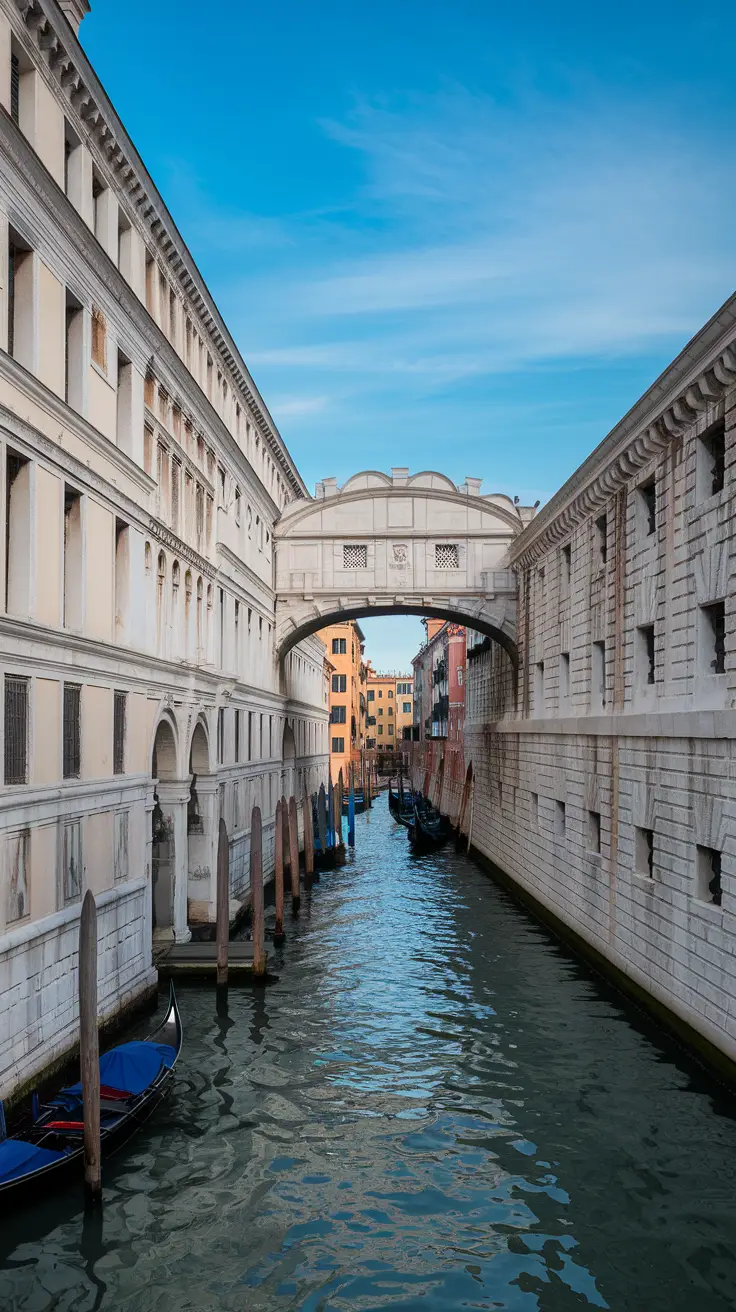
The Ponte de la Paglia is always packed because it offers the classic view of the Bridge of Sighs. Tour groups clog it from morning until night, everyone angling for the same Instagram shot. But the bridge itself has a far more interesting past than the enclosed walkway everyone’s pointing their cameras at. It gets its name—”Bridge of Straw”—from the straw-laden boats that once moored here to deliver fodder for horses at the Doge’s Palace stables. Less romantically, it was also where rubbish and sewage boats would dock, making it one of the smelliest spots in Venice for centuries.
The irony is rich: thousands of people stand here daily chasing a romanticized photo of prisoners’ “last sighs,” completely unaware they’re standing on what used to be Venice’s loading dock for literal horseshit. The view of the Bridge of Sighs is admittedly photogenic, but if you want to actually enjoy it, come at dawn before the crowds arrive or skip it entirely and explore the 12 secret canals Venice hides from you instead.
Ponte Marcello – The Bridge That Sparked a Political Scandal
In the 1700s, a prominent senator named Marcello was caught using this bridge in Dorsoduro for late-night meetings with a nun from a nearby convent. The affair became public knowledge after a servant sold the story, and the scandal nearly destroyed Marcello’s political career. The nun was quietly transferred to a convent on the mainland, and Marcello spent a small fortune on bribes and favours to keep his position. The bridge itself became infamous, with opponents using it as shorthand for corruption and moral decay whenever they wanted to attack Marcello’s policies.
The whole episode is a reminder that Venetian politics was just as messy and tabloid-worthy as anything today. The bridge is nondescript now, no different from a dozen others in the area, but local historians still refer to the “Marcello affair” when discussing how scandal functioned in the Republic’s later years. If you’re into political history or just enjoy gossip that’s aged a few centuries, it’s a fun footnote to track down.
Ponte San Pantalon – Where a Priest Hid from the Inquisition
This bridge near Campo San Pantalon in Dorsoduro was supposedly where a Catholic priest fleeing the Inquisition hid in the early 1600s. He’d been accused of heresy after questioning certain Church doctrines, and rather than face trial, he went into hiding. According to local accounts, sympathetic locals smuggled him food and kept his location secret for months while he sheltered in a building just off the bridge. Eventually, he escaped Venice entirely, though whether he made it to safety or was caught elsewhere isn’t clear from the records.
The story isn’t well-documented, so it might be partly apocryphal, but the church of San Pantalon nearby has one of the most stunning ceiling paintings in Venice—a trompe-l’oeil masterpiece that took the artist 24 years to complete and allegedly killed him when he fell from the scaffolding. Even if the bridge’s history is murky, the church alone makes the detour worthwhile.
Extend Your Stay in Venice
If you’ve only got a day or two from your cruise, you’ll barely scratch the surface of these bridge stories. Venice rewards slow exploration—the kind where you get lost in Cannaregio or Dorsoduro, stumble onto a bridge with no name, and end up chatting with a local who tells you which doge murdered his wife there in 1432. Hotels in Venice range from eye-wateringly expensive palazzos along the Grand Canal to more reasonable accommodation tucked into the quieter sestieri.
Staying near Cannaregio or Castello gives you easy access to these lesser-known bridges while keeping you far enough from San Marco that you won’t wake up to accordion players at dawn. Many Mediterranean cruises offer extended stays in Venice, and if you can swing an extra two or three nights, you’ll actually have time to explore beyond the same five landmarks everyone else photographs.
Book Venice accommodation close to a vaporetto stop if you’ve got luggage, because navigating Venice’s bridges with a suitcase is nobody’s idea of a good time. Speaking of luggage, a hardside carry-on bag is much easier to maneuver over bridges than soft luggage, and compression packing cubes will help you maximize space for extended stays.
Personal Experience
Last spring, I ditched my tour group near the Rialto and wandered into Cannaregio with nothing but a crumpled map and way too much caffeine. That’s when I stumbled onto the Ponte dei Pugni, this completely ordinary-looking bridge with four marble footprints embedded in the stone. My Airbnb host later told me it was basically Venice’s fight club – rival clans would literally brawl here until someone got thrown into the canal. No rules, no referee, just pure chaos for entertainment. The best part? Our guide that morning had spent twenty minutes talking about the Bridge of Sighs while we stood there packed like sardines, but never mentioned this spot where Venetians once knocked each other’s teeth out for fun.
The deeper I wandered, the more I realized every bridge here has something wild attached to it. There’s one near Campo San Polo where a nobleman supposedly murdered his wife’s lover and dumped the body – locals avoided it after dark for centuries. Another bridge in Dorsoduro was the meeting spot for an affair between a nun and a senator that caused an actual government scandal in the 1700s. These stories aren’t in any guidebook I bought, but the older Venetians hanging out at the wine bars knew every bloody detail. Made me wonder what we miss when we just follow the crowds to the same three Instagram spots. I was grateful I’d brought my portable charger with built-in cables because my phone was constantly dying from navigation and photos, and I’d have missed half these discoveries without GPS.
Common Questions & FAQ
Can I visit all these bridges in one day from my cruise ship?
Probably not comfortably. Venice is small but slow to navigate, and these bridges are spread across different sestieri. If you’ve got 6-8 hours in port, pick three or four that are clustered together—say, the Ponte dei Pugni and Ponte de la Malvasia Vecchia in Dorsoduro, then swing through Cannaregio for Ponte Chiodo and Ponte Storto. Trying to tick off all eleven will just leave you exhausted and resentful of Venice’s complete lack of straight streets. Keep your electronics charged with a compact 10000mAh power bank that won’t weigh down your daypack.
Are these bridges safe to visit alone?
Yes. Venice is one of the safest cities in Europe, even in quieter residential areas. The bigger risk is getting lost, which is going to happen regardless of how good your map is. Download an offline map app before you go, bring a portable charger, and accept that you’ll take at least three wrong turns. That’s half the fun anyway. An anti-theft crossbody bag keeps your valuables secure while leaving your hands free for photos and navigation.
Do locals actually care about these bridge stories or is it just tourist folklore?
Depends on the local and the bridge. Older Venetians, especially those born and raised in specific sestieri, absolutely know the stories and will happily share them if you ask in a bar or cafe. Younger residents might shrug—they’re more annoyed about cruise crowds and rising rents than medieval street fights. But the stories are rooted in actual history, even if details have been embellished over centuries.
What’s the best time of day to visit these bridges without crowds?
Early morning, before 9am, or late afternoon after 5pm when day-trippers have headed back to their ships or hotels. Venice empties out surprisingly fast once the tour groups leave. If you’re staying overnight, go out after dinner—many of these bridges are beautifully lit and completely deserted by 9pm. Spring weather can be unpredictable, so layer with a packable puffer jacket for women or a lightweight insulated jacket for men that stuffs into your bag.
Is Ponte Chiodo actually dangerous without railings?
Only if you’re clumsy, drunk, or trying to cross it while staring at your phone. The stone is smooth and can be slippery when wet, so watch your step. It’s not some death-defying feat, just a slightly more attention-requiring bridge than usual. Locals cross it daily without incident, including elderly residents and kids. If you’re prone to blisters from all the walking, blister prevention patches are lifesavers for your feet.
Can I reach Torcello’s Devil’s Bridge easily from the cruise terminal?
Yes, but it takes time. You’ll need to catch a vaporetto from Venice to Burano, then transfer to another boat to Torcello. The whole trip is about 60-90 minutes each way, so only attempt it if you’ve got a full day in port and don’t mind spending half of it on boats. The island itself is worth the trip if you want to escape crowds entirely and see a genuinely eerie, atmospheric side of the lagoon. Bring a collapsible water bottle to stay hydrated without taking up bag space.
Are there any guided tours that cover these lesser-known bridges?
A few local guides offer custom walking tours focusing on Venice’s darker history and hidden spots, including some of these bridges. You won’t find them on big tour operators’ websites, but ask around at smaller guesthouses or search for “Venice hidden history tours” and you’ll find options. Private guides are pricey but worth it if you want the full backstory without having to research every bridge yourself. Keep all your tour confirmations and travel documents organized in a cable and document organizer so nothing gets lost.
Do I need to pay to cross any of these bridges?
No. All bridges in Venice are public and free to cross. The only costs you’ll encounter are vaporetto tickets if you’re travelling between different areas of the city or out to the islands. A day pass for unlimited vaporetto rides is usually the best value if you’re planning to cover a lot of ground. Don’t forget your European power adapter to keep all your devices charged at your hotel or Airbnb.