
Venice can feel like a beautiful nightmare during cruise season. You shuffle along with thousands of other passengers through the same narrow streets, everyone heading towards San Marco, the Rialto, or back to the ship. But here’s what the guidebooks won’t tell you: some of Venice’s most peaceful spots are hiding in plain sight, just a few steps off those crowded routes. These quiet courtyards – the locals call them corti – offer exactly what you need when the crowds become too much.
Most cruise passengers stick to the main tourist corridor because they’re worried about getting lost or running out of time. Fair enough. But if you can spare even fifteen minutes to duck down a side passage, you’ll find spaces that feel like they belong to a different century entirely. No selfie sticks, no tour groups, just the sound of water lapping against stone and maybe a cat sunbathing on ancient paving.
Map of Courtyards in Venice
Why These Courtyards Stay Hidden
Venice wasn’t designed for tourism. These courtyards were built as communal spaces for residents – places to draw water from wells, hang washing, and let children play away from the canals. Many are technically semi-private, which means they’re not locked but they’re not signposted either. You won’t find them on Google Maps with helpful reviews. They’re just there, tucked behind restaurants, through archways, or down alleys that look like dead ends but aren’t.
The reason cruise passengers miss them is simple: they’re focused on ticking off the big sights before the ship leaves. Venice’s tourism infrastructure actively funnels you along specific routes with yellow signs pointing to “San Marco” and “Rialto” everywhere. Breaking away from those paths feels risky when you’ve only got six hours in port. But that’s exactly why these spots stay peaceful.
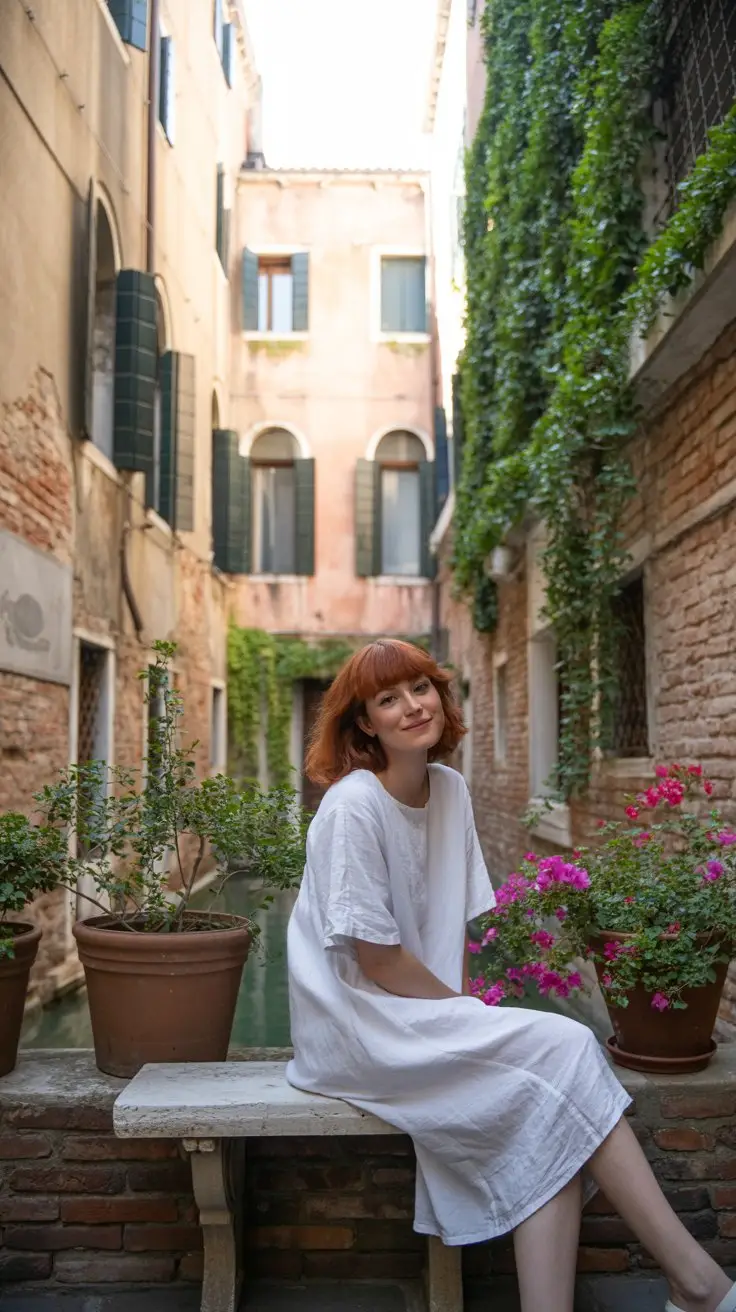
Corte Seconda del Milion (Near Marco Polo’s House)
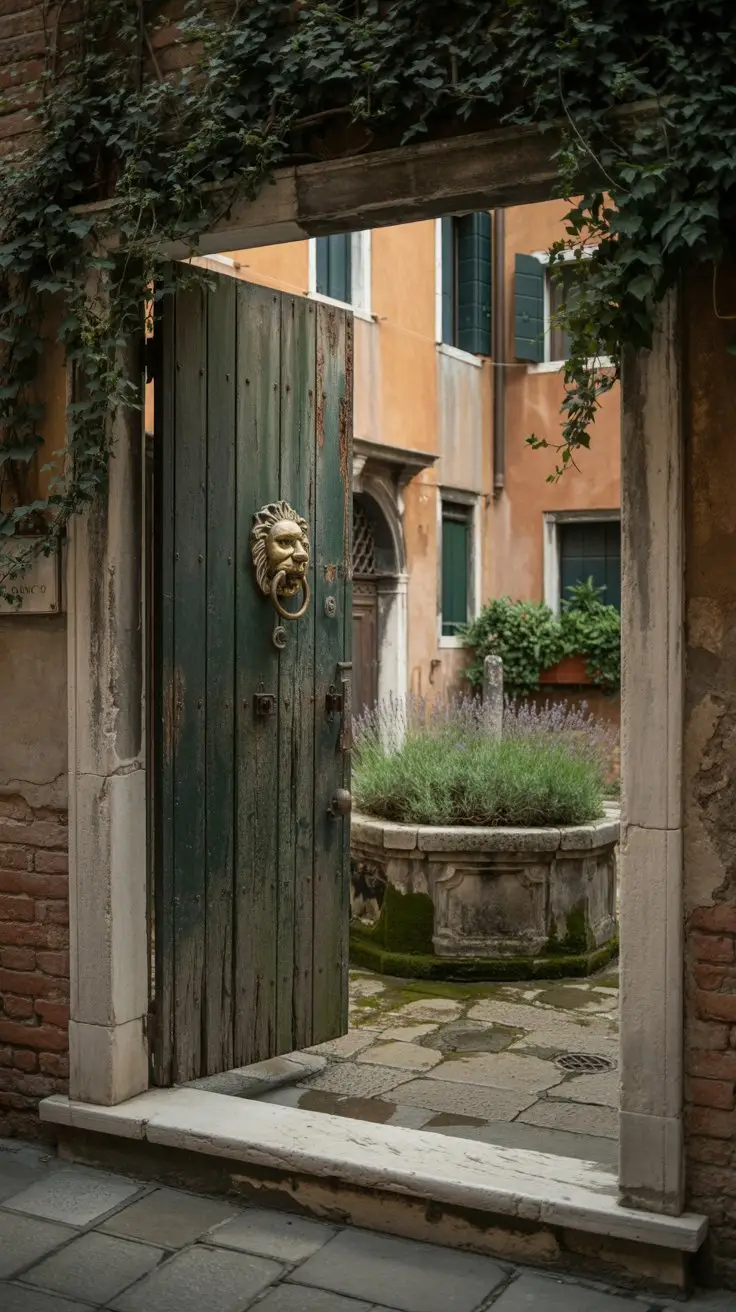
Right in the heart of the Cannaregio district, this courtyard sits just behind what’s supposedly Marco Polo’s childhood home. Most people photograph the plaque on the outside wall and keep walking. If you step through the archway into the courtyard itself, you’ll find a completely quiet square with a well head in the centre and washing lines strung between the buildings.
How to find it: From the Rialto Bridge, head towards Campo San Giovanni Crisostomo. Look for the archway marked “Corte del Milion” – yes, there are actually two connected courtyards here, and the second one is the quieter of the pair. Make sure your portable power bank is fully charged before you head out, as you’ll want your phone for navigation through these narrow streets.
Why it works: It’s close enough to major routes that you won’t panic about getting lost, but just far enough off the beaten track that tour groups don’t bother. You can sit on the well edge for a few minutes without anyone bothering you.
Corte de le Colonne (Courtyard of Columns)
This one’s hiding near Campo Santa Maria Formosa, which itself gets plenty of traffic. But walk past the church and look for a narrow passageway on the eastern side of the square. You’ll emerge into a tiny courtyard with Byzantine columns that were probably nicked from somewhere grander centuries ago.
The practical bit:
- No facilities here, just architecture and silence
- Best in morning light when the sun hits the columns
- Locals use it as a shortcut, so you might get a curious look but nobody minds
- Takes literally two minutes to walk from Campo Santa Maria Formosa
This is one of those spaces where you can actually hear individual sounds – a shutter closing, someone’s radio three floors up, a boat engine from the canal you can’t see. After the sensory assault of the main tourist routes, it’s deeply calming. Keep your phone protected with a waterproof phone case – Venice’s humidity and proximity to water can be tough on electronics.
Corte de la Vida
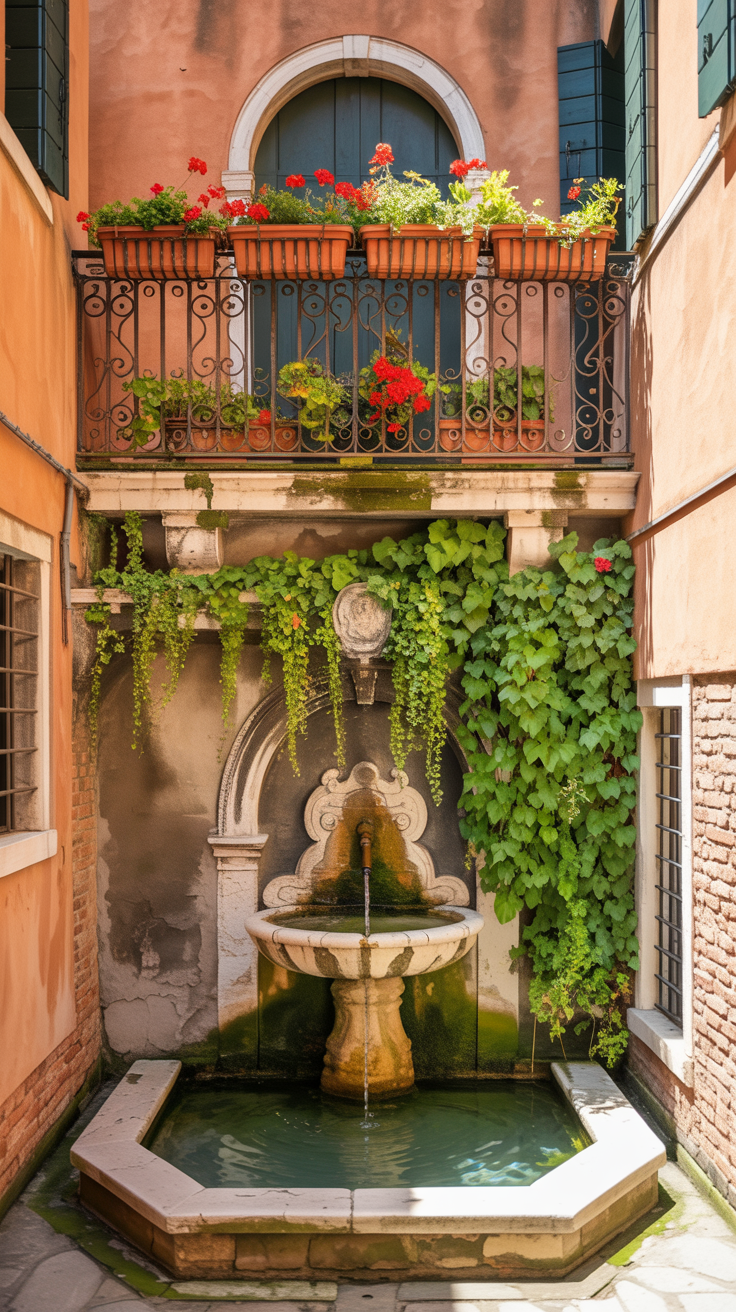
I mentioned this one earlier because it genuinely saved my sanity on a particularly manic cruise stop. It’s behind a restaurant near Campo San Bartolomeo, and while the restaurant technically owns it, they don’t mind people wandering in during off-hours. The fountain in the corner is genuinely lovely, and there are potted lemon trees that smell incredible in warm weather.
Timing matters here: Don’t try this during lunch or dinner service when the restaurant’s busy. Mid-morning or mid-afternoon is ideal. The restaurant staff are used to people poking their heads in, but you’re still essentially in someone’s commercial space, so be respectful.
Corte del Tagliapietra (Stonemason’s Courtyard)
Over in Dorsoduro, this courtyard gets its name from the stonemasons who used to work here. It’s near the Accademia Bridge but down a side street most cruise passengers ignore because it doesn’t lead anywhere “important”. The courtyard itself is small but perfectly formed, with a well head carved with the stonemasons’ guild symbol.
Why bother:
- It’s genuinely off the cruise crowd radar despite being close to a major bridge
- The carved well head is properly beautiful if you’re into Venetian decorative arts
- There’s usually a cat or three sunbathing here
- You can combine it with quieter canals that most tourists never see in the same area
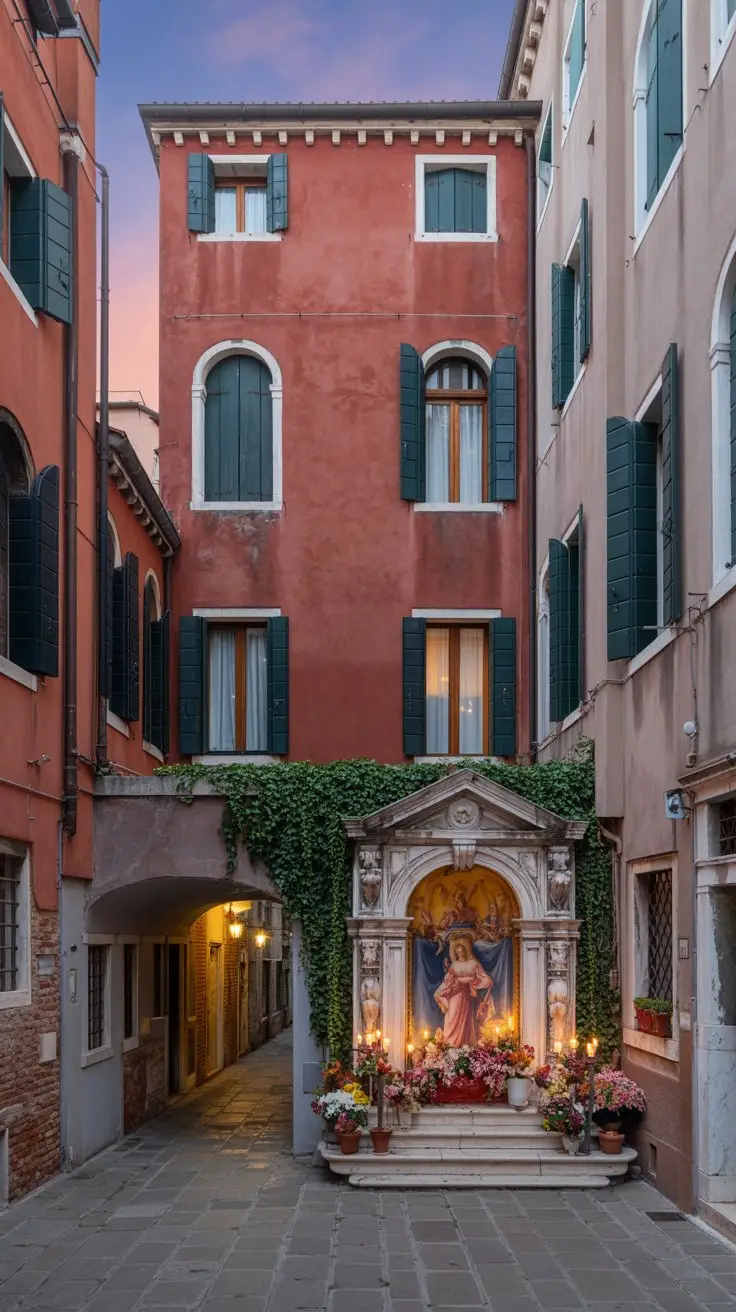
Corte Nova (Near San Giacomo dall’Orio)
This one requires a bit more walking from the main cruise passenger routes, but if you’re exploring the Santa Croce district anyway, it’s worth the detour. The courtyard is larger than most on this list and has a proper neighbourhood feel – you’ll likely see residents going about their business, which is part of the appeal.
The church of San Giacomo dall’Orio itself is criminally undervisited. The courtyard nearby (technically there are a few interconnected spaces here) gives you that authentic residential Venice atmosphere without having to wander too far into the unknown. Wear comfortable walking shoes designed for women or supportive shoes for men – Venice’s cobblestones and bridges will test your feet all day long.
Corte de Ca’ Sarasina
Hidden in the San Polo district, this courtyard is so quiet you’ll wonder if you’re allowed to be there. You are. The entrance is through an unassuming passageway near Campo San Polo, and the space opens up into a surprisingly large courtyard with multiple wells and some seriously ancient-looking stonework.
What makes it special: The acoustics are odd here – sounds seem muffled, probably because of the high walls on all sides. It feels like stepping into a different dimension of Venice, one where time moves differently and mobile phones stop ringing (though that might just be the thick walls blocking your signal).
The Garden Behind Frari Church
Calling this a courtyard is generous – it’s more of a leafy passageway behind the massive Frari church in San Polo. But it deserves a mention because it’s ridiculously peaceful and you can actually sit on the church steps here without a hundred people climbing over you.
The deal: Most cruise passengers who visit Frari (and plenty don’t because they’re rushing to the biggies) look at the front entrance and the interior. The garden space behind and to the side is where local kids play football and where washing hangs between buildings. It’s not manicured or photogenic in an Instagram way, but it’s real Venice.
This connects nicely with the early morning Venice experience if you’re on an overnight stop – the area around Frari at 7am is absolutely magical.
Corte del Remer
This one’s slightly different because it’s attached to a bar that knows it has a lovely courtyard and occasionally charges for the privilege. But outside busy hours, you can usually walk through to see the view without ordering anything (though buying a coffee seems fair if you’re going to sit down).
The location: Right on the Grand Canal near the Rialto, which sounds insane for a “hidden” spot. But because it requires going through what looks like a private entrance, most people don’t realise it’s semi-public.
What you get: Direct views onto the Grand Canal without the Rialto Bridge crowds, some greenery, and a genuinely romantic atmosphere if you’re into that sort of thing. Yes, you might have to buy an overpriced Aperol Spritz, but sometimes that’s worth it.
Corte de le Muneghe (Courtyard of the Nuns)
Near San Stae in Santa Croce, this courtyard belonged to a convent that’s long gone. What remains is a peaceful square space with a well and some architectural details that hint at its religious past. The name literally means “nuns’ courtyard” in Venetian dialect.
Getting there: From the San Stae vaporetto stop, head inland rather than towards the Grand Canal. Look for narrow passages between buildings – Venetians are generally helpful if you ask for directions to “Corte de le Muneghe” in your best Italian-English hybrid accent.
This area rarely sees cruise passengers because it’s not on the route to anything famous. That’s precisely its appeal. You might be the only tourist who visits all day.
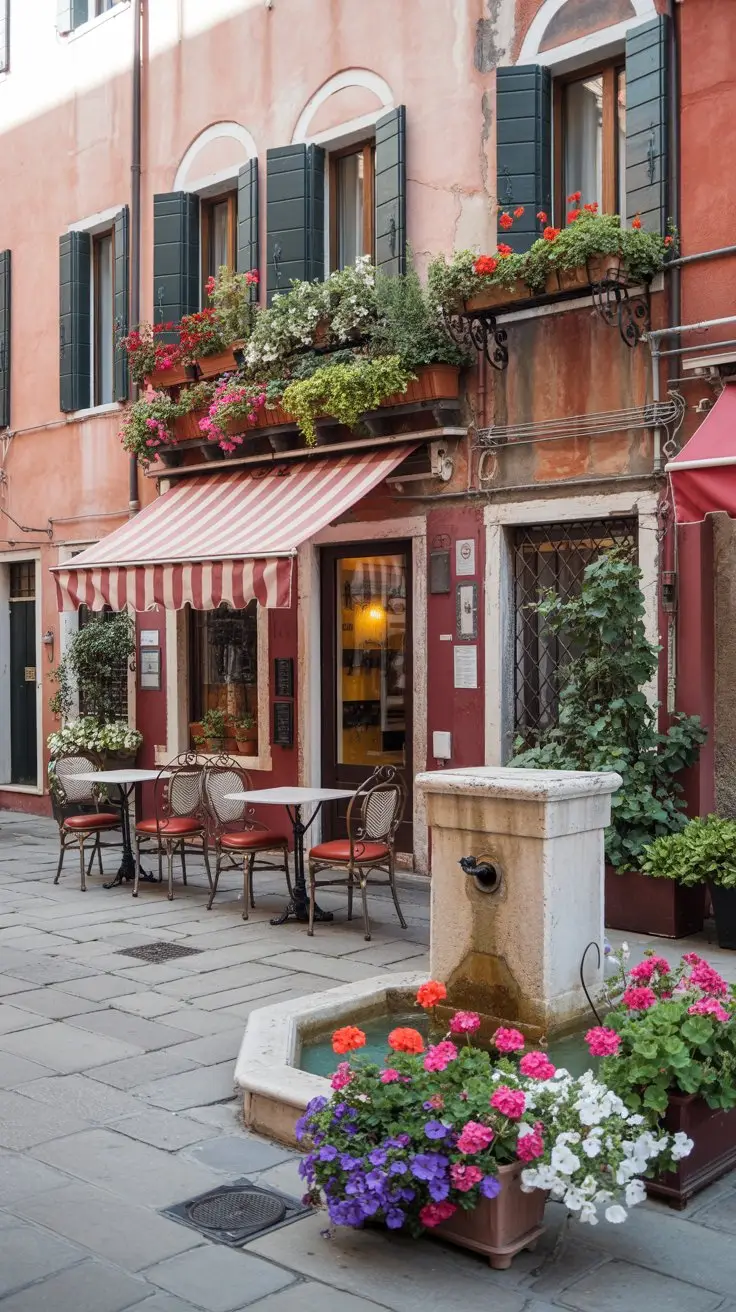
Practical Tips for Courtyard Hunting
Right, the useful bit. Here’s what works when you’re trying to find these places on a tight cruise schedule:
Timing your escape:
- The main tourist routes are hellish between 10am and 4pm
- If your ship docks early, you can see St Mark’s first and then retreat to courtyards
- Alternatively, do the courtyards mid-morning and save San Marco for late afternoon when day-trippers are leaving
- Most of these spots are equally lovely at any time of day, but morning light is generally prettier for photos
Navigation without panic:
- Download offline maps before you leave the ship – signal is patchy in Venice
- The yellow signs pointing to San Marco and Rialto aren’t just for tourists; they’re how locals navigate too
- Getting “lost” in Venice is rarely serious – the city’s only about 3km across
- That said, know your ship’s departure time and add a generous buffer
- The vaporetto (water bus) can save you if you’ve wandered too far and need to get back quickly
Keep all your essentials organized in an anti-theft backpack while you explore – pickpockets do target tourists in crowded areas. A cable organizer for travel keeps your chargers and adapters sorted in your daypack.
Etiquette in semi-private spaces:
- If you see washing hanging up or someone’s clearly in their private space, just look and move on
- Don’t be loud – these are residential areas where people actually live
- Taking photos is fine, but don’t photograph people’s windows or obviously private areas
- If a courtyard has a restaurant or business, buying something is polite if you’re going to sit down
Want to know more about making the most of your Venice cruise stop? Check out our complete Venice cruise port guide for everything from shuttle buses to where to stash your luggage.
Combining Courtyards with the Main Sights
Look, you didn’t sail to Venice just to sit in courtyards. You want to see San Marco and the Rialto and all the famous bits. The smart approach is to sandwich your major sightseeing with these quiet breaks.
Sample half-day route:
- Ship to San Marco (via vaporetto or on foot depending on where you dock)
- Quick look at the basilica and square while it’s relatively empty if you’re early
- Escape to Corte Seconda del Milion for 15 minutes of peace
- Walk to Rialto Bridge, do your photos
- Duck into Corte de la Vida or courtyard behind Frari depending on which direction you’re headed
- Late lunch somewhere away from San Marco
- Back to ship feeling like you’ve actually experienced Venice rather than just survived it
This approach works especially well on Mediterranean cruises where you’re trying to see multiple cities and Venice’s crowds can feel overwhelming if you’re already tired from previous ports. Pack lightweight packing cubes to keep your daypack organized when hopping between ports.
Extend Your Stay in Venice
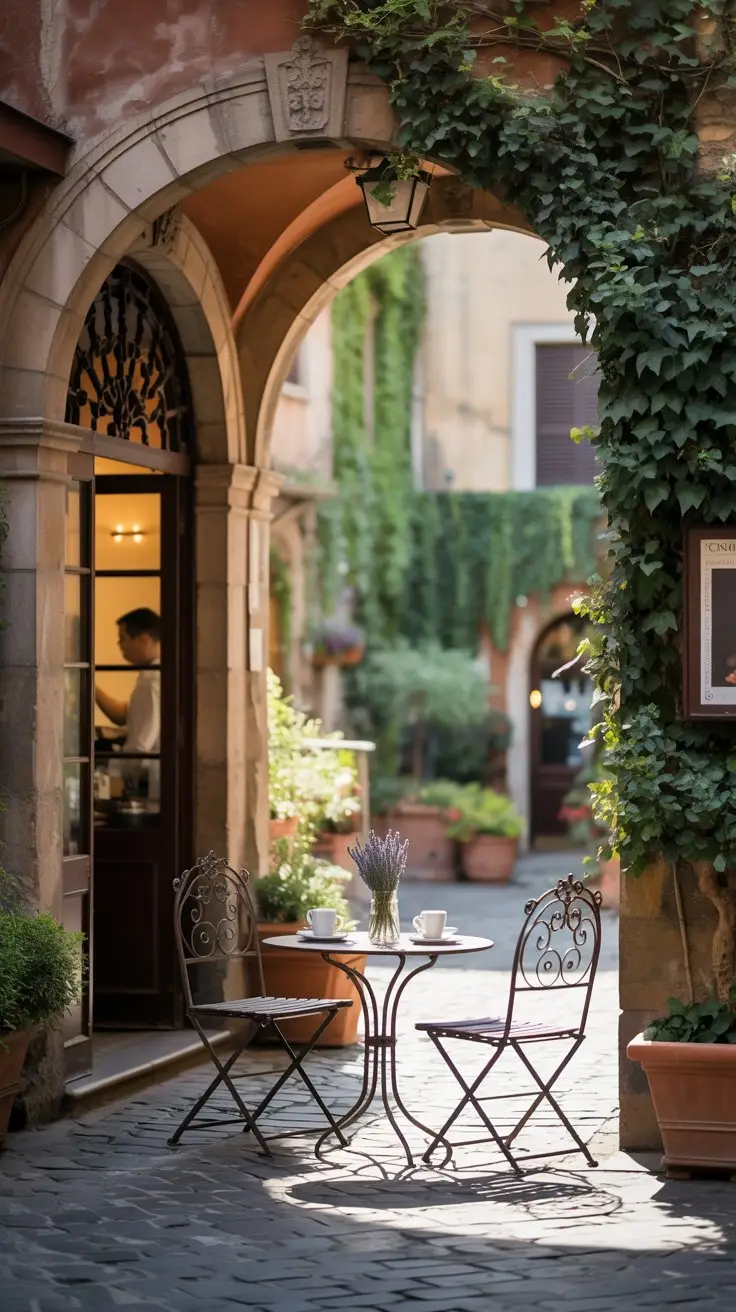
If these hidden courtyards appeal to you, consider spending a night or two in Venice before or after your cruise. The city transforms completely once the day-trippers and cruise passengers leave. Those same courtyards feel even more peaceful at 8pm or 7am, and you can take your time hunting them down without worrying about ship departure times.
Hotels in Venice range from budget options near the train station to eye-wateringly expensive palazzo conversions on the Grand Canal. The sweet spot for most people is somewhere in Cannaregio or Dorsoduro – residential enough to feel authentic, close enough to major sights that you’re not trekking for miles. Booking accommodation well in advance usually gets you better prices and more choice, especially if you’re staying over a weekend or during busy cruise season. Pack your compression packing cubes to maximize luggage space if you’re adding extra days to your trip.
The thing about staying overnight is you can actually follow these courtyard discoveries wherever they lead. Find one you love, sit there with a book for an hour, wander down whatever interesting-looking alley catches your eye next. That’s not really possible when you’re counting down the hours until all-aboard time. A hanging toiletry organizer makes hotel bathroom setup quick and efficient, leaving more time for exploring.
Personal Experience
Last time I was in Venice, I nearly lost my mind in the chaos around St Mark’s Square – you know that feeling when you’re being swept along by cruise ship groups and can’t actually stop to look at anything? I ducked down a random side street just to escape, and that’s when I stumbled through an unmarked wooden door into this absolutely gorgeous courtyard. Completely silent except for a fountain trickling away in the corner, potted lemon trees everywhere, and not another soul in sight. Turned out to be the Corte de la Vida, tucked behind a restaurant. I sat on the edge of that fountain for twenty minutes just breathing normally again.
The thing is, Venice is absolutely packed with these hidden spaces, and most people rush right past them chasing the next famous landmark. I found another one near Campo Santa Maria Formosa – just a tiny passageway between buildings that opened into someone’s private garden you can peek into. There’s also this magical spot behind the Frari church where locals actually hang their washing between the buildings, and you can hear absolutely nothing from the tourist routes just one street over. Now whenever Venice starts feeling overwhelming, I just look for any archway or open door that seems promising. Nine times out of ten, there’s a peaceful little courtyard waiting on the other side.
Common Questions & FAQ
Are these courtyards actually open to the public or am I trespassing?
Most Venetian courtyards exist in a grey area – they’re not locked or officially private, but they’re not public parks either. Generally, if there’s no locked gate and no “privato” sign, you’re fine to walk through and look around. Just be respectful, keep noise down, and don’t overstay your welcome. If someone lives there and gives you a look, just smile and move on. Venetians are used to curious tourists, but these are people’s homes, not museums.
How much time should I budget for finding these courtyards?
That depends entirely on your navigation skills and tolerance for wandering. Some courtyards like Corte Seconda del Milion are fairly easy to find and might take 10 minutes total including the visit. Others could eat up 30-40 minutes if you get turned around in the narrow streets. If you’re on a tight cruise schedule, stick to one or two that are close to your planned route rather than trying to hunt down all nine. Keep your phone charged with a portable charger with built-in cables so you don’t lose navigation access.
Can I visit these courtyards with a wheelchair or mobility scooter?
Honestly, most of these spaces are difficult or impossible to access with wheels. Venice itself is challenging for mobility devices – there are steps everywhere, narrow passages, and uneven cobblestones. Some of the larger courtyards might be accessible if you can manage the approach streets, but don’t count on it. If mobility is a concern, you’re better off focusing on the main squares and accessible routes rather than hunting down hidden courtyards down narrow alleys.
Will I definitely be back to my ship on time if I go looking for these?
That’s entirely up to you and your time management. Venice is small enough that you’re rarely more than 30-40 minutes from the cruise terminal even if you get completely lost. The vaporetto water bus can get you back quickly if needed. But if you’re the type who panics about timing or gets genuinely anxious when lost, maybe stick to courtyards that are very close to the main San Marco-Rialto route. Set an alarm on your phone for when you need to start heading back, and give yourself buffer time.
Are these courtyards safe for solo travellers or women alone?
Venice is generally very safe compared to most cities, and these residential courtyards are no exception. That said, use common sense – if a passageway feels dodgy or completely deserted in a way that makes you uncomfortable, trust your instinct and skip it. The courtyards on this list are all in reasonable areas where locals live and work. You’re far more likely to encounter a curious cat than any kind of threat. Consider an anti-theft crossbody bag for extra peace of mind while exploring.
What if I can’t find a specific courtyard – are they well marked?
No, they’re not well marked at all, which is rather the point. Street signs in Venice are often faded, missing, or positioned unhelpfully high on walls. The courtyard names I’ve given are what locals call them, but you won’t always find them labelled. Your best bet is using offline maps and asking locals if you get stuck. Venetians generally speak enough English to help, and they appreciate when tourists venture beyond San Marco. Don’t stress if you can’t find a specific one – half the fun is what you stumble across while looking.
Do any of these courtyards have toilets or facilities?
No. These are residential spaces, not tourist facilities. If you need a toilet, your options are bars and cafes (where you should buy something), major museums and attractions, or the public toilets near main tourist areas that charge a euro or two. Plan your courtyard visits with this in mind, especially if you’re travelling with children or have medical needs.
Is there a best time of year to visit these courtyards?
Spring and autumn are ideal – fewer crowds overall in Venice, pleasant temperatures, and good light. Summer can be sweltering and many Venetians escape the city entirely in August, so some courtyards might feel oddly empty. Winter has its own appeal with far fewer tourists, but it can be damp and cold. Most courtyards are open to the elements, so whatever Venice’s weather is doing, you’ll be experiencing it. If your cruise stops in Venice during peak summer, these shady courtyards become even more valuable as escape spots from the heat and crowds. Pack a lightweight rain jacket for women or waterproof jacket for men for unpredictable weather, and don’t forget a European power adapter to keep all your devices charged at your hotel.