
Taormina Cruise Port serves Giardini Naxos, located on Sicily’s eastern coast below Mount Etna. Ships anchor offshore with tender boats transporting passengers to the small port. The area offers access to historic Taormina’s ancient Greek theater, medieval streets, and coastal attractions. Transportation options include buses, taxis, and cable cars connecting port to hilltop town.
Quick Port Facts
| Fact | Detail |
|---|---|
| Port Name | Giardini Naxos (Taormina) |
| Location | Via Schisò, Giardini Naxos, Sicily |
| Tender Port | Yes – ships anchor offshore |
| Distance to Taormina | 5 km uphill from port |
| Time Zone | Central European Time (CET/CEST) |
| Language | Italian (English spoken in tourist areas) |
| Currency | Euro (EUR) |
| Port Website | TaorminaCruise.com |
Port Day Checklist
- Check your ship’s tender ticket system and boarding group assignment the night before
- Download offline maps of Taormina and save the bus schedule screenshot
- Bring euro coins for public buses and toilets
- Wear proper walking shoes – Taormina’s cobblestones and stairs are relentless
- Book Greek Theatre tickets online if visiting during peak summer months
- Set an alarm for at least 90 minutes before all-aboard time to account for tender queues
- Pack sunscreen, hat, and water bottle – limited shade in ancient sites
- Note the last tender time, which is typically 30 minutes before ship departure
Want to know more about other Sicilian ports? Check out our guides to Mediterranean cruise ports in Sicily and the broader selection of Mediterranean cruise ports in Italy.
Taormina Map
Giardini Naxos port sits at sea level on Sicily’s Ionian coast, directly below the hilltop town of Taormina which perches at roughly 200 metres elevation. The winding road between them covers about 5 kilometres with switchback turns offering spectacular coastal views. Mount Etna looms to the southwest, visible from most vantage points on clear days.
Can You Walk to Town from the Port?
Technically yes, but practically no. The walk from Giardini Naxos tender point to Taormina town centre involves a steep 200-metre vertical climb over roughly 5 kilometres of road with minimal pavement in sections. Here’s what you need to know:
- The route: Follow Via Nazionale north from the port, then take the winding roads up through residential areas. You’ll gain significant elevation with limited footpaths and narrow roads where cars pass close by.
- Time required: Budget 60-75 minutes uphill at a steady pace, then still face stairs and cobblestones once you reach Taormina’s entrance gates.
- The verdict: Save your energy for exploring Taormina itself. The uphill slog eats into your limited port time and leaves you knackered before you’ve even started sightseeing. Public buses run every 15-30 minutes and cost about €2, while the cable car from Mazzarò beach offers a scenic shortcut.
- What you can walk to: The immediate Giardini Naxos waterfront, Archaeological Park, and beachfront cafés are all within easy 10-15 minute walks from the tender dock.
How to Get Around from Giardini Naxos Port & Shore Transportation
Getting from the tender dock to Taormina proper requires planning. The port area itself has limited facilities, so most passengers head straight up to Taormina or explore the immediate Giardini Naxos waterfront. Here are your realistic options.
Local Buses (Interbus)
- Route: Interbus runs regular services from Giardini Naxos to Taormina’s main bus terminal at Via Luigi Pirandello, just outside the old town gates.
- Frequency: Every 15-30 minutes during daylight hours, less frequent early morning and evening. Check the current timetable at the bus stop or ask at the port information desk.
- Cost: Approximately €2-2.50 one-way. Buy tickets from tabacchi shops near the port or sometimes from the driver.
- Duration: About 15-20 minutes depending on traffic and number of stops.
- The catch: Buses can get rammed when multiple ships are in port. Queue early or expect to stand. The bus drops you at the edge of Taormina, requiring a 10-minute uphill walk through Porta Messina into the historic centre.
- Last bus: Final departures back to Giardini Naxos typically run around 19:00-20:00. Confirm the exact time to avoid being stranded.
Taxis
- Availability: Taxis queue at the tender dock when ships are in. You can also phone for one or flag them down in Giardini Naxos.
- Cost: Fixed rates to Taormina centre run €20-30 for up to four passengers. Negotiate or confirm the price before getting in.
- Advantages: Direct door-to-door service, no waiting for buses, and you can split costs between a group. Taxis can drop you closer to specific sites like the Greek Theatre entrance.
- Tips: Share with fellow passengers to reduce per-person cost. Keep the driver’s card if you want them to collect you later, though this typically costs the same or more than the journey up.
Taormina Cable Car (Funivia)
- Location: The cable car station is at Mazzarò beach, about 2 kilometres from the Giardini Naxos tender dock. You’ll need a taxi or bus to reach it first.
- Service: Runs every 15 minutes, taking just 3-4 minutes to climb from sea level to Taormina town centre (Via Luigi Pirandello).
- Cost: Around €3-4 each way. Buy tickets at the station.
- Why bother: It’s scenic and deposits you right in the heart of Taormina, but the faff of getting to Mazzarò first makes it less convenient than the direct bus for most cruise passengers. Best if you’re planning beach time at Mazzarò anyway.
- Queues: Expect waits during peak season, especially mid-morning when day-trippers arrive en masse.
Ship-Organised Shuttles
- Availability: Some cruise lines offer paid shuttle buses from tender dock to Taormina town.
- Cost: Typically €10-20 per person return, significantly more expensive than public buses but with guaranteed seats and regular departures timed to ship hours.
- Convenience factor: No language barriers, no hunting for bus stops, and shuttles usually drop you closer to the main sites than public buses.
Shore Excursions
- Ship tours: Include transport, guide, and sometimes skip-the-line access to Greek Theatre. Prices start around €60-80 per person.
- Independent tours: Local operators offer small-group walking tours starting from the port, often including transport up to Taormina. Book through reputable sites to avoid disappointment.
- Trade-off: You’ll pay more but gain structure, commentary, and guaranteed timing back to ship. Useful for first-time visitors or those wanting Etna add-ons.
What to See Within Walking Distance from the Port
The Giardini Naxos waterfront and immediate surrounding area offer a handful of worthwhile stops if you’re staying near the port or have a couple of hours before heading to Taormina.
- Archaeological Park of Naxos: The ruins of ancient Naxos, the first Greek colony in Sicily founded in 734 BC. Small but significant site with remnants of city walls, a temple, houses, and kilns. Good information boards in English. About 10 minutes’ walk north along the waterfront from the tender dock. Entry around €4. Allow 45 minutes to an hour. Relatively flat terrain.
- Schisò Castle (Castello di Schisò): Small medieval fortification near the archaeological park, now housing a museum with finds from ancient Naxos. Worth a quick look if you’re already visiting the ruins. 12-15 minutes’ walk from the tender dock.
- Giardini Naxos Promenade: Pleasant seafront walkway lined with cafés, gelaterias, and beach clubs. Ideal for a coffee stop, a paddle in the sea, or killing time before your bus. Pebble beaches with lounger hire available. Immediate access from tender dock.
- Recanati Beachfront: Southern stretch of the bay with more beaches, restaurants, and a relaxed vibe. About 15-20 minutes’ stroll south from the tender dock. Good for lunch by the water if you’re not rushing to Taormina.
Must See Attractions in Taormina for a One Day Cruise Visit
Taormina packs a lot into a small hilltop footprint. With limited time, focus on these highlights that justify the hype and the climb.
Ancient Greek Theatre (Teatro Greco)
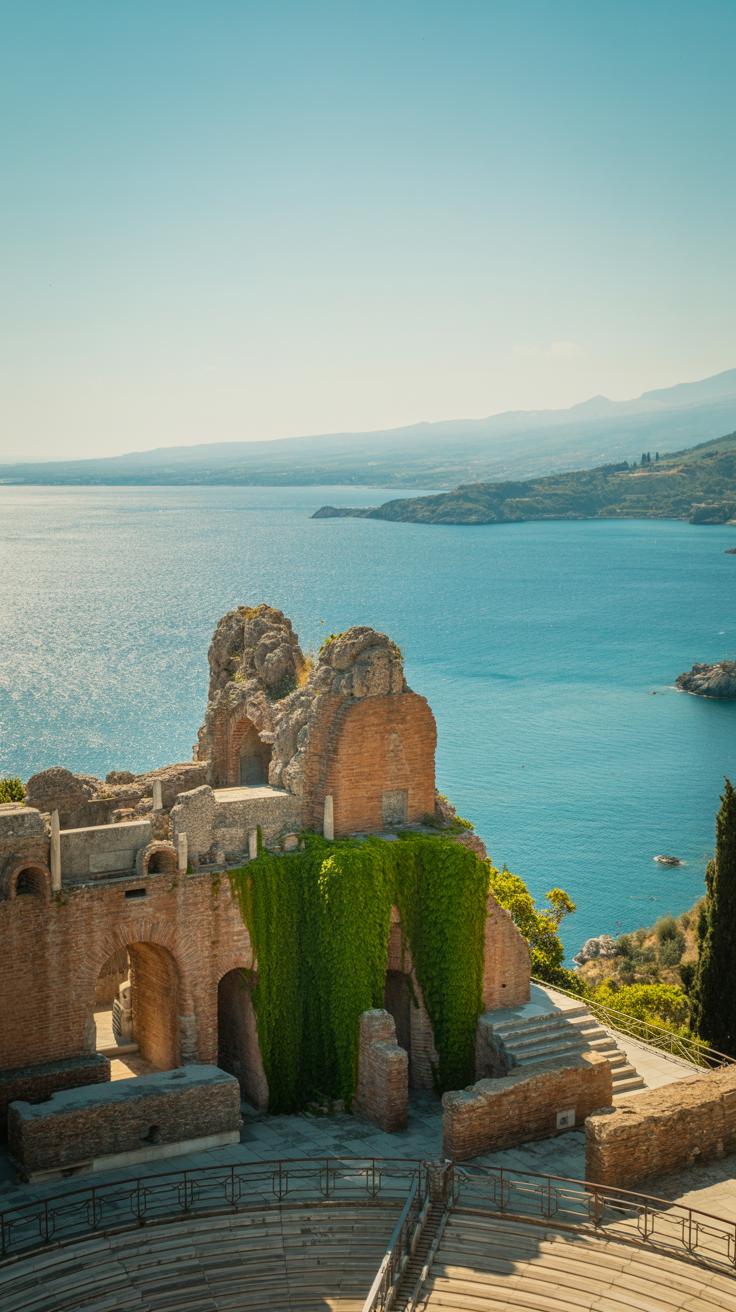
- What it is: A remarkably preserved 3rd-century BC Greek theatre, later remodelled by the Romans. The second-largest ancient theatre in Sicily after Syracuse, with seating for around 5,400 spectators carved into the hillside.
- Why it matters: The setting is breathtaking. Behind the stage, Mount Etna rises in the distance with the Ionian Sea spreading below. It’s one of those rare sites where the location rivals the archaeology. Still used for concerts and events during summer months.
- Time needed: Allow 60-90 minutes including entry queue, exploring the site, and soaking up the views. Peak summer mornings see the longest waits.
- Practical tips: Entry costs around €10-12. Buy tickets online in advance during high season to skip queues. Arrive early morning or late afternoon for better light and fewer crowds. Minimal shade, so bring sun protection. Uneven ancient stonework throughout – watch your footing. Located at the eastern edge of town, about 15 minutes’ walk uphill from Porta Messina entrance.
Corso Umberto
- What it is: Taormina’s main pedestrian thoroughfare, running the length of the old town from Porta Messina to Porta Catania. Lined with shops, cafés, churches, and piazzas.
- Why it matters: This is Taormina’s living heart. You’ll pass the Duomo, Piazza IX Aprile with its panoramic terrace, and endless opportunities for people-watching, gelato, and browsing Sicilian ceramics. The street itself is architecturally charming with medieval buildings and flower-draped balconies.
- Time needed: You can walk end-to-end in 15 minutes, but allow at least an hour to actually stop, look around, and enjoy a coffee or granita. Two hours if you’re shopping.
- Practical tips: Gets absolutely mobbed mid-morning through afternoon. Early arrival or late afternoon offers a slightly more relaxed experience. Most shops open around 09:30-10:00 and close for siesta roughly 13:00-16:00, then reopen until 19:00-20:00. Cobblestones throughout.
Piazza IX Aprile
- What it is: A large terrace-like square roughly halfway along Corso Umberto, offering sweeping views across the coast toward Etna.
- Why it matters: One of the best photo spots in Taormina. The combination of the elegant Chiesa di San Giuseppe, the Torre dell’Orologio (clock tower), and the vista makes it an ideal pause point. Cafés with outdoor seating line the square.
- Time needed: 15-20 minutes for photos and views, longer if you’re sitting down for a drink.
- Practical tips: Expect to pay €5-7 for a coffee at the terrace cafés – you’re paying for the location. The square is directly on Corso Umberto, impossible to miss. Relatively flat.
Isola Bella
- What it is: A tiny island nature reserve connected to the mainland by a narrow sandy isthmus, sitting in the bay below Taormina. Crystal-clear water, pebble beach, and lush vegetation.
- Why it matters: Stunning swimming spot and a nature reserve with walking paths. The beach and surroundings are genuinely beautiful, and it’s a welcome break from the tourist throngs in town.
- Time needed: Getting down from Taormina to Isola Bella takes about 20-30 minutes via steep steps or cable car to Mazzarò then a short walk. Allow 90 minutes minimum if you want to swim or explore the island properly.
- Practical tips: Beach access is free, but lounger and umbrella hire costs extra. Entry to the island nature reserve costs a few euros. Bring swim gear and water shoes for the pebbles. The descent from Taormina is steep (hundreds of steps via Via Guardiola Vecchia) – take the cable car if your knees object. Can get crowded in summer. Only realistic if you have 5+ hours in port and are comfortable with the time trade-off versus seeing more of Taormina proper.
Taormina Cathedral (Duomo di Taormina)
- What it is: A 13th-century fortress-like cathedral dedicated to Saint Nicholas, sitting in a small piazza just off Corso Umberto.
- Why it matters: Interesting example of Sicilian Norman architecture with a restrained interior and a charming fountain in the square outside. Quick cultural stop between shopping and sightseeing.
- Time needed: 10-15 minutes unless you’re particularly interested in church architecture.
- Practical tips: Free entry. Modest dress required (covered shoulders and knees). Located mid-way along Corso Umberto. Opening hours vary; typically mornings and late afternoons, closed during afternoon siesta.
Public Gardens (Villa Comunale)
- What it is: Landscaped public gardens created by an eccentric English noblewoman in the late 19th century, featuring exotic plants, quirky Victorian pavilions, and sea views.
- Why it matters: A peaceful retreat from the crowds with shaded benches and unusual architecture. Nice spot to rest your feet between sites.
- Time needed: 20-30 minutes for a leisurely stroll.
- Practical tips: Free entry. Located on Via Bagnoli Croce, just below the main town. About 10 minutes’ walk from Corso Umberto. Relatively flat paths within the gardens. Open daylight hours.
Port Day Itinerary: Things to Do in 8 Hours
Here’s a realistic schedule that fits a typical 08:00-17:00 port day, accounting for tender times, transport, queues, and a proper break for lunch.
- 08:00-08:45 | Tender Ashore & Transport to Taormina: Grab an early tender to beat crowds. Head straight to the Interbus stop near the tender dock and catch a bus up to Taormina (€2, runs every 15-30 minutes). Journey takes about 15-20 minutes. Alternatively, share a taxi with other passengers for €20-30 total.
- 09:00-10:30 | Greek Theatre: Enter through Porta Messina and walk up Via Teatro Greco (15 minutes uphill from bus stop, follow signs). Arrive at opening time to avoid coach tour groups. Spend 60-90 minutes exploring the theatre, taking photos with Etna in the background, and reading the information boards about its history.
- 10:30-11:00 | Walk to Corso Umberto via Public Gardens: Stroll back down toward the town centre, cutting through the Villa Comunale gardens for a shady break and sea views. Exit onto Corso Umberto.
- 11:00-12:30 | Corso Umberto & Piazza IX Aprile: Walk the length of the main street, stopping at Piazza IX Aprile for photos and a granita or coffee at one of the terrace cafés (budget €5-7). Browse ceramic shops, peek into the Duomo if it’s open, and soak up the atmosphere. It’s getting busy now but still manageable.
- 12:30-14:00 | Lunch: Find a trattoria just off Corso Umberto for better value than the main drag. Try pasta alla Norma (with aubergine, tomato, and ricotta salata – a Sicilian classic) or fresh swordfish. Expect to pay €12-18 for a main course, plus drinks. Many restaurants close between 15:00-19:00 so don’t leave lunch too late.
- 14:00-15:00 | Free Time: More shopping along Corso Umberto, a second gelato, or wander the quieter back streets and staircases that branch off the main thoroughfare. If you’re keen and have the energy, walk down to Isola Bella (allow extra time and skip something else), or simply relax in a café.
- 15:00-15:30 | Return Journey to Port: Walk back to the bus terminal at Via Luigi Pirandello. Catch the Interbus back down to Giardini Naxos (€2). Buses run regularly but check the schedule to avoid long waits. Alternatively, phone for a taxi.
- 15:30-16:15 | Giardini Naxos Waterfront: If you have time before the last tender, stroll the seafront promenade, grab a final gelato, or visit the Archaeological Park if you’re keen on ancient history and didn’t fit it in earlier.
- 16:15-17:00 | Tender Back to Ship: Head to the tender queue with at least 45-60 minutes before all-aboard time. Queues can be long when multiple ships are tendering simultaneously. Better to be early and safe than sprinting for the last boat.
This timing works comfortably and builds in buffer time for queues, wrong turns, and spontaneous gelato stops.
Where to Eat Near the Port
Giardini Naxos offers a decent selection of waterfront dining, though the real culinary action happens in Taormina. Here’s what to expect in both areas.
- Giardini Naxos Waterfront: The promenade and side streets near the tender dock have numerous cafés, pizzerias, and seafood restaurants aimed at tourists and locals alike. Quality varies – look for places with actual Italian families eating there rather than menus with eight different languages and photos. Fresh seafood pasta runs €12-18, pizzas €8-12. Decent spot for a quick lunch if you’re staying near the port or waiting for transport.
- Taormina – Corso Umberto & Side Streets: The main drag is lined with restaurants, but step into the quieter alleys for better value and less tourist-trap vibes. Try pasta alla Norma (aubergine, tomato, basalica, ricotta salata – the signature Catania/Taormina dish) for €12-15, or fresh swordfish or tuna for €16-20. Granita (Sicilian flavoured ice, usually served with brioche) is a must-try breakfast or snack – lemon, almond, or mulberry are classic flavours. Expect to pay €3-5. Arancini (fried rice balls stuffed with ragù, cheese, or other fillings) are sold at cafés and bakeries for €2-4 – perfect quick bite.
- Lunch timing: Most restaurants close between roughly 15:00-19:00 for siesta. Plan accordingly or you’ll be hunting for a sandwich. Cafés and gelaterias stay open throughout the day.
- Quick options: Bakeries and cafés along Corso Umberto sell panini, arancini, and pastries if you’re in a rush. Gelaterias are everywhere – quality is generally high, prices €2.50-4 for a cone or cup.
- Food safety: Tap water is safe to drink. Street food and café fare is reliably safe. Avoid restaurants aggressively touting for business or with suspiciously cheap menus – usually a sign of frozen, reheated food.
- Tipping: Service charge (coperto) of €1-3 per person is standard and covers bread/table. Tipping beyond that is optional; locals round up or leave small change for good service, but 10-15% isn’t expected.
Shopping: What to Buy & Where to Go
Taormina is genuinely good for shopping, particularly for Sicilian ceramics, local food products, and artisan goods. Giardini Naxos has far less to offer beyond beachwear and tourist tat.
- Sicilian Ceramics: The standout purchase. Hand-painted plates, bowls, tiles, and decorative pieces in vibrant yellows, blues, and greens. Corso Umberto has dozens of ceramics shops ranging from cheap imports to genuine artisan work. Prices start around €15-20 for small items; larger platters and vases run €50-150+. Check for “Made in Italy” or ask about origin – some cheaper pieces are imported from elsewhere. Many shops will wrap and box items for travel.
- Food Products: Pistachio products (paste, cream, biscuits) from nearby Bronte are excellent. Look for bottled Sicilian capers, sun-dried tomatoes, olive oil, and local wines (Nero d’Avola and Etna Rosso are regional reds). Small specialist food shops along Corso Umberto stock quality items. Prices are reasonable; a jar of pistachio cream costs €8-12, olive oil €10-20 depending on size and quality.
- Limoncello & Liqueurs: Lemon liqueur and almond-based amaretto are widely available. Small bottles (200ml) start around €8-10. Taste before buying if possible.
- Coral & Lava Jewellery: Local artisans create jewellery from Etna lava stone (black, porous rock) and Mediterranean coral. Unique pieces, though coral items can be pricey. Bracelets and pendants start around €20-30 for lava, €50+ for coral.
- Textiles & Linens: Sicilian embroidered linens and lace are traditional but less commonly seen in Taormina’s tourist-focused shops. If you spot genuine handwork, it’s worth considering.
- Haggling: Not really expected in established shops. You might get a small discount if buying multiple items or paying cash, but don’t push it. Market stalls and very touristy shops may be more flexible, but Taormina’s retail scene is fairly fixed-price.
- Shop Hours: Typically 09:30/10:00-13:00, then 16:00-19:30/20:00. Many shops close Sunday afternoons and Mondays, though tourist-focused stores along Corso Umberto often stay open daily during cruise season (roughly April-October). August sees some closures as locals take holiday.
- Public Holidays: Italian public holidays (especially 1 January, Easter, 15 August, 1 November, 25-26 December) see many shops closed. Check ahead if your port day falls on a holiday.
Essential Gear for a Full Day Exploring Taormina
You’ll likely walk 15,000+ steps exploring Taormina’s cobblestones, hills, and ancient sites. Here’s what made our day comfortable and what we wished we’d brought:
For Your Feet
The cobblestones and stairs here are no joke. Comfortable walking shoes for men or supportive walking shoes for women saved us from the blisters we got at other Italian ports. Even if your shoes are broken in, bring blister prevention tape just in case – those Greek Theatre steps are relentless.
Your Daypack
You’ll need something for water, sunscreen, souvenirs, and the layers you peel off as the day heats up. An anti-theft backpack fits under airline seats on the way here and kept our stuff secure in crowded Corso Umberto. A collapsible water bottle clips on the outside and takes up almost no space when empty.
Staying Charged
Between photos, maps, translation apps, and messaging your ship, your phone will die. A 20000mah portable charger got us through 12-hour port days in Sicily without stressing about battery. The smaller 10000mah version works if you’re trying to pack light.
Staying Organized
With limited cabin space, compression packing cubes let us find what we needed without destroying our suitcase every morning. Game-changer for multi-port Mediterranean cruises. A hanging toiletry bag uses vertical space in tiny cruise cabin bathrooms.
Beach Time at Giardini Naxos or Isola Bella
If you’re planning time on the pebble beaches, a quick-dry travel towel takes up a fraction of the space compared to ship towels and dries fast in your cabin. Reef-safe sunscreen protects you and the Mediterranean ecosystem – some areas are starting to restrict non-reef-safe formulas. A waterproof phone pouch lets you take photos at the waterline without risking your phone.
Smart Packing for Your Flight and Cruise
Most cruise cabins are tiny. A hardside carry-on spinner fits in cabin storage and the hard shell protects those ceramic souvenirs you’ll buy on Corso Umberto. A portable luggage scale saves you from overweight bag fees at the airport after shopping. For the long flight to Sicily, a memory foam travel pillow and compression socks make the journey bearable.
Emergency Contacts
- Police (Carabinieri): 112 (European emergency number, works for all emergencies)
- Ambulance: 118
- Local Police (Taormina): +39 0942 610010
- Giardini Naxos Police: +39 0942 51212
- Hospital (Ospedale San Vincenzo, Taormina): +39 0942 579111 (nearest major facility)
- Port Authority (Giardini Naxos): +39 0942 51238
- Tourist Information (Taormina): +39 0942 23243
Save your cruise ship’s emergency contact number before going ashore. Your ship will provide this during embarkation; store it in your phone immediately.
Currency, ATMs & Money Matters
Taormina and Giardini Naxos use the euro. Most places accept cards, but cash is still useful for small purchases, buses, and market stalls.
- Local Currency: Euro (EUR). As of current exchange rates, £1 ≈ €1.15-1.20; US$1 ≈ €0.90-0.95 (rates fluctuate).
- ATMs: Several ATMs are located along the Giardini Naxos waterfront near the tender dock, and many more line Corso Umberto in Taormina. Most accept international cards (Visa, Mastercard, Maestro). Withdraw euros from bank-affiliated ATMs rather than independent machines to avoid poor exchange rates and high fees. Your bank will likely charge a foreign transaction fee (typically 2-3%) plus a flat ATM withdrawal fee (£1-3); check before you travel.
- Card Acceptance: Widely accepted in restaurants, shops, and attractions in Taormina. Smaller cafés and market stalls may prefer cash. Contactless works in most places. American Express is less commonly accepted than Visa/Mastercard.
- Exchange Options: Avoid currency exchange kiosks in tourist areas – rates are poor. Use ATMs for best rates, or exchange a small amount on your ship if needed (ship rates are usually mediocre but convenient).
- How Much Cash: €50-80 per person should cover a day’s buses, snacks, gelato, and small purchases if you’re paying for meals by card. Bring more if you’re planning significant shopping or prefer cash for everything.
- Notify Your Bank: Let your bank and credit card companies know you’re travelling to Italy to avoid fraud blocks. Many banks now allow you to set travel notifications via app.
- Coperto & Service: Restaurants charge coperto (cover/bread charge) of €1-3 per person. This is legal and standard, not a scam. Service (servizio) is sometimes included in the bill (usually 10-12%); check before adding a tip. If not included, rounding up or leaving 5-10% is appreciated for good service but not obligatory.
Weather by Month
| Season/Months | Temperature Range | Conditions & What to Expect |
|---|---|---|
| Spring (March-May) | 14-23°C | Pleasant temperatures, increasing sunshine. March can be cool with occasional rain; April and May are ideal with warm days, blooming flowers, and manageable crowds. Pack layers and a light rain jacket for early spring. Good time for walking and sightseeing without summer heat. |
| Summer (June-August) | 24-32°C | Hot and dry. July and August are peak season with intense sun, high temperatures, and the largest crowds. Little to no rain. Essential to bring sun protection, hat, and water. Expect full tourist mode – Greek Theatre and Corso Umberto are packed. Early morning or late afternoon visits are more comfortable. |
| Autumn (September-November) | 16-26°C | September and early October remain warm and sunny with fewer crowds than high summer – arguably the best time to visit. November cools down with increased chance of rain. Sea is still swimmable through September. Pack a light jacket for evenings and late autumn visits. |
| Winter (December-February) | 10-15°C | Mild but wet. Fewer cruise ships call during winter months. Taormina is quieter; some tourist facilities and restaurants close for the season. Rain is frequent, especially December and January. Not ideal for beach or outdoor activities, but sightseeing is still viable with appropriate clothing. Etna often has snow, creating striking views. |
Common Questions & FAQ
Is the Greek Theatre actually worth the entry fee and crowds?
Honestly, yes – but with caveats. If you have any interest in ancient history or dramatic coastal views, it delivers. The theatre itself is impressive, and the backdrop of Etna and the sea is genuinely special. That said, it gets mobbed by tour groups between 10:30-13:00 in summer. Arrive at opening time (typically 09:00) or after 15:00 to avoid the worst crush. If you’re indifferent to ruins and just want “nice views,” Piazza IX Aprile offers similar vistas for the price of a coffee. But if you’re ticking off major Sicilian sites, skipping the theatre would be a mistake.
Do I really need to book Greek Theatre tickets online, or is that just hype?
During peak season (June-August), online booking saves you 20-40 minutes in the ticket queue. Mid-season (April-May, September-October), queues are shorter but still present. If you’re arriving early on a port day, you can usually buy on arrival without much wait. However, if multiple large ships are docked, the ticket office can have significant queues by 10:00. Booking ahead costs the same as buying on-site and guarantees entry, so it’s worth doing if you’re visiting in summer or your port day coincides with other ships.
Can I visit Mount Etna on a cruise port day?
Possible, but tight. Etna is about 60-75 minutes’ drive from Giardini Naxos/Taormina depending on which side of the volcano you visit. Organised shore excursions to Etna exist and handle timing, transport, and guide. If you’re attempting it independently, you’ll spend 3+ hours on transport alone, leaving minimal time at the volcano and none in Taormina. Only realistic if you have 10+ hours in port, you’re willing to skip Taormina entirely, and you hire a private driver or join a small group tour. Most cruise passengers choose Taormina for the shorter journey and more relaxed day.
Is the cable car worth it versus just taking the bus?
The cable car (Funivia) is scenic and fun, but it doesn’t run from the port – you need to reach Mazzarò beach first, which requires a bus or taxi. For most cruise passengers, taking the direct Interbus from Giardini Naxos port to Taormina is simpler and faster. The cable car makes sense if you’re planning beach time at Mazzarò or Isola Bella anyway, in which case it’s a nice way to zip back up to town. Otherwise, it’s an unnecessary extra step unless you’re specifically interested in the ride itself.
How long does the tender process take, and how do I avoid missing the ship?
Tender boarding depends on your ship’s system – usually priority for tours, then by deck or ticket number. First tender typically leaves 30-60 minutes after the ship anchors. Return tenders run continuously until about 30 minutes before all-aboard time. Budget at least 60-90 minutes for getting back to the port, queuing for the tender, and clearing security back on ship. If you’re cutting it fine, head back 90 minutes before departure. Missing the tender is one of the few ways to miss your ship, and it happens – don’t risk it for one more gelato.
Are there any good beaches near the port if I just want to swim instead of sightsee?
The Giardini Naxos waterfront has pebble beaches immediately accessible from the tender dock. Free access, but most of the beach is divided into private lido sections where you pay for loungers and umbrellas (roughly €10-20 for the day). Mazzarò and Isola Bella beaches are more scenic but require transport from the port. If you just want a quick swim and lunch by the sea without the Taormina crowds, staying in Giardini Naxos is perfectly reasonable. The water is clean, views are lovely, and you’re close to the tender for stress-free return.
What’s the one thing I shouldn’t miss if I only have three hours ashore?
Greek Theatre and a quick walk along Corso Umberto to Piazza IX Aprile. Take an early bus or taxi straight up to Taormina (15-20 minutes), head directly to the theatre (15-minute walk uphill from bus stop), spend an hour there, then stroll back down through the town centre to the bus stop. That gives you the iconic Taormina experience without stress. Skip Isola Bella and the Public Gardens if you’re that pressed for time – save them for a longer visit.
Is Taormina accessible for wheelchair users or people with limited mobility?
Partially, with challenges. Corso Umberto is mostly flat and paved, suitable for wheelchairs and mobility scooters. However, getting to the Greek Theatre involves uphill walking on uneven cobblestones and some steps. The theatre itself has limited accessibility – much of the seating area is stepped ancient stone. Taxis can drop you closer to sites than buses, reducing walking. The cable car is accessible. Giardini Naxos waterfront is flat and easier to navigate. If you have significant mobility limitations, consider a private tour with accessible transport and realistic expectations about which sites are manageable.
Personal Experience
We docked at Giardini Naxos early in the morning, and honestly, getting up to Taormina was much easier than I expected. The port itself is pretty straightforward – you can hop on a local bus that takes about 15 minutes to wind up the hillside, or grab a taxi if you’re in a group and want to split the cost. We went with the bus because it was ridiculously cheap, and the views going up those serpentine roads were absolutely stunning. Just a heads up: the bus stops at the bottom of Taormina, so you’ll still need to walk uphill through the town or take the little cable car.
Once we got there, I’m so glad we arrived early because Taormina gets packed by mid-morning, especially when multiple cruise ships are in port. We made a beeline for the Greek Theatre first thing, and it was worth it – the combination of ancient ruins with Mount Etna in the background is something you won’t forget. After that, we just wandered through Corso Umberto, ducking into little ceramic shops and grabbing granita at a café. My advice? Wear comfortable shoes because those cobblestones and stairs are no joke, and give yourself at least four hours if you want to see the main sights without rushing. The last bus back to the port runs around 7 PM, but double-check the schedule because missing it would be an expensive taxi ride.
Planning to explore more of Sicily? Don’t miss our guides to Messina cruise ship port, Catania cruise ship port, and Syracuse cruise ship port. For a broader perspective on the region, check out our Mediterranean cruise ports in Greece guide and our comprehensive Eastern Mediterranean cruise ports guide.
Last Updated: 10 February 2026