
I’ve sailed both Cunard and Princess Cruises more times than I care to count, they’re worlds apart despite sharing the same parent company. One feels like stepping into a country house hotel with dress codes and afternoon tea; the other is your reliable, well-equipped floating resort that won’t judge you for wearing shorts to breakfast. Neither is objectively better, but one will suit you far more than the other depending on what you actually want from a cruise.
Cunard operates four ships built around the golden age of ocean liners, complete with formal nights, white-glove service and a passenger demographic that skews significantly older. Princess runs a modern fleet of fifteen ships designed for broad appeal, family practicality and relaxed flexibility. If you’re torn between the two, you’re probably not comparing like with like, but I’ll help you work out which one deserves your money.
This guide covers the real differences between Cunard and Princess Cruises including formality levels, dining styles, onboard atmosphere, itinerary focus, family suitability, and honest assessments of who each line actually suits best.
The Formality Question (Because It Actually Matters)
This is where the two lines diverge most sharply, and it’s often the deciding factor once you understand what it means in practice.
- Cunard maintains a dress code that’s enforced. Gala evenings require black tie or dark suit for men, evening gowns or cocktail dresses for women. You’ll find this happens two or three times per week on longer voyages. Smart attire is expected in the main dining rooms every evening, which means no jeans, no shorts, no trainers. The alternative is eating in the buffet, which rather defeats the point of paying for Cunard in the first place. People do dress up, and if you arrive underdressed you’ll feel it immediately.
- Princess has formal nights, but they’re optional in the truest sense. The main dining rooms will seat you regardless of what you’re wearing on formal evenings, though most passengers do make an effort. Smart casual is the default for other evenings, but it’s interpreted loosely. You’ll see plenty of people in jeans and casual shirts, and nobody bats an eyelid. If you want to dress up, you can. If you’d rather not, you won’t be eating chicken breast in the buffet as punishment.
What This Means for Your Packing
- Cunard: You need formal wear, multiple smart outfits, and proper shoes. One suitcase won’t cut it for anything longer than a week.
- Princess: Smart casual covers most evenings. Formal wear is useful but not essential. You can pack lighter.
- Neither line is suitable if you want to spend your entire cruise in shorts and flip-flops, but Princess gets closer.
Ships, Space and Onboard Atmosphere
- Cunard’s four Queens feel fundamentally different from Princess ships the moment you board. Queen Mary 2, Queen Victoria and Queen Elizabeth were designed to evoke ocean liners rather than modern cruise ships. That means art deco flourishes, wood panelling, smaller public spaces and a quieter, more intimate feel. QM2 is the largest at 151,000 gross tonnes, but she still feels more restrained than Princess’s big ships.
- Princess operates a diverse fleet ranging from smaller ships around 77,000 tonnes to the Royal Class vessels at 145,000 tonnes. The newer ships lean heavily into contemporary resort features: large pool decks, water features, expansive buffets and bright, modern interiors. They feel purpose-built for relaxation and entertainment rather than evoking maritime history.
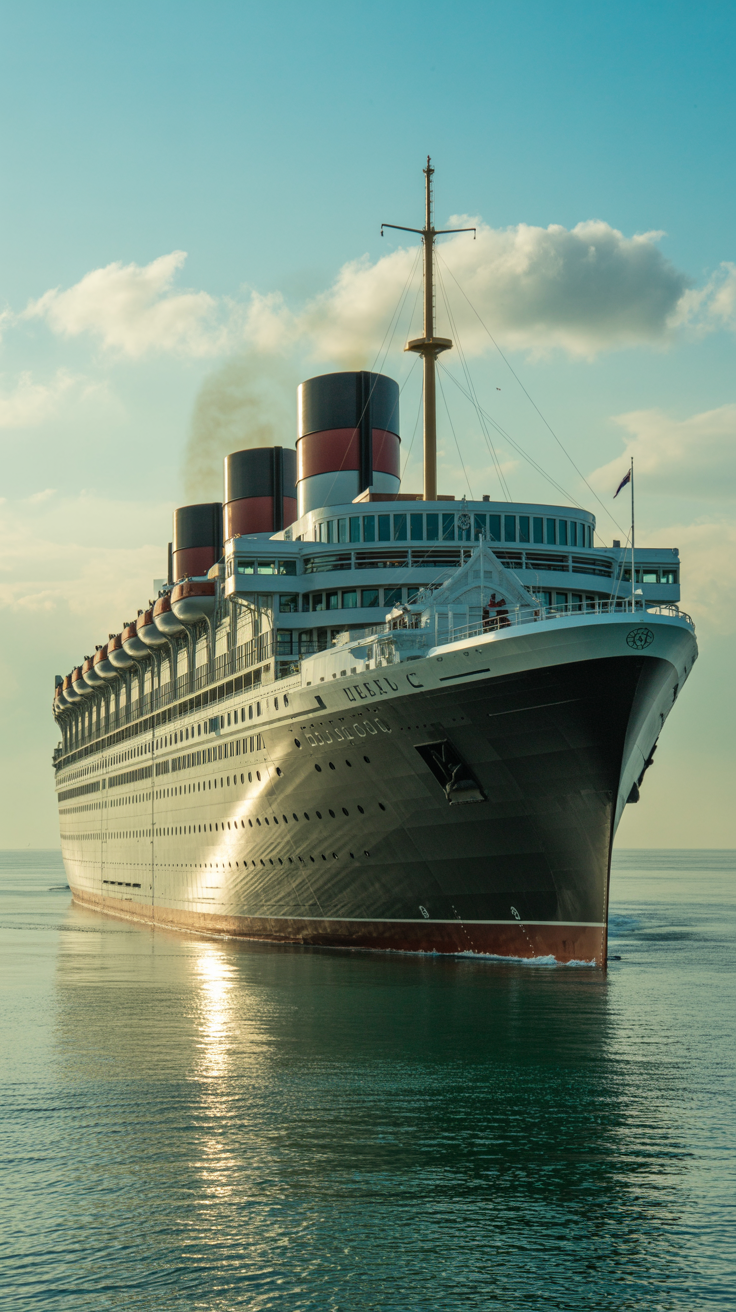
| Feature | Cunard | Princess Cruises |
|---|---|---|
| Fleet size | 3 ships | 15 ships |
| Design philosophy | Classic ocean liner aesthetic, traditional elegance | Modern resort feel, broad appeal |
| Public space feel | Intimate, quieter, refined | Larger, livelier, more social activity zones |
| Pool and deck space | Smaller, less family-focused | Expansive, multiple pools, family-friendly zones |
| Cabin style | Traditional, smaller on average | Contemporary, good range of sizes |
The passenger demographic tells you everything you need to know about atmosphere. Cunard skews heavily towards retirees and older couples seeking a refined, quieter cruise. You’ll find very few children except during school holidays, and even then not many. Princess attracts a much broader age range including families, multi-generational groups and younger couples. It’s noticeably more lively, particularly around the main pool areas and during daytime activities.
Dining: Where the Differences Get Personal
This is where your preference will become very clear very quickly, because the two lines approach dining from opposite directions.
- Cunard operates traditional fixed seating in the main dining rooms, assigned at booking based on your cabin grade. Grill class passengers (suites) dine in exclusive restaurants with more choice and flexibility. Everyone else gets one of two sittings, and you’ll have the same table with the same tablemates throughout your cruise. The menu is formal, multi-course and classical. Service is attentive to the point of theatrical, with white-gloved waiters and a pace that assumes you have nowhere else to be. Specialty dining options are limited: a steakhouse, an Asian-fusion venue and not much else.
- Princess offers anytime dining in multiple main restaurants, so you can eat when you want with whom you want. The menus are contemporary with broader international influences. Specialty restaurants are plentiful: a proper steakhouse, Italian, Asian, seafood grill and casual venues including a very decent pizzeria. You can mix it up every night or stick to your favourite. The service is professional but less formal, and meals move at a pace that suits modern expectations rather than Edwardian ones.
Honest Assessment of Food Quality
- Cunard’s main dining rooms serve competent, classical cooking with occasional flashes of excellence. It’s rarely poor but equally rarely exciting. The real appeal is the theatre of service rather than cutting-edge cuisine.
- Princess main dining is solid across the board with better variety. The specialty restaurants genuinely raise the bar, particularly the steakhouse and seafood venues.
- Both lines do breakfast buffets well. Cunard’s sit-down breakfast service is a pleasure if you have time.
- Neither line will satisfy serious food obsessives, but Princess offers more opportunity to avoid the same menu rotation every week.
For more context on what makes Cunard different from other cruise lines, the dining formality is a core part of the brand identity rather than an optional extra.
Entertainment and Enrichment (And Why Age Matters)
- Cunard leans heavily into enrichment programming: guest lecturers, classical music recitals, planetarium shows on QM2, Royal Court Theatre productions and afternoon ballroom dancing. The entertainment is high-culture adjacent, and if that’s not your thing you’ll find evenings rather limited. There’s a cinema, a few bars with live music and that’s largely it. The appeal is conversation, reading in the library and a slower, more contemplative pace.
- Princess runs a full entertainment schedule designed to keep passengers busy from morning until late evening: Broadway-style production shows, Movies Under the Stars on the big screen by the pool, game shows, live bands across multiple venues, passenger talent shows and themed deck parties. Kids’ clubs are comprehensive with age-appropriate programming from toddlers to teens. If you want constant activity options, Princess delivers without overwhelming you.
What You’ll Actually Do in the Evenings
- Cunard: Formal dining, theatre production or classical concert, drinks in a quiet bar, bed by 11pm. Repeat throughout the cruise with minimal variation.
- Princess: Dining when you fancy it, choose between production show or live music, Movies Under the Stars with complimentary popcorn, multiple bars with different atmospheres, late-night socialising if you want it.
- Cunard suits you if you find constant entertainment options exhausting and prefer a smaller selection done well.
- Princess suits you if you like having choices each evening and travelling with people who have different entertainment preferences.
Itineraries: Length, Pace and Regional Focus
- Cunard specialises in longer voyages and the iconic transatlantic crossings between Southampton and New York that no other mainstream line operates regularly. You’ll find plenty of 14-night voyages, multi-week grand voyages and full world cruises. The pace is slower with more sea days, which suits the onboard enrichment focus. Destinations lean towards culturally significant ports rather than beach resorts: Northern Europe, the Mediterranean with overnight stays in Venice or Rome, and extended voyages to Asia or South America.
- Princess offers far more variety with itineraries spanning seven to over 100 nights. The bread and butter is one and two-week cruises covering Alaska, the Caribbean, Mediterranean, Northern Europe and Asia-Pacific. Princess dominates the Alaska market from both Seattle and Vancouver with glacier-heavy itineraries that work brilliantly for first-timers. You’ll find more port-intensive schedules with fewer sea days, which means less time using the ship’s facilities but more destinations ticked off.
If you specifically want cruises departing from UK ports, both lines operate from Southampton, though Cunard has the stronger programme with year-round departures and the transatlantic monopoly.
Family Suitability and Multi-Generational Travel
This one’s straightforward: Princess is built for families and Cunard reluctantly tolerates them.
- Cunard has added kids’ clubs and family-focused programming in recent years, but it’s clearly an afterthought bolted onto a product designed for adults. Facilities are limited, activities are sparse outside school holidays and the formal atmosphere doesn’t suit young children. Teenagers will be bored unless they’re unusually keen on ballroom dancing and lectures about maritime history. If you’re taking grandchildren, prepare for them to spend most of their time in the cabin or following you around formal dining rooms where they’d rather not be.
- Princess operates comprehensive kids’ clubs divided by age group with proper facilities, trained youth staff and full-day programming that genuinely occupies children. Teen zones include gaming areas and age-appropriate activities that actually appeal to that difficult demographic. Multi-generational groups work well because there’s something for everyone without forcing the family to stick together all day. Dining flexibility means children can eat earlier and adults can take their time later.
The Grandparent Test
- Taking young grandchildren on Cunard is hard work and limits your enjoyment significantly
- Taking young grandchildren on Princess gives everyone breathing space and separate activities
- Adult-only couples travelling with other adult-only couples: either line works, preference depends on formality tolerance
- Teenagers: Princess is bearable, Cunard is punishment for everyone involved
Value, Pricing and What’s Included
- Cunard positions itself as premium-luxury, and the pricing reflects that positioning. You’ll pay more per night than Princess for a comparable cabin, and the gap widens when you compare like-for-like itineraries in the same region. What you’re paying for is the brand prestige, formal service standards and a passenger demographic that values the same things. Drinks packages exist but they’re expensive. Speciality dining is limited, so at least you’re not constantly upselling yourself. Gratuities are higher per person per day.
- Princess delivers better value in the traditional sense: lower base fares, frequent promotional offers, inclusive drinks packages that actually represent reasonable value, and more flexibility with cabin categories. You’ll find early booking discounts, onboard credit offers and bundled packages combining speciality dining, drinks and internet that make budgeting easier. The overall spend for a week can be significantly lower than Cunard even before you factor in Princess’s broader range of included dining options.
| Cost Element | Cunard | Princess Cruises |
|---|---|---|
| Base fare positioning | Premium, higher per night | Mid-range, competitive |
| Drinks packages | Expensive, limited value | Better value, frequently discounted |
| Specialty dining | Limited options, moderate pricing | Wide choice, covers most tastes |
| Gratuities | Higher daily rate | Standard industry rate |
| Promotional offers | Occasional, limited | Frequent, substantial |
Neither line is cheap once you factor in flights, transfers, drinks, excursions and the rest. But Princess gives you more cruise for your money if you’re measuring nights sailed, destinations visited and dining variety. Cunard charges a premium for intangibles: prestige, formality and a slower pace.
Which Line Suits You: The Honest Decision Matrix
- Choose Cunard if you genuinely enjoy dressing for dinner, appreciate formal service rituals, want longer voyages with extensive enrichment programming, prefer a quieter passenger demographic, and value the prestige of sailing on ships designed to evoke ocean liner heritage. It suits retired couples, solo travellers who enjoy structured formality, and anyone specifically seeking a transatlantic crossing. You should also actively want the Cunard experience rather than simply tolerating it.
- Choose Princess if you want flexibility over formality, prefer modern ships with extensive facilities, need comprehensive kids’ clubs for family travel, value dining variety and casual atmospheres, want shorter itineraries with more ports or are sailing to Alaska where Princess dominates the market. It suits first-time cruisers, multi-generational groups, families with children or teens, and anyone who finds rigid dress codes and fixed dining seating an active negative.
The Quick Elimination Test
- Travelling with children under 16: Princess eliminates Cunard immediately
- Want a transatlantic crossing: Cunard is your only mainstream option
- Allergic to formal dress codes: Princess is the clear choice
- Seeking the most formal cruise experience available: Cunard delivers consistently
- Budget is the primary concern: Princess offers better value across the board
- Want extensive enrichment and guest lectures: Cunard is purpose-built for this
For broader context comparing Cunard with other premium lines, see how Cunard differs from Royal Caribbean, Cunard versus P&O Cruises, or Cunard compared to Holland America. Each pairing highlights different aspects of what makes Cunard distinct.
The Ship Within Each Fleet That Changes Everything
For specific insights into individual ships, what makes Queen Victoria unique and the details of Queen Elizabeth are worth understanding before booking.
Common Questions
Can you dress casually on Cunard for the entire cruise?
No, not if you want to eat in the main dining rooms on gala evenings or most other nights. Smart attire is required, and it’s enforced. You can stick to the buffet, but that defeats much of the point of sailing Cunard. The dress code is a fundamental part of the product.
Is Princess suitable for couples without children?
Absolutely. Adult couples make up a large portion of Princess passengers, particularly on longer voyages, Alaska itineraries and world cruises. The kids’ clubs are easy to avoid, and plenty of spaces onboard cater specifically to adults. You’re not trapped on a floating daycare centre.
Which line has better cabins for the money?
Princess generally offers larger cabins at equivalent price points, with more modern fixtures and better storage. Cunard cabins are traditional and smaller on average unless you’re booking Grill class suites, which are genuinely luxurious but priced accordingly. For standard inside and oceanview cabins, Princess edges ahead on space and contemporary design.
Do both lines sail from UK ports regularly?
Yes, both operate from Southampton. Cunard has the stronger UK programme with year-round departures including all transatlantic crossings. Princess bases ships in Southampton seasonally, primarily for Northern Europe and Mediterranean itineraries during summer months. Cunard is the better choice if avoiding flights is a priority.
Which line has better food in the main dining rooms?
Neither excels, but Princess edges ahead on variety and contemporary menus. Cunard serves competent classical cuisine with formal service that’s part of the appeal. Princess offers broader choice with more international influences and faster service. For genuinely good food, both lines require you to book speciality restaurants, where Princess has more options.
Are Cunard cruises always full of elderly passengers?
Mostly, yes. The demographic skews heavily towards retirement age and older, particularly on longer voyages. You’ll find some younger passengers on shorter European itineraries during summer, but they’re a small minority. If you’re under 50, you’ll notice you’re among the youngest people onboard. This isn’t a criticism, just a fact worth knowing before booking.
Can you avoid fixed dining seating on Cunard?
Not in the main dining rooms unless you’re in a Grill class suite, which grants access to exclusive restaurants with flexible dining. Everyone else is assigned a fixed table and sitting time. You can request changes, but availability is limited and not guaranteed. If fixed seating is a dealbreaker, Princess eliminates this issue entirely with anytime dining.
Which line is better for Alaska specifically?
Princess dominates the Alaska market with more ships, more itineraries and its own wilderness lodges for pre- and post-cruise extensions. Cunard sends one ship for a short season with limited departures. Unless you specifically want the Cunard formality in Alaska, Princess is the stronger choice for that region with glacier-heavy itineraries and better port access. For Alaska cruising, pack a waterproof rain jacket since weather can be unpredictable even in summer.
Do both lines offer solo cabins without huge supplements?
Neither line is generous with solo travellers. Both charge substantial single supplements on most cabin categories. Princess has dedicated solo cabins on some newer ships with reduced supplements, but availability is limited. Cunard occasionally offers reduced single supplements on specific sailings, but it’s not standard. Solo cruising on either line requires budgeting for near-double occupancy pricing most of the time.
Why Trust About2Cruise
- I’m Jo, and I’ve sailed both Cunard and Princess Cruises multiple times across different ships and itineraries to compare them properly.
- This guide gets updated whenever either line changes their dining policies, dress codes or introduces new ships that alter the comparison.
- I don’t take commission from cruise lines, and I’ll tell you when one doesn’t suit your needs. Keeping your formal wear wrinkle-free is easier with a compact travel steamer, particularly important for Cunard’s gala evenings. If you’re bringing valuable jewellery for formal nights, a travel jewellery organizer prevents tangles and keeps everything secure in your cabin. For multi-week voyages on either line, compression packing cubes maximize cabin storage space and keep your belongings organized throughout the cruise. Read more about how we research and write these guides.