
Alaska cruises in June offer longer daylight hours, blooming wildflowers, and fewer crowds, with wildlife beginning to emerge. July brings warmer temperatures, peak wildlife activity including salmon runs, and calmer seas, though attracts more visitors. Both months provide excellent glacier viewing and comfortable cruising conditions during Alaska’s prime summer season.
Quick Facts: June vs July Alaska Cruises
| Factor | June | July |
|---|---|---|
| Average Temperature | 50-60°F | 55-65°F |
| Daylight Hours | 18-19 hours | 18-20 hours |
| Cruise Prices | Moderate to High | Highest (Peak Season) |
| Crowd Level | Busy | Very Busy |
| Wildlife Activity | High (whales, bears emerging) | Very High (salmon runs peak) |
| Rainfall Probability | Moderate | Lower |
| Wildflowers | Peak bloom | Late bloom |
| Sea Conditions | Generally calm | Calmest of season |
Want to know more about comparing different Alaska cruise months and seasons?
Weather and Climate Differences
The temperature difference between these two months is subtle but noticeable when you’re standing on deck watching glaciers calve. June typically hovers in the low to mid-50s while July warms up to the high 50s and low 60s. That 5-10 degree bump might not sound like much but it’s the difference between needing a fleece all day versus occasionally stripping down to a long-sleeve shirt.
Rain is always a wildcard in Alaska. June tends to see slightly more precipitation but honestly both months can surprise you with stunning sunshine or persistent drizzle. Pack layers either way and embrace the fact that you’re visiting a temperate rainforest. The planning guide for June Alaska cruises can help you pack appropriately for the cooler conditions.
Here’s something most people don’t consider: the quality of light for photography. June’s slightly lower sun angle creates richer colors during the extended golden hours. July’s higher sun can create harsher shadows at midday but those extra daylight hours mean more opportunities to catch wildlife in good light.
Wildlife Watching: When Nature Shows Off
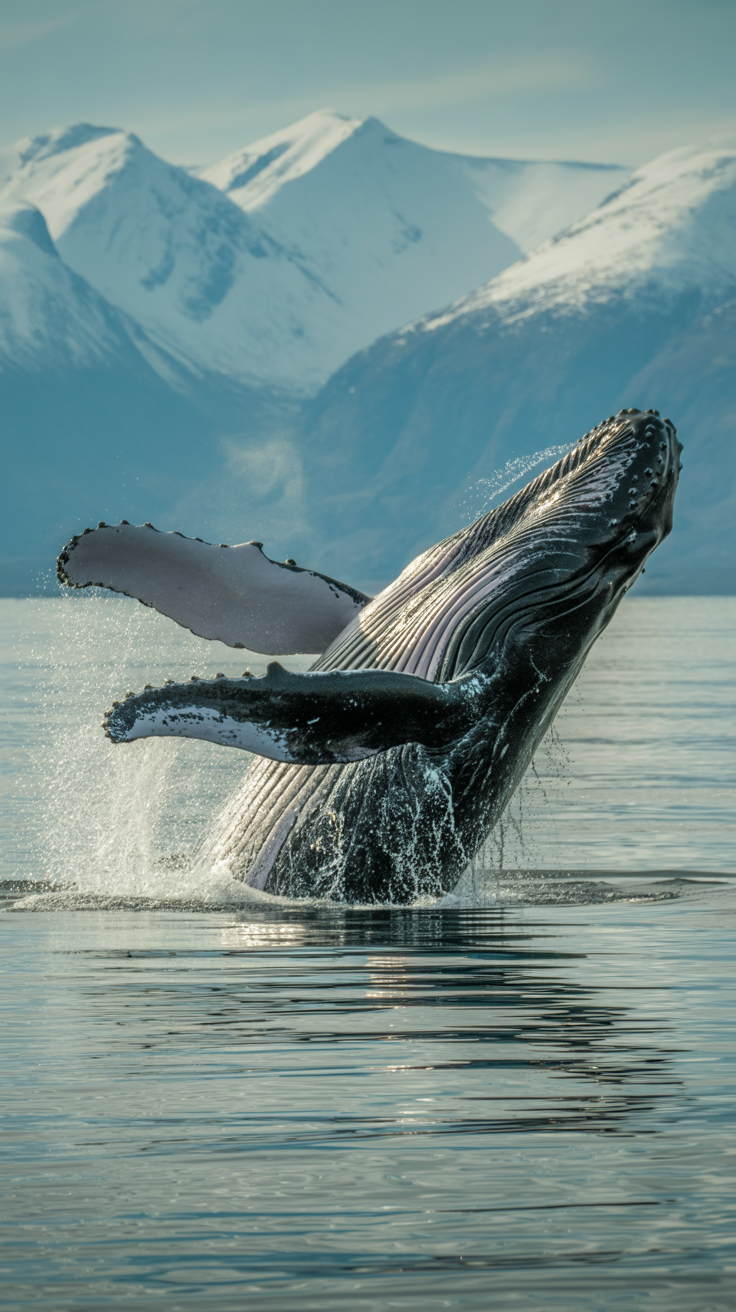
Both months deliver spectacular wildlife encounters but the cast of characters shifts slightly. In June you’ll catch humpback whales at peak feeding activity as they bulk up after their long migration. They’re hungry and active which means more breaching and tail slapping. Orcas patrol the waters throughout both months but June sometimes offers better viewing as they follow early salmon runs.
July brings the main event for bears: peak salmon season. When those fish start running in late June and through July bears congregate at streams and waterfalls for the buffet. If watching grizzlies catch salmon is high on your list July edges ahead. However June isn’t shabby either as bears are actively foraging and you’ll still see plenty of action.
For bird enthusiasts June is magical. Puffins, murres and other seabirds are actively nesting and feeding their young. By July some species have already started dispersing. The detailed look at July Alaska cruises provides more insight into the peak wildlife viewing opportunities that month offers.
Bald Eagles and Marine Life
Eagles are everywhere in Alaska but their behavior changes between these months. June eagles are busy with nestlings while July eagles are teaching juveniles to hunt. Both provide amazing photo ops but the July fledgling period adds extra drama.
Sea otters, seals and sea lions are active year-round but July’s warmer waters bring them closer to shore and make them more visible lounging on rocks and kelp beds. June viewers sometimes need binoculars for the same sightings.
Pricing and Value Considerations
Let’s talk money. July commands premium pricing as the absolute peak of peak season. We’re talking 20-40% higher fares compared to June depending on the cruise line and ship. The price jump happens right after the July 4th holiday week when families flood the market.
June offers better value especially early in the month. You get nearly identical experiences for significantly less money. The trade-off is slightly cooler weather and occasionally rougher seas in the Gulf of Alaska. For budget-conscious cruisers who don’t mind packing an extra jacket this is a no-brainer.
Shore excursions also feel the July price bump. A helicopter glacier tour or bear viewing flight might cost $50-100 more per person in July. These differences add up fast for families or groups. If you’re considering traveling in May versus June you’ll find even more significant savings though with trade-offs in weather and wildlife activity.
Crowds and Port Experience
Both months are busy but July takes it to another level. Popular ports like Juneau, Ketchikan and Skagway can see 4-5 large ships in port simultaneously during July. That means 10,000+ cruise passengers descending on towns of 8,000 residents. The charm factor diminishes when you’re waiting in line for everything.
June is noticeably less congested especially in the first three weeks. You’ll still encounter crowds but they’re manageable. Restaurants have tables available and popular attractions like the Mendenhall Glacier don’t feel like Disneyland. This alone might tip the scales for travelers who value authentic experiences over perfect weather.
Here’s an insider tip: ships in July tend to be newer and larger because cruise lines deploy their premium vessels during peak demand. June often features slightly older or smaller ships which some cruisers actually prefer for the more intimate experience and easier navigation.
Daylight Hours: The Endless Sunset
Both months offer absurdly long days but July stretches things even further. In Juneau you’ll get about 18 hours of daylight in mid-June versus nearly 19 hours in mid-July. At these latitudes the difference feels negligible because you have extended twilight on both ends.
The real perk of these endless days isn’t the extra hour or two but the flexibility it provides. Miss the morning whale watching because you slept in? No problem. Grab an evening excursion at 8 PM when the light is still perfect. For photographers and nature lovers this extended golden hour is pure magic.
One caveat: sleeping can be challenging if you’re light-sensitive. Bring a sleep mask or request a cabin with good blackout curtains. Your body doesn’t quite know what to do when it’s bright at 11 PM.
Seasonal Activities and Attractions
Certain activities simply work better in one month versus the other. Glacier hiking and ice climbing are more accessible in July when snow levels recede and conditions stabilize. The extra warmth makes spending hours on ice significantly more comfortable even with proper gear.
Wildflower enthusiasts should lean toward June when lupine, fireweed and countless alpine species are at peak bloom. By mid-July many lower elevation flowers have already gone to seed though higher elevations are just starting. The landscapes in June photographs with more vibrant color.
Fishing charters target different species. June sees king salmon runs while July shifts toward sockeye and pink salmon. Halibut fishing is excellent in both months. If you’re considering cruising in July versus August you’ll find the salmon action continues strong into the later month.
Festival and Cultural Events
June catches several local celebrations including Sitka Summer Music Festival and various solstice parties that embrace the midnight sun. July brings Independence Day festivities that Alaskan towns celebrate with surprising enthusiasm given their remote locations.
These cultural events rarely make it into cruise ship marketing but they add authentic local flavor if you time your visit right. Check port schedules and consider arriving a day early to catch these community celebrations.
Which Month Should You Choose?
The best choice depends on your priorities and who’s traveling with you. Families with school-age children often have no choice but July which explains the premium pricing. If you have flexibility June offers tremendous value with minimal compromise.
Choose June if you want:
- Better pricing and value (20-40% savings)
- Fewer crowds at ports and attractions
- Peak wildflower viewing
- Active whale feeding behavior
- Slightly more intimate cruise experience
Choose July if you want:
- Warmest weather and most comfortable temperatures
- Peak salmon runs and maximum bear activity
- Calmest seas and smoothest sailing
- Maximum daylight hours
- Best conditions for glacier hiking
For a comprehensive overview check out which month is best for your Alaska cruise considering your specific interests and constraints.
Bonus Tips Most Guides Won’t Tell You
- Book shore excursions directly with local operators rather than through the cruise line in June when demand is lower. You’ll save money and often get more personalized experiences. July’s tight scheduling makes this riskier.
- The repositioning cruise from Seattle to Alaska in late May offers the best value but June provides the first real taste of summer conditions without extreme prices.
- Pack hiking boots regardless of month. The best wildlife viewing often requires walking on uneven terrain that deck shoes can’t handle.
- Download offline maps and wildlife identification apps before sailing. Cellular service is spotty at best and onboard WiFi is expensive and slow.
- Bring motion sickness remedies even if you’re not prone to seasickness. The Gulf of Alaska crossing can get bumpy in June and even calm July sailings hit occasional swells.
- Request a cabin on higher decks if possible. Alaska cruising is about the views and you’ll spend more time in your cabin watching scenery than on Caribbean cruises.
- Local seafood prices are actually cheaper in ports than onboard. Skip the ship’s specialty seafood restaurant and try local spots in Ketchikan or Sitka.
- The Russian influence in Sitka makes it the most culturally distinct port. Most cruise passengers skip the history for bears but you’re missing something special.
If you’re trying to decide between summer cruising versus shoulder season options like May or September each month brings distinct advantages worth considering.
Packing Essentials for Either Month
Your packing list should look nearly identical for June or July with minor adjustments. The layering system is essential for both months. Start with moisture-wicking base layers, add insulating mid-layers and top with waterproof outer shells.
June travelers should pack one extra warm layer and perhaps heavier gloves. July cruisers can get away with lighter fleece and might actually use shorts for a day or two. Both months require waterproof pants for excursions and a good rain jacket you’ll actually wear not just carry.
Sunscreen and sunglasses are critical in both months. The extended daylight and reflection off water and ice create surprising sunburn potential even when temperatures feel cool. A baseball cap saves your face during long days on deck.
Common Questions and FAQ
Do June and July cruises follow the same itineraries?
Yes, cruise lines run identical itineraries throughout the summer season. The ports, days at sea and route through the Inside Passage remain consistent from May through September. What changes is pricing, crowd levels and specific wildlife viewing opportunities based on seasonal animal behavior.
Will I need formal attire for evening dining in either month?
Most Alaska cruises maintain a more casual atmosphere than Caribbean or Mediterranean sailings regardless of month. While ships still host formal nights the expectations are relaxed. A sport coat or nice dress works fine. Many passengers skip formal nights entirely to watch the scenery during those endless daylight hours.
How much temperature difference will I feel between inside cabins and outside decks?
Ships maintain interior temperatures around 72-74°F year-round. Stepping outside in June might mean a 20-degree drop to the low 50s while July offers a more moderate 10-15 degree difference. This dramatic shift means you’ll constantly be adding or removing layers as you move between indoor and outdoor spaces.
Are Northern Lights visible during June or July Alaska cruises?
No, the extended daylight hours during summer months make aurora viewing impossible. You need darkness and solar activity. For Northern Lights you need to cruise in September or later when nights return. The midnight sun phenomenon you’ll experience instead is its own kind of magic though completely different.
Does the salmon run timing vary significantly within July?
Yes, early July catches the tail end of king salmon while mid to late July sees peak sockeye and pink salmon runs. If bear viewing at salmon streams is your priority aim for mid-July onward. The exact timing shifts slightly based on water temperatures and conditions but late July is typically peak action.
Can I switch shore excursions if weather turns bad in June?
Flexibility depends on whether you book through the cruise line or independent operators. Cruise line excursions typically offer rebooking options if weather forces cancellations though popular alternatives fill quickly. Independent operators have varying policies. June’s slightly higher rain probability makes this worth researching when booking.
For additional context on how these peak summer months compare to later season options explore the differences between August and September Alaska cruises which offer their own unique advantages as summer transitions toward fall.
Personal Experience
We went back and forth for weeks trying to pick between June and July for our Alaska cruise, and honestly, both months have their perks. June ended up winning for us because we wanted to catch the salmon runs and didn’t mind packing a few extra layers. The weather was cooler than July – we’re talking mid-50s most days – but we lucked out with mostly clear skies in the Inside Passage. The biggest surprise was how much we saved compared to our friends who went in July. They paid about 30% more for basically the same itinerary, though they did brag about warmer temps and longer daylight hours.
What really sealed the deal for June was the wildlife. Our naturalist guide mentioned that humpback whales are super active in early summer when they’re feeding heavily, and we spotted at least a dozen during our trip. The wildflowers were also just starting to bloom in the coastal areas, which made for some incredible photos. July would’ve given us even longer days – we’re talking nearly 20 hours of daylight – and warmer weather for glacier hiking, but the ports were noticeably less crowded in June. We could actually enjoy Juneau’s shops and restaurants without feeling like we were in a theme park. For us, the combination of better prices, active wildlife, and fewer tourists made June the sweet spot.