
Alaska cruise outfits should balance warmth and versatility with layering essentials. Pack waterproof jackets, fleece pullovers, thermal base layers, comfortable walking shoes, and casual dining attire. Include accessories like beanies, gloves, and scarves for chilly excursions. Opt for moisture-wicking fabrics, neutral colors for mixing and matching, and both active wear for adventures and smart-casual pieces for evening activities onboard.
Quick Facts: Alaska Cruise Packing Essentials
| Category | Must-Have Items | Temperature Range |
|---|---|---|
| Outerwear | Waterproof jacket, fleece, wind-resistant layer | 45-65°F typical |
| Base Layers | Thermal tops, moisture-wicking fabrics | Worn under everything |
| Footwear | Waterproof hiking boots, comfortable walking shoes, dressy casual shoes | All terrains |
| Evening Wear | Smart-casual outfits, dressy jeans, cardigans | Indoor dining |
| Accessories | Beanie, gloves, scarf, sunglasses, baseball cap | Variable conditions |
Want to know more about Alaska outfit planning for different activities and conditions? We’ve got comprehensive guides to help you pack perfectly.
Understanding Alaska’s Unique Climate Challenge
Here’s what most first-timers don’t realize: Alaska cruise weather is wildly unpredictable. You might experience four seasons in a single day. The coastal towns can be surprisingly mild while glacier viewing will have you reaching for every layer you packed. The real trick isn’t bringing heavy winter gear but mastering the art of strategic layering that lets you adapt quickly.
The temperature typically ranges from the mid-40s to mid-60s Fahrenheit, but that doesn’t tell the whole story. Wind chill near glaciers can make it feel 20 degrees colder, while standing on a sunny deck in Juneau might have you peeling off layers. Rain is almost guaranteed at some point, which is why waterproof gear isn’t optional.
Month-by-Month Outfit Strategy
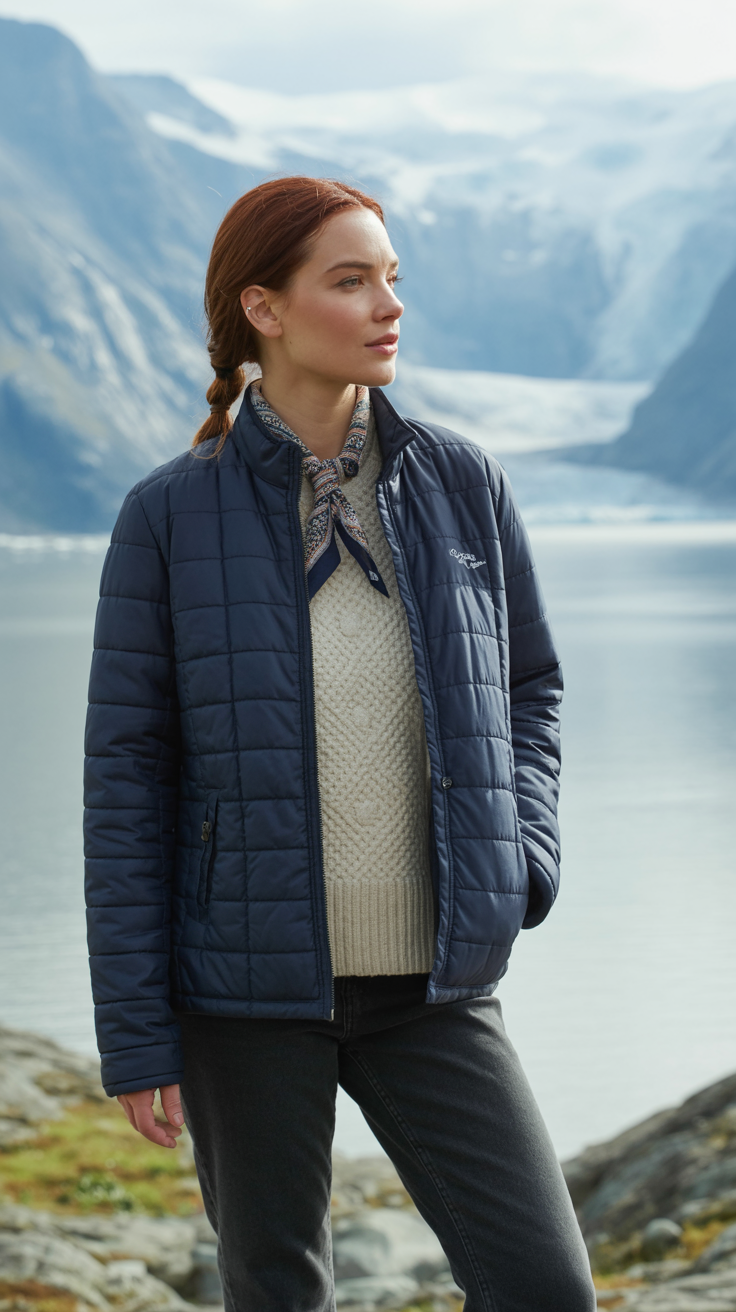
Alaska’s cruise season runs roughly from late spring through early fall, and each period demands slightly different wardrobe considerations. If you’re cruising in the shoulder season, check out our May outfit recommendations for early season cruising when temperatures are cooler and conditions more variable.
Peak summer months bring the mildest weather. Our guides for June outfit ideas, July clothing suggestions, and August attire options cover the warmest cruising period when you might actually need shorts and t-shirts for sunny afternoons.
Late season travelers should review our September outfit guide for cooler weather cruising as temperatures start dropping and rain becomes more frequent.
20 Alaska Cruise Outfit Ideas That Actually Work
Shore Excursion Outfits (1-8)
- The Classic Glacier Viewer: Thermal leggings, moisture-wicking long-sleeve tee, fleece pullover, waterproof jacket, beanie, gloves. This is your go-to for any glacier viewing or whale watching tour.
- The Rainforest Hiker: Quick-dry hiking pants, merino wool base layer, zip-off fleece, waterproof shell, trail boots, moisture-wicking socks. Perfect for Tongass National Forest explorations.
- The Town Explorer: Dark jeans, flannel shirt, light down vest, waterproof jacket (tied around waist), comfortable waterproof sneakers. Ideal for wandering Ketchikan or Skagway.
- The Active Adventurer: Athletic leggings, performance tank with long-sleeve zip-up, windbreaker, running shoes. Great for kayaking or active shore excursions.
- The Casual Cruiser: Jogger pants, t-shirt, hoodie, waterproof sneakers. Easy outfit for low-key port days.
- The Smart Explorer: Chinos or khakis, button-down shirt, sweater vest, walking shoes. Looks put-together for shops and restaurants ashore.
- The Wildlife Photographer: Cargo pants (pockets for memory cards), layered tops for flexibility, fingerless gloves, sturdy boots. Function meets form.
- The Zipline Ready: Fitted athletic pants, sports bra, moisture-wicking tee, closed-toe athletic shoes. Some excursions have specific requirements.
Onboard Daytime Outfits (9-14)
- The Deck Lounger: Jeans, cozy sweater, slip-on shoes, sunglasses. Comfortable for reading while cruising through the Inside Passage.
- The Breakfast Casual: Leggings, tunic top, cardigan, comfortable flats. Relaxed but presentable for the buffet.
- The Spa Day: Athleisure set, zip-up hoodie, slides. Easy to slip on and off for spa treatments.
- The Hot Tub Ready: Swimsuit with cover-up, flip-flops. Yes, you’ll use those heated pools even in Alaska.
- The Lecture Attendee: Comfortable pants, blouse or polo, light jacket. You’ll want to look decent for naturalist presentations.
- The Photo Deck Regular: Windproof pants, layers that shed easily, slip-on shoes. For those times you rush outside when someone yells “whale!”
Evening and Dining Outfits (15-20)
- The Elevated Casual: Dark jeans, dressy blouse or button-down, blazer, ankle boots or loafers. Works for most dining rooms.
- The Midi Dress Magic: Midi dress, tights, cardigan, booties, statement necklace. Versatile and packable.
- The Smart Casual: Slacks or chinos, sweater over collared shirt, dress shoes. Classic and always appropriate.
- The Dressy Date Night: Dress pants or skirt, silk blouse or dress shirt, nice shoes, scarf or tie. For specialty restaurant reservations.
- The Theater Ready: Jumpsuit with jacket, dressy flats or loafers, jewelry. Comfortable for shows yet polished.
- The Captain’s Dinner: Cocktail dress or suit, dressier shoes, accessories. Most Alaska cruises have one formal or semi-formal night.
For gender-specific packing advice, we’ve created detailed guides for women’s Alaska cruise outfits and men’s Alaska cruise clothing that dive deeper into specific pieces and styling tips.
The Layering System That Never Fails
Professional guides in Alaska swear by the three-layer system, and it applies perfectly to cruising. Here’s the insider breakdown:
- Base Layer: This sits against your skin and should wick moisture away. Merino wool or synthetic fabrics work best. Cotton is your enemy in Alaska because it stays wet and makes you cold.
- Mid Layer: This provides insulation. Fleece pullovers, down vests, or wool sweaters trap warm air. You’ll add or remove this layer most frequently.
- Outer Layer: This protects from wind and rain. A quality waterproof jacket with sealed seams is non-negotiable. Bonus points if it has a hood.
The beauty of this system is you can wear the same base and outer layers for days while swapping mid-layers to create different looks. It’s why experienced Alaska cruisers pack lighter than you’d expect.
Footwear Strategy
This is where people often overpack. You really only need three pairs of shoes:
- Waterproof hiking boots or trail shoes: For shore excursions. They should already be broken in. Brand new boots will destroy your feet.
- Comfortable walking shoes or sneakers: Waterproof versions work best. For casual port exploring and onboard wear.
- Dressy casual shoes: Ankle boots, loafers, or dress flats for evening dining. Make sure they’re comfortable enough to walk in.
Resist packing heels unless you absolutely love wearing them. Ship decks can be slippery and uneven, and you’ll be doing more walking than you think.
Fabric Choices That Matter
Not all fabrics perform equally in Alaska’s damp climate. Here’s what works:
- Merino wool: Naturally odor-resistant and warm even when wet. You can wear the same merino base layer multiple days.
- Synthetic performance fabrics: Polyester, nylon, and spandex blends dry quickly and wick moisture.
- Down or synthetic insulation: Down is warmer but synthetic performs better if wet.
- Water-resistant outer layers: Look for jackets with DWR coating at minimum.
Avoid cotton except for casual wear on the ship. Denim is fine for jeans, but cotton t-shirts and underwear will make you miserable on cold, wet excursions.
Accessories That Earn Their Space
These small items make a disproportionate impact:
- Buff or neck gaiter: Incredibly versatile. Works as a scarf, headband, face covering, or hat.
- Packable down jacket: Compresses tiny but adds serious warmth when temperatures drop.
- Waterproof gloves: Essential for glacier viewing. Regular gloves get soaked and cold.
- Baseball cap and beanie: You’ll want both. The cap for sunny deck days and the beanie for everything else.
- Sunglasses with retainer strap: The glare off water and glaciers is intense. The strap prevents them from flying overboard.
- Small backpack or crossbody bag: For shore excursions. It should be water-resistant.
Cruise Line Dress Code Reality
Here’s what the cruise lines won’t explicitly tell you: Alaska cruises are generally more casual than Caribbean ones. Most ships have relaxed their dress codes significantly. That said, here’s the actual breakdown:
- Daytime onboard: Anything goes. Jeans, athletic wear, shorts, casual dresses. Just don’t wear swimwear to the main dining room.
- Evening casual: Step it up from daywear but jeans are usually fine. Think “nice casual” restaurant attire.
- Formal or semi-formal nights: Most Alaska cruises have one or two. Men can wear suits or dress shirts with slacks. Women can wear cocktail dresses, dressy pantsuits, or nice separates. But here’s the secret: these are optional. You won’t be turned away from the buffet in jeans.
- Specialty restaurants: Usually require smart casual at minimum. Check your cruise line’s specific policy.
For more comprehensive packing guidance, check our complete Alaska cruise packing list that covers everything beyond clothing.
Bonus Tips That Save the Day
- Pack a small dry bag for electronics during rainy excursions. Your phone will thank you.
- Bring hand warmers. They’re cheap, take no space, and you’ll be a hero when handing them out during glacier viewing.
- Stuff socks and underwear inside your shoes to save packing space and help shoes keep their shape.
- Pack outfits in packing cubes organized by activity type (shore excursions, onboard casual, evening wear). It makes getting dressed so much easier.
- Wear your bulkiest items on travel days. This saves valuable luggage space.
- Download photos of your favorite outfit combinations before the cruise. It eliminates decision fatigue when getting ready.
- Bring a stain remover pen. Dining mishaps happen and laundry service is expensive on ships.
- Pack a light scarf or pashmina. It dresses up any outfit and works as an extra layer or blanket on chilly observation decks.
- Consider silk long underwear for dress pants or under dresses. It adds warmth without bulk.
- Test your waterproof jacket before leaving home. Spray it with a hose to make sure the waterproofing still works.
The Minimalist Capsule Approach
If you want to pack really light, build a capsule wardrobe around 2-3 neutral colors. Here’s a sample one-week Alaska cruise capsule:
- 2 pairs of pants (one jeans, one outdoor pants)
- 1 pair of leggings
- 3 long-sleeve base layer tops
- 2 t-shirts
- 2 button-down shirts or blouses
- 2 sweaters or fleece pullovers
- 1 waterproof jacket
- 1 vest or light jacket
- 1 dress or dress pants with dress shirt
- 7 pairs of underwear and socks
- 3 pairs of shoes
This creates dozens of outfit combinations while fitting in a carry-on. Add your personal touches with accessories.
Weather Timing Considerations
Understanding when to cruise Alaska directly impacts what you’ll pack. Early and late season cruises require heavier layers while peak summer might mean you barely touch your warmest gear.
Cruise season generally runs from late spring through early fall, with each period offering different advantages. May tends to be cooler with more rain but fewer crowds. June through August brings the warmest weather and longest daylight hours. September offers fall colors but cooler temperatures and more precipitation.
Packing for Different Excursion Types
Your shore excursions should drive some packing decisions. If you’ve booked a helicopter glacier trek, you’ll need sturdy boots and serious layers. A float plane wildlife tour requires less intense gear. City walking tours in Juneau need comfortable shoes but not hiking boots.
Review your excursion details before finalizing your packing list. Tour operators often provide specific clothing requirements. Some helicopter tours won’t allow loose scarves due to rotor wash. Zipline adventures require closed-toe shoes. Fishing charters often provide rain gear.
Laundry and Re-wearing Strategy
Let’s be honest about something cruise veterans know: you’ll re-wear clothes. It’s perfectly acceptable and smart. Here’s how to make it work:
- Merino wool naturally resists odors. Base layers can be worn 2-3 times.
- Outer layers rarely need washing. Air them out between wears.
- Focus laundry efforts on underwear and socks. Many people pack enough of these to avoid any laundry.
- Bring a small container of laundry detergent for sink washing if needed.
- Most ships offer laundry service but it’s expensive. Self-service laundromats are available on many ships for a better value.
- Bring a few clothespins to create a makeshift clothesline in your cabin for damp items.
Common Questions and FAQ
Should I pack a swimsuit for an Alaska cruise?
Absolutely. Ships have heated pools and hot tubs that feel amazing after a cold day of excursions. Some shore excursions even include hot springs visits. Pack a swimsuit and a warm cover-up or robe.
Can I rent outdoor gear instead of packing it?
Some ports offer gear rental for specific activities, but it’s unreliable and often expensive. If you’re doing serious hiking or glacier trekking, bring your own boots. For specialty items like fishing waders, rental through your tour operator usually works fine.
How dressy do Alaska cruise formal nights really get?
Less dressy than you might expect. You’ll see everything from full suits and cocktail dresses to dressy jeans and nice shirts. Formal nights are also optional – the buffet and casual dining venues remain open with no dress code.
What if my luggage gets lost and I don’t have my cold weather gear?
Wear your warmest layers and boots on the plane. Pack essentials like medications and one change of clothes in your carry-on. Most Alaska port towns have outdoor gear stores where you can buy replacements, though it’s expensive.
Are there any clothing items that are specifically prohibited on Alaska cruises?
Generally no, but some ships prohibit camouflage patterns in certain areas and most ban swimwear in the main dining room. Check your specific cruise line’s dress code policy. Focus on practical concerns rather than restrictions.
Should I bring special UV protection clothing?
While Alaska isn’t tropical, the UV reflection off water and glaciers can be intense. Sunglasses are essential. Long-sleeve base layers provide natural protection. Sunscreen for your face is more important than specialized UV clothing.
How many pairs of pants do I really need for a week-long cruise?
Three pairs handle most situations: one pair of jeans or casual pants, one pair of outdoor/hiking pants, and one dressier pair for evenings. Add leggings if desired. You’ll re-wear pants throughout the cruise, which is completely normal.
What’s the best type of waterproof jacket for an Alaska cruise?
Look for a breathable rain jacket with sealed seams and a hood. It should be long enough to cover your hips. Avoid cheap ponchos that rip in wind. Gore-Tex or similar technology works great but even mid-range waterproof jackets perform well for cruise purposes.
Personal Experience
When I booked my Alaska cruise last summer, I honestly had no idea what to pack. I kept picturing icy glaciers and figured I’d need full winter gear, but then realized we’d also be dining at nice restaurants and spending time on sunny decks. After tons of research, I learned the secret is all about layering. I packed my favorite fleece pullovers, a waterproof jacket that actually looked cute, and several pairs of leggings that I could dress up or down. My go-to outfit for shore excursions became black leggings, hiking boots, a long-sleeve tee, and that trusty waterproof jacket. For evenings, I’d swap the boots for ankle booties and add a scarf or statement necklace, and suddenly I looked put-together enough for the dining room.
The best decision I made was bringing versatile pieces that worked multiple ways. A couple of midi dresses with cardigans took me from casual daytime exploring to evening shows without overpacking. I also lived in my moisture-wicking base layers during whale watching tours – they kept me warm without the bulk. My packing list ended up being way smaller than I expected, but I felt prepared for everything from muddy rainforest walks to formal captain’s dinners. The key is choosing practical pieces in neutral colors that you can mix and match, then adding personality with accessories. Trust me, you don’t need a different outfit for every day when you pack smart!