
Alaska cruises offer families wildlife viewing, glacier experiences, and age-appropriate shore excursions. Most cruise lines provide kids’ clubs, family-friendly dining, and educational programs about Alaska’s nature and culture. Popular ports include Juneau, Ketchikan, and Skagway. Consider cabin location for seasickness, pack layers for changing weather, and book excursions early for best availability.
Quick Facts for Family Alaska Cruises
| Category | Details |
|---|---|
| Best Season | May through September (June-August warmest) |
| Typical Duration | 7 days (roundtrip or one-way) |
| Temperature Range | 50-70°F during cruise season |
| Kids Club Age Range | 3-17 (varies by cruise line) |
| Minimum Age to Cruise | 6 months (some lines require 12 months) |
| Average Family Cabin | $3,500-$8,000 for four people |
Want to know more about practical Alaska cruise planning tips and essentials?
Choosing the Right Cruise Line for Your Family
Not all cruise lines handle families equally well. Some cater specifically to kids while others just tolerate them. Norwegian Cruise Line offers freestyle dining which means no scheduled dinner times – a godsend when traveling with unpredictable toddlers. Princess and Holland America lean toward older crowds but still provide decent kids’ programs. Royal Caribbean and Celebrity strike a good balance with adventure activities like rock climbing walls and zip lines.
If you’re looking at Disney Cruise Line for Alaska sailings, be prepared for premium pricing but unmatched kids’ entertainment. The characters in parkas are admittedly pretty adorable, and Disney’s attention to detail with family logistics is impressive. That said, plenty of families have amazing experiences on other lines that cost significantly less.
For families with teenagers, consider checking out options specifically designed for cruising with teens in Alaska since their needs differ drastically from younger children. Teens want wifi, freedom to roam, and activities that don’t feel “babyish.”
Selecting Your Cabin Wisely
Midship cabins on lower decks minimize motion – crucial if anyone in your family gets seasick. Inside Alaska’s protected Inside Passage, the waters stay relatively calm, but open ocean segments between ports can get choppy.
Balcony cabins cost more but provide enormous value for families. When a toddler needs quiet time during naptime or an overstimulated kid needs a break, having outdoor space attached to your cabin saves your sanity. You can watch for wildlife without leaving your room, and honestly, some of the best whale sightings happen right from your balcony at random moments.
Connecting cabins work well for larger families or those wanting separation between parents and older kids. Just know that these book up fast, sometimes within hours of booking opening.
Shore Excursions That Actually Work for Kids
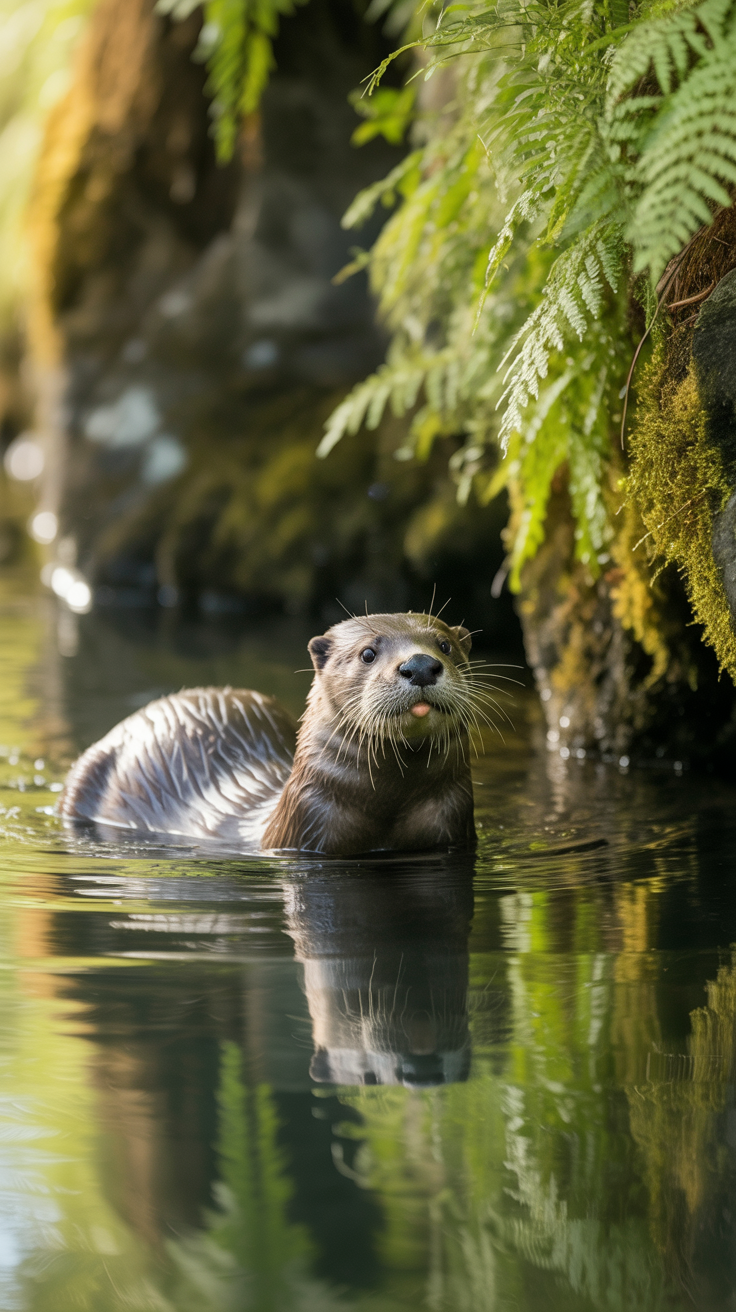
Here’s what cruise lines won’t tell you upfront: many shore excursions marketed as “family-friendly” involve long bus rides, lots of standing around, or physical demands that exhaust younger children. The key is reading excursion descriptions carefully and looking at minimum age requirements as clues to difficulty level.
Best bets for families include:
- Wildlife cruises and boat tours – Kids sit down, stay warm, and animals do the entertaining
- Cultural centers and totem parks – Educational without being lectures, usually with hands-on activities
- Tramway rides – The Juneau tram offers spectacular views without hiking effort
- Gold panning and mining history – Surprisingly engaging for kids who like getting hands dirty
- Easy nature walks – Not the intense glacier treks, but gentler rainforest trails
Browse comprehensive options for family-friendly Alaska shore excursions to see what actually matches your crew’s energy levels and interests.
In Juneau specifically, you’ll find excellent family activities in Juneau ranging from whale watching to the Mendenhall Glacier visitor center. Meanwhile, family activities in Ketchikan include the totem heritage center and creek-side salmon viewing that kids find mesmerizing.
Skip the helicopter glacier landings with young kids. They’re expensive, weather-dependent (high cancellation rates), and the helicopters are loud and scary for some children. The views are incredible, but you can see glaciers from boats for a fraction of the cost and stress.
Packing Strategy That Prevents Daily Arguments
Alaska weather operates on its own logic. You’ll experience four seasons in one afternoon. The packing list that actually works:
- Waterproof jacket with hood – Non-negotiable for every family member
- Waterproof pants – Not just rain pants; kids will sit on wet benches, logs, and boat seats
- Fleece or warm middle layer – Temperatures drop fast on water and near glaciers
- Long pants and long sleeves – Even in summer; bug protection and warmth
- Comfortable walking shoes – Waterproof if possible
- Warm hat and gloves – Sounds excessive but you’ll use them on glacier excursions
- Sunscreen and sunglasses – The sun reflects intensely off water and ice
- Small backpack per child – They carry their own layers (teaches responsibility and prevents “I’m cold” whining)
- Binoculars – Cheap kids’ binoculars make wildlife spotting way more engaging
Pack outfits in gallon ziplock bags – one complete outfit per bag. Kids can grab their own clothes, everything stays organized, and if something gets wet, it doesn’t soak other items.
Onboard Life With Kids
Kids’ clubs vary dramatically by ship and line. Some offer spectacular programs with marine biology lessons and Alaska-themed crafts. Others amount to glorified daycare with movies. Check your specific ship’s offerings before departure.
Most kids’ clubs operate on port days, giving parents couple time during shore excursions, but many families find this backward – they want kids in the club during sea days when there’s less to do onboard, not when they’re off exploring Alaska together.
Sea days provide the best wildlife viewing opportunities. Position yourselves on outer decks with hot chocolate and snacks. Bring cards or travel games for downtime between whale sightings. The naturalists onboard usually give talks that sound boring but are actually fascinating – even kids get into stories about bear behavior and salmon runs.
Formal dining rooms with assigned seating can be hit or miss with children. Request early seating (typically 5:30 or 6:00 PM) so kids eat before meltdown hour. The buffet offers flexibility and familiar foods for picky eaters, though it gets crowded during peak times.
Money-Saving Strategies
Book excursions independently rather than through the cruise line. Third-party tour operators in Alaska are reliable and cost 30-50% less. The trade-off is that if your independent tour runs late, the ship won’t wait – though this rarely happens since local operators know ship schedules intimately.
Shoulder season (May and September) offers lower prices and fewer crowds but colder, wetter weather and some businesses in port towns may not be fully operational yet or have already closed for the season.
Kids sail free or at reduced rates during certain periods. Position holders (placeholder bookings) let you secure promotional rates before paying deposits on other travel arrangements.
Comparing options helps determine value – check out insights on Alaska cruises for families versus couples to understand what you’re actually paying for with family-specific amenities.
What Nobody Tells You About Alaska Cruising With Kids
- Motion sickness affects kids differently on water versus land – Bring medication even if they’ve never had car sickness
- Ships blast the heat inside – Pack shorts and t-shirts for cabin and indoor spaces despite Alaska’s cold reputation
- Port stops are short – You typically have 6-8 hours in port, which sounds like plenty until you factor in tender boat waits, walking to town, and getting back with buffer time
- The midnight sun disrupts sleep schedules – Bring blackout curtain clips or eye masks, especially for younger children
- Cell service is expensive and spotty – Download movies, games, and books before departure; wifi packages cost a fortune and barely work
- Cruise casual dress code is strictly enforced in main dining rooms – No tank tops, shorts, or flip-flops at dinner even for kids
- Most wildlife sightings happen on sea days, not port days – Don’t over-schedule excursions if animal watching is your priority
Bonus Tips
- Magnetic hooks stick to cabin walls (which are metal) – hang wet jackets, bags, and hats to keep your small cabin organized
- Bring a power strip; cruise cabins have limited outlets and everyone needs charging ports
- Pack ginger candies or Sea-Bands for nausea – natural options kids accept more readily than medication
- Request bed rails for young children when booking; cruise lines provide them but you must ask in advance
- Bring your own reusable water bottles; Alaska’s tap water is excellent and you’ll stay hydrated without buying drinks
- Highlighters help kids mark wildlife in the ship’s daily program when spotted – turns viewing into a game
- Book the earliest possible embarkation time; boarding takes hours and you want maximum first-day ship time
- Pack a small first aid kit with children’s pain reliever, band-aids, and stomach remedies – the ship’s medical center charges resort prices
- Bring a nightlight; cruise cabin bathrooms are pitch black and kids stumbling around at night is stressful for everyone
- Download the cruise line’s app before departure; most use apps for daily schedules, messaging, and excursion management
Multi-Generational Cruising Considerations
Alaska cruises work exceptionally well for multi-generational trips. Grandparents who want to see Alaska but can’t handle intense hiking appreciate the accessibility, while kids get built-in babysitters. Just set expectations clearly about together time versus separate activities.
If you’re traveling with older relatives, explore options for cruising Alaska as a senior to understand mobility considerations and senior-friendly excursions. For those traveling without kids, there are also great resources on solo travel on Alaska cruises and honeymoon cruises in Alaska that highlight adults-only spaces and romantic excursions.
Families with special needs should review information on accessible Alaska cruises since some ships and excursions accommodate wheelchairs and other accessibility requirements better than others.
Educational Opportunities
Alaska cruises offer genuine learning experiences beyond typical vacation fun. Most ships host naturalists who present talks on glaciology, marine biology, and Native Alaskan culture. Some cruise lines partner with organizations like Glacier Bay National Park for ranger programs directly onboard.
Many families treat Alaska cruises as field trips, especially for homeschoolers. Topics covered naturally include:
- Glacier formation and climate science
- Marine ecosystems and whale behavior
- Native American history and contemporary culture
- Gold Rush history and economics
- Geography and cartography
- Wildlife biology and conservation
The hands-on experiences – touching starfish in tide pools, watching bears fish for salmon, seeing massive glaciers calve into the ocean – create memories that stick far longer than classroom lessons.
Common Questions and FAQ
Do kids get bored on Alaska cruises since there are no water slides and beach stops?
Most kids surprise their parents by being completely engaged with wildlife watching, especially if you frame it as a scavenger hunt. That said, choose cruise lines with good kids’ programs and activities for downtime. Ships with rock walls, ropes courses, or pools help burn energy on sea days.
Should we book a cruise tour that includes land portions before or after the cruise?
Cruise tours work better for older kids (10+) who can handle long bus rides to Denali or Fairbanks. Younger children do better with the straightforward cruise-only option where you unpack once and the scenery comes to you.
What if my child gets sick onboard?
All cruise ships have medical facilities with doctors and nurses. They handle everything from ear infections to seasickness. Be prepared for high costs though – travel insurance that covers medical expenses at sea is worth considering.
Can we bring our own car seats for port day excursions?
Technically yes, but it’s impractical. Most shore excursions use buses without car seat accommodation. Alaska law requires car seats for young children, but tour operators rarely enforce this on commercial tour vehicles. If this concerns you, book excursions through operators who specifically mention car seat availability.
How do we handle dietary restrictions or picky eaters?
Cruise ships excel at accommodating dietary needs – allergies, religious restrictions, vegetarian, and vegan options are standard. Notify the cruise line at booking and remind your server on the first night. For picky eaters, the buffet always has plain pasta, chicken tenders, pizza, and other kid staples.
Are Alaska cruises appropriate for babies and toddlers under three?
They’re appropriate but probably not ideal. Kids under three won’t remember the experience, many kids’ club programs start at age three, and the packing becomes exponentially more complicated with diaper bags and strollers. That said, plenty of families successfully cruise Alaska with very young children – just adjust expectations and prioritize flexibility over itinerary.
Personal Experience
Planning our Alaska cruise with three kids under ten felt overwhelming at first, but breaking it down made everything click into place. We went with a cruise line that had solid kids’ programs and family-friendly excursions, which turned out to be crucial when my youngest wasn’t up for a glacier hike. The packing was honestly the trickiest part – we needed everything from rain jackets and waterproof pants to sunscreen and warm fleeces, sometimes all in the same day. Those onion layers everyone talks about? Absolutely essential. We learned quickly that weather in Alaska doesn’t follow rules, and having each kid carry a small backpack with their own jacket and hat meant fewer meltdowns when the temperature dropped.
Keeping everyone engaged during sea days took some creativity, but the cruise had activities we hadn’t even thought about. The kids loved the junior ranger programs and got surprisingly into whale watching – even our teenager put down his phone when we spotted a pod of orcas. We made sure to balance structured excursions with downtime because nothing derails a family trip faster than exhausted, cranky kids. The highlight was probably our day in Juneau where we did a gentler nature walk instead of the intense trek, and everyone actually enjoyed it. The whole trip taught us that flexibility matters more than a perfect itinerary, and giving kids some choice in activities kept the complaining to a minimum.