
Alaska cruise specialties include fresh seafood like king crab and salmon, wildlife viewing opportunities for whales and bears, glacier experiences, indigenous cultural demonstrations, and outdoor adventures such as kayaking and hiking. Popular shore excursions feature dog sledding, helicopter tours, and visits to historic gold rush towns like Skagway and Juneau.
Quick Facts: Alaska Cruise Specialties
| Specialty | What to Expect | Insider Tip |
|---|---|---|
| Fresh Seafood | King crab, halibut, salmon | Buy at local fish markets in ports for better prices than ship dining |
| Wildlife Viewing | Humpback whales, orcas, bears, eagles | Bring binoculars and stay on deck during scenic cruising |
| Glaciers | Calving ice, blue ice formations | Dawn and dusk offer best lighting for photos |
| Indigenous Culture | Totem poles, traditional dances, art | Purchase directly from native artists for authentic pieces |
| Adventure Activities | Kayaking, hiking, ziplining | Book independent operators for better value |
Want to know more about Alaska cruises? Let me walk you through what makes these voyages genuinely special beyond the glossy brochure photos.
The Seafood Situation: It’s Complicated
Yes, Alaska serves incredible seafood, but here’s what the cruise lines don’t advertise. The king crab legs served on your ship likely spent time frozen, and that’s perfectly fine. What you really want is to hit the local spots when you’re in port. In Ketchikan, skip the tourist traps near the dock and ask a local where they eat. You’ll find family-run places serving halibut so fresh it was swimming that morning.
The real insider move? Buy smoked salmon directly from a processing facility in one of the Alaska cruise ports and have it shipped home. It costs less than what you’d pay for a single dinner on the ship and tastes infinitely better. Many places will pack it properly so it survives the journey.
Wildlife Viewing: Patience Required
Every cruise promises whales, but Mother Nature doesn’t follow the ship’s schedule. Here’s the thing about Alaska wildlife viewing: timing matters more than location. Early morning and late evening offer your best chances, which means you need to actually get out of bed instead of sleeping through that 6 AM glacier approach.
For bears, shore excursions to places like Pack Creek or Anan Creek offer guaranteed sightings during salmon runs. The expensive helicopter excursions to remote viewing platforms are stunning, but honestly, you can see bears from several accessible locations if you choose your Alaska shore excursions wisely.
Best Wildlife Viewing Spots by Port
- Juneau: Whale watching tours in Auke Bay (95% success rate during peak season)
- Ketchikan: Black bears at Herring Cove during salmon runs
- Icy Strait Point: Humpback whales right from the pier
- Sitka: Sea otters in the harbor (practically guaranteed)
- Skagway: Bald eagles everywhere, seriously everywhere
Glacier Experiences: The Cold Truth
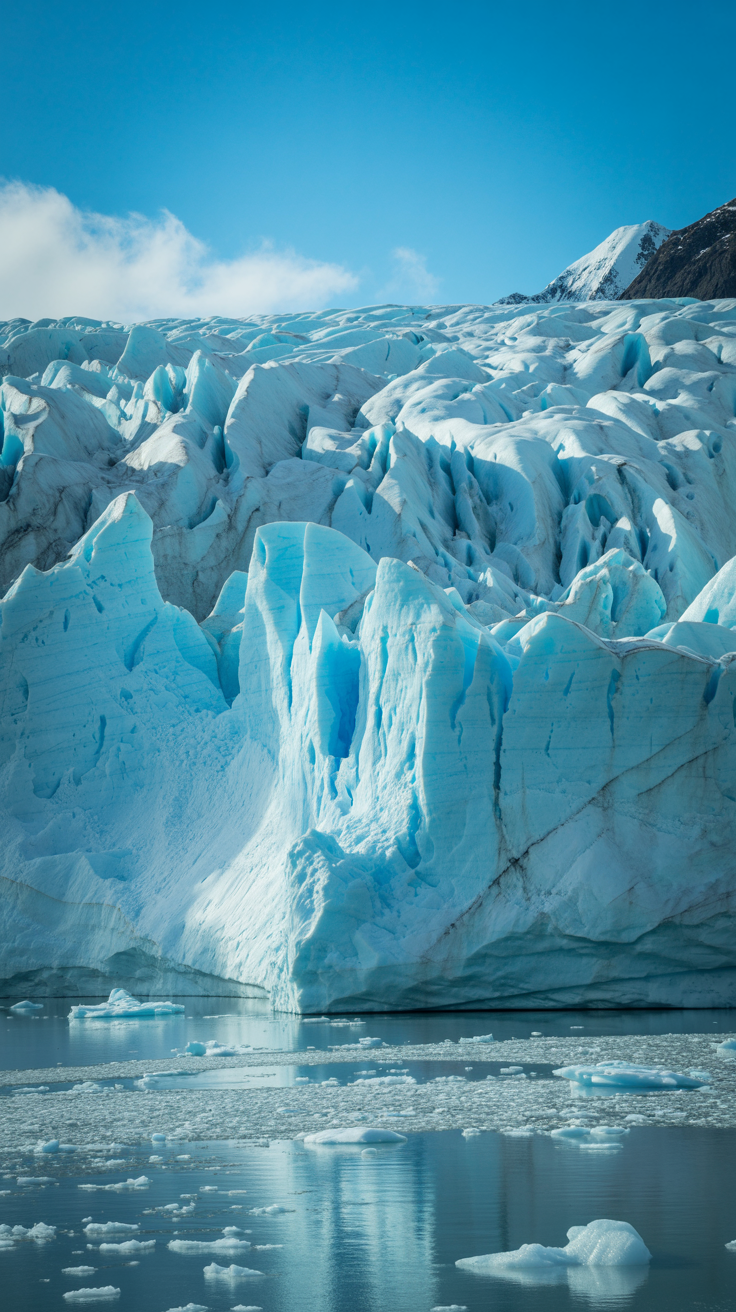
Glacier Bay and Hubbard Glacier are spectacular, but they’re also crowded with ships. Lesser-known alternatives like Sawyer Glaciers in Tracy Arm Fjord offer equally impressive views with fewer vessels competing for space. The difference in your photos will be negligible, but the difference in your experience will be substantial.
When you’re choosing between Alaska cruise lines, pay attention to which routes include glacier viewing during optimal daylight hours. Some itineraries have you approaching major glaciers at awkward times when the light isn’t ideal for photography or when you’d rather be sleeping.
Indigenous Culture: Beyond the Gift Shop
The cultural demonstrations at ports give you a taste, but they’re often abbreviated versions designed for cruise ship schedules. To genuinely experience Alaska native culture, you need to venture beyond the dock area. In Sitka, the Alaska Native Cultural Center offers deeper programming than what you’ll see in the main tourist corridor.
Understanding Tlingit culture specifically enriches your entire journey through Southeast Alaska. These are the primary indigenous people of the Inside Passage, and their art, stories and traditions appear throughout the region. When you see totem poles in various ports, knowing the clan crests and their meanings transforms them from photo opportunities into historical narratives.
Here’s what most tourists miss: many totem poles are modern creations made using traditional methods. They’re not ancient artifacts, and that doesn’t make them less authentic. Totem poles were meant to deteriorate naturally and be replaced, so new poles represent cultural continuity rather than commercialization.
Gold Rush History: More Than Dusty Museums
Skagway sells itself entirely on gold rush history, and for good reason. The White Pass Railway journey is genuinely spectacular, though prepare for sticker shock at the ticket price. What they don’t tell you is that you can hike portions of the historic Chilkoot Trail without committing to the full multi-day trek. The first few miles offer incredible views and historical artifacts without requiring backcountry permits.
Juneau’s gold mining heritage runs deeper than most realize. The city exists because of gold, and the Last Chance Mining Museum tells this story better than the more famous Mendenhall Glacier visitor center does.
Adventure Activities: What Actually Works
Dog sledding on glaciers via helicopter sounds amazing and costs a fortune. It’s worth it if you can afford it, but there are equally memorable alternatives. Kayaking near glaciers costs a fraction of the helicopter tours and puts you intimately close to the environment. You’ll feel the temperature drop as you paddle near ice walls, hear the glacier creak and pop, and possibly encounter seals lounging on ice floes.
Ziplining has exploded in popularity at Alaska ports. It’s fun but has nothing specifically to do with Alaska. You could zipline through forests anywhere. If you’re choosing between activities and want something uniquely Alaskan, pick the one involving glaciers, wildlife or indigenous culture.
Planning Your Specialties Strategy
When you start planning your Alaska cruise, prioritize what matters most to you. Trying to experience everything leads to exhaustion and an empty wallet. If wildlife is your passion, invest there. If you’re a foodie, budget for exceptional meals in port rather than generic ship buffets.
Understanding the differences between Alaska departure ports helps too. Seattle and Vancouver sailings add extra days but also extra cost. Roundtrip voyages from these cities differ from one-way Alaska cruise tours that combine sailing with land portions. The cruise-tour combinations let you experience Denali and interior Alaska, which you completely miss on cruise-only itineraries.
When making Alaska cruise comparisons, look beyond price to what’s included. Some lines incorporate more specialties into the base fare while others charge separately for nearly everything. Those nickel-and-dime charges add up shockingly fast.
The Practical Side of Specialties
Some practical Alaska cruise considerations affect your ability to enjoy these specialties. Seasickness can ruin wildlife viewing if you’re too miserable to stand on deck. The Inside Passage routes experience calmer waters than Gulf of Alaska itineraries, which matters if you’re prone to motion sickness.
Weather in Alaska is unpredictable regardless of when you sail. You need appropriate Alaska cruise outfits to comfortably enjoy outdoor specialties. Layering isn’t just recommended—it’s mandatory. You’ll peel off layers when hiking and pile them back on when viewing glaciers from the deck. A quality waterproof jacket with a hood might be your most-used item.
What the Brochures Don’t Mention
Cruise marketing materials paint Alaska as perpetually sunny with cooperative wildlife posing for photos. The reality behind Alaska cruise brochure truths is more nuanced. Rain happens frequently. Clouds obscure mountain views. Whales don’t always breach on command. And that’s okay, because Alaska’s raw nature is what makes it special.
Some days you’ll experience all four seasons before lunch. Other days will be absolutely perfect with clear skies and calm seas. The unpredictability is part of the adventure, not a bug to be fixed.
Bonus Tips: What Nobody Tells You
- Cruise ships adjust their schedules for wildlife sightings, sometimes significantly. That’s why port times say “approximately” in the fine print.
- The best coffee onboard is usually hidden in a specialty café, not the main dining areas. You’ll need it for those early morning glacier viewings.
- Local breweries in port cities like Juneau and Ketchikan make excellent craft beer worth seeking out during port days.
- Most ships have spare binoculars you can borrow from guest services. Don’t buy cheap ones just for the cruise.
- Download offline maps before sailing since cell service is sporadic and ship WiFi is expensive and slow.
- The crew members often know better photography spots than what’s listed in the daily program. Ask them.
- Tipping independent tour operators directly in cash ensures they actually receive it, unlike some cruise line arrangements.
- Many specialty items like smoked salmon can’t be transported internationally. Check customs regulations before buying gifts to take home.
- The ship’s naturalist or park ranger (on some itineraries) offers free talks that provide context for everything you’re seeing. Attend at least one.
- Ketchikan gets more cruise ships per day than other ports, making it the most crowded. Arrive early or stay late to avoid the masses.
- Indigenous art prices are negotiable in some galleries but not others. Family-owned shops are more flexible than corporate galleries.
- The hot tubs on deck become very popular during scenic cruising past glaciers. Stake your spot early.
Common Questions and FAQ
Can I really see the Northern Lights on an Alaska cruise?
Technically possible but extremely unlikely. Alaska cruises operate during summer when you have nearly 24 hours of daylight. The aurora borealis requires darkness, which you won’t get during cruise season. Winter land trips offer your only realistic chance to see northern lights in Alaska.
Are the salmon swimming upstream during cruise season?
Depends on timing. Different salmon species run at different times. Pink and chum salmon typically run mid-summer through early fall. King salmon run earlier in spring and early summer. Coho salmon run later in summer. If watching bears catch salmon is your priority, research which salmon are running when you’ll be there.
Do I need to book shore excursions through the cruise line?
Not required but comes with a guarantee. If a cruise line excursion runs late, the ship waits. If you book independently and miss the ship, you’re responsible for catching up at the next port. Independent excursions often cost less and feel more authentic, but carry this risk. Many cruisers book ship excursions in ports with limited time and independent tours in ports with longer stays.
What’s the difference between king crab and Dungeness crab in Alaska?
King crab comes from deeper, colder waters and has longer legs with sweet, tender meat. It’s more expensive and considered premium. Dungeness crab has a different flavor profile, slightly nuttier, with more body meat relative to leg meat. Both are delicious, but king crab is what most people think of as quintessentially Alaskan. Neither is actually fished during summer cruise season, so what you’re eating was frozen from earlier harvests.
How close do ships actually get to glaciers?
Varies by glacier and conditions. Park regulations and ice conditions determine minimum safe distances. Glacier Bay has strict rules about approach distances. Hubbard Glacier allows closer approaches, sometimes within a quarter mile, letting you hear the ice cracking and popping. Tracy Arm Fjord approaches depend on ice flow blocking passages. Ship captains make these calls based on safety and conditions that day.
Is the rail tour combination worth the extra cost?
Depends on your priorities and budget. The interior of Alaska—Denali, Fairbanks, Talkeetna—is completely different from the coastal cruise experience. If you want to see Mt. Denali and have a chance at interior wildlife like caribou and moose, the land portion adds value. If you’re primarily interested in ocean, glaciers and coastal towns, a cruise-only trip provides a complete experience. The land tours add substantial cost and several more days to your vacation.
Personal Experience
Planning my Alaska cruise felt overwhelming at first, but breaking it down made all the difference. I spent weeks comparing the Inside Passage route versus the Gulf of Alaska, and honestly, choosing the Inside Passage was perfect for my first time. The protected waters meant smooth sailing, and we got to see incredible glaciers without worrying about rough seas. I also learned that booking an interior cabin saved me enough money to splurge on excursions, which turned out to be the smartest decision. The cabin was just for sleeping anyway, since there’s so much to see on deck.
The packing advice I found was spot-on – layers are absolutely essential. I brought a waterproof jacket, fleece, and comfortable walking shoes, and used every single item. For shore excursions, I booked a glacier hike in Juneau and a whale watching tour in Ketchikan, both through independent operators rather than the cruise line, which saved money and felt more personal. My biggest tip? Don’t over-schedule yourself. Some of my favorite moments were just standing on the deck with a hot coffee, watching bald eagles soar past snow-capped mountains. The scenery does most of the work for you, so give yourself time to simply soak it all in.