
Alaska cruises offer immersive opportunities to experience Native Alaskan cultures including Tlingit, Haida, and Tsimshian peoples. Visitors can explore totem poles, attend traditional dance performances, visit cultural centers and museums, purchase authentic Native artwork, and learn about indigenous history, customs, and storytelling traditions. Shore excursions often include visits to Native villages and heritage sites throughout Southeast Alaska.
Quick Facts: Native Alaskan Culture on Cruises
| Aspect | Details |
|---|---|
| Primary Culture Groups | Tlingit, Haida, Tsimshian |
| Best Ports for Cultural Experiences | Ketchikan, Sitka, Juneau, Icy Strait Point |
| Top Activities | Totem pole viewing, dance performances, carving demonstrations |
| Authentic Purchases | Bentwood boxes, button blankets, silver jewelry, carved masks |
| Cultural Etiquette | Ask before photographing people, respect sacred spaces |
Want to know more about Alaska’s unique attractions and cultural experiences?
Understanding the Cultural Landscape
Southeast Alaska has been home to indigenous peoples for over 10,000 years. The Tlingit culture and heritage dominates the region, though you’ll also encounter Haida and Tsimshian traditions depending on where your ship docks. These aren’t museum pieces or historical footnotes – these are living cultures with thriving communities who actively practice their traditions.
The potlatch system remains central to Native Alaskan culture. These ceremonial gatherings involve gift-giving, feasting and storytelling. While you probably won’t attend an actual potlatch as a cruise visitor (they’re private community events), understanding this tradition helps you appreciate why sharing and storytelling are so important in the cultural presentations you’ll see.
Where to Find Authentic Cultural Experiences
Ketchikan
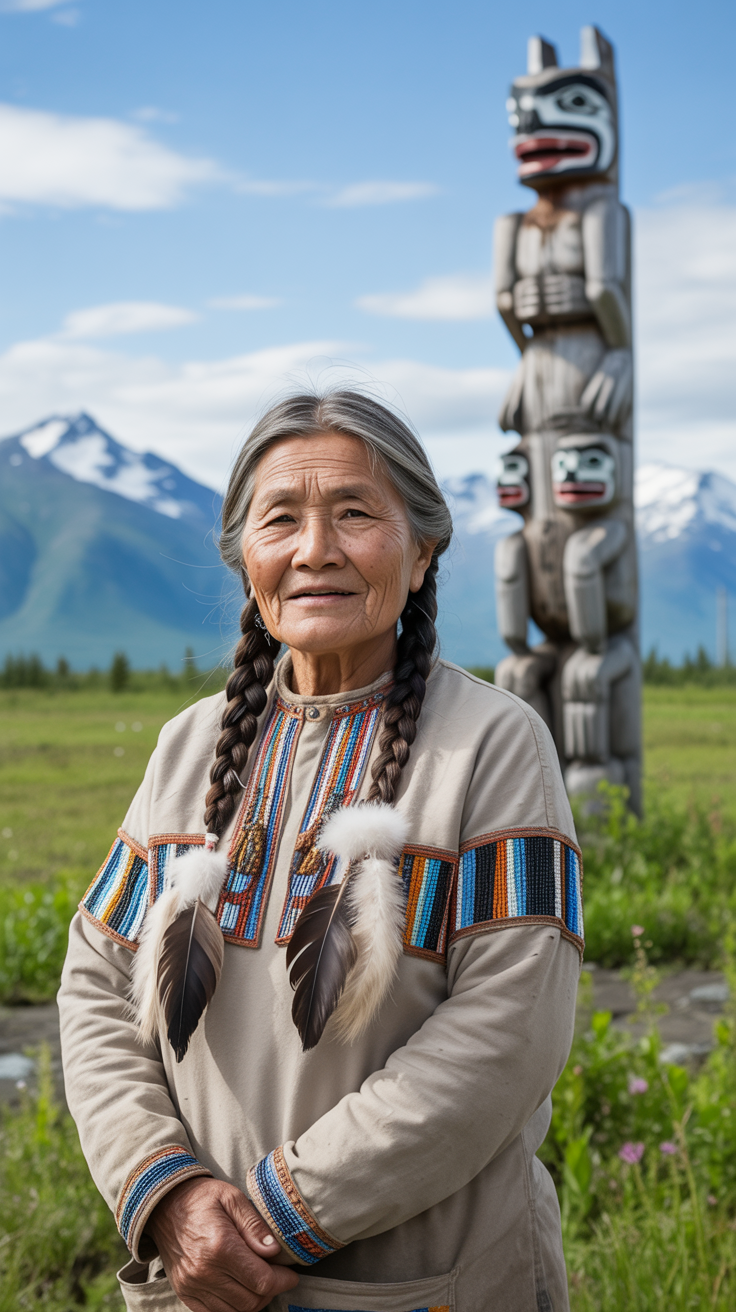
This port is famous for having the world’s largest collection of standing totem poles. The totem poles in Ketchikan aren’t just scattered decorations – each one tells specific family or clan stories. Totem Bight State Historical Park and Saxman Native Village both offer guided tours where you’ll learn to read the symbols carved into these towering red cedar monuments.
Here’s something most cruisers miss: the carving shed at Saxman where master carvers actively work on new totems. You can watch wood chips fly as they explain clan crests and the meaning behind specific designs. This beats looking at finished poles any day.
Sitka
The Sitka National Historical Park offers a rainforest walk among restored totem poles plus the Southeast Alaska Indian Cultural Center where Native artisans demonstrate traditional crafts. The park sits on the site of the 1804 Battle of Sitka between the Tlingit and Russians, making it historically significant beyond its cultural displays.
Don’t skip the Sheet’ka Kwaan Naa Kahidi Community House if your schedule allows. The dance performances here feel intimate and educational rather than staged for tourists.
Icy Strait Point
This port is actually owned by the Huna Totem Corporation, a native-owned company, which means your port fees directly benefit the local Tlingit community. The Tlingit cultural experiences at Icy Strait Point include the restored salmon cannery that’s been converted into cultural exhibits and shops featuring local artists.
Booking Cultural Shore Excursions
The cultural shore excursions available in Alaska range from quick one-hour performances to half-day immersive experiences. Here’s what you need to know before booking:
- Ship-sponsored excursions guarantee you won’t miss the boat – but they’re usually more expensive and less personal than independent tours
- Native-owned tour companies offer more authentic experiences and your money goes directly to indigenous communities
- Dance performances vary widely – some last 30 minutes and feel rushed while others include storytelling context and Q&A sessions
- Carving demonstrations at working studios beat static museum displays every time
- Village tours should be led by community members, not outside guides reading from scripts
The Challenge of Authenticity
Let’s be honest: not every “Native experience” offered in cruise ports is equally authentic. Some shops sell mass-produced items labeled as “Native-inspired” that have zero connection to actual indigenous artists. The reality behind Alaska cruise brochures sometimes includes staged cultural displays that prioritize entertainment over education.
How to spot the real deal:
- Look for the “Silver Hand” sticker on artwork – this certifies items are made by Alaska Native artists
- Ask questions about the artist’s name, clan and where they’re from
- Real Native-owned businesses will proudly display their tribal affiliation
- Authentic performances include explanations of what you’re watching and why it matters
- Prices reflect the time investment – a hand-carved mask shouldn’t cost $30
Understanding Totem Poles
Totem poles aren’t religious objects, they’re historical records and status symbols. Each figure carved into the pole represents clan crests, family lineages or significant events. Reading them from top to bottom is actually a myth – there’s no standard direction and the most important figure might be at the top, bottom or middle depending on what story is being told.
Common figures you’ll see:
- Raven – the trickster and creator in Tlingit stories
- Eagle – represents the opposite moiety (social division) from Raven
- Bear – symbolizes strength and authority
- Killer whale – associated with power and longevity
- Frog – represents adaptability and communication between worlds
- Beaver – linked to building and industry
The bright paint isn’t historically accurate for older poles – traditional pigments were more muted. The vibrant reds, blacks, blues and greens you see are modern additions that help preserve the wood and make details visible from a distance.
Native Art and Authentic Shopping
If you’re serious about purchasing Native Alaskan art, skip the shops closest to the cruise dock. Walk a few blocks into town where galleries work directly with indigenous artists. Bentwood boxes, button blankets and formline prints make meaningful souvenirs that actually support Native communities.
Silver jewelry is huge in Southeast Alaska. Haida and Tlingit artists create stunning bracelets, earrings and pendants featuring traditional formline designs. A properly made silver bracelet can cost several hundred dollars but you’re buying wearable art that took days to create.
What Fair Prices Look Like
- Small prints: $50-150
- Silver jewelry: $200-800
- Small carved items: $100-500
- Bentwood boxes: $300-2,000
- Button blankets: $1,500-5,000
- Totem poles (yes, you can buy them): $5,000-50,000+
Cultural Protocols to Know
Native Alaskan communities welcome respectful visitors but there are some basic etiquette rules:
- Always ask before photographing people, especially during performances
- Don’t touch regalia, masks or ceremonial items unless explicitly invited
- Clan houses and certain areas may be sacred – respect signage and barriers
- Listen more than you talk during cultural presentations
- If someone is sharing family stories or traditions, that’s a privilege not an entitlement
- Don’t compare Native Alaskan culture to other indigenous groups you’ve encountered
Bonus Tips
- The Alaska Native Heritage Center in Anchorage is worth a pre or post-cruise visit – it features cultures from across Alaska, not just Southeast
- Time your port stops to catch scheduled dance performances – they often happen at specific times and sell out
- Bring small bills for purchasing directly from artists at cultural centers and workshops
- Rain ponchos are essential – many totem pole parks and cultural sites involve outdoor walking
- Download a formline art guide before your cruise to help you understand what you’re looking at
- The gold rush era wasn’t great for Native populations – understanding the gold rush history context adds depth to cultural sites
- Language revitalization programs are active – you might hear Tlingit or Haida spoken, especially at community-run sites
- Button blankets worn during dances take hundreds of hours to create – each design is specific to a family or clan
- The best cultural photography happens during carving demonstrations where artisans expect and welcome cameras
- Native-owned restaurants serve traditional foods – try smoked salmon candy, fry bread or seal oil if you’re adventurous
What Kids Actually Enjoy
Cultural experiences can bore kids if they’re lecture-heavy, but several activities hold their attention surprisingly well. Totem pole parks let them run around while learning, carving demonstrations fascinate kids who like watching things being made, and dance performances with dramatic costumes and storytelling keep even squirmy children engaged. Many cultural centers offer hands-on activities like drum making or basic weaving that beat another museum walk-through.
The Reality of Limited Time
Most Alaska cruise port stops last 6-9 hours, which sounds like plenty until you factor in crowds, walking distances and meal times. You can’t do everything. If cultural immersion is your priority, choose one in-depth experience over three superficial ones. A two-hour tour with a Native guide who shares stories beats racing through five locations for photo ops.
Consider skipping the ship’s standard city tour in favor of a cultural-focused excursion. You can see downtown shops anytime but the opportunity to hear traditional stories from someone whose family has told them for generations doesn’t happen at home.
Common Questions and FAQ
Can I visit a reservation during my cruise?
Alaska doesn’t have reservations like the lower 48 states. Native Alaskans live in villages and towns integrated throughout the region. Places like Saxman and Hoonah are actual communities where indigenous people live and work, not set-aside reservation lands.
Are photography restrictions common at cultural sites?
It varies. Totem pole parks generally allow unlimited photography. Indoor performances and clan houses often restrict photos during ceremonies but allow them afterward. Cultural centers with working artisans usually welcome photos. Always ask first and respect any restrictions – some regalia and masks hold spiritual significance.
How do I know if a tour guide is actually Native?
Ask directly – legitimate guides are proud of their heritage and happy to share which clan or community they’re from. Native-owned tour companies will advertise this fact prominently. If a tour advertises “Native culture” but all the guides are non-Native, that’s a red flag.
What’s the difference between a clan house and a community house?
Traditional clan houses belonged to specific family lineages and weren’t open to outsiders. Modern community houses are built in traditional style but designed to welcome visitors for performances and cultural events. They serve educational purposes while honoring traditional architecture.
Is it offensive to wear Native-inspired designs?
Wearing authentic Native-made items that you purchased from indigenous artists is generally fine and even appreciated. Wearing cheap knockoffs or sacred designs you have no connection to can be problematic. When in doubt, stick to items made and sold by Native artists who are sharing their culture intentionally.
Do Native dance performances happen in bad weather?
Indoor performances at community houses and cultural centers happen rain or shine. Outdoor demonstrations at village sites might be moved indoors or shortened during heavy rain but rarely cancelled. Alaska Natives are used to working in wet weather.
Personal Experience
Last summer on our Alaska cruise, we made it a point to seek out real Native Alaskan experiences rather than just the typical tourist spots. In Sitka, we wandered into the Sheet’ka Kwaan Naa Kahidi Community House, where a local Tlingit dance group performed traditional stories through movement and song. The dancers explained each piece before performing it, sharing how the regalia told family histories and how certain dances had been passed down for generations. What struck me most was how personal it felt – these weren’t actors, but community members sharing their living culture. We also visited Saxman Native Village near Ketchikan, where a carver worked on a totem pole right in front of us, explaining the symbols and clan crests as wood curls fell at his feet.
The best moments happened when we slowed down and actually talked with people. At the Alaska Native Heritage Center in Anchorage during our pre-cruise stop, an Alutiiq woman taught us a few words in her language while demonstrating how to prepare salmon in the traditional way. She laughed as we butchered the pronunciation but encouraged us to keep trying. In Juneau, we picked up a small bentwood box at a gallery where the Haida artist was happy to explain the formline design and what the raven symbol meant to his family. These weren’t rushed interactions – they felt like genuine conversations with people proud to share their heritage. If you’re cruising Alaska, build in extra time at these cultural stops instead of racing through them. The connection you’ll feel makes all the difference.