
Alaska cruise wildlife viewing varies by season and location. Common sightings include humpback whales, orcas, sea otters, bald eagles, bears, seals, and sea lions along the Inside Passage. Peak wildlife activity occurs during summer months when whales feed and bears fish for salmon. Glacial areas attract seabirds and marine mammals year-round.
Quick Facts: Alaska Cruise Wildlife
| Category | Details |
|---|---|
| Best Overall Months | June through August |
| Peak Whale Activity | Late July through August |
| Bear Fishing Season | July to early September |
| Most Common Sightings | Bald eagles, sea otters, seals |
| Best Time for Photography | Early morning and evening (golden hour) |
| Least Crowded Viewing | May and September (shoulder season) |
Want to know more about Alaska’s incredible wildlife ecosystems and seasonal patterns?
What You’ll Actually See (And What the Brochures Don’t Tell You)
Let’s be honest: those cruise brochures show bears catching salmon mid-air and whales breaching on demand. The reality is better in some ways and requires more patience in others. Effective wildlife viewing on an Alaska cruise depends heavily on understanding what animals are doing during your specific travel window.
Whales: The Headliners
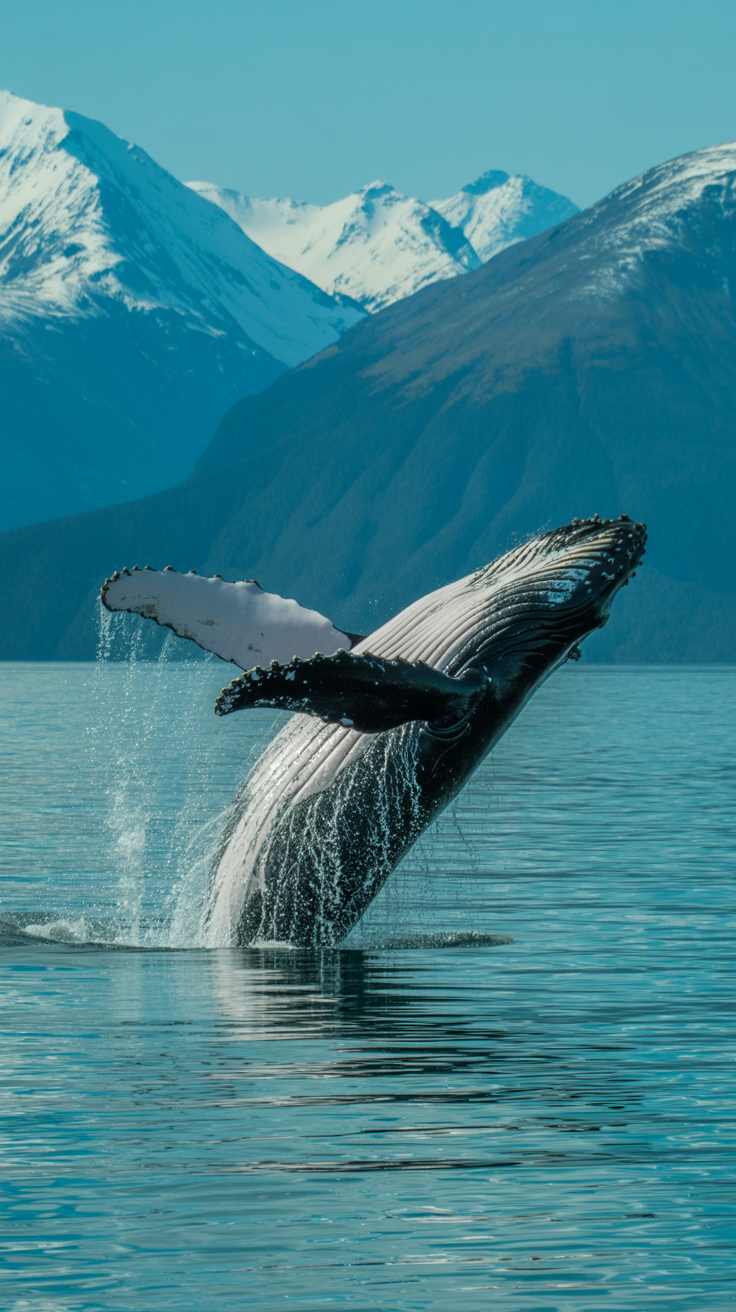
Humpback whales steal the show during summer months. They migrate to Alaska’s nutrient-rich waters specifically to feed, and watching them bubble-net fish is genuinely spectacular. You’ll see them breaching, tail-slapping, and blowing those iconic water spouts. Prime whale watching opportunities increase as summer progresses because more whales arrive throughout the season.
Orcas travel in family pods and can appear anywhere along the Inside Passage. Unlike humpbacks that are here to eat, orcas live here year-round. They’re smaller than humpbacks but incredibly distinctive with those striking black and white markings. If you hear the captain announce a pod sighting, drop everything and get to the deck.
Gray whales are migration specialists. You might spot them in May heading north or in September heading back south. They hug the coastline more than other whale species, so keep your eyes on the nearshore waters.
Bears: Timing Is Everything
Here’s what nobody mentions: you probably won’t see bears from the ship itself except in specific locations like Glacier Bay or Tracy Arm Fjord. Most bear sightings happen during shore excursions, and when the salmon runs are active, your chances skyrocket.
Brown bears congregate at streams and rivers during peak salmon season from mid-July through August. Book excursions to places like Pack Creek or Anan Creek for virtually guaranteed sightings. Black bears are more widespread and adaptable, so you might spot them foraging along shorelines throughout the summer.
Birds: The Underrated Stars
Bald eagles are everywhere, and I mean everywhere. You’ll see so many that they almost become background scenery, which is wild considering how rare they are in most of the lower 48. They perch in shoreline trees, soar overhead, and dive for fish constantly.
Puffins are the adorable clowns of the bird world with their colorful beaks and awkward flight patterns. They nest in specific colonies, so ask your naturalist when you’ll be near puffin habitat. Kittiwakes, murres, and cormorants fill the cliffs near glaciers.
Marine Mammals: The Reliable Companions
Sea otters float on their backs cracking shellfish on their bellies, and they’re almost guaranteed sightings in protected waters. Seals and sea lions haul out on rocks and ice floes, and you’ll hear their barking before you see them. Alaska’s diverse marine life includes Dall’s porpoises that love to surf the bow wake of ships, putting on impromptu acrobatic displays.
Month-by-Month Wildlife Calendar
May
- Gray whales migrating northward
- Newborn seal pups and bear cubs (often still in dens)
- Migratory birds arriving to nest
- Fewer crowds mean better deck viewing spots
- Weather can be unpredictable
June
- Humpback whales beginning to arrive in feeding areas
- Bear cubs out and about with mothers
- Nearly 20 hours of daylight for extended viewing
- Wildlife is active but salmon haven’t run yet
- Wildflowers blooming along shorelines
July
- Peak salmon runs begin mid-month
- Bears actively fishing at streams
- Humpback whale numbers increasing
- Orca pods actively hunting
- Best all-around wildlife month
- Most expensive cruise fares
August
- Maximum whale activity
- Bears at salmon streams in full feeding mode
- Berries ripening (bears also forage hillsides)
- Puffins still at nesting colonies
- Weather generally stable
September
- Whales beginning southern migration
- Bears preparing for hibernation (very active)
- Fall colors emerging
- Fewer ships mean quieter wildlife encounters
- Shorter days and cooler temperatures
For detailed guidance on scheduling your trip, check out when to cruise Alaska for optimal conditions and the best month to cruise Alaska based on your priorities.
Strategic Viewing Tips
Location Matters on the Ship
The outdoor decks beat the observation lounges every time for serious wildlife watchers. Yes, it’s cold. Yes, you’ll get windblown. But you’ll see more, hear more, and get better photos. The upper decks provide better sightlines for spotting whale blows in the distance, while lower decks offer closer perspectives when animals approach the ship.
Port side versus starboard depends on your specific route, but here’s the insider trick: listen to where the ship’s naturalist positions themselves during scenic cruising. They know which side will have better viewing.
Timing Your Deck Time
Early morning from 6-8 AM is prime time when most passengers are still sleeping. Wildlife is actively feeding, the light is beautiful, and you’ll have space to move around. Late evening offers similar advantages with the bonus of potential sunset lighting.
During scenic cruising days in Glacier Bay or Tracy Arm, the captain slows down significantly. These are your premium wildlife hours, not the time to be at the buffet.
Equipment That Actually Helps
- Binoculars: 8×42 or 10×42 are ideal. The ship’s movement makes higher magnification shaky
- Camera with zoom lens: 200-400mm range captures distant animals without excessive cropping
- Layered clothing: you’ll be outside longer than planned when whales appear
- Lens cleaning cloth: sea spray and mist are constant
- Polarized sunglasses: reduce glare off water for spotting submerged whales
Get comprehensive advice in our Alaska wildlife photography guide for cruise passengers and explore the best wildlife photo opportunities along popular cruise routes.
Shore Excursions vs. Ship-Based Viewing
Some wildlife requires leaving the ship. Bears fishing for salmon are best seen on excursions to viewing platforms at specific streams. Puffin colonies require boat trips or coastal hikes. But plenty of incredible sightings happen right from the deck while other passengers are shopping in port.
The secret? Skip one or two port days and stay aboard during scenic cruising. Not every port stop is worth missing Glacier Bay or Hubbard Glacier, where wildlife concentrates around the ice.
What You Probably Won’t See (But Hope To Anyway)
Cruise brochures love showing wolves, moose, and mountain goats, but these are genuinely rare from ships. Wolves stay far from cruise routes. Moose prefer inland areas away from saltwater. Mountain goats cling to impossibly steep cliffs and blend into the rock face. If you spot any of these from your ship, buy a lottery ticket.
Breaching whales are common but not constant. Whale breaches are unpredictable, and they happen fast. Keep your camera ready but don’t watch the whole trip through a viewfinder or you’ll miss experiencing the moment.
Bonus Tips From Seasoned Alaska Cruisers
- Download a whale blow identification guide to your phone before you lose signal
- The ship’s naturalists offer daily briefings about what to watch for that day—actually attend them
- Bring a red headlamp for early morning deck time without blinding your night vision
- Sea sickness meds work better for wildlife viewing than fighting nausea while whales breach
- Join the ship’s wildlife tracking board or app to see what others have spotted
- Pack waterproof bags for electronics because sea spray appears out of nowhere
- Baby wipes remove salt spray from binocular lenses better than tissues
- The crow’s nest or forward observation deck sees whales first as the ship moves forward
- Humpback tail flukes are unique like fingerprints—photograph them for whale identification databases
- Rain often precedes the best wildlife activity as animals emerge to feed
The Naturalist Advantage
Ships carrying fewer than 250 passengers require certified naturalists aboard in Glacier Bay. These experts are worth their weight in whale blubber for identifying species, explaining behaviors, and positioning you for optimal sightings. Introduce yourself early in the cruise and ask questions. They genuinely love sharing their knowledge and will remember enthusiastic wildlife watchers when something special appears.
Weather and Wildlife Visibility
Alaska’s weather is famously unpredictable, and yes, it affects wildlife viewing. Fog can reduce visibility to nearly zero, turning your glacier day into a ghostly white experience. Rain doesn’t stop wildlife activity—animals still need to eat—but it makes viewing from deck uncomfortable.
Overcast days actually provide better photography lighting than bright sun, which creates harsh shadows and glare off the water. Some of the most dramatic wildlife shots come from moody, gray days that look terrible to tourists but perfect to photographers.
If you’re committed to maximizing wildlife encounters, review our comprehensive Alaska cruise first-timers guide for planning strategies.
Common Questions and FAQ
Can I see the Northern Lights on a summer Alaska cruise?
No. Summer Alaska has nearly 24-hour daylight, which makes aurora viewing impossible. You’d need a winter trip with dark skies, and cruise ships don’t typically sail Alaska routes in winter.
Do I need to book wildlife excursions or can I see everything from the ship?
You’ll see plenty from the ship—whales, eagles, sea otters, seals, and distant bears. But close-up bear viewing at salmon streams requires shore excursions. It depends on your priorities and budget.
What if I get seasick? Will I miss the wildlife?
The Inside Passage is generally calm and protected. Seasickness is more likely in open water areas like the Gulf of Alaska. Bring medication just in case, because missing wildlife viewing due to nausea is genuinely disappointing.
Are certain cruise routes better for wildlife?
Roundtrip cruises from Seattle or Vancouver include more scenic cruising days in Glacier Bay and Hubbard Glacier, where wildlife concentrates. One-way cruises with more port days mean less wildlife viewing time but more opportunities for shore excursions.
How close do whales actually come to the ship?
Whales sometimes approach within 50-100 feet of cruise ships, though regulations prohibit ships from approaching whales. Curious orcas and humpbacks occasionally swim right alongside vessels, especially smaller ships. It’s breathtaking and slightly surreal.
Should I choose the port or starboard side of the ship?
It varies by itinerary and even by day. Both sides see wildlife. Book a cabin based on other factors because you’ll spend wildlife viewing time on outdoor decks moving from side to side anyway.
What’s the single best wildlife viewing location in Alaska?
Glacier Bay National Park consistently delivers the most diverse wildlife in the most concentrated area. The glaciers attract seabirds and marine mammals, while the shorelines host bears, mountain goats, and countless eagles.
Personal Experience
I finally took that Alaska cruise last summer, and honestly, having a wildlife guide beforehand made such a difference. We went in late July, which turned out to be perfect timing – the humpback whales were everywhere, breaching and slapping their tails like they were putting on a show just for us. Our naturalist pointed out a mama bear with two cubs foraging along the shoreline in Glacier Bay, and we must have spotted at least a dozen bald eagles perched in the trees. The key thing I learned is that early morning on deck is when you catch the best action. Everyone else was still at breakfast, but that’s when we saw a pod of orcas gliding past the ship.
What surprised me most was how much the timing matters. If you’re hoping to see bears fishing for salmon, you really want to book for July or August when the salmon runs are happening. June is gorgeous for newborn wildlife and longer daylight hours, but the whale activity picks up more as summer goes on. My biggest tip? Bring good binoculars and stake out a spot on the outer decks during the scenic cruising days. The indoor observation lounges are nice, but you’ll miss the sounds and the full experience. And don’t just watch the water – some of our best sightings were mountain goats and bears on the hillsides that most people overlooked.